GRADUATING, GRADUALLY
 By MICHAEL PERKINS
THE DEVELOPMENTAL NATURE OF PHOTOGRAPHY is not unlike that seen in many other crafts that eventually lead to art. Built in layers at a measured pace over years, the photographer’s eye deepens, broadens, becomes both intellectual and instinctual. It is a process, one that some would argue is never complete, and is similar to the way a sculptor’s grip on the chisel goes from brute strength to brain wave, or the halting young painter, over time, converts brush strokes to master strokes.
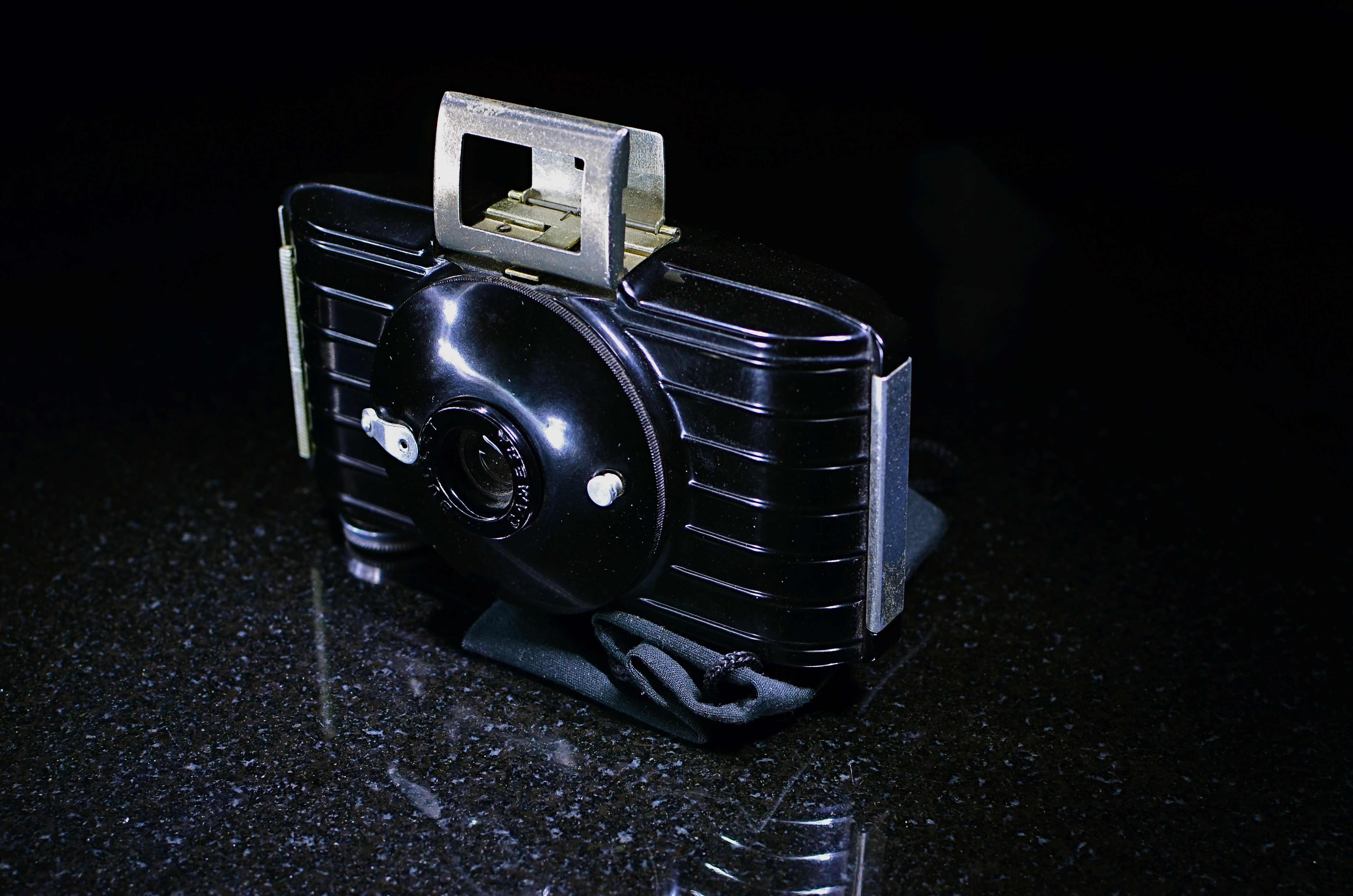
However, this process is subverted by contemporary culture’s addiction to things…new things, shiny things, latest things. When photography meets consumerism, acquisition, not mastery, becomes the prime objective. How can you take today’s pictures with yesterday’s camera? This new toy, this fresh gadget, changes everything. Adapt, or die a thousand uncool deaths.
This is flawed thinking, but it sweeps many of us up in the frenzy to constantly replace all our gear, placing our faith in the mechanics, rather than the aesthetics, of making pictures. Advertising is about artificially engineering need. If you can be made to have disdain for your old stuff, the people who make new stuff will never run out of customers. It’s just that simple. Fact is, there are many people who presently own perfectly adequate cameras, and, based on where they are as photographers, they do not need to go to the next big thing, since they have not mastered what they presently use. Here is the truth: changing cameras because you have outgrown your current one is the only time such change makes any artistic sense.
Now, I’m not saying that you should “settle” if your camera is so limited that it’s holding you back. There are some gauzy-eyed fantasists out there that love to rhapsodize on how you can make glorious pictures with crappy cameras, and, while I applaud their enthusiasm, I question their sanity. Romantic notions aside, crap usually begets crap. Get a box adequate to your needs. But make sure that it is also proportionate to your ability and involvement. I have seen more newbies over-purchase monstrous mega-machines that they either under-utilize by 90% or which terrify them so much that they lie rotting in drawers (the cameras, not the customers) after a few months of frustration and failure.
Find the camera that defines what kind of photographer you are right now, and pull every ounce of creativity out of it until you know that you need something else in order to grow. Trying to shoot masterpieces with junk usually doesn’t work, but sinking your hopes into a $2,000 thoroughbred that you’re going to use like a point-and-shoot may actually be worse.
GO TO YOUR GO-TO
Simple tools are often best, like the 35mm f/1.8 prime lens used here.
By MICHAEL PERKINS
THE EVOLUTION OF ART IS SOMETIMES ABOUT SUBTRACTION RATHER THAN ADDITION. We reflexively feel that the more elements we add to our creative projects…equipment, verbiage, mental baggage…the better the result will be. I believe that, as art progresses, it actually becomes more streamlined, more pure. It becomes a process of doing the most work with the simplest, and fewest, tools.
That’s why I am a big fan of the idea of a “go-to” lens, that hunk of glass that, whatever its specific properties, answers most of your needs most of the time. Again, it doesn’t matter whether it’s a prime or a zoom or a fisheye. If it delivers more of what you need in nearly any shooting situation, then there’s little reason to keep seeking happiness by lugging extraneous gear and spending extra time swapping lenses. And, after you have been shooting and editing for a while, you will know what that piece of glass is. As a personal example, the 35mm prime lens used in the above image, which can shoot everything from moderate macro to portraits to landscapes, stays on my camera 95% of the time.
Mikey’s Golden Rule # 3,456: The more you know your equipment, the less of it you need.
Consider several advantages of becoming a go-to kind of guy/gal:
Working consistently with the same lens makes it easier to pre-visualize your shots. I believe that, the more of your picture you can see in your mind before the click of the shutter, the more of your concept will translate into the physical record. Knowing what your lens can do allows you to plan a picture that you can actually execute.
You start to see shooting opportunities that you instinctually know will play to your lens’ strengths. You can even plan a shot that you know is beyond those strengths, depending on the effect you want to achieve. Whatever your choices, you will know, concretely, what you can and can’t do.
You escape the dire addiction known as G.A.S., or Gear Acquisition Syndrome. Using the same lens for every kind of shot means you don’t have to eat your heart out about the “next big thing”, the new toy that will magically make your photography suck less. Once you and your go-to are joined at the hip, you can never be conned by the new toy myth again. Ever.
Finally, without the stop-switch-adjust cycle of lens changing, you can shoot faster. Sounds ridiculous, but the ability to just get on with it means you shoot more, speed up your learning curve, and get better. Delays in taking the pictures you want also delay everything else in your development.
There are always reasons for picking specific lenses for specific needs. But, once you maximize your ability to create great things with a particular lens, you may find that you prefer to bolt that sucker in place and leave it there. In photography as with so much else in life, informed choices are inevitably easier choices.
 thenormaleye