By MICHAEL PERKINS
ONE OF THE THINGS THAT MOST CONSISTENTLY MARKS THE EARLIEST PHOTOGRAPHIC PORTRAITS is the uniformly dour expressions on the subjects’ faces. People sitting to “have their picture made” in the 1800’s and early 1900’s express many things….gravity, intensity, purpose, discipline, but generally nothing that indicates any joy at undergoing the process. Much of this, we understand now, was due to the technical limits of cameras and recording media at the time, which dictated long exposure times, meaning that a flat expression was simply easier to hold than a happy one. Any technique which necessitates resting your head against a rigid rod in order to keep it stationary is not conducive to goofy grins.
But what else made early photo portraits seem so stern? I have heard that the very act of smiling in public in the 19th century was, in the minds of some, an indication that one was not serious-minded, even a bit of an idiot. And then there was the fact that, for some, the act of having a photograph made of oneself was the one and only time their life that their identity would be officially recorded. This was not a casual or everyday occurrence, then, but an occasion….not dissimilar to the portraits of great men who posed on and off for months for painters for their one shot at immortality.
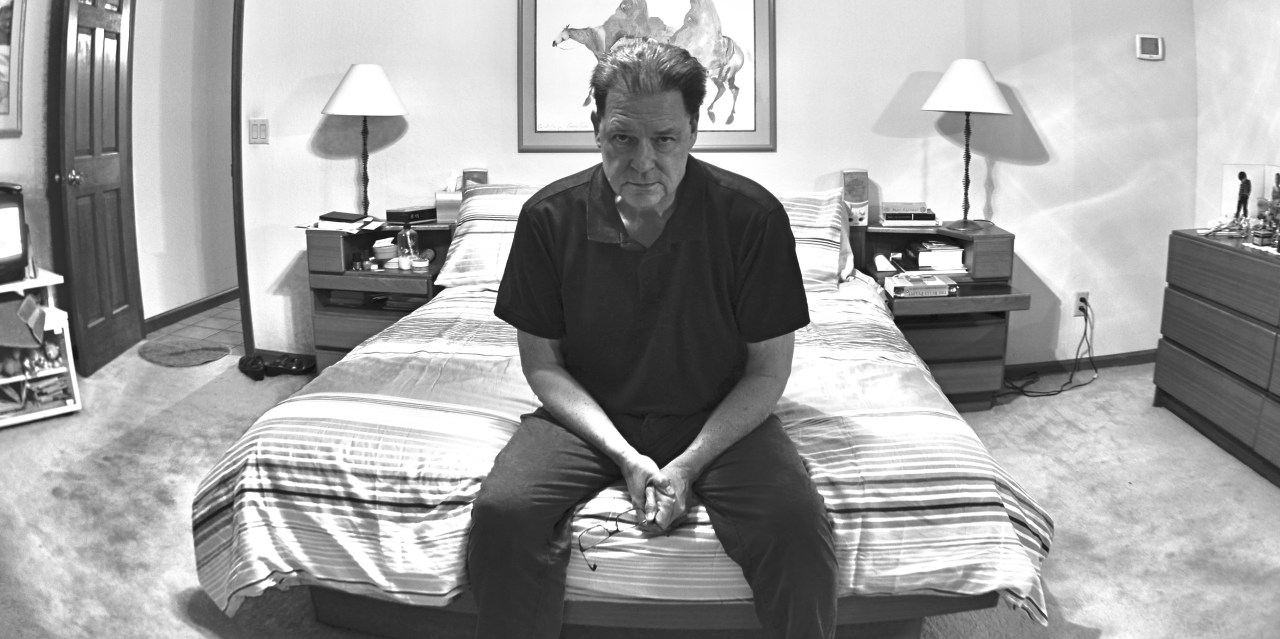
Now jump forward to our time, when photography is an instantaneous thing, and the default for facial expression has gone to the other end of the scale, meaning that we don’t even have to be told to “smile for the camera”, since it’s such an ingrained, instinctual thing. Of course, we’ re delighted to be here, happy to pose for a picture. We’re actually scorned a bit when someone points out that we didn’t smile. But where is the best middle-ground for a portrait pose, given that we now have thousands of opportunities to present ourselves over a lifetime?
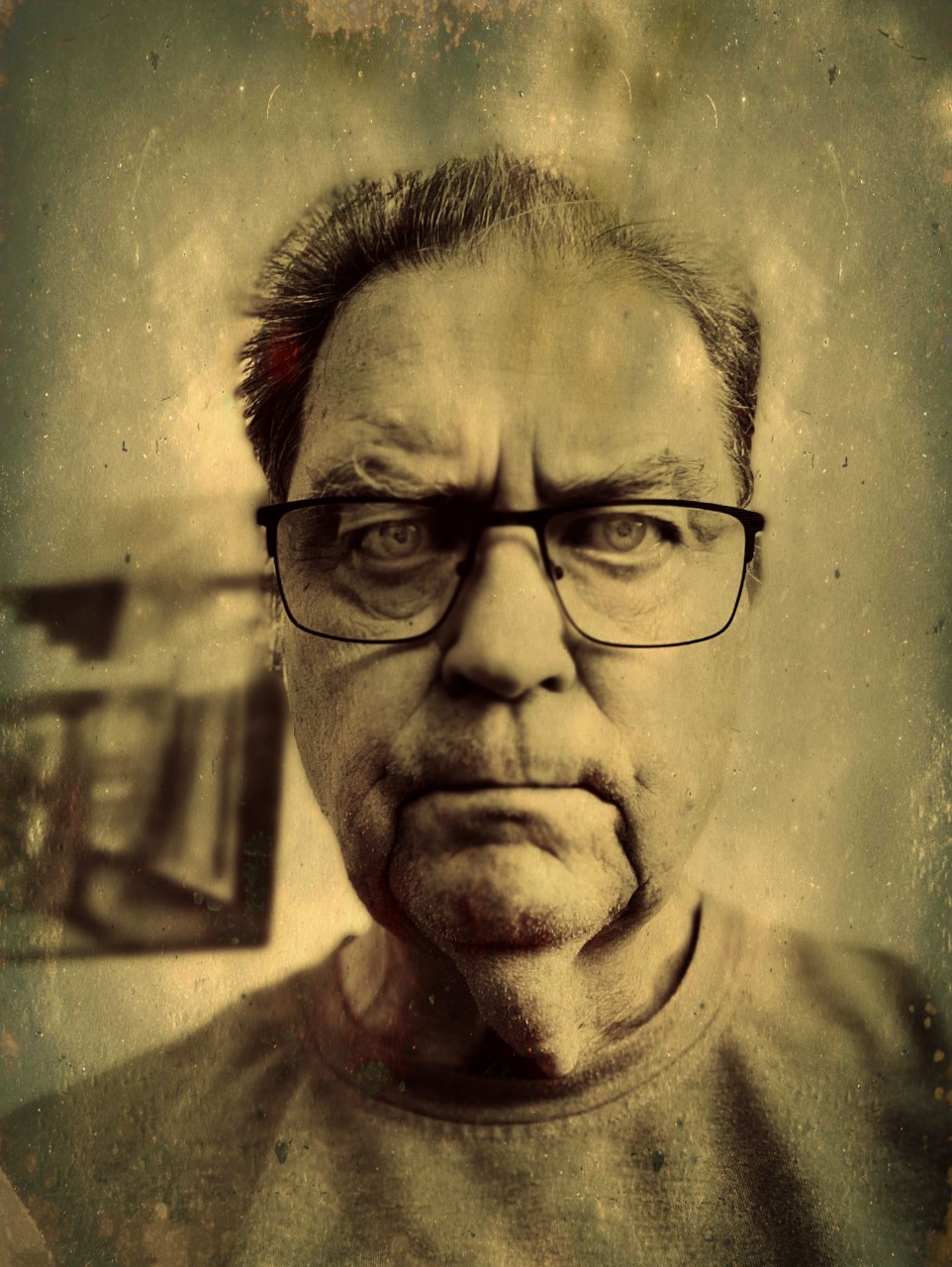
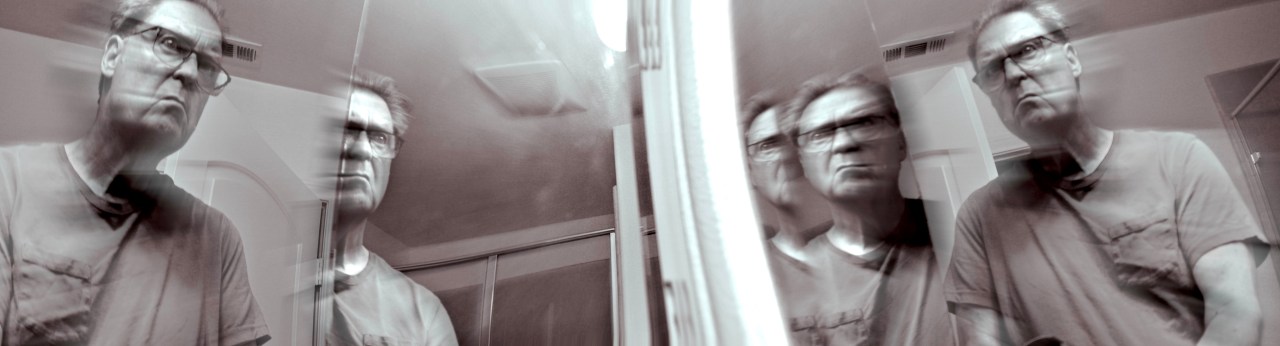
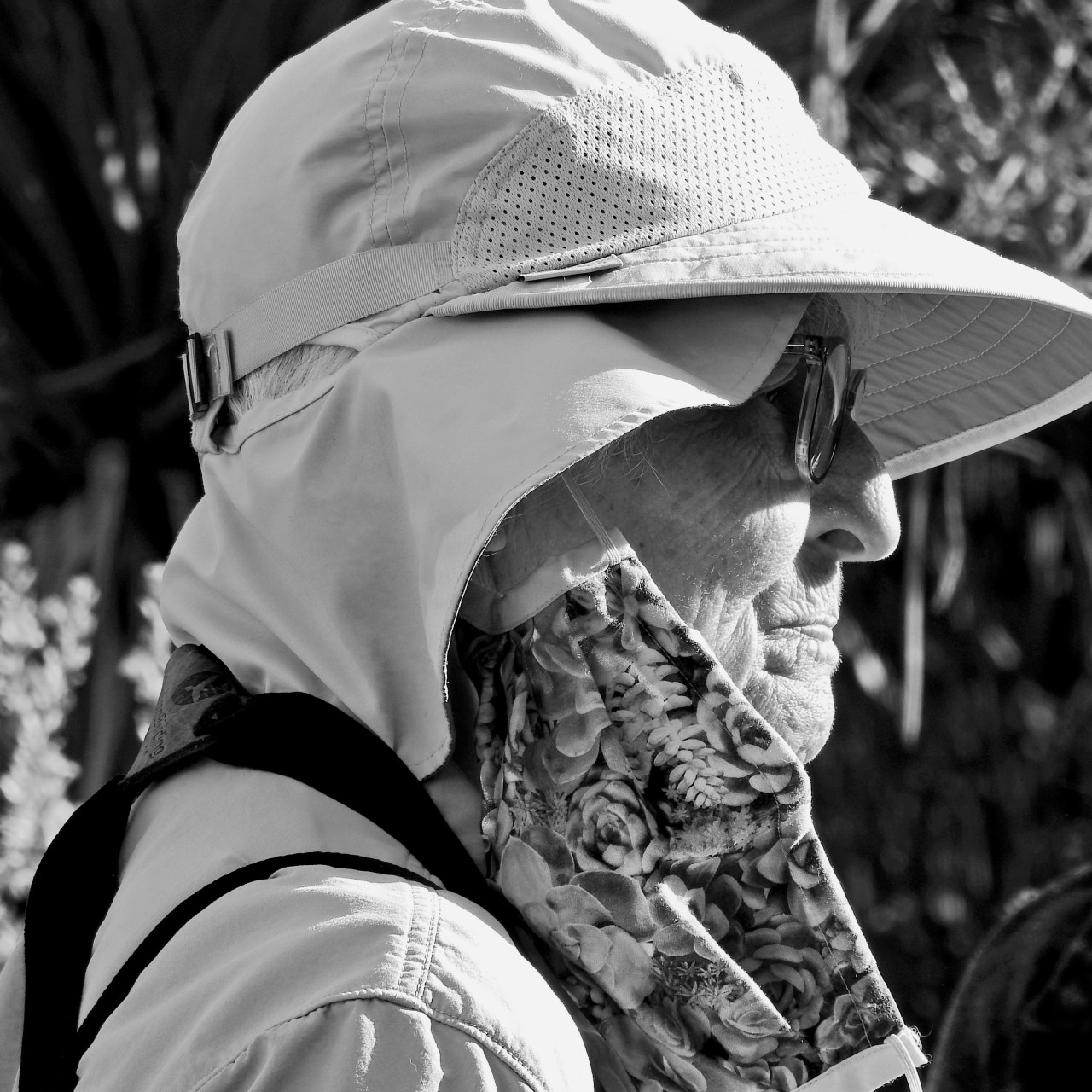
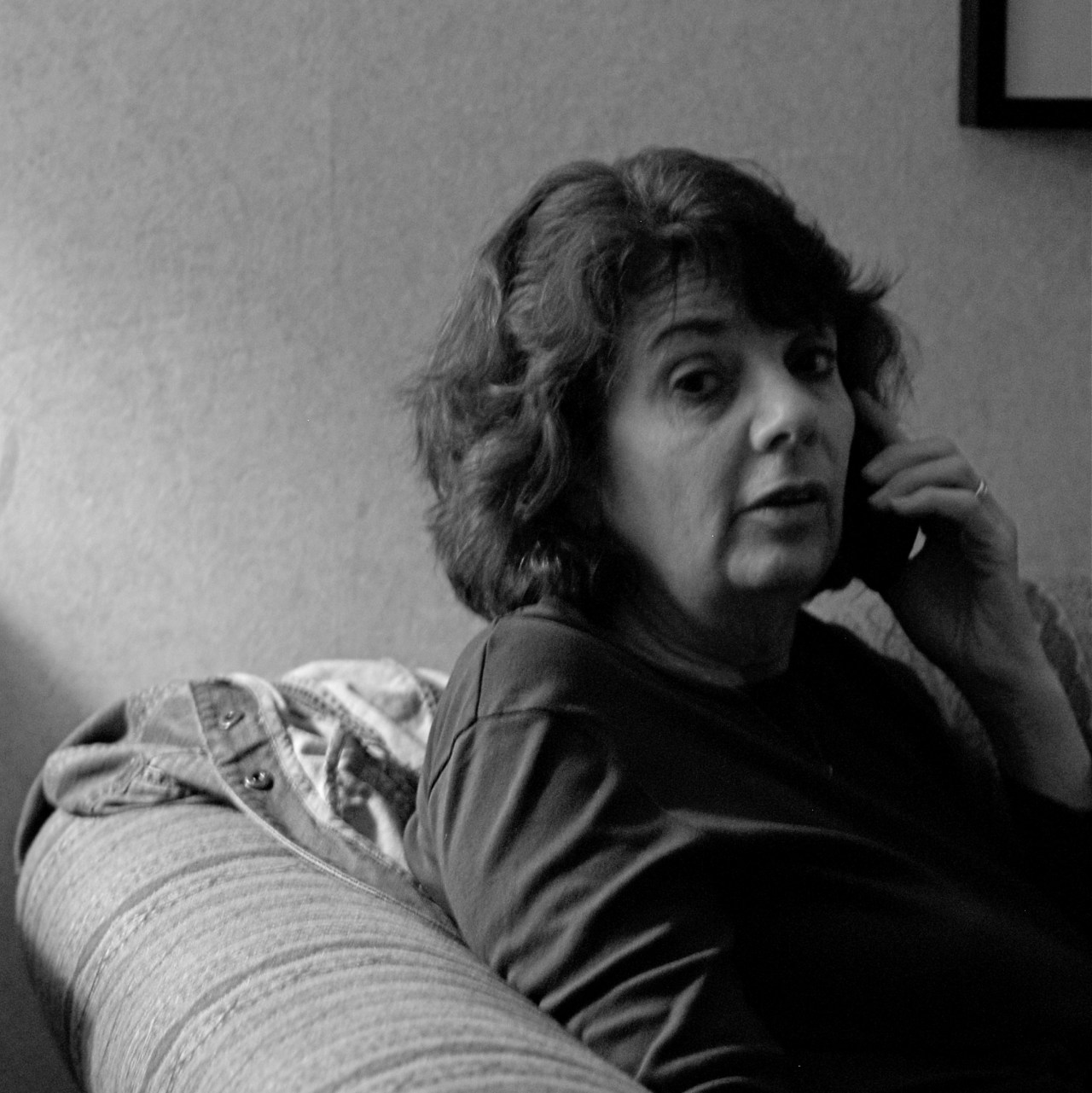
I have done a lot of self-portraiture in my day, and not because I particularly like the experience. On the contrary, I keep taking additional cracks at the task because I seem, always, to be getting something wrong. For one thing, in anticipating the click, I simply cannot bring off a plausible smile, as the idea of pretending that I’m giddy with joy in the moment seems stupid to me. And so I wind up with many, many frames in which I appear to be everything from mildly annoyed to moody and withdrawn to outright pissed, rather than “austere” or “serious” as I’d rather appear. It occurs to me that I seem to pose for selfies with a 19th century mindset, as if I will never be photographed again, as if I’m making a document of myself. What version of me should be authentic, most official? And why, when I labor so hard to nail candid work directed at anyone else, do I force myself to overthink the making of my own image?
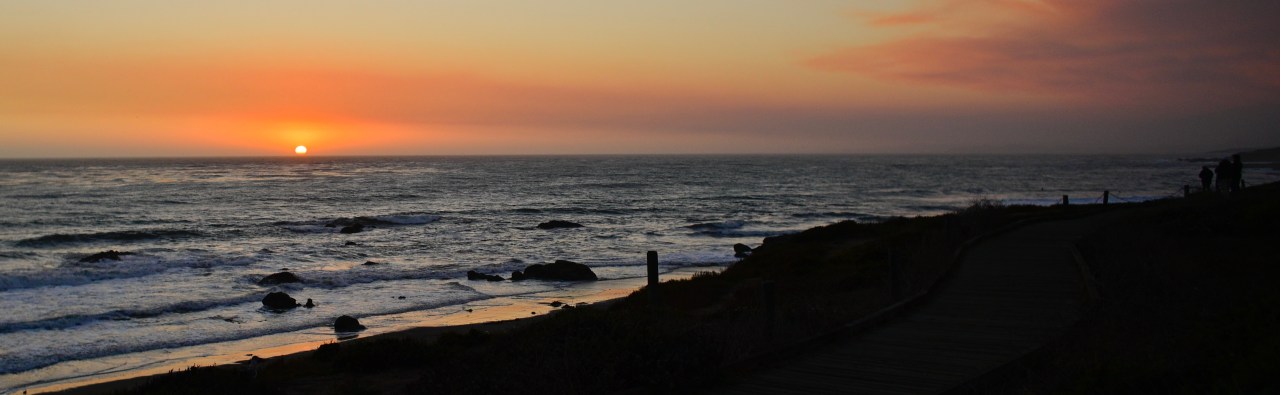
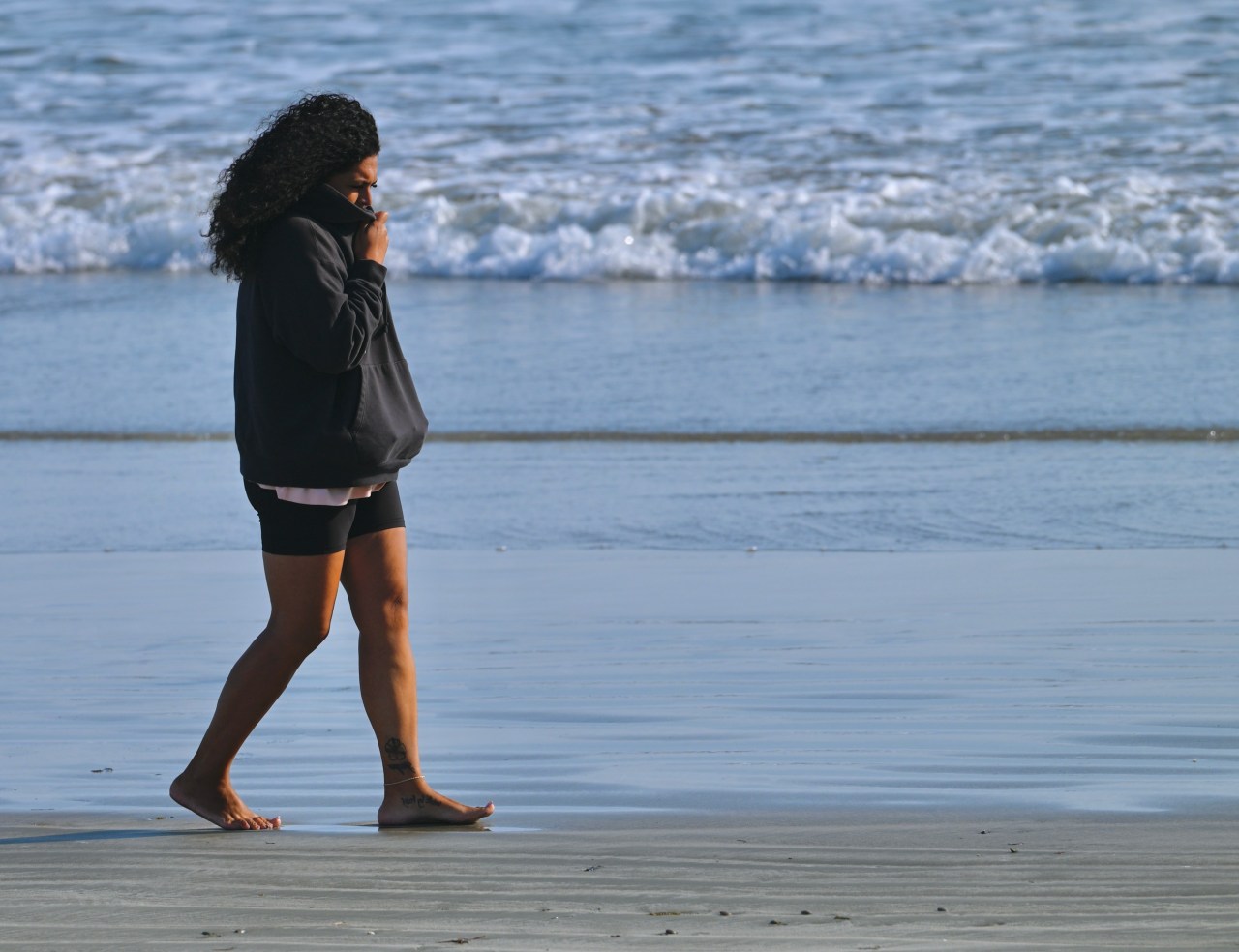
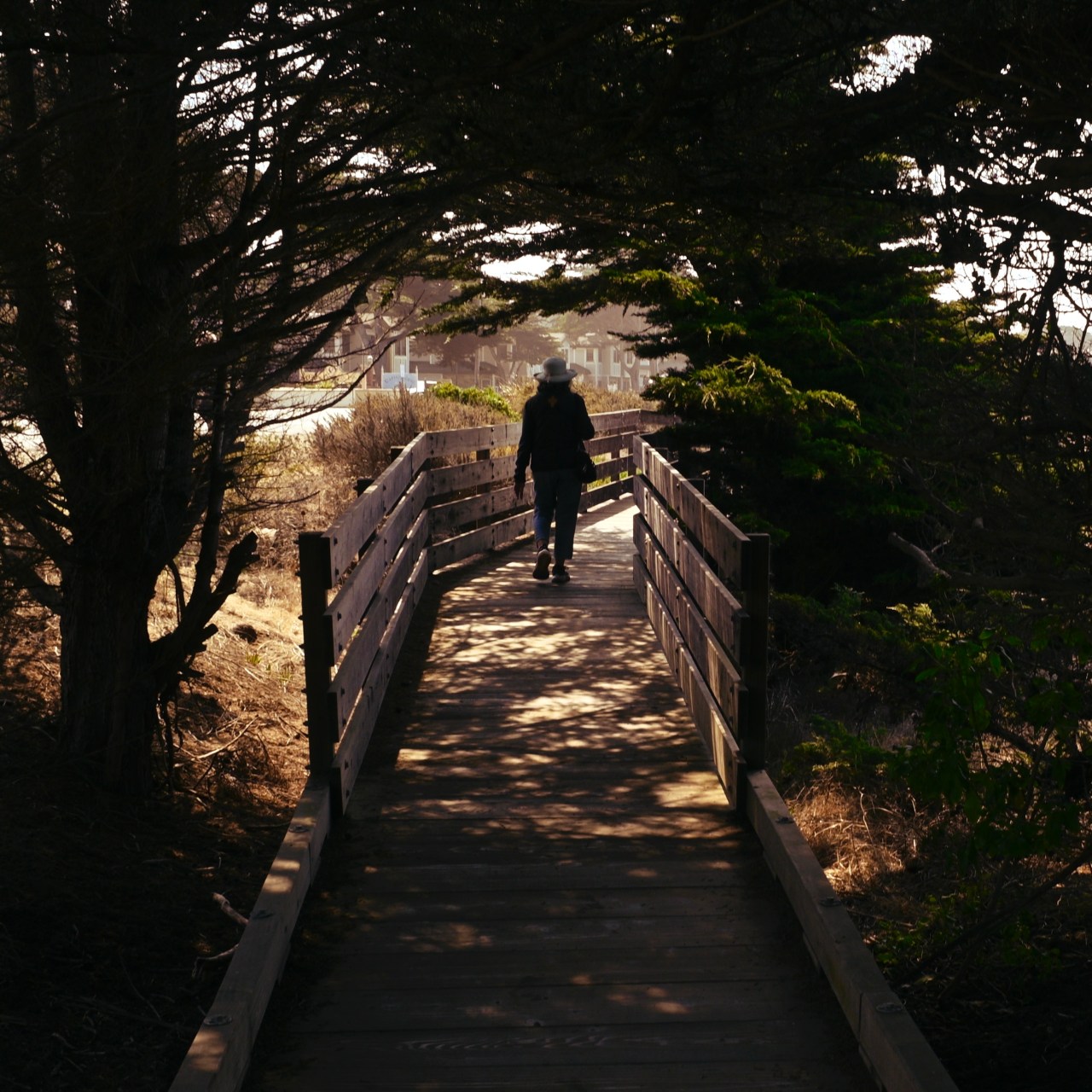
At the end of the day, it’s just easier, and a lot less stressful, to head outdoors and snap a sunset. I won’t make the ultimate statement doing that, either, but it gets me off the hot seat. As the cartoonist Bruce Erik Kaplan captioned in one of his drawings, “I just don’t want to end up being me…..”



NOW, THE REASON I ASKED YOU ALL HERE…..
By MICHAEL PERKINS
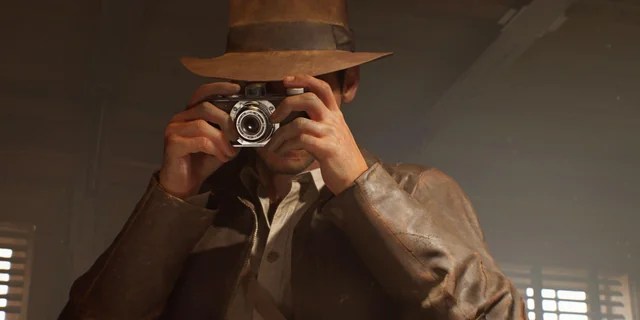
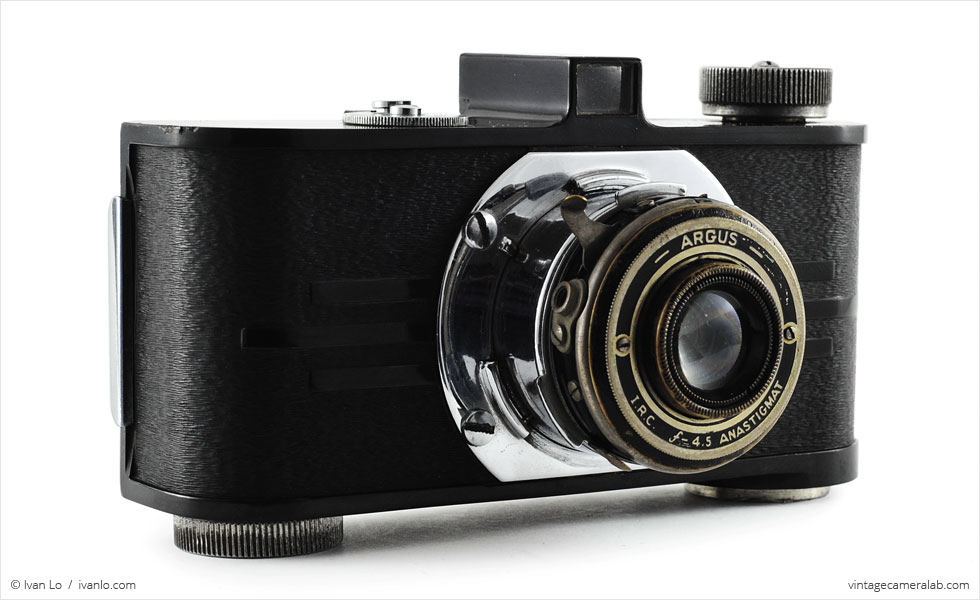
In the end, it’s really just a box. YOU are the actual camera.
ONCE OR TWICE A YEAR, since we started this little small-town gazette almost fifteen years ago, I stop to thank you all for walking this path with us, whether you’re a new subscriber or a wizened veteran. I also use the occasions to re-state how The Normal Eye happened in the first place. It may be instructive for some, and certainly serves as a mental reset for yours truly.
Photoblogs, at the time we launched, were, and remain, dominated by product reviews and technical tips, so much so that I knew that I myself had to go a different way, that is, if I were to keep the content relevant over time or maintain my own interest in the project. As it happened, I had, at about the same time, just compiled a kind of monograph of a year’s worth of images taken with a single lens, the prime glass known familiarly as the “nifty fifty” The other word for primes being “normal”, since they captured things in much the same way that we naturally see, I decided to title the book The Normal Eye. In spending a concentrated amount of time shooting with just one optic on full manual, I learned as much about my own limits, and options, as those of the lens, with the very word normal taking on an ever-more profound meaning for me.
We come into this world sensing everything on an instinctive level. Eventually, as we grow older and are socialized and hemmed in by the basic behaviors of just getting along in the world, we learn to stray from what was our original “normal”, relying on our own instincts less and measuring “reality” in much the same way that everyone else does. We learn that, to draw the sun, you always, always use a yellow crayon. We color inside the lines. We admire others’ view of basic things, often folding theirs into our own. We learn to mistrust the purity of our own vision, in music, in writing, in what we see. We “de-normal” our eyes. And our photography begins to fall into easily categorized, generalized technique. We shoot inside the lines, with a yellow crayon.
And so, re-learning the habit of seeing everything through the natural filter of our souls requires a deliberate, and dedicated exercise. We have to re-discover our normal eye. Learning to fully see is far more important than whatever gear we choose to help us record what we see. Intentionality becomes all. And so, in this forum, I wanted to be able to chronicle, as directly and simply as possible, what I encountered, daily, on that journey back to “normal”, to the natural. We try to use TNE to act like the kind of photographic diary you yourselves might keep, marking your daily progress and your evolving attitude toward the creative act of making pictures. Because Uncle Ansel was right; they are “made”, not “taken”, and that requires an ongoing sense of self-knowledge. It’s what we strive for at The Normal Eye, and it’s what I hope you and I share.
Thanks for being here.
Share this:
Posted by Michael Perkins | September 30, 2026 | Categories: Uncategorized | Tags: Commentary, Photoblog, Technique | Leave a comment