A CLIENTELE OF ONE
By MICHAEL PERKINS
MAN’S NEED FOR THE APPROVAL OF HIS TRIBE, as envisioned in photographs, is one of the great unifying themes of the visual arts. We make pictures about how we need each other, how we struggle to maintain an identity within this or that group, how we qualify for membership in the human club. Strangely, however, it is the need of the individual to shine or to distinguish itself from the masses that gives art its voice and authority. We can’t do honest creative work by merely miming everything that has gone before.
Which begs the question, why do we strive, in social media, for endless approval of the pictures we make?
Not only do we want our pictures seen (an urge that could actually lead to growth or enlightenment), we crave for those who see them to approve of them. In all too many cases, we allow the value or worthlessness of a photograph to hinge on whether we can chalk up a requisite number of “likes”, thumbs-ups, or stars for it. Many photographers who have never entered any kind of formal art competition judged by like minds readily submit their ideas to a vast sea of unseen jurors in some increasingly needy quest for validation. But art doesn’t get done that way, and producing pictures for anyone outside of a clientele of one is the very opposite of creativity.
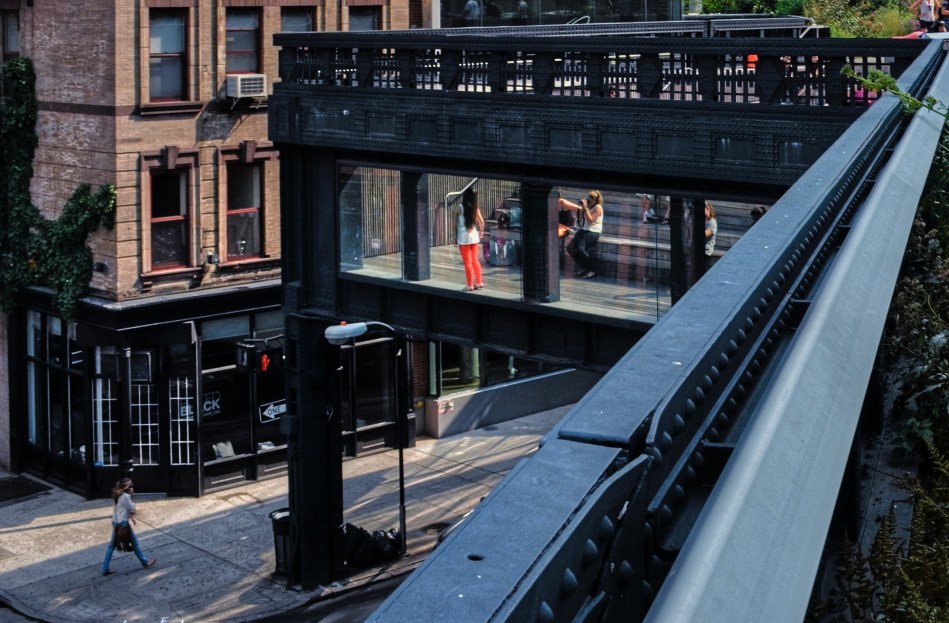
Making any kind of art means walking your own path.
The trap inherent in all this hunger after “likes” is that it is progressive, like any other addiction. The amount of approval one gets today becomes the minimum baseline for the amount of it that will satisfy us tomorrow. Even though our art can never ascend on a steadily uphill plane without dips and reverses, we grow to expect that the tide of approbation for it will continue skyward forever, or else, who are we? Art that is based on popular approval becomes mere pandering, putting our work at the service of whatever will make the crowd smile on a given day. That leads to repetition, imitation, and eventually self-parody. And it’s the end of pictures that build or feed the soul.
As the first Age Of A.I. threatens the very concept of authorship, challenging what makes an image “ours”, photographers must be more convinced than ever before of the value of their personal art. That means that we need to be content within ourselves, not endlessly second-guessing the vacillations of public taste. Make your pictures for yourself. If their stories are true and universal, others will find them. Chasing after likes is running away from what qualifies a photo as a narrator in the first place, and that resides only in the person who created it.
 thenormaleye
Leave a comment