OF CLEAN SHOTS AND DIRTY BIRDS
By MICHAEL PERKINS
“WELL, THAT’S A DAY I’LL NEVER GET BACK” goes the cliche about irretrievably wasted time, muttered after many a dud movie, inert concert or (say it with me), a particularly frustrating photo shoot. Many days we greet the dawn overflowing with hope at the day’s golden prospects, only to slink back home under cover of nightfall with nothing to show for our efforts but sore feet. Such is the camera life.
One of my own key wastes of picture-making time consists of the hours spent trying to do workarounds, that is, outsmarting a camera that is too limited to give me what I want without a ton of in-the-field cheats and fixes. My chief offender over the last five years is the compact super-zoom that I use for casual birdwatching. I lovingly call this camera “The Great Compromiser”, since it only makes acceptable images if the moon is in the right phase, the wind is coming from the northeast, and if I start the day by sacrificing small animals on a stone altar to appease the bloody thing. We’re talking balky.
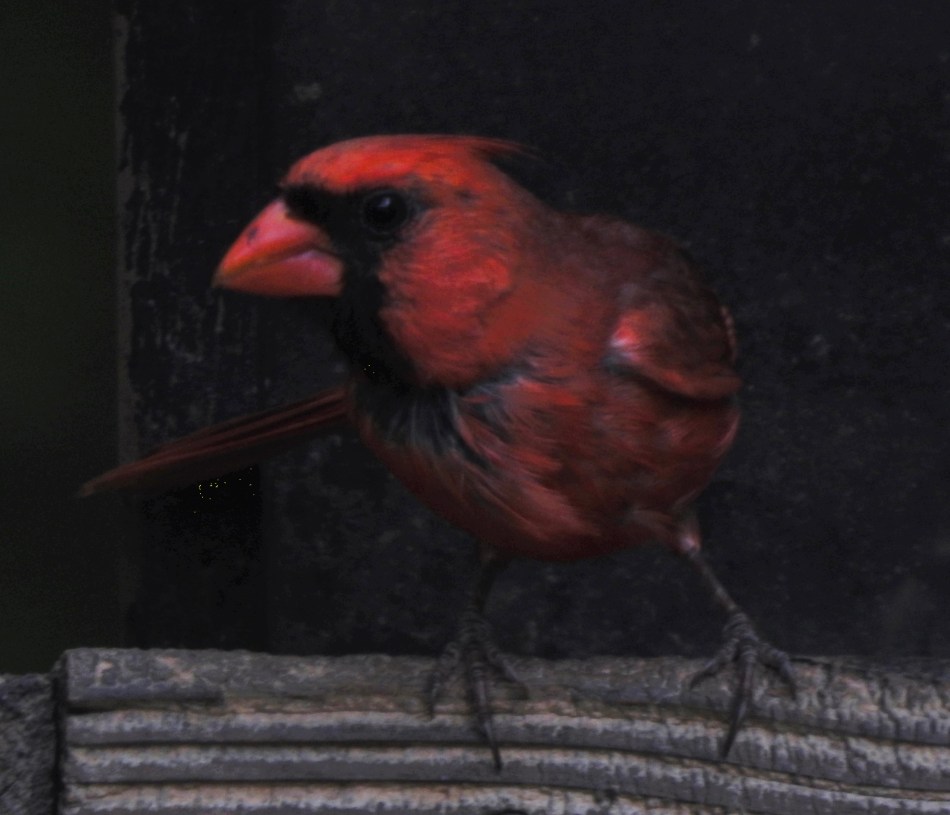
Out of the murk rises a small miracle. Or not.
The Compromiser achieved its convenient size and insane levels of magnification by writing all its images to a small, small sensor. That means that direct, plentiful sunlight is the only way to get acceptable results, proof of which can only be evaluated in playback, since the EVF is dim and utterly unreliable as a predictor of success. Add to that a maddeningly slow response rate after burst shoots, menus that only Satan himself could admire, and the surety that even a mild boost in ISO will generate more noise than a midnight Kid Rock show, and you begin to get the idea. I saved lots of money by not purchasing a dedicated prime zoom lens and I pay for it daily in the agony of using my “bargain” in the real world. Live and learn.
But just as any camera can deliver shots that are technically, well, caca, an occasionally “wrong” picture somehow works in spite of its shortcomings, and that’s where we find the above image, which gave me a dirty bird instead of a clean shot. The picture’s very imperfections gave me a look that I certainly would not have sought on purpose, but which is strangely endearing, even though nine out of ten other shooters might justifiably consign it to the Phantom Zone.
And so we soldier on, learning to love our red-headed (red-feathered?) stepchildren even as we see them as something that we never, ever want to do again. Love-hate is a term that seems to have been coined specifically to describe how the artist evaluates his art. Get away from me. Come here, I need you. I’ve never despised anyone like I despise you. Kiss me.
Repeat as necessary.
 thenormaleye
Leave a comment