WEATHER OR NOT
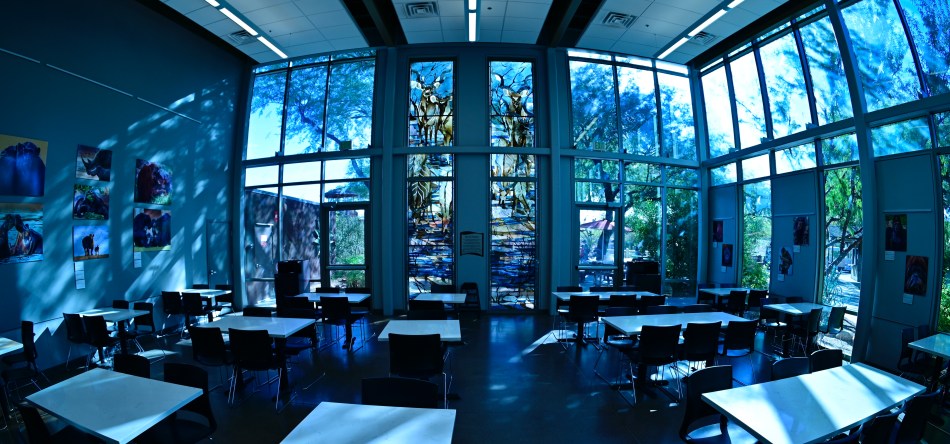
Instant rainy day: an in-camera white balance tweak designed to simulate shooting under florescent light
By MICHAEL PERKINS
NO SOONER DID PHOTOGRAPHERS SUCCEED in their earliest attempts at trapping light inside a box than they set about to see what kind of light they might prefer on any given day. From the very start, shooters have tried to shape the color and tonal range of their subjects rather than just record the prevailing conditions. To cite one f’rinstance: when I was a youngster, riding my pet bronto to the classroom cave, all sophisticated cameras came with instructions on how to achieve an ideal white balance, the better to either correct for nature’s shortcomings in a certain situation, or sculpt your own look for effect. Half a century later, it’s amazing just how easy such manipulations have become in the digital age.
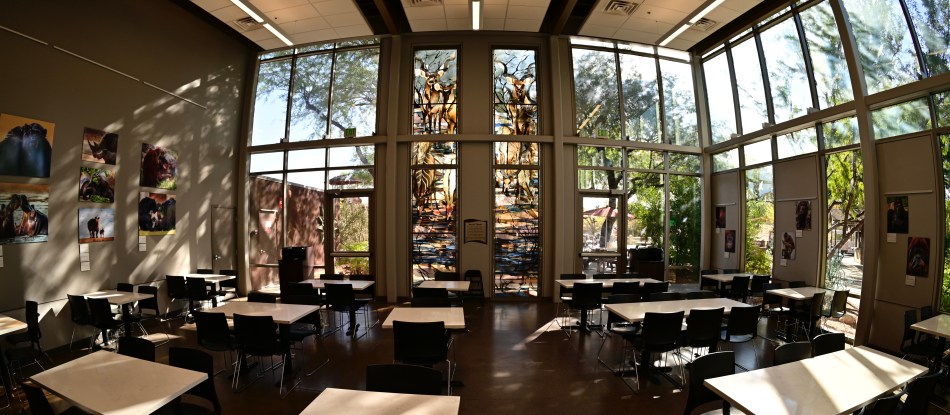
Same scene, mere seconds beforehand, shot on an “natural light auto” white balance.
Now white balance is simply another dial-up operation, something that can be as easily selected as an aperture or a shutter speed. Suddenly all those screw-on filters and charts are just so much junk in a drawer. It’s amazing how baked-in this kind of convenience has become, removing what used to be a time-consuming calculation not only making it completely instinctual but virtually instantaneous. We are now capable of, if you like, making our own weather ahead of the click.
Like everything else that used to be a pain about photography, the streamlining of white balance has joined many other operations that were obstacles between envisioning and executing a shot. That means greater and greater emphasis on training one’s eye and less time wasted on “I wonder if it will work out?”. All cameras are being designed to anticipate most of the problems involved in making a picture, so that it’s harder every day to take a bad one (although I stubbornly manage to do it, and often). Creating tools which take things like white balance and light metering inside the camera streamlines the entire process of photography. Fewer steps, fewer chances for error, more time for selecting and grabbing your vision.
 thenormaleye
Leave a comment