ALL ROADS LEAD TO EVERYWHERE

By MICHAEL PERKINS
OVER THE LAST QUARTER-CENTURY, ONE OF THE PERSISTENT BIASES THAT HAS HELPED CONVENTIONAL CAMERAS HOLD THEIR OWN against the tidal wave of cellphone-based photography has been the belief that there is some unbridgeable gulf between the amount of sophistication and control of old-school gear and the pocket-sized options of the average iPhone or Android. This belief has long helped the traditional camera manufacturers maintain a slim market edge over their upstart rivals. But if that belief was once justified, it is less so, now than ever before, and soon it will become merely a superstition.
Cellphones have exploded because they solve most of the problems that most regular photographers have with most of their shooting situations. And they do it intuitively, often instantaneously, and, in many cases, at a fraction of the cost of trad cameras. We are fast approaching a time when great, not merely satisfactory pictures, are obtainable universally, across all price points and platforms. Put simply, you may be buying a conventional machine simply because you like it better, rather than because it performs some magic that a mobile device can’t. In terms of getting the shot, we are almost at the point where all roads lead to everywhere.
To make a very specific comparison on an occasionally useful effect, i.e., selective focus, check out the image at the top, which was made on a Lensbaby Composer II with a “Sweet 35” optic. This particular art lens is designed to render a portion of the image sharply, with graduated blur surround that sweet spot. The optic can be rotated to place the sharper portion anywhere within the frame, and changing apertures will control how big the sweet spot is. This was shot at f/5.6.
Cost for both these components is well in excess of $250.
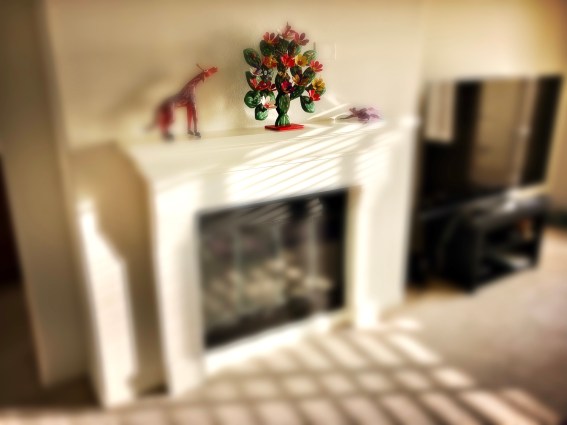
Now, consider the shot seen above. It was shot on an iPhone SE Generation 2 but the original image was in uniform sharpness. It was then processed in-phone with the Hipstamatic app, which offers options for “depth of field”, which, with a squeeze of two fingers, allows any part of the shot to be left sharp while the surrounding area goes to blur. If you louse up the placement of the sweet spot, you just re-do it in real time until you like it. The size of said sweet spot is likewise controlled by your fingers.
Cost: Well, you already own the phone, so all you need is the Hipstamatic app. In-camera purchases are available to emulate a variety of “lenses” and “films”, but the DOF tweak comes with the app, which is free. Yeah.
Are the two images identical in every respect? Of course not. BUT you tell me, or, more importantly, tell yourself what the answer is for you, for how you shoot, for the look you’re going for, what convenience means to you, and, most importantly, what your current concept of your “serious” or “real” camera is to you. It’s down to results, and, these days, results can be found nearly anyplace, using nearly anything.
 thenormaleye
Leave a comment