(PLEASE DON’T) WATCH THE BIRDIE
By MICHAEL PERKINS
I AM CERTAINLY NOT THE ONLY SHOOTER OUT THERE BEMOANING THE EFFECT OF SMARTPHONES on how people behave when being photographed. On the contrary, the way these ubiquitous and simple devices have transformed how we present ourselves to the camera has filled bookshelves with dire essays and laments, including an essay I recently discovered called The Death Of Candid Photography In The Age Of The Smartphone by Alex Cooke (read it here.) It is no longer a question of whether image-making has been compromised by the cel; it’s merely the degree to which it’s happened.
Stated simply, the very way we act when we know a camera is present (and one always is) has dramatically shifted from when cameras were formally “brought out” for selected occasions, or largely confined to studios. Having your picture “taken” has gone, within a generation, from a somewhat special event to a non-stop process of recorded surveillance. We are all always on, always assuming that a perpetual wave of photo-ops will be washing over us. This creates a hyper-alertness to keep ourselves in “take-able” mode, to constantly assess how we look, where we stand, what cultivated, managed version of ourselves we wish to offer up for mass consumption. Family photos no longer reside in albums or shoeboxes, but are expected to serve as our ongoing audition for the world’s approval.
In such an environment, there can be no such thing as the Unguarded Moment. As Cooke writes, more and more of us “have never experienced social interactions without potential camera presence. (Our) baseline behavior incorporates photo awareness as a natural state rather than a special condition.” We actively choreograph the visual geography of every frame that captures us, calculating, on the fly, how it will be received. We pre-edit our faces and figures to achieve a picture of us as we would prefer to be seen, and judged, by millions of strangers. For the photographer, especially the so-called “street” shooter, it is increasingly hard to make images of people exhibiting the full range of human experience and emotion, since everyone, everywhere, is “trying out” for some kind of approbation.
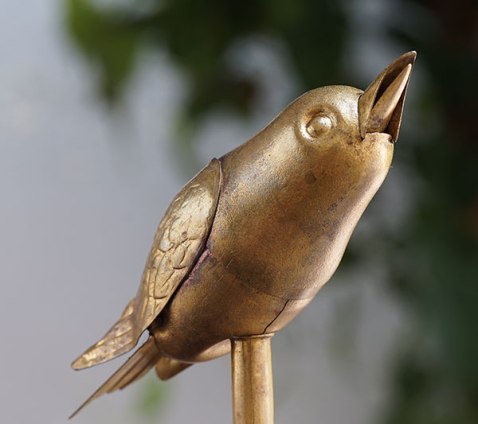
About a million years ago, people having their photograph “made” had to be instructed how to even look in the right place in order to look natural. Watch the birdie. Now, we worry, about what the birdie thinks of us; whether it likes us, whether it can be seduced into helping to market us. And, sadly, we take more and more pictures of ourselves that reveal less and less. We are, finally, a production.
 thenormaleye
Leave a comment