FRACTURED FEATURES
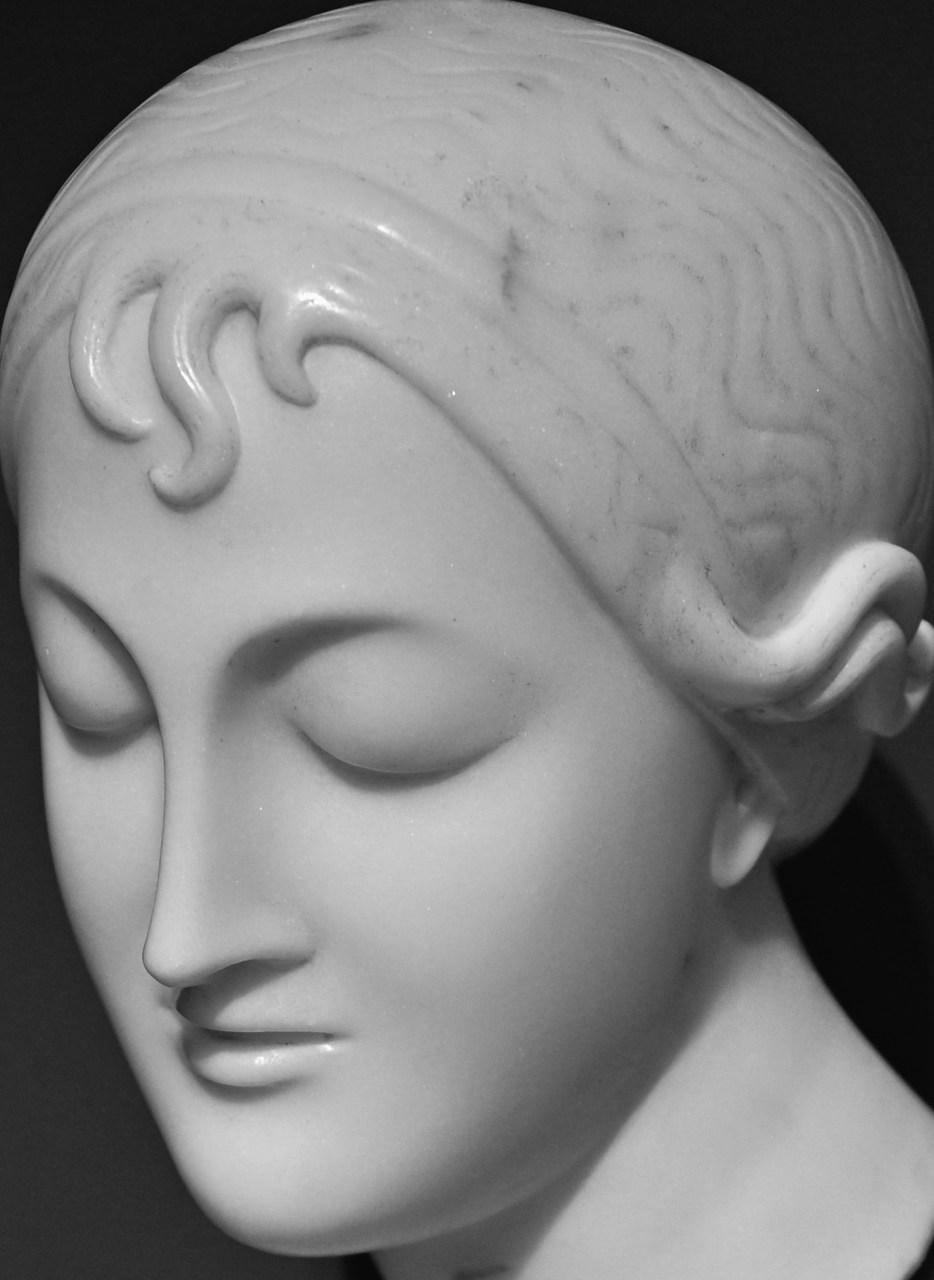
By MICHAEL PERKINS
A CAMERA’S RECORDING OF LIGHT FORMS PERHAPS THE MOST CRUCIAL ASPECT of a photographic exposure. The quality, intensity and quantity of illumination quite literally separates the men from the boys when it comes to results. Whatever manipulation the photographer wants to add either before or after the shutter snap (strategies which can totally re-shape an original image), any plan has to be based, first, on how your gear renders color, whether you decide to independently monkey with it or not. You have to be able to first count on what the camera initially sees.
You’ve no doubt compiled your own list of subjects or situations where the available light is, well, untrustworthy if you will, times when you have to take very strict control to obtain what you want. For me, the top of such a list has always been the space within museums, where objects, passages, public spaces and exhibits are subject to what I call color poisoning, caused by tinted glass, reflections, extreme contrast, uncontrolled contamination from competing light sources and more. It’s a mess, and a real working knowledge of how your camera meters and register light in a given place is absolutely essential. Your intentions for pictures of an exhibit or object will often be at odds with the curatorial staff’s, who have their own ideas for what makes a collection look “good”, rather than your needs.
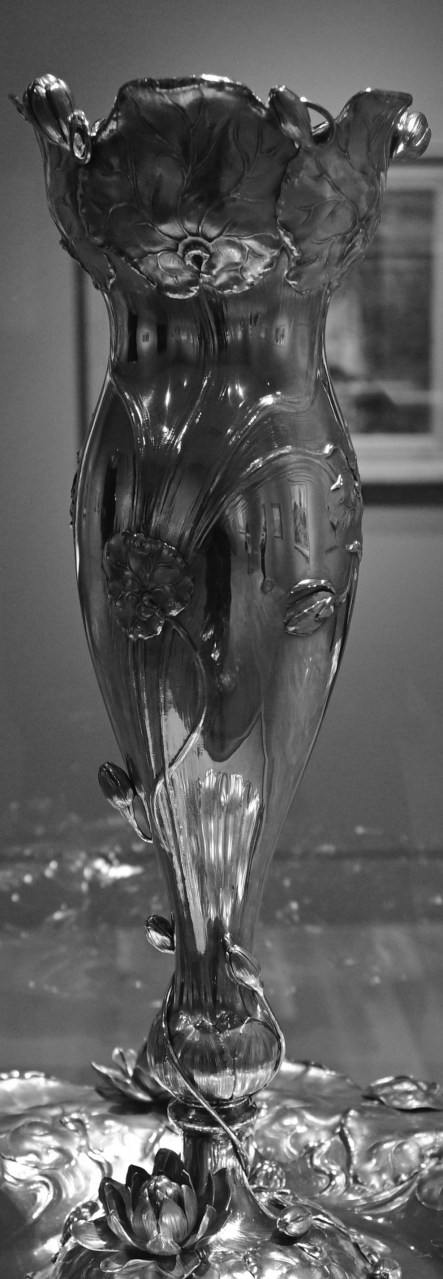
In the case of the images in this article, I have, sadly, admitted defeat, in that they were both intended as color pictures but have been converted to monochrome. This, after many long sessions in which I tried, and failed, to come up with a color registration that I could call honest, given the lighting scheme used in their respective display areas. They may, in fact, actually work a little better in b&w, but that’s not really the point. Thing is, I have had to settle for what you see here, or at least return both shots to the lab for another pass in the future. At the very least, I need to learn more about how to counter the light that’s available to me in a wider variety of situations. I know, duh, but it’s both enlightening and humbling to get frequent, if painful, reminders about specifically what you’re up against, technique-wise.
 thenormaleye
Leave a comment