SLOW YOUR (CAMERA) ROLL
By MICHAEL PERKINS
WE’VE MUSED OFTEN, IN THESE PAGES, on the difference between what I call snapshot mentality and photographic mentality. The first occurs when our minds are in “the moment of the moment”; quick, instinctual reaction. The second speaks to a more contemplative approach to making pictures, something that requires intention, planning, and a number of creative choices. The omnipresent tsunami of gazillions of images generated by the convenience of the mobile camera favors snapshot mentality, while older tech, film for example, bends toward photographic mentality. One approach urges that we do things in a hurry, sorting out the chaff later (if ever), while the other dictates that we slow down and focus.
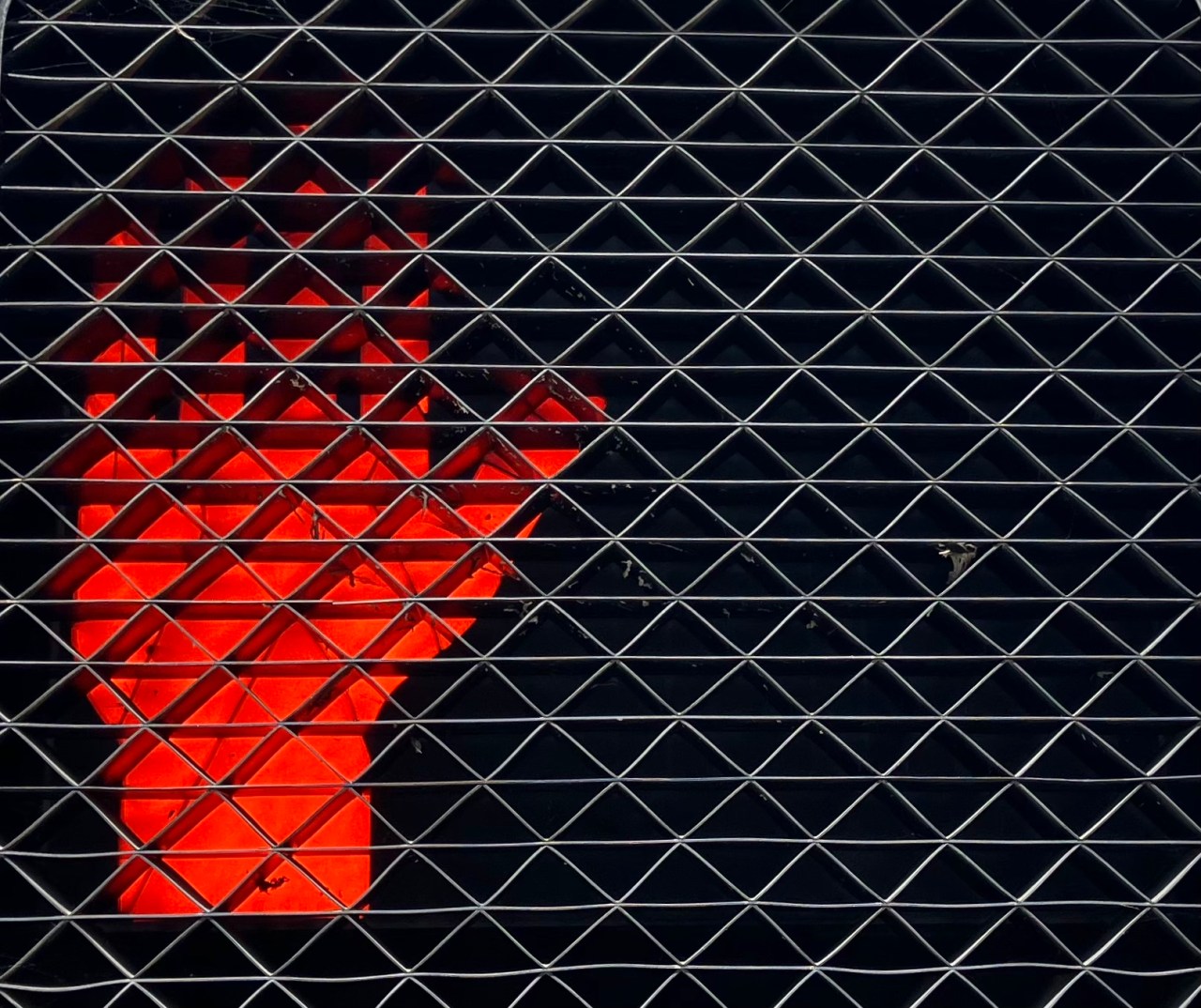
Several disciplines within photography actually seem to be trying to make photographic mentality a priority. The recent explosion of new medium format cameras, for example, emphasizes careful design of an image rather than quick takes. The retro fascination with film, especially with technically limited toy cameras that are prone to error and failure, also forces the user to stop and think before shooting, if for no other reason than sheer economy (mistakes that don’t matter in digital are costly and time-consuming in analog). Another key demarcation is the decision to shoot on either manual or full auto. which also imposes its own unique methods. And then there are the spiritual or mystical approaches that enter into every creative process, demanding that all shooting decisions promote patience and deliberation, a kind of zen hive mind. It’s like the old predictive primer Megatrends, in which the author argued that, like a pendulum, mankind swings between the poles of high tech and high touch. Once high tech begins to overload our senses with speed or convenience for their own sake, the human need for high tech…..a direct, tactile, and yes, slower engagement with the world, becomes needful as a corrective.
We all do a percentage of our work in both snapshot and photographic mentalities. Neither approach is sufficient for every situation. But there is a lot to be said for stopping, waiting, and evaluating what we are doing on the most complete terms possible in the moment. Photographs never suffer from too much advance planning, after all. And while we all admire the sentiment that we must “stop and smell the roses”, the very first step is to notice that there are roses in the first place.
 thenormaleye
Leave a comment