A FEATURE, NOT A BUG
By MICHAEL PERKINS
PHOTOGRAPHY IS CURRENTLY EXPERIENCING SOMETHING OF A TEENAGE CRUSH on defects, a glorification of the technical flaws in our images that values errors as something that confers “authenticity” on our work. Some of this is a recoil from the digital revolution, with shooters believing that all that new-fangled perfection is somehow suspect, less real without the glitches, miscalculations and unpredictability of analog methods. This nostalgic vibe has fired the lo-fi movement, as well as the tactile back-to-film thrills of instant photography, as seen in the reborn Polaroid brand. Some applaud this as a return to innocence, while others revile it as pretentious and faddish.
Going out of our way to purchase equipment that deliberately engineers what we used to call “mistakes” back into our work is certainly one way to approach the making of pictures. And going lo-fi by means of hi-tech is also an option, as shredding or rewiring the quality of images through apps and post-production gets the job done pretty much at the speed of whim. And certainly the ingenuity of inventors in trying to re-introduce analog imprecision back into a medium that they fear has become too cold is amazing to witness. The photo market is ablaze with new gadgets designed to make everything new look old again. But beyond achieving the novelty of an old-timey aspect, are we truly adding anything to our art?
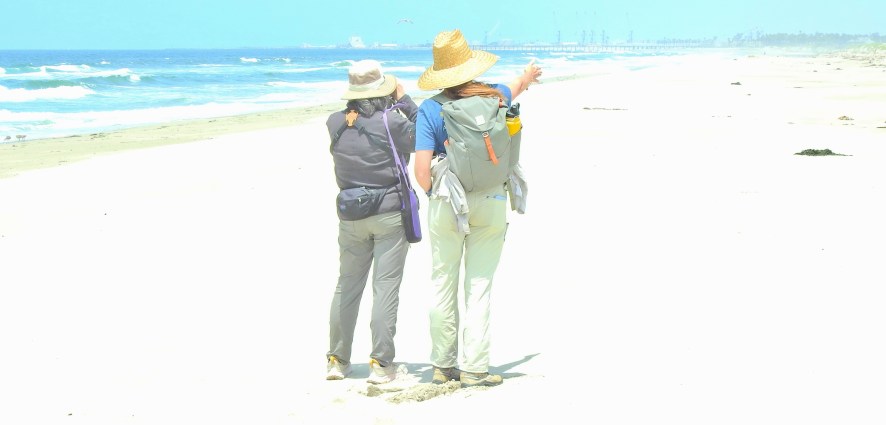
Making a shot like this, for example, is easy, even with older gear. It’s an over-exposure, or what the artful amongst us love to call “high key”, and, upon first glance, it does have a certain impact, given the subject matter and location. But is it, finally, a better picture, or merely a novelty? Would a conventionally exposed shot have had the same impact, or even more? I have a friend who works professionally in digital but disdains it for his personal work, teaching himself how to apply collodion to glass plates and shoot everything as if it were 1850. Aside from the scientific achievement of getting and controlling an image under extremely demanding conditions, I am not convinced that the pictures he’s making are anything more than a trick from a kid’s science fair. You can only marvel at a tabletop volcano so many times before you ask yourself whether it really merits a blue ribbon.
But that’s why there is more than one approach to doing all this. I myself indulge in various effects-oriented shots, depending on what I need to do. But what I need to do, most of the time, is make sure I choose the right canvas for what I’m trying to depict. Chasing an effect for its own sake, even the seductive appeal of nostalgia, can become a dead end, lowering art to the status of mere craft.
 thenormaleye