EITHER/ OR / EITHER
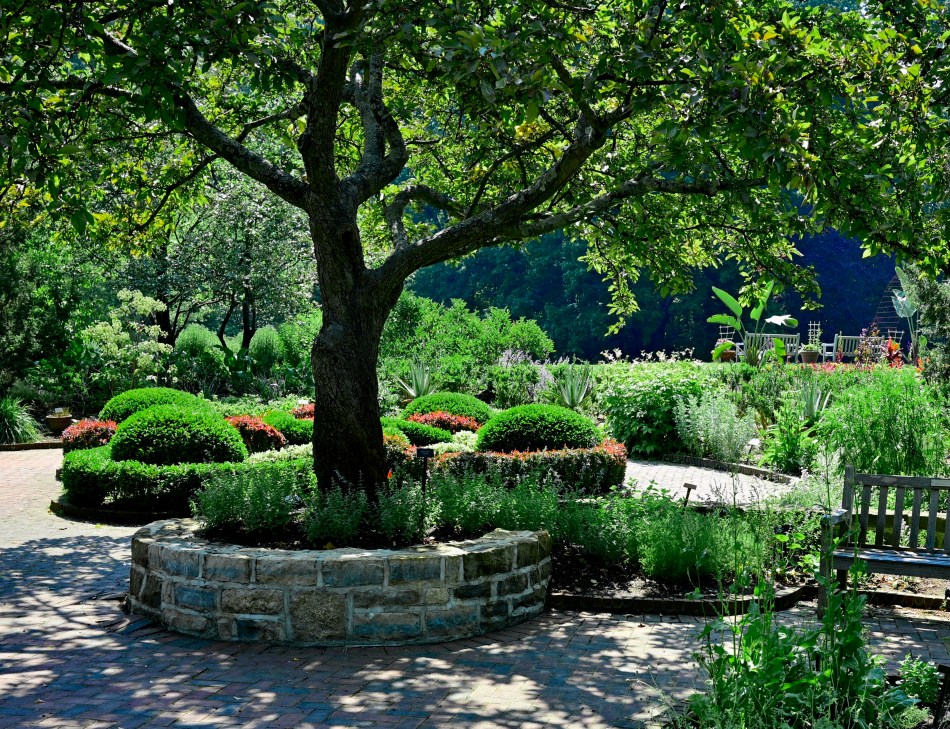
Inniswood Gardens, Westerville, Ohio, color original, 2023
By MICHAEL PERKINS
I GREW UP DURING THE MASSIVE CONSUMER SHIFT that saw most photographers, both amateur and pro, fully embrace color film, giving it real market dominance over black and white. The wind-up to the change took most of the first half of the twentieth century, given the substantial barriers that blocked quality reproduction of color in both processing and printing, problems that kept giants like Ansel Adams openly disdaining brightly saturated hues in favor of a range of tones that either seemed more objective and documentary, or at least more manageable. Color remained, until the 1950’s, the devil you don’t know, and mono was so dominant until after WWII that several boomer kids seriously asked their parents if the world was actually in black and white until well after they were born.
I was not unique at the time in that the first rolls of film I shot were Kodak Verichrome Pan. It was plentiful, everyone processed it cheaply, and newspapers and magazines still defaulted to it to a great degree. I only made the leap to Ektachrome reversal film after my father graduated prints to slides and I came to regard color as more “realistic” while gradually demoting mono to inferior status. It wasn’t until well after my teenage daughter began using Ilford roll film in a 70’s-vintage Minolta that I truly began to value the accumulated legacy of b&w, adopting Edward Steichen, Walker Evans, Margaret Bourke-White and others as honorary godparents and re-learning how less could actually be more.
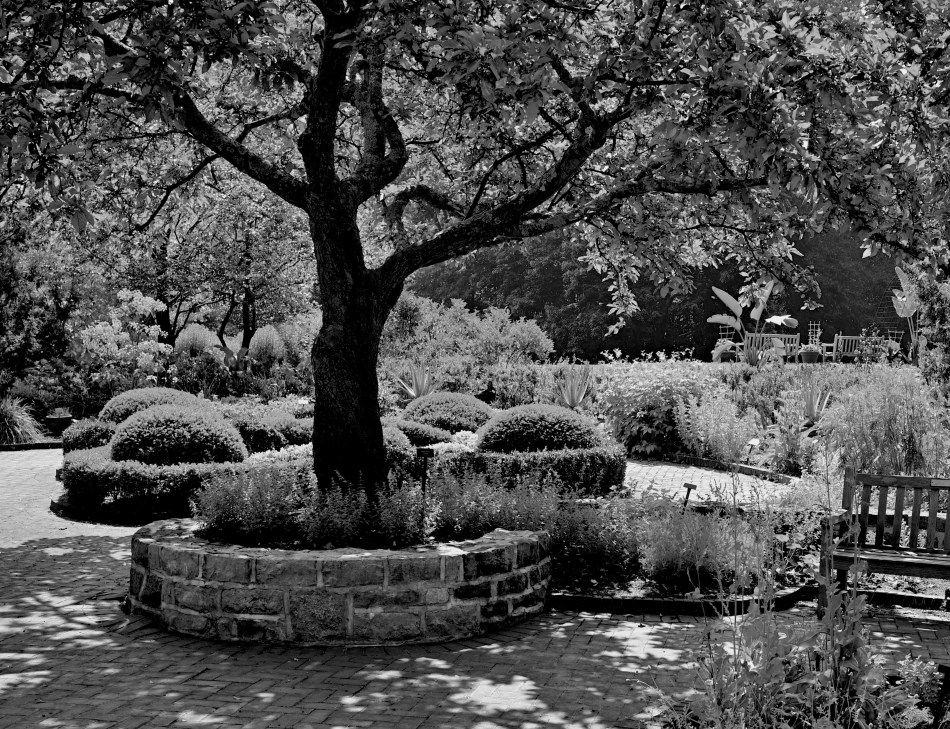
Mono conversion of above image.
Today, I create about 20% of my shots as mono originals, although I am strongly drawn to convert most b&ws from color masters, giving myself the most options possible. The shots that begin as mono are more numerous now because in-camera pre-sets are increasingly able to simulate the tonal range and contrast of mono films, and are therefore nuanced enough that nothing seems “lost” in the absence of color. However, I still have a few hundred mental debates per year on instances where either version might be considered satisfactory, depending on your intent and mood. Some of those debates I settle: the rest are slapped back and forth like a lazy tennis volley on slow, rainy afternoons. At the very least, the ambivalence reminds me not to get complacent about when a picture’s “finished” or “good enough”, and that may actually bode well for what I’ll shoot tomorrow.
 thenormaleye
Leave a comment