AN EFFECT IN SEARCH OF A MOTIVE
By MICHAEL PERKINS
PHOTOGRAPHY HAS NEVER BEEN SATISFIED to act as a mere recorder of, although it has certainly been used as a clinical instrument, charged with documenting the size and texture of things in the “real world”. And as useful as it has been, since its inception, in helping to identify, quantify, catalogue or certify things (think police mug shots or historic events or travel destinations), shooters have never been comfortable with using it just to measure or preserve. Just as painting is innately interpretative, making no real claim to verity, so too photographs are points of departure from what is real….real PLUS, if you like.
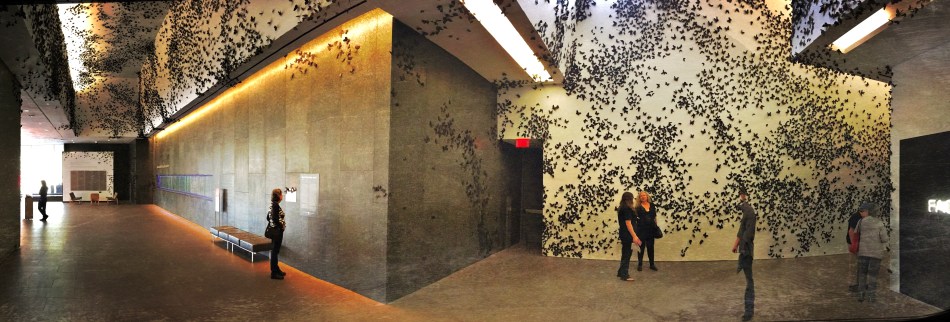
Lenses and processes, then, have always been developed to service both the accuracy of documentation and the fancy of imagination. Same tools, different uses. Sometimes we can shoot something a certain way before we know why we would want to even do it, sort of an effect in search of a motive. We can make the picture do this. But why would we? That is to say that no custom gimmick or look is appropriate for every shooting situation. We marvel at the technology that conveys a certain sensation; deciding if it serves the image at hand is another thing entirely.
AS one example, an effect that began as an attempt to tell a more complete story is the panorama. Its beginnings were defined by specialized lenses and cameras that enabled chroniclers to show several thousand military cadets in one shot, or render the complete flow of an entire city block. Over the decades, dozens of techniques have been used to make panos easier to take, with digital tech making shooting them nearly instinctive. Still, the question for the photographer remains, what to do with this unique type of view? How to marry subject matter and system in such a way that both complement each other, rather than being merely novel? The making and processing of the shot seen here, for example, were all done in-camera with a cell phone and a cheap post-processing app, making it easy to follow a momentary impulse and have an acceptable result within minutes. But is anything unique said or amplified with this viewpoint? Is this the best way to display or portray this space? Was that the point?
Filtering reality through our own personal vision requires a unique match of gear and imagination. One cannot perform without the other, but the balance between the two is a delicate dance.
 thenormaleye
Leave a comment