ONE AND A HALF EYES
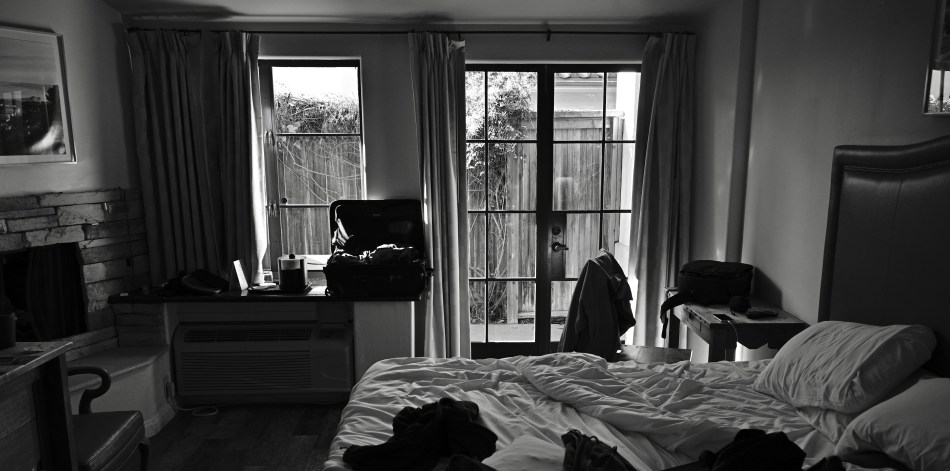
The settings stored on the “U1” mode button on my Nikon Z5 instantly produce this classic mono effect.
By MICHAEL PERKINS
OF ALL THE OCEANS OF INK SPILLED, OVER THE LAST GENERATION, on stories about the debate between photography’s analog and digital camps, relatively few have centered on the most salient difference between film-based and sensor-based devices, which is that the latter are truly miniature computers. Digital has never been about merely finding non-mechanical means to measure light, but truly about an explosion in options, tech that allows the shooter to store thousands of choices outside his own brain, creating, in effect, a database of preferences that he can call upon to instantly render any look he imagines. It’s like adding an extra half an eye to the two you were born with.
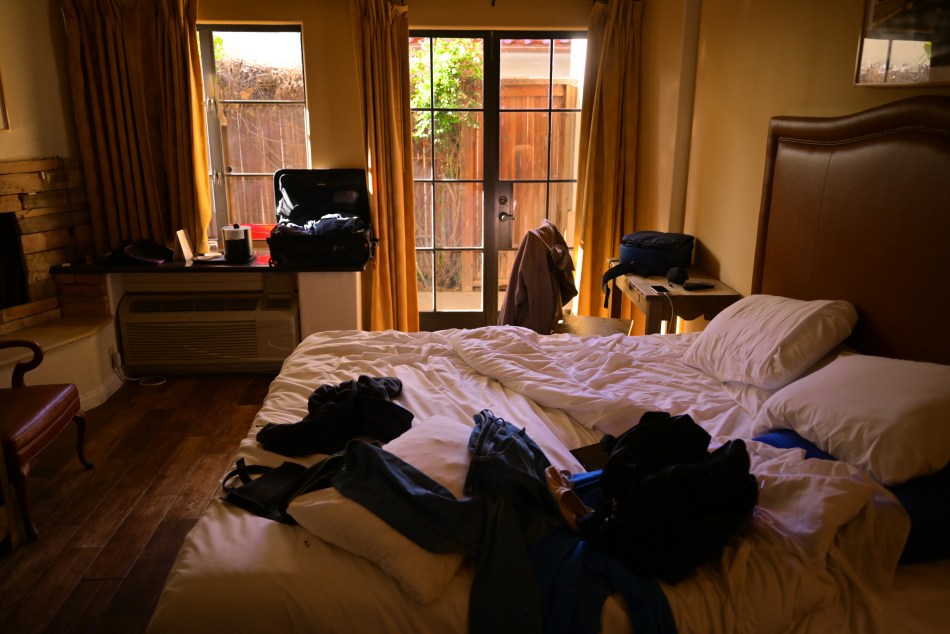
The stored “U2” settings deliver a pretty good Kodachrome fake.
Consider, as just a single example of what’s hanging from these new super-tool belts, the “user” buttons that come with nearly every camera on the market, slots where dozens of specific settings that add up to a particular “look” for an image can be stored on a mode button that, when dialed up, immediately creates that look without the need for further adjustment. Of course, in the film era, we could manually make many such custom adjustments, but they required doing so in the moment, one image at a time, cutting the implement time for shots and practically guaranteeing that many moments would simply be lost in fiddling. But now, since we make pictures with a computer, it’s nothing at all to sculpt all those elements, from focus to ISO to tonal range to, well, anything, and park them on a button that’s as easy a go-to as Manual, Shutter Priority, or Aperture Priority. Click to the user mode “button” that you’ve previously programmed, and go.
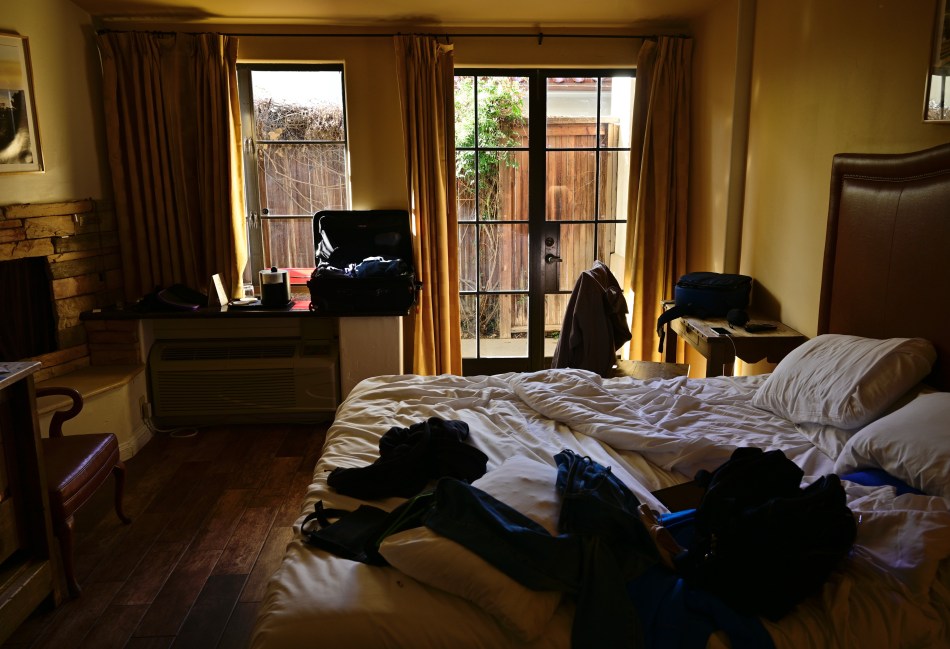
Another mode (“U3”), another tweak, this one miming an early 90’s Fujichrome slide film.
In my own case, my Nikon’s U1, U2, and U3 modes are programmed to three different kinds of film emulation. U1, seen at the top, is a monochrome look very similar to Kodak Tri-X, with contrasts and resolution that are much keener than anything straight out of the Auto mode. U2 is a pretty good approximation of Kodachrome, a recipe I copped from various online pundits, and U3 is dedicated to a fair facsimile of one of my favorite Fujichrome slide film emulsions. The beauty of having these modes pre-loaded is that, in those confusing moments when I’m unsure which approach to take with a given subject, such as the early morning hotel room seen here, I can crank off three “takes” on it very quickly, comparing them all to my fourth likeliest option of full manual in just a few seconds. This is the heaven of carrying a third half-eye in your pocket: the ability to shorten the lapse between what you see, what you shoot and what you get. It’s a menu of possibilities that no film camera ever afforded me, and further proof, as if I needed it, that this is the absolute best time ever to be a photographer.
 thenormaleye
Leave a comment