A SHOT IN THE DARK
By MICHAEL PERKINS
ONE OF THE MAJOR DINGS IN THE SIDE OF DIGITAL PHOTOGRAPHY in its earliest days, and something which gave analog haters a legit gripe against the emerging technology, was the narrow dynamic ranges of some of the first sensors. The full spectrum of exposure from light to dark was simply not represented in the earliest digital cameras, giving rise to more than a few smug “see? we TOLD you film was better” editorials. One of the first remedies to the problem, as we waited for the tech to catch up, was the fix known as HDR, or High Dynamic Range processing. Maybe you toyed with it; maybe you embraced it; and maybe you recoiled from it in horror. Fact is, it caught on big, and, by the time of this writing it is….well, less so.
The idea was simple. Just take several bracketed exposures, from dark to light, of the same subject in rapid succession, then stitch them all together in programs like Photomatix, tweaking the lows and taming the highs until you got a balanced composite. HDR was capable of rendering a variety of looks, from passably real to ultra-real to what I call Tolkien Fever Dream, with a heavy emphasis on enhanced sharpness. Soon, manufacturers, from conventional cameras to iPhone variants, hurried to bundle HDR generating software into their designs, simplifying the process, if not always achieving the same results.
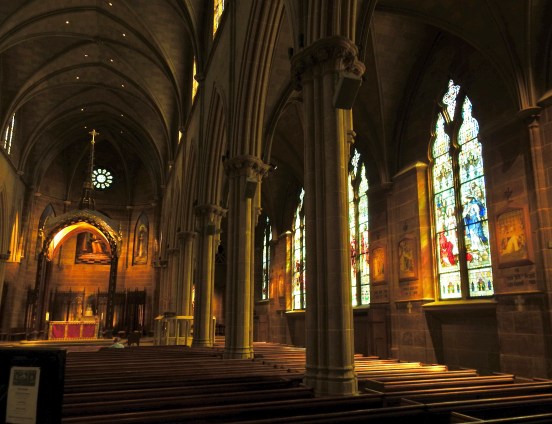
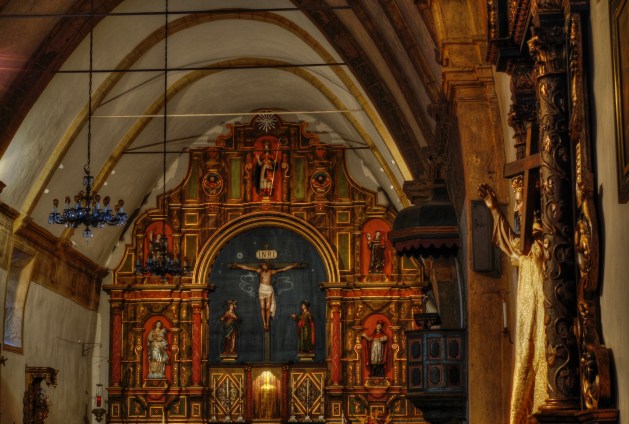
But yesterday’s essential hack is today’s bygone parlor trick. The image at top, made in 2010, is a Photomatix blend of seven different exposures, all taken on a tripod, inside as especially light-starved church in Monterey, California on a crop-sensor Nikon D60. The second image is a single, hand-held exposure inside an equally darkly church, taken on a full-frame Nikon Z5 in August 2024. A minor amount of shadow rescue was needed, and, of course there was some blowout on the stained-glass windows, but essentially this shot is straight out of the camera.
The facts on the ground have simply changed in a mighty big way. Sensors in nearly all cameras are much larger in 2024 than at the beginning of the digital era, resulting in a much wider dynamic range in even modest gear, and making for much more balanced exposures regardless of conditions or subject. This simply makes all the prep and mechanics of HDR manipulation unnecessary, rendering the process an art effect, or just another interpretive tool for special occasions. Once again, the forward march of technology works to remove more and more obstacles between the photographer’s vision and his machine’s ability to deliver that vision, a trend that began when the first Kodak Brownie enabled average shooters to make a predictably reliable picture with the touch of a single button over 100 years ago. Allowing photogs to get out of their own way, and to concentrate primarily on what they see in the moment….that is progress.
 thenormaleye
Leave a comment