GO WES, YOUNG MAN
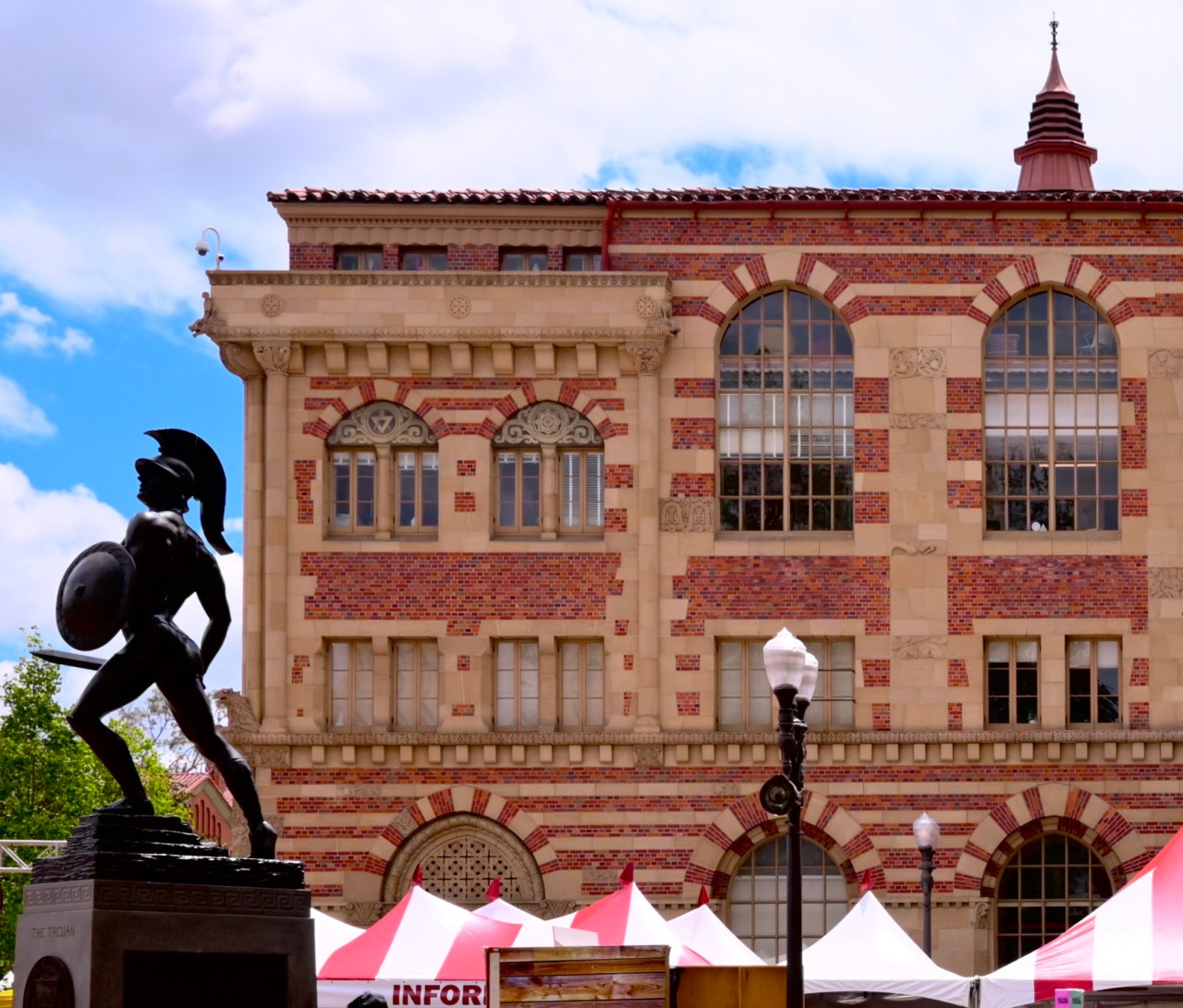
Straight out of the camera at f/8, 28mm, ISO 100, and 1/400 sec. Standard exposure scheme.
By MICHAEL PERKINS
SEVERAL YEARS AGO, WHEN WES ANDERSON FEVER was tearing across the popular culture, there was a mad race among photographers to simulate the director’s hyper-saturated, deliberately unreal color schema, partly as a tribute and partly as a technical challenge for those of us who love tinkering almost as much as we like shooting. Like many such fevers, the mania to be more Wes-like exploded into processing shortcuts and on-line recipes for in-camera sims of scenes from films like Asteroid City, a movie which transforms the starched American Desert into a mega-pastel postcard from the 1950’s. Entire books, like the Accidentally Wes Anderson series of travel images, were created to basically allow anyone to try faking what WA had created organically. We went a little nuts.
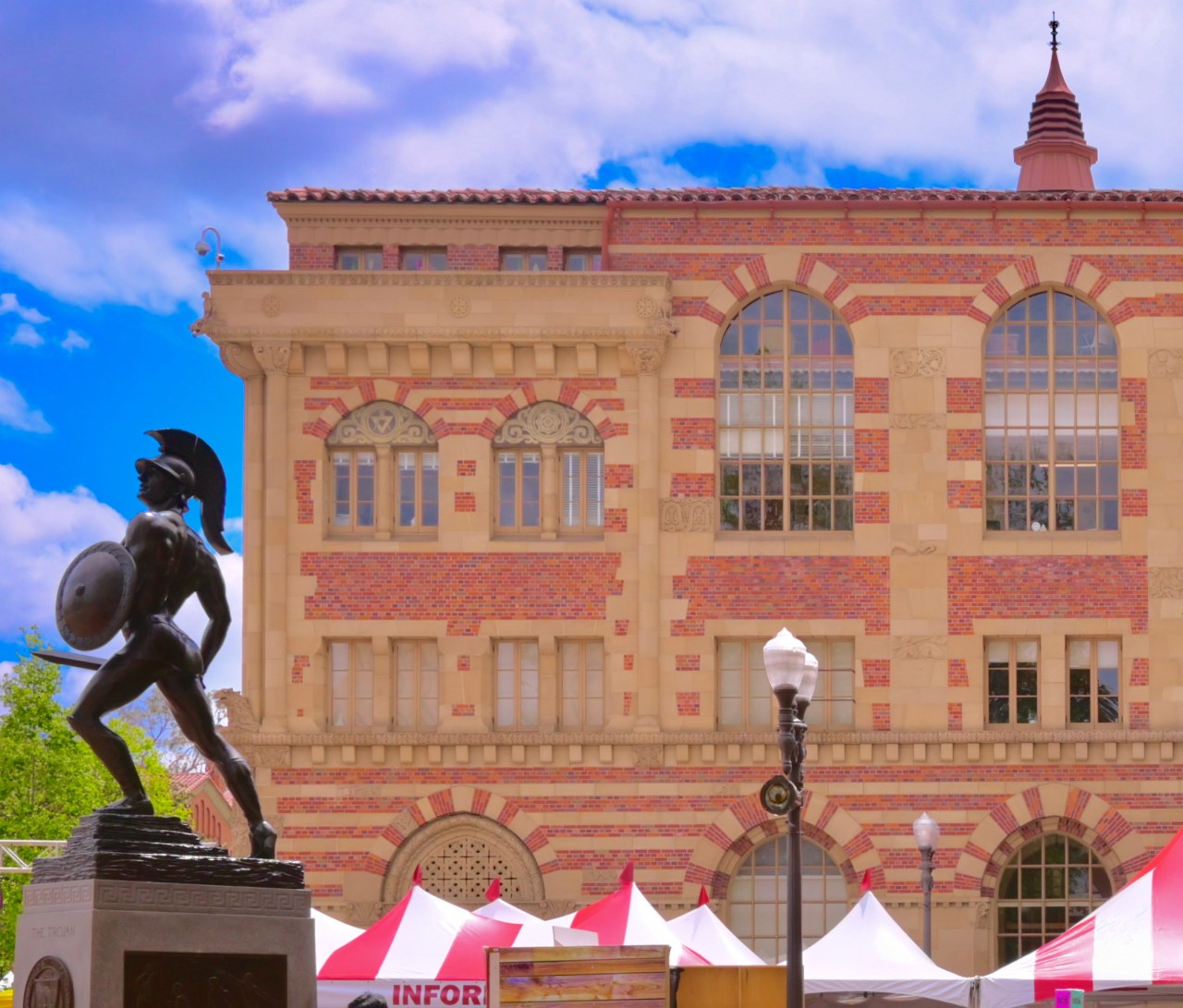
Same image “Wes Anderson-ized” with substantial reduction in contrast and a bump in vibrance. Not complicated.
The thing that occurred to me during all this here’s-how-you-do-it mania was how overcomplicated people were making the entire fakery-cum-tribute project. To me, it was not supremely technical to get the “Wes look”, although it did induce me to rethink how to alternatively “mix” things I’d already captured beforehand. To me, most of the effect came down to merely moving left on the contrast slider and moving right on the vibrance one. No major strain, as James Cagney used to say of acting.
Of course, one man’s cool effect is another man’s useless gimmick, and there are many strong opinions about the so-called “flatness” of low-contrast photography, no matter who it intends to salute. That may be why the Just-Like-Wes movement burned out so quickly; it was treating a technique as if it were, by itself, a message. There’s a reason why we stopped going to fairs and carnivals to have ourselves snapped as fake daguerreotypes as we once did in the ’70’s. It’s because a photograph has to be about something beyond just the technique required to make it. Shooting for the effect alone is craft, with no art to flesh it out or deepen it. Your camera, your vision, your choice.
 thenormaleye