THE JOYS OF RE-ASSIGNMENT
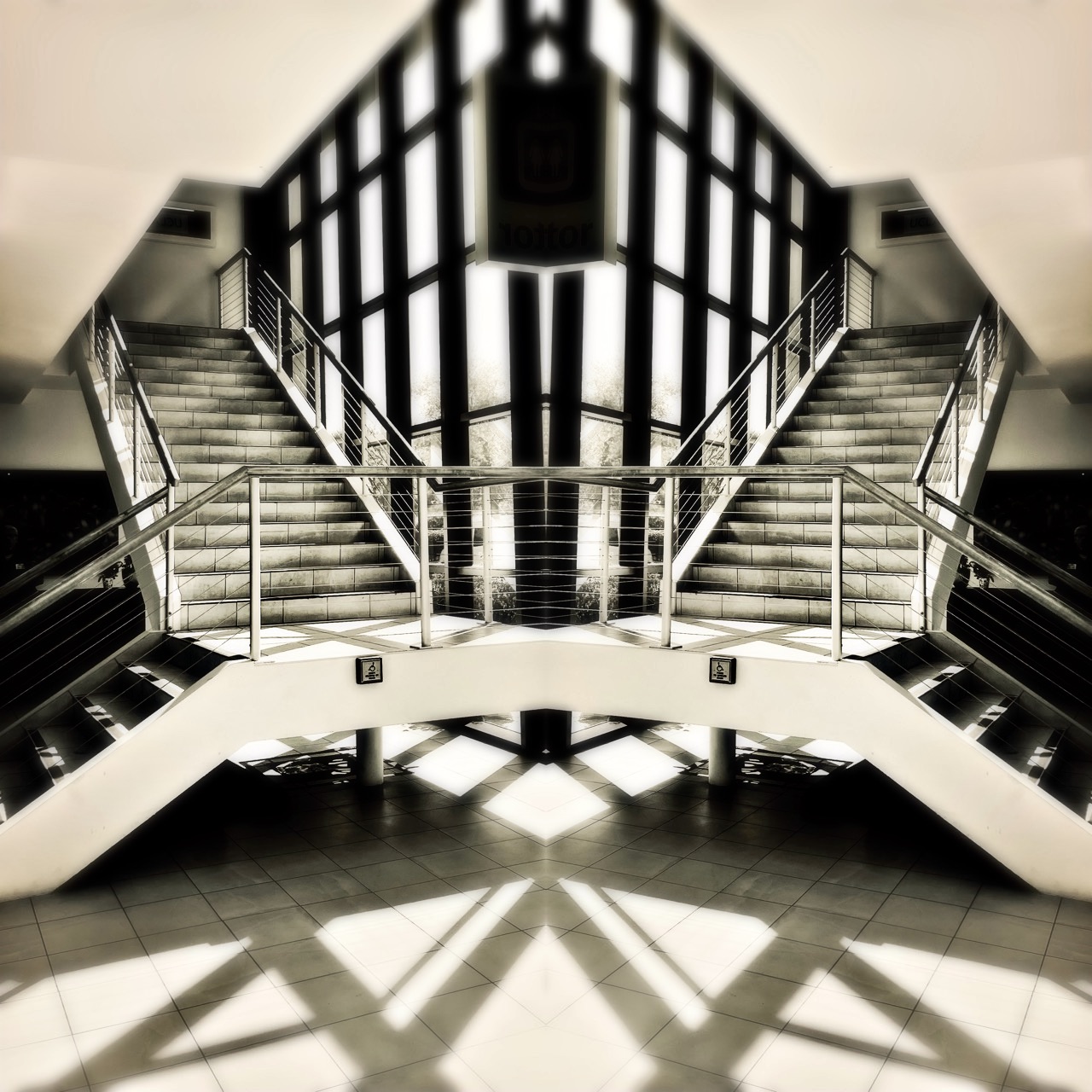
All Roads Lead To, 2025
By MICHAEL PERKINS
THE TWENTIETH CENTURY’S UBIQUITOUS AND EXHAUSTING USE OF THE TERM “ABSTRACT”, especially in artistic circles, took a word which should have been as precise as a scalpel and hammered it flatter than a cow chip. Anything in a painting, a photograph, a piece of music or a work of literature that didn’t adhere readily to easy definition or analysis was bumper- stickered with the word, as if that alone settled the argument. Lazy beings that we are, we can’t relegate an unknown thing to a handy drawer or convenient category fast enough, and so, Picasso was “abstract”, Joyce’s Ulysses was “abstract”. If I had boysenberries on my corn flakes instead of bananas, I was now eating an “abstract” breakfast.
I myself don’t use the word often, at least as an adjective, but I do appreciate its use, in photography and the other arts, as a verb. To abstract something means, then, to take something out…out of its original context or use. All objects that we see in life are more or less assigned to be seen/used in context with something else. A wheelbarrow looks “correct” when it’s standing next to a hoe or a shovel or a barn. A piece of fruit looks “right” when arranged with other fruit in a bowl. Taking those objects and abstracting them, then, frees them from how we’re accustomed to seeing them, and forces us to assign all-new values to them, something that truly frees the interpretive artist. Now the thing is exclusively what we say it is. Exciting.
The fruit bowl in our previous paragraph is worth further examination. 20th-century art movements took explosive aim at the classic still life, deliberately tearing it loose from the several centuries of examples of its place in visual art. The results could be disorienting, but these revisualizations in both painting and photography led us to revere design and composition as absolutes, and to recognize in objects only the values we personally gave them, blasting away our habitual conceptions of them. A seashell became a dissertation of geometric design. A nude became, in some artists’ hands, another kind of seashell. And so on. There are many questions that rattle around inside a photographer’s brain both before and after the shutter click. What am I looking at? What am I supposed to see? What do I want to say about it? Do I leave it undisturbed or try some mischief with it? What do I want others to see? As in everything else in visual art, you get the best answers when you pose the best questions. Cameras are already abstracting the world, extracting a part or an aspect of it to create an impression. It’s really just about how far you push that process.


Leave a Reply