A ONE-WAY TICKET TO HUMBLEVILLE
By MICHAEL PERKINS
EVEN THOSE WHO CELEBRATE HAVING FOUND THE LOVE OF THEIR LIVES must, in their candid moments, also attest to the fact that they adore their mates as much in spite of things as because of things. I love him, even though he snores. I lover her, even though she snaps her chewing gum in the movies. Do your own lists; I know you have them.
So it is with camera equipment.
The gear we use and cherish the most across our lives as photographers is the very same equipment that has, at one time or another, let us down, betrayed us, or frustrated us, especially in the “honeymoon” period, when a given piece of kit is brand-new, along with our relationship to it. We miscalculate. We guess wrong. We assume that just because “my old camera” or “my first lens” did a certain thing, the new doohickey will deliver the goods in that same way. In our very first pictures with a fresh toy, we not only don’t know what went wrong with the duds, we don’t fully understand what went right with the winners. Indeed, during our “getting to know you” phase with fresh devices, we are, like a disillusioned newlywed, likely to yearn for a divorce because, my God, I can’t stand that thing you do.….
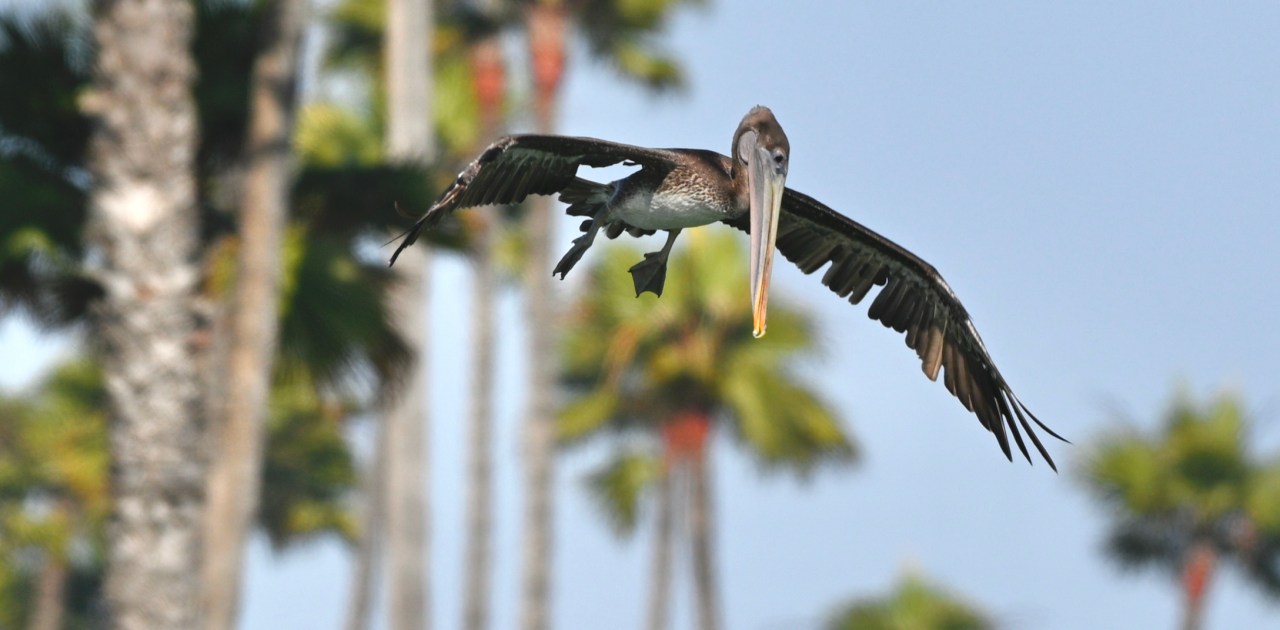
Week One with a new telephoto. Just enough luck to keep me at it…
If it’s not painfully obvious that I am going through such a break-in/break up state of mind, then let me just admit that, at this writing, that I am currently slogging up a slow learning curve with a new telephoto. I needed it, I wanted it, I counted pennies and snipped coupons to get it, but, man, there are about three times during every shoot when chucking it into the lake would feel oh so great. For about three seconds. Truth: I can already see a strong justification for having bought it, as the improvement in my work that I assumed might occur is, in fact happening, but, boy howdy, I am frustrated by how long it’s taking me to be smooth, or natural, or, God spare me, instinctual with it. The ergonomics are as about as good as I’m going to find in a behemoth of this size (a 180-600mm f/5/6-6/3) and yet I am still, like a nervous teen on a first date, trying to figure out where it’s safe to put my hands.
Fortunately, I have an entire summer of fairly ordinary days to figure it out, to blow out my first thousand horrid shots before a project of any importance comes around. Most days, I am anxious when there’s “nothing good to shoot”. For the next few weeks, however, all that “nothing” will later mean “everything”. Thank heaven for pictures that don’t matter. They keep me sane. And keep a very large and expensive plaything out of the lake. For now.
SILHOUETTE SHORTHAND
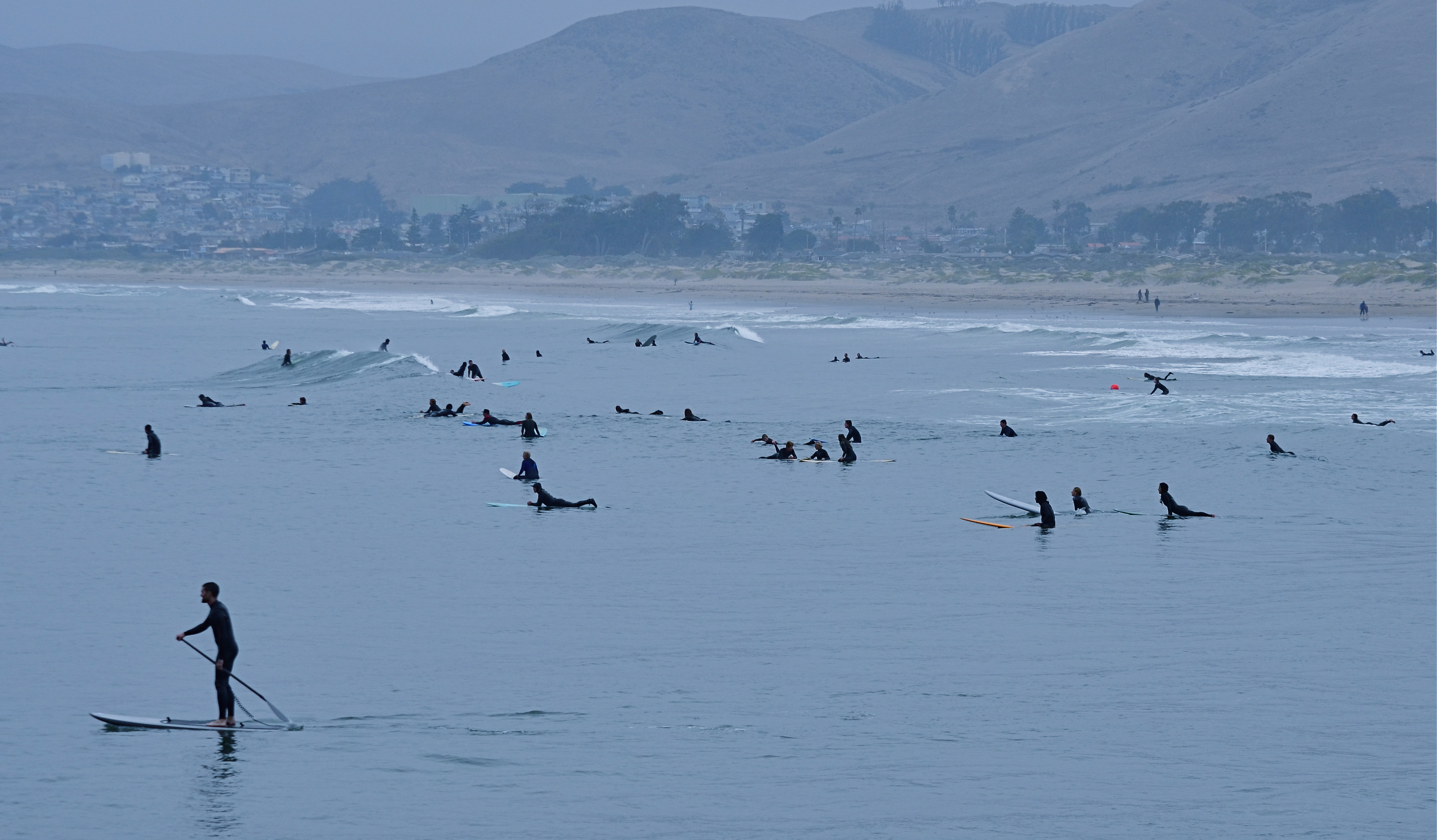
1/250 sec., f/8, ISO 100, 300mm.
By MICHAEL PERKINS
AS AN OBSESSIVE CHILD, I became crazed with the drawing of short animations on pads of paper known as “flip books.” You know the drill. Draw a picture on the top sheet, turn the page, draw another picture with a small change in position, and repeat several dozen times until you produce a brief cartoon by flipping the entire pad from the front to the back. I actually got pretty good at it, if, by “good” you mean manically addicted to perfection and insanely fixated on detail. I could make three seconds of cinematic grandeur. I just couldn’t do it fast.
Meanwhile, on the other side of the playroom, my sister and her partner, my cousin Mark, had so such problem. While I would spend the better part of a week sweating over the laws of locomotion for such classics as The Mummy Goes Mad or Spider–Man vs The Vulture, Liz and Mark cranked out ten titles a day, crude stick-figure blackouts created in ten-minute surges of creative hysteria, all ending with the unfortunate (and unnamed) hero exploding, then emitting a dialogue balloon with the single, sad existential word “WHY??” While I was doing DeMille parting the Red Sea, they were doing Mack Sennett one-reel wonders, heavy on the pie fights. Fact is, I found their stuff gut-achingly hilarious. There was no disputing which of the two “studios” better understood the entertainment biz.
Lizzie and Mark’s stick figures moved every bit as well as my fully-rendered players, but their impact was more immediate. Their drawings didn’t have even a single line that wasn’t absolutely essential to their narratives. I thought of all this recently when working with some distant crowds which were reduced to mere silhouettes in a deep telephoto of the coastline at California’s Morro Bay. As components in a larger composition, they were just markers, measures of linear space. Shooting even closer might have revealed their hair color, lines on their faces or the shine of water on their wet suits, but to what benefit for the overall effectiveness of the picture?
There are many forms of visual shorthand in the making of a photograph, and they can be effective in speeding the journey from the viewer’s eye to his heart. We might think of photography as the complete recording of detail, a piece-for-piece re-play of reality, just as I thought I had to draw every single web line on Spider-Man’s head. However, the most eloquent images often speak louder by using fewer words.
Sometimes, a stick figure is exactly what you need, and no more.
 thenormaleye