CRUMB TRAILS
MY MOTHER IS NOW APPROACHING NINETY, and must thus be coaxed into being photographed. Good sport that she is, she can be cajoled into the occasional holiday snap here and there, but, by and large she regards sitting for the camera in the same way that she views all the other rigors and indignities of age, as a nuisance that must be endured. She has forgotten how beautiful she has been in every stage of her life, and mistakenly believes that we only want to see her as she once was, when, in reality, all we really want to do is…..see her.
As a consequence, I have taken to photographing objects that echo her presence, and, in some way, define her life as it is right now. She may, herself, be reluctant to pose, but the things she touches and uses regularly bear unmistakable elements of her, however subtle. We are long accustomed to the process of summoning the departed through contact with what they have left behind, be it jewelry, clothing, personal mementoes, or even other photographs. This was the essence of Annie Liebovitz’ amazing book Pilgrimage, her collection of images of the workday property, costumes, and physical spaces associated with Abraham Lincoln, Emily Dickinson and other essential Americans who left long before any of us living could encounter them through anything else but….things. But in the in case of our own long-living relatives still present, we can conjure their spirit in the items they use on a daily basis even as they themselves remain available to us. That affords us an amazing additional basis for comparison.
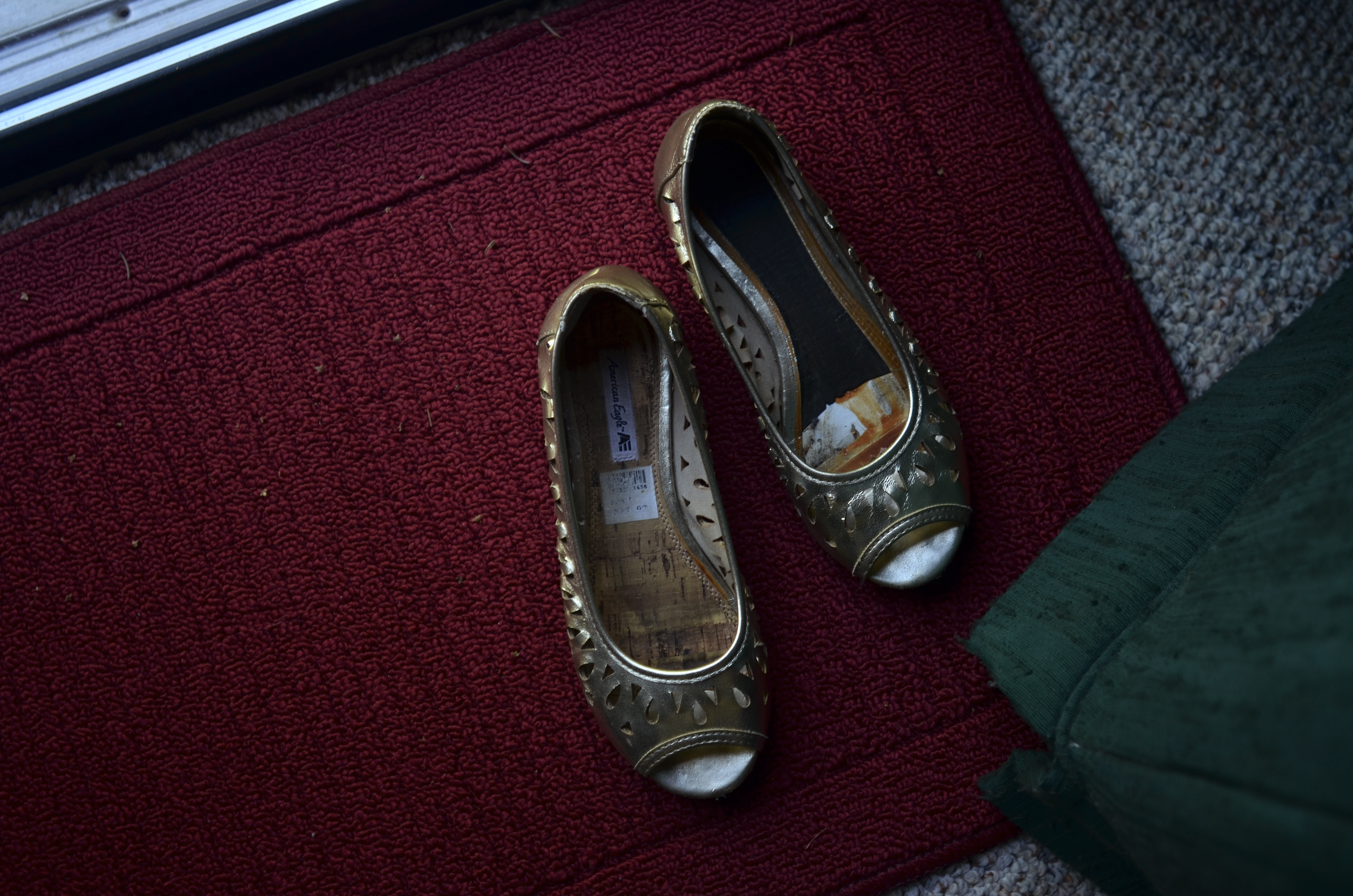
These are my mother’s casual slippers. She mostly uses them to walk out onto her rear deck for some sunshine and meditation. They are not fancy shoes in any sense. The uneven pattern of wear in them reflects the very real work required for her to move herself from one point to another, and so I wanted that to show. I also like the fact that they are not so very plain, that at least a little of the style and elegance which has always been a comfort to her continues to deliver that very human dividend. She could never wear Keds or clogs, even in the privacy of her own home. As Auntie Mame famously said, “life is a banquet, and most poor bastards are starving to death.” Mame and my mother would have found common ground on the basics of Living The Life Exuberant. So let the insides show a little fatigue. Outside, there is always room for a little glamour.
And so, in pursuit of photographs like this one, I want to spend every visit with her and my father finding all the things in the house that bespeak them, all the worn/fancy slippers that bear witness to lives that are a delicate high-wire act between the sparkle of their youth and the gravity of their final innings. That is a complicated thing to show visually, and I will need to call on every skill I possess to get it right. But that is certainly the essence of being a good photographer, and the happy/heartbreaking role of a good son.
HEADING INSIDE
By MICHAEL PERKINS
THE RECENT HISTORICAL SHIFT FROM ANALOG TO DIGITAL in photographic tech seems, on the surface, merely an evolution in image storage, or the shift from film to memory cards. However, looking back thirty years on, it’s actually about a whole series of reinventions, with few present-day photo systems left untouched by the revolution. One huge difference I notice more and more is the camera’s journey from an externally-driven device to an internal one.
Consider: in the analog era, new or emerging widgets or functions were introduced as outside add-ons to the camera. Flash was originally achieved with the addition of a whole extra arm and bracket. Automatic winding of film was first achieved by bolting on an auxiliary cradle that contained batteries and gears to engage with the camera’s internal systems. Light meters were separate devices. Lens effects were modified externally with the attachment of screw-on filters. Even before the arrival of digital tech, all these functions and more were engineered to become integral to the camera: in short, they headed inside. This trend accelerated tenfold as the film era ended, and we are still in the sweep of that enormous surge today.
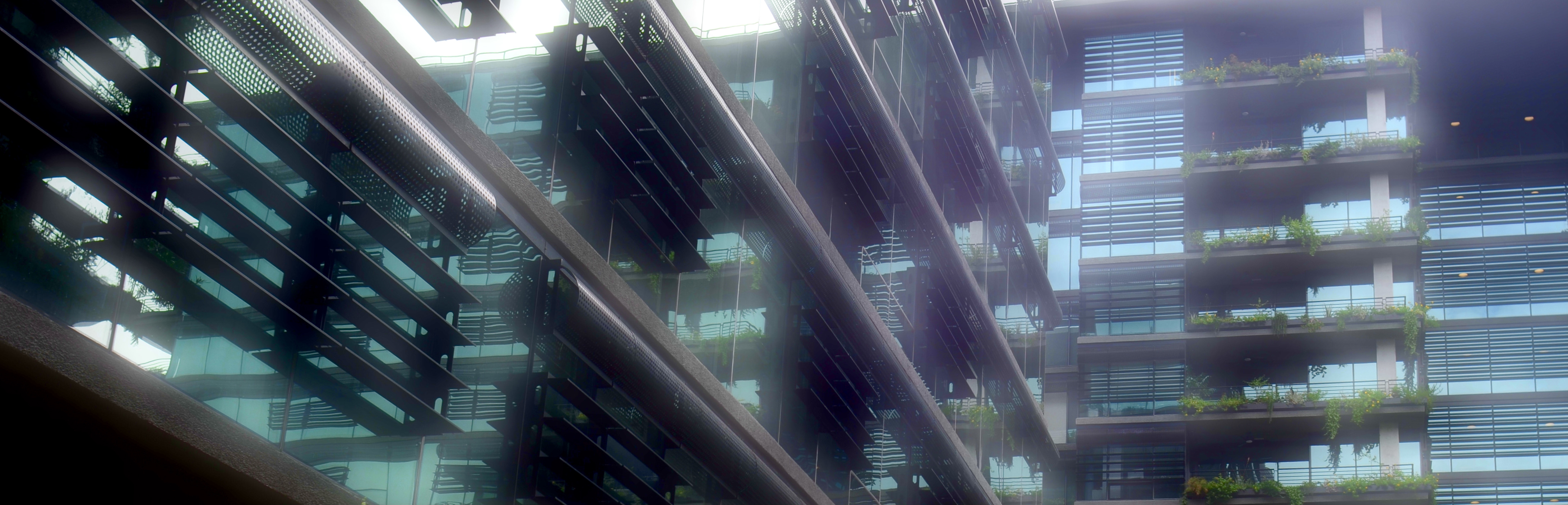
Above: a cheap and easy softening effect, done in-camera in a few seconds, but somewhat buried within several layers of your device’s submenu listings.
As computers have become more and more compact, it’s become easier to move more and more functions inside the camera, rendering many old external attachments obsolete and allowing designs to be smaller and sleeker, hence more portable. In the case of mobile phone cameras, even the physical bulk of the lens has been re-engineered into virtual invisibility. Here’s the tricky part: cameras are now packed with so many options that it’s possible to shoot with our devices for years and not only not use all of said options, but to actually be unaware that they’re on offer. User manuals now largely exist as virtual downloads, meaning that many of us don’t read the entire thing, and so it’s not unusual to fall into the habit of using the same ten basic functions for everything, and forgetting that a solution to a particular shooting problem lies mere inches away, tucked inside a menu sub-folder.
As an example, I had to be reminded that the image seen here was cheap and easy to achieve, since it’s just a quick application of an artificial softening filter within the “filter” submenu of my Nikon’s “retouch” folder. The effect was easier to control than with an old-school screw-on filter, and cost me nothing to try. Consider how many even more exotic controls and effects lie essentially hidden within the guts of even the most modest digital camera, and you can see how mastery of our increasingly more sophisticated devices can be elusive if we don’t take the extra steps to learn how seamlessly they’ve been woven into our camera’s vast inventory of tools. The move from the bulky add-on appendages of yesteryear is a blessing, but only if we understand how manufacturers have solved the same old problems that used to be tackled outside by brilliantly heading inside.
THE WOVEN THREAD
By MICHAEL PERKINS
JUST AS WE DRAW A HARD MENTAL LINE BETWEEN LIFE AND DEATH, so do we place a physical boundary between the areas where life proceeds apace and the sites where we mark its cessation. Cemeteries are perhaps the most obvious marker of this line between sun and shadow, defined by iron gates, serene gardens, engraved tributes, contemplation. Out there, the world goes on. In here, remembrance, not substance, defines reality.
Take a camera across the country one small town at a time, however, and you will see how our relationship to the departed has changed…has been, in effect, geographically outsourced. Graveyards, once a component in daily town life, are increasingly out in the country, in a dedicated park, somewhere else. Prior to the 19th century, people were interred close to where they lived, the echoes of their journeys woven like a thread into the pattern of their native villages, just as naturally as a church or a general store. Over the years, however, something changed. Graveyards started to be deliberately designed, becoming some cities’ first de facto public parks, as well as their earliest conservatories or sculpted gardens. They began to be concentrated away from the centers of towns, the dead being less and less a daily visual reminder of the local history or continuity.
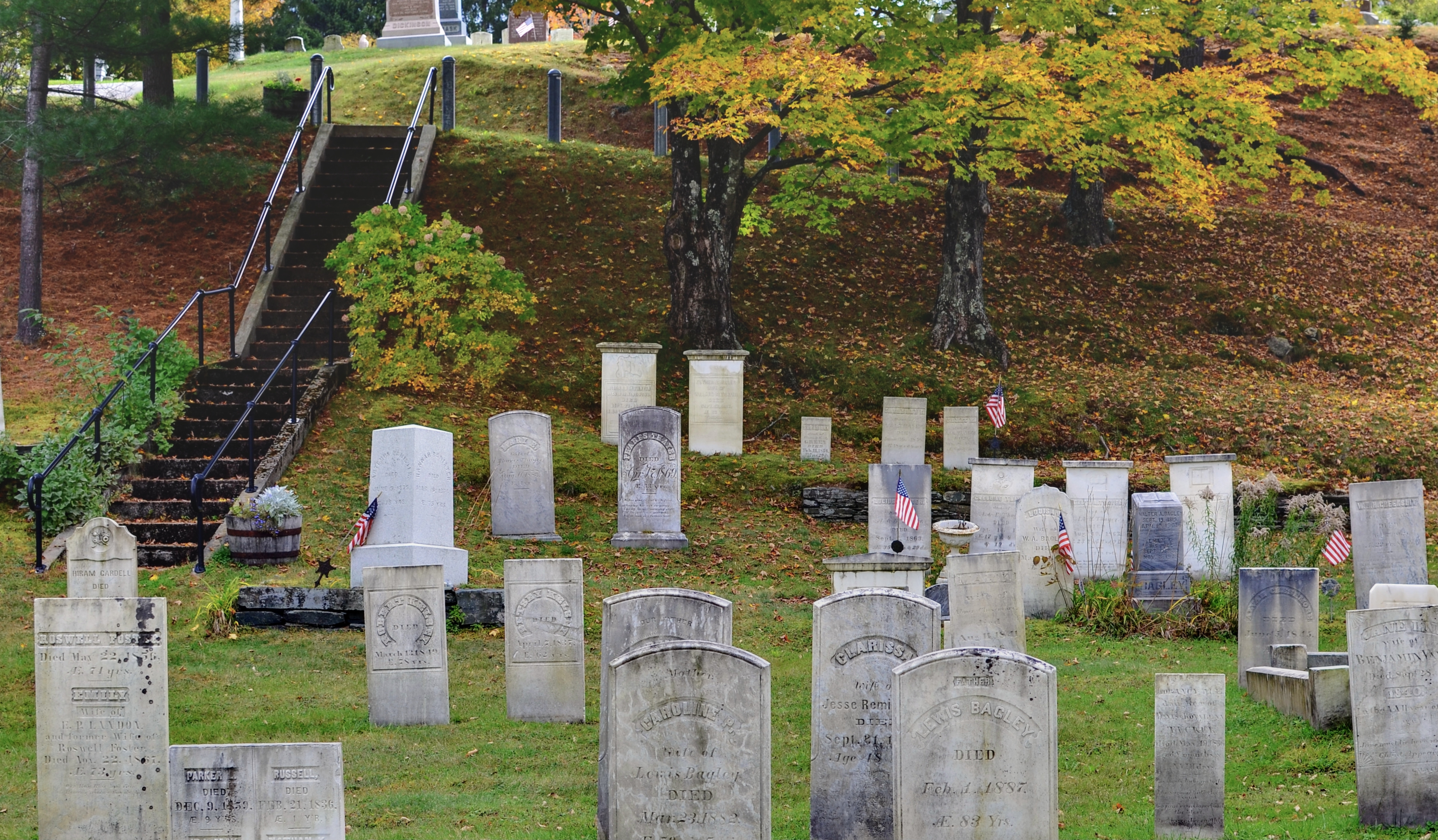
Places like this local graveyard in Vermont are gradually vanishing from the American scene. Markers decay and crumble: valuable in-town land is negotiated, litigated, re-purposed. As a consequence, fewer and fewer cities of any size still bear monuments from the 1800’s, along with the historically unique elements of their design and sentiments. When I come across one, I am keenly aware that I am seeing something that is going the way of the dodo, and I stop. Extinctions, either human or institutional, are fascinating things, and walks within these spaces feel a bit less commercial or industrial than in the sites’ present-day “shady acres” equivalents. In such cases, the camera is meant to be a registrar, rather than an intruder. Cameras are certainly for things that are happening right now. But they are also a way to hedge our bet a little against the things which will soon happen no more.
ARRIVING AT SERIOUS
BY MICHAEL PERKINS
THE CAMERA THAT YOU MOST COMFORTABLY DEFAULT TO in nearly every shooting situation is, by any working definition, your “real” camera, regardless of format, age, size, or the opinion of any other photographer on the planet. You, as I, have heard many a reference made by shooters to cameras “that I use for serious pictures”, a phrase which betrays our inherited classism as to what constitutes a worthy piece of kit. It also betrays how rigid we are in our thinking, since any box that captures and refines light is a camera, whether it’s a Leica or a repurposed tomato can.
Of course, there’s a difference between what we know intellectually and what we “know” emotionally. At the beginning of the digital era, some of us that were raised on film felt as if we had to actually “justify” using them newfangled cameras with their zeroes and ones and pixels. That embarrassment was eventually replaced by another, as we seemed to need to explain why we chose images taken with a Samsung instead of a Sony. And now, with cels becoming daily shooters for millions of us, that final bit of internal camera-shaming might actually be drawing to a close.
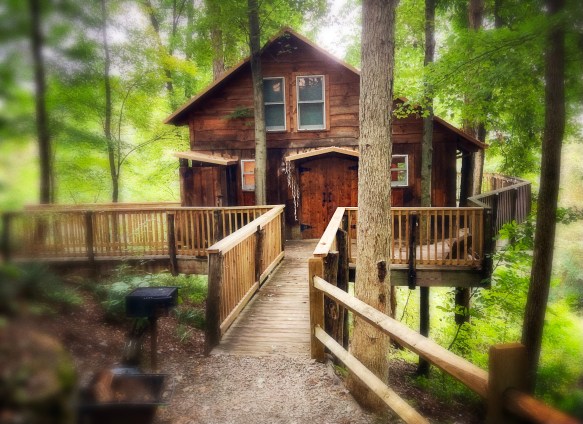
You may actually be able to pinpoint the exact moment that you began to regard your phone as just as “real” a camera as your other models. That moment may have come about as a consequence of cost, or convenience, or pure accident, or it may simply have happened because your iPhone just began giving you consistently great results. In my own case, my cel photos began, over the past few years, to be used more often as the “official” recording of an event on social media (including this platform), as I began to not need to use my more fully-featured gear to make the so-called “actual” representation of an idea. It hasn’t happened completely: I still tend to make my “preliminary” or “sketch” versions of an idea on the phone, then render what I consider the finished product on my DLSRs. But the cel is nosing out its older brother with greater and greater frequency.
As I write this, I am finishing out an extremely long stretch away from home, and have used the extra alone time to observe how many times I have opted for daily posting of cel images of key subjects for the immediacy and ease of keeping my online presences current, rather than waiting to return home and post the “real” DSLR versions of the same things at a later date. The above image, created and refined completely on my SE, is an example of such. I like the traditional DSLR version, but this one was more emotionally… immediate.
Let’s be honest: I may never get to the point where I literally leave all my traditional stuff in the hotel room and go shoot something “crucial” armed only with my iPhone. However, I am now comfortable with going for longer stretches working only with what’s in my pocket, and the idea of letting my cel have the final say on the nature of a picture is, at least, no longer unthinkable for me. And I fully realize how many zillions of others have already reached that point, and thus, how pathetically backward some of this post might make me seem. But I am slowly, nervously, trying to convince myself (and others) that you can, in fact, teach an old photog new tricks.
ONE SURVIVOR AT A TIME
By MICHAEL PERKINS
WE CONTINUE TO SELECTIVELY MOVE IN AND OUT of isolation in this, the second year of The Great Hibernation, getting used to being around each other again, yet reflexively prepared to break off from each other and return to our respective safe corners. It’s a strange and vague situation in which to find ourselves, and our images, as always, reflect that uncertainty.
Aside from the familiar pictures that have been generated by the media to ”officially” depict our delicate status during the crisis, there are also the personal visions, the random things we see that can be repurposed to show how we’re feeling. These can seem to be very ordinary things at first, but as photographers we find our eye “translating” them into something symbolic of our own inner dialogue.
Sometimes, it can just start with a single car. And an impending rainstorm.

It really is the thing of a moment. In the case of this picture, for example, it can simply mean being stuck in stop-start rush hour traffic moving toward an increasingly angry sky. Within minutes, the wind would begin slinging sheets of water sideways, my wipers struggling to keep up. But in between those two moments, I would feel the urge to capture what I saw as a measure of how vulnerable life has rendered us all, awed and helpless before the force, and whim, of nature.
We make pictures to map all our emotions, for good or ill, and the purer and more direct we reflect those feelings, the more powerful and immediate those images become.
REGAL
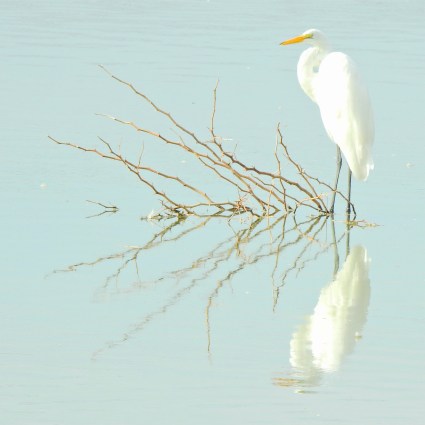
By MICHAEL PERKINS
OFTEN IN PHOTOGRAPHY, reality is, to be polite, inadequate. As in coming up short, unequal to the task of depicting or doing justice to life. We can convince ourselves that merely recording patterns of light and focus as we find them in nature is so authentic as to sell any image.
In fact, the “real” world is only, at best, a point of departure.
Depending on how and when you learned to make pictures, you may see the ”actual” world as either the ideal or as merely the place where you start, not where you end up. In the above picture, the wondrous gift in happening on the raw elements of this elegant tempts the viewer to just get the picture without pause or reflection.
However, in doing something as simple as gently over-exposing the scene, as was done in this case, you actively take control of the process, if only in a small way. In doing so, you turn mere recording into interpretation. The essentials remain the same, but the final product is now a personal expression. Your camera already possesses the ability to merely capture data. The photographer in you uses that data to craft something unique.
NOT QUITE PLAIN SIGHT
BY MICHAEL PERKINS
STREET PHOTOGRAPHY CAN PERHAPS BE DESCRIBED as the means by which the invisible is rendered visible, a way of seeing things in one’s everyday world which are so familiar as to go generally unseen, and somehow make them prominent, to illuminate that which is hidden in plain sight. It can be documentary or reportorial in effect, but mainly the aim is merely to un-camouflage things, to render them newly obvious to the viewer.
The street work that is emerging as the Great Hibernation slowly unwinds is rolling out along two tracks. One of these tracks will contain the newsier, more sensational images of Gee, How Much Things Have Changed, scenes of adaptation, loss, a repurposing of our old way of life. The other track, every bit as worthy of comment, will be everything else, or See How Much Remains The Same. These photographs are assurances that we will still ride the morning train, still walk on beaches, still fall in love. These pictures will be amazing by the assuring ordinariness of them, for the message that not everything was destroyed. And to rebuild our world, we will need images from both viewpoints.
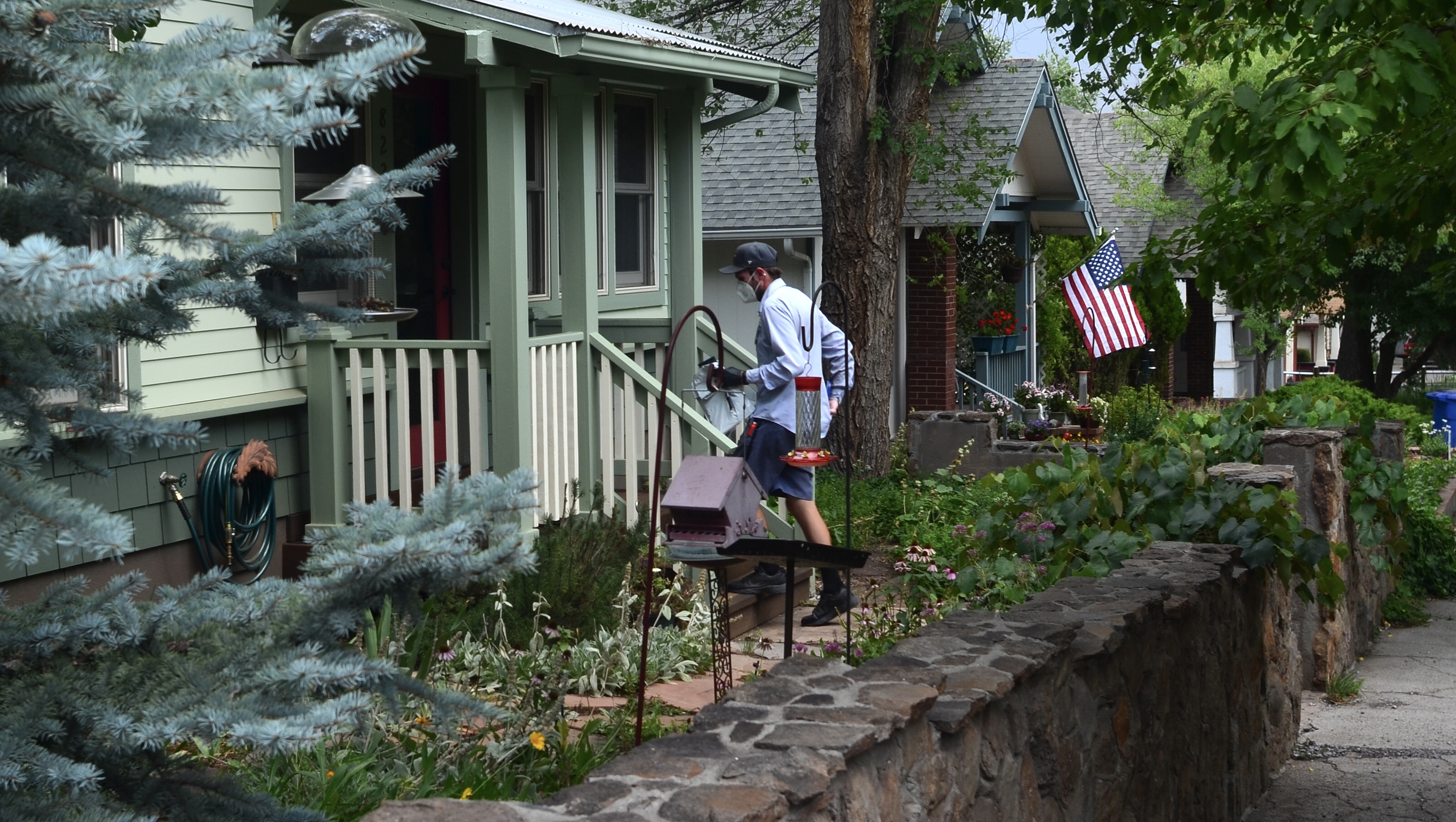
The Completion Of Their Appointed Rounds, 2021
This shot of a village mailman in a small town seems to borrow from both camps. His mask indicates that he is part of our nervous new order, but his track, measured from house to house as h delivers the daily goods is eternal, in that I could have made this picture in much the same way six months, a year, or ten years ago. The houses he’s delivering to are also part of a pattern of reassurance. Their architecture is weathered, settled, and their various elements, from flags to bird feeders, seem to say, we’ve been here for a while. We’re going to be around.
Street photography can be simply the act of catching an event or a human reaction on the fly. And when that is done with perception and skill, it can almost look as inevitable as a staged act. But on a simpler level, we’re just snatching moments out of the time flow, holding them up to the light, and asking, “J’ever notice this?” And on a good day, that little act of daring is as good as photography gets.
ADDITION BY SUBTRACTION
BY MICHAEL PERKINS
“THE EYES HAVE IT” went the old maxim, a phrase which was a kind of bookend to another chestnut about the eyes being the “window to the soul”. Both sayings relate to most of our earliest photographic training, with scads of manuals and tutorials dictating that all portraits must focus (literally) primarily on the eyes, even at the expense of sharpness in the remainder of the picture. This rule has also been enshrined in the eye detection focal systems of even the most rudimentary cameras.
All of which has served us well, apparently, during these days of the Great Hibernation, when masks have concealed many clues to our personality, even as they have protected us against contagion. Indeed, in many social situations, the eyes have become almost the sole messenger for people’s inner thoughts, intentions, moods. And depending on how you view the situation as a photographer, that’s either maddeningly frustrating or grandly intriguing. Still, the idea of making a formal portrait of a person while they are masked hasn’t really occurred to me as a legitimate means of measuring the self of said person. I am always waiting for the gauze to come off, for the “complete” person to be revealed.
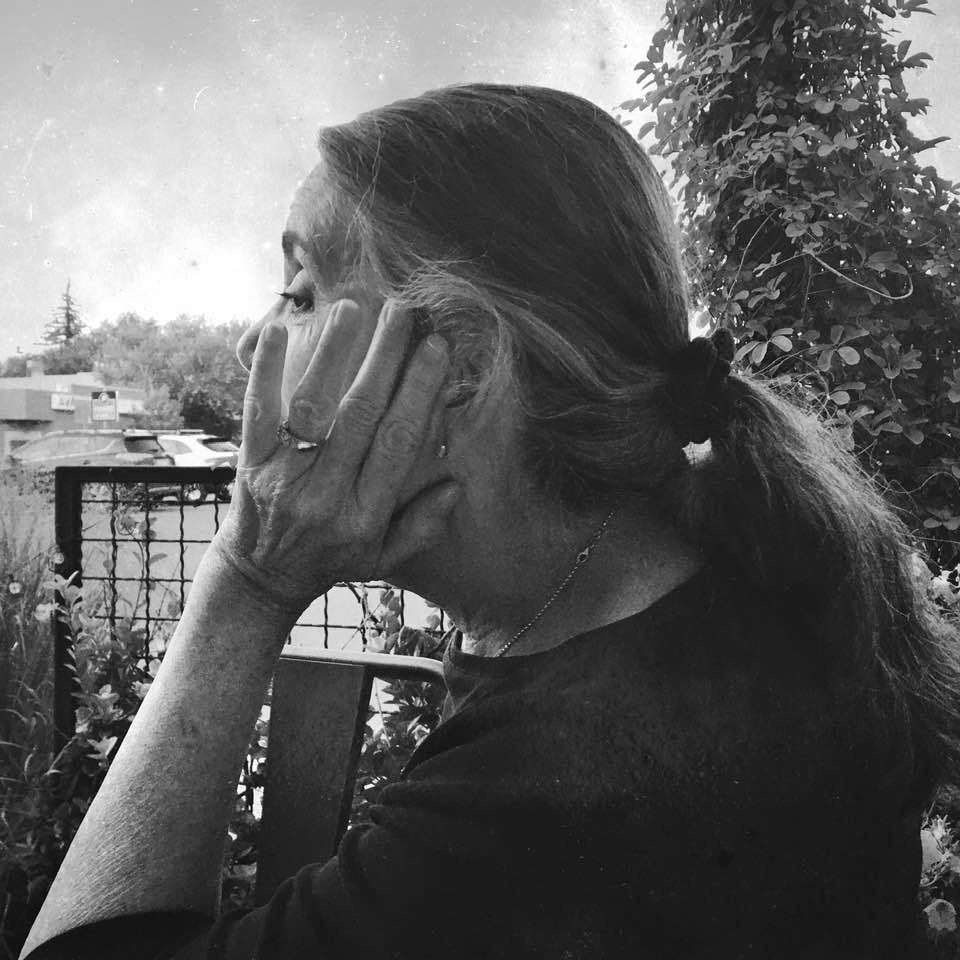
That’s why, recently, I was truly surprised when, out of about a half dozen snaps of my wife Marian as she visited with a friend, I chose the one with the least amount of her face in view as my favorite. There’s was something…call it mystery, call it minimalism…about the way her hand momentarily fanned across her features in much the same area that a mask might cover. Why was this interesting? Why is anything interesting? The point was that her eyes were, indeed, a perfectly reliable barometer of her mood, prompting me to ask, how much face is enough face for a portrait? Are we more fascinated by what is left out of a picture? And, if so, are there many more remarkably veiled faces to be explored before the Age Of The Mask fades away?
“…you’re probably wondering why I’ve called you all here…”
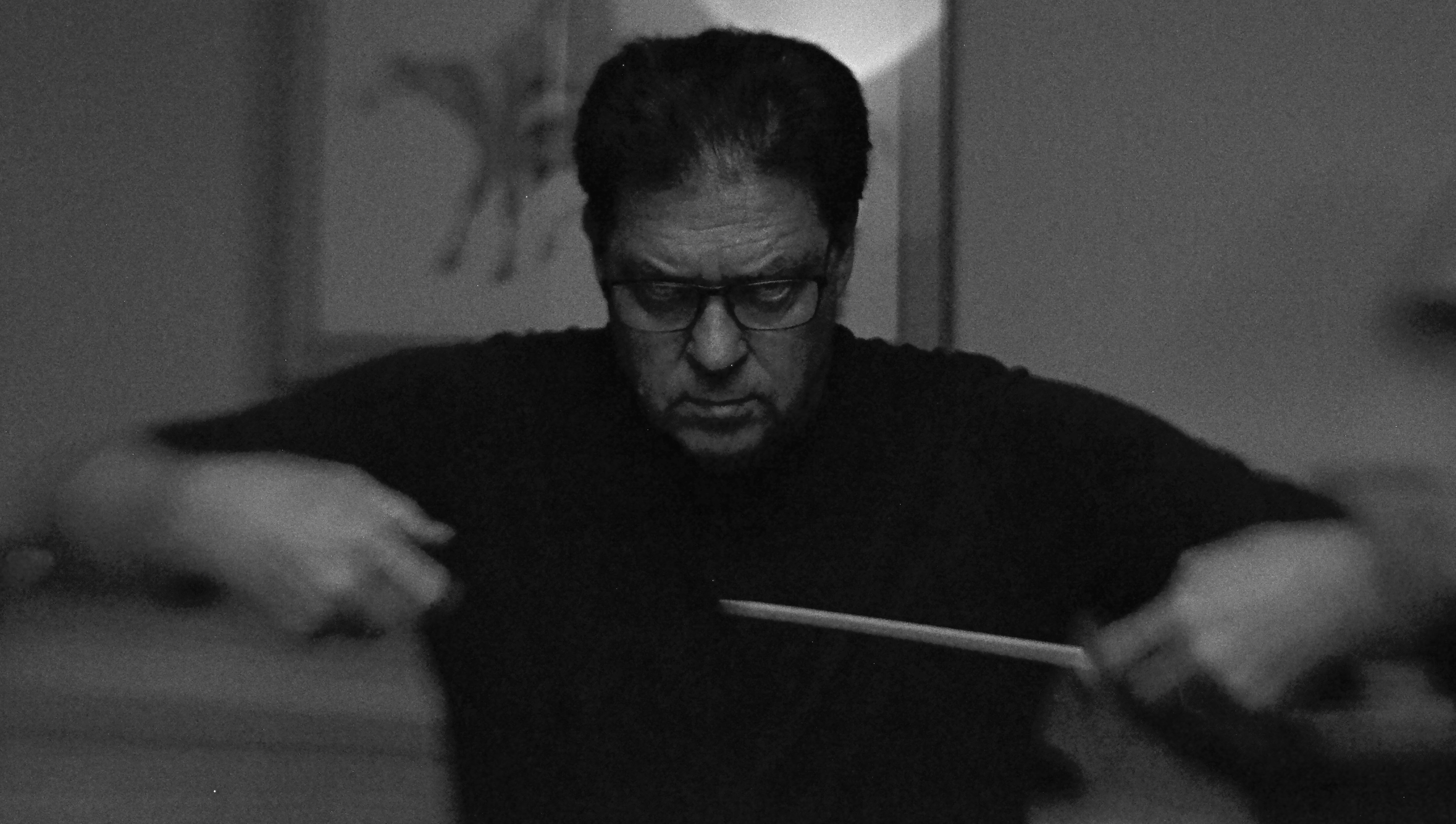
A few ruminations on how I conduct myself.
BY MICHAEL PERKINS
AT DISMAYINGLY RANDOM INTERVALS OVER THE LAST TEN YEARS OF THE NORMAL EYE, I’ve tried to occasionally stop to thank those of you who’ve joined our ranks since, well, since the last time I did this. I always mean to be more fastidious about observing exact anniversaries or sending out formal notes of appreciation, but, somehow, I am always me, and me isn’t very reliable in that respect. Please excuse my lack of breeding and let me say, again, how very much I value your enthusiasm, your loyalty, and your feedback. Part of these periodic notes is also, out of necessity, a re-statement of what we do, or don’t, do here.
The Normal Eye is not a tech guide. There are many, many places to find the requisite “how-to” tutorials for any kind of physical technique you’re pursuing, and I trust you to be well able to teach yourself the step-by-step mastery of how your camera works, where to buy what toy, or how to make a given image. Here, we concentrate on the things that I deem far more essential than gear…including intention, vision, and the training of your eye to do your heart’s bidding. To look outward in creating in image, you have to be able to look inward as well, to know where you fit into the world you inhabit, and to export that inner knowledge outside of yourself, into your hands and the camera they operate. Everything else in photography is mechanics, and, while you may expertly operate a machine, you are not one yourself. The picture must happen inside you before it gets anywhere near the camera.
This platform began after I had spent an entire year working solely with a 50mm prime lens, shooting everything with that single optic, regardless of subject or conditions. It was an exercise is making myself able to produce pictures no matter where I found myself, disconnecting from the idea that it was great cameras that made great pictures, and forcing myself to be a better growth medium for photographs. I loved the idea that 50mm primes were once called “normal” lenses for their close resemblance to the way humans actually see, and I began to refer to my desired destination as the development of a more natural, or “normal” way of seeing….free of biases, suppositions, bad habits, or narrow thinking.
For me, achieving a “normal” eye meant one unclouded by my own shortcomings, an eye working at peak perceptual and instinctual capacity. Thus The Normal Eye became a way for you and I to explore what it took to purify and clarify that eye, a journey, as Ansel Adams described, from taking a picture to making one, the trip from passively snapping to purposefully planning. Thanks to you, it continues to be a great trip, one based on the adventure over the destination. Thank you.
STRANGE BEDFELLOWS
BY MICHAEL PERKINS
JUXTAPOSITION IS ONE OF THE MOST POWERFUL, as well as one of the easiest, forms of photographic narrative, a key tool in the effective composition of a picture. Just placing two elements side by side within the frame creates opportunity for comparison, an analysis of the attributes of the old versus the new, the tall versus the small, the important versus the meager. The correct choice in the juxtaposing of two things can add up to an image that explores contrast and actually comments on their relationship to each other.
When the superb stands directly next to the shabby, a statement has been made. When the giant is flanked by the tiny, a judgement has been rendered. Even the mere intermingling of dark and light objects in a purely abstract way comes off as a deliberate arrangement, an intentional remark in visual terms. A thing by itself is one kind of picture. A thing in relation to another thing in a photograph can open up a far wider universe of ideas.
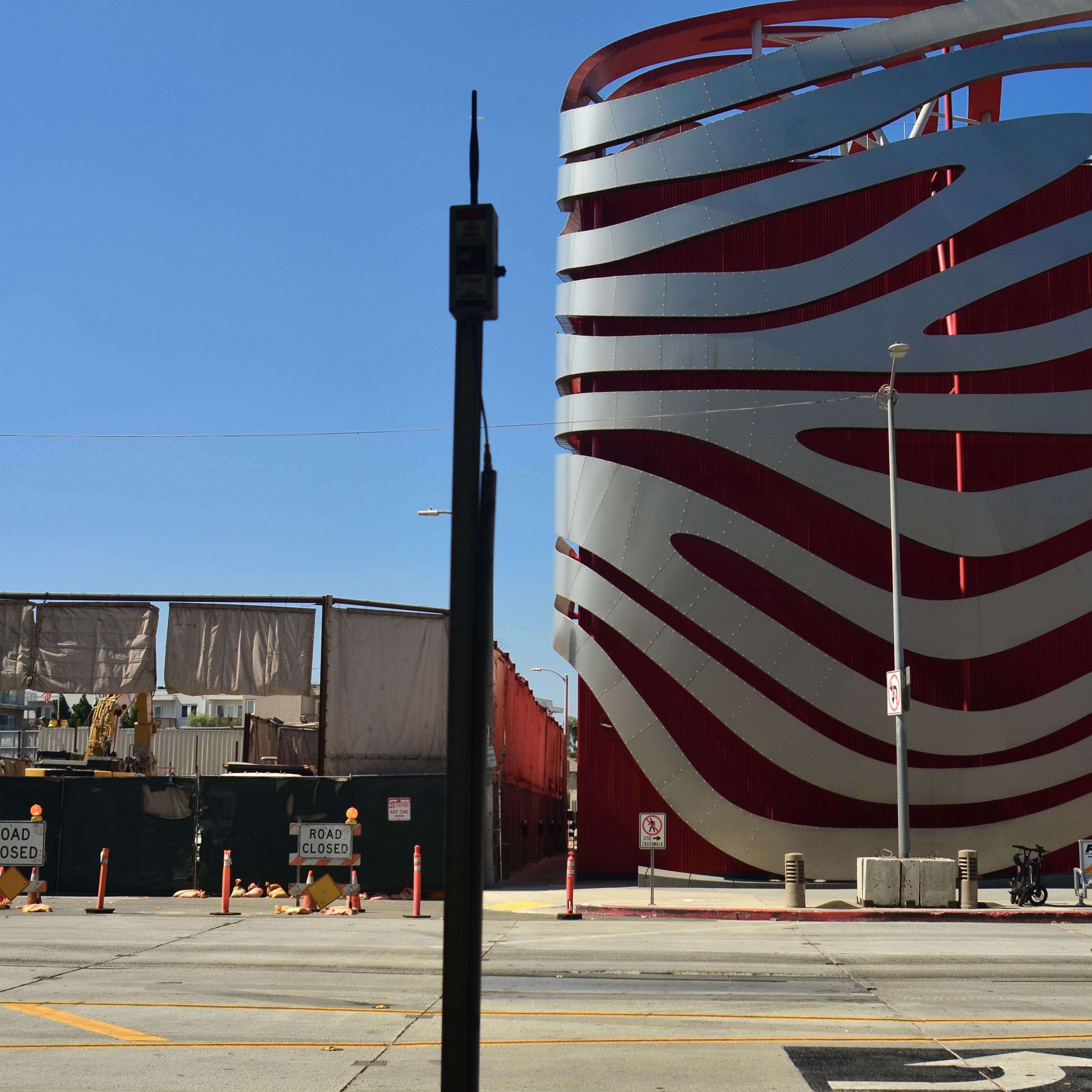
Often, juxtapositions are just organic discoveries of things that already exist in opposition to each other, as in the image seen here. In other cases, the comparison is more deliberately staged or interpreted in some way that has not previously been as clear to the casual observer, yet visible to the photographer’s eye. The idea is to place choice before the viewer, asking him/her to either favor or refuse one thing in reference to the other, to, in effect, rank the two ideas in order of importance. This is a key part of the engagement between photographer and audience.
When everything seems to be already shown, or decided, in a picture, it’s less engaging. However, once something has been placed in the frame that leaves something unanswered, engagement increases dramatically. A dialog of sorts has been begun with the “outcome” of the photo that’s been left in a suspended state, only to be resolved by the exchange of ideas, both by the taker and receiver of the image, as to what the whole thing is “about”. One of the first visual exercises given to children is being asked to comment on “which of these things is not like the other”. Turns out that adults respond to that mental tug-of-war as well, and that creates real opportunity for the photographer.
 thenormaleye