OF SOLID Bs AND A’s FOR E
By MICHAEL PERKINS
SINCE EVERY PHOTOGRAPHER, LIKE EVERY OTHER LIVING PERSON, tends to cast himself as the hero in his own story, we love to close out the calendar year with, at least, a lenient assessment of what, in our art, has passed for progress. Whether honestly or not, we are wedded to the idea that we should be x-times further down the evolutionary plane on Dec. 31 than we were at January 1st. We always entertain the idea that, at bottom, we have, at least, not lost ground.
Like most self-diagnoses, this method is fraught with the possibility of self-delusion. Especially at the remote remove of time, I freely admit that, in some years, my picture-making was flat, even retrograde, mired in unwise habits or moldy with old ideas. This year, I’m not really certain where to place the crayon mark on the growth chart. It’s easy to list the uber-moves, the obvious ways my work changed, less easy to nail down what, if anything, I managed to create. In most years, I’ll settle for a solid B, with an A for Effort if I’m feeling generous, or drunk, or both.
I started the year by turning seventy and making the shift from DSLRs to mirrorless, a decision I still regard as defensive rather than visionary, convinced, as I still am, that manufacturers have decided (prematurely in my estimation) to abandon one good format for another good format, creating an “either/or” market that could easily have accommodated both. And while I am admittedly happy in Mirrorlessland, the main reason I fled DSLRville is because I had finally worn out my shutter mechanism and found myself in a world in which both product support and forward development for such devices was going to be summarily yanked.
The jump into the new format also meant working at full-frame instead of cropped dimensions for the first time in a decade, which meant getting the full visual field out of my old collection of lenses, all of which had been shooting at a 1.5x reduction. Finally 24mm meant 24, not 36. This factor alone redefined my sense of composition.
I also spent 2022 rediscovering the delights of 50mm primes, since I had finally found one of the many great third-party pancake lenses being introduced for the Nikon Z format. The Normal Eye originally grew out of a solid year I had spent with an earlier “nifty fifty”, and I found that working for long stretches with the flexibility of this simple glass was like meeting an old friend on the street.
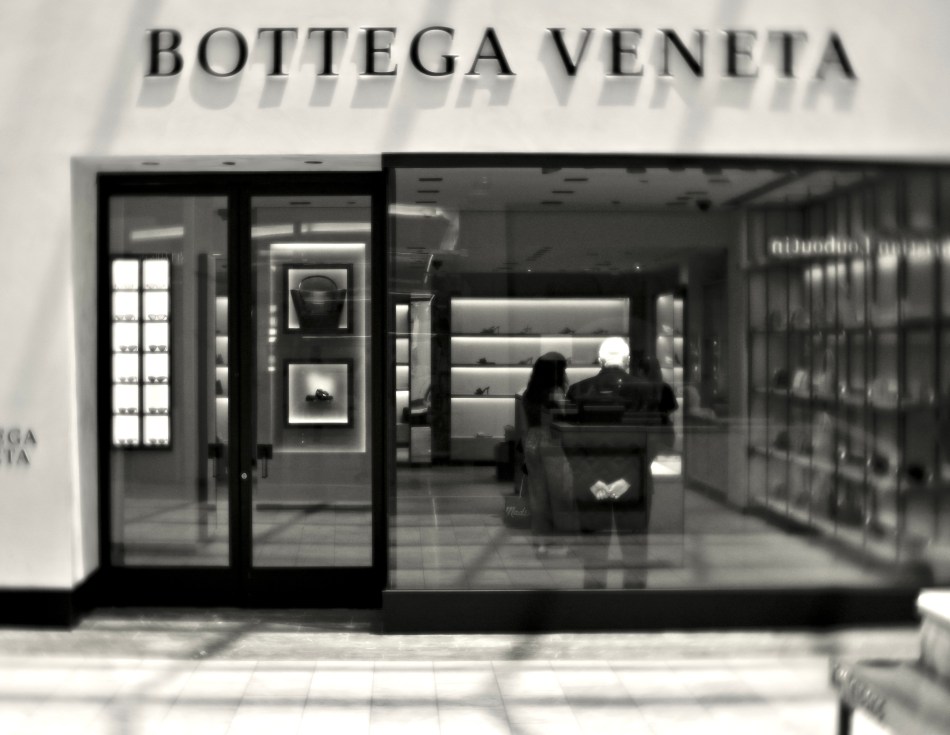
Finally, after experimenting with a recipe of pre-sets for in-camera monochrome that I truly enjoyed, I locked them into a handy dial button and spent more than a solid month shooting nothing else. For that reason, I believe that a black-and-white shot, like the one that’s posted here, is most representative of my work in ’22. I later acquired a similar recipe for the best faux-Kodachrome simulation I’d ever worked with, again, completely in-camera.
Did all these new toys and tools result in better pictures? Experience has taught me that it’ll actually take a lot longer than twelve months to determine that. However, every shift in procedure or technique has at least the potential to unlock something fresh within the photographer’s normal eye. Perhaps at some point, I’ll find out if that potential was realized.
WIDWID
By MICHAEL PERKINS
YEAR THREE OF THE GREAT HIBERNATION. Another four seasons of ducking, dodging, hoping, praying, holding one’s breath and occasionally expelling a few primal screams. Life as it is lived now.
Along the way, I have followed the commentary of many photographers on how this seismic shift in priorities and objectives has permanently changed the way they see, and, in turn, the way they make pictures. How could it not? We’re all now a strange admixture of commentator, war correspondent, spurned lover and satirist, filtering every image through a very different eye. Even the act of doing an end-of-year inventory of shots that both hit and missed, we can track a pattern in the evolving needs of our seeing.
One thing that’s incredibly ironic in my own case is that the confinement of The After Time has forced me to at least try to make some minor breakthrough in my landscape work, demonstrably my weakest suit over a lifetime. Whereas the Ansels of the world would look out upon nature and see endless variations on the themes of Majesty and Harmony, I would just see….trees. Certainly wonderful trees, cool trees, but trees that, somehow, didn’t shout messages at me in the clear, insistent tones of the things that arise from city streets, regardless of where I am. But a funny thing happened on the way to Please Don’t Let Me Catch This Crud. Forced to remove myself from a lot of public places, I found myself with two simple choices: take pictures of what was currently in front of me (increasingly rural, outdoor areas), or just stop shooting altogether.
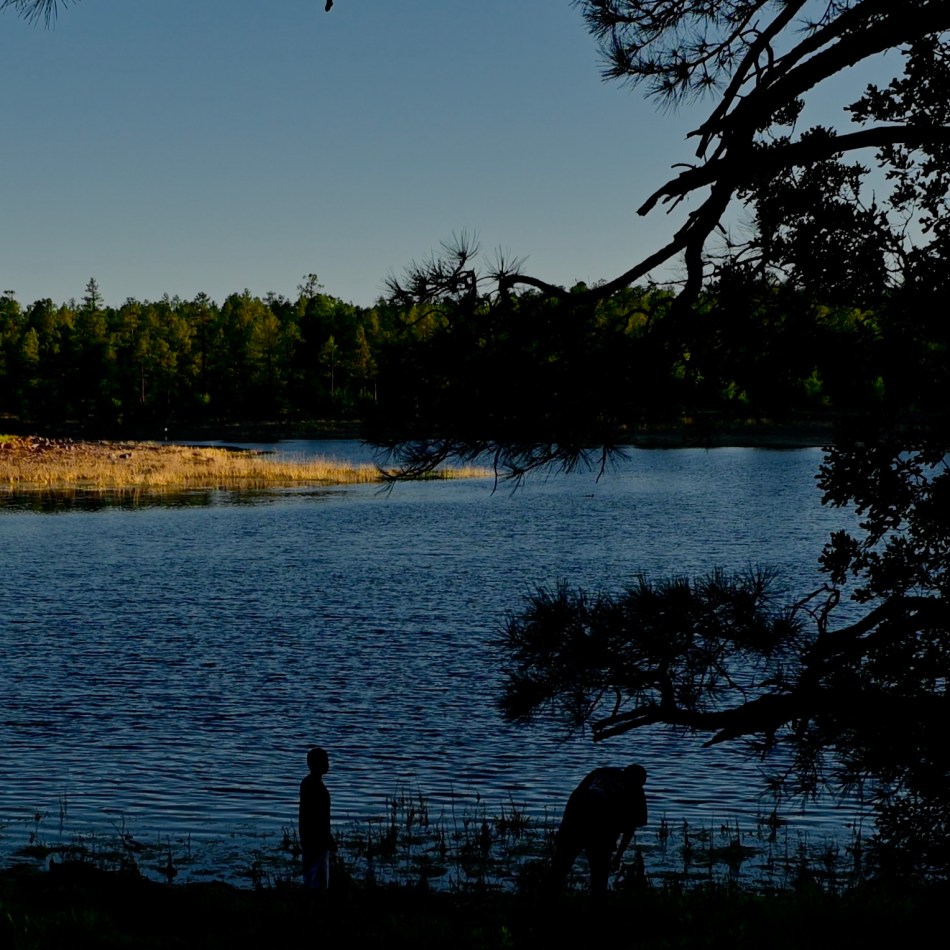
Now, I’d love to stand here and say that I have achieved some kind of epiphany as a result, that my landscape work now possesses the eloquence of angels and poets, but what has happened is that, by virtue of a major challenge to what was going to be in front of me, I have begun to react a bit more creatively to subject matter that I had always regarded as, well, just “nice” or “pretty”. The power of silence and solitude is upon me a bit more, now…..not enough to transform me into Thoreau, but sufficiently effective in helping me “get” what’s in front of me.
What do you call it? Growing up? Learning how to “simplfy”? Getting out of my own way? Learning to hear the quiet?
Damn. When I try to put it into words, I sound like the liner notes from a Rod McKuen album (look it up, X-ers). But when I rediscovered the shot you see here, from a particularly rich summer-of-22 weekend spent at close quarters with lakes and forests near Show Low, Arizona, I can remember that some extra something kicked in. And, with luck, will stay in.
The formula for WIDWID (Why I Do What I Do) has been altered. I see differently now.
Hopefully the pictures will follow.
SOFT AROUND THE MEMORIES
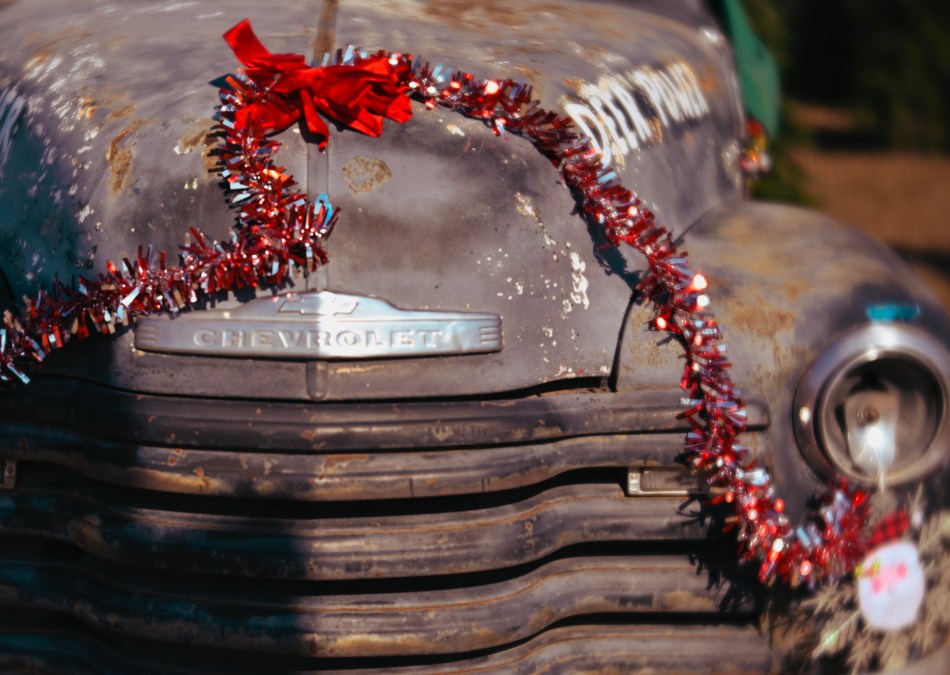
I originally thought a soft, glow-y look would “sell” the vintage look of this truck. Not so sure now…
By MICHAEL PERKINS
I’M A BIG BELIEVER IN SECOND DRAFTS. Part of this comes from my work in commercial copywriting, a field that has only two truths: (A) the customer is always right, and (B) the customer will almost never accept your first effort without changes. Another part of my comfort with re-do’s is my background as an illustrator, a craft that teaches you that your vision seldom comes straight out of the pencil in its fullest or final form. Both professions thrive on negative feedback, and being cool with that can reduce the number of heartaches you’ll face in other imperfect endeavors, such as being a photographer.
Factors like time, travel and opportunity can certainly force shooters to accept their first attempt at an image, simply because getting on a flight or meeting someone for lunch or dodging the rain can mean they have no choice but to accept the one try they’re going to get on a given subject. But even within a narrow time span, digital gear makes it much easier for for us to shoot-and-check-and-shoot-again quickly, resulting in more saves and keepers. But these are all technical considerations, which still ignore the biggest, and most crucial factor in getting the picture right. And that’s us.
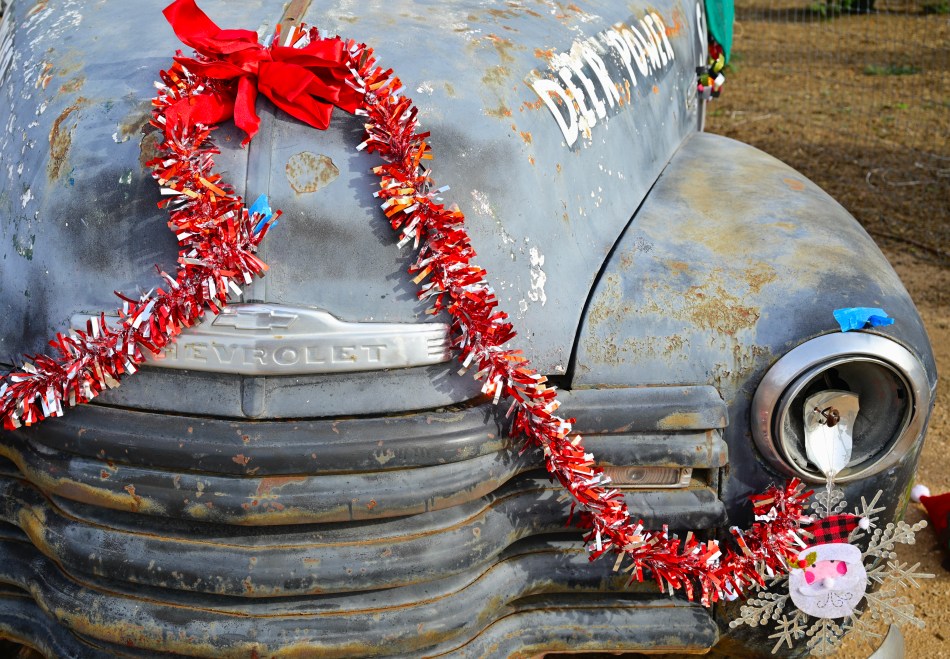
Take Two, several days (and several degrees of sharpness) later….
Sometimes we leave a shoot satisfied that we nailed it, only to find, back home, that we were nowhere near the nail and didn’t know how to use the hammer. We didn’t choose the right glass, or the right angle, or, most importantly, the right conception of what would make the image speak. If we’re lucky, we are geographically close enough to the original site that we can go back for a retry. And if we’re really lucky, the time span between first and second draft has shown us what needs to change.
In the two shots of a rusted truck seen here, I was certain, at first, that merely suggesting the wear and tear on the old wreck with a hazy, soft look, would sell a certain nostalgic mood, whereas, once I returned home, my masterpiece just looked like a mess. There’s a red line between soft focus and mush, and I had truly stumbled across it. Fortunately, I was close enough to the truck to drive back and try again with a conventionally sharp image, which I think actually works better overall, at least for me. Fortunately, the time between my first and follow-up attempts was enough to let my approach evolve, and, luckily, I wasn’t blocked from giving it a second go because of time, travel or opportunity. Point is, there is sometimes real value in being forced to wait, to delay the instant gratification that our tech tells us should be our default. Sometimes, we come closer to the mark when we are forced to hurry up and wait.
OPEN ME FIRST
By MICHAEL PERKINS
NEAR THE END OF EVERY YEAR, SINCE ITS INCEPTION, The Normal Eye has cast a fond eye on the romance that persisted for nearly one hundred years between the Eastman Kodak Company and the worldwide market for amateur photography, a market it almost singlehandedly created. These posts have also included a nostalgic nod toward the firm’s famous Christmas advertising, which regularly instructed recipients of a new Kodak camera to “open me first” on the big day. Because before George Eastman could successfully put an easily operated and affordable camera into the world’s hands, he first had to answer the question, “but what will I use it for?”, a question with a very single answer: memory.
Like every savvy marketer, Eastman knew that he not only had to teach people how to use his simple new device: he had to teach them to desire it as well. Memories were the bait. As the world first learned how to say “Kodak” (A nonsense word Eastman devised to stand for nothing but itself in any language), it also had to be sold on its most compelling use, that of a storage medium for humans’ most treasured experiences. Aided in the late nineteenth century by the infant art of mass market advertising, Eastman pitched the camera as the new, essential means of not just recording important events but conferring importance on them. A gathering, a party, a wedding, the family dog at play…these were not really memories at all, unless and until a Kodak anointed them as such. It was a new way for the world to regard its experiences, not as valuable by themselves alone, but valuable because a Kodak, one’s own Kodak, had captured them. Today, we still react to life with the same urgent need. This will make a great picture. I have to get a picture of this.
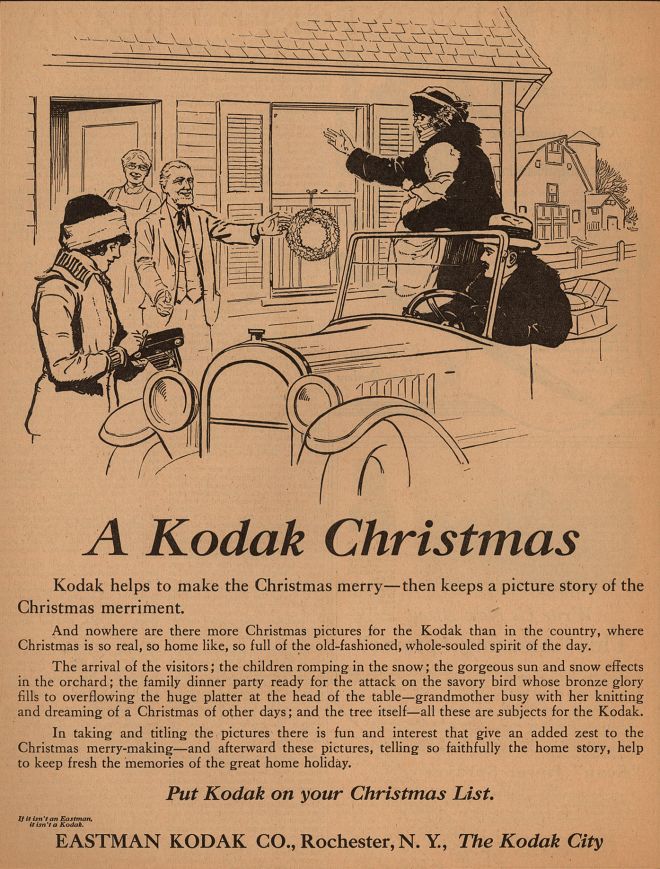
Advertise photography without using a photograph? Hey, welcome to 1900, folks.
And what could be a greater potential harvesting ground for these memories than Christmas Day? Almost from Kodak’s beginnings, Eastman mounted annual ad campaigns that emphasized how precious, how fleeting were the moments of joy and discovery that accompanied the opening of presents, certainly when those presents included a new Kodak camera. As seen in the above image, this sales pitch started even before most major newspapers could even reliably reproduce a photograph of any kind in their pages, leading to ads that touted the benefits of photography with only drawings or paintings of the product being used! Talk about the power of suggestion…..
The marketing of any product, from the automobile to the iPhone, starts with the engineering of desire, of convincing consumers they need a thing and then selling it to them. With luck, the buyer sees that they do, indeed, “need” that thing (even if they never knew it before), and come to think of it as indispensable. And so it was with the ability to freeze time in a box. As in Eastman’s time, we still see the value of those boxes, even as their functions have shifted and evolved. We still want the magic. And the trick is still enchanting. Every. Single. Time.
LIFE AS IT ALMOST IS
By MICHAEL PERKINS
PHOTOGRAPHERS WHO CUT THEIR TEETH ON ASSIGNED SHOOTS, usually at the behest of some outside employer or editor, have a natural propensity to cut to it, to speedily seek out the heart of the action and eke out the central story. Arrive at the scene of the fire. Determine who is in charge, and where the crisis of the immediate moment is. Shoot pictures of same. Lather rinse repeat.
But even those trained to shoot the very peak of drama in a given scene can occasionally find something interesting in what has not yet happened or what just happened. Many events seem to emerge with some advance staging, and some yield either interesting aftermaths or epilogs if you’re patient enough to look for them. In our visual reporting, we understandably focus on the books on the shelf, but in fact the bookends, or the vase of flowers to the left and right of those tomes might also have something worth capture.
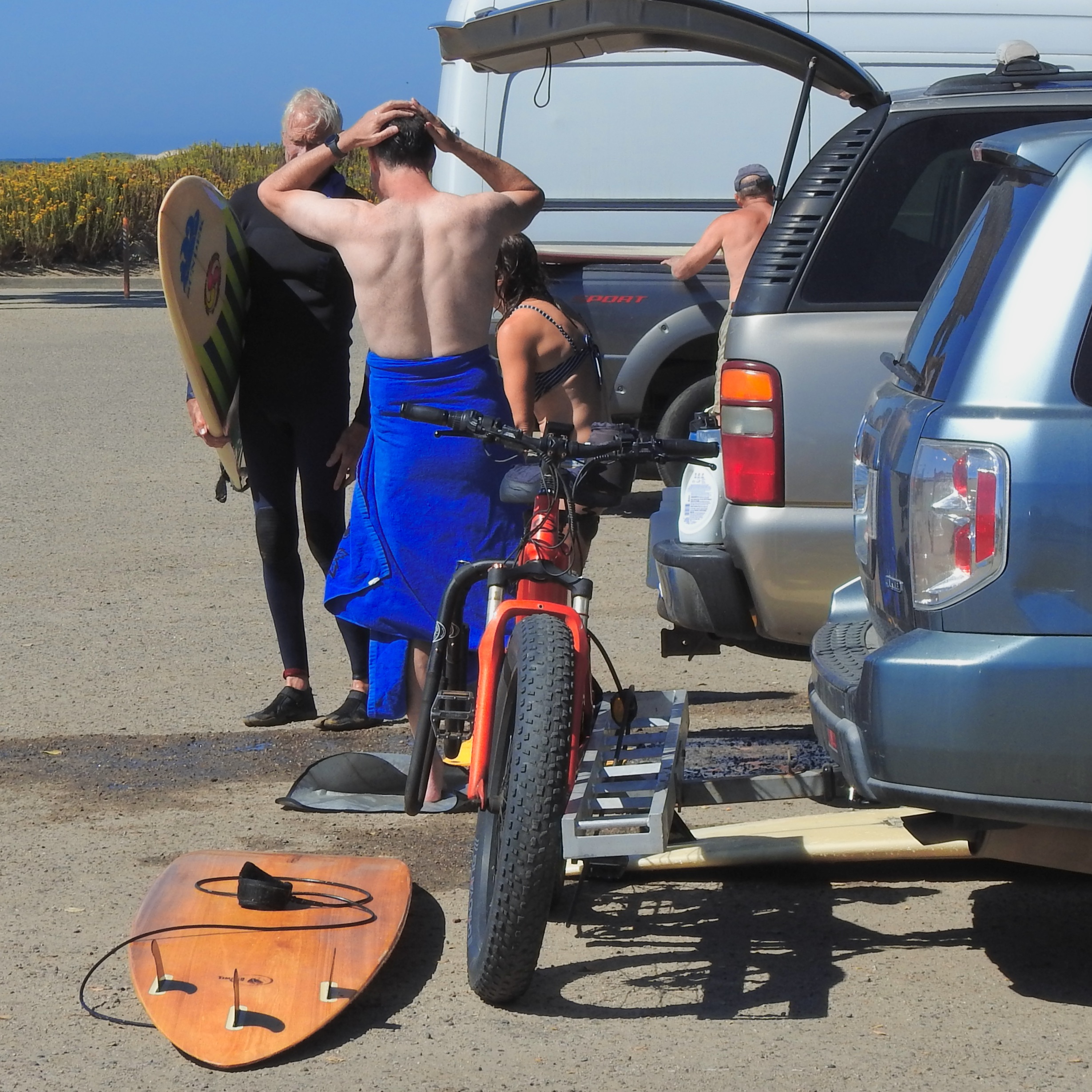
On the morning I shot this, I was understandably eager to get beyond the parking lot of a Ventura beach and down to the beach itself, assuming that the day’s typical harvest of dog-walkers, swimmers, and surfers would give me a few easy grabs. To be honest, a big part of the reason for taking this frame was to test my settings and see how my telephoto would compress things that were fairly far away from each other….a worthy consideration when shooting tight over really vast spaces. But just as you might find interest in a shot of actors and stage hands milling about just before the theatre curtain rises, I kinda liked the smashed composition of several folks talking, flexing, lifting and unloading as they prepared to hit the beach. I liked the “nearly there” aspect of it. Life as it almost is, or is about to be.
I firmly believe that sometimes we either shoot too early or too late on either side of a central story. But I also think that time is just a lot of little major and minor stories stitched together, and so there are always choices as to which of an infinite number of narratives we decide to extract in a given moment. Turns out, I lucked into several others on this day. But showing the seams where one story ends as another begins can be a good gig, as well.
INSIDE VIEW, OUTSIDE VISION
By MICHAEL PERKINS
THE HOLIDAY SEASON PROVIDES THE PHOTOGRAPHER WITH A READY-MADE BAG OF NEW APPROACHES, playfully disorienting and flooding the senses, upending what we usually think we know about color and light. Decorations are never mere add-ons, but true transformations, creating elegance in plain spaces, underscoring and amplifying our emotions. At the personal level, the sheer accumulated tonnage of memory is the unseen effect behind all the glitter and glow, and it’s that ethereal quality that I try to inject into an already fattened goose of holiday sensations. I take the merely surreal and push it all the way into the dream realm.
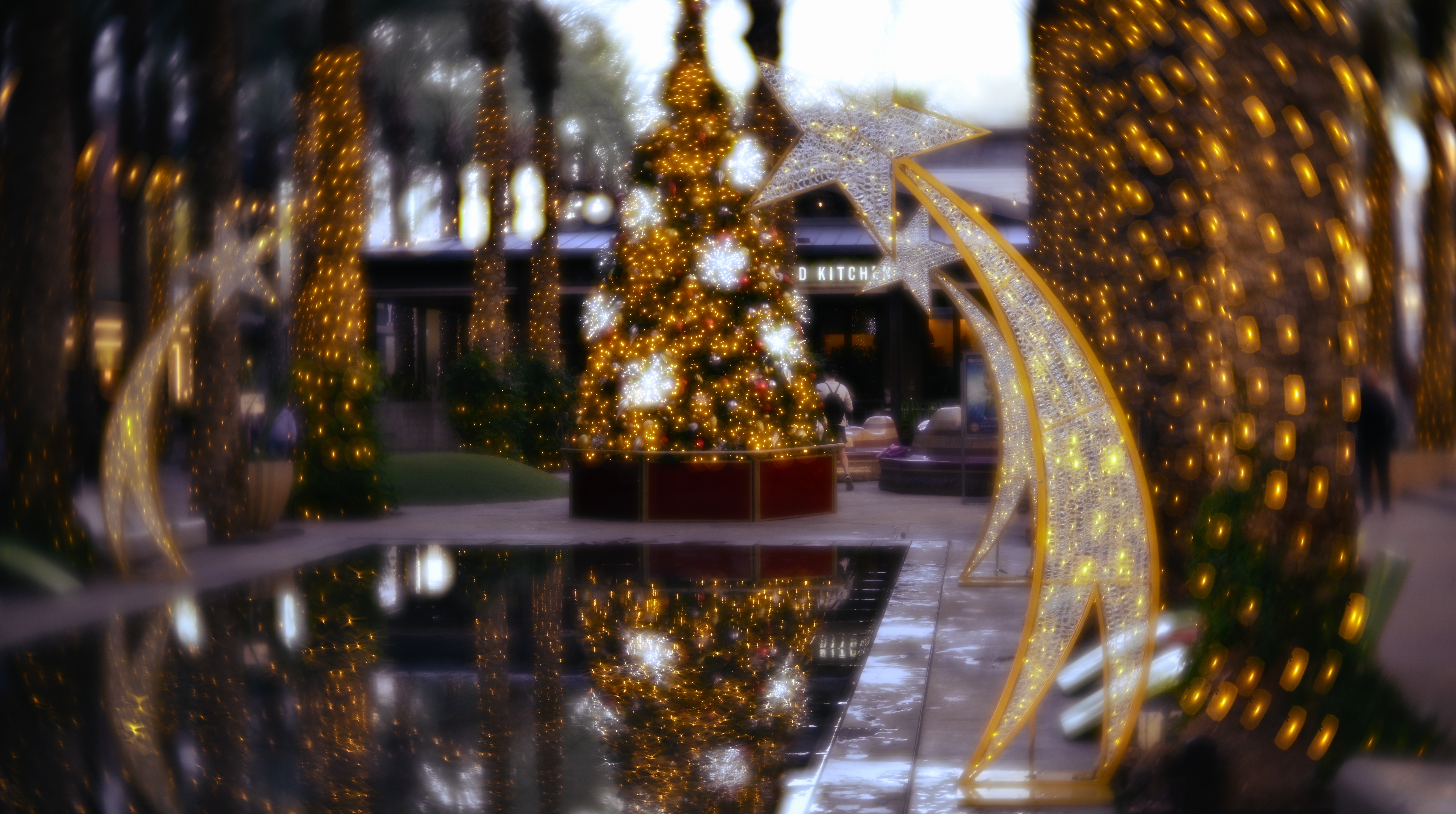
That’s not to say that there isn’t such a thing as going too far when it comes to overripe seasonal images. I just suspect that there isn’t, nor have I experienced that feeling myself. In other words, far too much is just far enough when it comes to Christmas. It’s a time for revelry, not reserve, and so the pictures are allowed to scream as well as whisper. Scenes that usually rely on precision, tight focus, perfect lighting, even balanced composition are somehow, for a time, given extra space to flex into the realm of fantasy. Realism takes a holiday during the holidays.
The great thing about a season loaded with subjective impressions is that there truly are no limits on what can be depicted, or in what manner. It’s a time when even the most rigid amongst us relaxes a bit and dials the discipline back to about 4. It’s freeing, and it shows in our pictures. In some cases, it allows us to rediscover the instinctual defaults of childhood, the ability to shoot a photo just to see what happens. In all cases, it makes the days all about visual adventure, the kind of inner joy that’s allowed to come out and play, in front of witnesses.
REALM OF THE RETRO-REAL
By MICHAEL PERKINS
I TEND TO REGARD MUSEUM SPACE MUCH THE SAME WAY I VIEW THEATRICAL SPACE, as a staging point for stories and dreams. The best of such institutions achieve nearly the same suspensions of disbelief and time as one experiences in a great play or opera. Curators can create their own version of reality, choreographing our interpretation of events in nearly infinite ways. And just as there is no set “correct” theatrical interpretation of an eternal work like Hamlet or Death Of A Salesman, museums can present their own “take” on history, while freeing us to do likewise.
This, as you might surmise, follows through to the pictures we make of the various exhibits and objects. Therefore, as photographers, we need not be anchored to the mere documentary recording of images of things on display. With a little experimentation in either equipment or approach, we can be as interpretive in how we perceive an artifact as the presenters were in how they choose to showcase it. There is no one “right” way to photograph rare or exotic exhibits.
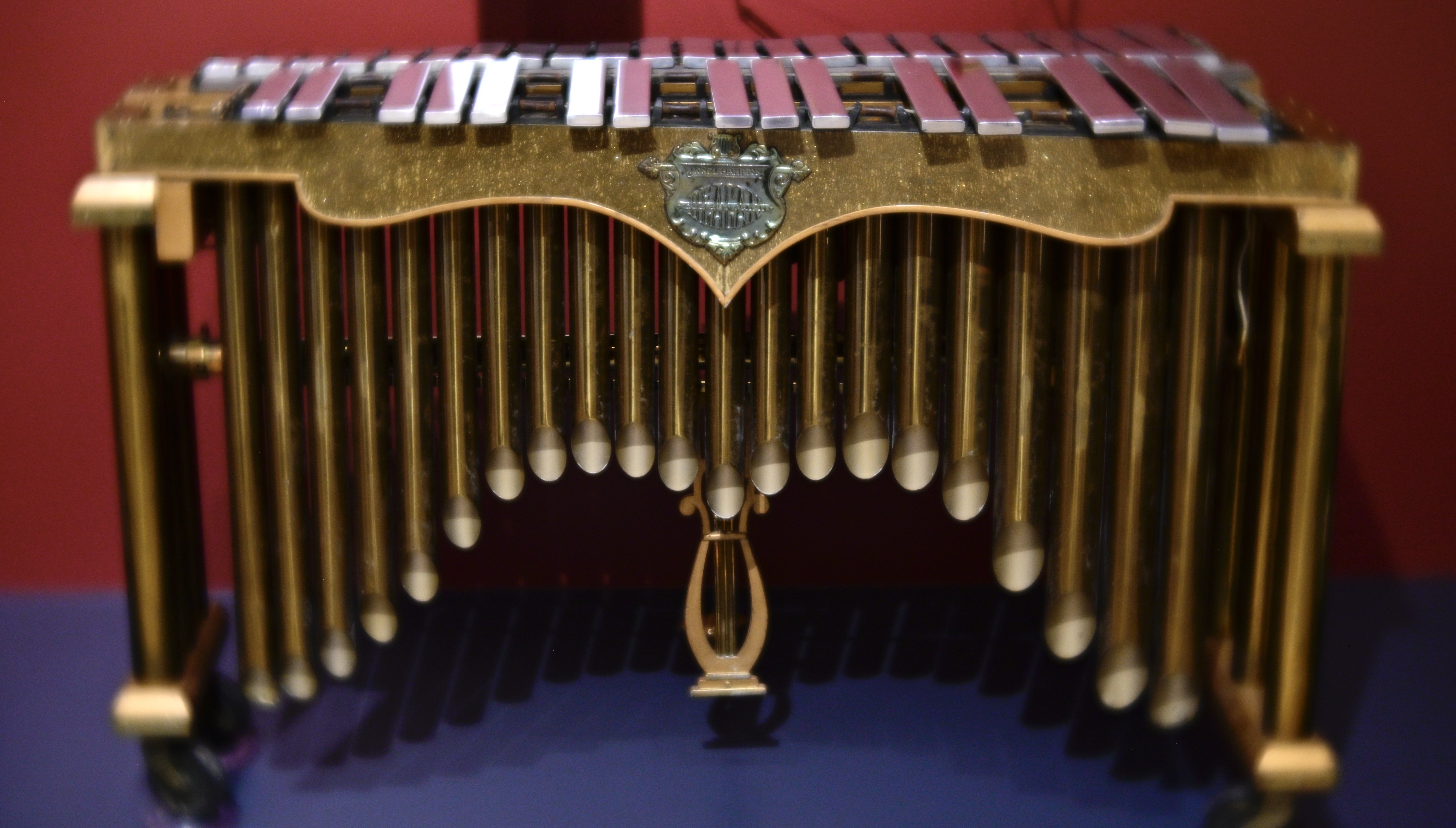
Jazz giant Lionel Hampton’s 1935 Deagan “King George” Vibraphone, seen at the Musical Instrument Museum in Phoenix, AZ.
Official photographs by the museums themselves tend to be straight “product” or “catalog” shots, and, from a purely marketing point of view, that’s probably as it should be. But in visiting the museum as artists, we are free of all such constraints. We are not on salary, and it’s not our job to reflect upon the intentions of the House. In that way, our views of the goods are completely liberated, and that is where the fun stuff happens.
Personally, I tend to render exhibits that interest me in a gauzy dream state. I find that framing them in a kind of retro-real fashion tears them loose from their original temporal moorings. They return to being just things, judged by their own contours and design, rather than as part of an official narrative. And once they are absolute objects, anything can be drawn from or projected onto them as I desire. And that is so much more interesting than just snapping them as a sort of souvenir of my visit.
Museums are not merely warehouses. They are places for dreams to converge and reveal themselves. And if we are lucky (and open), we can aid that process, and make everything in those hallowed halls ring with new song.
I’M A STRANGER HERE MYSELF
By MICHAEL PERKINS
BEFORE I CAN SURPRISE ANYONE WITH A PHOTOGRAPH, I myself must be surprised. It’s true that by re-examining familiar subjects, I can occasionally bring some under-appreciated feature of it to light, but, in the main, I do my best work when I have little or no idea what’s coming next. I have to be dislocated to some degree to feel at home.
I have to jump-start the section of my brain that inclines toward a fresh perspective or a novel approach. Placing myself in the position of A Stranger or A First-Time Visitor throws me enough of a sensory curve to knock me back off my comfort perch and see with something that approximates an original eye. And the culture I have inherited from thousands of generations of seekers shows me that I am not alone in this.
The film director Sydney Pollack once said that many of the greatest stories in history involve being thrown out of Eden, lost from home, forced to navigate what Star Trek calls “strange new worlds”. His thinking was that, from the Odyssey to Huckleberry Finn to The Wizard of Oz to E.T., an amazing transformation happens to all of a culture’s heroes due to their being, at least for a while, outcast from their points of origin. In terms of photography, while I can’t say that my favorite images always result from striking out into alien territory, I am firmly convinced that the feeling of estrangement, of being, for a time, banished from one’s factory settings can create the spark for creativity. Images that come from that insecurity act as a kind of reset button for the senses. We are on heightened alert when we’re tossed out of the nest, and that informs the pictures we make.
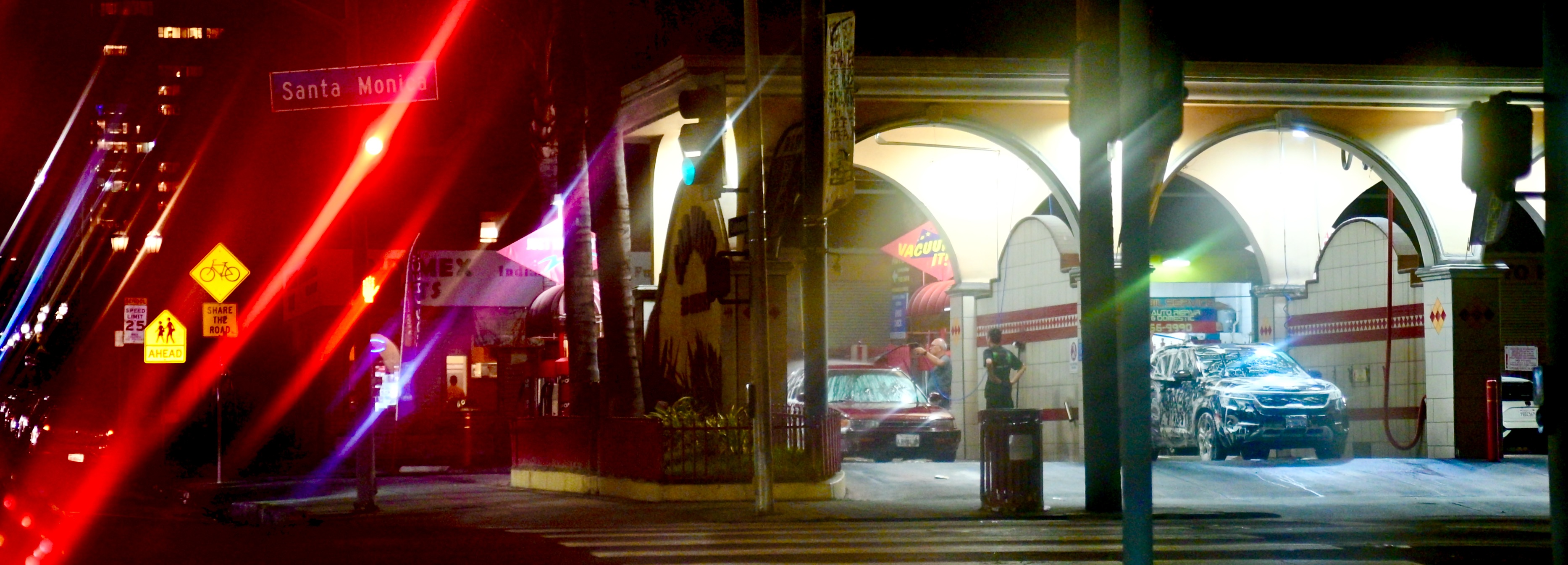
My absolute favorite pictures over a lifetime are the ones that I had no plan for in the moment, no prior experience that could help me know what to do about them, no other clear motive other than the certainty that I wanted to make them somehow. Let’s face it, few of us would deliberately head out to see what a car wash looks like after dark in a forgotten midtown neighborhood of Los Angeles as seen through a rain-smeared windshield, but once I saw one, I wanted to capture it. Don’t ask me why. It’s not my favorite picture in the world, but it is my favorite way to allow myself to stretch a bit.
“I photograph to see what something looks like photographed”, said Garry Winogrand, who shot with as pure a sense of impulse as any photographer I’ve ever seen. And I can come close to that purity of purpose when I’m out of my element. Sometimes that means going to a physically different location, but other times it might merely be achieved by going into the left side rather than the right side in a museum, or visiting an anteroom you’ve somehow ignored the first 10,000 times you entered the same building.
Some operate from the principle of familiarizing yourself with your surroundings before making a picture. I often hit pay dirt when I shoot despite the fact that I’m unsure of where it’s all heading. Both approaches have gifted me with images that surprised me. In the meantime, you may find that admitting that, yes, you’re a stranger here pries opens your eyes, and in turn, your heart.
 thenormaleye