MASTERING THE MAP
By MICHAEL PERKINS
In a portrait, I’m looking for the silence in somebody.”
– Henri Cartier-Bresson
PHOTOGRAPHY WAS, IN ITS BEGINNINGS, regarded as something rather soulless, a purely mechanical means of recording things that consisted mainly of the mapping of surfaces. In one way, making a picture was agreeing on strict terms of engagement. The object in the photograph is so high, so wide, so close, so far, and has only the details you see represented here. To make an images was to map out an area as precisely, and as coldly, as a surveyor documenting a field, a kind of “what you see is all you get” arrangement. Complete. Sterile.
That viewpoint quickly yielded to the belief that photographing a thing, any thing, was an act of both giving and taking away. The activity in the image was all of what you see, but a whole lot more; everything that was in the frame was but a partial, piecemeal capture of what the eye beheld. Photographers, as well as the public that viewed their work, got used to the strange terms set by the medium, the proposition that this….this box saw something that the taker could not, and yet left the task of telling the complete truth maddeningly undone.
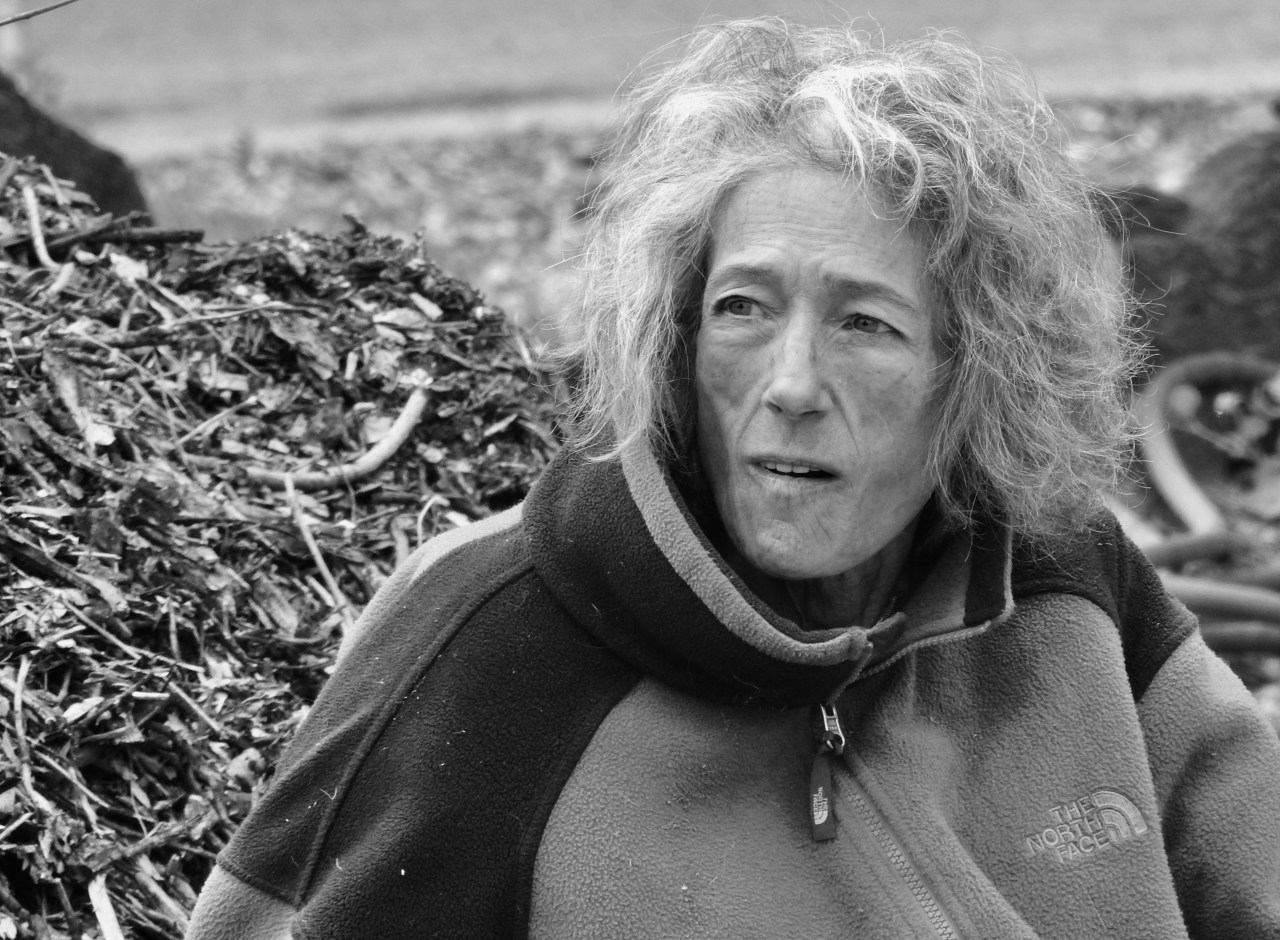
The human face is the greatest representation of this mystery, perhaps because we bring our own experience and memory to, if you will, flesh out any features or aspects of the person we are pursuing. We both come up short (what else is going on here?) and drown in abundance (I never saw that before!). When you aim a camera at a person, you are both unleashing mysteries and daring to withhold evidence at the same time. How can this be? How can a mechanism that is designed to help us see render us so blind? And does doing it repeatedly, that is, trying to “know” more and more faces, add to our wisdom or merely act as additional reminders of how limited is our vision?
The act of photographing a face is made even harder by the fact that none of us can ever really forget that we are being photographed; we are warned ahead of the click that the click is inevitably coming, giving us our cue to make a performance of our faces, to curate them, market them for mass consumption. Candids are possible, but they are becoming more rare, like seeing a pileated woodpecker and her young in the wild. Perhaps that’s what we use the word “capture” to describe the taking of a picture. We are running, net in hand, after something untamable. Photography is a game of tennis between reality and illusion. The volley creates a flurry of activity, but is the game ever decided?


Leave a Reply