THE RUBBERY-EST RULE
By MICHAEL PERKINS
PHOTOGRAPHY WAS ORIGINALLY ALL ABOUT TECHNIQUE, a necessary mastery of basic procedural steps that had to be followed in order to get any result at all. Scientifically, at first, making a picture was all about rules.
That changed as soon as manageable, predictable systems for taking photographs became commonplace. From then until now, technique has taken a back seat to creativity. And that’s as it should be. There are no stone-engraved commandments for art. What works works. Technique is about control. Creativity is about casting it away, of arcing toward the unknown.
Of course, you’d never know it to read marketing materials, or watch tutorials, on photography. They contend that there are right ways and wrong ways to get the image you’re after. Rules. Always do this, never do that. And then there is the main mission of manufacturers, which is not to help you make better pictures, but to sell you the gear that you can be made to believe will make better pictures. The on-line reviewer Ken Rockwell, himself the source of no little controversy, takes issue with any talk of “rules”, especially the biggest bugaboo, sharpness, and the photo industry’s insistence that it truly matters:
Sales and marketing departments fuel this misconception because it scares people into buying new lenses. Sharpness is easy to test and analyze, so magazines oblige less experienced photographers with reams of colorful charts and graphs. People would make far better pictures if they spent time learning how to make great photos with what they already own instead of worrying about their tools.
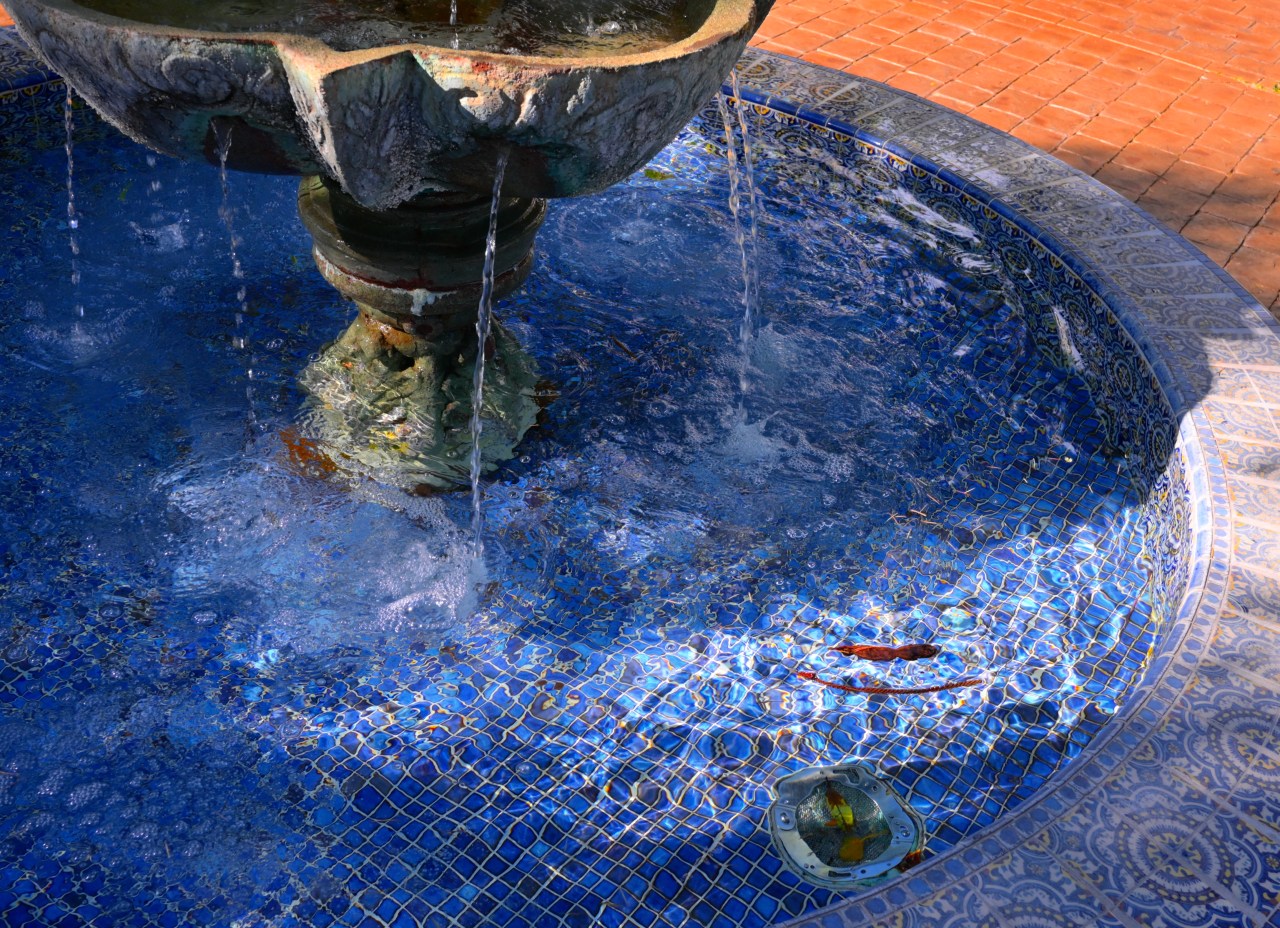
Many of us instinctively know that rules like sharpness and exposure are not rigid but rubbery, that they are, at best, guidelines or reference points. The image above is illustrative of something we recognize as “reality”, and yet it’s un-anchored from any strict rule about, among other things, sharpness. Art is not codified: something is either true or untrue in the moment. Can I use this color instead of that one in painting a tree or the sky? Why or why not, and who the hell says so anyway? In our greatest moments as photographers, we regularly subvert any ideas that are supposed to be “standards” or “benchmarks”, and, the further along in our development we get, the more regularly we stray from any hard and fast regulations about just how we get to the finish line. The picture is complete, or justified, or right when we say it is. Those who were among the first haters of photography accused picture-takers of merely activating a machine, something soulless, cold, inhuman. In fact, it’s only slavish devotion to rules that can truly render a photograph mechanical or lifeless.


Leave a Reply