By MICHAEL PERKINS
OKAY, ENOUGH OF THIS.
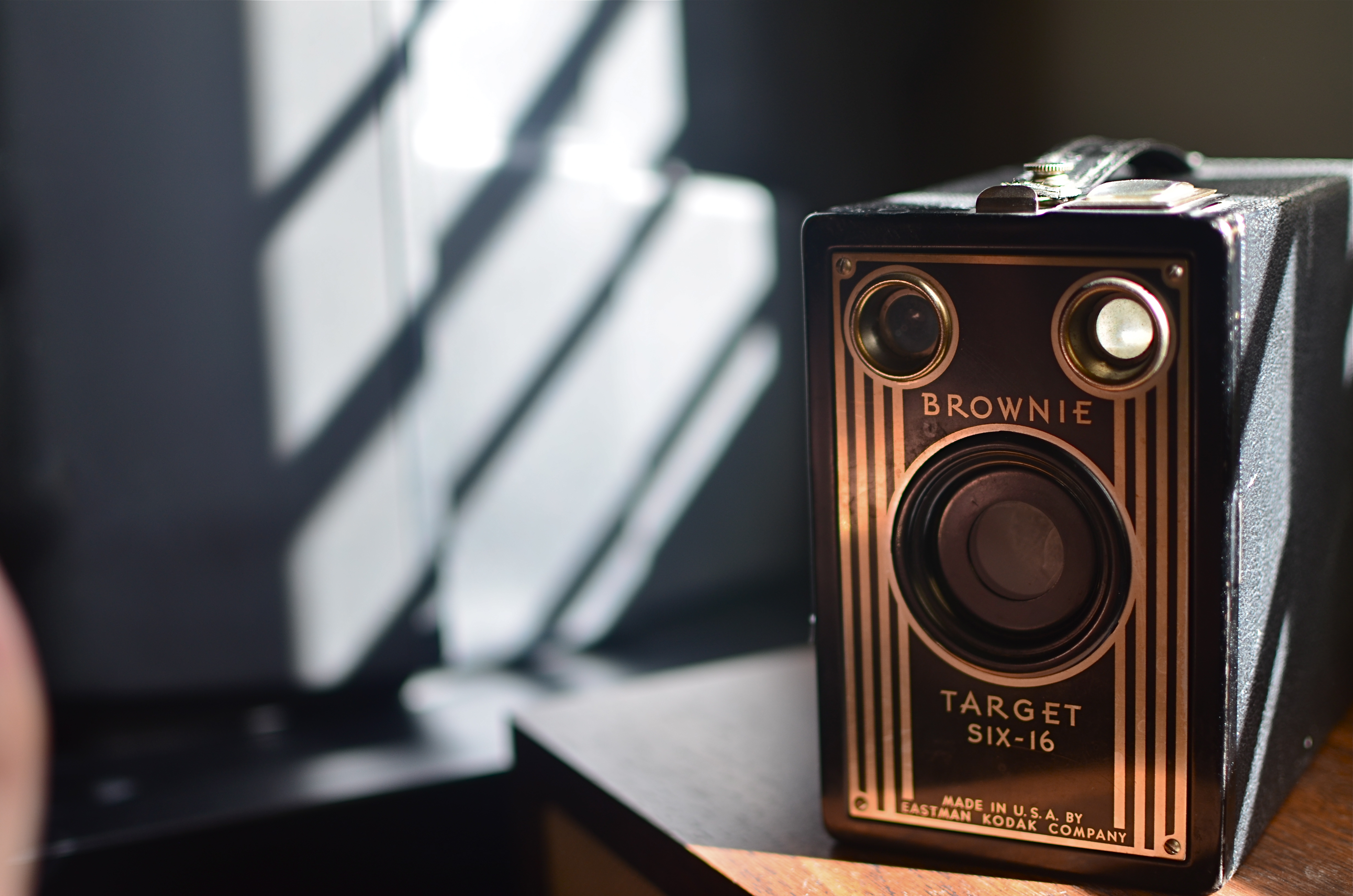
As analog photography has, in the twenty-first century, fallen out of ubiquitous use, there has been a mounting wave of nostalgia for the hands-on nature of film-based technology. In some cases, that yearning has actually revived some niche sub-worlds of old, such as in the rebirth of instant cameras. There has also been the “lomography” and Lensbaby movements that sparked a renewed interest in the visual artifacts of (mostly cheap) film cameras, the ones that leaked light, over-saturated or mangled colors, or sported plastic lenses instead of glass, all in pursuit of the “unpredictability” or “authenticity” of pictures over which you have less control. Blur? Hey, that’s an artistic choice! Double-exposures? Why, they’re spontaneous and random! This entire trend, which results in sales for a fairly large market of hipster-driven products, has proven particularly attractive to people who find digital imaging a cold, idiot-proofed process that has been drained of all of its humanity.
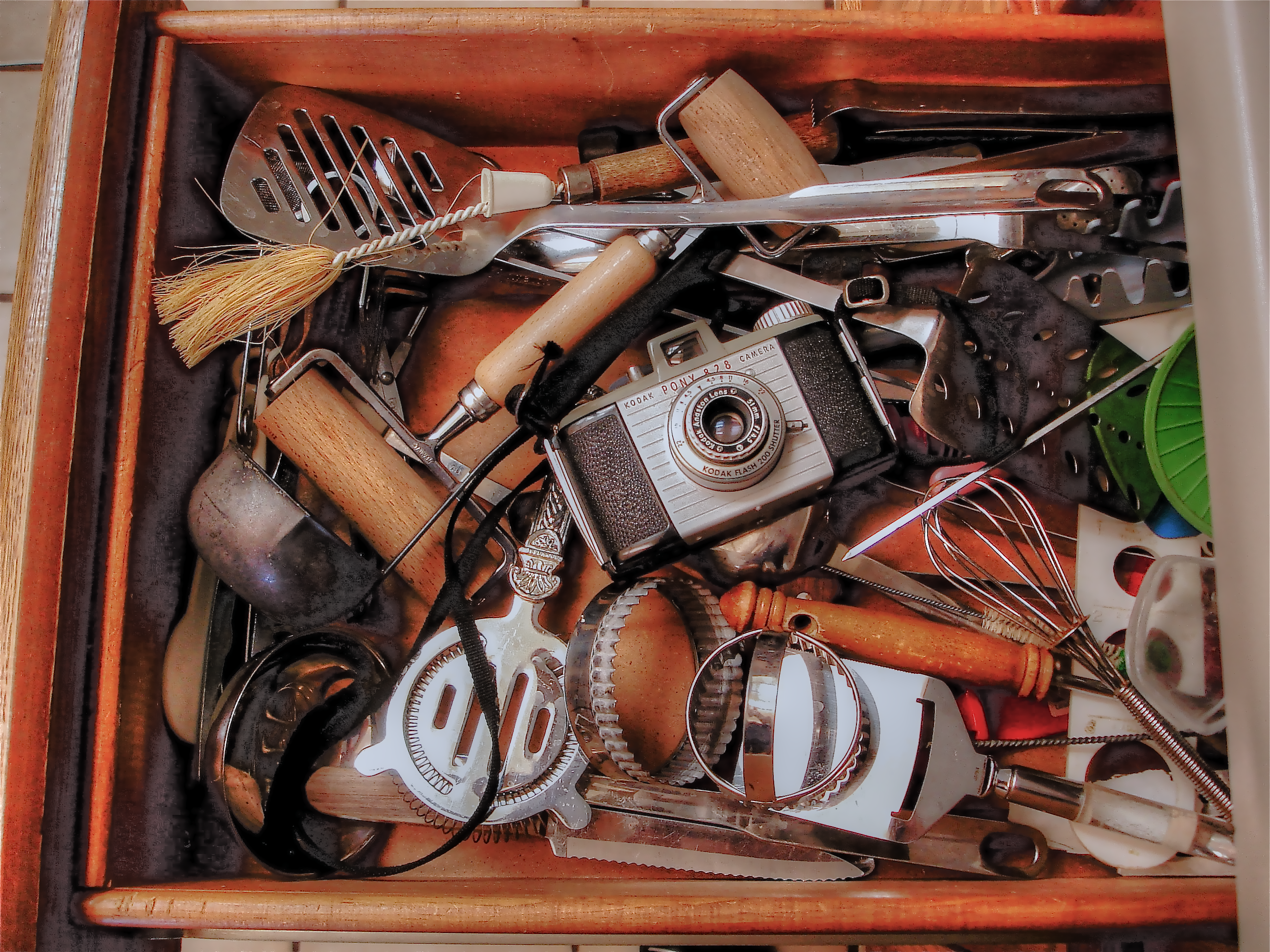
But the sterility that some digital photography can be said to possess isn’t in the technology, and neither is the warm magic falsely attributed to analog. Last year, Flickr, arguably the world’s biggest photo-sharing community, saw work posted to its site from shooters using over seven thousand different kinds of captures devices, devices that ranged from standard point-and-shoots to medical sensors to things that created pictures with sound, or heat, or….you get the idea. The fact is, nearly anything can record, refract and interpret light patterns. It’s not the product that delivers a cold experience. It’s the user. Analog photography has received too much credit of late for being more “genuine”, more connected to the human soul, than other methods, and that, as they say in Holy Scripture, is just a load of crap.
We would never allow writers to bully each other about which pencil or notebook yielded better prose or poetry: it likewise would be ludicrous to say a song was less rhapsodic depending on whether it was delivered to the listener with a pair of drugstore earbuds or a Bose 791 Series II ceiling speaker. And it’s frustratingly stupid for us to argue about what device captures the picture. Because a human heart, a human eye needs to be behind that device, enabling it, controlling it, or there simply is no picture. There are no shortcuts, no foolproof recipes, for making compelling images. There is only the work, the real, tough, slow sweat in search of mastery of one’s self. Once that mastery manifests itself, any camera will yield miracles. Without it, all gear is junk.






















 thenormaleye