in-DFN-itely
By MICHAEL PERKINS
I CAN STILL REMEMBER A TIME, NOT TOO DISTANT, when the phrase “the camera doesn’t lie” was actually spoken with a more or less straight face. I can only imagine that, at the dawn of photography, in the throes of the first great industrial age, the process of extracting and freezing time in a box was regarded as purely a recording function, like the undulations of a seismograph, as if the camera were the ultimate precision instrument for an ultimately precise, scientific age. In fact, however, fakery of all kinds was in the cradle alongside the camera; frauds were photography’s training wheels. That’s what makes the emergence of A.I. imaging so fraught. We were already manipulating and monkeying with our images using the conventional tools and methods we inherited from the Victorians. Now, suddenly, we can summon increasingly convincing fakes with a simple computer prompt….no camera required.
The joint issues of authorship and authenticity have been upended with A.I., a fact that, at this writing, is hardly a hot bulletin. But it bears repeating, just because our individual reaction to this new “reality” swings wildly between, “Amazing! I can make great use of that” to “ho hum, so what?” to “Oh, God! How can we stop this thing??” Just as it no longer matters whether a novel originates with the writer’s scrawl in a notebook, his taps on a typewriter, or entries in a word processor, we are now in a time when the idea of making a picture has been expanded to include techniques or tools that we once regarded as suspect, or even dishonest. However, if the final image is the desired end result, what do the intermediate steps matter?
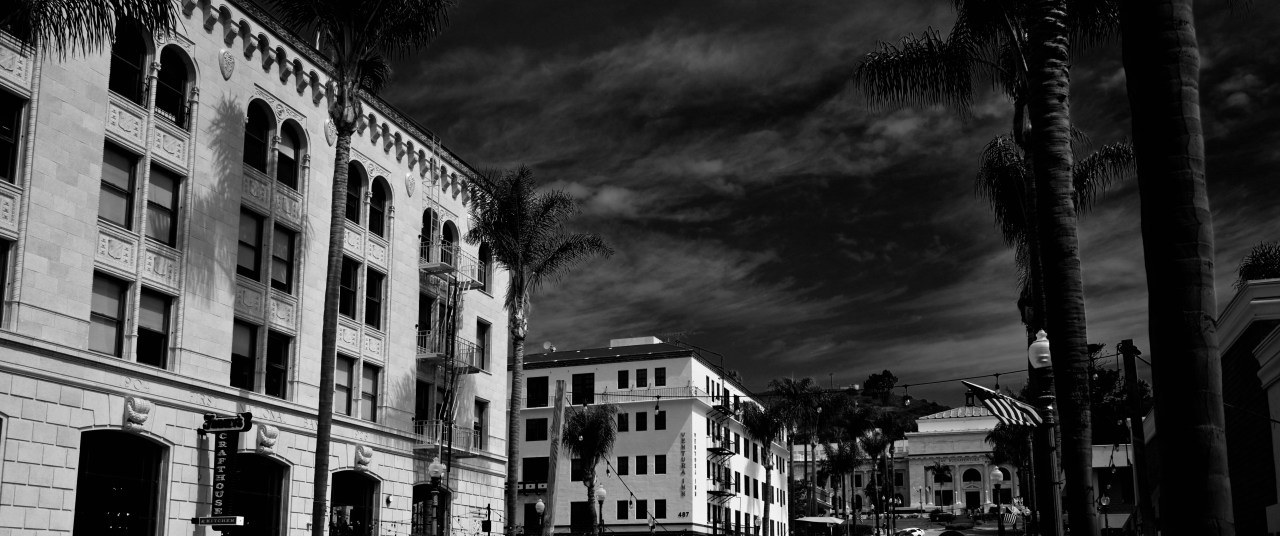
An original daylight color shot becomes, with very little effort or strain, a “day-for-night” shot.
One of the first fakeries that I personally played with was the old movie technique known as D.F.N., or “day-for-night”, the exposure and processing methods that allowed crews shooting in broad daylight to suggest post-sundown tonal palettes, without the bother and expense of actually shooting at night. It was the first trick that got me thinking that photographs were far from a definitive record and more like an interpretive canvas, conferring the same fanciful control that painters had always enjoyed. So, years later, which challenges presented by A.I. actually offend or worry us the most? Is it the partial surrender of control to an entity that can’t truly exercise judgment in the creative process? Are we less artistic if we deputize a machine to carry out our desires, and isn’t that precisely what we’ve entrusted cameras to do? The struggle for a new meaning of what a “picture” is will throw some of us into a panic, while others will see it as the most obvious of opportunities for expression. The camera is dead, long live the camera? Or what, really?

