EVERYTHING NEW IS OLD AGAIN
By MICHAEL PERKINS
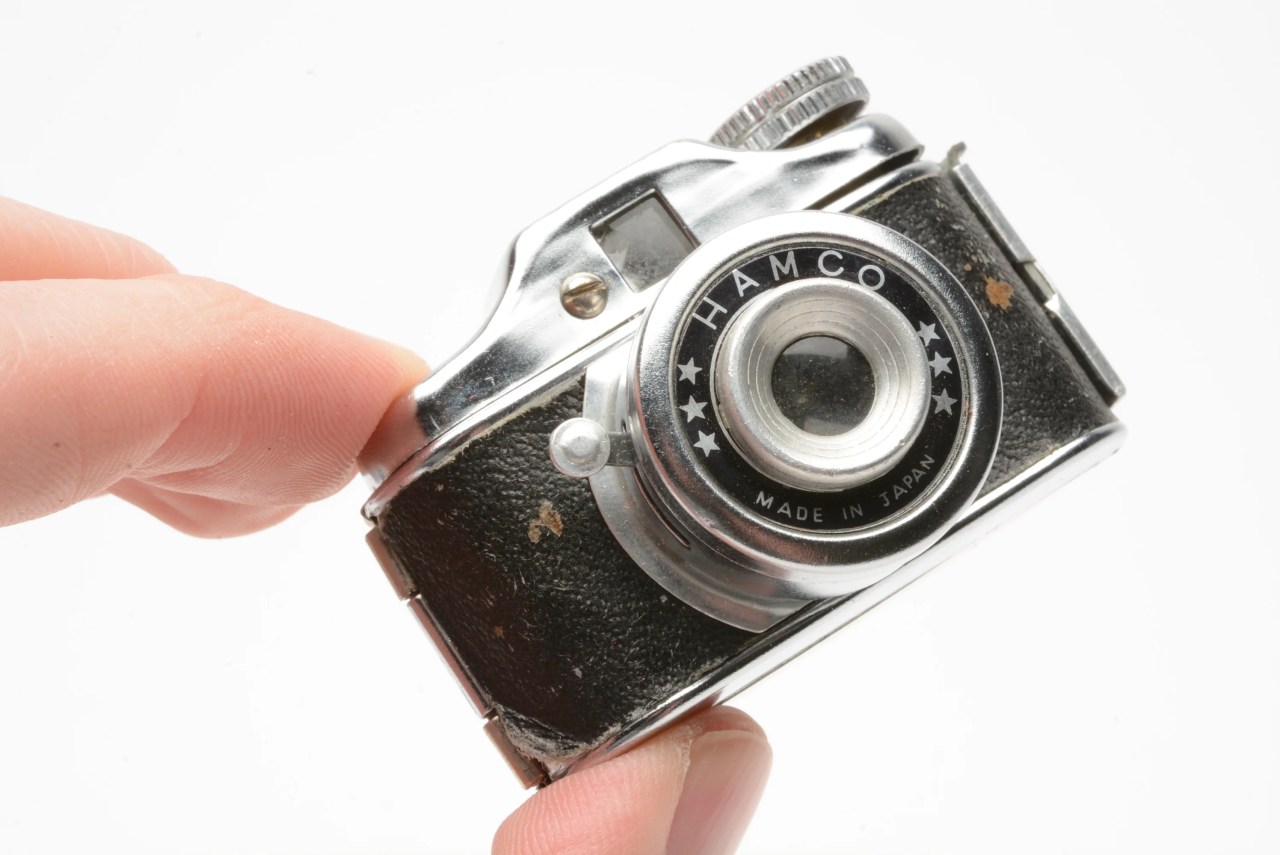
THERE IS ALWAYS A RISK, IN PHOTOGRAPHY NO LESS THAN OTHER TREND-FUELED ARTS, to make predictions about the next big thing, or even certain elements of What’s Happening Now, only to wind up eating a huge helping of crow further down the road. Simply stated, the prediction racket is largely a sucker bet, and anyone who goes into print saying they know what’s coming next ought to check to see if someone’s slipping something into their coffee.
That said..
As I write this, in July of 2026, the photo world is experiencing a bit of a time warp, as the presumed-dead compact camera is staging what can only be called a comeback, years after it seemed headed for the scrap heap at the hands of the smartphone. Sales figures tell a convincing story, with year-over-year sales of compacts up nearly 30%, even as sales of DSLR’s, a tech that was already in decline, continuing to slide and sales of mirrorless models basically stagnant. This means that the new crop of compacts is robbing customers from chiefly one place, and that’s cells.
Now, while most people, globally, will almost certainly continue to take most of their photos on a phone of some kind going forward, the fact that any of these users, who have long trumpeted the portability and ease of shooting on a cell, are deliberately choosing a camera-only device says something about changing attitudes; not only toward cameras, but also toward all the other junk that a phone brings along for the ride, including broken attention spans, unwelcome alerts, a less tactile experience, etc. There are already measurable micro-trends, seen primarily amongst the young, toward at least a partial un-plugging, with some purchasing apps to police their screen time, a rise in the purchase of “dumb phones” that only take and send calls, and other signs of a partial rollback of this very addictive form of tech.
The new surge toward compacts also represents a change in the performance levels of such cameras, many of which now deliver a high percentage of the tricks that were, just a few years back, solely the province of so-called “semi-pro”-level cameras. The new compacts also have a temporary cachet of cool based solely on their under-availability, since most manufacturers’ models are currently selling out (scarcity amplifies desire). Another ingredient in the recipe; the desire for a level of more participatory photography, or a “hands-on”, higher-control experience than even the best phone cameras can deliver. Finally, factor in the number of pitches on Tik Tok for “digicams” as yester-cool, and the deliberate retro-baiting done by designers to echo classic exterior features of vintage models (Look! Dials and switche, just like Gramps used to have!) and it’s not hard to account for the compact time warp.
As we said earlier, cell phones, and their cameras, are not going anywhere. What we’re seeing here looks a bit like the return to vinyl records; a niche, but not a tsunami. Still, anything that makes a goodly number of photographers ask, why am I doing this? or why do I want to do it this way? is healthy, and keeps the art form breathing.


Leave a comment