SIZE (STILL) ISN’T EVERYTHING
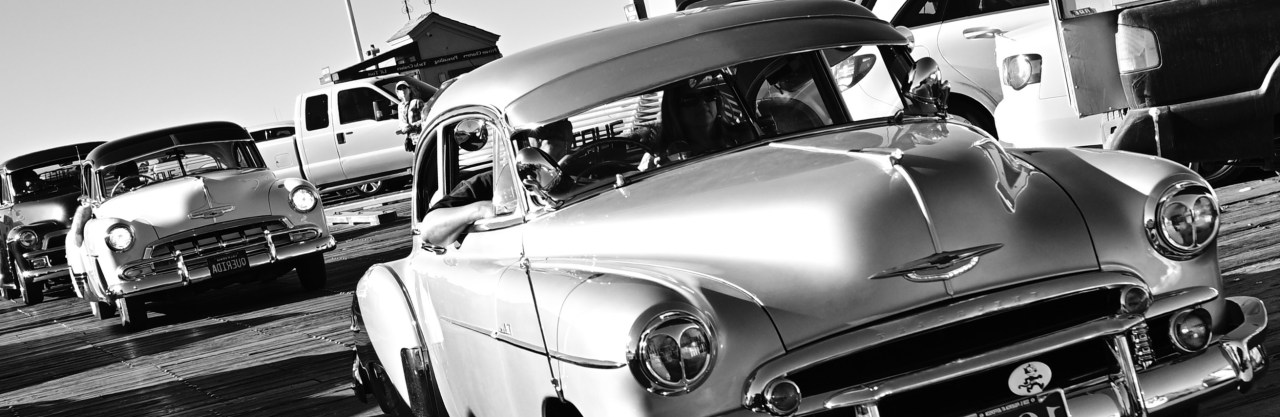
In photography, as in so many other things, one man’s luxury is another man’s bulky nuisance….
By MICHAEL PERKINS
THE HISTORY OF PHOTOGRAPHY IS AT LEAST PARTIALLY ABOUT barriers to good picture-making, and how they were overcome. This means that, when a solution to a longstanding problem is introduced, let’s say a technical or ease-of-use breakthrough, the new way of doing things is celebrated by someone saying that the old ways are now “dead”. Digital imaging? Oh, it’s the death of film. Better sensors? Well, that’s the death of lo-fi images. And cellphone cameras? Well, that’s obviously curtains for the compact camera.
On that last one….
Camera phones were an amazing bend in the road, redefining the traditional appeal of point-and-shoot with even more size convenience and eliminating the need for a separate, dedicated camera. The impact of cels was so huge that, initially, it even allowed us to overlook just how technically primitive the first generations of them were. The shock wave was most measurable in the shipment figures for compact cameras, which were nearly cut in half between 2010 and 2020, when the decline began to slow, and then partially reverse. An entirely new class of compacts, smaller in size but more expensive than their predecessors, began to lure customers back by boasting more fine-tuned control than point-and-shoots of previous years and specs and performance that rivaled DSLRs and even full-frame models. The tide was further turned by two simple words: Tik. Tok.
Again, the actual user universe makes the final decision on what photographic format or system is “alive” or “dead”, with Tik-Tok’s immense social media platform beginning new dialogues on whether cels or new compacts produced better pictures, along with a comparison on the experience in shooting this way or that. Shooters could go on TT and see side-by-side views of pictures of the same subjects taken with cels or one of the new compact superstars like, say, the Canon PowerShot G7 X and post their impressions. Will the pricey, sexy new compacts spell the “death” of iPhone photography? Not bloody likely, no more than the highly touted rise of cels spelled “death” for older compacts.
There will always be mega-millions who opt for a cel’s ease of use, which, paired with its rapidly advancing technical prowess, spells convenience that a separate camera often can’t deliver. But at least we can agree that greeting a new development in the art of photography doesn’t automatically render everything that went before it obsolete. No craft rooted in creativity can afford to be that close-minded, and we’ve seen far too many cases in which, in our very individual pursuit of pictures, we declare everything old to be new again.
ARE WE BEING SERIOUS NOW?
By MICHAEL PERKINS
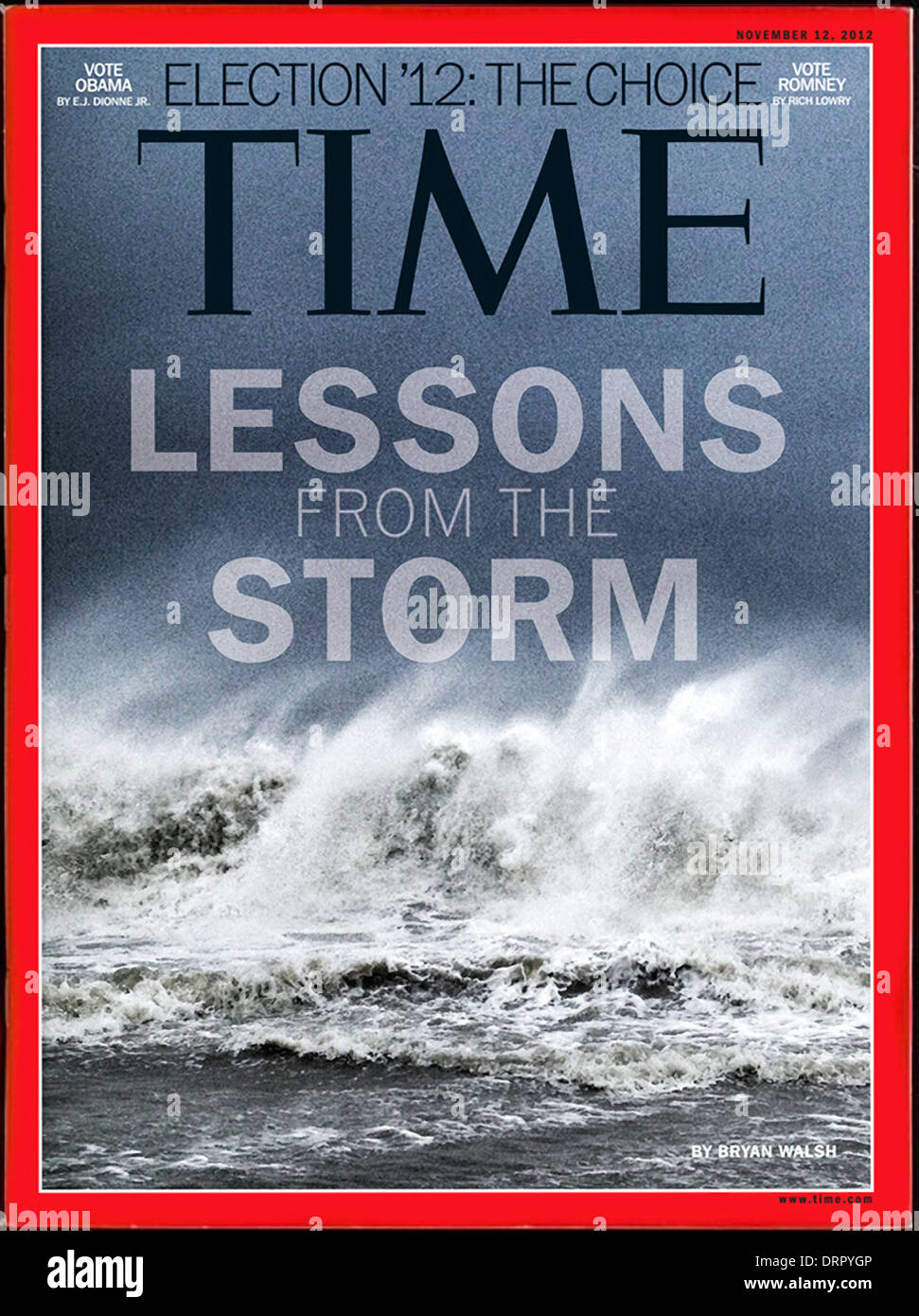
THIS MONTH MARKS AN IMPORTANT MILESTONE IN PHOTOGRAPHIC HISTORY, in that it was almost exactly ten years to the day that a major news magazine, on deadline amidst a horrific disaster, decided, for the first time, to run a cellphone image from an Instagram posting as its cover picture. The devastation caused by Hurricane Sandy in 2012 was, due to the newly accelerated penetration of mobile photography, covered to a much greater degree by the average shooter, but it was one very above-average professional, news photographer Ben Lowy, who provided the magazine with the image that would define the destruction and fury of the superstorm, and he took it not with his usual battery of Nikon and Canon gear, but with an iPhone 4S.*
This seems trivial in retrospect, but at the time, it actually represented a fairly seismic shift, as publications changed their idea of what constituted “real” coverage of a major new event. It also conceded what millions around the world already knew in their DNA: that their camera of convenience was now, also, their device of choice, their “real” camera. if you like. Lowy himself explained the mindset: “People don’t think twice about it. It’s a fast little camera, and I do like that on a tough assignment. At times, though, ‘pros’ will push me aside, assuming I’m a tourist or amateur. It’s the mind of the photographer that defines the quality of the image, not the equipment. Everyone has a pen, but not everyone can draw.”
Just as the average phone shooter knew by 2012 that the best camera is the one you have with you, so the world of editors had to grudgingly admit that a picture is a picture is a picture and who the hell cares what it was captured on? Of course, we know the answer to “who the hell cares”, as we all know people who argue that you need a “real” camera to get artistic results, at which point I remind them how many Pulitzer Prize-winning images are, in fact, underexposed, blurry, badly composed, or askew, despite the fact that they were made by world-class equipment. They copped Pulitzers because, despite how much we may spend or scrimp on gear, in the end, a compelling picture trumps everything else.
I have made my own dog-legged journey in my conception of a “good” camera, the device I would count on to make the “official” or “permanent” images of an important event or place. When traveling, for instance, I still use my mobile for snapshots, experiments or “pencil sketch” versions of things, bringing my formalized equipment in to render the “final” edition. I’ve gradually become more and more even-handed in budgeting shots between my “casual” and “serious” camera, but I know too well that I am behind a kind of global curve in thinking this way. Turns out photography is not merely about perfecting one’s technique, but also about perfecting the brain behind the shutter finger.
*Full disclosure: a bit of texture was added to Lowy’s shot before it was posted, not with Lightroom or Photoshop, but with the phone app Hipstamatic.

