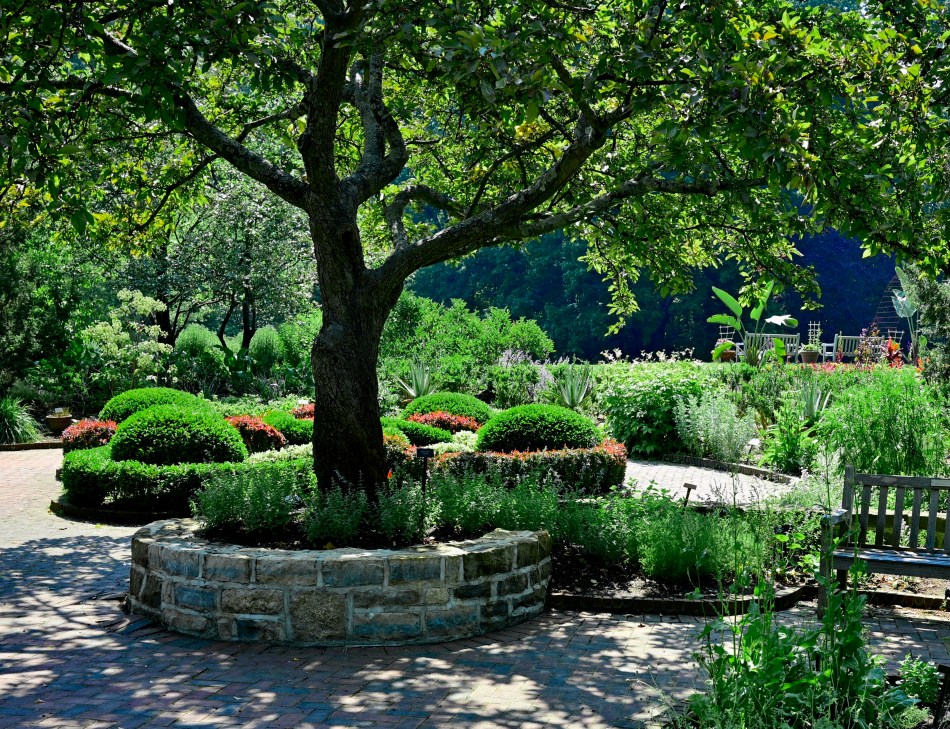
Inniswood Gardens, Westerville, Ohio, color original, 2023
By MICHAEL PERKINS
I GREW UP DURING THE MASSIVE CONSUMER SHIFT that saw most photographers, both amateur and pro, fully embrace color film, giving it real market dominance over black and white. The wind-up to the change took most of the first half of the twentieth century, given the substantial barriers that blocked quality reproduction of color in both processing and printing, problems that kept giants like Ansel Adams openly disdaining brightly saturated hues in favor of a range of tones that either seemed more objective and documentary, or at least more manageable. Color remained, until the 1950’s, the devil you don’t know, and mono was so dominant until after WWII that several boomer kids seriously asked their parents if the world was actually in black and white until well after they were born.
I was not unique at the time in that the first rolls of film I shot were Kodak Verichrome Pan. It was plentiful, everyone processed it cheaply, and newspapers and magazines still defaulted to it to a great degree. I only made the leap to Ektachrome reversal film after my father graduated prints to slides and I came to regard color as more “realistic” while gradually demoting mono to inferior status. It wasn’t until well after my teenage daughter began using Ilford roll film in a 70’s-vintage Minolta that I truly began to value the accumulated legacy of b&w, adopting Edward Steichen, Walker Evans, Margaret Bourke-White and others as honorary godparents and re-learning how less could actually be more.
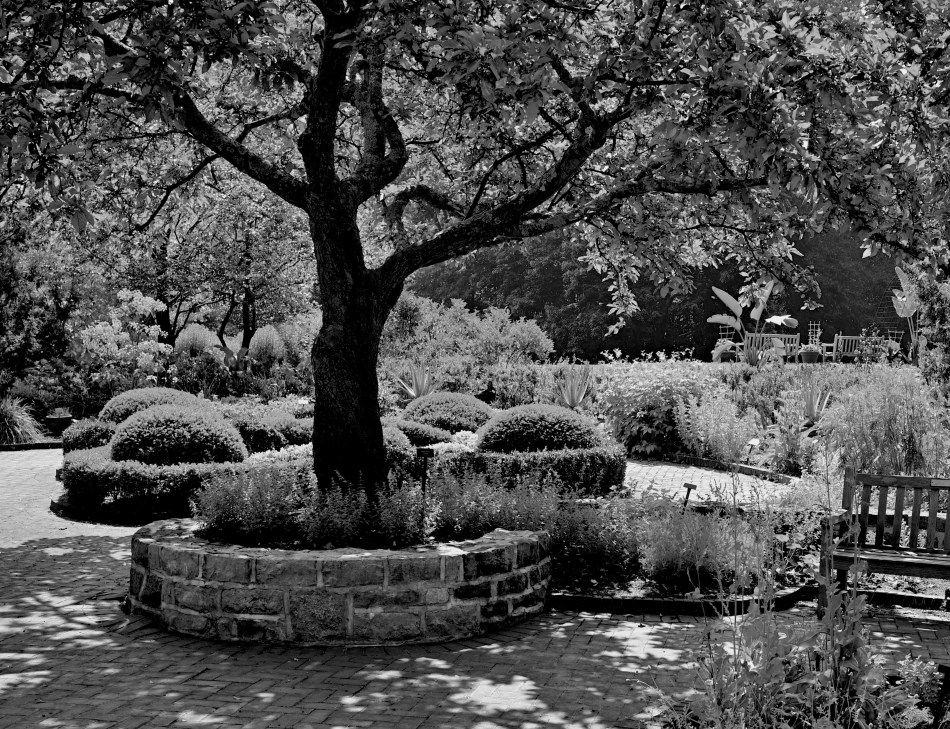
Mono conversion of above image.
Today, I create about 20% of my shots as mono originals, although I am strongly drawn to convert most b&ws from color masters, giving myself the most options possible. The shots that begin as mono are more numerous now because in-camera pre-sets are increasingly able to simulate the tonal range and contrast of mono films, and are therefore nuanced enough that nothing seems “lost” in the absence of color. However, I still have a few hundred mental debates per year on instances where either version might be considered satisfactory, depending on your intent and mood. Some of those debates I settle: the rest are slapped back and forth like a lazy tennis volley on slow, rainy afternoons. At the very least, the ambivalence reminds me not to get complacent about when a picture’s “finished” or “good enough”, and that may actually bode well for what I’ll shoot tomorrow.
October 18, 2023 | Categories: Uncategorized | Tags: monochrome conversion, Tonal range | Leave a comment
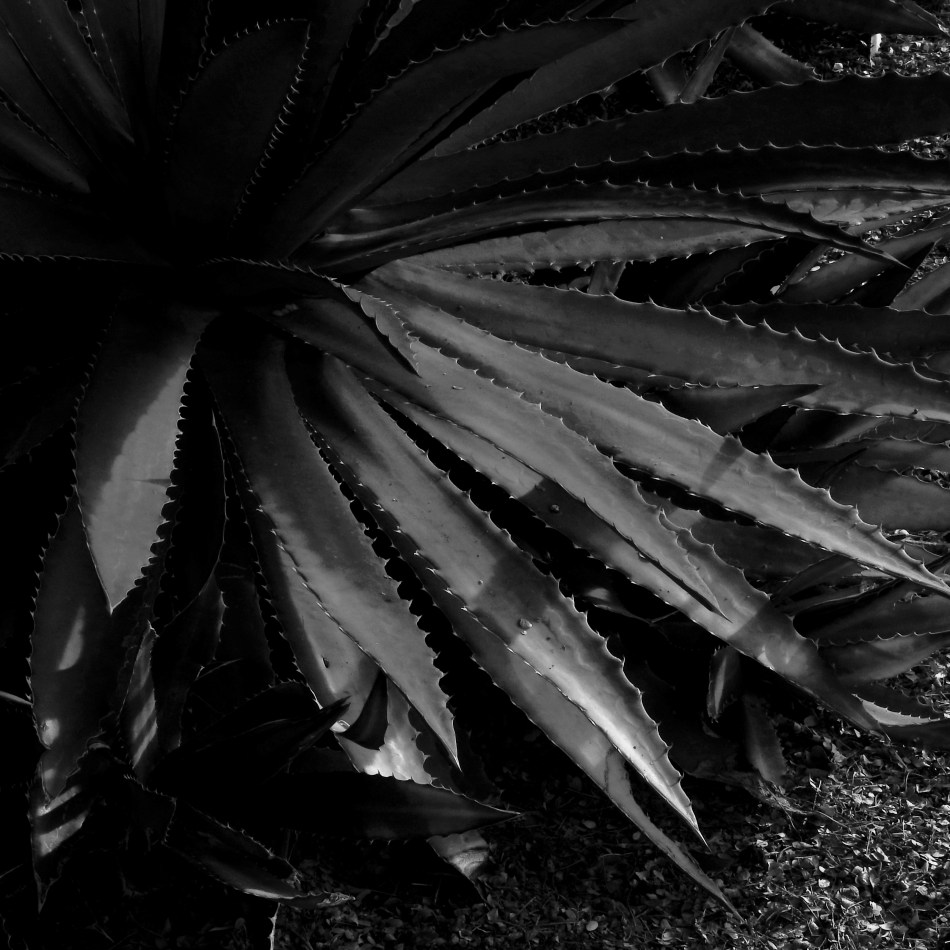
Fan Dance, 2020
By MICHAEL PERKINS
A PURELY TECHNICAL ANALYSIS OF A PHOTOGRAPH understandably centers upon the measurable aspects of their capture…..aperture, exposure rate, focus, et cetera. However, in any full understanding of why an image works (or fails to), the photographer him/herself has to be factored in, alongside any purely mechanical settings, because, when you change life for the photographer, everything else in the picture is changed as a consequence. That’s the most determinative factor for photography in this grotesque year. We have been altered in ways great and small, and that will have made all the difference in what we see, and what we say about it with a camera.
For me, as in the case of so many others, these months have meant the struggle to expand my own photographic strengths, even as the physical plane in which I operate has been increasingly restricted. Many of us who have never experienced the isolation of exile, imprisonment or war now have at least an inkling of how those events cut people off from each other, challenging us to glean more and more life experience from less and less sensory input. In the face of the ever-present need to keep shooting, there are the increasingly narrow choices of what to shoot, with many sites and subjects closed off, at least for the duration. We have all become experts on every nook and light change in our immediate environments, and have discovered that, yes, there may be a 35th different way of photographing a window, a door, or our own faces.
Looking over my own output for the year, I see a definite bent toward minimalism, an almost ruthless appetite for reducing compositions to their raw essences. I am shooting things closer, abstracting the contexts of familiar objects in an effort to see them anew. I have thrown off most standard approaches to exposure, shooting in the sparest light that I can; and I have re-imagined more and more shots as monochromes, seeing even color as an unneeded distraction in these spare times. Mostly, I have been faced, as have so many, with a nearly zen approach to things I have photographed many times over the years, searching for new secrets in old friends.
For one example; as a consequence of the pandemic, I find myself walking again and again through a few designated-safe gardens and parks, which means a lot of repeated shots of the kind of subjects I find most difficult to put my stamp on, which is landscape work. Give me a crowded, noisy metropolis and I’m right at home, whereas I have to emotionally educate myself to be at ease in a natural setting. Sad, I know, but there it is. And so, I experiment a lot with seeing patterns in plants, trees, terrain, in terms of raw design, such as in the agave plant seen here. Another fortunate corollary was the acquisition of a camera, early in the year, that finally enabled me to shoot birds with greater precision, which allows the winged wonders to become something of a substitute for traditional portrait work on humans. As I learn to read their feathered faces, I am somewhat consoled, even as I miss their human equivalents.
And so it goes. Change life for the photographer, and you change the photographs. And since this little small-town gazette has always been about intentions, rather than equipment, it’s important for us to do a skull, at year’s end, on how we’ve changed the way we approach using the Magic Light Boxes in our lives. We are different people now, and, if we’re honest and awake, amazing pictures will come about as a result.
December 27, 2020 | Categories: Commentary, Composition | Tags: monochrome conversion, Under-exposure | Leave a comment
 thenormaleye
SETTINGS
Fan Dance, 2020
By MICHAEL PERKINS
A PURELY TECHNICAL ANALYSIS OF A PHOTOGRAPH understandably centers upon the measurable aspects of their capture…..aperture, exposure rate, focus, et cetera. However, in any full understanding of why an image works (or fails to), the photographer him/herself has to be factored in, alongside any purely mechanical settings, because, when you change life for the photographer, everything else in the picture is changed as a consequence. That’s the most determinative factor for photography in this grotesque year. We have been altered in ways great and small, and that will have made all the difference in what we see, and what we say about it with a camera.
For me, as in the case of so many others, these months have meant the struggle to expand my own photographic strengths, even as the physical plane in which I operate has been increasingly restricted. Many of us who have never experienced the isolation of exile, imprisonment or war now have at least an inkling of how those events cut people off from each other, challenging us to glean more and more life experience from less and less sensory input. In the face of the ever-present need to keep shooting, there are the increasingly narrow choices of what to shoot, with many sites and subjects closed off, at least for the duration. We have all become experts on every nook and light change in our immediate environments, and have discovered that, yes, there may be a 35th different way of photographing a window, a door, or our own faces.
Looking over my own output for the year, I see a definite bent toward minimalism, an almost ruthless appetite for reducing compositions to their raw essences. I am shooting things closer, abstracting the contexts of familiar objects in an effort to see them anew. I have thrown off most standard approaches to exposure, shooting in the sparest light that I can; and I have re-imagined more and more shots as monochromes, seeing even color as an unneeded distraction in these spare times. Mostly, I have been faced, as have so many, with a nearly zen approach to things I have photographed many times over the years, searching for new secrets in old friends.
For one example; as a consequence of the pandemic, I find myself walking again and again through a few designated-safe gardens and parks, which means a lot of repeated shots of the kind of subjects I find most difficult to put my stamp on, which is landscape work. Give me a crowded, noisy metropolis and I’m right at home, whereas I have to emotionally educate myself to be at ease in a natural setting. Sad, I know, but there it is. And so, I experiment a lot with seeing patterns in plants, trees, terrain, in terms of raw design, such as in the agave plant seen here. Another fortunate corollary was the acquisition of a camera, early in the year, that finally enabled me to shoot birds with greater precision, which allows the winged wonders to become something of a substitute for traditional portrait work on humans. As I learn to read their feathered faces, I am somewhat consoled, even as I miss their human equivalents.
And so it goes. Change life for the photographer, and you change the photographs. And since this little small-town gazette has always been about intentions, rather than equipment, it’s important for us to do a skull, at year’s end, on how we’ve changed the way we approach using the Magic Light Boxes in our lives. We are different people now, and, if we’re honest and awake, amazing pictures will come about as a result.
Share this:
December 27, 2020 | Categories: Commentary, Composition | Tags: monochrome conversion, Under-exposure | Leave a comment