PLANE GEOGRAPHY
By MICHAEL PERKINS
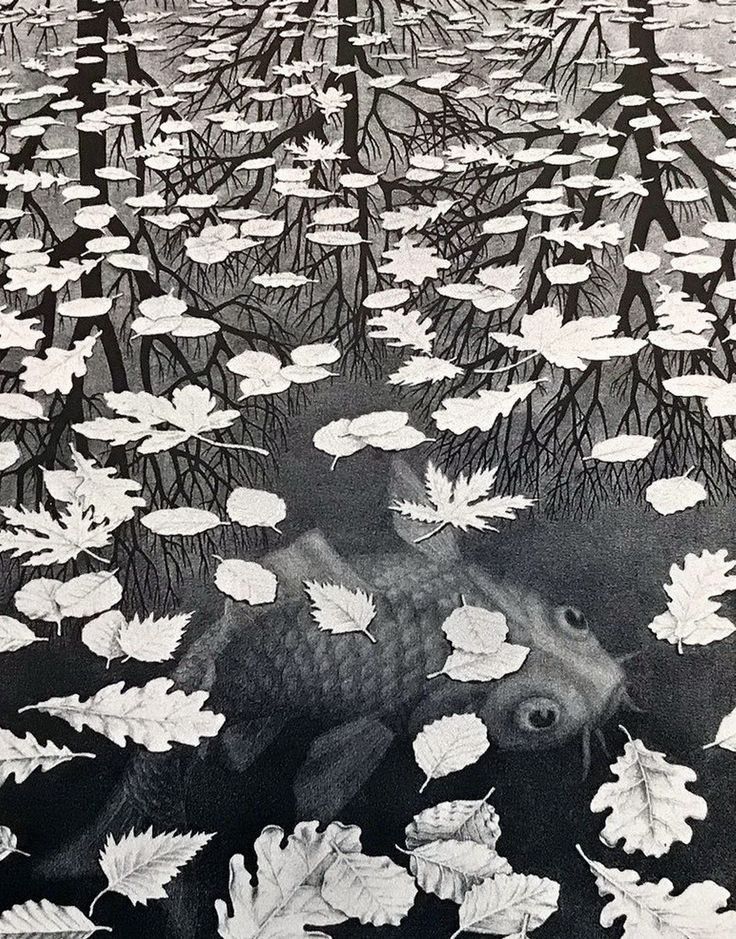
Three Worlds, M.C. Escher, 1955
LOOKING THROUGH MY FAVORITE IMAGES, either hand or camera-created, I have always been drawn to those that ride a tightrope between discovery and mystery, balancing delicately between what is revealed and what is concealed. For me, viewing a composition, whether in a painting, drawing or photograph, I am, of course, intrigued by what the artist chose to include in the frame, but I am just as fascinated by the decisions that were made as to what to leave out of it. By choosing something, the framer is un-choosing every other possible choice. That very deliberate action, to me, is the essence of picture-making.
I once heard a boorish person described as someone who could add something to a room just by leaving it. I probably have been that person several dozen times without knowing it. But in visual art, subtractions can often function as additions of a sort. The act of creating a photograph, as I myself practice it, is the presentation of certain information that also implies information that I’ve withheld. Three Worlds, the M.C. Escher illustration show above, is a perfect example of how these artistic choices can spur curiosity. Here, in the single plane of the water surface, both the life of the forest above and that of the pond below are suggested, and yet the three “worlds” remain more suggested than displayed. We never have the complete reality of either the forest or the pond spelled out in full. In fact, there is more detail provided in the leaves floating on the water than in the selective depiction of the other two realities. The leaves act as a portal between two other disparate states that will forever remain largely unexplained. The result is tantalizing, a tease for the mind that results in deeper speculation. The viewer’s mind is fully engaged.
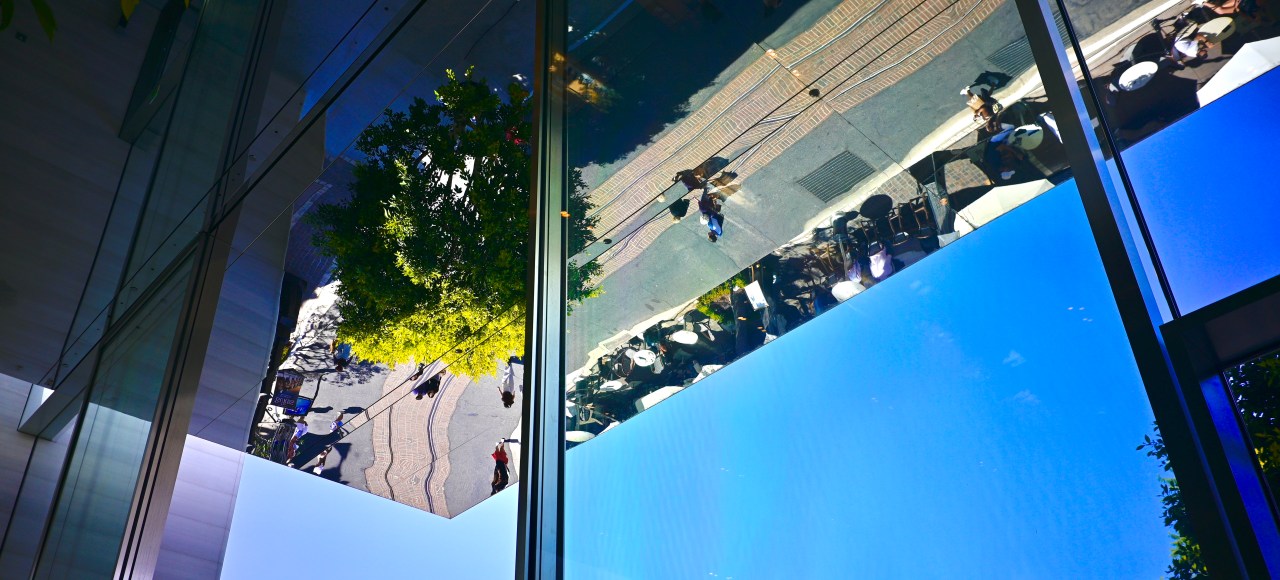
Skywalkers, Michael Perkins, 2026
In the other image, the very under-explained aspect of the reflective surface is designed to ask more questions than it answers. The viewer is free to speculate, to wonder, to try to decipher what, actually, he is looking at. Most importantly, no final answer needs be rendered, just as no explanatory caption is required. The image simply is, whether or not the individual attaches anything extra to it. The wall between reveal and conceal is inviolate, and should be. Any discussion is legitimate, as is no discussion at all. Pictures can be “about” things, or they merely be about themselves. Riding that tightrope between “is it?” and “it is” is a big part of the fun.


Leave a Reply