LIMITED, AND FREE
By MICHAEL PERKINS
IN TECHNICALLY PREPARING FOR A PHOTO SHOOT, I find myself, as you likely do, walking a tightwire between having enough choice and fairly drowning in options. What to carry? What might I find to shoot? Is one lens enough, and are six too many? How can I cover every possible eventuality? What if I don’t take the right kit? What if I pack too much, too little?
Not exactly a recipe for enjoyment or relaxation.
In fact, it’s like hardwiring anxiety into a creative project before you even begin it, a conundrum addressed by Barry Schwartz in his visionary book The Paradox of Choice: Why More is Less. There is, he explains, a real juggling act for most of us between variety and fatigue, a teeter-totter of indecision which leads to frustration and anxiety. I often imagine that the author of the phrase “fear of missing out” was a photographer, a guy who, no matter what he packed in his bag, is certain that he made the wrong call. Whatever he did, he should have done something else. Misery ensues.
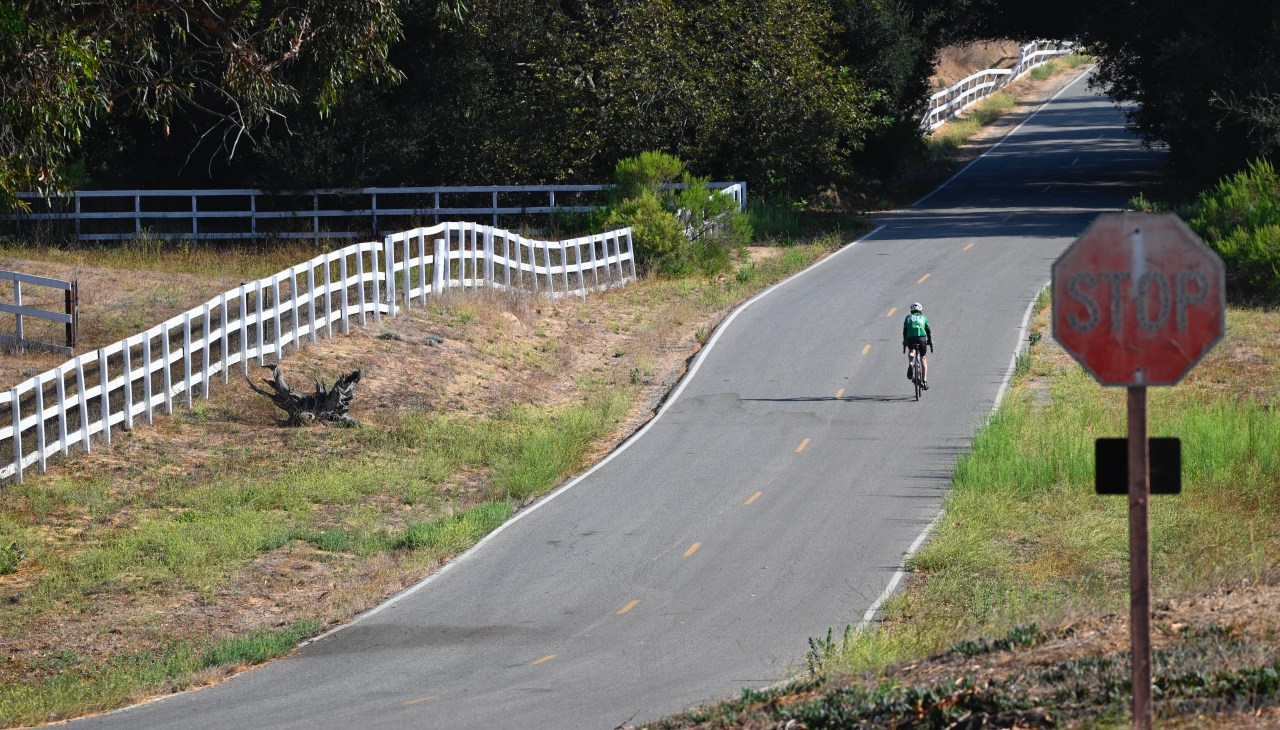
I have logged many miles lugging a lethal load of gear on any and all journeys, only to find that, not only could I easily have gotten by with fewer tools, but that I polluted my potential enjoyment by being paralyzed by the sheer array of choices. Instead of being liberated by all those options, I was actually impaired by them, as was my photography. I was sapping my work of any sense of joy or freedom, emphasizing what I was going to use rather than what I was going to do. It took me a long time to realize that I was sabotaging myself under the guise of being “ready for anything”. I call it the golf bag approach, in which I saw my bodies and lenses like the woods and irons in a standard golf bag. The driver can’t do what the putter and wedge can do, and so on. But a camera is not a golf club. I’ve had to get accustomed to feeling freer by being more limited. An example: the image here was taken on a day when I was out birding with a telephoto that zoomed to 600mm. Not much use for a wide-angle, or anything that delivered that look, until this fellow sped by. If I stepped back, I could open to 180mm and get the shot I needed. Not a true wide-angle, but if I could make the same effect happen without changing glass, why not, said my aching shoulders and neck?
In Paradox Of Choice, Schwartz explains the importance of choosing a course of action that is likely to deliver most of the result you want without expanding your options to such a degree that you simply can’t move. The best photography is reactive, nimble, improvisational. You can’t plan it or diagnose it the same way you can with purely mechanical operations. And, as we have all observed, it is those moments of imprecision, even loss of control, that can produce the most pleasing results. None of us started out equipped with kit bags bulging with choices; it was a learned habit, one that can be unlearned. All we have to do is trust to our own instincts to make pictures with damn near any kind of tool, to ride that tightwire between Too Much and Not Enough with more confidence.


Leave a Reply