THE ENNOBLING GOLD
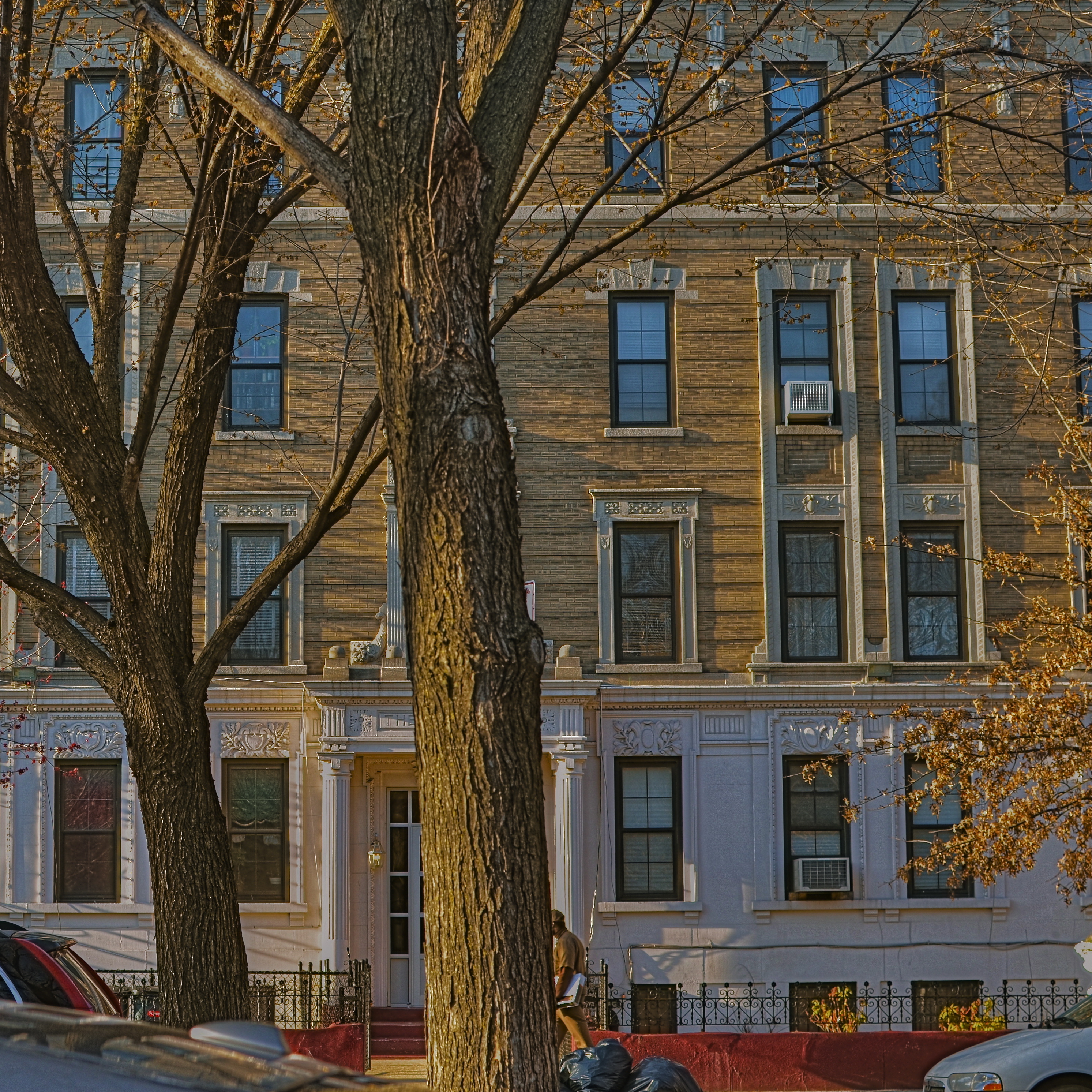
Brooklyn Block, 2014. No, this building isn’t this pretty in “reality”. And that’s the entire point. 1/100 sec., f/5.6, ISO 100, 35mm.
By MICHAEL PERKINS
LIGHT IS THE ULTIMATE MAKE-UP ARTIST, the cosmetic balm that paints warmth, softness, even a kind of forgiveness, or dignity onto the world. Photographers use light in a different way than painters, since a canvas, beginning as a complete blank, allows the dauber to create any kind of light scheme he desires. It’s a very God-like, “let there be light” position the painter finds himself in, whereas the photographer is more or less at light’s mercy, if you will. He has to channel, harness, or manage whatever the situation has provided him with, to wrangle light into an acceptable balance.
No complaints about this, by the way. There’s nothing passive about this process: real decisions are being made, and both painters and photographers are judged by how they temper and combine all the elements they use in their assembly processes. Just because a shooter works with light as he finds it, rather than brushing it into being, doesn’t make him/her any less in charge of the result. It’s just a different way to get there.
Light always has the power to transform objects into, if you will, better versions of themselves. I call it the “ennobling gold”, since I find that the yellow range of light is kindest to a wider range of subjects. Stone or brick, urban crush or rural hush, light produces a calming, charming effect on nearly anything, which is what makes managing light so irresistible to the photographer. He just knows that there is beauty to be extracted when the light is kind. And he can’t wait to grab all he can.
“Light makes photography”, George Eastman famously wrote. “Light makes photography. Embrace light. Admire it. Love it. But, above all, know light. Know it for all you are worth, and you will know the key to photography.”
Yeah, what he said.
ON SECOND THOUGHT…OR THIRD
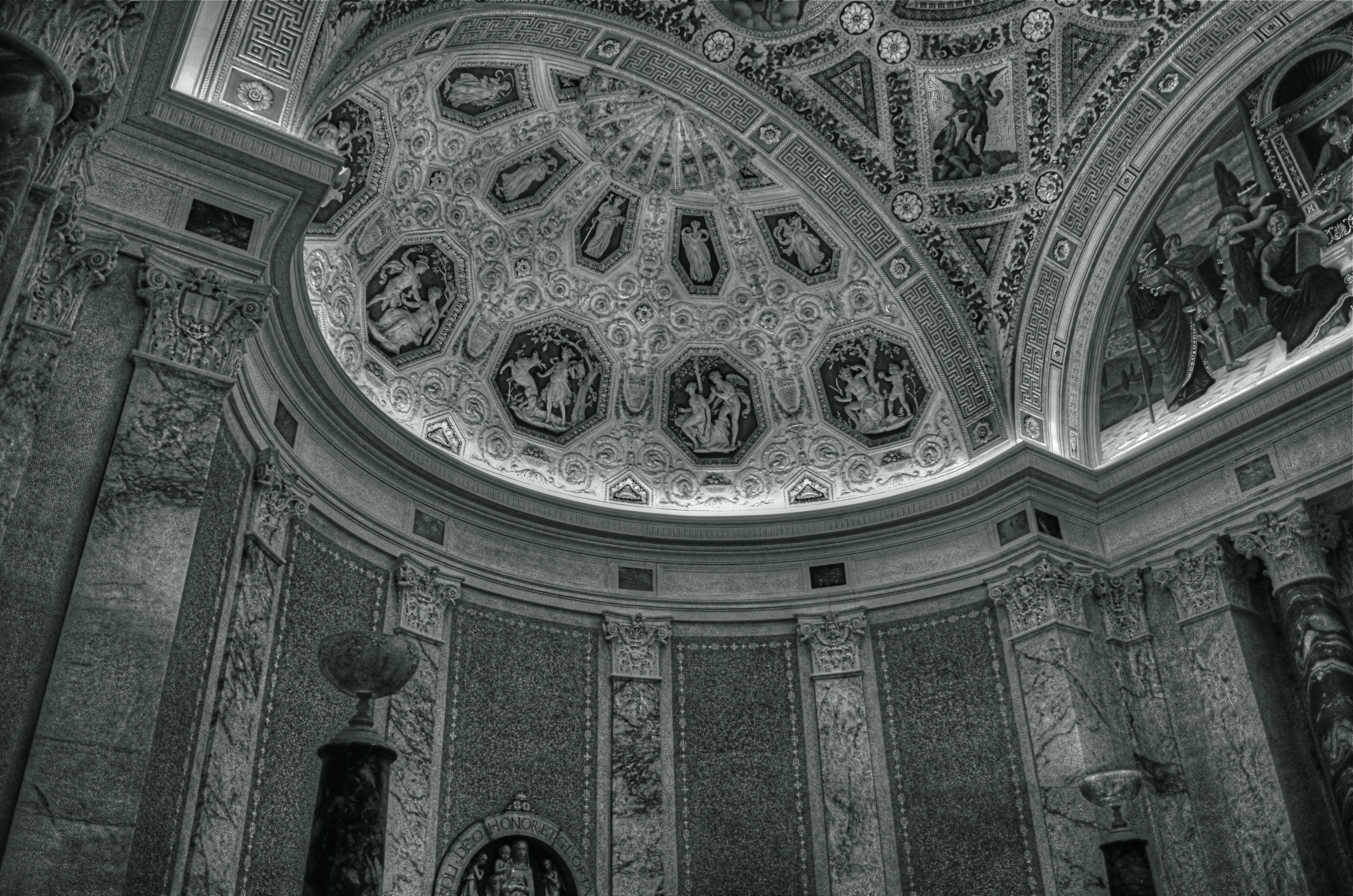
I really preferred this as the color shot it originally was. Until I didn’t. Changing my mind took seconds.
By MICHAEL PERKINS
ONE OF THE MOST AMAZING BY-PRODUCTS OF DIGITAL PHOTOGRAPHY, a trend still evolving across both amateur and professional ranks, is a kind of tidal return to black-and-white imaging. The sheer volume of processing choices, both in-and-out-of-camera, have made at least dabbling in monochrome all but inevitable for nearly everyone, reversing a global trend toward near exclusive use of color that was decades in the making. At one point, to be sure, we chose black and white out of necessity. Then we embraced color and relegated B&W to the dustbin of history. Now, we elect to use it again, and increasing numbers, simply because everything technical is within our reach, cheaply and easily.
Looking back, it’s amazing how long it took for color to take hold on a mass scale. Following decades of wildly uneven experimentation and dozens of processes from Victorian hand-tinting to the Autochromes of the early 1900’s, stable and affordable color film came to most of us by the end of the 1930’s. However, there was a reluctance, bearing on tantrum, among “serious” photographers to embrace it for several more decades. This article from the Life magazine Library of Photography, a history-tutorial series from the 1970’s, discusses what can only be called photography’s original anti-color bias:
Although publishers and advertisers enhanced their messages with pictures in color during the first few decades of the color era, most influential critics and museum curators persisted in regarding color photographs as “calendar art”. Color, they felt, was, at best, merely decorative, suitable, perhaps, for exotic or picturesque subjects, but a gaudy distraction in any work with “serious” artistic goals.
Of course, for years, color printing and processing was also unwieldy and expensive, scaring away even those few artists who wanted to take it on. Still, can you imagine, today, anyone holding the belief that any kind of processing was a “gaudy distraction” rather than just one more way to envision an image? Color was once seen by serious photographers as an element of the commercial world, therefore somehow..suspect. Fashion and celebrity photography had not yet been seen as legitimate members of the photo family, and their explosive use of color was almost thought of as a carnival effect. Cheap and vulgar.
Of course, once color became truly ubiquitous, sales of monochromatic film plummeted, and, for a time, black-and-white found itself on the bottom bunk, minimized as somehow less than color. In other words, we took the same blinkered blindness and just turned it on its head. Dumb times two.
Jump to today, where you can shoot, process and show images in nearly one continuous flow of energy. There are no daunting learning curves, no prohibitive expenses, no chemically charred fingertips to slow us down, or segregate one kind of photography from all others. What an amazing time to be jumping into this vast ocean of possibilities, when images get a second life, upon second thought.
Or third.
IF YOU SEE IT, IT MATTERS
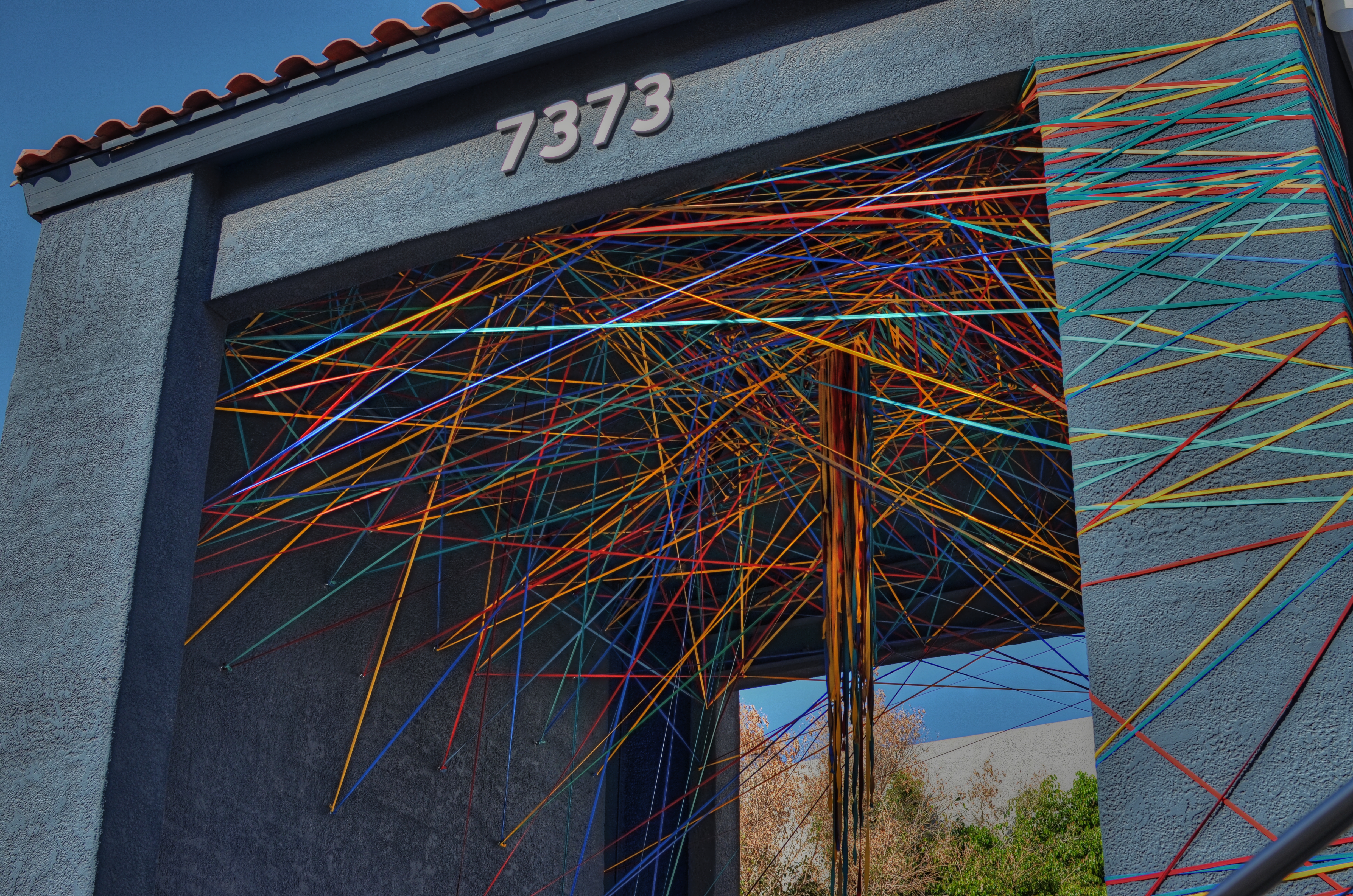
1/320 sec., f/5.6, ISO 100, 35mm.
By MICHAEL PERKINS
TOO MUCH OF THE TIME, WE ARE SHOOTING PHOTOGRAPHS TO NOT ONLY BE SEEN BUT “APPRECIATED“. This can become an emotional and artistic trap, since art is not designed to be juried. We’d all like the world to “get” what we do, but it’s all too easy to bend the arc of what we create until it matches the trajectory of what the world will approve.
Think for a moment about how such a tactic can cripple you as a photographer. I mean, stop you in your tracks.
Consider: many photographers will logically move, over time, from showing the world fairly literally to suggesting a special viewpoint, seeing it in a more abstract fashion. They learn to tell more by showing less, by being selective. This is a perfectly logical part of their development, but as a consequence, some of their pictures will inevitably leave some viewers behind. Suddenly, their images are “arty”, or “intellectual”, or whatever other word can be hurled at them to dismiss what they are doing.
But that’s okay. I’m not saying that you should live your life eating worms and striving to be a tortured genius. I just mean to suggest that your vision belongs to you. It’s validity cannot be diminished, unless you do it yourself. Here’s one of my favorite quotes from Life and Look magazine photographer Elliot Erwitt on this :
To me, photography is an art of observation. It’s about finding something interesting in an ordinary place… I’ve found it has little to do with the things you see and everything to do with the way you see them.
What a great concept. The thing you are shooting is not content. The way you shoot it is. That means viewpoint and personal interpretation must be more important that objects or subjects. If they are not, there’s no way in hell to make photography be about anything but recording. If they are, thought, ah, then, anything’s possible.
Bottom line, if you aren’t true to your vision, it’s a cinch that no one else ever will be, either.
So there.
 thenormaleye