SAFE AT HOME

By MICHAEL PERKINS
IF YOU WANT TO HEAR THE UNIVERSE LAUGH, goes the adage, make a plan. Or, in my specific case, if you want to ensure that pigeons hang around your house forever, make a plan to keep pigeons off the premises.
Start by installing tiny metal spikes in the cross beams right over the entrance to your front door. You’ve seen them, those steely porcupine quills designed to bar entry to all the nooks and crannies where birds love to assemble to conduct aerial assault on your sidewalks. Spikes go up, birds get packing, no cruelty, no pavement poo, everyone’s a winner, right?
And if you buy that story, I have bridge I want to sell you..
But, hey, I’m a humane slob, so I write the check, go for the whole spiny effect atop the house, and look forward to a lifetime of carefree maintenance and lordly leisure. Only someone forgot to send the spike company’s brochure to the curve-billed thrasher who decided to weave twigs between the spikes, further reinforcing his domicile against the elements. And wasn’t it nice of us to build the first phase of his nest for him? Sure, we’re swell that way.
So no pigeons living above the entrance, but still birds. Small hitch in the plan, however: Mama Thrasher isn’t a hit with the Neighborhood Watch Association (Avian Division) and leaves town. And here we see the fates in all their sadistic genius: a mother pigeon moves into my “pigeon-free” zone like a hobo in a rail car and proceeds to lay her own eggs. The circle of life is now complete!
So, as anyone wise enough to realize when he’s licked, I resolve to at least photograph this grand cosmic joke. Only the act of my going in and out of my front door each day spooks Mrs. Pudge to flight, and so it takes nearly a week to sneak a shot of her in residence……an ordinary, unchallenging, Photo 101 shot that a toddler could make, if only Nature can stop laughing at me long enough to say cheese.
Obviously, with this kind of outcome, I will not be rushing to bear-proof the back yard. Now if you’ll excuse me, the flowers could us a soaking rain, so I’m off to get my car washed.
TINY DANCER
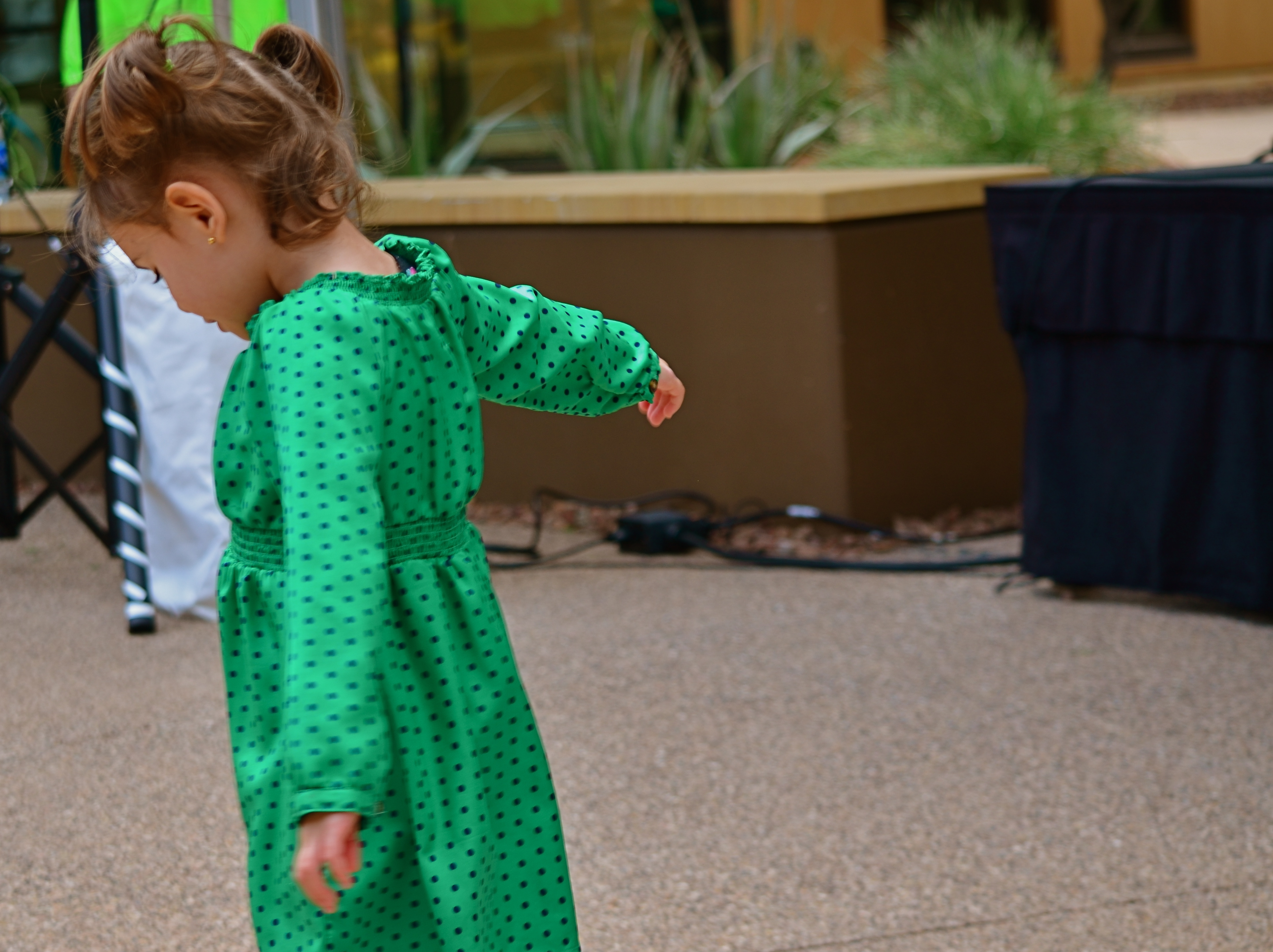
i am my own dawn and dusk, my own tides and torrents.
my rhythms are also mine, even as they are also all rhythms, my limbs animated by wills and intentions not my own and yet to become my own before i, in turn, transmit them on.
my limbs reshape the dreams of age coursing through them, adding their own undulations and echoes as I convey them to their next hosts:
all is received by me, both the ancient and the unborn:
all energy takes on my own contours, as first I contain it, then, in an instant, make it uncontainable
conducting it, amplifying it, releasing it onward.
the eternal dance comes to me complete from all ages
and yet i complete it again
seeking its next dancer
the one who will always, miraculously, complete it anew.
——-michael perkins
BOKEH ON A BUDGET
By MICHAEL PERKINS
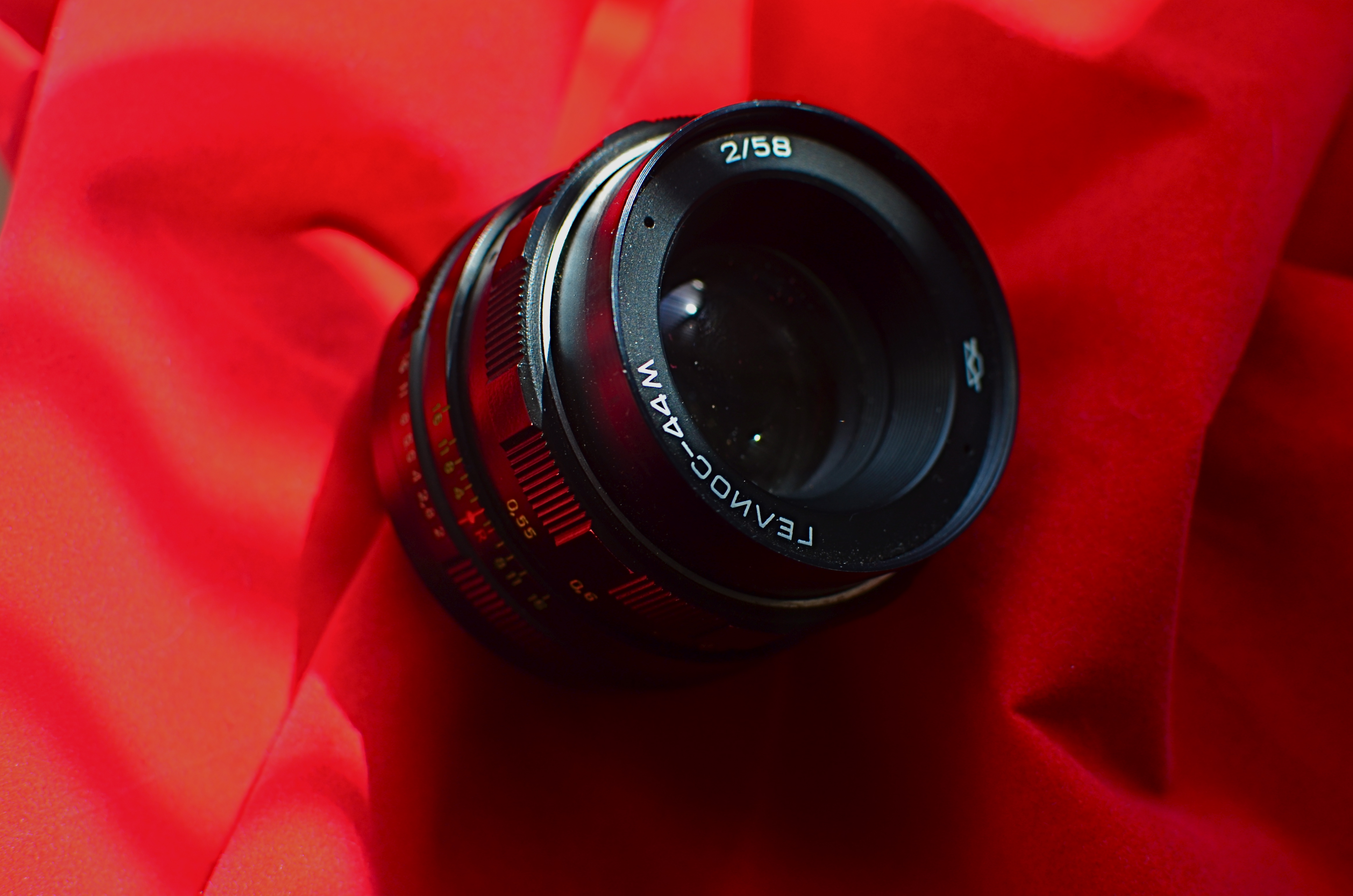
A Soviet–era Helios 44M.
THE EXCLUSIVITY AND ONE–UPMANSHIP which used to divide photographers into warring camps over lenses (it must be primes!) or cameras (I myself have always been a Leica man!) has met its match in yet another pompous arena of dubious distinction.
I’m speaking of the trendy and tawdry world of blur snobs.
You remember blur, right? All that stuff in your pictures that isn’t, you know, sharp? You wanted some of it in there to set your focused subject apart or pop it forward, so you set your depth of field appropriately. So we’re done now, right?
Wrong. Because you might not have the cool kind of blur in your pictures. Cool blur is called “bokeh”, because we said so, and its various swirls, refractions and currents means you must now master blur the way you once sought to master focus. The thing you once regarded as mere negative space is now incredibly artistic negative space. Or you’d better spend money until it is.
The world’s bokeh bullies eventually started to aggressively market glass guaranteed to deliver lots of it, for lots of dollars. The cool-blur movement revived interest in the 19th-century Petzval lenses, great, fast optics for portraits which, as a by-product of their slightly flawed design, delivered big-time swirly blur. Thing is, engineering new lenses to do that one “wrong” thing on purpose meant coughing up an astounding amount of scratch for a lens that is, essentially, a one trick pony. Repeat after me, children: hipness is never cheap.
Turns out that, instead of popping for anywhere from two to six hundred peppers for “cool insurance”, you can get the same effect from a lens that’s so globally plentiful that it can be had for under $35.00. Enter the humble Helios.

The Helios‘ “swirly” bokeh.
Helios lenses were among the most highly produced lenses in Soviet history, marching out of USSR factories pretty much non-stop from 1958 to 1992. They were based on several different Carl Zeiss Biotar designs, and, while mostly used on Russian SLRs, were also built for select Pentax models. One of the most popular, the 44M, seen here, was the kit lens for generations of cameras, shooting fully manual as a 58mm prime.
Shooting the Helio wide open at f/2, and with a decent separation between foreground and textured backgrounds, you’ll get a bokeh that looks like a gazillion little circles that spray into a swirl as they move toward the edge of the frame. As the rose image attests, it does look very nice, just not $600 worth of nice. You also need the patience of a brain surgeon to get used to nailing the focus. That and consistent access to large depositories of Crown Royal. But I digress.
Helios lenses are perfectly serviceable glass for general purposes, although they are a little soft at the open end. The Russian Federation, which, if you haven’t heard, is a little cash-strapped these days, is sitting on millions of these puppies, so prices are low, lenses can be easily adapted to most camera brands (mine came battle-ready for Nikon), and shipping is often free. For between 35 and 50 bucks, they’re an occasional guilty pleasure. On the other hand, hocking your houseboat or delaying heart surgery for the new toys marketed by the blur snobs to do the same thing is both needless and nuts.
THE TRUTH ACCORDING TO WHOM?
By MICHAEL PERKINS
THE FIRST DECADES OF PHOTOGRAPHY, like the earliest years of any emerging art, operated under a different set of rules than those we set for ourselves today. More accurately, we may now operate in a world in which there are no immutable rules at all. It’s hard to imagine a book with the title Why It Does Not Have To Be In Focus being published in, say, 1865.
When a different way of viewing the world comes mostly through a technical breakthrough (i.e., the invention of the camera), it can understandably be regarded, at least at first, as a measuring or recording device, a way of creating a merely physical chronicle of the world. Thus a camera can initially be regarded like a microscope or a seismograph….as a way of quantifying data…. which is precisely how early cameras were seen. Catalogue the great statesmen and authors for the ages! Assemble a library of images of the ancient world! Map the continent!
And so the first rules of photography bent toward the scientific. Make an accurate record. Not surprisingly, it took decades for picture-taking to be freed from the constraints of mere reality (as painting already was) and move toward the making of pictures, as photography eventually became an interpretive art. I often wonder if this explains why, of all the various subjects available to me, I am less comfortable in landscape work than in any other area.
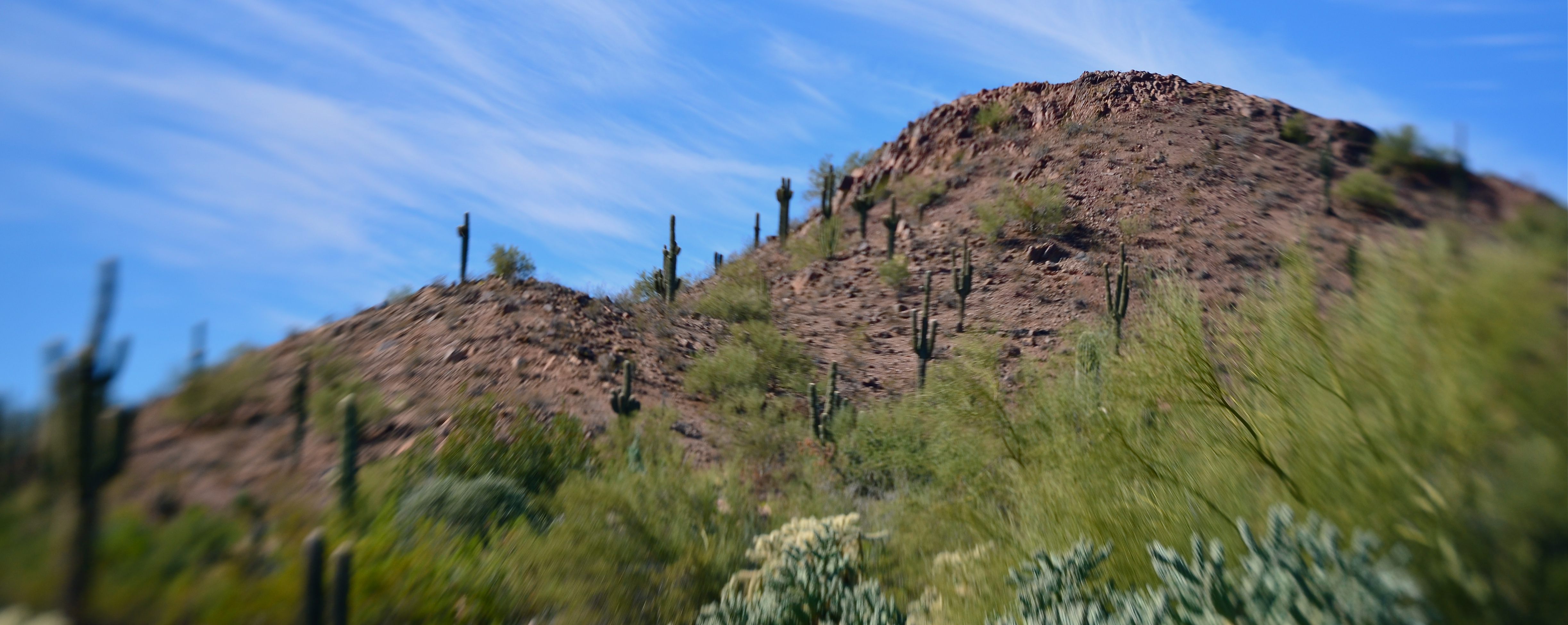
There seems to be no way of escaping the pure recording function of it. I feel constrained to make it accurate, as if it’s for an official government survey, or as though I were being graded on the results by some imperious professor. I know the problem lies with me. I seem anchored to the idea of rendering scenery “real” (I hate that word), when, in fact, I could exercise just as much interpretative control over it that I do over everything else I shoot.
Is the shot shown here less real for having been partially defocused, or is it more personal because I have gently asked you to look at the subject in my own way? Do I really even have to ask these questions? Quite obviously, the rules of photography as we understand them are no longer based on pure science. Yes, it is “about” the lenses, to a degree, but it’s more completely about the human eye. We are not machines, nor should our art be purely the product of machines.
TOOL OR TOY?
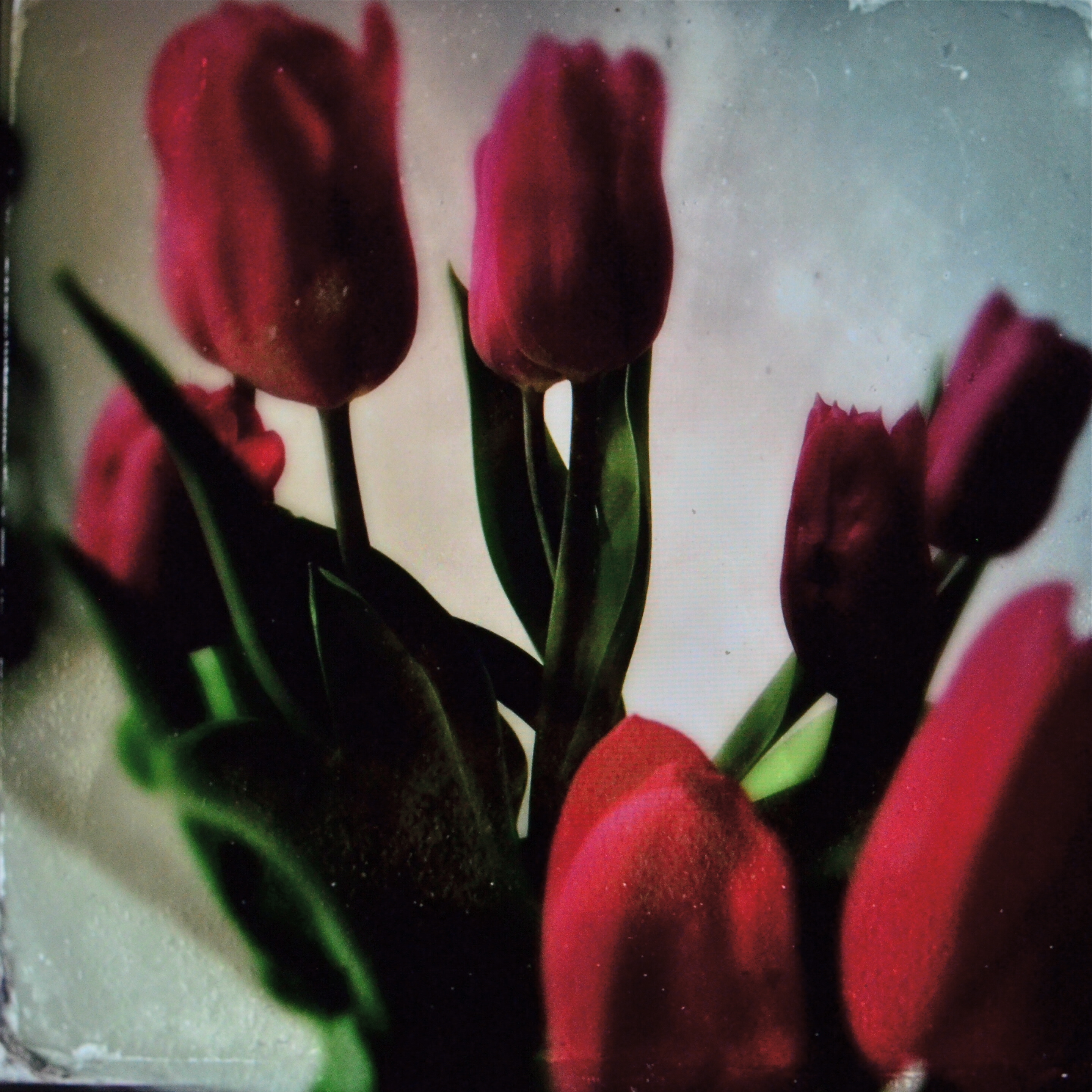
A cellphone shot modified with Hipstamatic’s dedicated “Tintype” app.
By MICHAEL PERKINS
GEORGE EASTMAN’S INTRODUCTION OF ROLL FILM onto the world camera market in 1884 became the biggest single factor in the mass popularization of photography. But it was not the first process to make pictures fast, easy, portable, or affordable. That honor must go to the humble tintype.
All of photography’s earliest processes were slow, inefficient in their use of light, and extremely perishable. Daguerreotypes, which recorded pictures as a positive developed on a chemically treated glass slide, created crisp, almost three-dimensional images, but they produced no negatives and were fragile, expensive one-of-a-kinds.Their long exposure times kept photography a prisoner of the studio, as well as pricing it out of the average person’s technical and financial reach.
The 1850’s saw the first appearance of the tintype, a process which recorded pictures on treated steel (no tin was ever used, ironically). This was something else again: itinerant shutterbugs at fairs and festivals could be trained to make them with a minimum of technical skill, and at a fraction of the time per exposure, with a finished portrait delivered to the customer within minutes. Better still for the tintype was its durability and portability. Thousands of servicemen posed for them before enlisting for the Civil War, and thousands more carried “counterfeits” of their sweethearts into battle. Tintypes became the everyman’s first personal photographic keepsake. They were Polaroids before Polaroid.
Like the daguerreotype, the tintype was irreplaceable, since it also produced no negative. Each image was also marked by its own visual tattoos, as uneven application of emulsion on the metal or surface irregularities in the plates”baking” errors into the pictures. Like diamonds, tintypes were beautiful partly because of their flaws: their imperfections lent them an unworldly quality, an unspoken time machine cue to the brain, an airy something that purely digital emulations have now brought back, as they have many other classic looks.
Hipstamatic, the most widespread lens and film simulator of the cell phone age, sells its own dedicated Tintype app, a cute faker that generates artificial plate grain, the random edges that occur with well-worn souvenirs, the random sharpness, even the option of decorating the conversion of your full-color original photo with the appearance of the hand-tinting of the early 1900’s. A useless toy? Perhaps, if all you do with it is to make a snap of your lunch look “retro”. But this is the world we live in: that which was once the leading edge of an art has become our plaything. Or, more precisely, tintype technique can only become either toy or tool, goldmine or gimmick, depending on whoever’s at the helm.
HAPPY-EN-STANCE
By MICHAEL PERKINS
IT’S FAIR TO SAY that photographers are occasionally the worst possible judges of what will save or spoil a picture. Try as we may to judiciously assemble the perfect composition, there are random forces afoot in the cosmos that make our vaunted “concepts” look like nothing more than lucky guesses. And that’s just the images that actually worked out.
All great public places have within them common spaces in which the shooter can safely trust to such luck, areas where the general cross-traffic of humanity guarantees at least a fatter crop of opportunity for happy marriages between passersby and props. At Boston’s elegant Isabella Stewart Gardner Museum, the surrounding walls of the central court are the main public collecting point, with hundreds of visitors framed daily by the arched windows and the architectural splendor of a re-imagined 15th-century Venetian palace. The couple seen here are but one of many pairings observable in a typical day.
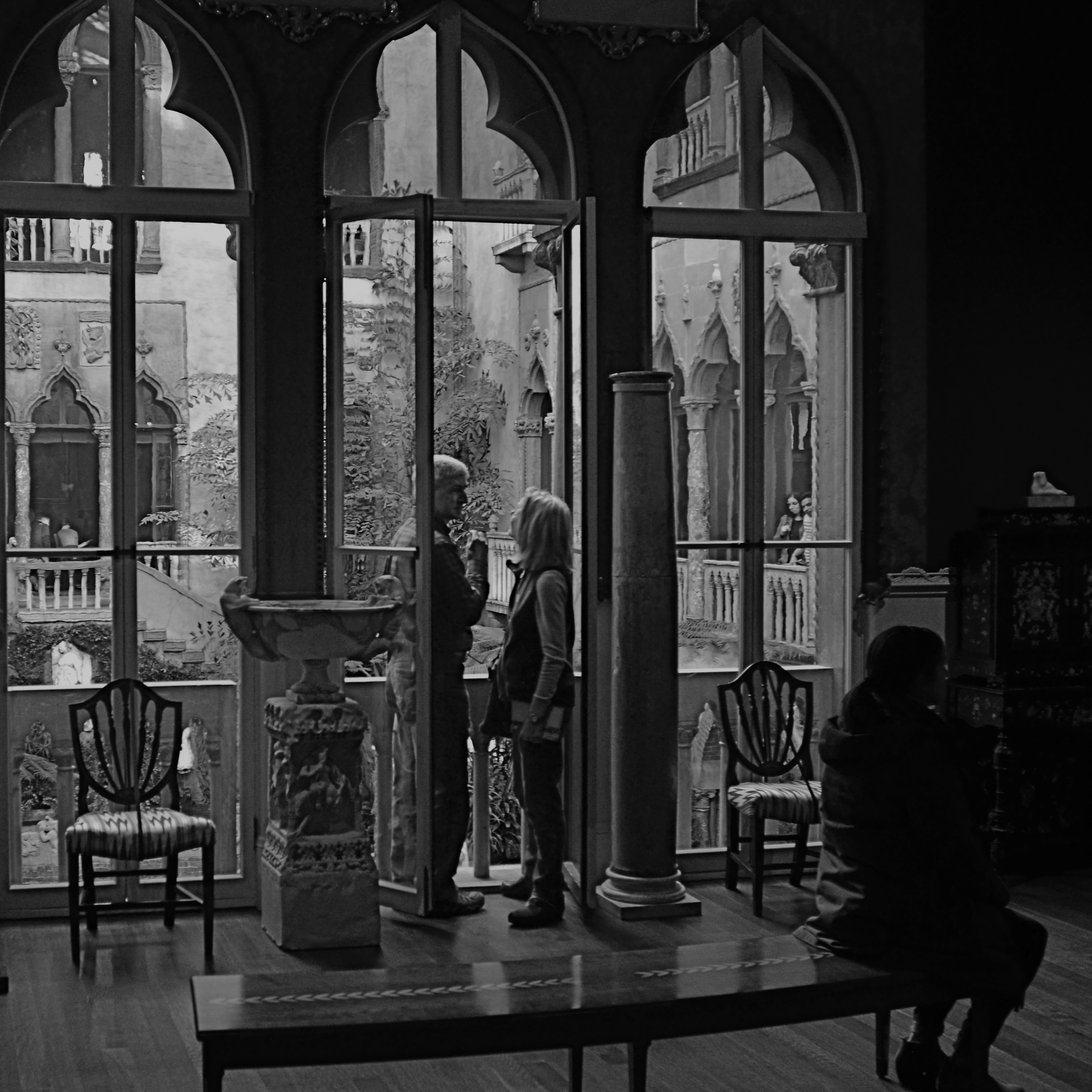
The pair just happens to come ready-made, with enough decent luck assembled in one frame for almost anyone to come away with a half-decent picture. The size contrast between the man and the woman, their face-to-face gaze, their balanced location in the middle arch of the window, and their harmony with the overall verticality of the frame seem to say “mission accomplished”. I don’t need to know their agenda: they could be reciting lines of Gibrhan to each other or discussing mortgage rates: visually, it doesn’t matter. At the last instant, however, the seated woman, in shadow just right of them, presents some mystery. Is she extraneous, i.e., a spoiler, or does she provide a subplot? In short, story-wise, do I need her?
I decide that I do. Just as it’s uncertain what the couple is discussing, it’s impossible to know if she’s overhearing something intimate and juicy, or just sitting taking a rest. And I like leaving all those questions open, so, in the picture she stays. Thus, what you see here is exactly one out of one frame(s) taken for the hell of it. Nothing was changed in post-production except a conversion to monochrome. Turns out that even the possibility of budding romance can’t survive the distraction of Mrs. Gardner’s amazing legacy seen in full color, and the mystery woman is even more tantalizing in B&W. Easy call.
As we said at the beginning, working with my own formal rules of composition, I could easily have concluded that my picture would be “ruined” by my shadowy extra. And, I believe now, I would have been wrong. As photographers, we try to look out for our own good, but may actually know next to nothing about what that truly is.
And then the fun begins….
HANDIWORK
By MICHAEL PERKINS
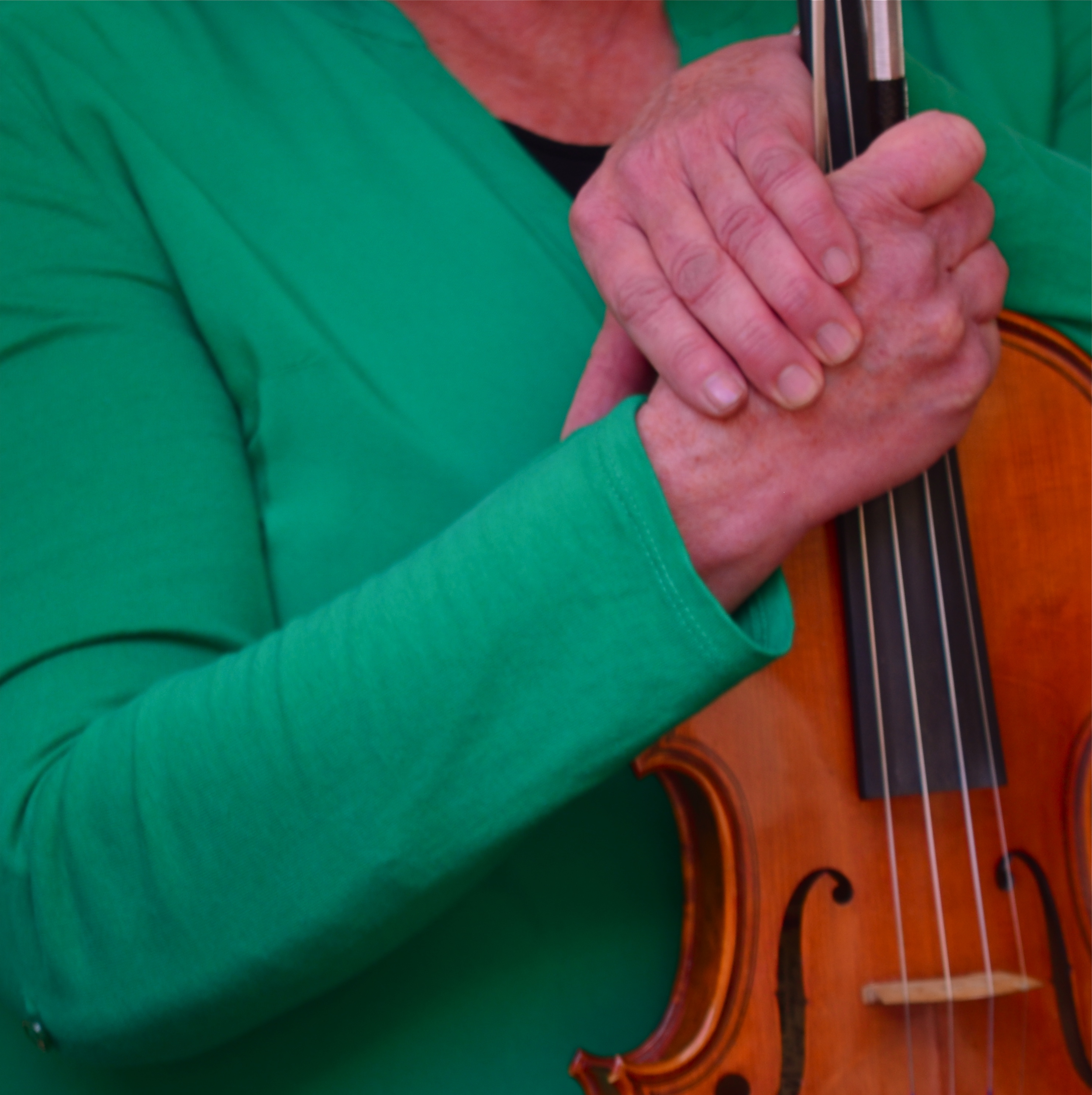
THERE ARE SEVERAL LANGUAGES OF HUMAN BEHAVIOR that are truly universal, experiential tongues for which no translation is neither possible nor necessary. The visual language of photography is one. Music is certainly another. Both have the ability to cross cultures, continents, and generations.
Almost since its arrival, the universal language of the visual has worked to capture the raw energy of the musical….attempting, even, to try to track that energy to its human source, the exact junction where the personality directs and guides the voice of the instrument. For some photographers, this energy is in the sweaty, furrowed brow of a Miles Davis, his lips laboring over a lyrical line in a dark club. For others, it may be the skyward arch of Jimi Hendrix’ wrist as it tears free from a Stratocaster. For me, the magic is in human hands.
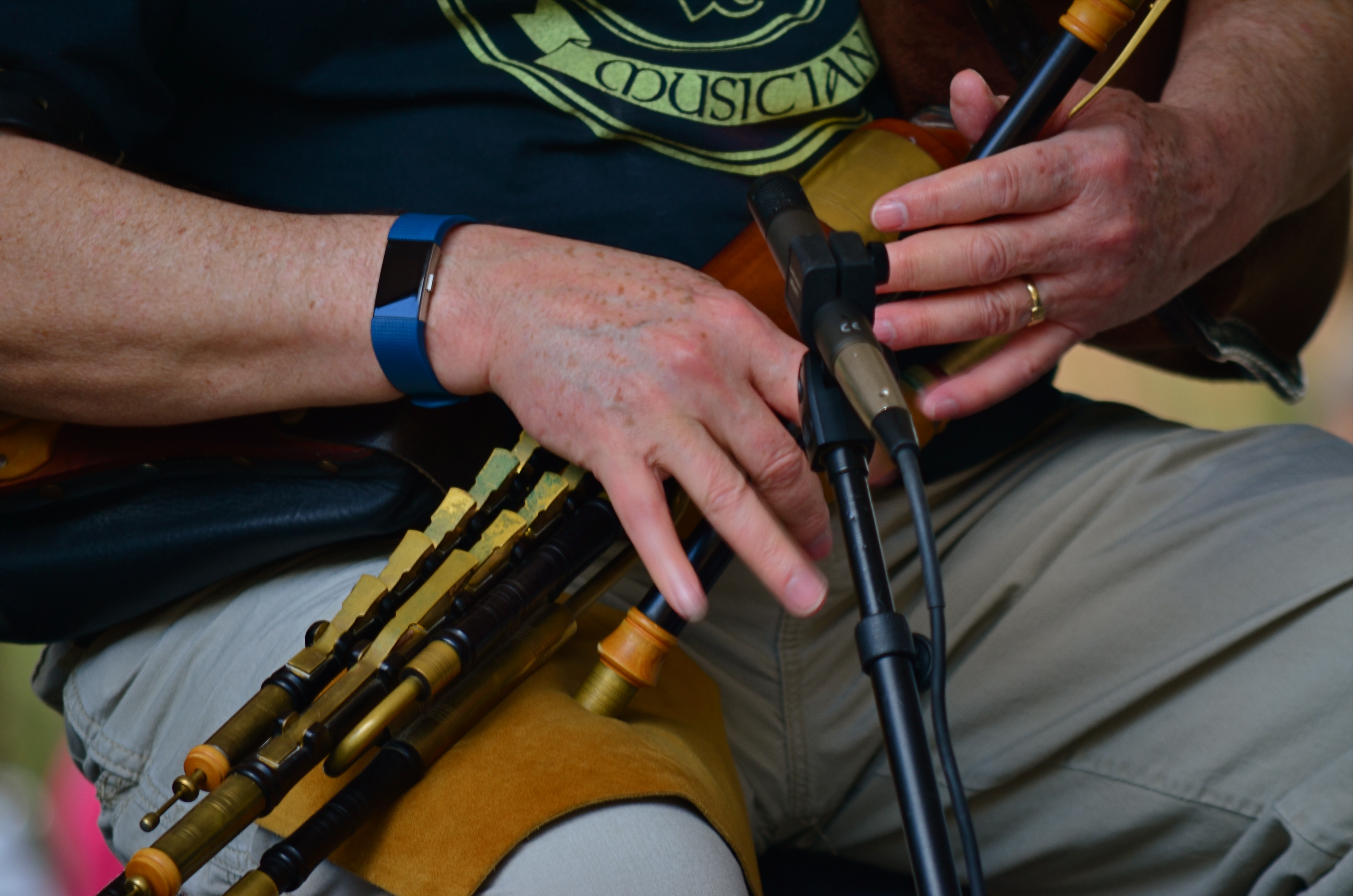
Hands are the tools through which musicians translate yet another language, that which starts in the brain and flows through to keys, pipes, buttons, strings. Fingers shape song, modify moods, and dictate terms to other musicians. They wield batons, transfer a composer’s wishes to paper. They signal, they hint. Hands are both the original maestros and the humblest servants of music. That qualifies them as wellsprings of visual drama, and where there is drama, there are pictures.
Of course, not all drama need be, well, dramatic. The unspoken linkage between musicians, even in small, simple gatherings such as the tight Irish quintet seen here, turns all those hands into a dance company: cues emerge: signals move from singer to soloist: and, if we’re lucky, photographs track all that transmission, that silent language, that unspoken eloquence.
EVERYTHING OLD IS….OLD AGAIN
By MICHAEL PERKINS
ONE OF THE LOW–HANGING–FRUIT–EASY–LAY–UP STORIES in 2017 pop culture circles was the report that, after years of manufacturing its own version of the defunct Polaroid Corporation’s instant camera film, an appropriately named company known as the Impossible Project had acquired all of Polaroid’s remaining intellectual property. As a result, the IP, now re-born as Polaroid Originals, could now begin making it own brand-new Polaroid cameras.
The story had great appeal for the analog-was-better crowd, the LP-hugging CD haters who pegged the decline of civilization to the day mankind first embraced zeroes and ones. Writer after writer wiped aside a misty tear to rhapsodize about the OneStep2, the first new “Polaroid” camera in more than a decade, and to recount their own fond memories of the “unique” quality of each unreproducable shot, as well as the wonderfully unpredictable randomness of wondering if your next shot, or indeed the entire rest of the film pack, would yield anything in the way of an image that was worth wiping your nose on.
Which brings us to the Brutal Main Truth of the matter: Polaroids were never really good cameras. They were engineered to fulfill a need for uncomplicated and quick gratification, marketed to an audience of snapshooters and selfiemongers. Inventor Edward Land placed all of his emphasis on perfecting the spontaneous function of his film, and to simplifying the taking of pictures to the point that your goldfish could pretty much operate the cameras. That said, Polaroid film was unstable, balky, moody, mushy, and generally useless as an archival medium. Of course, the company tried to shape an alternate narrative: certain high-end, professional grade iterations of the camera appeared at the margins of the photo market, with Polaroid hiring Ansel Adams as a “consultant” on color (which is a little like hiring a childless person to head up a daycare), and the brand got a pass from culture vultures like Andy Warhol, who tried to legitimize the cool, what-the-hell factor of the cameras for a generation hooked on immediacy. But in the end, Polaroid photography delivered mere convenience and fun, seldom art.
In terms of its legacy, there are no classic Polaroid lenses, nor any other evidence that the company ever trusted its customers with taking pictures like grown-ups. Model after model refused to allow users to take even basic manual control of the process of photography, offering instead frozen focal lengths, a stingy array of shutter speeds, and cave-man-level focusing options. Finally, by the dawn of the digital age, Polaroid whimpered out as it had roared in, making the process ever easier, the gear ever cheaper, and the results ever worse.
Polaroid Originals is now poised to do something its namesake never did: make a real good camera for people who also like the tactile, hold-it-in-your-hand sensation of instant photography. But they’re off to a lame start, if the brainless, artless OneStep2 is any indication. Not only is this gob of plastic optically stunted, the film made by Polaroid Originals, who had to figure out the process without any blueprint or guidance from Polaroid, looks even worse than actual Polaroid film, which is a little like finding out that your mud pies don’t look as elegant as everyone else’s. And did we mention the cost, which works out to nearly two dollars per print?
And so, for analog hogs, everything old is really just old again. As we speak, Kodak is preparing to produce an all new Super-8 movie camera… for around $2,400. Surely we can’t be two far from a loving re-launch of the Ford Edsel. I hear they gots a cigarette lighter right in the dashboard…….
 thenormaleye
INTIMATE STRANGERS
Colin Patrick Perkins, December, 2017
By MICHAEL PERKINS
AT THIS STAGE OF MY LIFE, I find myself playing two conflicting games of “who’s there” as regards my identity in the context of generations. On one hand, in front of the shaving mirror, I can clearly see my grandmother’s face pushing its way forward through my own. On the other, I now can see echoes of the “serious” younger man I thought I was being inscribed across the features of my adult children.
It is too late for me to explore my grandmother’s face for further clues, beyond studying the images others made of her. Sadly, as a photographic subject, she was amazingly opaque. I can’t think of a single image of her that reveals or explains an iota of what I know emotionally of her. Looking down into her soul through a photograph is as unlikely as trying to see through a lead-lined wall. As for myself and my three legatees, we seem not only to be facial re-interpretations of each other, but occasionally, a glimpse into what she was as well. Strange.
My children are all serious contenders, in that they believe that life is to be gotten on with, no dilly-dallying, if you please. They are, in that way, far better agents of change and action than I was. Time has begun to burn childhood’s last traces from their features, but the remaining faces are those of big, deep livers, of striver-survivors. Their own legends are now inscribed on them: they are, focused, intentional, resolute, courageous. I see the concern and apprehension I once wore on my own face: I read the uncertainty of their contending in this world. But I also see every laugh, every explosion of joy, every haywire vision and dream that I knew in myself: I see their first giggles, their earliest amazements.
And so, although my camera can only see a fraction of these things unaided, I am now able to provide that aid: I see now with ever-new eyes. These intimate strangers are my teachers, not my students. My grandmother, cipher of raw endurance that she was, might even have recognized herself in these new iterations of old star-stuff. She speaks to me in the mirror, as if to remind me, get it right, boy. Similarly, my children speak to me in pictures, enjoining me to do the same thing.
Share this:
April 15, 2018 | Categories: Commentary, Conception, Documentary, Uncategorized | Tags: Candids, portraits | Leave a comment