By MICHAEL PERKINS
THE APPEAL OF PHOTOGRAPHIC PHONE APPS lies not in their efficacy or even the overall quality of their output, but in their sheer, I-just-thought-I’d-try-this convenience, the ability to immediately scratch whatever creative itch has just come over you. Given the amazing speed of even formalized editing suites from Photoshop on down, apps are thus shortcuts within shortcuts, immediate gratification for the most extremely ADD among us. And certainly there is no harm in this kind of Veruga Salt I-want-it-now impulse processing, unless, of course, you mind the substantial reduction in pictorial quality that accompanies many of them.

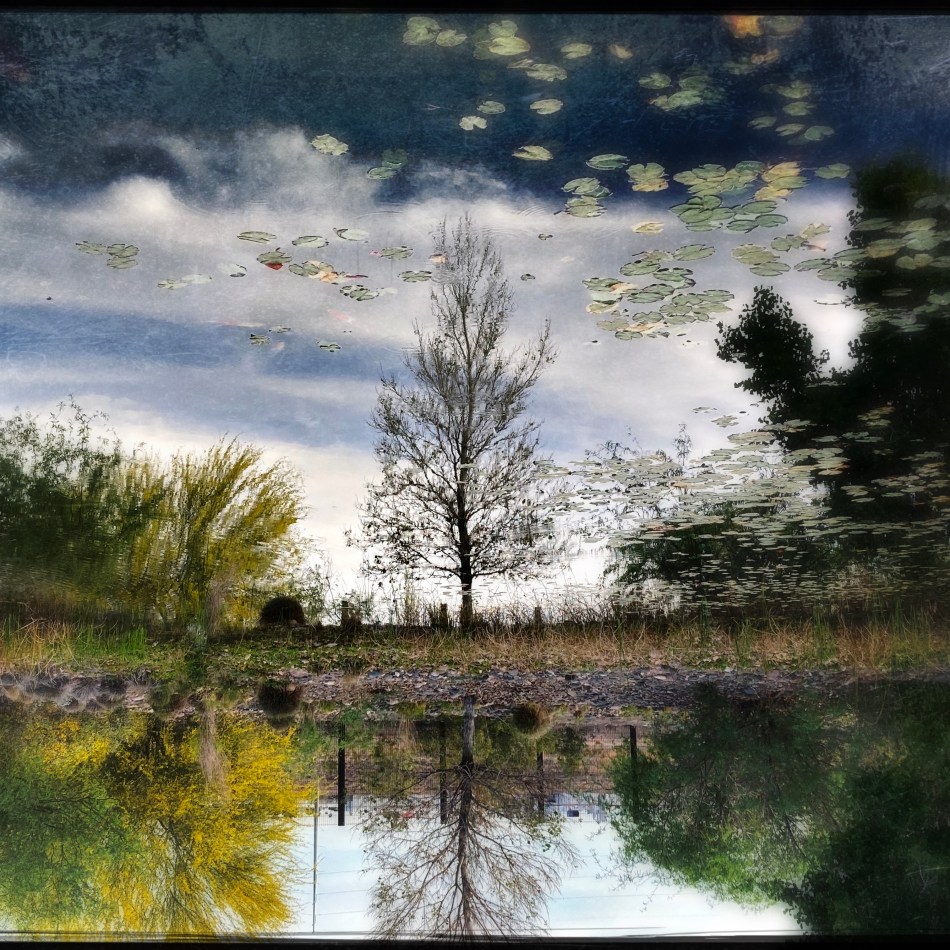
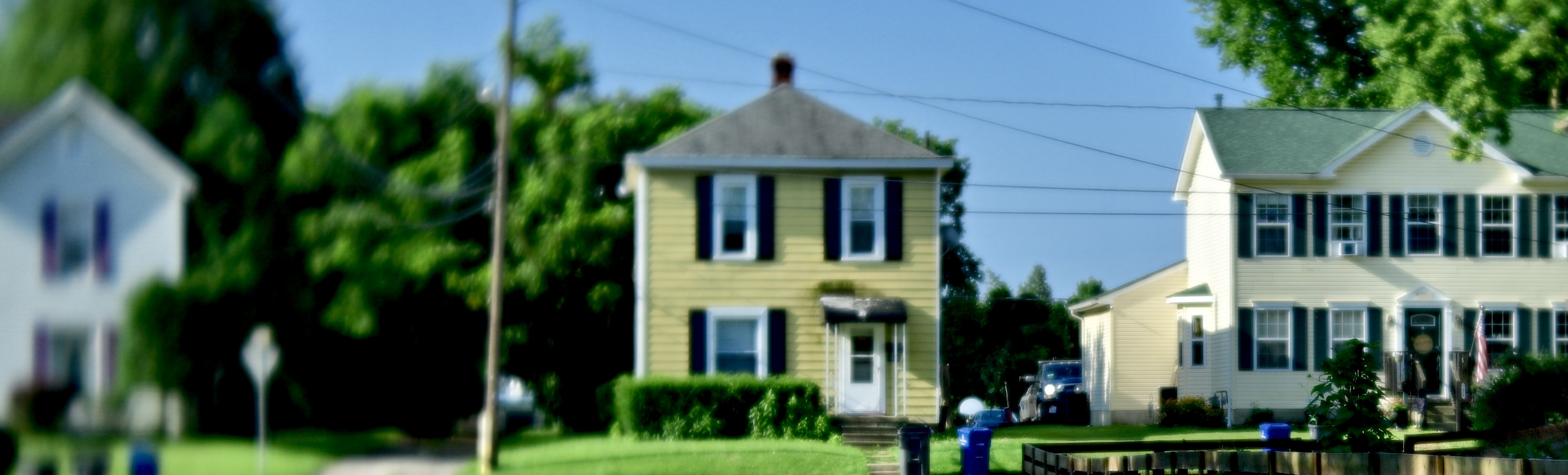
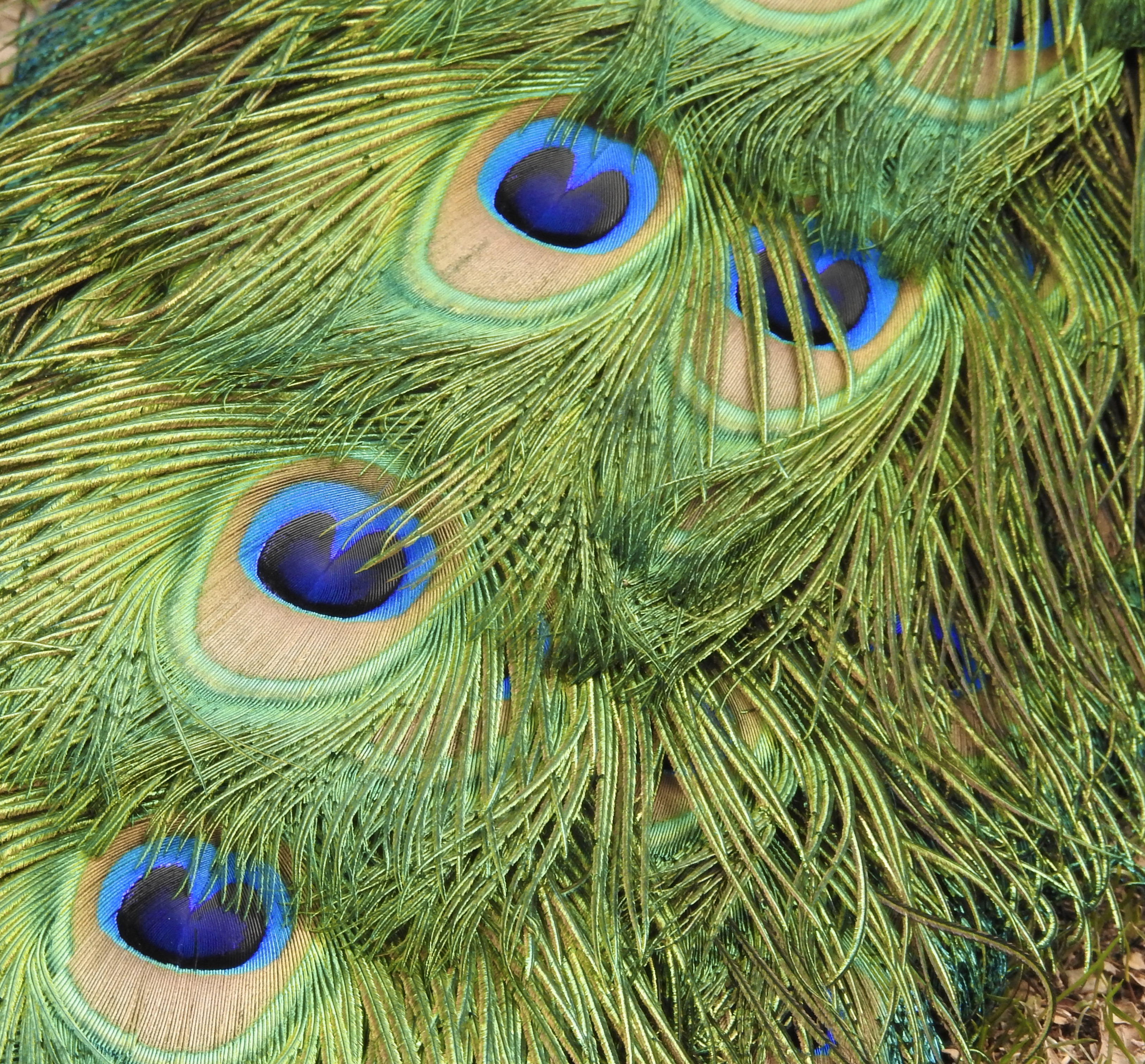
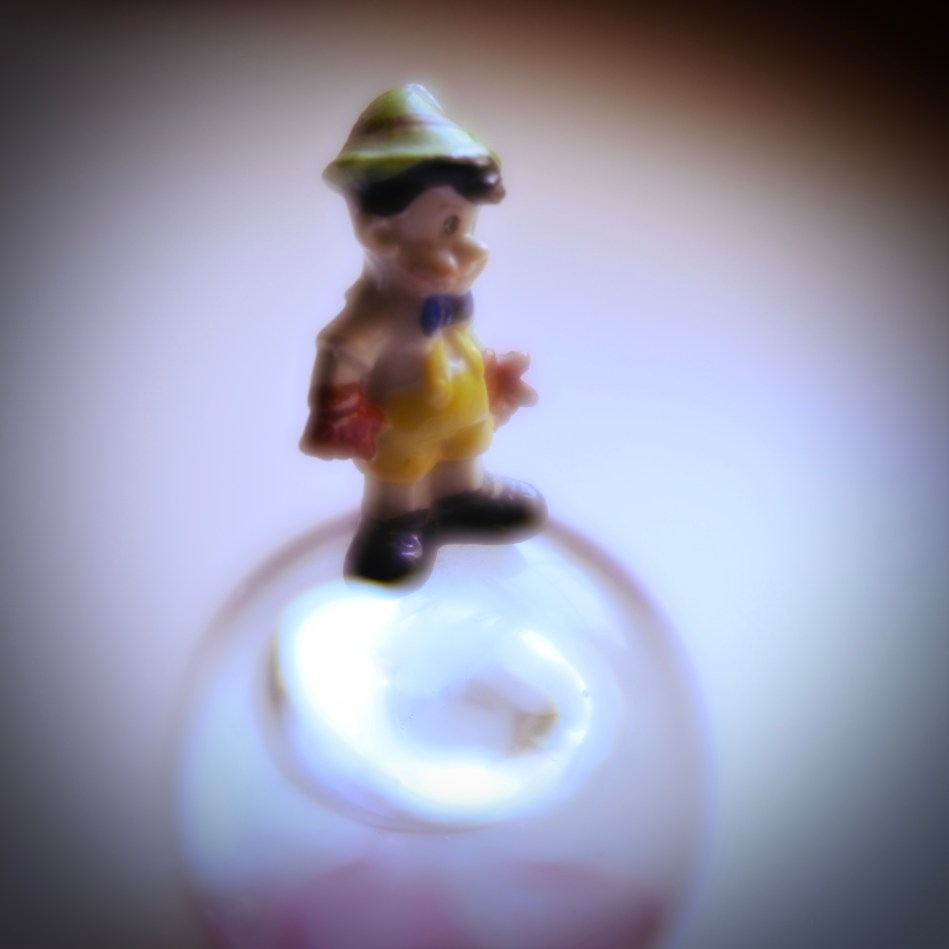
In the case of the symmetry design app called Flipper, seen in use here, so much compression occurs between the resolution in the iPhone master shot and the final processed shot that the picture is no longer dense enough for use as a printed image at any useful level of enlargement. Its lowered rez restricts its use to life on social media or other on-screen sharing. Shared back from the app to a site like Flickr, for example, it barely passes muster in terms of quality. Worse, importing it into Photos or similar traditional libraries causes even more compression. It’s a shame, because the very ability of apps to give the shooter editing options galore, anywhere, anytime is a potentially great benefit, but one which can create pictures that are at once creatively liberated and technically hobbled.
This makes total sense in terms of marketing, of course. The photo app industry operates at the pleasure of the phone format. It has no interest, frankly, in solving many editing or creative problems for people who intend to re-work phone images for use in other formats or media. The cel and the app are perfect partners, each amping up usage and adoption by the other, and so all apps have to do is find out how to make people take and share more phone images. The rest of the photographic universe, for them, is basically moot.
And so there is no real incentive to expansively improve the image integrity of app-derived photos, because they look good enough on what they were designed for and for the users to whom they are marketed. And that’s not likely to change in the near future, if ever, which makes apps of limited value for a substantial portion of the photographic user base. Certainly we use apps to mostly “see what happens when I do this”, but ideally, we also want pictures that rise to a certain standard of quality, regardless of how they’re eventually to be used, and we’re a long way out from that particular harbor.


By MICHAEL PERKINS


ALONE AGAIN, NATURALLY
By MICHAEL PERKINS
TAGGING, OR MARKING A BUILDING WITH GRAFFITI, seems to me one of the strangest bids for immortality that an artist can undertake. It’s obviously, on one level, a plea not to be ignored: I was here. But since so much of the information in its various signatures and symbols are rigidly encoded, it’s only a testament to some people for some vague stretch of time. Soon, like the grass reclaims the battlefield, rust and amnesia efface the artist just as surely as if he had never passed this way.
When infrastructures rot and fail, they either collapse in catastrophe (like a fallen bridge) or needless suffering (like a municipal water system), and, as their pieces are hauled away, every cultural element tied up in their daily use, especially signs or writing, are taken away as well, robbing the tagger of his/her shot at immortality. Other times, the rot just stands, useless and unmourned amidst other changes in our daily world, still emblazoned with the phantom scrawlings of earlier poets who now cannot rely on either memory or context to make their work persist in meaning.
The strange legend on this disintegrating trestle bridge in Ventura, California was explained to me by a local as a reference to a heinous crime that occurred in the area. She didn’t seem to recall the precise details nor the time frame, although I assume it does not pre-date the invention of aerosol spray paint. Point is, even though the bridge has the year of its erection, 1909, stamped into it at the back and front, the span’s name, to everyone who passes until it plunges into the river, will be “the ‘Baby Girl’ bridge”. Unfair to the anonymous scribe who sought to freeze a horrific event in time, but eventually a moot point.
I wanted to shoot the bridge because of the textures of its deterioration, but then I realized that, eventually, I was also making what would, eventually, become the lone record of a message that someone, somewhere, thought important enough to stamp onto the trestle’s oxidized remains. Maybe, in some way, I think it’s important as well. Artists hate the idea of other artists dissolving into history. We come into the world by ourselves, and, after mingling with the world, we all end up, as the song goes, alone again. Naturally.
Share this:
Posted by Michael Perkins | November 13, 2022 | Categories: Uncategorized | Tags: Commentary, history, memory | 1 Comment