ON THE FACE OF IT
By MICHAEL PERKINS
I HAVE ALWAYS HAD A VIOLENT ALLERGIC REACTION TO PHOTOGRAPHERS WHO SPEAK IN ABSOLUTES, rigidly regulated by rules and procedures, especially as regards gear. Any opinion piece or analysis that contains the phrases “alway do” or “never do” have a perverse effect on me. It’s like telling Adam and Eve that they can eat from any tree in the garden except, you, know that one. It makes the apples on said tree start to seem like they might be the most delicious in the world.
Same with telling people that a set piece of kit or a certain approach will “always” result in a miraculous image. One thing that the digital era has achieved is the increasing rarity of this kind of guidance. In the film era, we were told in no uncertain terms what good and bad focus was, what constituted a “correct” composition. Today, we’re in more of an “anything goes” arena, with people finding freedom in a more experimental frame of mind. And one of the areas where this is most in evidence, since we are more fascinated by faces than ever before here in Selfie World, is in all types of portraiture.
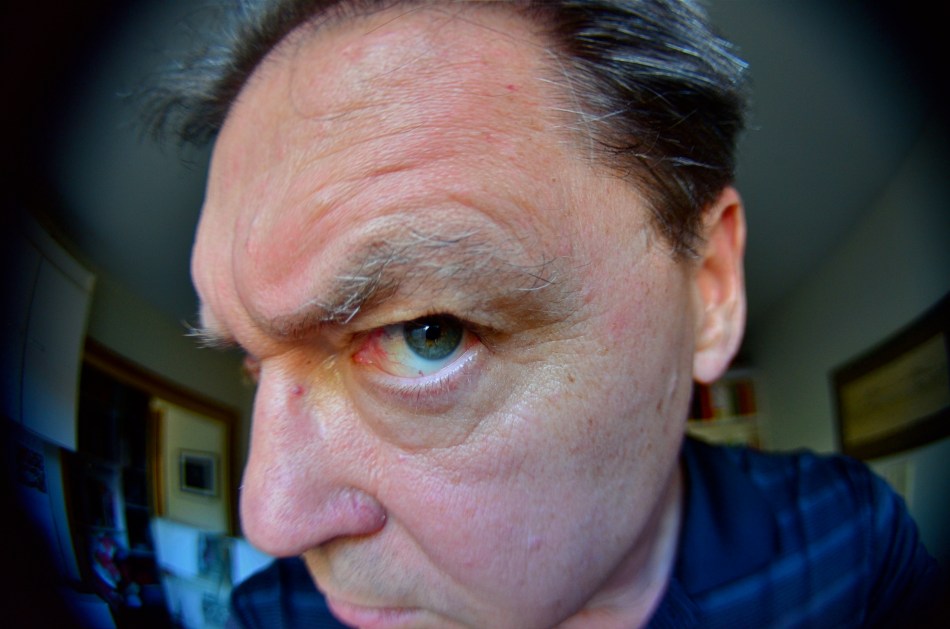
Does this lens make by eye look too fat?
Formal studios used to dominate portrait work to such a degree (hey, we get out of class for an hour…it’s PICTURE DAY!) that a kind of holy writ of thought held sway on the “best” lenses to use to capture someone’s personality. Now, with an insane variety of apps packed in our pockets, the concept of portraiture has been freed from the photo mills of the past, as is the idea of how best to present human features. Whereas amateur photographers used to use a certain hunk of glass consistently for every kind of face, say something in the 85 to 105mm range, extreme wide-angles from 8 to 18mm are now just as much in use.
One of the reason for this shift is that cellphone cameras, at least basic ones, tend to shoot in the wider focal lengths that were once considered “wrong” or unflattering, since they can create distortion in the middle of the subject’s face depending on the distance. However, some people have used just this look to purposefully sculpt their facial contours, to play stretch-and-shrink with their given proportions in order to make their faces look longer or slimmer or to accentuate other elements. On the other end of the spectrum, zooms used to looked down upon by some for portraits because it could be harder to blur out backgrounds at smaller apertures, but now, since most digital images are really only a starting point ahead of post-snap tweaks anyway, even that problem can be solved more easily than in days past.
For years I heard primes in the 35-50mm range touted as the so-called “normal” lenses, since they were supposed to “see” the face at the same proportions as the human eye, or “normally”. But do I use them exclusively? Heck, I don’t use anything exclusively anymore. And neither does anyone else. The days of the didactic “never do” and “always do” tutorials are long gone, with a great portrait defined by nothing more than your own satisfaction. Finally.
FLEETING GLORY
By MICHAEL PERKINS
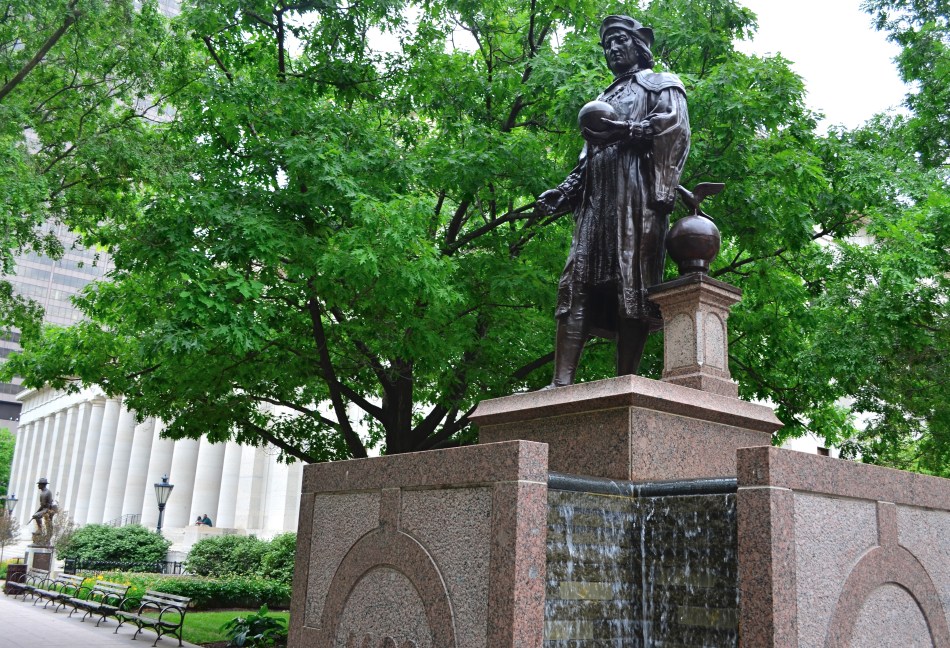
THE CURRENT CONTROVERSIES OVER WHO SHOULD OR SHOULD NOT BE HONORED in public art will continue to be a key point of emotional engagement, whatever one’s traditions, beliefs, or politics. This is not the forum for discussing any of the motives or agendas behind these debates. Still, as photographers, the rise or fall of certain monuments is an alert for all parts of the process to be documented. We shoot wars, uprisings, rituals, and customs of every kind, and we need to chronicle these shifts in culture when they occur, regardless of how it affects us personally.
I am always pushing the idea that photography must serve as a document for every age, and our present contention over memorials and statues is merely more proof of the need for that service. I come from a town named after Christopher Columbus, and so the present-day reevaluation of his historical role has already had consequences in that town’s civic rhythm, notably the removal of a huge statue of the explorer from the town’s City Hall complex, a site it’s occupied since 1955. As of this writing, the fate of two more somewhat less imposing sculptures remains in limbo, including the one shown here, which is located on the grounds of the State House in the heart of downtown. Photographing these things need not be a commentary. It can be important merely in terms of time measurement, of the “before” and “after” status of a place or people.
“Heroes” are often as much crafted and created as they are naturally forged, and many a minor figure in history has outlasted his/her actual impact after being immortalized in marble by someone else who needs him/her as a symbol, for any variety of reasons. Making a picture of these memorials, especially when they may be on the way out, is no more a “statement” than shooting a frame of an historic hotel just before the swing of the wrecking ball. Good, bad, or indifferent, these things in our public squares are reference points for our daily existence, and images of them are an effective way of visually contextualizing them in time.
My favorite image of the Statue of Liberty is one taken of just the lady’s head and shoulders, which stood at the 1878 Paris International Exposition before the entire work was crated up and shipped to New York. In a very real sense, it was part of France’s daily walkabout life long before it was a feature in ours. Until it wasn’t.
Heroes will be crowned and decommissioned for as long as mankind persists. The things that either certify or disqualify them across the generations is one kind of memory. Photographs bear neutral witness to the changes in what we hold important, and, for that reason alone, pictures need to be made.
LAST NAMES AND OTHER FACES
By MICHAEL PERKINS
WHEN I WAS A CHILD, SEVERAL PICTURE BOOKS depicted the fronts of houses as if they were faces, with the windows roughly reminiscent of eyes, the roofline acting as a kind of hairdo, the door as the nose/mouth region, and so forth. One memorable Disney cartoon called The Little House gave benevolent and malevolent expressions to various buildings based on their role in the story. Skyscrapers always seemed to threaten: tidy, small cottages endeavored to charm. And so on.
I still think of the fronts on houses to be faces of a sort, or at least the house’s version of the public personas that we all adopt, the expressions we choose to present to the street as our visual signature. I love the design and detail choices that make a house’s face welcoming, or at times repellent, to those who stroll by. Additionally, when I can, I love to photograph neighborhoods where there is enough space between homes to allow for a kind of “last name” or second face for a house, based on what the less-than-primary things that are arranged there might hint at.
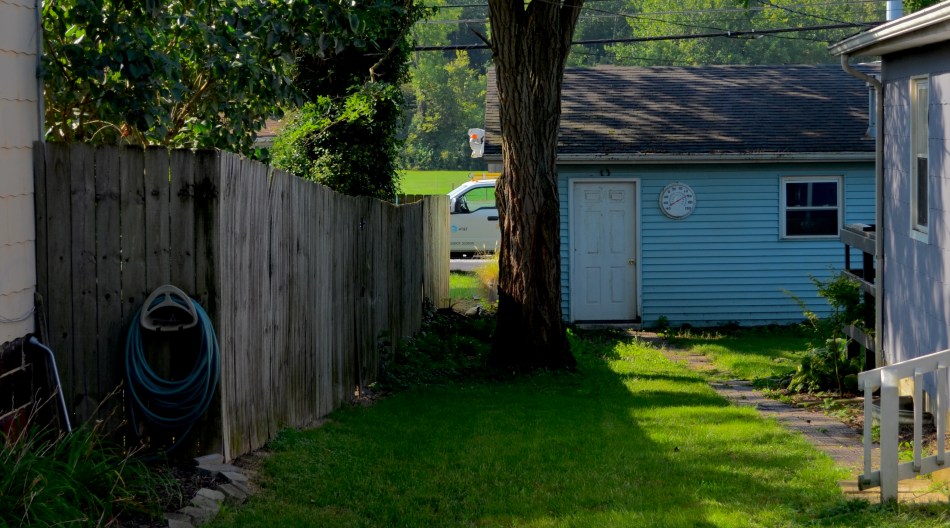
78 In The Shade, 2021
Such areas are often just a storage area for tools, from coiled garden hoses to rakes or wheelbarrows. Sometimes it features a backup building like a recessed garage or a shed. In these in-betweeny free-flowing spaces between homes, various gardening attempts might be made, unfinished projects may linger in limbo, or the space might merely be a small play area. In many cases, as in the above image, it also serves as a sneak peek to the neighboring streets that exist in their own special reality just beyond the rear of the lot.
The places we call home reveal more to the wandering camera than we suppose. Sometimes our attempt to protect our privacy from public view is, in effect, more revelatory than the chummiest welcome mats or bright flowers. Cameras help us in deciphering the codes by which we choose to engage with the world at large. The purely visual elements of those codes reward an extra second of a photographer’s curiosity.
MANY ROADS TO WHERE
By MICHAEL PERKINS
HAVING ALTERNATIVELY SHOT BOTH STILLS AND VIDEO OVER A LIFETIME, and changing which of the two formats most suit what I’m trying to convey, I have a running debate with myself concerning whether I am better suited to work in one platform versus the other. In terms of personal development as a photographer, my life basically resembles a sandwich of decades, in which my earliest and latest years were the bread layers defined by “stills”, with a shorter filler layer of years consisting of mostly moving images. Some years I’m a bread guy and other years I’m a filling guy.
Here’s the take-home: when it comes to helping me examine human behaviour, there is something about a still photograph that affords a little helpful analytical distance. The onrushing fluidity of the moving image annihilates everything but the present: everything is so completely now. In contrast, the act of pulling a moment out of time’s flow, and freezing it, allows the viewer to imagine both past and future in a very crucial and personal way. Stills “decode” in a very specific fashion: either something has just happened or something is about to happen. That leaves certain information visually unrevealed, with the viewer supplying it himself, in effect collaborating with the shooter.
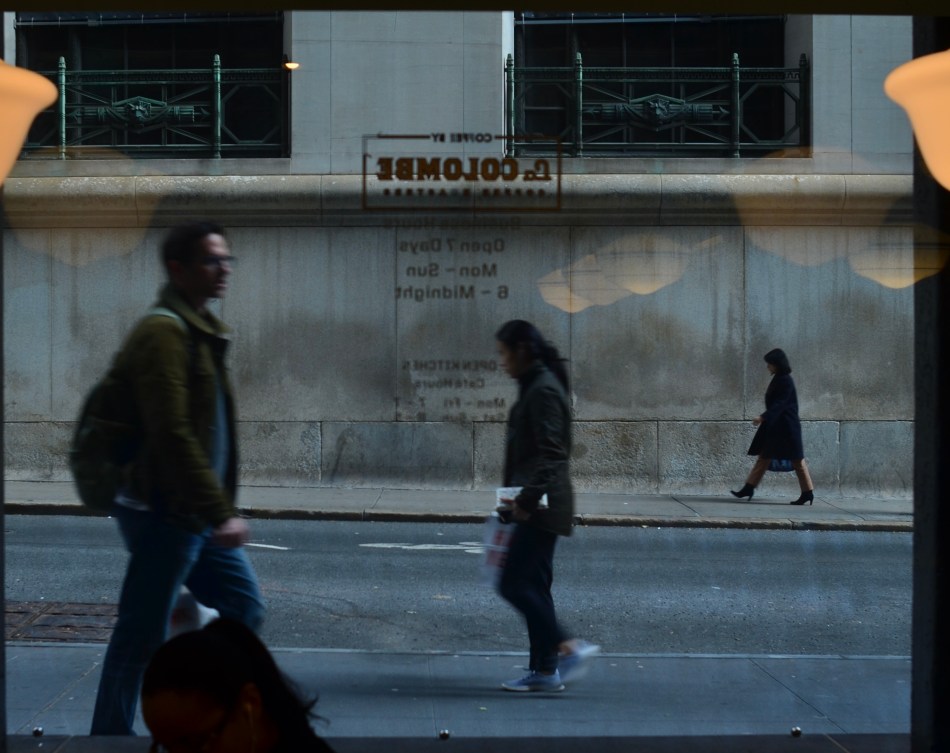
Would this image work better as one in a series of frames, i.e., a video? Or can I effectively tell my tale in this manner?
Over time, there are subjects that I certainly can’t conceive having done with a still image, thus the home-movie phase of my early years as a family man. Complete reportage was Job One as kids were teething and blowing out birthday candles, and, at the time, motion pictures seemed like the perfect tool. Later, after I entered middle age, I found myself looking for a way to create images that invited introspection and interpretation, and so I returned to stills, and haven’t wandered since. At the moment of this writing, I can confess that, in order to shoot video with cameras I’ve owned for over ten years, I’d have to consult the user manual to even recall how to go about it. In an internet-dominated image marketplace replete with video formats that are constantly altering the course of the zietgeist, am I missing out? Did I know something at twenty-five that I no longer “get” at seventy?
There are a million different roads available in photography: it can never be just one thing, and so there cannot be an absolute “right” or “wrong” way to go about it. My loooong vacation from video is not a knock against it as an expressive medium. It’s more like choosing a different paintbrush or switching from oils to acrylics. And yet I love to hold this endless debate just to check my thinking, the ultimate object being the correct selection of tools for where I need to be right now.
STRIKE A POSE
By MICHAEL PERKINS
STREET PHOTOGRAPHY IS GENERALLY ABOUT CAPTURING PEOPLE in their most natural element, freezing the more narratively interesting samples from their daily activity. In theory, the format really offers a fairly infinite number of quick examinations of virtually every trait and pursuit, promising a lot of visual variety in the depiction of the human condition. However, over the last twenty years or so, an increasing number of pictures of people on the street seem to be about more and more of the same thing: fixating on our phones.
You must have noticed by now that random images of people on the street are, in more cases than ever before, pictures of them watching screens. Texting. Tweeting. Dialing. Reading. In a world in which we do more of our private business out in public, our engagement has gone further and further inward, ever more insular, isolated. This is not a critique of the value of these precious devices, or a wish that they somehow be magically uninvented. My point is that their ubiquitous use presents fewer opportunities for exploration of human behavior by the street photographer, since, even though our phones are holding us spellbound, the way we look when we’re on them is, well, boring.
This 21st-century “look” is a strange sort of update of the facial aspect of photography’s first era in the 1800’s. In a time when exposures took a long time and people were just beginning to formulate their relationship to this invasive eye known as a camera, people tended to look frozen, solemn, as if they were only reluctantly granting admittance to the blasted thing. They stood at attention, staring blankly, their faces a cipher. Later on, we learned to love the camera, to mug and model and talk to it, a habit that still shapes our candids at intimate moments or the tidal wave of selfies we create.
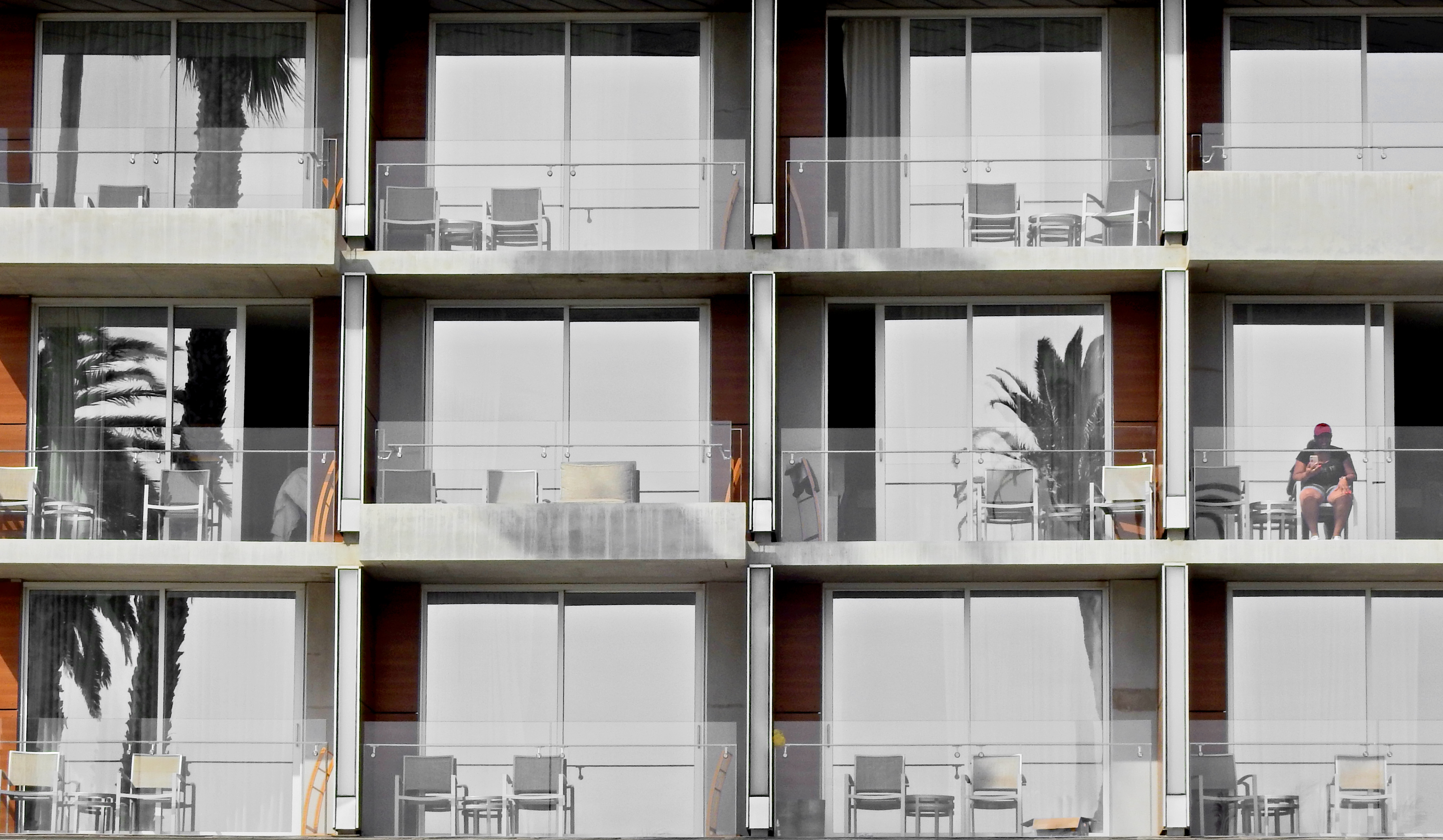
On the street, however, that is to say, on our way to something else (all our various something elses), we are facially as lifeless as a Victorian-era farmer posing for his first daguerreotype. Thus the man in this image, already physically alone by virtue of the space he occupies, is doubly isolated by his further act of pulling away into his phone. A key part of him, a part that has always been a basic element of street shooting, is simply not available.
Does this trend alarm you? Do you find yourself approaching street work in a fundamentally different way because of it? Or is the job of a photo-observer to merely record what he sees, or in many more cases, what he sees being withheld?
M&Ms
By MICHAEL PERKINS
OVER THE YEARS, I HAVE FILLED PAGES OF THIS LITTLE HOMETOWN NEWSPAPER with confessional accounts of my weaknesses in many areas of photography, with special emphasis on my underdeveloped skill with landscapes. To say that I need improvement in this area is, on the Captain Obvious scale, somewhat akin to breaking the hot bulletin that Batman has anger issues. And yet we soldier on.
It’s hard to look out upon a vast mountain vista or a yawning canyon and think in terms of simplicity. At least in my own case. I initially came to the visual arts as an illustrator, influenced by artists that I can only call “completists” in that they drew intricate compilations of every leaf, stone and speck within a scene, a technique that my infant brain referred to as “realistic”. It follows, then, that as I segued into photography, my instinct was to go for that illustrative look, with tons of detail, and a broad panoramic sweep. It drew me to grand subjects and wide, wide lenses.
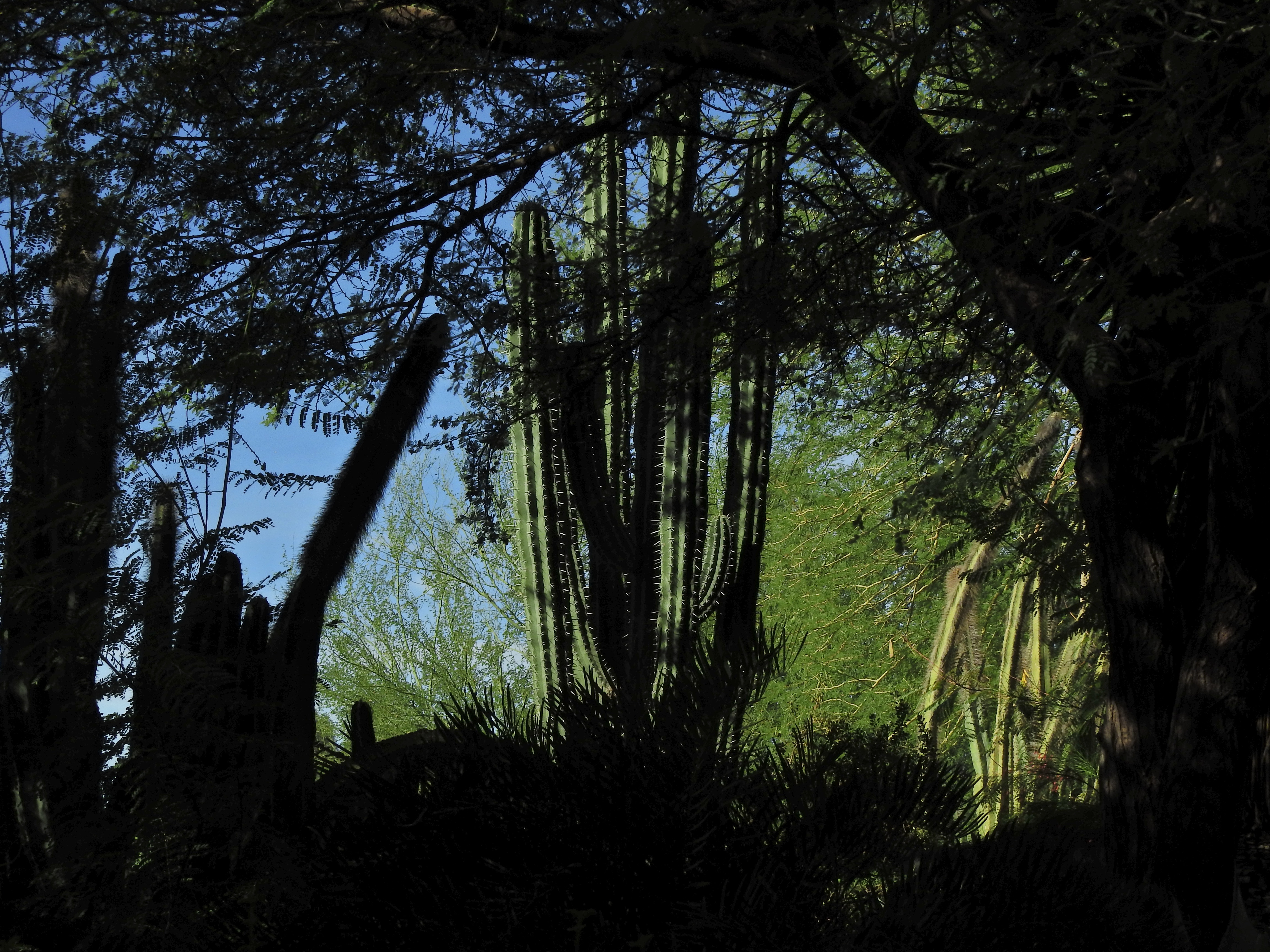
Occasionally, this has served me well, but more often it gave me a severe case of Too Much Picture, frames that were so drowned in detail and visual information that I was challenged to tell succinct, clear stories in landscape form. There was always plenty to look at, but I wasn’t developing a real instinct for what a viewer should look at first, or should regard as the central narrative focus of a picture. My sense of composition still fell too often into the “get everything in there” side of the fence. I produced well-focused pictures of scenes that were always okay, but seldom compelling.
These days, I fight to make the simplest framings that I can. I struggle to present one main idea and make everything else in the image subservient to that idea, or at least to get out of its way. The frame seen here is done quite differently than I might have made it as a younger man. The forked cactus at the center has been designated as the main messenger of the picture, with everything else reduced in definition or importance. In the past, I might have tried to expose the picture uniformly, with every spine, frond and branch in the same brightness or color intensity. Now I am far more likely, in this case, to expose just for the central open space and leave the surrounding halo frame in shadow….the idea being to let some things have louder voices in a picture than other things. I have done the same thing with selective focus, using blur or softer resolution to force attention onto the primary feature in the picture.
I still have a lot of work to do, but at least I have moved from my original habit of giving all elements in a landscape equal status to trying to, if you like, direct eye traffic to greater effect. It’s a struggle for balance between the picture’s M&Ms, or the major and minor messengers for that particular photograph. It’s not an exact science. Hell, it’s not even an exact art. But it’s the only way I can shoot landscapes if I want to escape the dreaded gravitational pull of Planet Postcard.
TUCKAWAYS AND TAKEAWAYS
By MICHAEL PERKINS
MY GRANDMOTHER’S NEIGHBORHOOD STREETS were separated by alleys that ran between the rows of the area’s back yards, and, as a consequence, I have only a few memories of her actually walking between the fronts of houses along the main streets. Whether it was her hardscrabble childhood in Ohio coal country or her lifelong belief that people were always stupidly discarding perfectly good stuff, she always walked to market, the local drug store, or various friends’ places by way of the alleys. And if there is such a thing as a Bargain Junk God, it spoke to her along these paths, and so, we children were accustomed to her dragging home various treasures over the years, from scraps of lumber to fixable umbrellas to an entire kids’ swingset, complete with “glider”, which we adopted as our own.
Years later, armed with various cameras, I tend to channel her a bit.
Because people continue to throw away perfectly good stuff.

Every time I shortcut through an alley, I find at least one thing that may be in the process of being chucked out, or moved to make space, or replaced by something new, or just plain forgotten about…things that can, on occasion, make neat little narrative pictures. Take this self-contained coffee “business”, for example. It sits behind a strip mall in Scottsdale, Arizona, giving off strange vibes about its history, a history that, who knows, may not yet be complete. Is it an operating wheeled cafe? Was it put out to pasture when someone had a better idea or a bigger budget? Is the trailer to be repurposed, sold, or just headed for the scrapheap? At this moment in time all these plot lines are possible, and all conjectures are equally valid or equally nuts.
The speculation continues. What exactly IS “native” coffee? Is it just a name, or an actual niche market? Is the window just covered up with wood for protection, or is it, as the term goes “boarded up”? Is the trailer merely being parked here until its next day of operation, or are all of the Native Coffee fans of the world plumb out of luck? Funny thing is, all that daydreaming is fired by exactly one hasty exposure, made out of my car window as I trekked through A Place I’ll Never Be Again for God Knows What Reason, If Any. A picture may not literally be worth a thousand words, but it is often worth a thousand “what if” guesses about what’s happened or what’s about to happen. Photography locks in moments and frees the mind to story-tell. It’s enough to make me wish that Grandma, whom, it should be noted, actually bought me my first camera, had dragged a Leica home down the alley.
Just once.
THE KINDEST CUTS
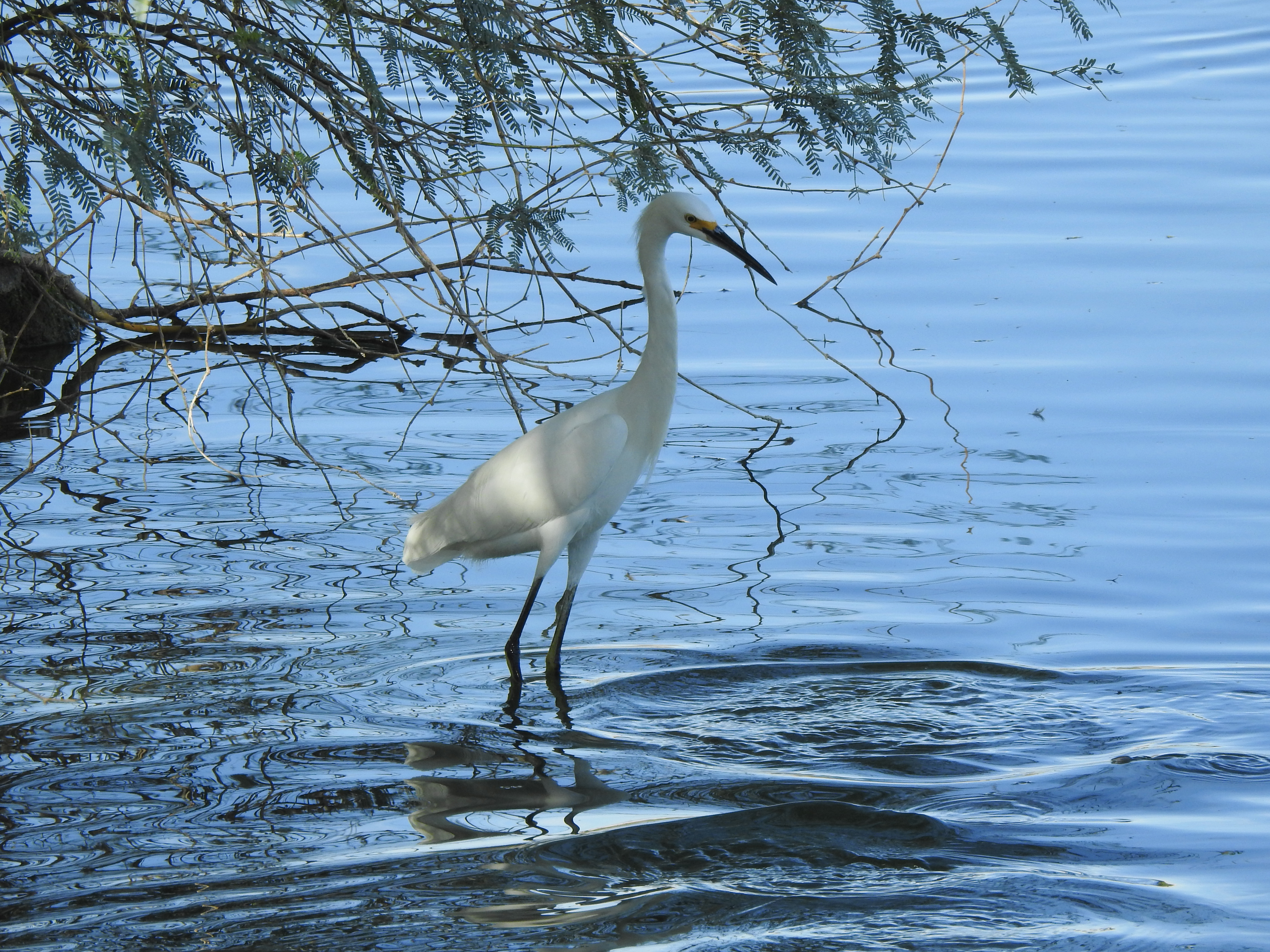
This master shot begins as a merely okay bird picture with a whole lot of empty real estate in it. Not bad, but…..
By MICHAEL PERKINS
LEGENDARY DIRECTOR FRANK CAPRA LIKED TO TELL THE STORY of how he pulled one of his classic films back from the brink of catastrophe, by heading back to his office after a disastrous preview and literally throwing the first two reels into the studio incinerator. The shortened movie, Lost Horizon, went on to become one of his greatest triumphs.
I recall that story every time I attempt to crop away the visual fat from a flawed image, inside of which I suspect there might be a usable picture. Sometimes all I get for my trouble is a worse flop, but occasionally, I will find that a frame is one third, or one fourth, or fifty percent redeemable if I just wield the scissors with complete abandon. The first shot you see here illustrates my point.
Having shot dozens of pictures of egrets in every conceivable setting, I found that this particular bird was not really earning his sizable part of the real estate. Was it the pose? The exposure? A comparison to better captures on other days? Whatever the reason, I found myself more interested in the near-shore waters he was walking in than in anything he himself was doing. The water wasn’t filled with dramatic splashes or tidal ebbs, but was instead a slow, undulating kind of roll that created playful, elliptical games with the light. At that point, the whole mission of the image changed.
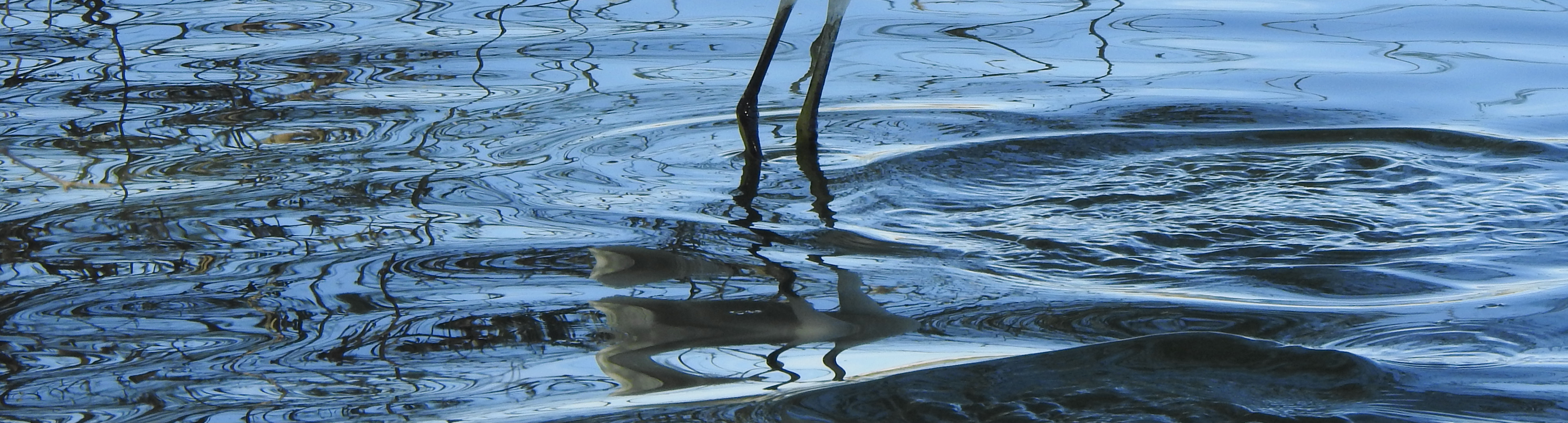
Literally cutting the egret off at the knees makes this a completely different picture.
After a series of partial “bird-ectomies”, in which I attempted to keep various portions of the egret’s body in the frame, I just reduced him to a pair of legs, and let the water take over as the star of the show. Again, it was a case of a usable inner picture, eclipsed by being just one of many components in a larger scene, becoming liberated by slicing away all other distractions. The result is hardly a masterpiece, but I prefer the repurposed version over the mediocre original. Turns out that most photographs don’t veer all the way to the two extremes of Really Amazing or Really Appalling, existing somewhere between the two poles. Like Capra, you have to be willing to burn the first two reels to get right to the action.
BABY, YOU CAN DRIVE MY CAR
By MICHAEL PERKINS
OVER TIME, PHOTOGRAPHY ACTS AS A VISUAL SEISMOGRAPH, tracking the jagged line between ourselves and the things we encounter in the world. The objects and conditions that we regard as “everyday”, and thus somewhat ordinary, are actually in flux all the time, as is our relationship to them. In making pictures of the world that surrounds us, we are always documenting how we, and the things we either carry or leave behind, are changing the terms of our engagement with one another.
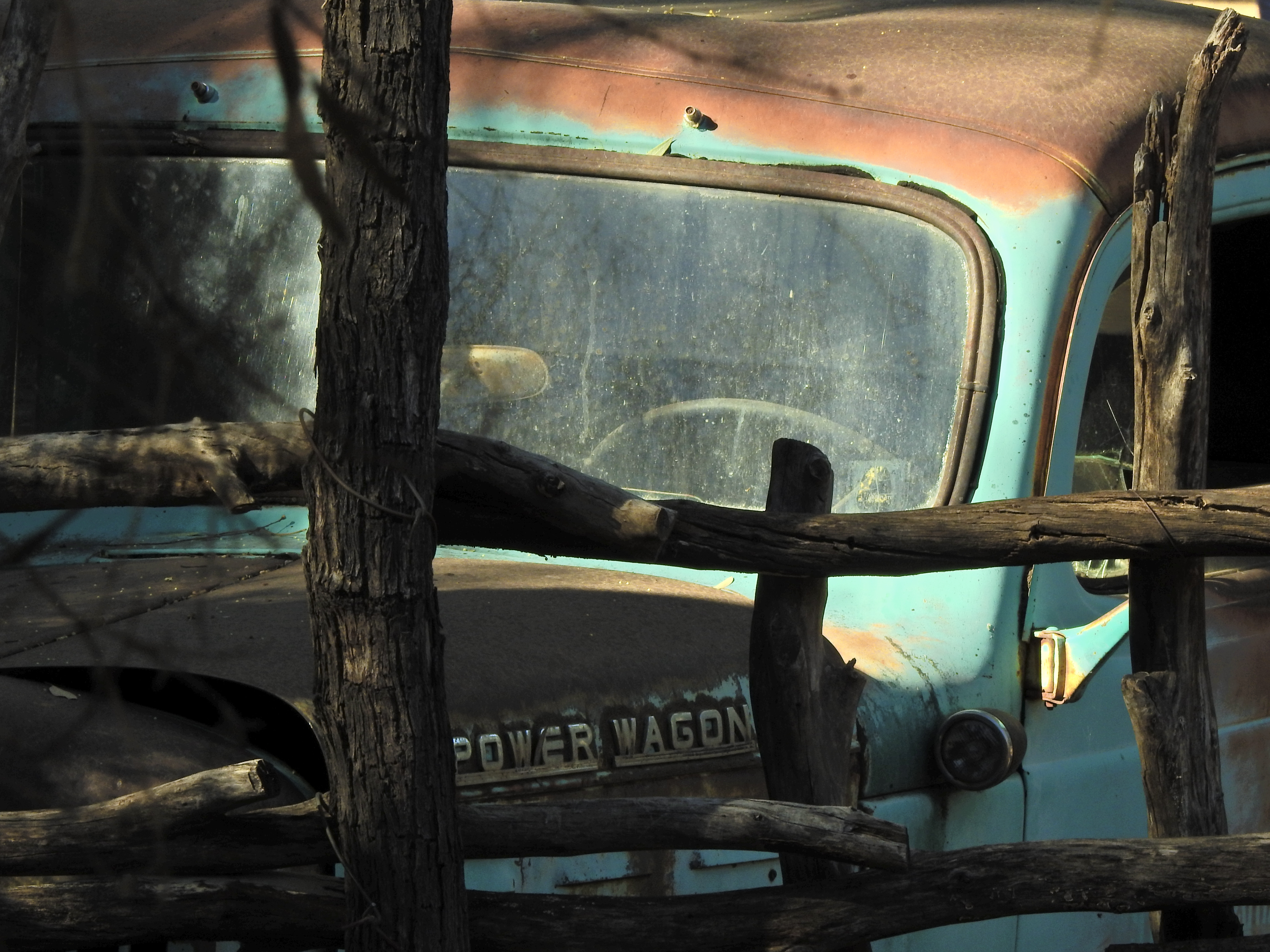
In The Corral For Keeps, 2021
Consider the automobile, a thing that is at once a utility, a medium for art, an environmental threat, a source of nostalgic glamour, and dozens of other things that wax and wane alongside us as we weave our way through our lives. There is, simultaneously, nothing more mundane and nothing more amazing than a car. It is a thing we made and which we are constantly remaking, and now, may also be a thing we are desperate to unmake.
All of this process, whether we are journaling our changing attitudes towards cars or carbs, creates opportunities for the visual artist. Photographs create a timeline, and, in so doing, graphically map the highs and lows of our loves/hates for everything that we encounter on a daily basis. The fact that we may now be entering the age of the Unmaking Of The Auto is cause for sadness, relief, and memory, but, above all, it is a new canvas upon which the photographer can re-interpret this strange relationship.
The idea here is not to set everyone out to catalogue every car on the road. The thing is, any part of our daily life that regularly changes in relation to ourselves can feed our imagination and yield great pictures. For some of us, that’s a building. For others, the evolution of a favored face over time. Your journey, your agenda. Cars are only things among other things, after all. And yet, through our lenses and eyes, they become part of a narrative about us at our most personal. And the best narratives make the best photographs.
WHO SHALL I SEND?
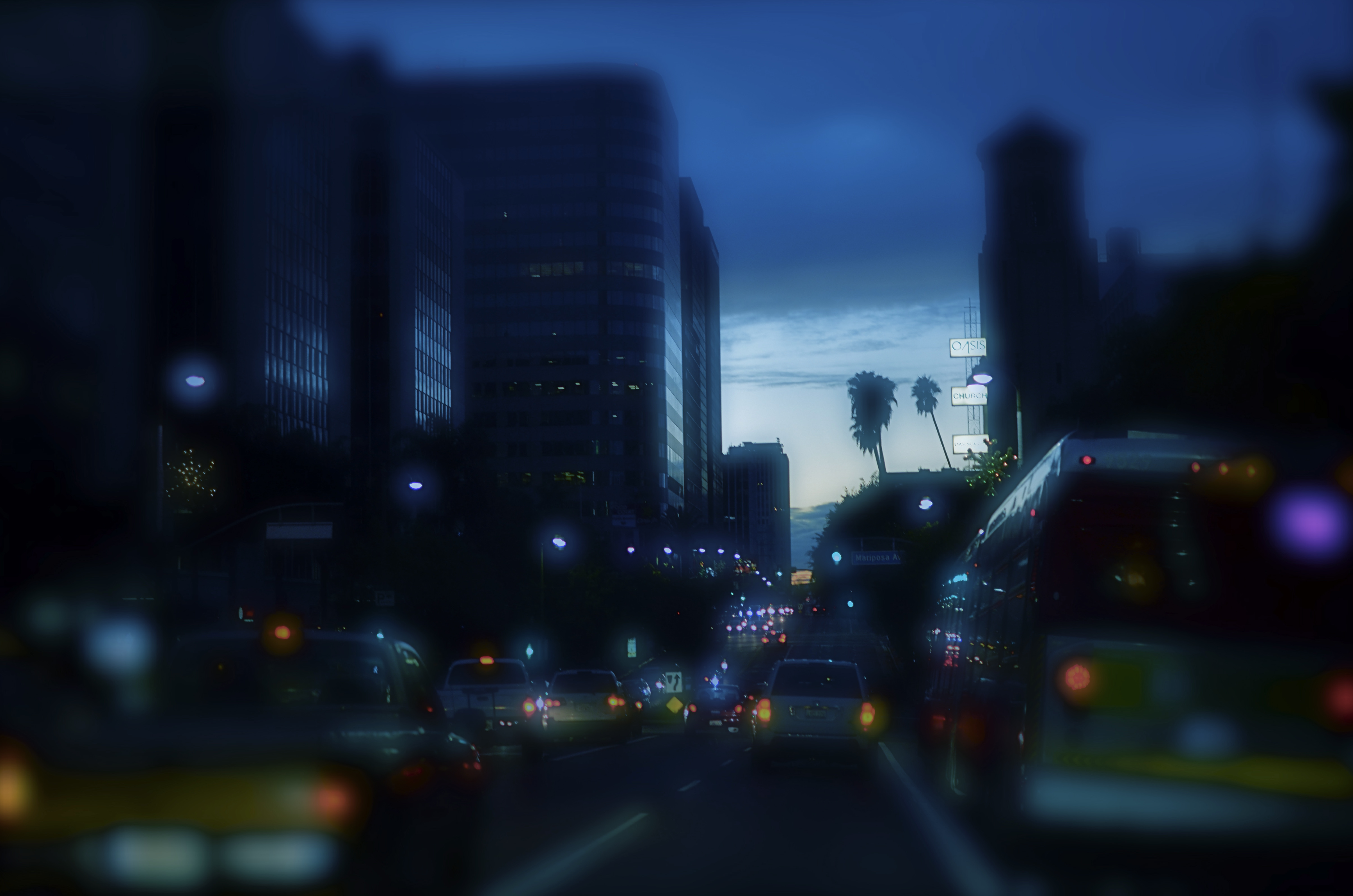
Central Los Angeles, 2013. Is color the right “messenger” for this night shot, or will the monochrome version, seen below, do the job more effectively?
By MICHAEL PERKINS
COMMUNICATION IS ABOUT TAILORING MESSAGES WITH THE MESSENGERS THAT DELIVER THEM. In conveying ideas and information, we work both to shape its content, and to send it under the care of the correct carrier. Some messages are best transmitted in pure sonic terms, fitting the formatics of, say, radio or telephone. Other have truer impact in visual media. And within the overall scope of visual media, in that special folder marked “photography”, we make additional choices. Because, even after we’ve chosen a still image to get our point across, there remain more specific decisions within that folder that may enhance the delivery of our idea. And the most fundamental of those decisions revolves around the simple choice of color/no color.
There certainly must be a reason why, more than 75 years into the era of convenient and available color media, many photographers still deliberately choose monochrome as their primary messenger. It can’t be merely for the novelty or nostalgia that it can evoke. Indeed, black and white is much, much more than the mere absence of the full color spectrum. We need to weigh this choice just as carefully as we do exposure or focus, because there is something about either option that describes an aesthetic, a way of seeing the world. You can probably recite the various claims yourself: color is more “natural” or “realistic”: b&w is more journalistic, authentic: mono streamlines the impact of an image, simplifying its readability without distraction: color allows the fine-tuning of mood. And so on.
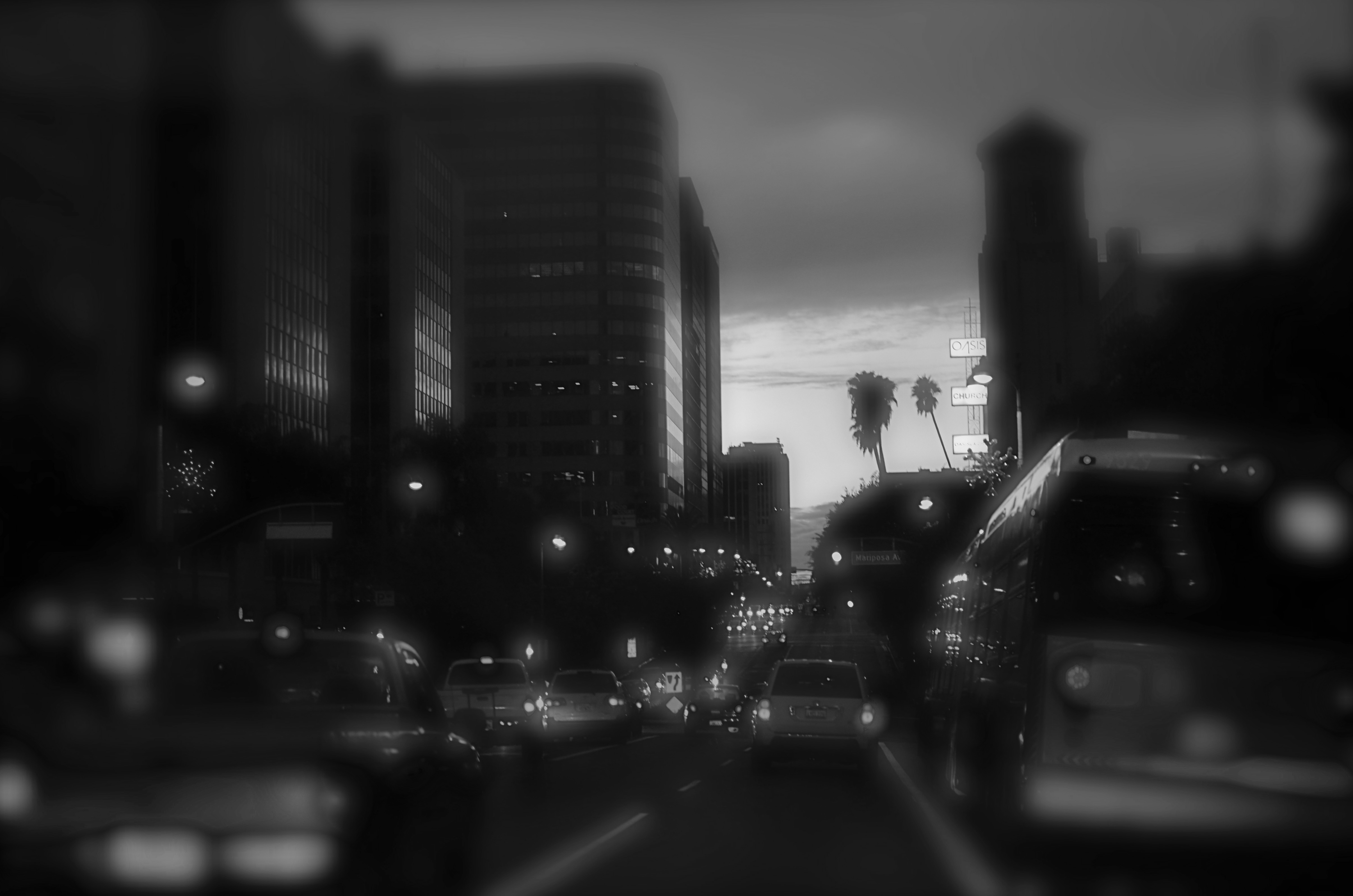
Is the absence of color here equal to the absence of impact?
Some of us shoot in mono as a default, while others master their images in color and make postmortem decisions to desaturate them in post. Some of us have returned to film, solely to reacquaint us with earlier colorless versions of our camera eye. Even in the age of full-color graphics in any and all publications, part of our monkey memory still imparts a certain authority to black and white, disdaining color as too “pretty” or decorative. The argument is endless.
My point here is that, since our cameras and apps can now make anything look like, well, anything, we need to examine the message we’re trying to transmit and match it as perfectly as we can to the messenger that best gets the idea across. We need to, as with the kings and emperors of old, ask not just about what we want to convey, but “who shall I send?”. We have more choices available to us than any other generation across the vast history of photography. We never need to weaken the power of our images by dressing them up in the wrong suit.
UNDERDOING
By MICHAEL PERKINS
OF ALL MY REGRETS AS TO WHY AN OLD PHOTOGRAPH CAME OUT WRONG, my usual default is the wish that I’d done a whole lot….less. In most cases in which a picture doesn’t age well with me, I don’t feel like I neglected to add just one more thing. Instead, I typically wish I’d left out five.
Over a lifetime as an illustrator, I should already know how easy it is to “overdraw”, to so exhaustively festoon a sketch with much detail and surplus “stuff” that it becomes claustrophobic. I had to learn that, of all my original pencil lines for a piece, only about a fifth of them should be inked permanently into the final rendering. So too with photographs. That’s why I almost always have to lock post-processing hardware out of my own reach, lest I gorge myself on it like a kid breaking into a candy store.
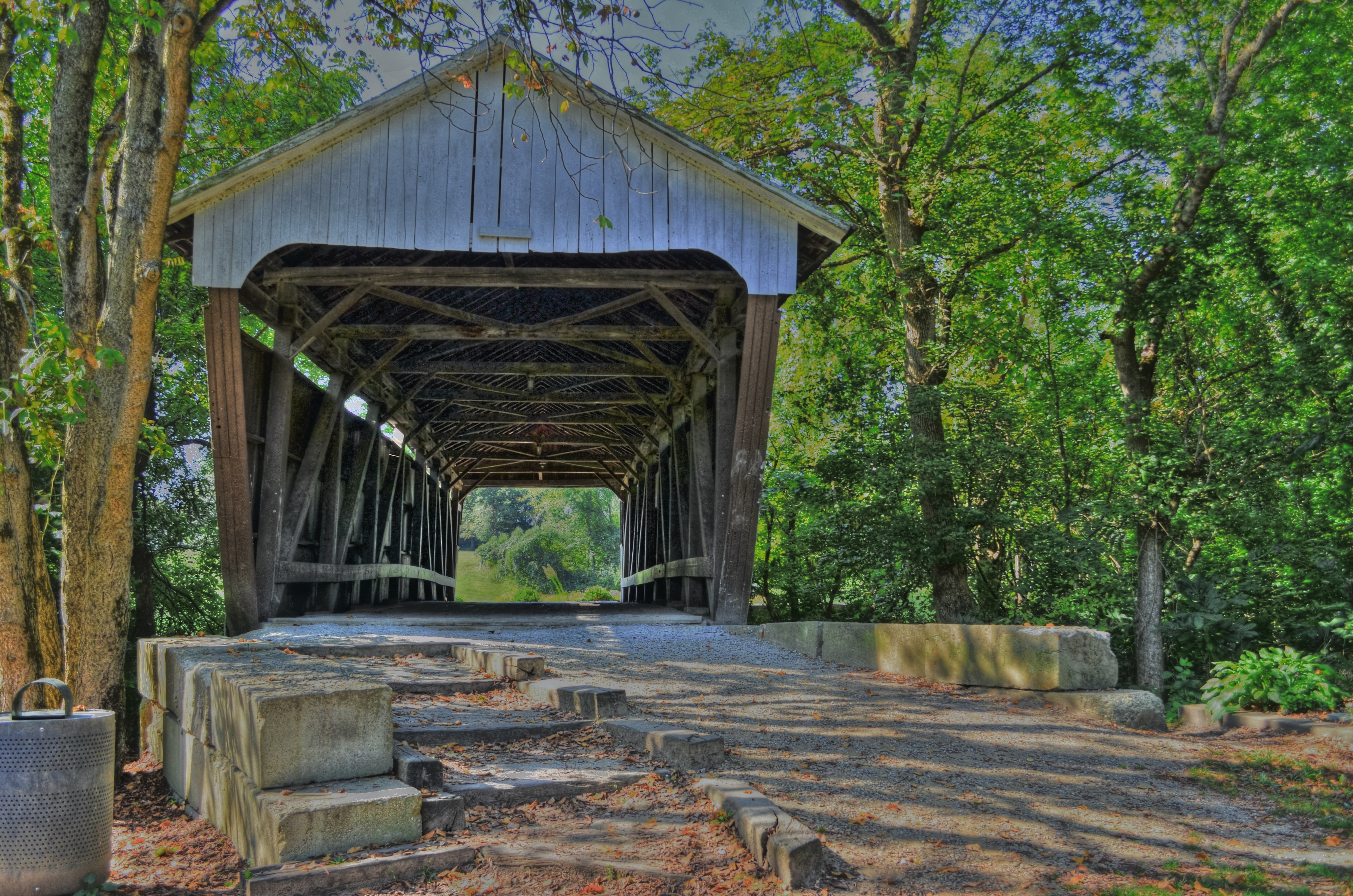
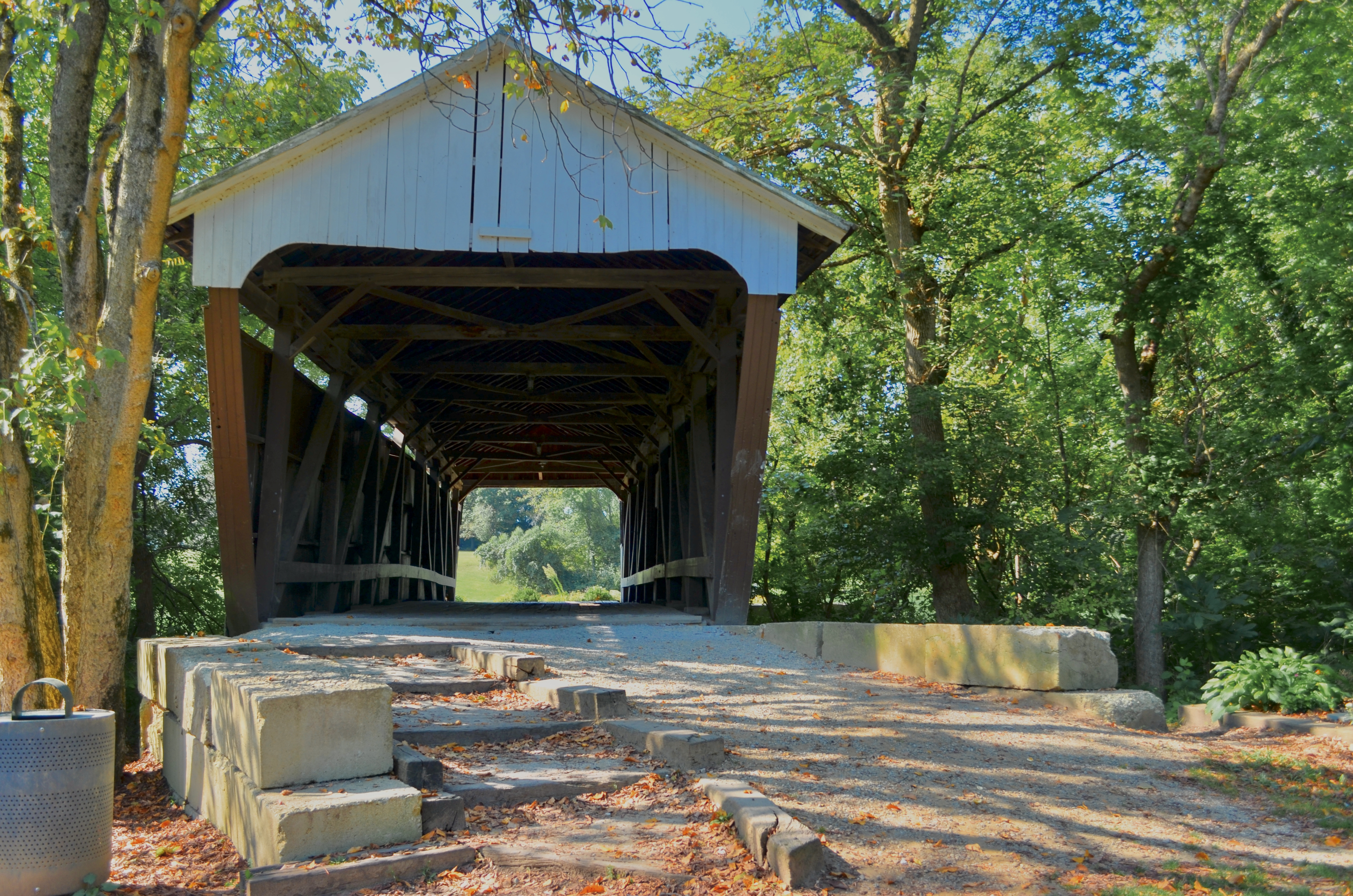
These two images show better than I can explain why I have to dose very sparingly on tweaking apps, at least if I want to streamline the effect of my pictures. In both frames seen here, I have tinkered after the snap, applying High Dynamic Range software in the first and Exposure Fusion in the second. The mission of the picture is ridiculously simple: to memorialize a charming old covered bridge and the surrounding scenery. That’s it. But a funny thing happened on the way to making that very basic picture.
HDR, developed to help compensate for the poor dynamic range of early digital cameras, was designed to rescue detail in the dark passages and dial back blowout in the lighter parts, typically by blending a series of bracketed exposures into a balanced composite. But it also could over-emphasize details, making the grit grittier and the wood grain woodgrainier, all with the unwanted result of upstaging the central impact of the picture. Moreover, it tended to amp up color saturation, which delivered a surreal, lit-from-behind quality. Hence, all but the most restrained users of HDR found it far too easy to keep even simple compositions from morphing into some kinda gooey ’60’s drug poster, and I was, predictably, far from restrained in its use. Ick.
Exposure Fusion, by contrast, doesn’t overly accentuate detail, doesn’t produce day-glo colors, and produces a more natural look overall. It does what HDR does in fewer steps and produces a far less hyperbolic result. Note: this is not an article advocating either type of processing, although there are excellent online articles comparing them, such as this one from the editors of Photofocus. Still, since I have created both okay and tres-awful shots with both tools, this demo shows what can happen when you overthink, over-process, or otherwise glop up a picture. Find what’s essential in your narrative and deliver just that, then pull up your wheels before you crash in a sea of your own artiness. We all know what “overdoing it” means. Over time as photographers, we need to learn how good underdoing can feel as well.
CHARGING THE BATTERY
By MICHAEL PERKINS
THERE IS NO SINGLE GUARANTEED SPARK for the creative process. As photographers, we move through the world on completely random tracks, and so there can be no set order for the things we will see, what their impact will be upon us, or indeed whether they will register with us at all. The development of a photographic “eye” is uneven and happens in fits and starts, not as a steady uphill climb from ignorance to enlightenment. Understandably, we all have different poets, or guides, that speak to us in this process.
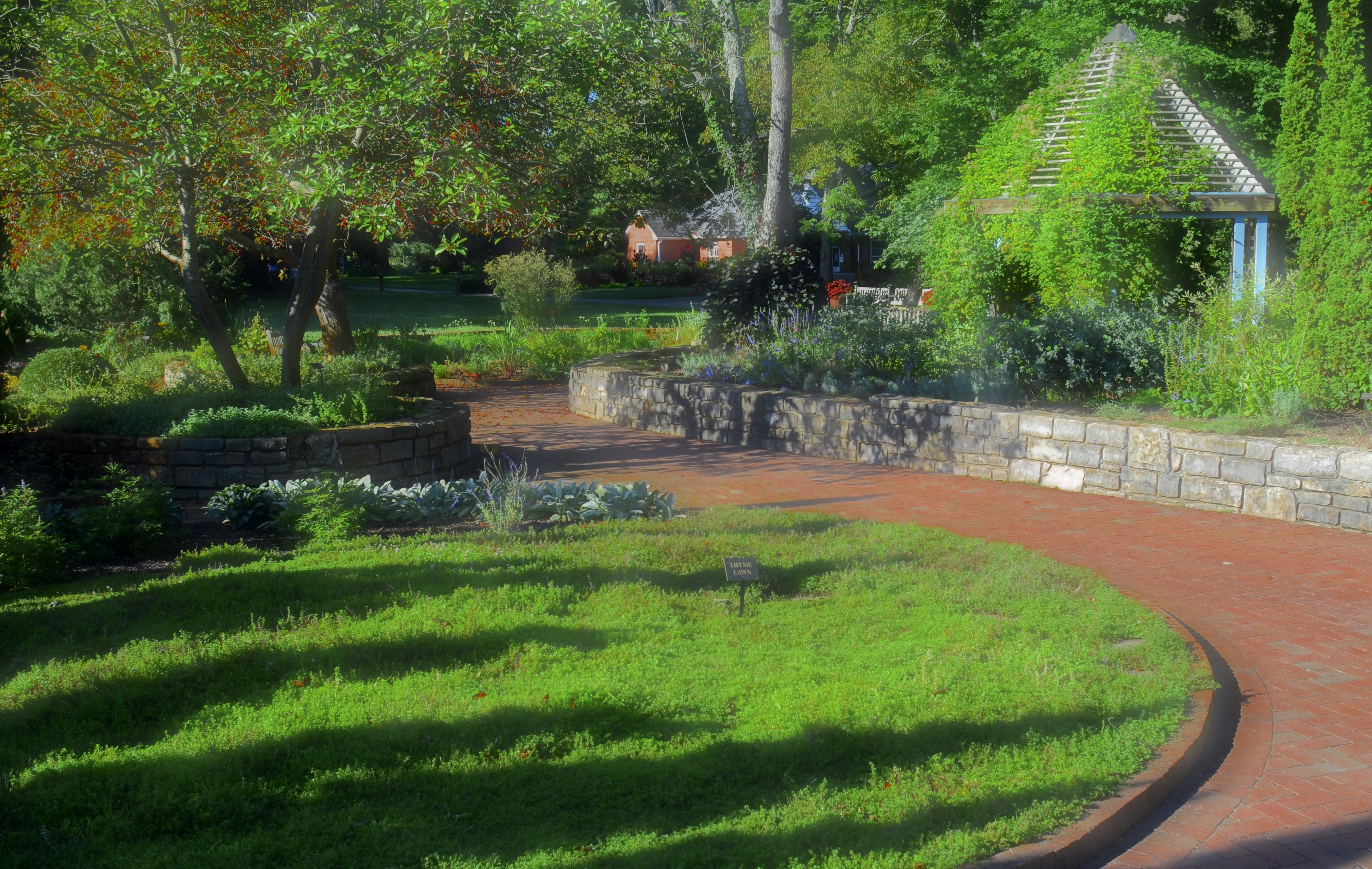
It’s certainly not a stretch to connect Henry David Thoreau with contemplation, as well as the search for one’s role in the natural world. But maybe you’re not a tree and flower person. Maybe your Thoreau is found in a quiet room, or a back street, or the face of someone you love. The main thing is that, in the act of making images, we all choose influencers, teachers, gurus. Something someone did or said sometime leaves its mark on us. So forgive the decidedly “nature-y” bias of the image seen here, as well as the several sayings by Mr. T. listed below. They work well in tandem for me, but I think they also may remind you of your own personal guidepost, be it person or thing. Something lit the spark in you to make you want to capture light in a box in your very singular. Listen to that voice, and let it both anchor you and set you free.
Semi-photographic philosopher’s stones from the Laureate of Walden:
It’s not what you look at that matters, it’s what you see.
You must live in the present, launch yourself on every wave, find your eternity in each moment.
Nature will bear the closest inspection. She invites us to lay our eye level with her smallest leaf, and take an insect view of its plain.
There is no value in life except what you choose to place upon it and no happiness in any place except what you bring to it yourself.
and, finally, one that makes all the difference, whether you are clicking a camera shutter or building a tower:
Make the most of your regrets; never smother your sorrow, but tend and cherish it till it comes to have a separate and integral interest. To regret deeply is to live afresh.
COLOUR MY WORLD (OR NOT)
By MICHAEL PERKINS
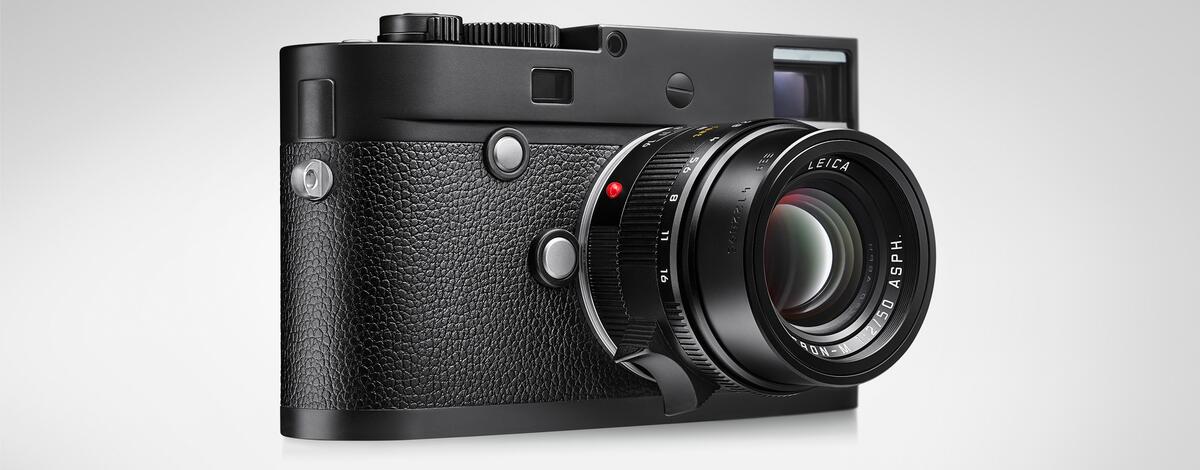
This camera costs $8,995 and cannot, will not ever, take a color image. How many would you like?
EVERY PHOTOGRAPH EVER CREATED BY A DIGITAL CAMERA, regardless of subject, technique or approach, begins as the very same thing: a black-and-white image. Even in an era of saturated and custom-manipulated color, our cameras originally create everything in tones of grey. Aesthetically speaking, that’s about as hard-wired a bias toward monochrome as you can imagine. And this means exactly what, and to who?
The science of how this happens is all rather basic, at least in the horrendously oversimplified way I’m going to explain it. In addition to the camera’s pixel-covered sensor, that assigns tonal value for a photo file in black and white, there is, in most cameras, a second sandwich layer, called a Bayer filter array, that combines with the sensor to assign color to those tones. This all happens without many of us giving it much thought, since black and white, at least mentally, is no longer the default mode for most of us, merely an effect that we achieve either by changing a setting on the camera’s shooting menu or converting color shots to b/w in post-production after the fact.
Where this gets interesting is when an affection for both mono and technical perfection meets the niche camera market, resulting in the creation of cameras that shoot nothing but black-and-white, inciting some wags to intone, “at last!” while many others query, “what are you, nuts?” Those who vote with the skeptics point to the fact that the pro-sumers who opt for such a machine, such as Leica’s M10 Monochrom, will part with nearly nine thousand clams for the privilege of enjoying one less feature than even the cheapest camera delivers. Wait, they say. You took something away from the camera and you’re charging more for it? Well, I gotta bridge I wanna sell ya…
On the pro-sumer’s side of the argument is the trickier, tech-ier underbelly of the issue. Turns out that the Bayer array actually degrades your images, reducing the amount of light that gets to the final file, compromising both sharpness and ISO performance in low-light situations. That in turn means that removing the Bayer array from the camera boosts its fidelity in a significant way, resulting in less loss in both cropped images and enlargements. Do these benefits register as must-haves for the average shooter? Does the romance of shooting in black-and-white only, which, as we’ve pointed out, used to be the default status of all cameras way back when, still have the allure that it once did, and for how many consumers? This is the part of the program where you do your own math and makes your own choice.
Now, let’s be honest. I love me some elite toys, especially the ones I would never, in a million years, actually purchase. I love $3,000 direct-drive analog turntables mounted in virgin-forest koa. I love $500 counter-top appliances that only de-vein and parboil jumbo shrimp. But the turntable can’t make my old Black Sabbath albums any better musically (nothing can, sadly), not can the shrimp gadget confer Wolfgang Puck status on my random kitchen meanderings. Could I take better pictures (whatever that phrase means) with the most technically advanced camera on the planet? Only if I can take good pictures with anything, from a cigar box pinhole to a NASA telescope. And, if you spend years failing to develop the eye for making pictures that connect with people, it takes more than a $9,000 bandaid to make that not be so.
FALLING IN AND OUT OF LIKE
By MICHAEL PERKINS
THEY’RE LINE CALLS, COIN TOSSES between success and failure, those thousands of photographs we generate over a lifetime that never quite stray into complete wretchedness or float all the way up to Beloved status. They float languidly in the vast midrange between the delightful and the awful that makes up most of our pictorial output, earning faint praise like “pretty good”, “not bad” or my favorite, “yeah, that’s OK.” They are the pictures that we fall “in like” with.
Sometimes I find it easier to cope with my absolute garbage than with the massive mound of mediocrity that occupies the middle floors of my personal output. At least the photos I took while swinging wildly for the fences show commitment, however misguided. After all in even my worst failures, there is also a trace of my grandest dreams, whereas the thousands of “good enough” shots show neither the wild abandon of going for broke or the grand miracle of high art. They’re just….there. Somebody cue the poet with the line about faint heart n’er winning fair lady, or something high-toned like that.
There are those who might even regard the mushy mediocre middle of their total photographic portfolio as just as worthless as their Total Misses, but I maintain that the stuff in the gooey center of our work files is exactly half-good, as well as half-bad. In fact, that’s the maddening thing about “OK” pictures. They never get where they’re headed.
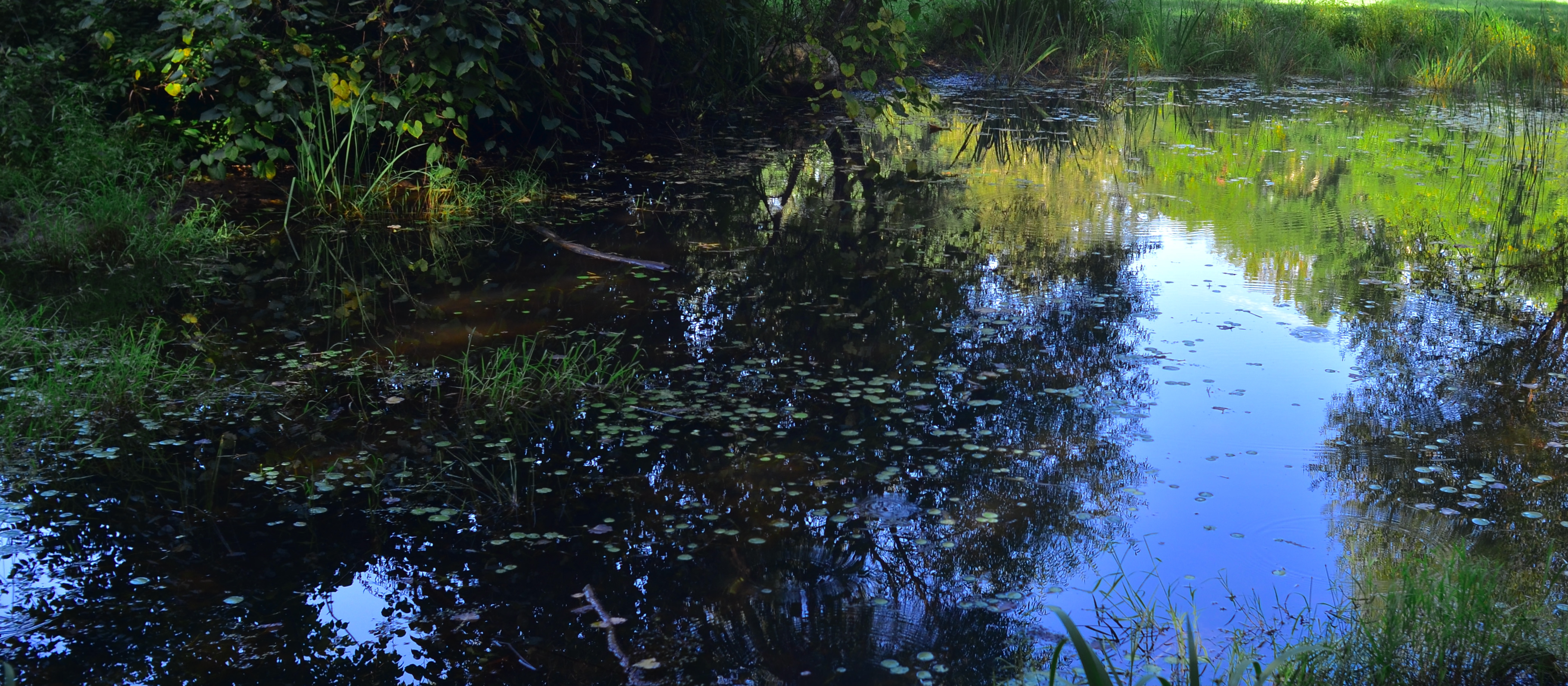
The image seen here is a prime example of a picture that’s suspended between the goal posts. It’s almost well-composed, as well as almost fluid in dynamic range, almost texturally rich, almost, well a lot of things. It isn’t quite a stinker, but it also certainly isn’t a stunner. And as meh as you see it here, the original, wider shot was even more indecisive, with hot blowouts of the shoreline that were later cropped away and just too much information for a coherent narrative. And yet, I have spent the better part of three weeks trying to remain “in like” with the shot, trying to convince myself that it’s more successful than it is.
Of course, just as is the case with an abject failure, this shot is worth keeping. Because every failure is instructive to some degree, and the fact that I’m able to diagnose what kept the image from being good means I’ve already mined it for any clues on where improvement is needed. It just doesn’t need to be paraded around, that’s all. Plus, if nothing else, middling shots hone our editorial skills, since we have no business posting or boasting every single time we click the shutter.
Speaking of clicks, I recently determined that there have been over 130,000 of them on the camera that took this shot. Where does the time go? I “shutter” to think how many of those snaps added shame fodder to my lifetime hit/miss average. But, oh well. I think of the farmers in the Great Plains in the days of the Dust Bowl, living harvest-to-harvest in an insane state of constant gamble, who, in describing how they summoned the hope to go on, nicknamed themselves the “Next Year People”. When will I deliver on the unrealized promise of all my most mediocre shots? Next year, people.
SHOOTING SLOP
By MICHAEL PERKINS
ONE OF THE GREAT TAKEAWAYS OF THE DIGITAL ERA IN PHOTOGRAPHY is how it has greatly expanded our freedom to make mistakes, or, more precisely, how it gave us permission to make more of them.
I say, with absolutely no attempt at snark or cynicism, that the ability to take a lot of bad pictures is tremendously liberating. Mind you, the desired end product of our photography remains a body of work that we’ll point to with a modicum of pride. What’s changed is how much faster we can now evolve through all the layers of errors and bad choices that, in the days of film, used to take us years and big dollars to navigate. Now, we can simply afford to make more mistakes, faster and cheaper, than at any other time in history. More importantly, this gives us essential feedback in real time, information that is delivered to us while our subjects remain at hand and our memories remain fresh. That is a real game-changer.
Still, it’s important that we take real advantage of this great freedom, going so far as to embrace, even welcome, errors that we used to try to avoid at all costs. Instead of the mental pressure of making every shot count, we need to first be comfortable with what I call “shooting slop”, of going out for days or even weeks on end trying to anticipate everything that can go wrong with a picture, actually do many things recklessly or without purpose, and be ready to write off every image in an outing as part of the learning curve. I especially recommend this anytime you switch cameras, reacquaint yourself with an old piece of gear, or attempt to master a new lens.
When you’re adding something new to your technique or kit, you’re going to screw up a certain number of shots anyway, so why not invest some time trying everything, shooting with no set purpose or objective in mind, and be okay with burning off all those loser frames in preparation for the day when the shooting will really count? This sounds simple, but, in practice, it takes as much discipline to shoot a whole day of slop as it does to pursue a Pulitzer Prize winner.
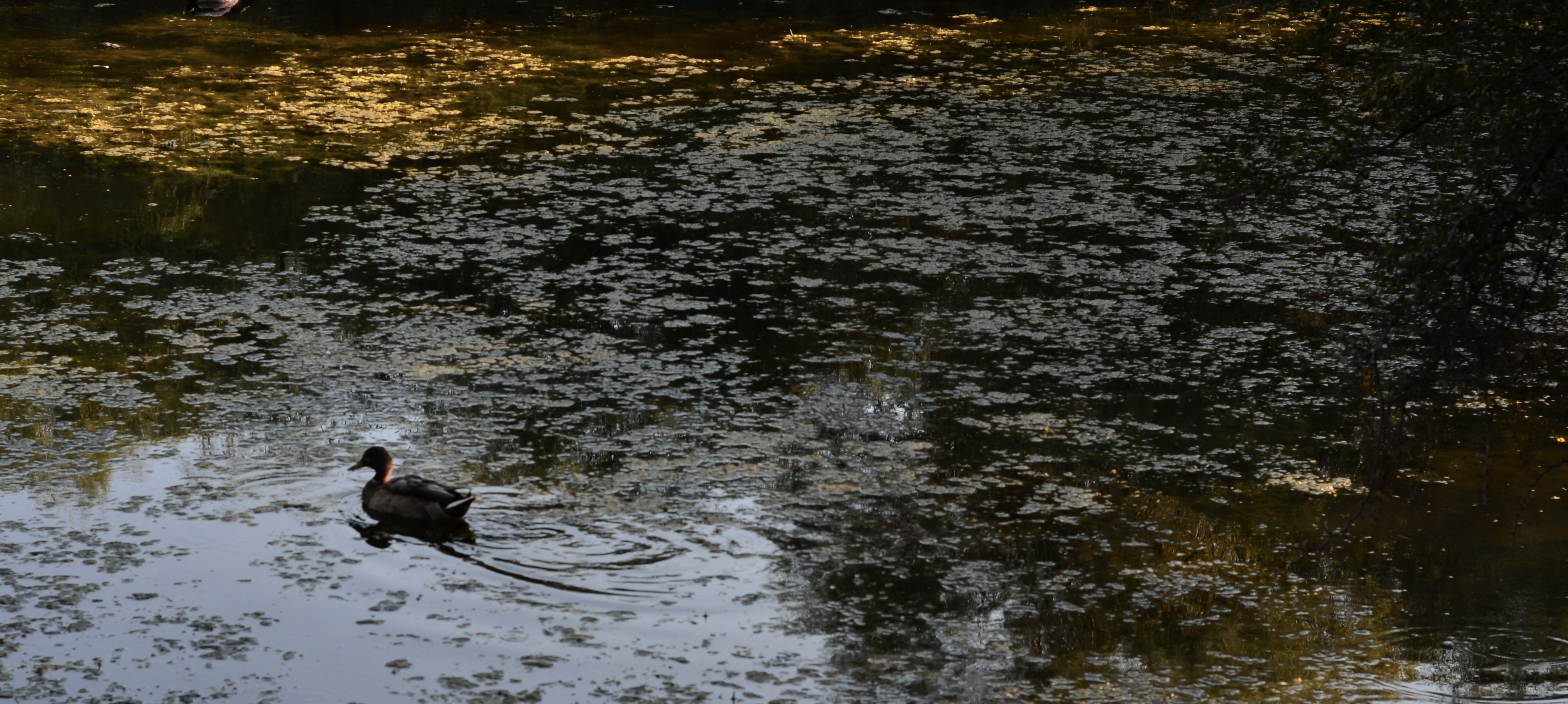
The frame you see here is from part of a two week break-in period that I’ve undertaken with an old Nikkor 50mm f/1.8 lens, known colloquially as “the pancake” because of its low profile and compact size. It’s one of many, many excellent Nikon 50mm primes made over half a century, many of which I’ve already shot extensively with. But just as all of your kids has a distinct personally, the pancake, which was never marketed extensively outside of Japan, has its own “take” on things like, well, focus.
Don’t get me wrong: when you use this sucker correctly, it’s as sharp as a razor. It’s just that, after some forty years of use, some play has naturally have worked into my lens’ focus ring, so that, as you see here, merely setting a distant subject for infinity can actually take you a little bit back into blur, so that I have to, in effect, dial the ring back a smidge to get something sharp, which this shot certainly is not. But hey, it’s “shooting slop day”, where I’m in an environment that I’ve already visited a thousand times, and from which I’ve already gleaned some really good pictures. The stuff I’m shooting today just doesn’t matter.
Except it does.
And that’s my whole sermon. Fall in love with the making of pictures that you won’t fall in love with. It’s the surest route to getting to the ones you will swoon over in a lot less time. Or, to my original metaphor, you can’t become a gourmet chef until you’ve rustled up a big helping of slop.
CRUMB TRAILS
MY MOTHER IS NOW APPROACHING NINETY, and must thus be coaxed into being photographed. Good sport that she is, she can be cajoled into the occasional holiday snap here and there, but, by and large she regards sitting for the camera in the same way that she views all the other rigors and indignities of age, as a nuisance that must be endured. She has forgotten how beautiful she has been in every stage of her life, and mistakenly believes that we only want to see her as she once was, when, in reality, all we really want to do is…..see her.
As a consequence, I have taken to photographing objects that echo her presence, and, in some way, define her life as it is right now. She may, herself, be reluctant to pose, but the things she touches and uses regularly bear unmistakable elements of her, however subtle. We are long accustomed to the process of summoning the departed through contact with what they have left behind, be it jewelry, clothing, personal mementoes, or even other photographs. This was the essence of Annie Liebovitz’ amazing book Pilgrimage, her collection of images of the workday property, costumes, and physical spaces associated with Abraham Lincoln, Emily Dickinson and other essential Americans who left long before any of us living could encounter them through anything else but….things. But in the in case of our own long-living relatives still present, we can conjure their spirit in the items they use on a daily basis even as they themselves remain available to us. That affords us an amazing additional basis for comparison.
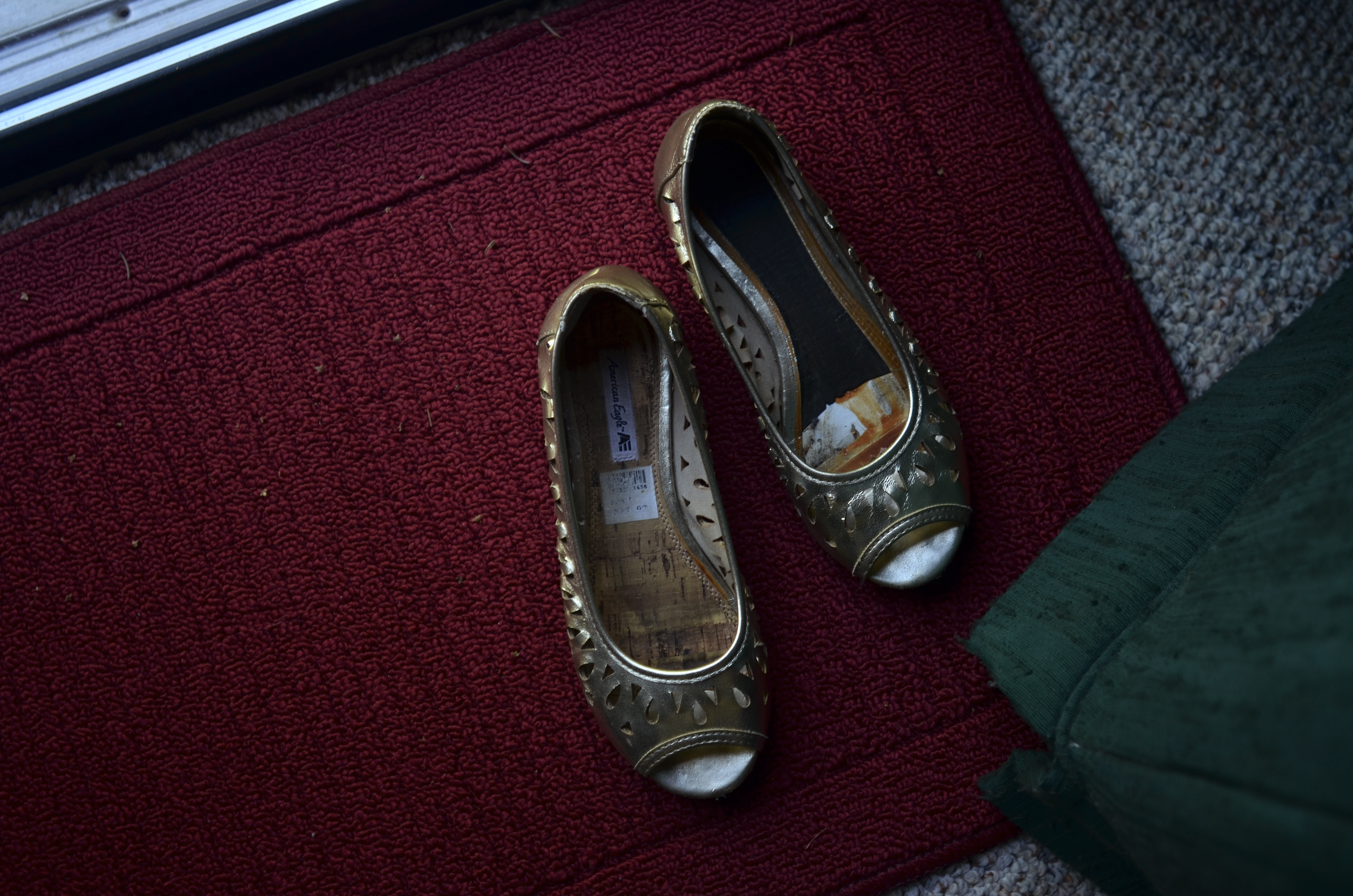
These are my mother’s casual slippers. She mostly uses them to walk out onto her rear deck for some sunshine and meditation. They are not fancy shoes in any sense. The uneven pattern of wear in them reflects the very real work required for her to move herself from one point to another, and so I wanted that to show. I also like the fact that they are not so very plain, that at least a little of the style and elegance which has always been a comfort to her continues to deliver that very human dividend. She could never wear Keds or clogs, even in the privacy of her own home. As Auntie Mame famously said, “life is a banquet, and most poor bastards are starving to death.” Mame and my mother would have found common ground on the basics of Living The Life Exuberant. So let the insides show a little fatigue. Outside, there is always room for a little glamour.
And so, in pursuit of photographs like this one, I want to spend every visit with her and my father finding all the things in the house that bespeak them, all the worn/fancy slippers that bear witness to lives that are a delicate high-wire act between the sparkle of their youth and the gravity of their final innings. That is a complicated thing to show visually, and I will need to call on every skill I possess to get it right. But that is certainly the essence of being a good photographer, and the happy/heartbreaking role of a good son.
HEADING INSIDE
By MICHAEL PERKINS
THE RECENT HISTORICAL SHIFT FROM ANALOG TO DIGITAL in photographic tech seems, on the surface, merely an evolution in image storage, or the shift from film to memory cards. However, looking back thirty years on, it’s actually about a whole series of reinventions, with few present-day photo systems left untouched by the revolution. One huge difference I notice more and more is the camera’s journey from an externally-driven device to an internal one.
Consider: in the analog era, new or emerging widgets or functions were introduced as outside add-ons to the camera. Flash was originally achieved with the addition of a whole extra arm and bracket. Automatic winding of film was first achieved by bolting on an auxiliary cradle that contained batteries and gears to engage with the camera’s internal systems. Light meters were separate devices. Lens effects were modified externally with the attachment of screw-on filters. Even before the arrival of digital tech, all these functions and more were engineered to become integral to the camera: in short, they headed inside. This trend accelerated tenfold as the film era ended, and we are still in the sweep of that enormous surge today.
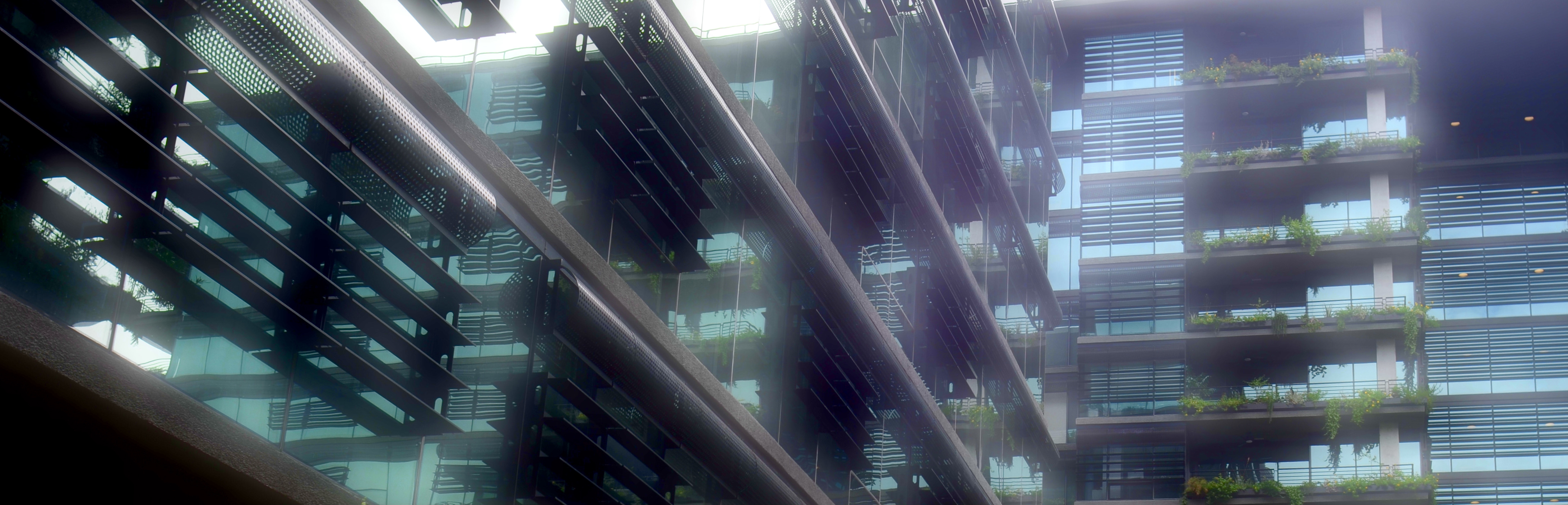
Above: a cheap and easy softening effect, done in-camera in a few seconds, but somewhat buried within several layers of your device’s submenu listings.
As computers have become more and more compact, it’s become easier to move more and more functions inside the camera, rendering many old external attachments obsolete and allowing designs to be smaller and sleeker, hence more portable. In the case of mobile phone cameras, even the physical bulk of the lens has been re-engineered into virtual invisibility. Here’s the tricky part: cameras are now packed with so many options that it’s possible to shoot with our devices for years and not only not use all of said options, but to actually be unaware that they’re on offer. User manuals now largely exist as virtual downloads, meaning that many of us don’t read the entire thing, and so it’s not unusual to fall into the habit of using the same ten basic functions for everything, and forgetting that a solution to a particular shooting problem lies mere inches away, tucked inside a menu sub-folder.
As an example, I had to be reminded that the image seen here was cheap and easy to achieve, since it’s just a quick application of an artificial softening filter within the “filter” submenu of my Nikon’s “retouch” folder. The effect was easier to control than with an old-school screw-on filter, and cost me nothing to try. Consider how many even more exotic controls and effects lie essentially hidden within the guts of even the most modest digital camera, and you can see how mastery of our increasingly more sophisticated devices can be elusive if we don’t take the extra steps to learn how seamlessly they’ve been woven into our camera’s vast inventory of tools. The move from the bulky add-on appendages of yesteryear is a blessing, but only if we understand how manufacturers have solved the same old problems that used to be tackled outside by brilliantly heading inside.
THE WOVEN THREAD
By MICHAEL PERKINS
JUST AS WE DRAW A HARD MENTAL LINE BETWEEN LIFE AND DEATH, so do we place a physical boundary between the areas where life proceeds apace and the sites where we mark its cessation. Cemeteries are perhaps the most obvious marker of this line between sun and shadow, defined by iron gates, serene gardens, engraved tributes, contemplation. Out there, the world goes on. In here, remembrance, not substance, defines reality.
Take a camera across the country one small town at a time, however, and you will see how our relationship to the departed has changed…has been, in effect, geographically outsourced. Graveyards, once a component in daily town life, are increasingly out in the country, in a dedicated park, somewhere else. Prior to the 19th century, people were interred close to where they lived, the echoes of their journeys woven like a thread into the pattern of their native villages, just as naturally as a church or a general store. Over the years, however, something changed. Graveyards started to be deliberately designed, becoming some cities’ first de facto public parks, as well as their earliest conservatories or sculpted gardens. They began to be concentrated away from the centers of towns, the dead being less and less a daily visual reminder of the local history or continuity.
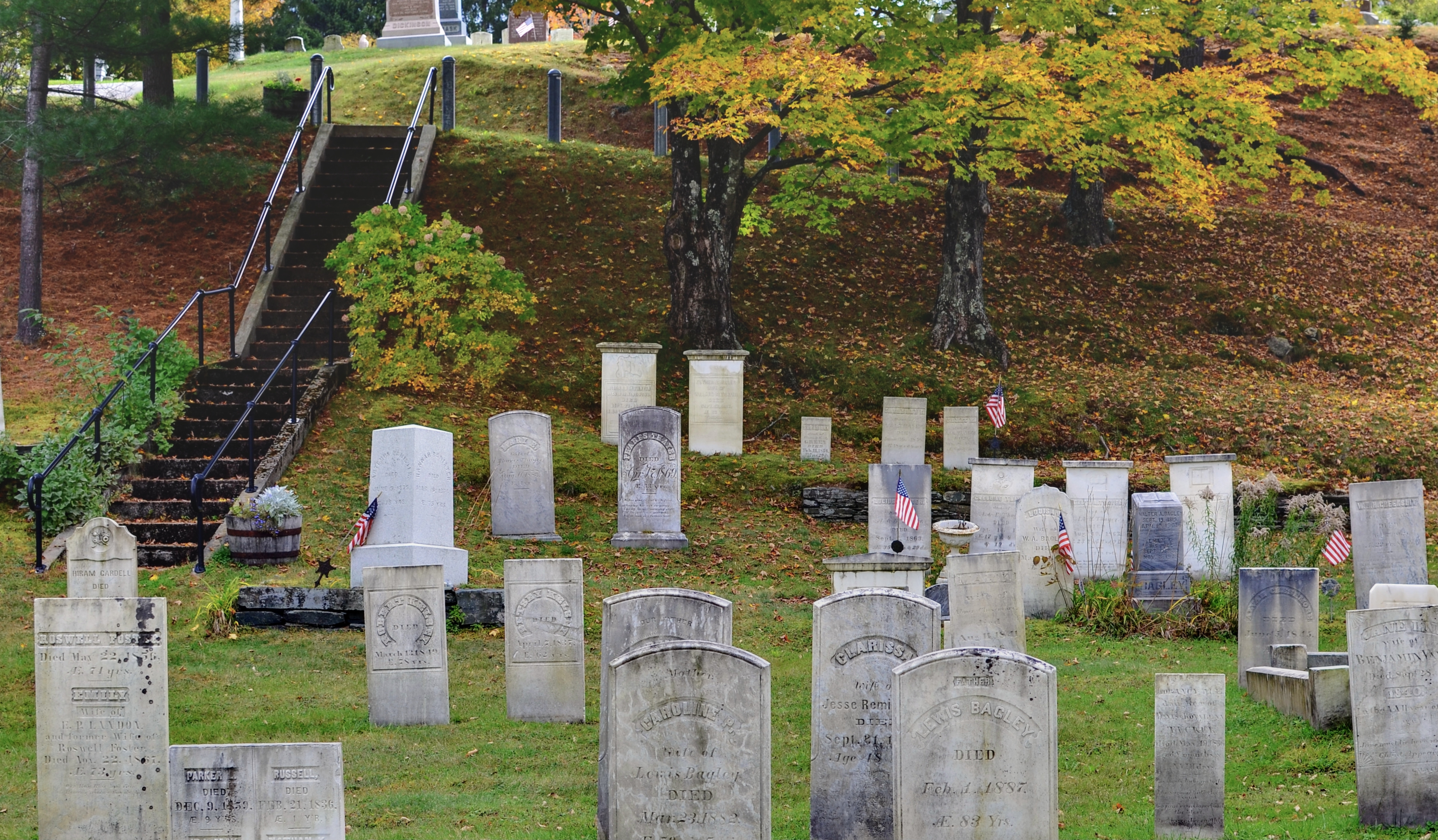
Places like this local graveyard in Vermont are gradually vanishing from the American scene. Markers decay and crumble: valuable in-town land is negotiated, litigated, re-purposed. As a consequence, fewer and fewer cities of any size still bear monuments from the 1800’s, along with the historically unique elements of their design and sentiments. When I come across one, I am keenly aware that I am seeing something that is going the way of the dodo, and I stop. Extinctions, either human or institutional, are fascinating things, and walks within these spaces feel a bit less commercial or industrial than in the sites’ present-day “shady acres” equivalents. In such cases, the camera is meant to be a registrar, rather than an intruder. Cameras are certainly for things that are happening right now. But they are also a way to hedge our bet a little against the things which will soon happen no more.
ARRIVING AT SERIOUS
BY MICHAEL PERKINS
THE CAMERA THAT YOU MOST COMFORTABLY DEFAULT TO in nearly every shooting situation is, by any working definition, your “real” camera, regardless of format, age, size, or the opinion of any other photographer on the planet. You, as I, have heard many a reference made by shooters to cameras “that I use for serious pictures”, a phrase which betrays our inherited classism as to what constitutes a worthy piece of kit. It also betrays how rigid we are in our thinking, since any box that captures and refines light is a camera, whether it’s a Leica or a repurposed tomato can.
Of course, there’s a difference between what we know intellectually and what we “know” emotionally. At the beginning of the digital era, some of us that were raised on film felt as if we had to actually “justify” using them newfangled cameras with their zeroes and ones and pixels. That embarrassment was eventually replaced by another, as we seemed to need to explain why we chose images taken with a Samsung instead of a Sony. And now, with cels becoming daily shooters for millions of us, that final bit of internal camera-shaming might actually be drawing to a close.
You may actually be able to pinpoint the exact moment that you began to regard your phone as just as “real” a camera as your other models. That moment may have come about as a consequence of cost, or convenience, or pure accident, or it may simply have happened because your iPhone just began giving you consistently great results. In my own case, my cel photos began, over the past few years, to be used more often as the “official” recording of an event on social media (including this platform), as I began to not need to use my more fully-featured gear to make the so-called “actual” representation of an idea. It hasn’t happened completely: I still tend to make my “preliminary” or “sketch” versions of an idea on the phone, then render what I consider the finished product on my DLSRs. But the cel is nosing out its older brother with greater and greater frequency.
As I write this, I am finishing out an extremely long stretch away from home, and have used the extra alone time to observe how many times I have opted for daily posting of cel images of key subjects for the immediacy and ease of keeping my online presences current, rather than waiting to return home and post the “real” DSLR versions of the same things at a later date. The above image, created and refined completely on my SE, is an example of such. I like the traditional DSLR version, but this one was more emotionally… immediate.
Let’s be honest: I may never get to the point where I literally leave all my traditional stuff in the hotel room and go shoot something “crucial” armed only with my iPhone. However, I am now comfortable with going for longer stretches working only with what’s in my pocket, and the idea of letting my cel have the final say on the nature of a picture is, at least, no longer unthinkable for me. And I fully realize how many zillions of others have already reached that point, and thus, how pathetically backward some of this post might make me seem. But I am slowly, nervously, trying to convince myself (and others) that you can, in fact, teach an old photog new tricks.
ONE SURVIVOR AT A TIME
By MICHAEL PERKINS
WE CONTINUE TO SELECTIVELY MOVE IN AND OUT of isolation in this, the second year of The Great Hibernation, getting used to being around each other again, yet reflexively prepared to break off from each other and return to our respective safe corners. It’s a strange and vague situation in which to find ourselves, and our images, as always, reflect that uncertainty.
Aside from the familiar pictures that have been generated by the media to ”officially” depict our delicate status during the crisis, there are also the personal visions, the random things we see that can be repurposed to show how we’re feeling. These can seem to be very ordinary things at first, but as photographers we find our eye “translating” them into something symbolic of our own inner dialogue.
Sometimes, it can just start with a single car. And an impending rainstorm.

It really is the thing of a moment. In the case of this picture, for example, it can simply mean being stuck in stop-start rush hour traffic moving toward an increasingly angry sky. Within minutes, the wind would begin slinging sheets of water sideways, my wipers struggling to keep up. But in between those two moments, I would feel the urge to capture what I saw as a measure of how vulnerable life has rendered us all, awed and helpless before the force, and whim, of nature.
We make pictures to map all our emotions, for good or ill, and the purer and more direct we reflect those feelings, the more powerful and immediate those images become.
 thenormaleye