CHARGING THE BATTERY
By MICHAEL PERKINS
THERE IS NO SINGLE GUARANTEED SPARK for the creative process. As photographers, we move through the world on completely random tracks, and so there can be no set order for the things we will see, what their impact will be upon us, or indeed whether they will register with us at all. The development of a photographic “eye” is uneven and happens in fits and starts, not as a steady uphill climb from ignorance to enlightenment. Understandably, we all have different poets, or guides, that speak to us in this process.
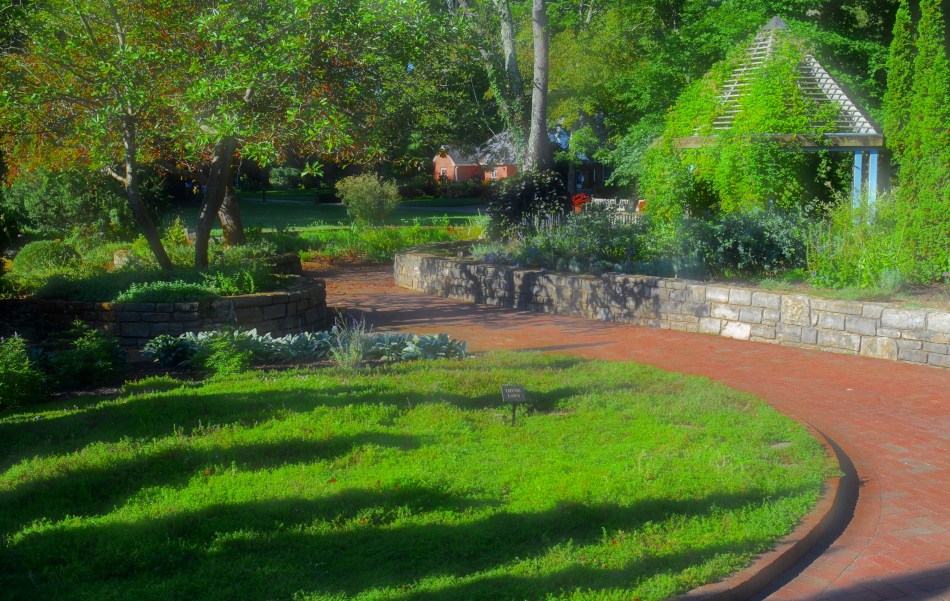
It’s certainly not a stretch to connect Henry David Thoreau with contemplation, as well as the search for one’s role in the natural world. But maybe you’re not a tree and flower person. Maybe your Thoreau is found in a quiet room, or a back street, or the face of someone you love. The main thing is that, in the act of making images, we all choose influencers, teachers, gurus. Something someone did or said sometime leaves its mark on us. So forgive the decidedly “nature-y” bias of the image seen here, as well as the several sayings by Mr. T. listed below. They work well in tandem for me, but I think they also may remind you of your own personal guidepost, be it person or thing. Something lit the spark in you to make you want to capture light in a box in your very singular. Listen to that voice, and let it both anchor you and set you free.
Semi-photographic philosopher’s stones from the Laureate of Walden:
It’s not what you look at that matters, it’s what you see.
You must live in the present, launch yourself on every wave, find your eternity in each moment.
Nature will bear the closest inspection. She invites us to lay our eye level with her smallest leaf, and take an insect view of its plain.
There is no value in life except what you choose to place upon it and no happiness in any place except what you bring to it yourself.
and, finally, one that makes all the difference, whether you are clicking a camera shutter or building a tower:
Make the most of your regrets; never smother your sorrow, but tend and cherish it till it comes to have a separate and integral interest. To regret deeply is to live afresh.
COLOUR MY WORLD (OR NOT)
By MICHAEL PERKINS
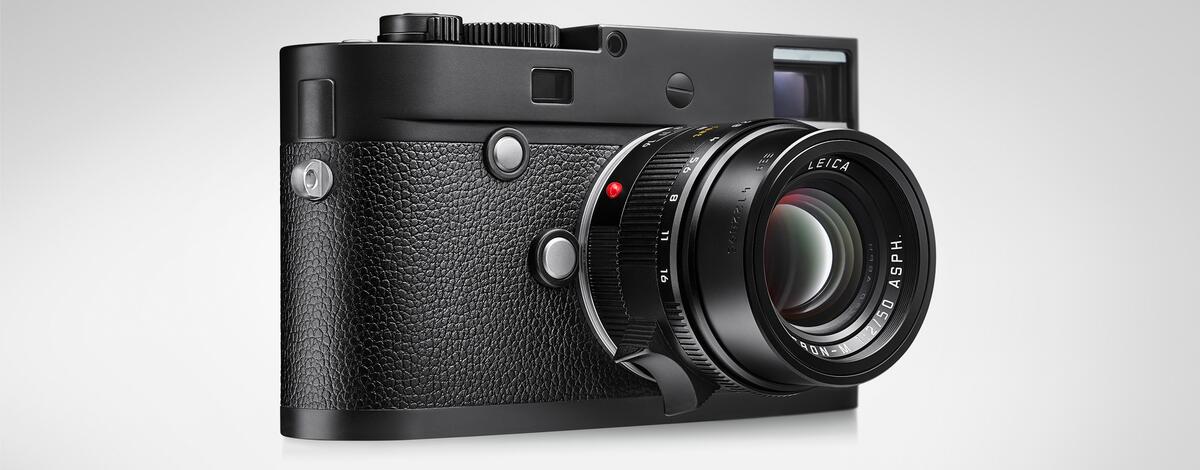
This camera costs $8,995 and cannot, will not ever, take a color image. How many would you like?
EVERY PHOTOGRAPH EVER CREATED BY A DIGITAL CAMERA, regardless of subject, technique or approach, begins as the very same thing: a black-and-white image. Even in an era of saturated and custom-manipulated color, our cameras originally create everything in tones of grey. Aesthetically speaking, that’s about as hard-wired a bias toward monochrome as you can imagine. And this means exactly what, and to who?
The science of how this happens is all rather basic, at least in the horrendously oversimplified way I’m going to explain it. In addition to the camera’s pixel-covered sensor, that assigns tonal value for a photo file in black and white, there is, in most cameras, a second sandwich layer, called a Bayer filter array, that combines with the sensor to assign color to those tones. This all happens without many of us giving it much thought, since black and white, at least mentally, is no longer the default mode for most of us, merely an effect that we achieve either by changing a setting on the camera’s shooting menu or converting color shots to b/w in post-production after the fact.
Where this gets interesting is when an affection for both mono and technical perfection meets the niche camera market, resulting in the creation of cameras that shoot nothing but black-and-white, inciting some wags to intone, “at last!” while many others query, “what are you, nuts?” Those who vote with the skeptics point to the fact that the pro-sumers who opt for such a machine, such as Leica’s M10 Monochrom, will part with nearly nine thousand clams for the privilege of enjoying one less feature than even the cheapest camera delivers. Wait, they say. You took something away from the camera and you’re charging more for it? Well, I gotta bridge I wanna sell ya…
On the pro-sumer’s side of the argument is the trickier, tech-ier underbelly of the issue. Turns out that the Bayer array actually degrades your images, reducing the amount of light that gets to the final file, compromising both sharpness and ISO performance in low-light situations. That in turn means that removing the Bayer array from the camera boosts its fidelity in a significant way, resulting in less loss in both cropped images and enlargements. Do these benefits register as must-haves for the average shooter? Does the romance of shooting in black-and-white only, which, as we’ve pointed out, used to be the default status of all cameras way back when, still have the allure that it once did, and for how many consumers? This is the part of the program where you do your own math and makes your own choice.
Now, let’s be honest. I love me some elite toys, especially the ones I would never, in a million years, actually purchase. I love $3,000 direct-drive analog turntables mounted in virgin-forest koa. I love $500 counter-top appliances that only de-vein and parboil jumbo shrimp. But the turntable can’t make my old Black Sabbath albums any better musically (nothing can, sadly), not can the shrimp gadget confer Wolfgang Puck status on my random kitchen meanderings. Could I take better pictures (whatever that phrase means) with the most technically advanced camera on the planet? Only if I can take good pictures with anything, from a cigar box pinhole to a NASA telescope. And, if you spend years failing to develop the eye for making pictures that connect with people, it takes more than a $9,000 bandaid to make that not be so.
FALLING IN AND OUT OF LIKE
By MICHAEL PERKINS
THEY’RE LINE CALLS, COIN TOSSES between success and failure, those thousands of photographs we generate over a lifetime that never quite stray into complete wretchedness or float all the way up to Beloved status. They float languidly in the vast midrange between the delightful and the awful that makes up most of our pictorial output, earning faint praise like “pretty good”, “not bad” or my favorite, “yeah, that’s OK.” They are the pictures that we fall “in like” with.
Sometimes I find it easier to cope with my absolute garbage than with the massive mound of mediocrity that occupies the middle floors of my personal output. At least the photos I took while swinging wildly for the fences show commitment, however misguided. After all in even my worst failures, there is also a trace of my grandest dreams, whereas the thousands of “good enough” shots show neither the wild abandon of going for broke or the grand miracle of high art. They’re just….there. Somebody cue the poet with the line about faint heart n’er winning fair lady, or something high-toned like that.
There are those who might even regard the mushy mediocre middle of their total photographic portfolio as just as worthless as their Total Misses, but I maintain that the stuff in the gooey center of our work files is exactly half-good, as well as half-bad. In fact, that’s the maddening thing about “OK” pictures. They never get where they’re headed.
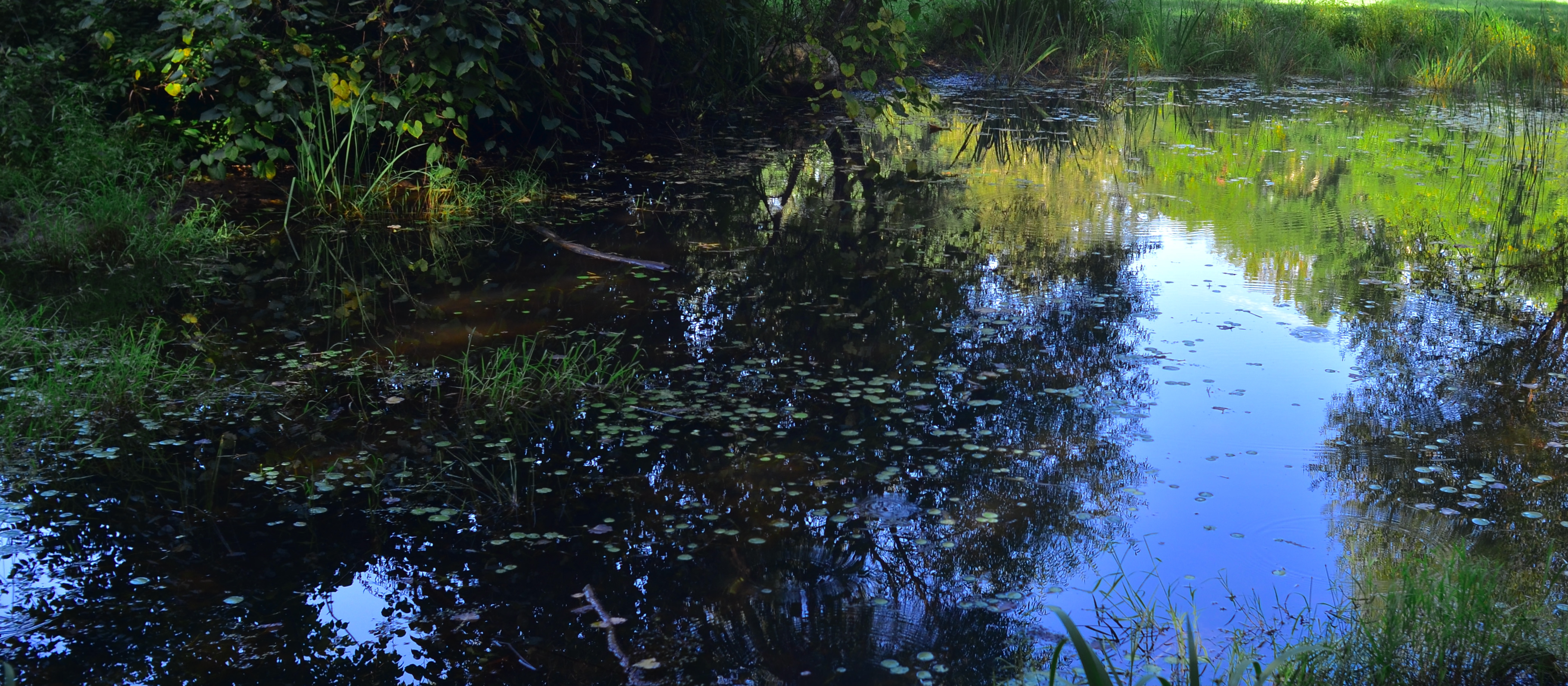
The image seen here is a prime example of a picture that’s suspended between the goal posts. It’s almost well-composed, as well as almost fluid in dynamic range, almost texturally rich, almost, well a lot of things. It isn’t quite a stinker, but it also certainly isn’t a stunner. And as meh as you see it here, the original, wider shot was even more indecisive, with hot blowouts of the shoreline that were later cropped away and just too much information for a coherent narrative. And yet, I have spent the better part of three weeks trying to remain “in like” with the shot, trying to convince myself that it’s more successful than it is.
Of course, just as is the case with an abject failure, this shot is worth keeping. Because every failure is instructive to some degree, and the fact that I’m able to diagnose what kept the image from being good means I’ve already mined it for any clues on where improvement is needed. It just doesn’t need to be paraded around, that’s all. Plus, if nothing else, middling shots hone our editorial skills, since we have no business posting or boasting every single time we click the shutter.
Speaking of clicks, I recently determined that there have been over 130,000 of them on the camera that took this shot. Where does the time go? I “shutter” to think how many of those snaps added shame fodder to my lifetime hit/miss average. But, oh well. I think of the farmers in the Great Plains in the days of the Dust Bowl, living harvest-to-harvest in an insane state of constant gamble, who, in describing how they summoned the hope to go on, nicknamed themselves the “Next Year People”. When will I deliver on the unrealized promise of all my most mediocre shots? Next year, people.
SHOOTING SLOP
By MICHAEL PERKINS
ONE OF THE GREAT TAKEAWAYS OF THE DIGITAL ERA IN PHOTOGRAPHY is how it has greatly expanded our freedom to make mistakes, or, more precisely, how it gave us permission to make more of them.
I say, with absolutely no attempt at snark or cynicism, that the ability to take a lot of bad pictures is tremendously liberating. Mind you, the desired end product of our photography remains a body of work that we’ll point to with a modicum of pride. What’s changed is how much faster we can now evolve through all the layers of errors and bad choices that, in the days of film, used to take us years and big dollars to navigate. Now, we can simply afford to make more mistakes, faster and cheaper, than at any other time in history. More importantly, this gives us essential feedback in real time, information that is delivered to us while our subjects remain at hand and our memories remain fresh. That is a real game-changer.
Still, it’s important that we take real advantage of this great freedom, going so far as to embrace, even welcome, errors that we used to try to avoid at all costs. Instead of the mental pressure of making every shot count, we need to first be comfortable with what I call “shooting slop”, of going out for days or even weeks on end trying to anticipate everything that can go wrong with a picture, actually do many things recklessly or without purpose, and be ready to write off every image in an outing as part of the learning curve. I especially recommend this anytime you switch cameras, reacquaint yourself with an old piece of gear, or attempt to master a new lens.
When you’re adding something new to your technique or kit, you’re going to screw up a certain number of shots anyway, so why not invest some time trying everything, shooting with no set purpose or objective in mind, and be okay with burning off all those loser frames in preparation for the day when the shooting will really count? This sounds simple, but, in practice, it takes as much discipline to shoot a whole day of slop as it does to pursue a Pulitzer Prize winner.
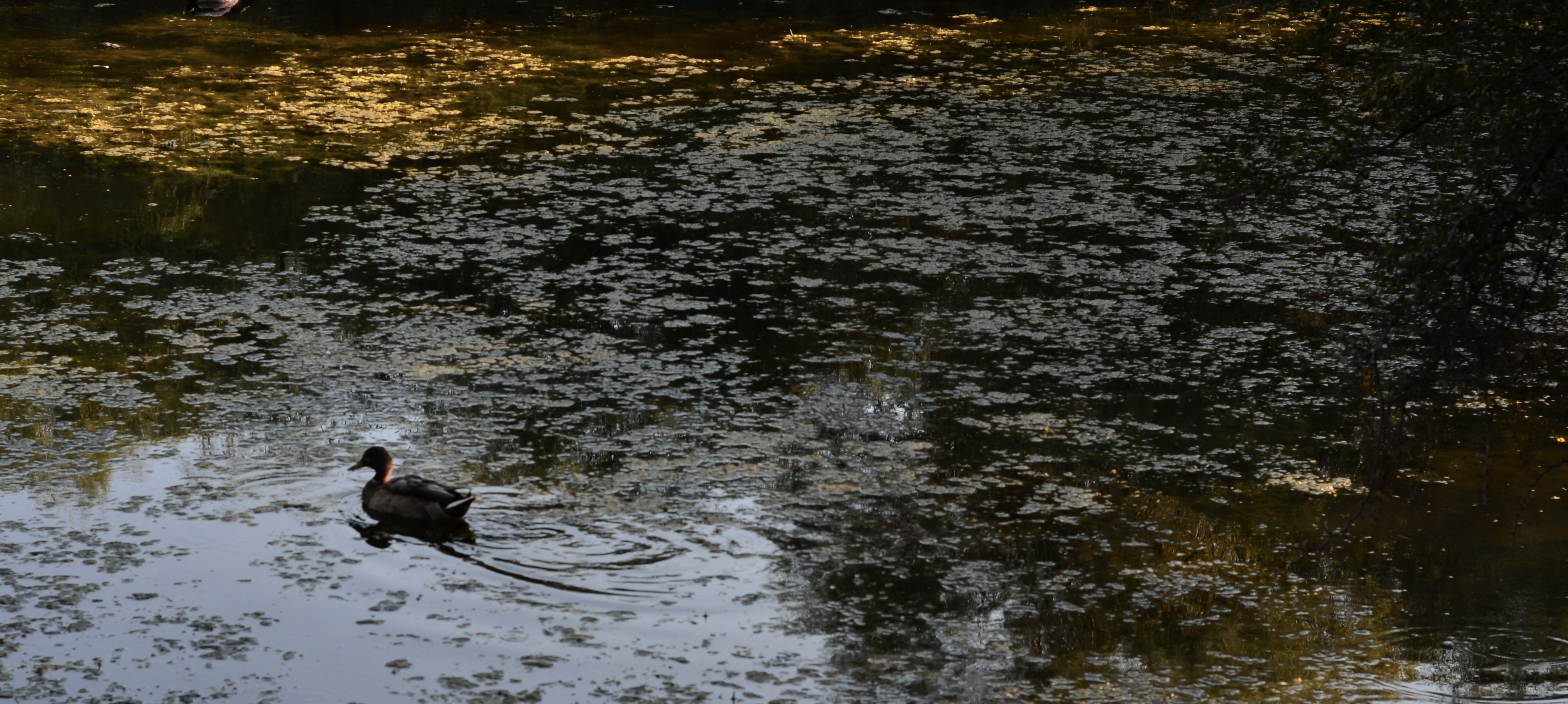
The frame you see here is from part of a two week break-in period that I’ve undertaken with an old Nikkor 50mm f/1.8 lens, known colloquially as “the pancake” because of its low profile and compact size. It’s one of many, many excellent Nikon 50mm primes made over half a century, many of which I’ve already shot extensively with. But just as all of your kids has a distinct personally, the pancake, which was never marketed extensively outside of Japan, has its own “take” on things like, well, focus.
Don’t get me wrong: when you use this sucker correctly, it’s as sharp as a razor. It’s just that, after some forty years of use, some play has naturally have worked into my lens’ focus ring, so that, as you see here, merely setting a distant subject for infinity can actually take you a little bit back into blur, so that I have to, in effect, dial the ring back a smidge to get something sharp, which this shot certainly is not. But hey, it’s “shooting slop day”, where I’m in an environment that I’ve already visited a thousand times, and from which I’ve already gleaned some really good pictures. The stuff I’m shooting today just doesn’t matter.
Except it does.
And that’s my whole sermon. Fall in love with the making of pictures that you won’t fall in love with. It’s the surest route to getting to the ones you will swoon over in a lot less time. Or, to my original metaphor, you can’t become a gourmet chef until you’ve rustled up a big helping of slop.
CRUMB TRAILS
MY MOTHER IS NOW APPROACHING NINETY, and must thus be coaxed into being photographed. Good sport that she is, she can be cajoled into the occasional holiday snap here and there, but, by and large she regards sitting for the camera in the same way that she views all the other rigors and indignities of age, as a nuisance that must be endured. She has forgotten how beautiful she has been in every stage of her life, and mistakenly believes that we only want to see her as she once was, when, in reality, all we really want to do is…..see her.
As a consequence, I have taken to photographing objects that echo her presence, and, in some way, define her life as it is right now. She may, herself, be reluctant to pose, but the things she touches and uses regularly bear unmistakable elements of her, however subtle. We are long accustomed to the process of summoning the departed through contact with what they have left behind, be it jewelry, clothing, personal mementoes, or even other photographs. This was the essence of Annie Liebovitz’ amazing book Pilgrimage, her collection of images of the workday property, costumes, and physical spaces associated with Abraham Lincoln, Emily Dickinson and other essential Americans who left long before any of us living could encounter them through anything else but….things. But in the in case of our own long-living relatives still present, we can conjure their spirit in the items they use on a daily basis even as they themselves remain available to us. That affords us an amazing additional basis for comparison.
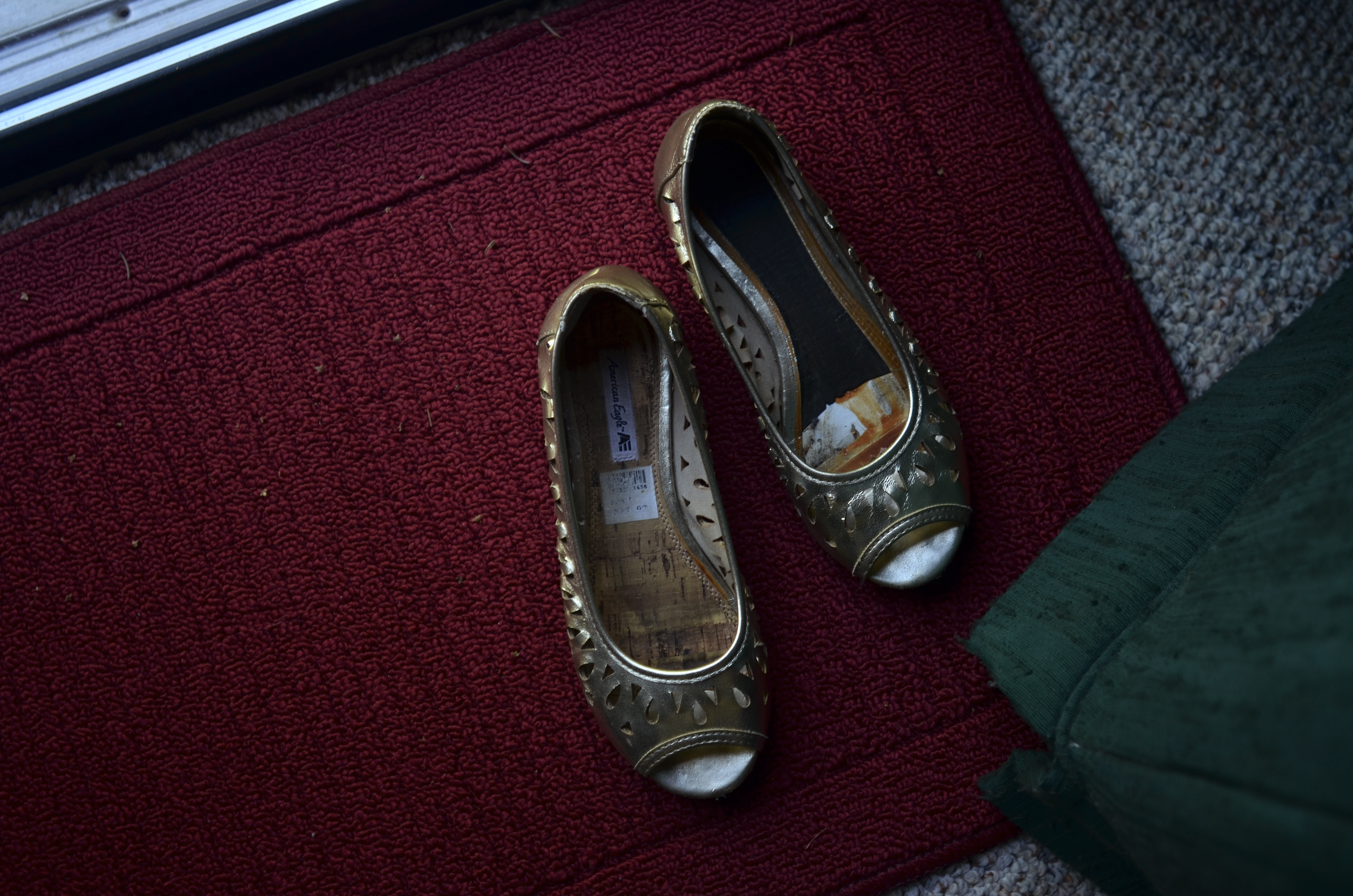
These are my mother’s casual slippers. She mostly uses them to walk out onto her rear deck for some sunshine and meditation. They are not fancy shoes in any sense. The uneven pattern of wear in them reflects the very real work required for her to move herself from one point to another, and so I wanted that to show. I also like the fact that they are not so very plain, that at least a little of the style and elegance which has always been a comfort to her continues to deliver that very human dividend. She could never wear Keds or clogs, even in the privacy of her own home. As Auntie Mame famously said, “life is a banquet, and most poor bastards are starving to death.” Mame and my mother would have found common ground on the basics of Living The Life Exuberant. So let the insides show a little fatigue. Outside, there is always room for a little glamour.
And so, in pursuit of photographs like this one, I want to spend every visit with her and my father finding all the things in the house that bespeak them, all the worn/fancy slippers that bear witness to lives that are a delicate high-wire act between the sparkle of their youth and the gravity of their final innings. That is a complicated thing to show visually, and I will need to call on every skill I possess to get it right. But that is certainly the essence of being a good photographer, and the happy/heartbreaking role of a good son.
HEADING INSIDE
By MICHAEL PERKINS
THE RECENT HISTORICAL SHIFT FROM ANALOG TO DIGITAL in photographic tech seems, on the surface, merely an evolution in image storage, or the shift from film to memory cards. However, looking back thirty years on, it’s actually about a whole series of reinventions, with few present-day photo systems left untouched by the revolution. One huge difference I notice more and more is the camera’s journey from an externally-driven device to an internal one.
Consider: in the analog era, new or emerging widgets or functions were introduced as outside add-ons to the camera. Flash was originally achieved with the addition of a whole extra arm and bracket. Automatic winding of film was first achieved by bolting on an auxiliary cradle that contained batteries and gears to engage with the camera’s internal systems. Light meters were separate devices. Lens effects were modified externally with the attachment of screw-on filters. Even before the arrival of digital tech, all these functions and more were engineered to become integral to the camera: in short, they headed inside. This trend accelerated tenfold as the film era ended, and we are still in the sweep of that enormous surge today.
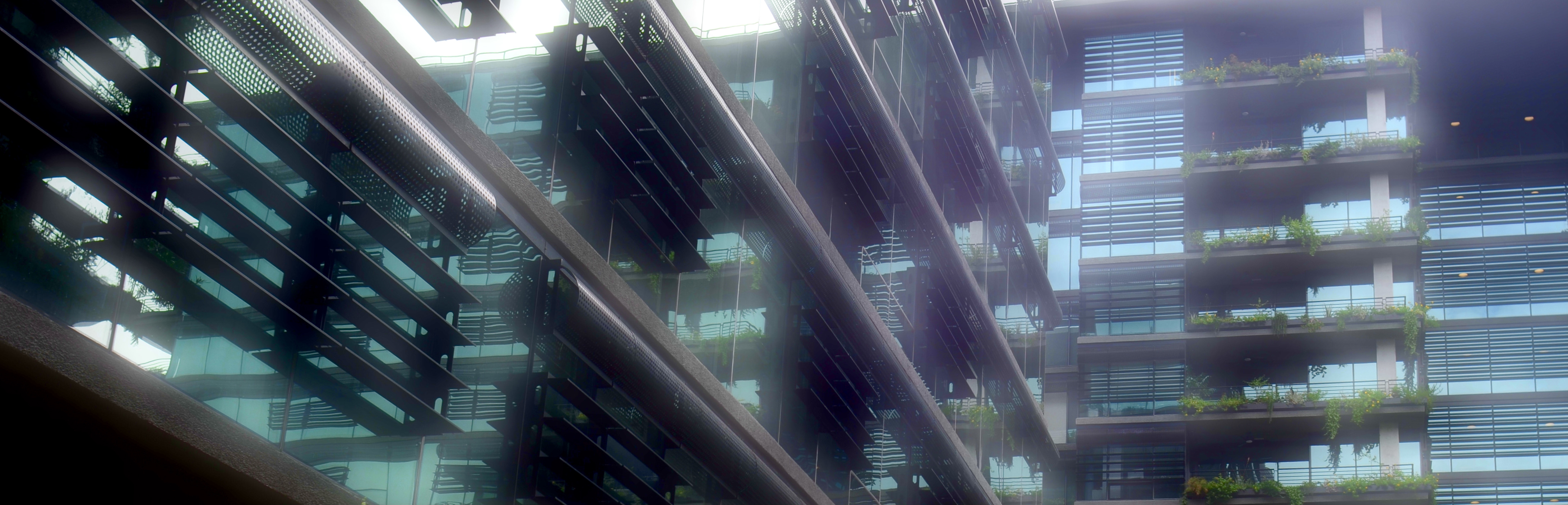
Above: a cheap and easy softening effect, done in-camera in a few seconds, but somewhat buried within several layers of your device’s submenu listings.
As computers have become more and more compact, it’s become easier to move more and more functions inside the camera, rendering many old external attachments obsolete and allowing designs to be smaller and sleeker, hence more portable. In the case of mobile phone cameras, even the physical bulk of the lens has been re-engineered into virtual invisibility. Here’s the tricky part: cameras are now packed with so many options that it’s possible to shoot with our devices for years and not only not use all of said options, but to actually be unaware that they’re on offer. User manuals now largely exist as virtual downloads, meaning that many of us don’t read the entire thing, and so it’s not unusual to fall into the habit of using the same ten basic functions for everything, and forgetting that a solution to a particular shooting problem lies mere inches away, tucked inside a menu sub-folder.
As an example, I had to be reminded that the image seen here was cheap and easy to achieve, since it’s just a quick application of an artificial softening filter within the “filter” submenu of my Nikon’s “retouch” folder. The effect was easier to control than with an old-school screw-on filter, and cost me nothing to try. Consider how many even more exotic controls and effects lie essentially hidden within the guts of even the most modest digital camera, and you can see how mastery of our increasingly more sophisticated devices can be elusive if we don’t take the extra steps to learn how seamlessly they’ve been woven into our camera’s vast inventory of tools. The move from the bulky add-on appendages of yesteryear is a blessing, but only if we understand how manufacturers have solved the same old problems that used to be tackled outside by brilliantly heading inside.
THE WOVEN THREAD
By MICHAEL PERKINS
JUST AS WE DRAW A HARD MENTAL LINE BETWEEN LIFE AND DEATH, so do we place a physical boundary between the areas where life proceeds apace and the sites where we mark its cessation. Cemeteries are perhaps the most obvious marker of this line between sun and shadow, defined by iron gates, serene gardens, engraved tributes, contemplation. Out there, the world goes on. In here, remembrance, not substance, defines reality.
Take a camera across the country one small town at a time, however, and you will see how our relationship to the departed has changed…has been, in effect, geographically outsourced. Graveyards, once a component in daily town life, are increasingly out in the country, in a dedicated park, somewhere else. Prior to the 19th century, people were interred close to where they lived, the echoes of their journeys woven like a thread into the pattern of their native villages, just as naturally as a church or a general store. Over the years, however, something changed. Graveyards started to be deliberately designed, becoming some cities’ first de facto public parks, as well as their earliest conservatories or sculpted gardens. They began to be concentrated away from the centers of towns, the dead being less and less a daily visual reminder of the local history or continuity.
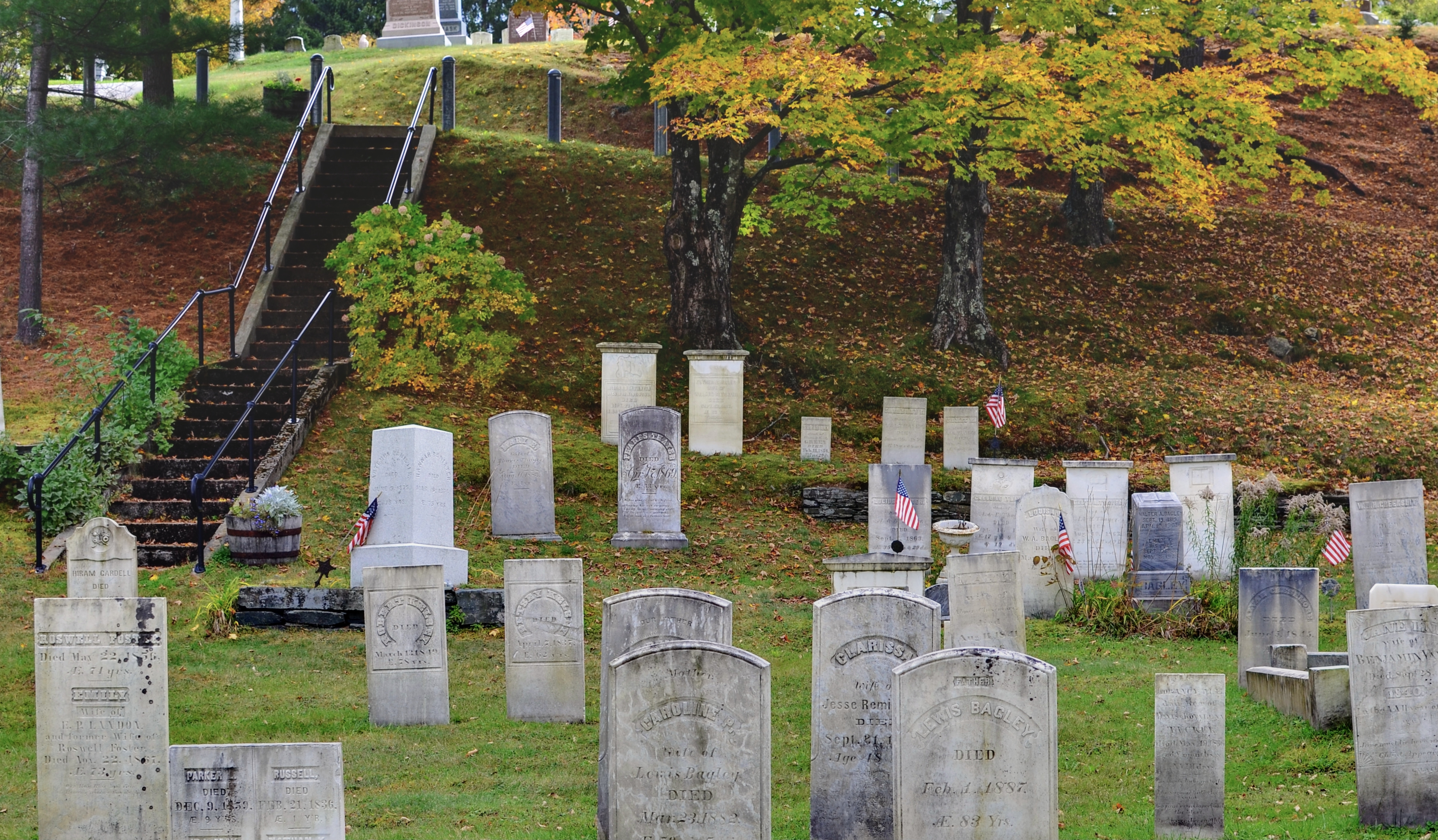
Places like this local graveyard in Vermont are gradually vanishing from the American scene. Markers decay and crumble: valuable in-town land is negotiated, litigated, re-purposed. As a consequence, fewer and fewer cities of any size still bear monuments from the 1800’s, along with the historically unique elements of their design and sentiments. When I come across one, I am keenly aware that I am seeing something that is going the way of the dodo, and I stop. Extinctions, either human or institutional, are fascinating things, and walks within these spaces feel a bit less commercial or industrial than in the sites’ present-day “shady acres” equivalents. In such cases, the camera is meant to be a registrar, rather than an intruder. Cameras are certainly for things that are happening right now. But they are also a way to hedge our bet a little against the things which will soon happen no more.
ARRIVING AT SERIOUS
BY MICHAEL PERKINS
THE CAMERA THAT YOU MOST COMFORTABLY DEFAULT TO in nearly every shooting situation is, by any working definition, your “real” camera, regardless of format, age, size, or the opinion of any other photographer on the planet. You, as I, have heard many a reference made by shooters to cameras “that I use for serious pictures”, a phrase which betrays our inherited classism as to what constitutes a worthy piece of kit. It also betrays how rigid we are in our thinking, since any box that captures and refines light is a camera, whether it’s a Leica or a repurposed tomato can.
Of course, there’s a difference between what we know intellectually and what we “know” emotionally. At the beginning of the digital era, some of us that were raised on film felt as if we had to actually “justify” using them newfangled cameras with their zeroes and ones and pixels. That embarrassment was eventually replaced by another, as we seemed to need to explain why we chose images taken with a Samsung instead of a Sony. And now, with cels becoming daily shooters for millions of us, that final bit of internal camera-shaming might actually be drawing to a close.
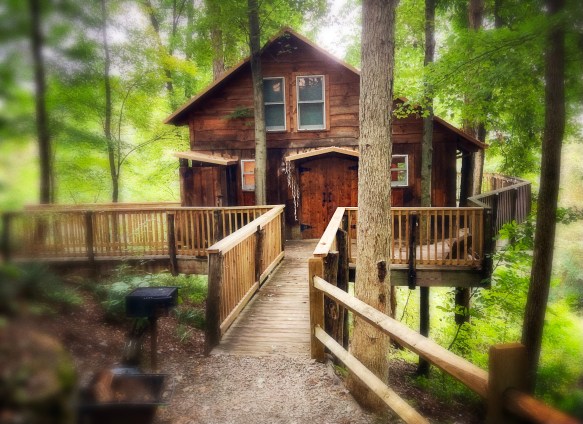
You may actually be able to pinpoint the exact moment that you began to regard your phone as just as “real” a camera as your other models. That moment may have come about as a consequence of cost, or convenience, or pure accident, or it may simply have happened because your iPhone just began giving you consistently great results. In my own case, my cel photos began, over the past few years, to be used more often as the “official” recording of an event on social media (including this platform), as I began to not need to use my more fully-featured gear to make the so-called “actual” representation of an idea. It hasn’t happened completely: I still tend to make my “preliminary” or “sketch” versions of an idea on the phone, then render what I consider the finished product on my DLSRs. But the cel is nosing out its older brother with greater and greater frequency.
As I write this, I am finishing out an extremely long stretch away from home, and have used the extra alone time to observe how many times I have opted for daily posting of cel images of key subjects for the immediacy and ease of keeping my online presences current, rather than waiting to return home and post the “real” DSLR versions of the same things at a later date. The above image, created and refined completely on my SE, is an example of such. I like the traditional DSLR version, but this one was more emotionally… immediate.
Let’s be honest: I may never get to the point where I literally leave all my traditional stuff in the hotel room and go shoot something “crucial” armed only with my iPhone. However, I am now comfortable with going for longer stretches working only with what’s in my pocket, and the idea of letting my cel have the final say on the nature of a picture is, at least, no longer unthinkable for me. And I fully realize how many zillions of others have already reached that point, and thus, how pathetically backward some of this post might make me seem. But I am slowly, nervously, trying to convince myself (and others) that you can, in fact, teach an old photog new tricks.
ONE SURVIVOR AT A TIME
By MICHAEL PERKINS
WE CONTINUE TO SELECTIVELY MOVE IN AND OUT of isolation in this, the second year of The Great Hibernation, getting used to being around each other again, yet reflexively prepared to break off from each other and return to our respective safe corners. It’s a strange and vague situation in which to find ourselves, and our images, as always, reflect that uncertainty.
Aside from the familiar pictures that have been generated by the media to ”officially” depict our delicate status during the crisis, there are also the personal visions, the random things we see that can be repurposed to show how we’re feeling. These can seem to be very ordinary things at first, but as photographers we find our eye “translating” them into something symbolic of our own inner dialogue.
Sometimes, it can just start with a single car. And an impending rainstorm.

It really is the thing of a moment. In the case of this picture, for example, it can simply mean being stuck in stop-start rush hour traffic moving toward an increasingly angry sky. Within minutes, the wind would begin slinging sheets of water sideways, my wipers struggling to keep up. But in between those two moments, I would feel the urge to capture what I saw as a measure of how vulnerable life has rendered us all, awed and helpless before the force, and whim, of nature.
We make pictures to map all our emotions, for good or ill, and the purer and more direct we reflect those feelings, the more powerful and immediate those images become.
REGAL
By MICHAEL PERKINS
OFTEN IN PHOTOGRAPHY, reality is, to be polite, inadequate. As in coming up short, unequal to the task of depicting or doing justice to life. We can convince ourselves that merely recording patterns of light and focus as we find them in nature is so authentic as to sell any image.
In fact, the “real” world is only, at best, a point of departure.
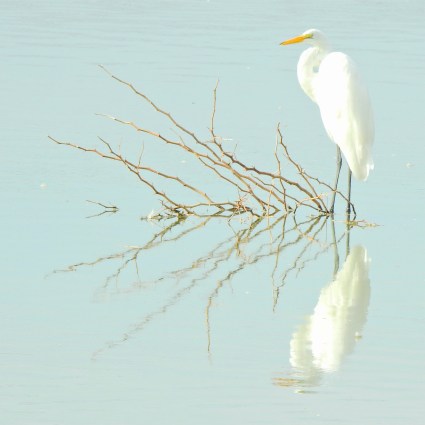
Depending on how and when you learned to make pictures, you may see the ”actual” world as either the ideal or as merely the place where you start, not where you end up. In the above picture, the wondrous gift in happening on the raw elements of this elegant tempts the viewer to just get the picture without pause or reflection.
However, in doing something as simple as gently over-exposing the scene, as was done in this case, you actively take control of the process, if only in a small way. In doing so, you turn mere recording into interpretation. The essentials remain the same, but the final product is now a personal expression. Your camera already possesses the ability to merely capture data. The photographer in you uses that data to craft something unique.
NOT QUITE PLAIN SIGHT
BY MICHAEL PERKINS
STREET PHOTOGRAPHY CAN PERHAPS BE DESCRIBED as the means by which the invisible is rendered visible, a way of seeing things in one’s everyday world which are so familiar as to go generally unseen, and somehow make them prominent, to illuminate that which is hidden in plain sight. It can be documentary or reportorial in effect, but mainly the aim is merely to un-camouflage things, to render them newly obvious to the viewer.
The street work that is emerging as the Great Hibernation slowly unwinds is rolling out along two tracks. One of these tracks will contain the newsier, more sensational images of Gee, How Much Things Have Changed, scenes of adaptation, loss, a repurposing of our old way of life. The other track, every bit as worthy of comment, will be everything else, or See How Much Remains The Same. These photographs are assurances that we will still ride the morning train, still walk on beaches, still fall in love. These pictures will be amazing by the assuring ordinariness of them, for the message that not everything was destroyed. And to rebuild our world, we will need images from both viewpoints.
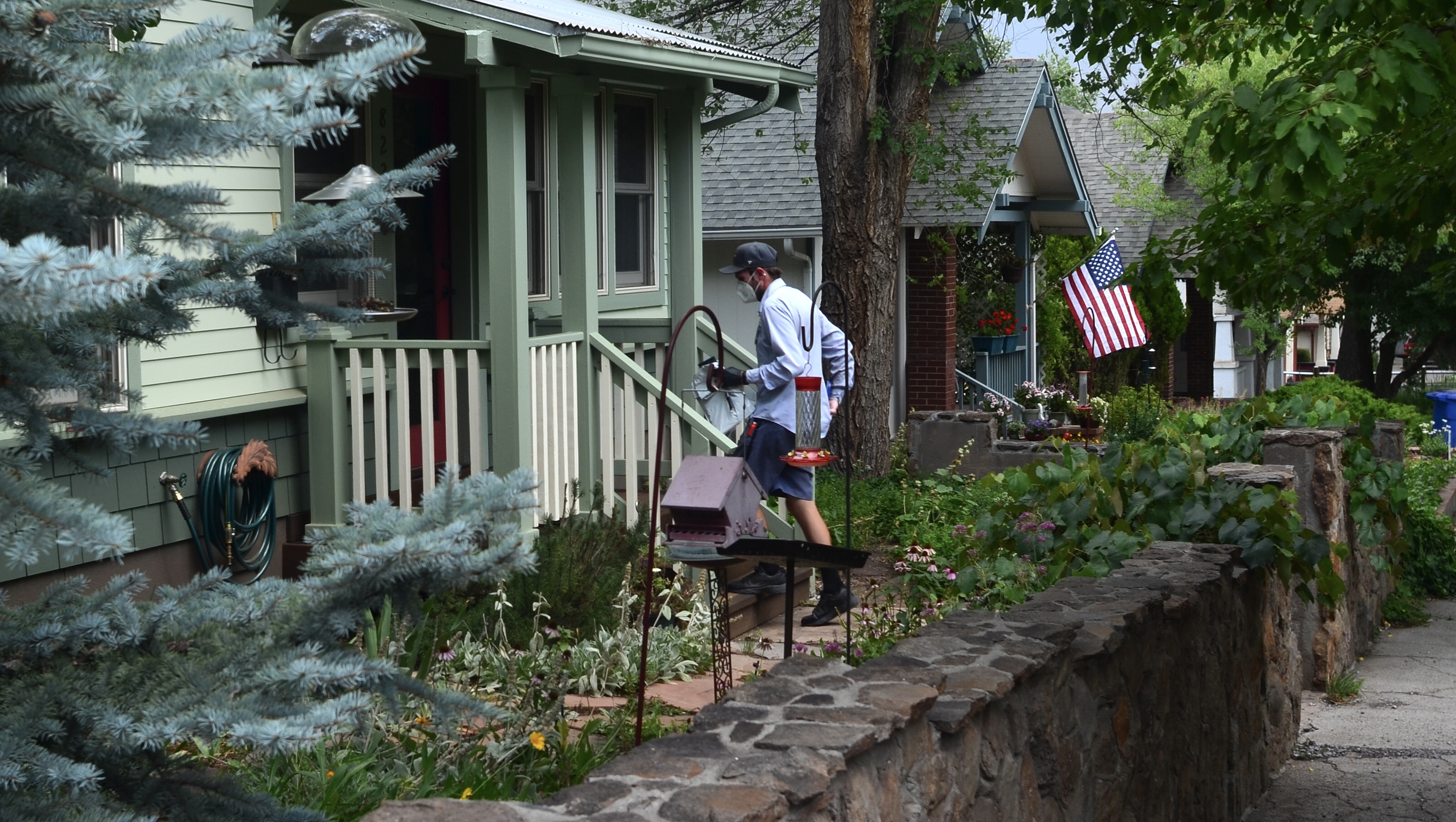
The Completion Of Their Appointed Rounds, 2021
This shot of a village mailman in a small town seems to borrow from both camps. His mask indicates that he is part of our nervous new order, but his track, measured from house to house as h delivers the daily goods is eternal, in that I could have made this picture in much the same way six months, a year, or ten years ago. The houses he’s delivering to are also part of a pattern of reassurance. Their architecture is weathered, settled, and their various elements, from flags to bird feeders, seem to say, we’ve been here for a while. We’re going to be around.
Street photography can be simply the act of catching an event or a human reaction on the fly. And when that is done with perception and skill, it can almost look as inevitable as a staged act. But on a simpler level, we’re just snatching moments out of the time flow, holding them up to the light, and asking, “J’ever notice this?” And on a good day, that little act of daring is as good as photography gets.
ADDITION BY SUBTRACTION
BY MICHAEL PERKINS
“THE EYES HAVE IT” went the old maxim, a phrase which was a kind of bookend to another chestnut about the eyes being the “window to the soul”. Both sayings relate to most of our earliest photographic training, with scads of manuals and tutorials dictating that all portraits must focus (literally) primarily on the eyes, even at the expense of sharpness in the remainder of the picture. This rule has also been enshrined in the eye detection focal systems of even the most rudimentary cameras.
All of which has served us well, apparently, during these days of the Great Hibernation, when masks have concealed many clues to our personality, even as they have protected us against contagion. Indeed, in many social situations, the eyes have become almost the sole messenger for people’s inner thoughts, intentions, moods. And depending on how you view the situation as a photographer, that’s either maddeningly frustrating or grandly intriguing. Still, the idea of making a formal portrait of a person while they are masked hasn’t really occurred to me as a legitimate means of measuring the self of said person. I am always waiting for the gauze to come off, for the “complete” person to be revealed.
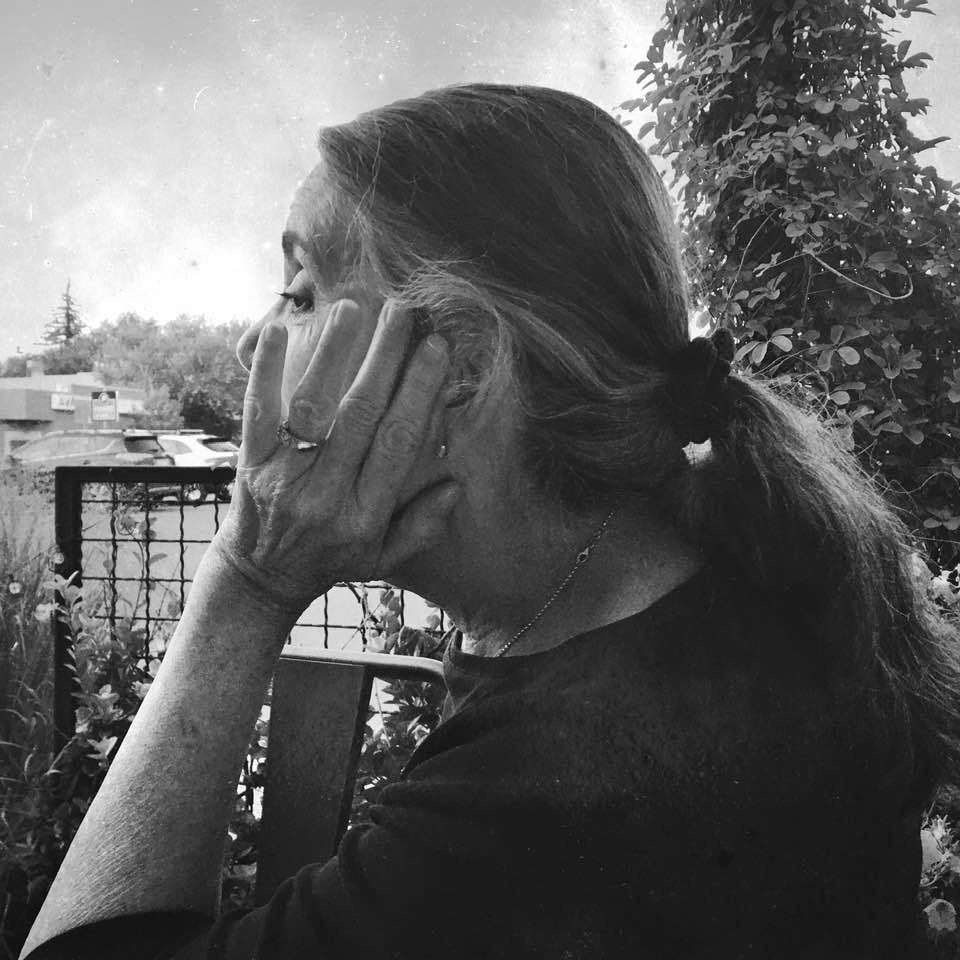
That’s why, recently, I was truly surprised when, out of about a half dozen snaps of my wife Marian as she visited with a friend, I chose the one with the least amount of her face in view as my favorite. There’s was something…call it mystery, call it minimalism…about the way her hand momentarily fanned across her features in much the same area that a mask might cover. Why was this interesting? Why is anything interesting? The point was that her eyes were, indeed, a perfectly reliable barometer of her mood, prompting me to ask, how much face is enough face for a portrait? Are we more fascinated by what is left out of a picture? And, if so, are there many more remarkably veiled faces to be explored before the Age Of The Mask fades away?
“…you’re probably wondering why I’ve called you all here…”
A few ruminations on how I conduct myself.
BY MICHAEL PERKINS
AT DISMAYINGLY RANDOM INTERVALS OVER THE LAST TEN YEARS OF THE NORMAL EYE, I’ve tried to occasionally stop to thank those of you who’ve joined our ranks since, well, since the last time I did this. I always mean to be more fastidious about observing exact anniversaries or sending out formal notes of appreciation, but, somehow, I am always me, and me isn’t very reliable in that respect. Please excuse my lack of breeding and let me say, again, how very much I value your enthusiasm, your loyalty, and your feedback. Part of these periodic notes is also, out of necessity, a re-statement of what we do, or don’t, do here.
The Normal Eye is not a tech guide. There are many, many places to find the requisite “how-to” tutorials for any kind of physical technique you’re pursuing, and I trust you to be well able to teach yourself the step-by-step mastery of how your camera works, where to buy what toy, or how to make a given image. Here, we concentrate on the things that I deem far more essential than gear…including intention, vision, and the training of your eye to do your heart’s bidding. To look outward in creating in image, you have to be able to look inward as well, to know where you fit into the world you inhabit, and to export that inner knowledge outside of yourself, into your hands and the camera they operate. Everything else in photography is mechanics, and, while you may expertly operate a machine, you are not one yourself. The picture must happen inside you before it gets anywhere near the camera.
This platform began after I had spent an entire year working solely with a 50mm prime lens, shooting everything with that single optic, regardless of subject or conditions. It was an exercise is making myself able to produce pictures no matter where I found myself, disconnecting from the idea that it was great cameras that made great pictures, and forcing myself to be a better growth medium for photographs. I loved the idea that 50mm primes were once called “normal” lenses for their close resemblance to the way humans actually see, and I began to refer to my desired destination as the development of a more natural, or “normal” way of seeing….free of biases, suppositions, bad habits, or narrow thinking.
For me, achieving a “normal” eye meant one unclouded by my own shortcomings, an eye working at peak perceptual and instinctual capacity. Thus The Normal Eye became a way for you and I to explore what it took to purify and clarify that eye, a journey, as Ansel Adams described, from taking a picture to making one, the trip from passively snapping to purposefully planning. Thanks to you, it continues to be a great trip, one based on the adventure over the destination. Thank you.
STRANGE BEDFELLOWS
BY MICHAEL PERKINS
JUXTAPOSITION IS ONE OF THE MOST POWERFUL, as well as one of the easiest, forms of photographic narrative, a key tool in the effective composition of a picture. Just placing two elements side by side within the frame creates opportunity for comparison, an analysis of the attributes of the old versus the new, the tall versus the small, the important versus the meager. The correct choice in the juxtaposing of two things can add up to an image that explores contrast and actually comments on their relationship to each other.
When the superb stands directly next to the shabby, a statement has been made. When the giant is flanked by the tiny, a judgement has been rendered. Even the mere intermingling of dark and light objects in a purely abstract way comes off as a deliberate arrangement, an intentional remark in visual terms. A thing by itself is one kind of picture. A thing in relation to another thing in a photograph can open up a far wider universe of ideas.
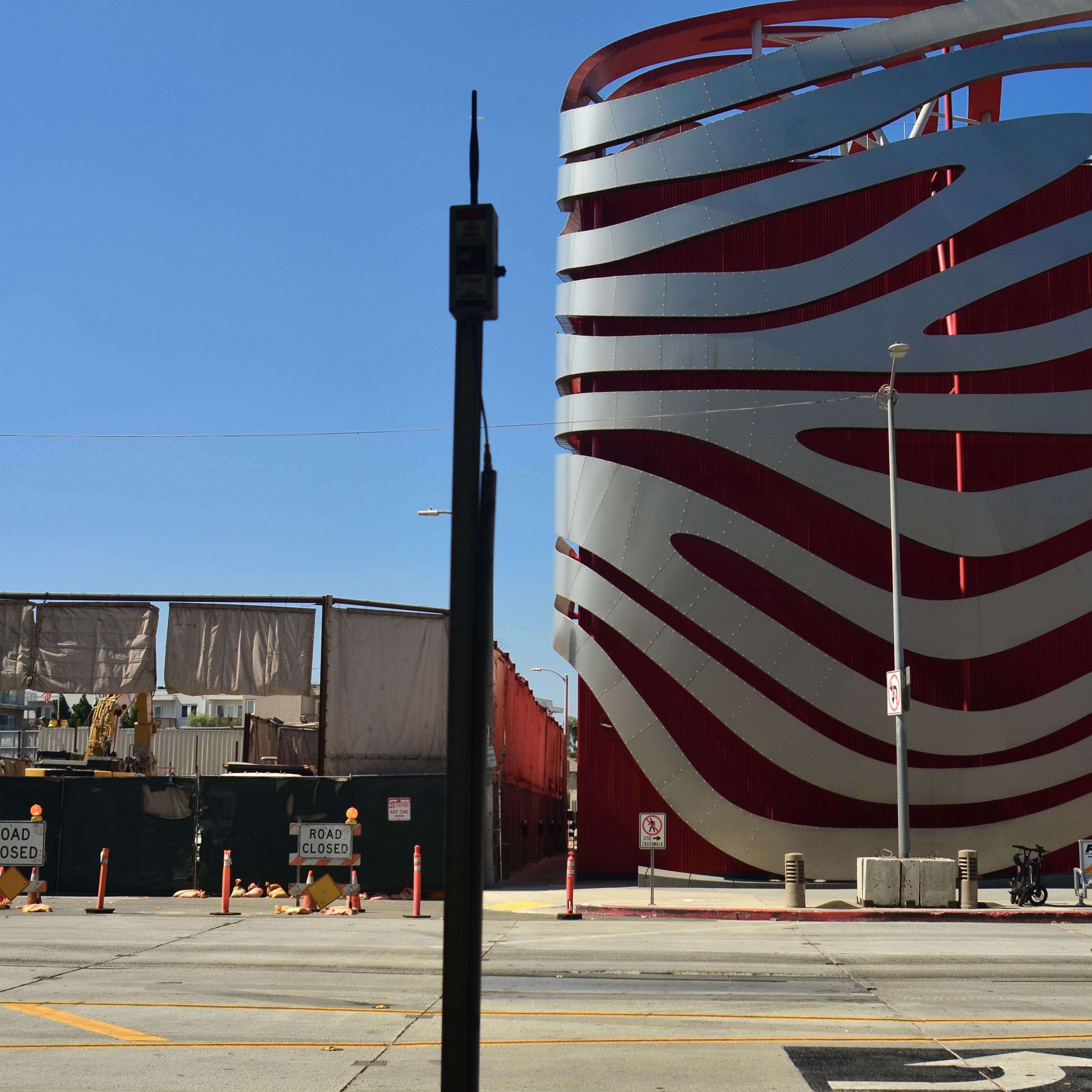
Often, juxtapositions are just organic discoveries of things that already exist in opposition to each other, as in the image seen here. In other cases, the comparison is more deliberately staged or interpreted in some way that has not previously been as clear to the casual observer, yet visible to the photographer’s eye. The idea is to place choice before the viewer, asking him/her to either favor or refuse one thing in reference to the other, to, in effect, rank the two ideas in order of importance. This is a key part of the engagement between photographer and audience.
When everything seems to be already shown, or decided, in a picture, it’s less engaging. However, once something has been placed in the frame that leaves something unanswered, engagement increases dramatically. A dialog of sorts has been begun with the “outcome” of the photo that’s been left in a suspended state, only to be resolved by the exchange of ideas, both by the taker and receiver of the image, as to what the whole thing is “about”. One of the first visual exercises given to children is being asked to comment on “which of these things is not like the other”. Turns out that adults respond to that mental tug-of-war as well, and that creates real opportunity for the photographer.
TONAL TOSS-UPS
BY MICHAEL PERKINS
THE MOST SIGNIFICANT ADVANCE IN PHOTOGRAPHY OVER THE PAST SEVENTY-FIVE YEARS, at least for me, is the fact that everyone, regardless of gear or budget, shoots in color as a baseline default. I am old enough to remember when the opposite was still true, when most people shot primarily in monochrome, either because of the cost, or the slow speed of color film, or the fact that labs were still not great at delivering natural polychromes, or, in some circles, because the medium’s artists disdained color as too brash or distracting. The digital era completed the conversion to color as the starting place for a master shot, in that the camera will always shoot that way unless you deliberately tell it not to.
And that’s a choice I don’t fully understand. I always make every master shot in color and then decide which of those will be more effective without it. Because then my choices are unlimited, whereas, if I’m forced to shoot masters in mono, I can’t second-chance the shot back into color later. Even more confusing to me are the high-art cameras that are manufactured to shoot black-and-white only, cameras that are typically twice as expensive as ones that shoot in both formats. It’s like paying twice as much for a steak that someone’s already taken two bites out of.
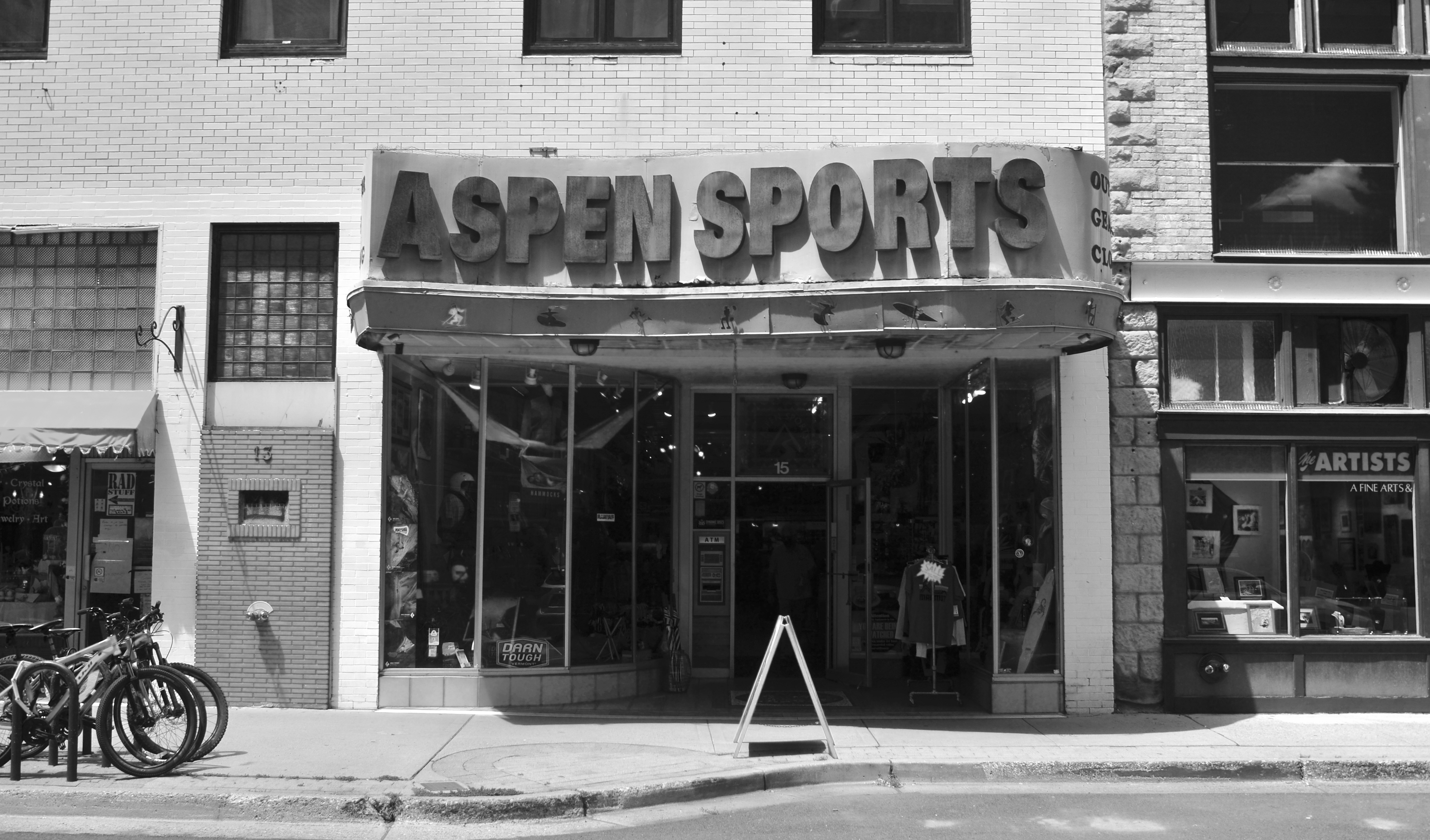
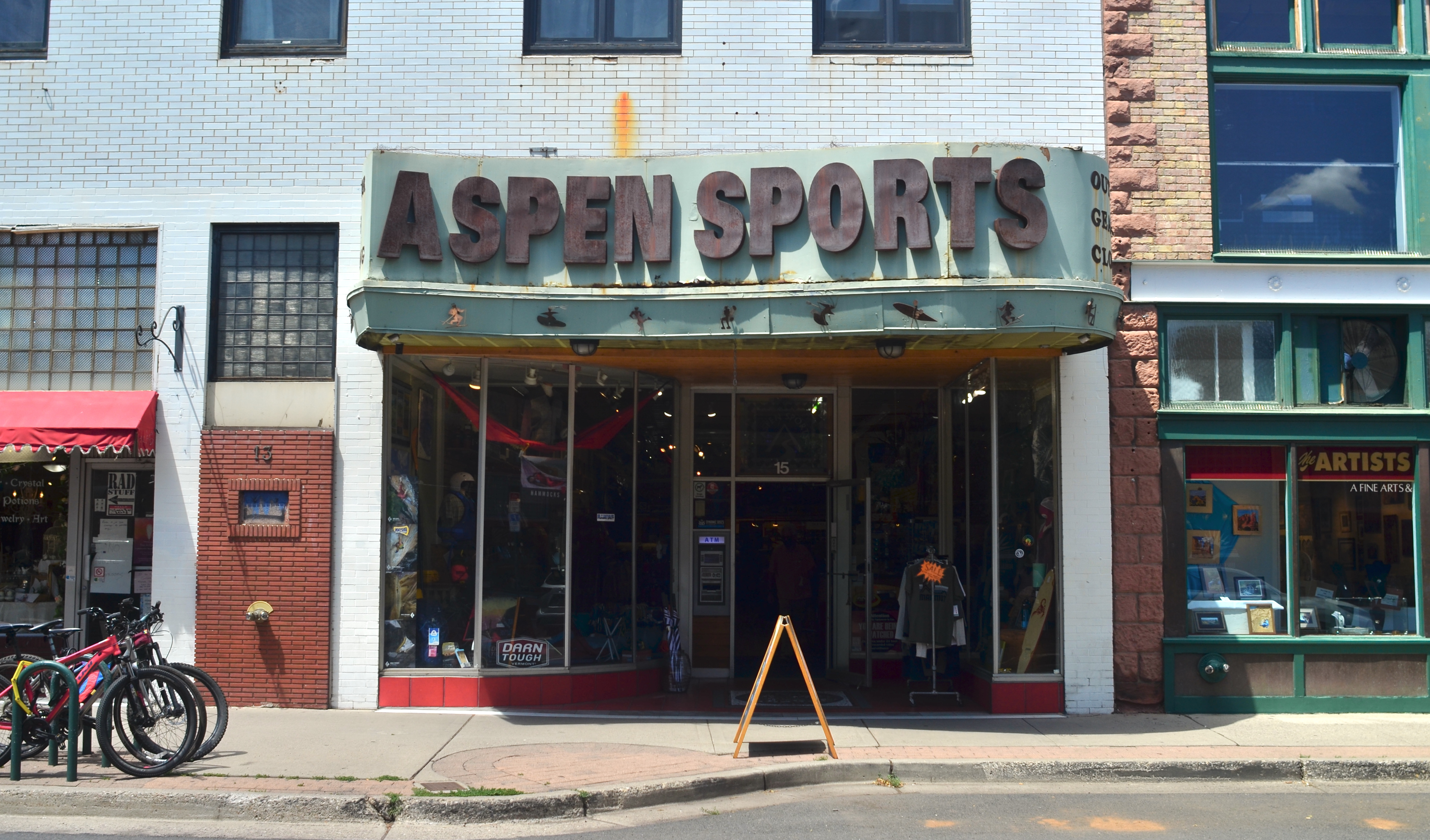
Most of all, I like grappling with certain shots. I dig the inner quarrel that goes on as to whether color will complete or compete with a picture’s power. Some color images have an immediacy that is simply too muted in b&w, but there are times when the message of a picture will be diluted if something too loud or pretty fights with it for dominance. That’s why they put more than one foot pedal on pianos.
For instance, the “before” and “after” versions of this storefront have been haunting me for several weeks now, and I still can’t declare a clear winner. Is the contrasting mixture of bolder colors a comment on the changing phases within a business block over time, or does the removal of color call more attention to texture and shadow? I consider that the practice of mastering a photograph in color, for many years a luxury, remains my favorite control option today. In a medium where messages are measured by so many factors, the color/no color decision might, at least on occasion, be the most important call a shooter can make.
FORWARD INTO THE PAST
By MICHAEL PERKINS
IN HIS ESSENTIAL 1982 BOOK MEGATRENDS, the late John Nesbit, trying to predict the uber-changes that would eventually govern our present-day world, described a coping method, a law of compensation called “high tech / high touch”. HT/HT was a kind of social recalibration in which the feeling of dislocation generated by surges of technological advancement would be followed by movements that re-emphasized the comforts of the world just vanished. Think of it as a kind of emotional recoil, in which we spring back from forward leaps to the familarity of simpler times, such as the recent re-emergence of physical vinyl phonograph records as a reaction to the phantom musical realms of the cloud. Nesbit’s prophecy seems to have been realized in many such areas of our society, and photography has certainly seen its share of the phenomenon.
In the camera world, Nesbit’s “high tech-high touch” is a boomerang reaction to the digital era in picture-making, a time of enormous advances in the way images are recorded, manipulated and distributed. Indeed, as foretold in Megatrends, the past thirty years has seen a tremendous counter-revolution that, far from embracing a world that is bent upon perfecting the photographic process, actually rejects it, longing for a return to the very imprecision that defined the analog world, topped off, this time around, with a healthy dollop of nostalgia.
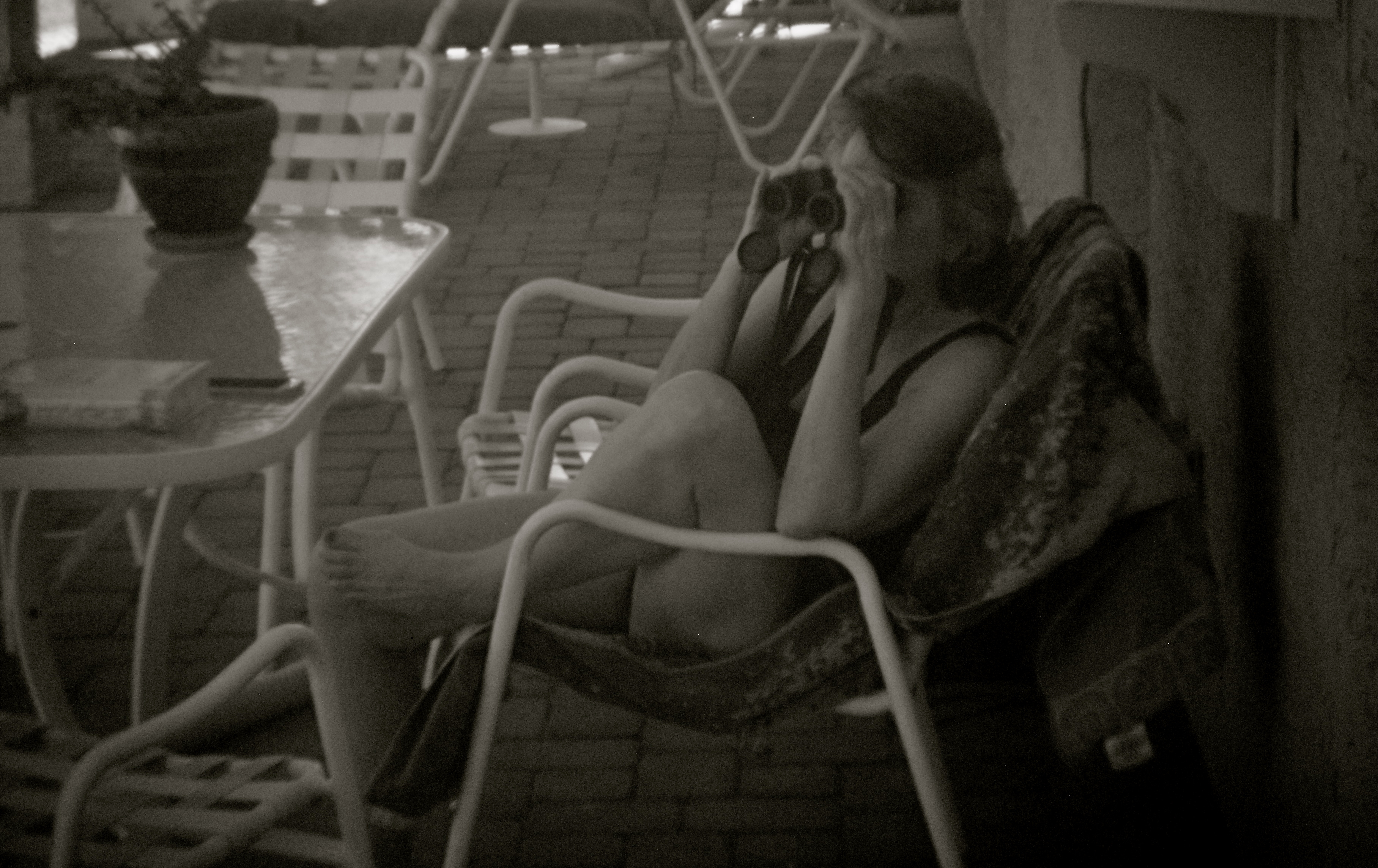
Digital photo sharing was no sooner off the drawing board than people began to pine for their old shoeboxes of physical prints, pictures “you could hold in your hand”. Cue the rebirth of the defunct Polaroid company and a return to instant analog photography, bad film, faulty lenses and all. Hate the coldness of binary storage? Enter the new passion for film of all kinds, aimed at an audience too young to remember how expensive and unwieldy it was, or how poorly built some bargain cameras had been. Coated with the sheen of yester-appeal, these shortcomings became pluses, hailed as “spontaneous”, “unpredictable”, or “delightfully imperfect” in the re-introduction of cheap old plastic toy cameras like the Holga (see above image) and, in turn, the creation of an underclass of all-new, technically compromised gear under the banner of the “Lomography” movement. Like your retro on the arty side? Welcome to the all-manual Lensbaby line, whose higher-end optics sold selective focus to a global fanbase.
A loving return to the imprecision and high failure rate of the film era became attractive to the creators of apps as well, and today, the insanely efficient cameras of the iPhone age sell millions of dollars of applications designed to simulate light leakage, expired film, high grain, lens flares….to, in essence, enshrine all the aggravations of the analog age as some kind of photographic golden oldies. We now praise the defects we used to spend tons of money to avoid. The scary uniformity of high-tech photography has come with a side of high-touch comfort food. It’s a little like Captain Kirk refusing the option of living in a world free of conflict, declaring, without irony, “I need my pain.” Perhaps the chance that something will go wrong is a needed contrast in a world where the likelihood of error has largely been engineered out. Neither precision or randomness is a guarantee of artistic merit, however: that, at least remains, as constantly as ever, in the individual photographer’s hands.
THE BEST WAY THERE?
By MICHAEL PERKINS
ONE OF THE BEST WAYS TO IMPROVE YOUR PHOTOGRAPHS is, quite simply, to stop working against yourself. The single most frustrating thing about reviewing images that didn’t quite work is that you can so clearly identify when you, yourself, were the main obstacle to getting what you wanted. A misguided vision, an incomplete idea, the wrong technical method, or simply inflexibility or ignorance can cost you the shot, and it’s always, always horribly plain that it was you, not the light or the camera or anything external, that stamped “fail” all over certain photos.
I really had a clear, if painful, demonstration of this phenomenon last week, during a birding trip to Flagstaff, Arizona. Summers in “Flag” may bring unpredictable and sudden rainstorms and flash floods, but offer the consolation prize of one of the most amazing color explosions in the west, in its annual blankets of smaller sunflowers. Even when every bird in creation decides to sleep in late or simply play it coy, there are those sunflowers, filling every field, pasture, roadside ditch and creekbed. They are an insanely joyous gift, and it’s not so much a question of whether you’ll shoot them…it’s how well.
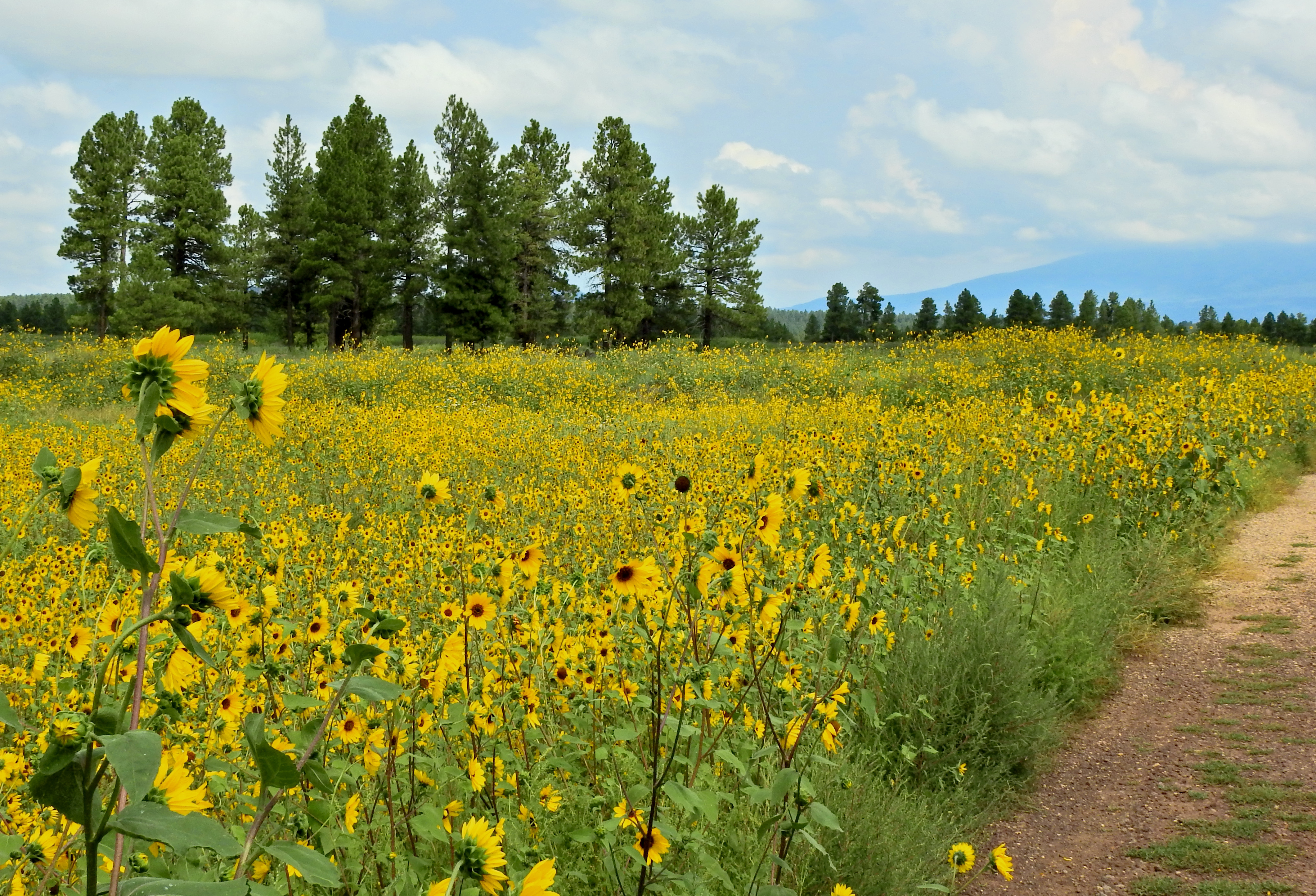
Perk’s Law: Don’t use a “superzoom” bridge camera for your serious landscape work.
The image you see here is a classic example of the right intention meeting the wrong gear. The bridge camera I use to attain insane zoom access to tiny tweeters is also one of the worst lenses for landscapes of faraway scenes. The more you crank up the magnification on a superzoom, the lousier the quality becomes, as their sensors, made tiny to accommodate the space-sucking bulk of a lens that goes from 24 to 2000mm, lose a ton of light, illumination that they try to compensate for by jacking up ISO. The lenses are great in their midrange, in broad daylight, but they reek in shade and, as you can see here, are mushy when it comes to textures and finer details of faraway scenes.
The aggravating thing is that I had a regular wide-angle prime (so, no zoom capability) that is sharper than an executioner’s blade sitting in my car, not 300 yards from this field of flowers. This was somehow too “inconvenient” for me, however, and so I allowed myself to imagine that, as the adverts claim, my superzoom “could do it all”. But what did I need a zoom for in this case, anyway? Consider: I was unrestricted in my access to the area, and could easily have walked to the composition I needed, which, if I had gone out with only the wide-angle prime, I would have had no choice but to do anyway.
So, let’s call a spade a spade: I zoomed because I could, because it was handy. The quality on the wider lens, which can close down to f/16 (the superzoom tops out at only f/8, because, well, starving for light, etc.) would have rendered the flowers sharp to the horizon instead of the melted crayon look delivered by the bridge camera. As for a tighter composition, I could have achieved that later with some intelligent cropping, cutting from an inherently larger, more detailed and sharper image file. The ultimate take-home is that I knew better than to send a boy lens to do a man len’s job, and my bad choice cost me a picture.
Biting-yourself-in-the-butt dept: I’m a huge advocate of taking along as small a haul of kit as possible, always searching for ways to do more with fewer lenses, cameras and gizmos. I’m a big believer in finding a camera that will deliver 90% of what you want 90% of the time, and in leaving all the other gear back in the hotel room. But when convenience actually means a bad return on your vision for an image, you’re not shrewd or concise. You’re just lazy.
A LAND BEYOND THE SCARS
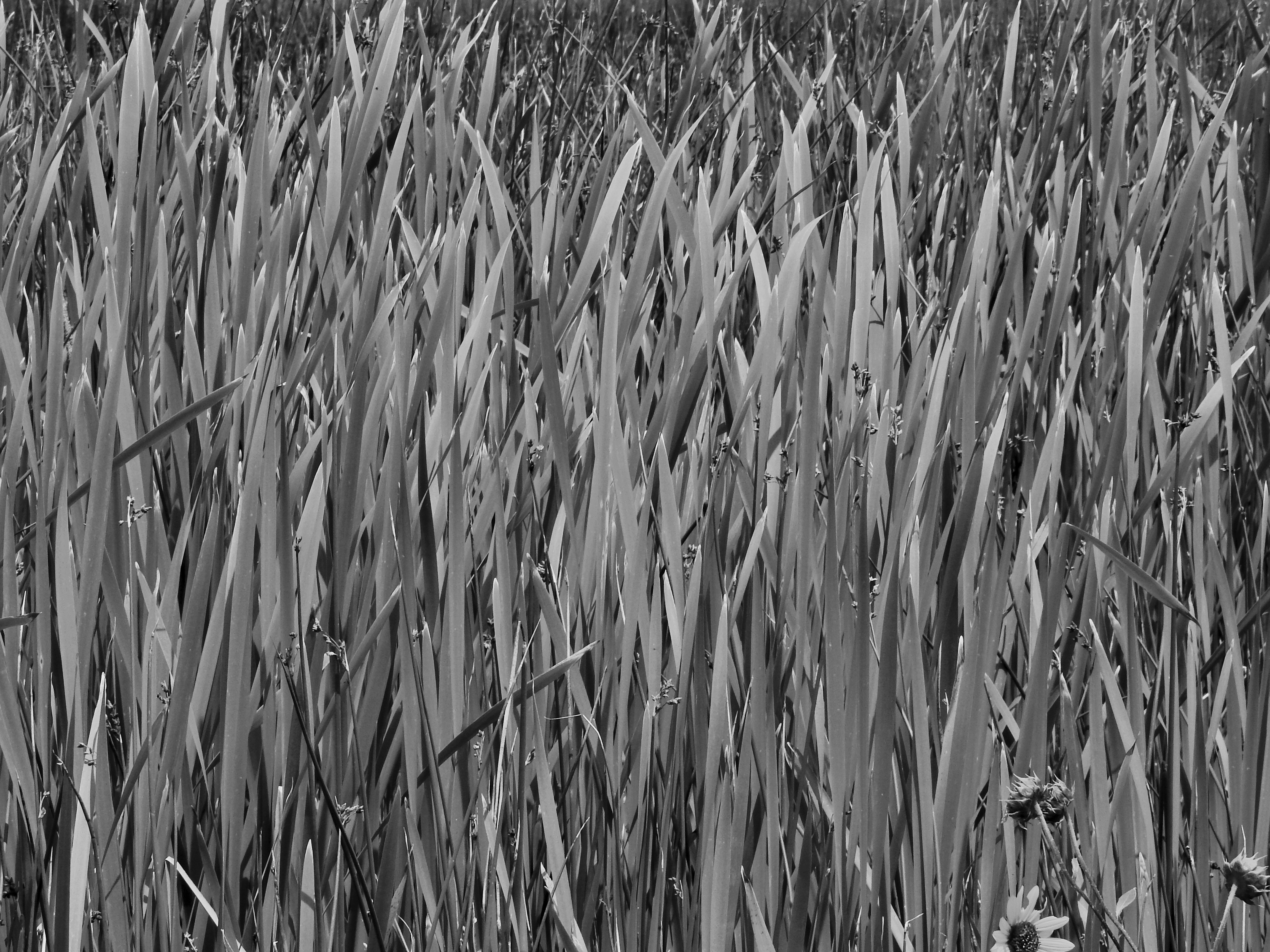
Flagstaff, Arizona, 2021
By MICHAEL PERKINS
I WAS ABOUT TWELVE THE FIRST TIME I ENCOUNTERED ONE OF THE LITERARY WORLD’S SIMPLEST AND BEST METAPHORS FOR THE PROCESS OF HEALING. However, I didn’t discover it visually, that is, on the printed page. Instead, I felt it in the strange, lonely, tremulous cadences of a lone voice on my teacher’s portable phonograph. She was trying to demonstrate the rhythm of verse, how it counted out its beats and measured its messages, and so she played us a reading of the source material, Grass, as read by its author, Carl Sandburg.
Thrilling to the almost creepy quality of his voice, the way certain words gurgled and shook in his throat, I struggled to hear not how he sounded, but what he was actually saying. Half a century later, I hear that voice when I walk through a field of simple green blades waving in the wind. And now, in a way that was impossible in my youth, I feel the complete truth of those words. They inform my photography as they guide my heart, a heart that needs to believe in healing, in the permanence and dominance of Nature, and Her ability to erase even our most grievous faults…..
-
Pile the bodies high at Austerlitz and Waterloo.Shovel them under and let me work—I am the grass; I cover all.And pile them high at GettysburgAnd pile them high at Ypres and Verdun.Shovel them under and let me work.Two years, ten years, and passengers ask the conductor:What place is this?Where are we now?I am the grass.Let me work.
The work continues. In our hearts. In our hands.
In our eyes.
THE MAN WHO MADE MEDIA
By MICHAEL PERKINS
THERE ARE MANY PURISTS WHO WOULD ARGUE that Matthew Brady (1822-1896), the man that transformed photography from a tinkerer’s hobby into the world’s first mass medium, was not, strictly speaking, a photographer himself. This is a little like saying Edison, the inventor of the phonograph, was not a musician. To be clear, the nearly blind entrepreneur who first used the fledgling art of picture-making to mold public opinion and promote the archival value of images for posterity often attached his name, or his studio’s, to views actually taken by his assistants. Even at that, the modern history of photography as we know it is impossible without him.
Brady, the closest thing there can be to a visual “biographer” for Abraham Lincoln, was certainly not the first to make portraits of famous people, but he was the most important early artist working from studio space designed primarily for portrait work. As a result, the famous and the ambitious alike flocked to his galleries in New York and Washington, eager to have their likenesses, and perhaps their fortunes, “made”. Brady and his staff were pioneers in the craft of staged sittings, featuring scenic backdrops, props, and even a different way of posing their subjects. The 1860 portrait of Lincoln taken just ahead of his historic launch at a speech at New York’s Cooper Union shows a clear, confident young politician directly engaging the camera, not staring off to the side, as was the custom in many other portraits of the time. But, even as Brady introduced artistic touches to his work, he was no dainty dilettante : he saw in photography a tremendous business opportunity, and worked constantly to expand its effect and reach. And the first thing he did to attach more fame to his Manhattan studio was to leave it.
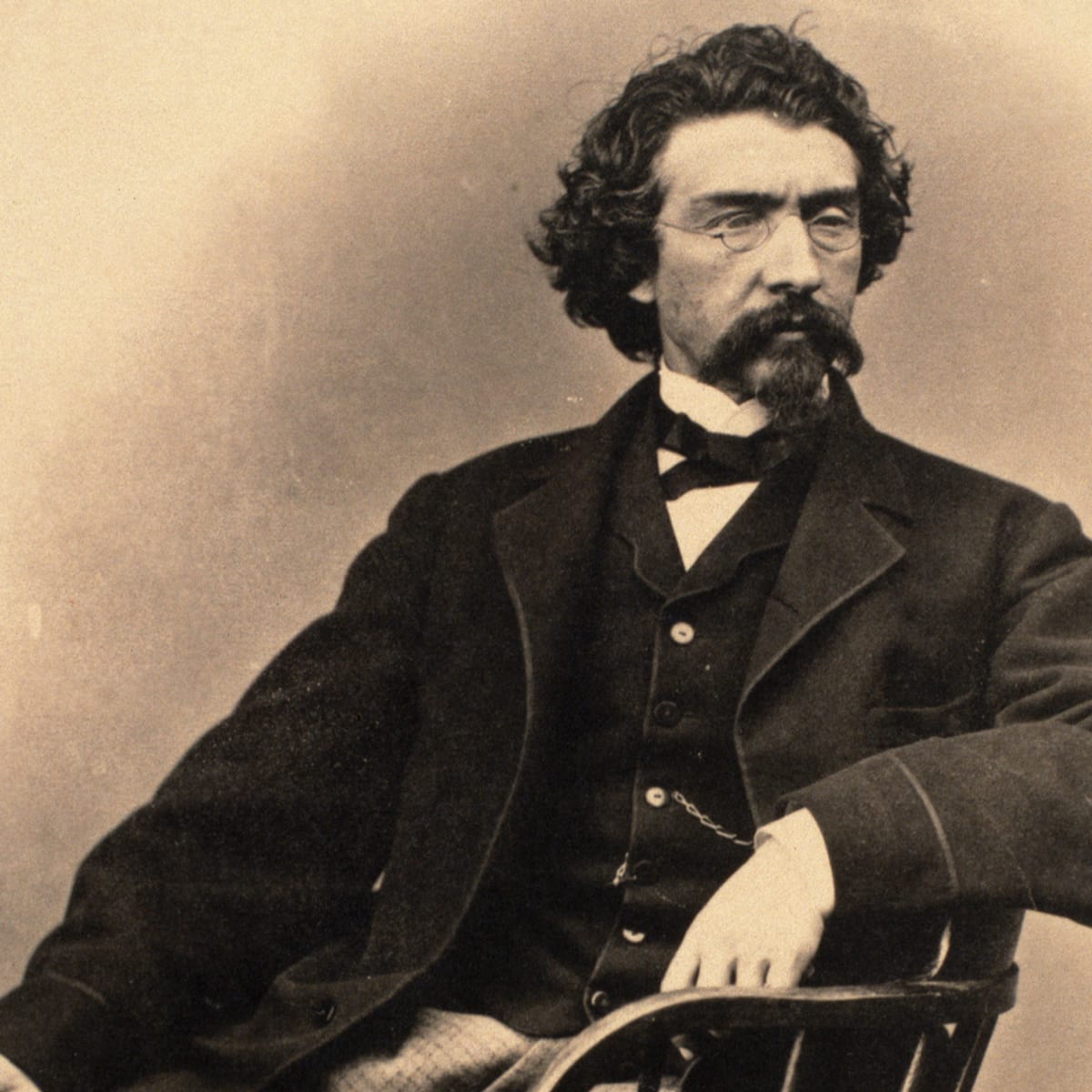
The artist as subject: a studio portrait of photographic pioneer Matthew Brady, taken in the 1860’s.
Brady’s famous quote about his urge to take his enterprise to the new battlefields of the Civil War (“I had to go; a sprit in my feet said, ‘go’, and I went”) may sound like a description of a grand adventure, but it was, essentially, a way to grow the market for his product. In sending fully equipped shooting and processing wagons to the front, he was, wittingly or not, inventing the demand for documentary photography, for a newly pictorial kind of war journalism. He and his teams became the first in the world to provide blanket coverage of an active cataclysm, an approach so stunningly novel that it created a global sensation when he mounted the first exhibition of the results, “The Dead Of Antietam” back at his home gallery in New York.
More of interest to the millions of amateur photographers that would come a generation later, Brady moved the science of the art forward in ways that would eventually improve the ease and efficiency of the process of picture-making for the average shooter. In addition, in freeing the camera from the studio, he lit a rocket under the way advertisements, newspaper articles and books were marketed. Steel engravings and pencil drawings of major events in local gazettes soon gave way to photographic inserts in even small papers, and a fundamental change in how politicians, goods and ideas were “sold” to the public. And then there is the legacy of his amazing portrait work. Absent a million tiny nuances about Lincoln the complete man that are now lost to us, even in the mountain of print that survives on him, generation after generation continues to feel it “knows” him through the mosaic of images snatched out of time by Brady and others. In unleashing the camera’s complete potential, he can be rightfully called the godfather of all modern media, the creator of the grammar by which we visually engage the world around us.
A REQUIEM IN NEON
By MICHAEL PERKINS
MY GRANDMOTHER CALLED THEM “THE PICTURE SHOW“, which I always thought was a more elegant phrase than the self-important motion pictures. Indeed, well into our second century of going to special, secret places to see illuminated instants stab across the dark to illuminate a wall and charm our collective senses, we are experiencing a sea change in every way that we refer to “the movies”, including how much of the experience is “picture”, how much is “show”, or even how much of that event is to be shared with others.
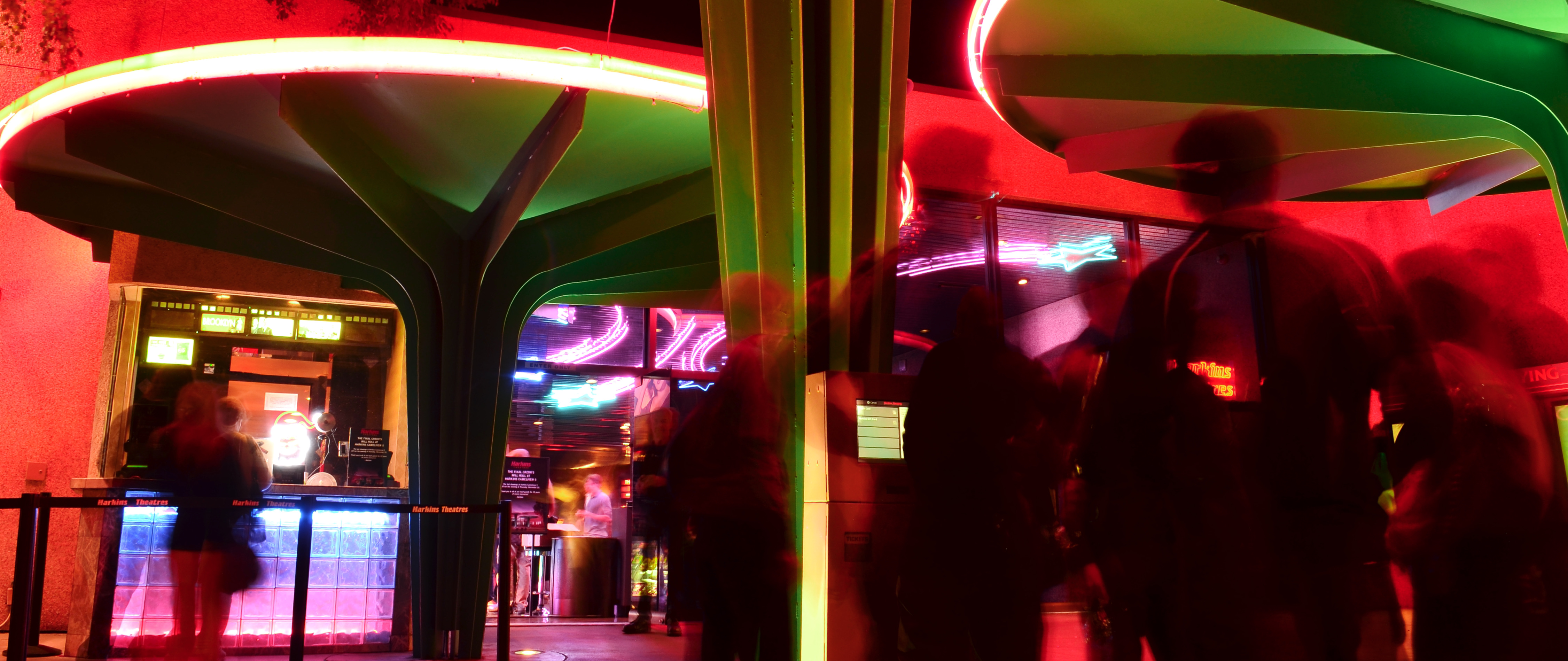
I came back across this image from 2015 as I was thinking about the reported demise of movie palaces, about the umpteenth such prophecy I’ve heard over a lifetime. Television, the death of the nuclear family, the scourge of home video, and now streaming and plague have all taken their place in conversations about how the movies, or at least how we consume them, are “finally over”. Who knows, this time out, it might finally be time to cue the end titles and think of these stories in some profoundly different way. What I do know is that, as the drama unfolds, cameras of all kinds need to be there, to chronicle the transition.
The theatre seen here is actually holding a gala on its last night in operation. It is closing, not because of hard times, but because of good ones, as the Harkins family, the most powerful name in movie theatres in the soutwestern USA, prepares to raze the Camelview Cinema to build an insanely larger version of it just across the street inside a mall. There will be speeches, local tv coverage, even a few tears. And the neon will dim and the attendees will become ghosts, just as this time exposure has visualized them. It’s a gloriously unsubtle night of Happy/Sad/But Mostly Happy.
Since 2020, this scene has been repeated all around the world as, for the first time, the future of theatrically projected “picture shows” is seriously in doubt. As I write this, only mega-blockbusters and “franchise” releases like the latest Marvel Masterwork are turning the turnstiles to any degree. Cocooning, before smaller screens, phones, and tablets, is still being driven by a strange cocktail of convenience and survival.
But many theatres won’t get the luxury of a Harkins sendoff, or even a poetic fade to black, merely the sudden, jarring contrast of Lights Out. In my grandmother’s day, going to the movies was still a bit of a miracle, a definite event. The houses were gaudy, resplendent in their excess, with even the boxy little bijous of her own small town fitted out in their own carnival colors. Part picture, part show. The road ahead in uncertain, but I want to seek out the ones that last the longest and the ones that wink out the saddest and everything in the middle, and snap my shutter madly until the last “flicker.”
 thenormaleye