LEADING THE WITNESS
 By MICHAEL PERKINS
“MEN ARE NOT INTERESTED“, said Jerry Seinfeld, “in what’s on tv. Men are interested in what else is on tv.”
The joke conjures up an image of some remote-happy goof in a man-cave endlessly clicking through channels in search of something ever better than what he already has. And it’s true, which makes it all the funnier. It also speaks to how all humans, both men and “not men”, view photographs, and how shooters can play to that propensity.
All photos, sliced as they are out of the continual flow of time, come with an implied sense of what went before the click and what’s to come after it. Trying to use the information from a stilled moment of time to mentally supply those two temporal bookends is an ever-fascinating game between photographer and viewer. What happened just before this? What will happen next?
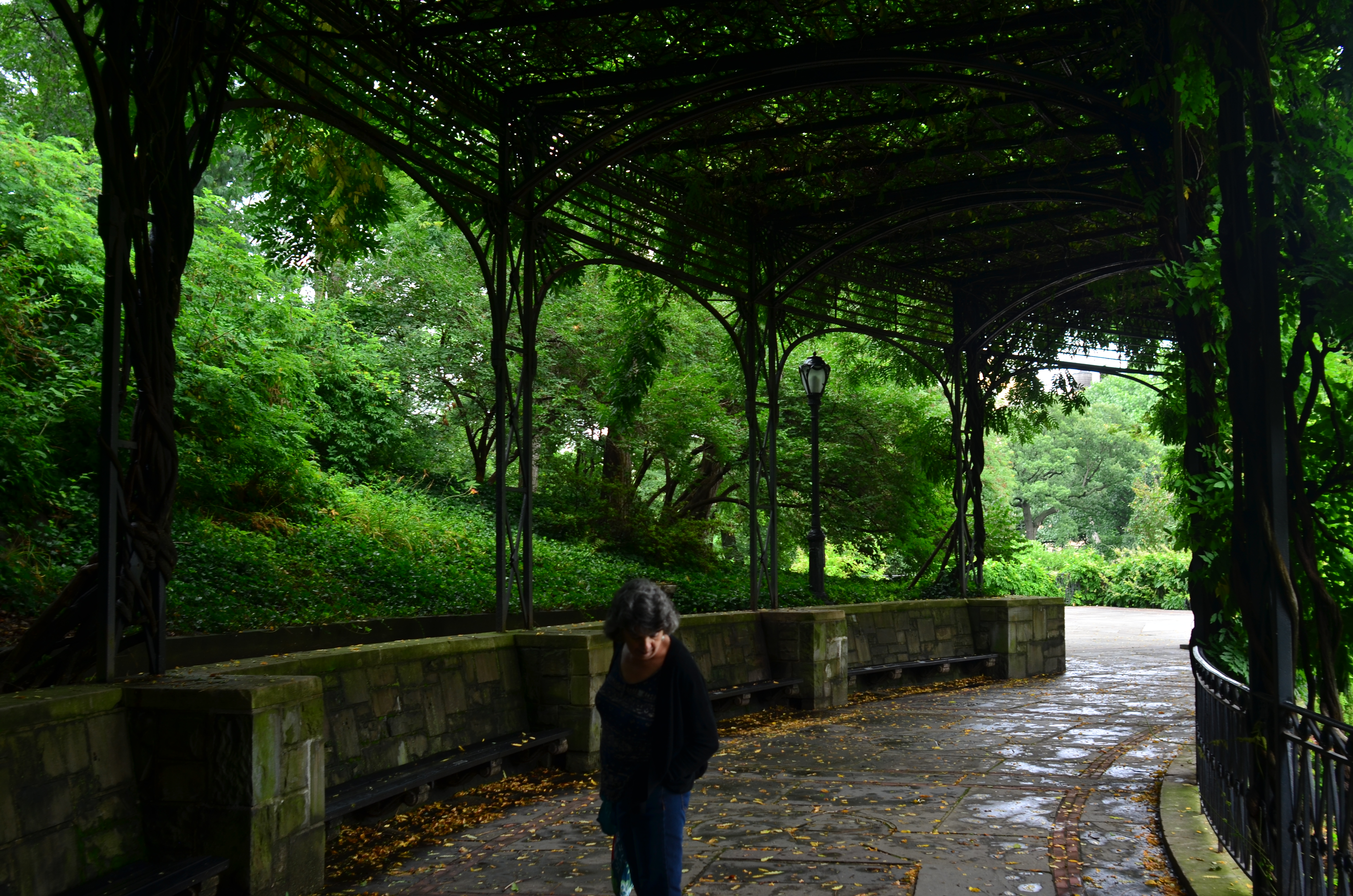
In composing a frame, the photographer uses all the tools at his command to influence his audience’s assessment, including the simple device of leading lines, which can be used to direct the viewer’s eye wherever the artist wants it to go. LLs are usually effective in drawing you deeper “into” a picture that obviously only has two dimensions. Think train tracks at the front of the picture, receding toward the horizon. These lines tell you that you are being asked to go somewhere, and that you should be curious about what’s waiting for you there.
Leading lines can also go from what is shown in the picture to what is implied, asking you to speculate, as in the case of the above frame, what’s around the next bend, or, in Seinfeldian terms, “what else is on tv”. It’s a strange fact that, no wonder what may be shown within a photo, the most fascinating thing to the viewer’s mind, at least, may be the stuff that was left out of it. We all want what we can’t have, and knowing that very human thing can empower a photographer to much more effectively control the frame.
ON DISPLAY
By MICHAEL PERKINS
ALTHOUGH MUSEUMS ARE DESIGNED as repositories of history’s greatest stories, I often find that the most compelling narratives within those elegant walls, for the photographer in me, are provided by the visitors rather than the exhibits.
We’ve seen this effect at zoos: sometimes the guy outside the ape house bears a closer resemblance to a gorilla then the occupant within. With the museum experience, making controlled, serene exposures of the artifacts is never as interesting as turning your reporter’s eye on the folks who came in the door. The juxtaposition of all the museum’s starched, arbitrary order with humanity’s marvelously random energy creates a beautifully strange staging site for social interaction….great hunting for street shooters.
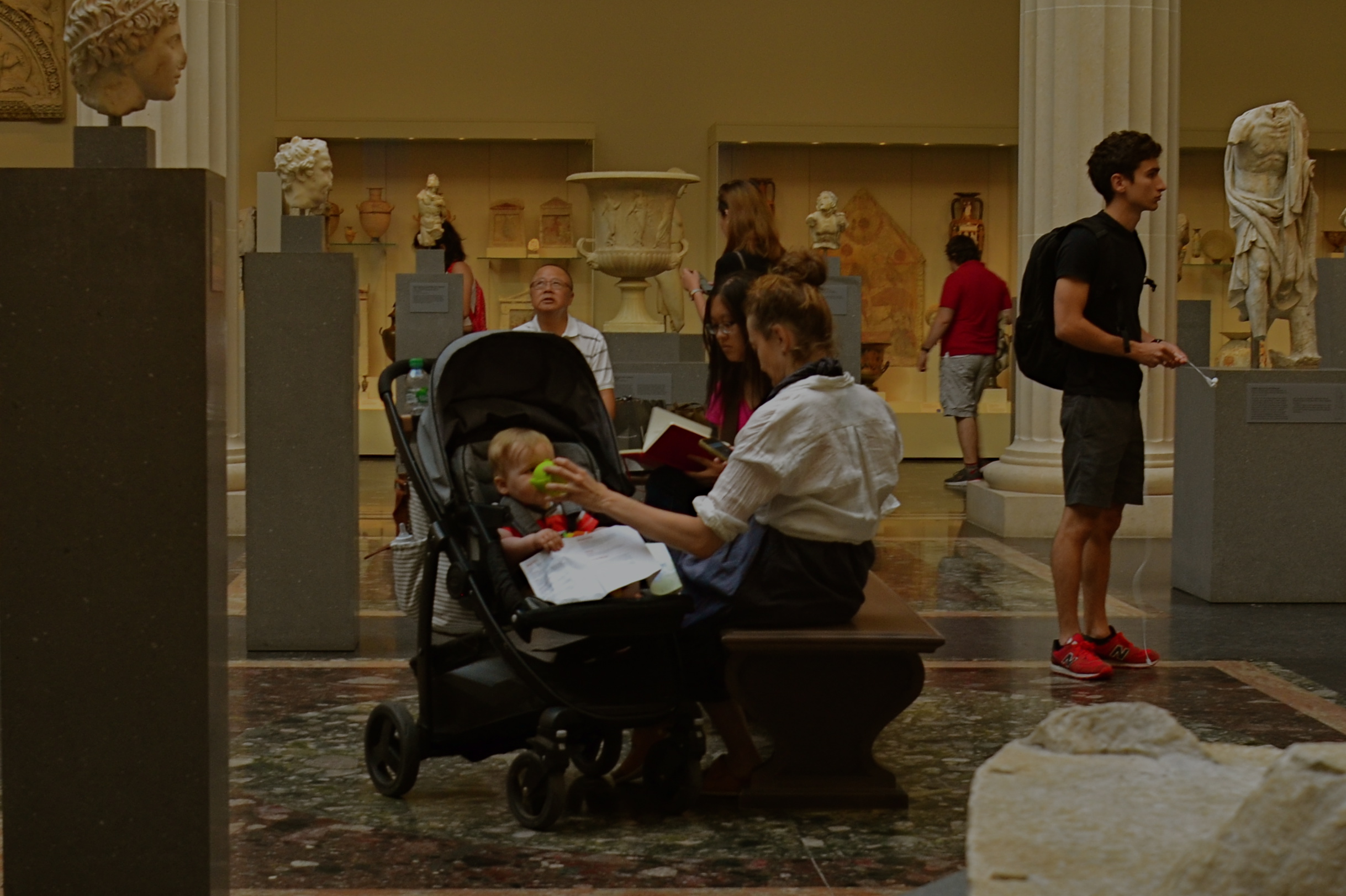
The sculpture gallery shown here, one of the most beautiful rooms in Manhattan’s Metropolitan Museum of Art, is certainly “picturesque”enough all by itself. However when the room is used to frame the chessboard-like weaving of live humans into the pattern of sculpted figures, it can create its own unique visual choreography, including the mother who would love to bottle-bribe her baby long enough to finish just one more chapter.
Anyone who’s visited The Normal Eye over the years recognizes this museum-as-social-laboratory angle is a consistent theme for me. I just love to mash-up big art boxes with the people who visit them. Sometimes all you get is statues. Other times, one kind of “exhibit” feeds off the other, and magic happens.
RIDING THE SLIDER
By MICHAEL PERKINS
ONE OF THE MUST–HAVES during the golden age of component stereo was the graphic equalizer, a panel on the front of many hi-fi receivers that divvied up the audible spectrum into five zones, allowing the discriminating audiophile to create a custom low-midrange-hi mix of frequencies by adjusting each zone’s vertical slider switch. It gave a clear representation of the desired fidelity curve. It was visual. It was visceral. Most importantly, it was cool, man.
The “slider” is also, for me, a frame of reference for my photography, since it gives me a mental picture of where I’m at along the track from work that’s left-brained (precision-driven, analytical) and right-brained (instinctual, reactive, emotional). The slider almost never travels to either extreme in the making of pictures, but veers closer to one or the other in a custom e.q.’d mix between rational control and total abandon. This is becoming more common with photographers in general than at any time in the past. When it came to crafting an image, we almost always asked about the how of things. Now many more of us also ask about the why.
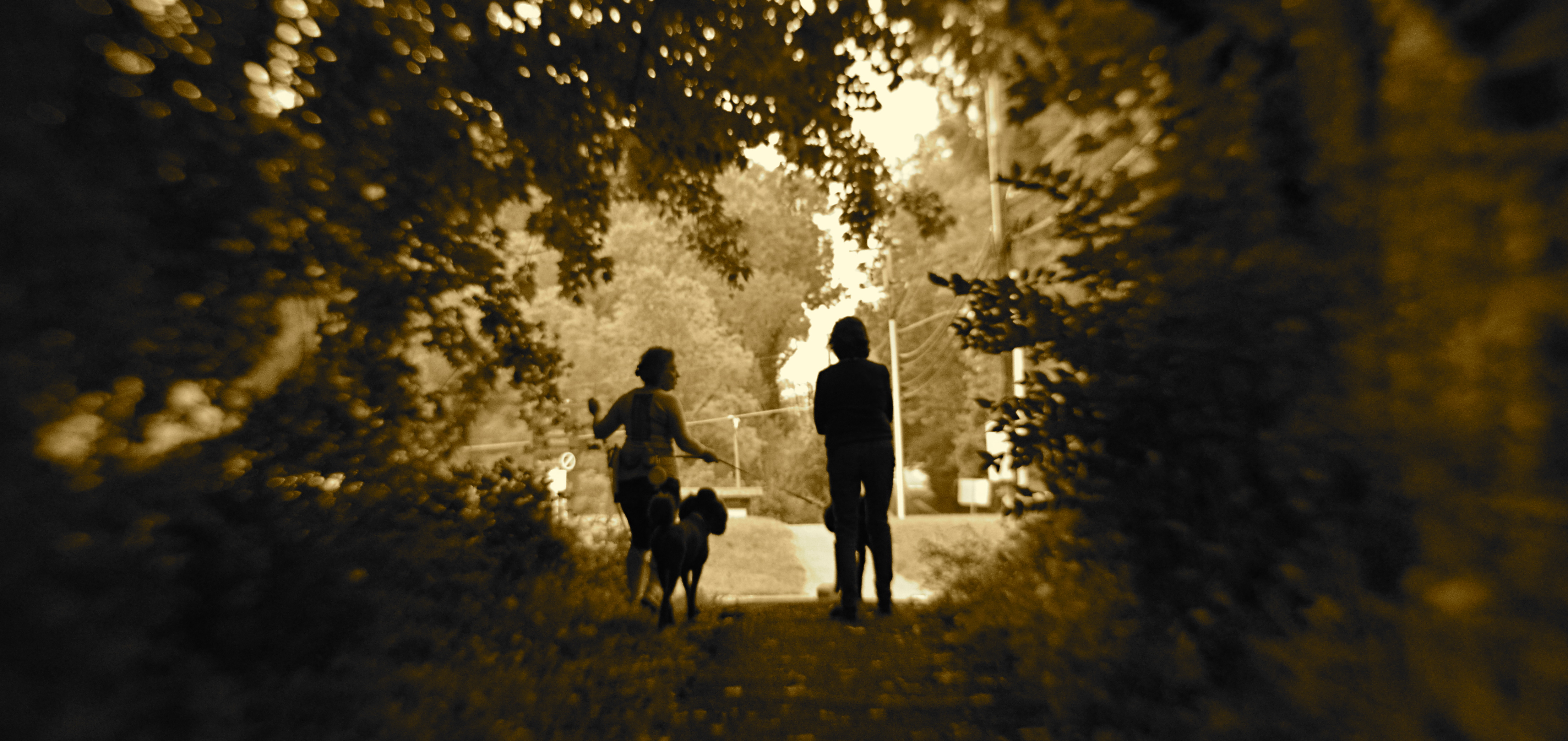
The above image is illustrative of this balancing act. In walking behind the two women emerging from a forest at the end of their dog walk, I was never going to have a lot of time to formally set up any one shot…..not unless I was willing to interrupt the ladies’ together time, which seemed counter-intuitive at best. Optically, I was shooting with a selective-focus lens, designed to be sharp at the center, then progressively softer at the edges. Additionally, I decided to under-expose both women, eliminating all detail and reducing them to silhouettes. This meant that I had to wait until they were fairly centered in the clearing at the edge of the woods, one of the only reference points I would have for sharp focus, the backlighting of their forms, and any suggestion of depth.
And so you have a shot which is neither all-rational nor all-instinctual but a mixture of the two, the slider’s mid-point between preparation and improvisation. Total adherence to the left brain can produce shots which are technically precise but emotionally sterile. Working too much on the right side can yield pictures that are chaotic or random. Learning to jockey the slider is at least as important a skill as either composition or conception.
GET YOUR MIND RITE
By MICHAEL PERKINS
“REALITY”, THOUGHT TO BE the normal end product of the process of pointing a camera at something, is actually rather limiting. Sure, our little boxes were originally created as an accurate, even scientific means for recording our world.. a method more reliable, somehow, than the imprecision of the painter. Soon afterward, however, the camera longed for a soul of its own, or at least the painter’s freedom to make a subjective choice as to what “real” should look like.
Bottom line: for photographers, mere reality turned out to be, well, kind of a yawner.
To go even further, it seems to me that certain subjects actually call for a kind of unworldly, almost hallucinatory quality, an attempt to make things look not like what they are but how they feel. Of course, we can’t actually show emotions or states of mind, but various photographic techniques can, and should suggest them.
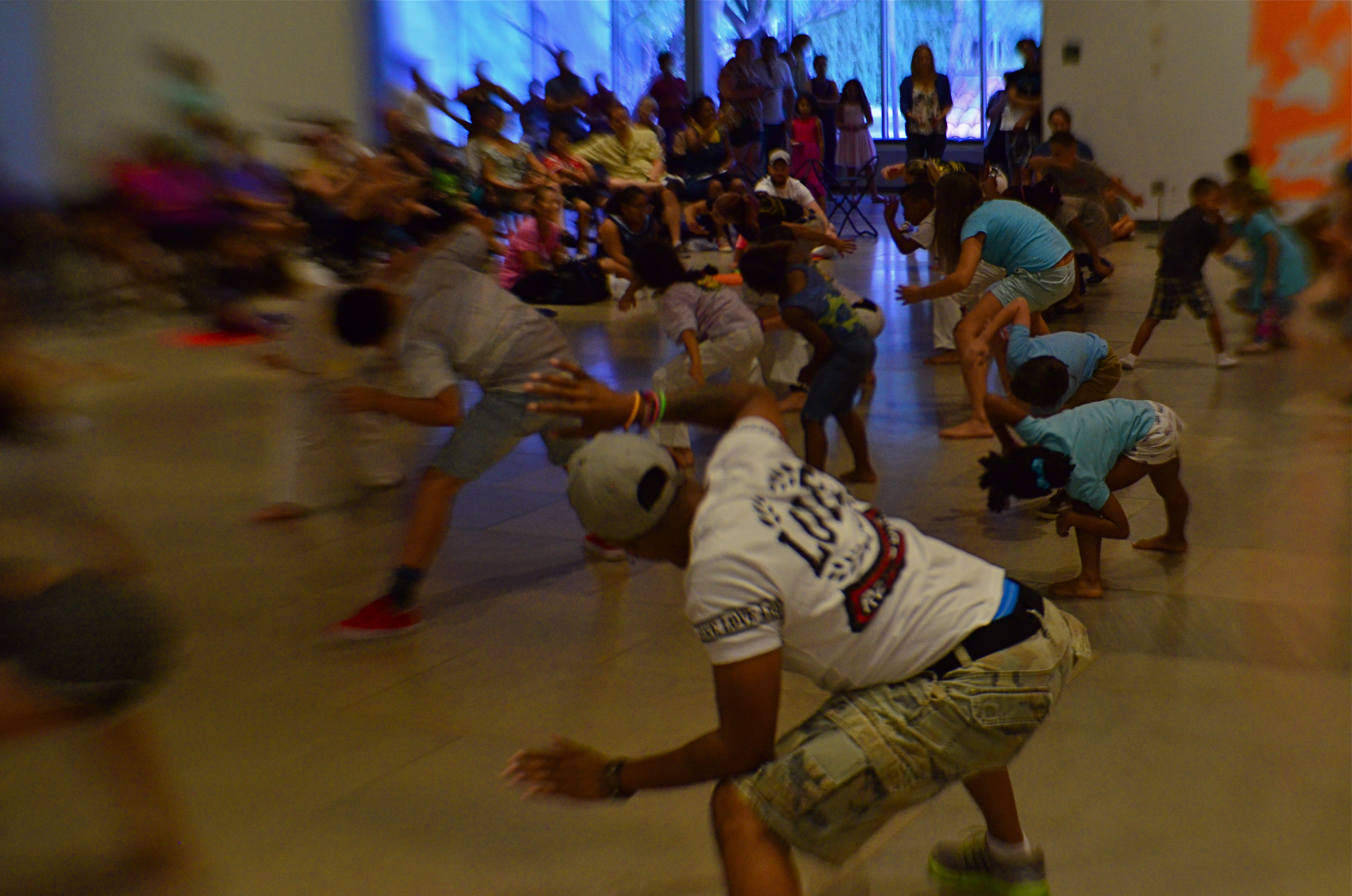
In visualizing ritual, ceremony, sacrament, or tradition, for example, you’re not merely chronicling activity. You’re also photographing mystery, or an extra dimension of consciousness. The above image, in terms of mere reality, is of a class for museum visitors curious to learn bout the Brazilian ritual of capoeira, a traditional fake-fighting martial arts performance that is performed during carnival and other national festivals. Now, you can shoot such a subject “realistically” (evenly lit, uniform focus, sharp detail), or aesthetically (dark, selectively blurred, even a little confusing), depending on what kind of feel you’re going for. This goes to the heart of interpretation. You’re not merely presenting reality: you are representing it.
Photographs originate in the mind, not in the camera, and so it must follow that there are as many “realities” as there are photographers.
LOW INFO AND HIGH NARRATIVE
By MICHAEL PERKINS
YOU DON’T HAVE TO KNOW all the elements of a story to tell it visually. Yes, photography certainly has the technical means to tell a detailed tale, but that narrative need not be spelled out in every particular by the camera.
Indeed, it might be the very information that’s “missing” that may be the most compelling element of a visual story. That is to say, if you don’t know all the facts, make the picture. And if you do have all the facts, maybe leave out a few…. and make the picture anyway.
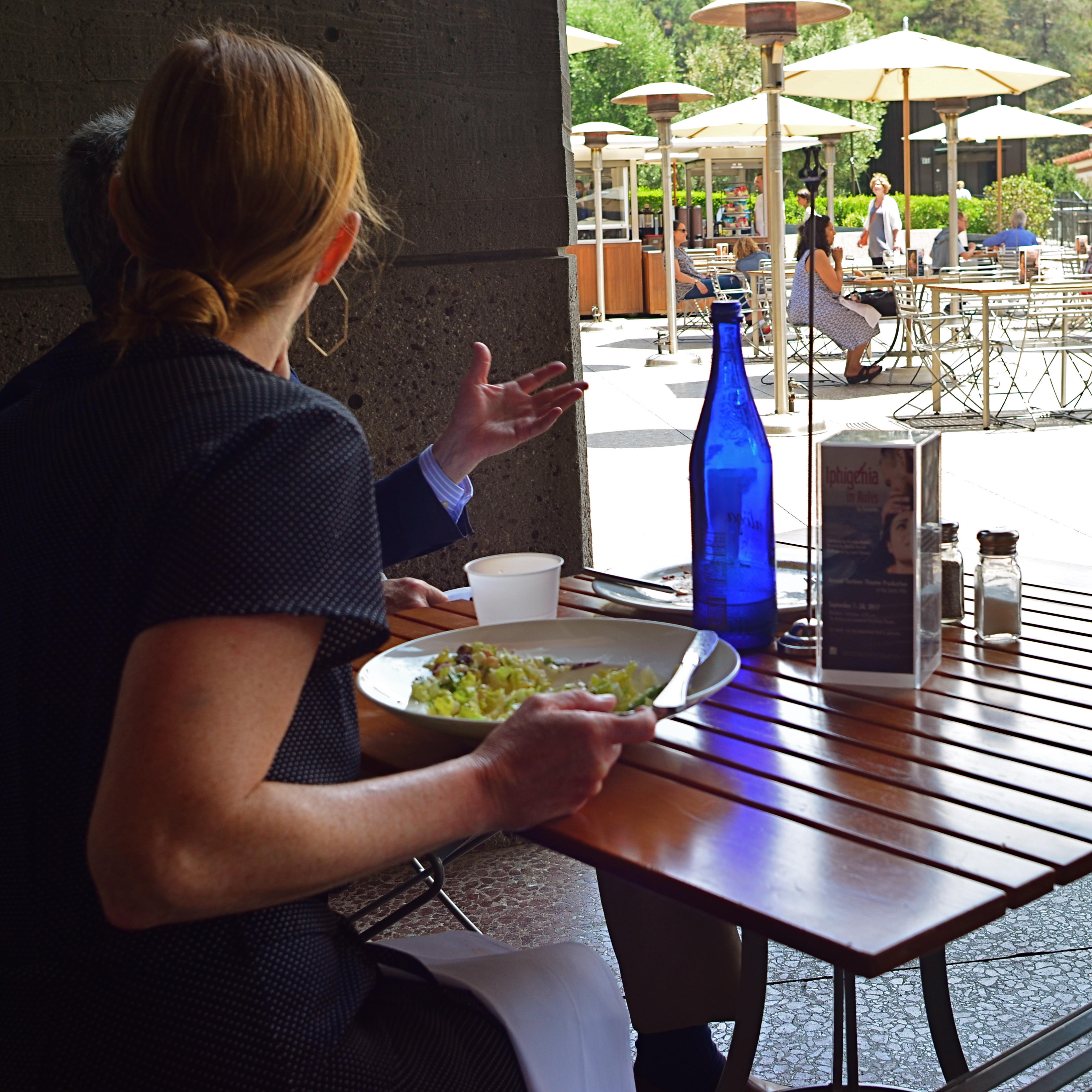
The above image illustrates this strange mis-match between storytelling and story material. As a shooter, I’m tantalizingly close to the couple at the table next door to me at a plaza restaurant. I mean, I can practically count the salt grains on the lady’s salad. I can also tell, by her male companion’s hand gestures, that a lively conversation is underway. But that is the sum total of what I know. I can’t characterize the discussion. A business planner? A lover’s quarrel? Closing the sale? Sharing some gossip? Completely unknown. Sure, I could strain to pick up a word here or there, but that alone may not be enough to provide any additional context, and, in fact, I don’t need that information to make a picture.
This is what I call “low info, high narrative”, because I don’t require all the facts of this scene to sell the message of the picture, which is conversation. As a matter of fact, my having to leave out part of the image’s backstory might actually broaden the appeal of the final product, since the viewer is now partnering with me to provide his/her version of what that story might be. It’s like my suggesting the face of a witch. By merely using words like ugly or horrible, I’ve placed you in charge of the “look” of the witch. You’ve provided a vital part of the picture.
You won’t always have the luxury of knowing everything about what you’re photographing. And, thankfully, it doesn’t really matter a damn. That’s why we call this process making a picture. We aren’t merely passive recorders, but active, interpretive storytellers. High narrative beats low info every time.
GROUND ZERO FOR VALOR
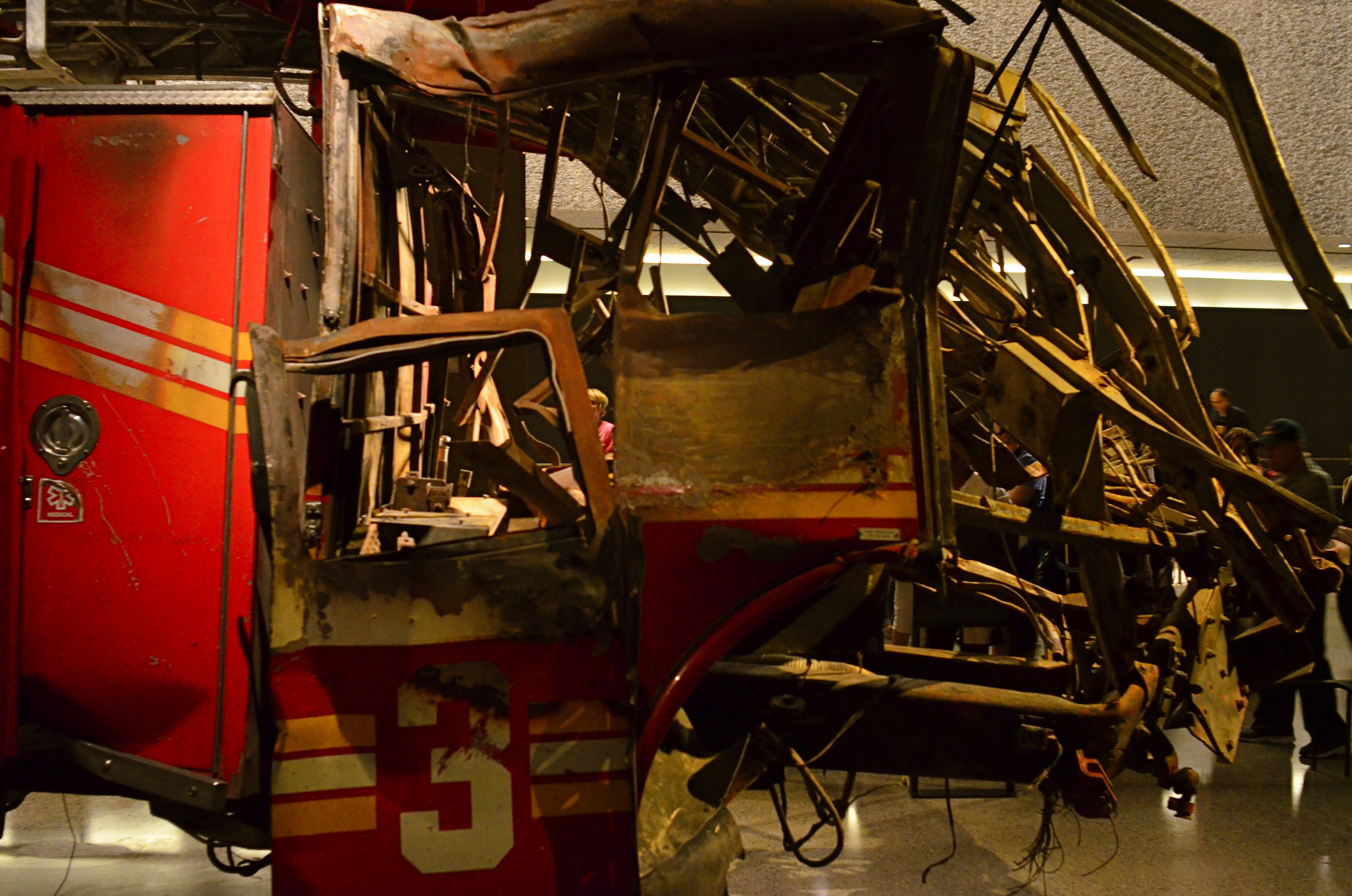
Sheared in half under the collapsed WTC’s North Tower, Ladder Company 3’s apparatus truck stands guard in the 9/11 Memorial Museum’s underground exhibit space.
By MICHAEL PERKINS
BEFORE THE ELEVENTH OF SEPTEMBER WAS DEFINED, for the New York Fire Department’s Ladder Company Number 3, by grief, the date had long stood as a milestone of devotion. Dedicated on September 11, 1865, Ladder 3 as one of Manhattan’s first fire companies, “the 3” was well on target toward its sesquicentennial on the morning that eleven of its finest perished while trying to evacuate the 40th floor of the doomed North Tower at the World Trade Center.* Death above was mirrored by destruction below: parked along West Street, the 3’s apparatus (ladder) truck was sheared in half, corkscrewed into a clawed snarl by the astonishing force of the building’s collapse.
And so it happened that one of the most poignant symbols of American valor was entombed, literally, at the epicenter of the nation’s most raw, most anguished loss, the geographic coordinates that quickly came to be called Ground Zero. However, the 3’s truck would not immediately serve as an official visual headstone, a graphic barometer of our loss. That day would have to wait.
First would be the accounting, the sorting out. As ashes were sifted and rebirth begun in this most vigorously contested patch of Lower Manhattan, the twisted remains of Ladder 3 were removed, the truck warehoused at JFK airport, silently sequestered against the day it would be re-purposed as a red-and-rust jewel in the reverent setting of the 9/11 memorial museum.
That resurrection and re-internment, a mixture of sacred fervor and steely defiance, would come on July 20, 2011, when the returned Ladder 3 apparatus truck, swaddled in U.S. and FDNY flags, would be lowered 70 feet down into the subterranean display space that serves as the nerve center of the museum. Now, before daily batteries of Nikons, Canons, and iPhones, its silent testimony can follow millions back home, the countless new images illustrating, as no words could, the full impact of history. Standing in as a grave marker for the thousands of human remains housed invisibly nearby, Ladder 3’s gnarled visage would pose as a surrogate, a way of marking valor’s Ground Zero.
* * * * *
*Ladder 3, in firefighter parlance, was “running heavy” on the morning of 9/11. The attack occurred almost precisely at the company’s change of shift, with both first and second shift crews remaining on duty to combat the catastrophe. This horrific quirk of fate doubled the 3’s losses at the site, claiming the lives of Captain Patrick “Paddy” Brown, Lt. Kevin W. Donnelly, Michael Carroll, James Raymond Coyle, Gerard Dewan, Jeffrey John Giordano, Joseph Maloney, John Kevin McAvoy, Timothy Patrick McSweeney, Joseph J. Ogden, and John Olson.
SILHOUETTE SHORTHAND
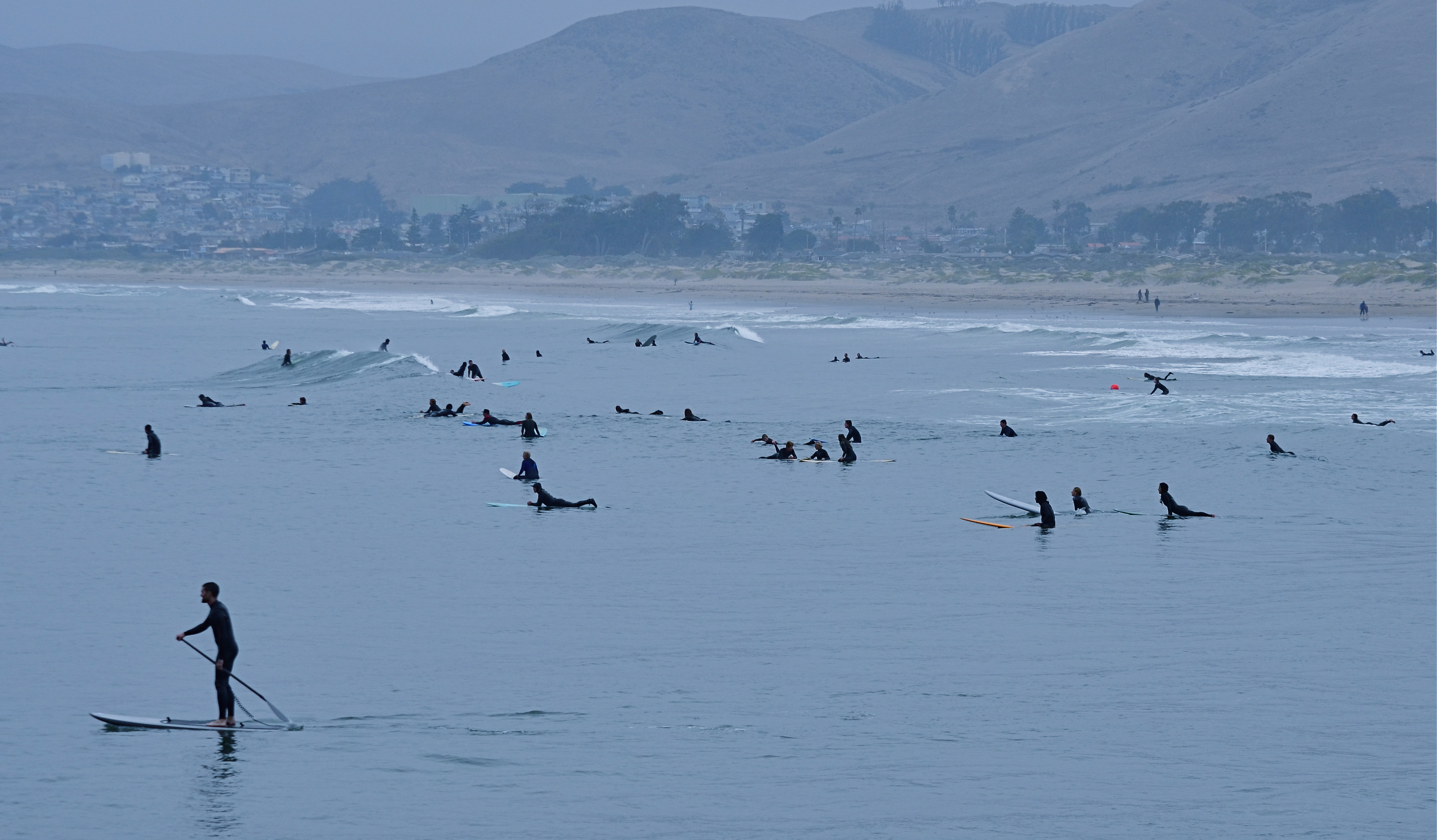
1/250 sec., f/8, ISO 100, 300mm.
By MICHAEL PERKINS
AS AN OBSESSIVE CHILD, I became crazed with the drawing of short animations on pads of paper known as “flip books.” You know the drill. Draw a picture on the top sheet, turn the page, draw another picture with a small change in position, and repeat several dozen times until you produce a brief cartoon by flipping the entire pad from the front to the back. I actually got pretty good at it, if, by “good” you mean manically addicted to perfection and insanely fixated on detail. I could make three seconds of cinematic grandeur. I just couldn’t do it fast.
Meanwhile, on the other side of the playroom, my sister and her partner, my cousin Mark, had so such problem. While I would spend the better part of a week sweating over the laws of locomotion for such classics as The Mummy Goes Mad or Spider–Man vs The Vulture, Liz and Mark cranked out ten titles a day, crude stick-figure blackouts created in ten-minute surges of creative hysteria, all ending with the unfortunate (and unnamed) hero exploding, then emitting a dialogue balloon with the single, sad existential word “WHY??” While I was doing DeMille parting the Red Sea, they were doing Mack Sennett one-reel wonders, heavy on the pie fights. Fact is, I found their stuff gut-achingly hilarious. There was no disputing which of the two “studios” better understood the entertainment biz.
Lizzie and Mark’s stick figures moved every bit as well as my fully-rendered players, but their impact was more immediate. Their drawings didn’t have even a single line that wasn’t absolutely essential to their narratives. I thought of all this recently when working with some distant crowds which were reduced to mere silhouettes in a deep telephoto of the coastline at California’s Morro Bay. As components in a larger composition, they were just markers, measures of linear space. Shooting even closer might have revealed their hair color, lines on their faces or the shine of water on their wet suits, but to what benefit for the overall effectiveness of the picture?
There are many forms of visual shorthand in the making of a photograph, and they can be effective in speeding the journey from the viewer’s eye to his heart. We might think of photography as the complete recording of detail, a piece-for-piece re-play of reality, just as I thought I had to draw every single web line on Spider-Man’s head. However, the most eloquent images often speak louder by using fewer words.
Sometimes, a stick figure is exactly what you need, and no more.
TILES
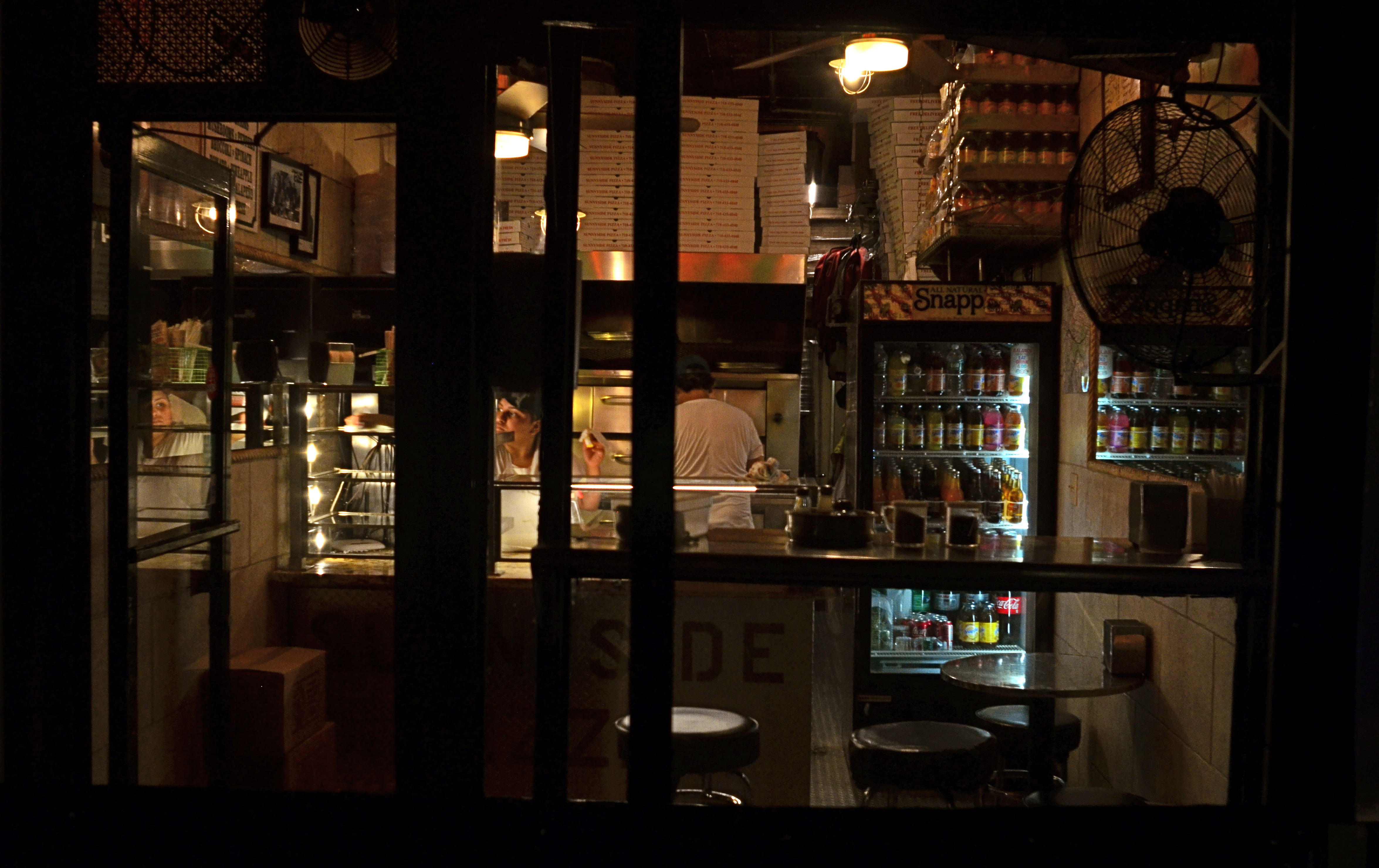
Carry Out (2017). 1/50 sec., f/4, ISO 640, 24mm.
By MICHAEL PERKINS
EVERY TIME I SEE SOMEONE working on a jigsaw puzzle, I can’t help but think that they’re missing all the fun. The idea of the project is, of course, to assemble enough pieces of a scene that it becomes recognizable. 200 pieces in: some kind of structure. 400 pieces in: looks like it’s made of iron, triangular maybe. 600 pieces in: oh, yeah, the Eiffel Tower!
But, whereas a picture puzzle is solved when the image looks complete enough, my favorite kind of photography centers on how few pieces of the puzzle can be supplied and still have the image communicate to the viewer. Formalists might call this minimalism: art curators might label it cubism: holy men in flowing robes might use the term zen. I just think of it as reducing pictures to the smallest number of components needed to convey ideas.
In fact, many photographic subjects actually present themselves in a kind of broken pattern right out of the gate, challenging us to create images from the spotty data they let through. For example, views through partially blocked windows, such as the one at the top of this page, in which what remains readable behind the darkened door and window framings, is more than enough to sell the message pizza shoppe.
For me, having everything spelled out to the Nth degree in a photograph is beyond boring. It’s much more interesting to engage the viewer in a kind of partnership in which he is looking on purpose and I am trying to maximize the power of my pitch, going as far beyond the obvious as I can while not letting the picture fly apart. The first minute I’ve snapped enough pieces into the puzzle to suggest the Eiffel Tower, I’m ready to leave the last 300 pieces in the box.
ONE GLIMPSE OF WAS
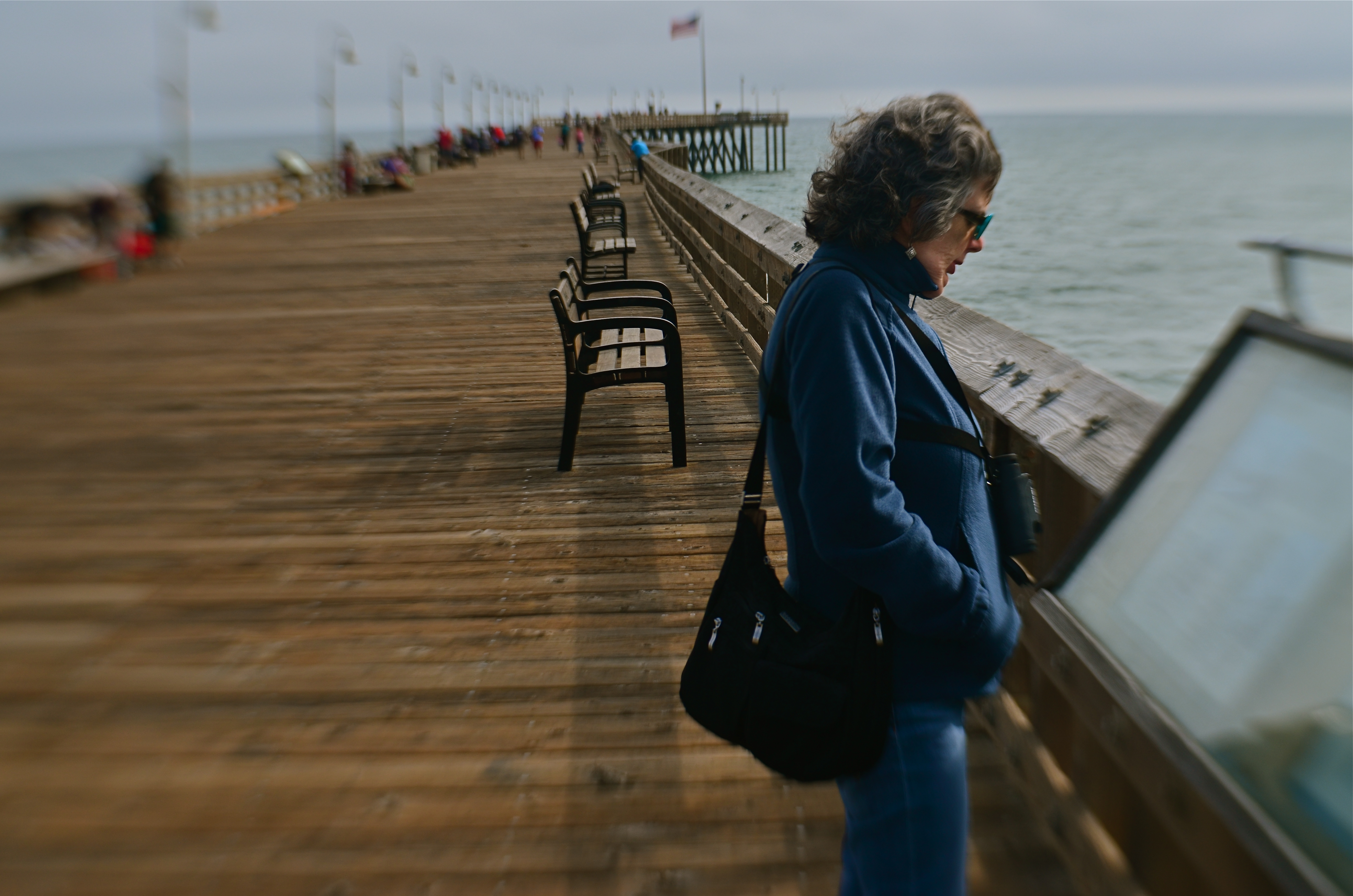
1/320 sec., f/5.6, ISO 100, 35mm.
By MICHAEL PERKINS
ONE OF THE EXQUISITE PLEASURES usually denied to even the best portrait photographers is the ability to turn back the clock, to use the camera to x-ray one’s way past a subject’s accumulated life layers, peering into the “them” that was. It’s not really that it’s impossible to retrieve part of a person’s yester-faces. It’s that it’s maddingly elusive, like getting a brief glimpse of a lighthouse beacon amidst billows of pea-soup fog. We have to take faces, for the most part, at, well, face value.
Case in point: meeting my wife, as I did, long after we both had lived fairly complete first lives, I can only know the early visual version of her through other people’s pictures. It allows me to look for parts of those earlier faces whenever I make new images of her, but I can never know when any of them will flash up to the surface. It does happen, but there’s no way to summon it at will.
Marian grew up in a beach town, with the seasons and rhythms of shore life defining her own to a degree. As a consequence, I always welcome the chance to shoot her near the sea….along beaches, atop windswept piers, weaving her way through the sights and sounds of boardwalks and harbors.
Of course, restoring Marian to her original context, by itself, is no guarantee that I’ll harvest any greater photographic truth about her face’s formative years than I do on any other day. Still, I find the idea romantic and brimming with tantalizing potential. Will I be given an audience with the ghosts of Marian past today? Will they even show up? The mystery of faces leads photographers on a blind chase, with only the occasional find to convince us to continue the hunt.
 thenormaleye
ALONE OR LONELY?
By MICHAEL PERKINS
NO TWO ARTISTS view the human condition of solitude in quite the same way. In photography, there are scores of shades between alone and lonely, between the peace of private reflection and the terror of banishment, shades which define their images as everything from comforting to terrifying. Thoreau hangs out solo in the woods and finds fulfillment. Hansel and Gretel, stranded in the forest, feel only dread.
Alone again…..naturally?
The argument might be made that modern society at large fears solitude, that there is nothing more horrific than being alone left with one’s self. And, if that is your viewpoint, then that will eventually be reflected in how you depict people in isolation. Conversely, if you see “being apart” as an opportunity for self-discovery, then your photographs will show that, as well. You can’t “sit out” commenting on a fundamental part of the human condition. Some part of your own outlook will be stamped onto your photography.
That’s not to say that you can’t shade your “alone” work with layers of mystery, even some playfulness. Is the young woman shown here glad to be away from the crowd, or does she feel banished? Is her physical attitude one of relaxation or despair? The photographer need not spell everything out in bold strokes, and can even conspire to trick or confound the viewer as to his true feelings.
To make things even trickier, images can also convey the feeling of being alone in a crowd, lonely in a crushing multitude. That’s when the pictures get really complicated. With any luck, that is.
Share this:
September 18, 2017 | Categories: America, Commentary, Conception, Interpretation | Tags: Urban Photography, Viewpoint | Leave a comment