By MICHAEL PERKINS
THROUGHOUT HISTORY, MEMORIALS TENDED TO BE FAIRLY STATIC THINGS. A tomb or monument depicting a battle, celebrating a leader, or enshrining a belief was built, and it stood, for as long as time and fortune might allow. After the invention of photography, however, things tended to be not fully finished, especially tributes and honors. We track their context with pictures in real time: over consecutive eras, we document their rise and fall, and that of the societies that produced them.
The equestrian statue of Theodore Roosevelt, parked for 80 years at the entrance to New York’s American Museum of Natural History (which T.R.’s family riches helped establish) has, as of this writing, been removed, transferred to what historians hope will be a better teaching context. His mounted figure, flanked by depictions of both Native and African-American men on foot, had been problematic for the museum, passersby, and, indeed the Roosevelt family itself in recent years, given the 26th President’s troubling mix of views on race, eugenics, and colonialism, and so the removal came as little surprise. Now, however, as a consequence of the move, anyone taking a photograph of the work henceforth will be interpreting it through the “lens” of a completely different societal context.
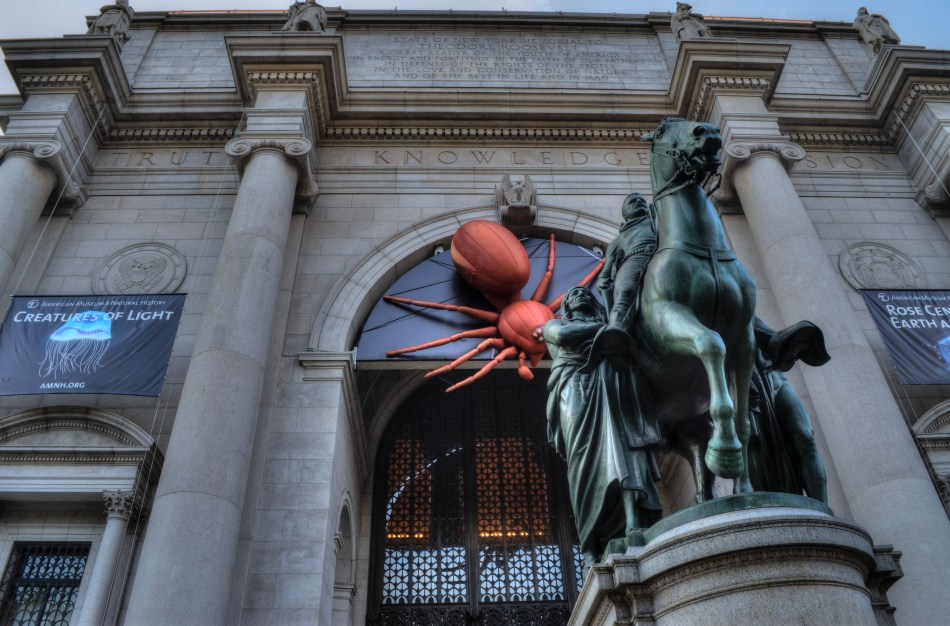
Now you see it, now you won’t: the recently removed Teddy Roosevelt statue, an 80-year fixture at the entrance to the American Museum of Natural History, as seen by the author in 2012.
When people change, the symbols they value, as well as the images they create of those symbols, change as well. Just as it’s odd now to see the Statue of Liberty’s disembodied torch hand in old photographs, the images makes sense once one realizes that the landmark originally came to American in stages, with the arm on display in Manhattan for a time in a push for funding to complete the memorial. Thus that picture, in its original time frame, makes perfect sense. It’s only that more familiar pictures have replaced that view, rendering its original reality strange.
It’s not for this author to try to climb into the mind of the original creators of the T.R. statue in question: it was a product of its time. Similarly, this image I made of it, from its chosen angle to its processing to the unsettling presence of an enormous red spider(!), is now locked away from all other moments on a single day in 2012. “The moving hand writes, and having writ, moves on”. Heroes, from generals to philosophers, are nuanced, complicated. Making pictures of our struggle with that complexity is part of our quest to tell our complete story.
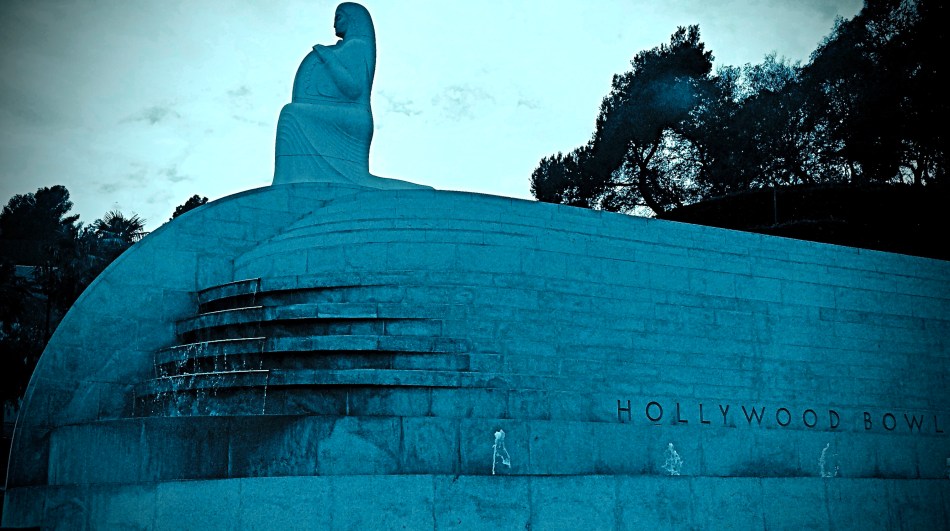
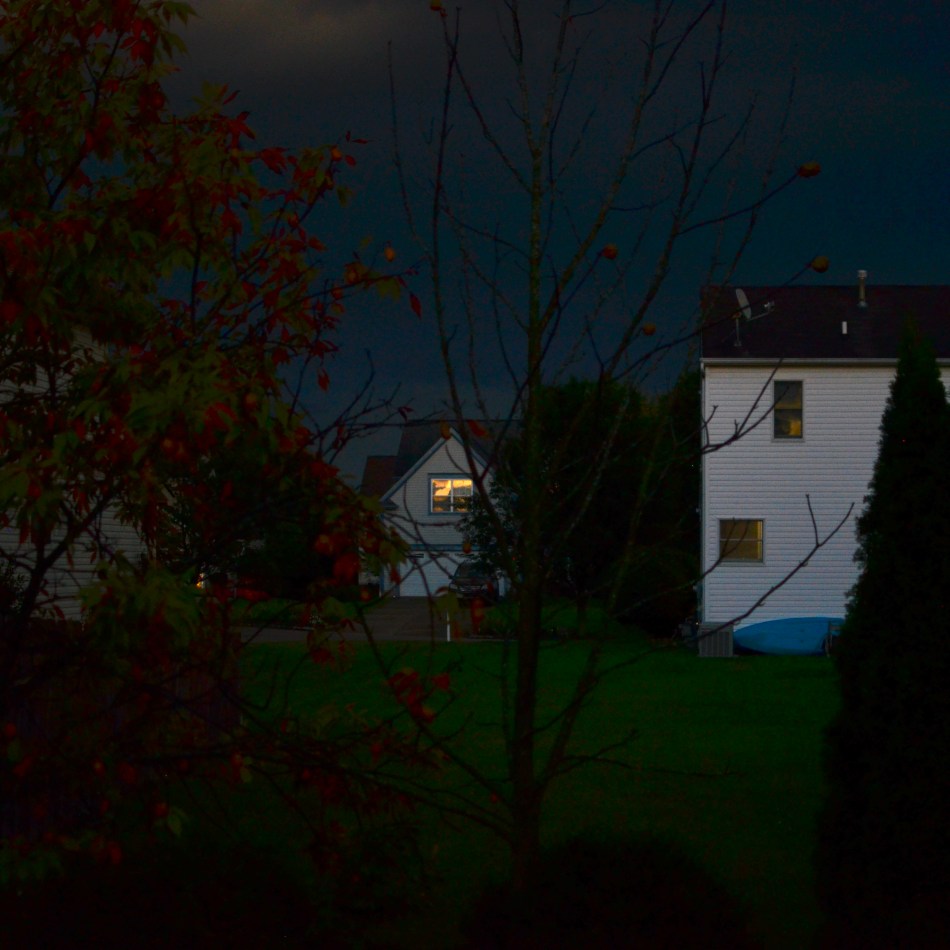


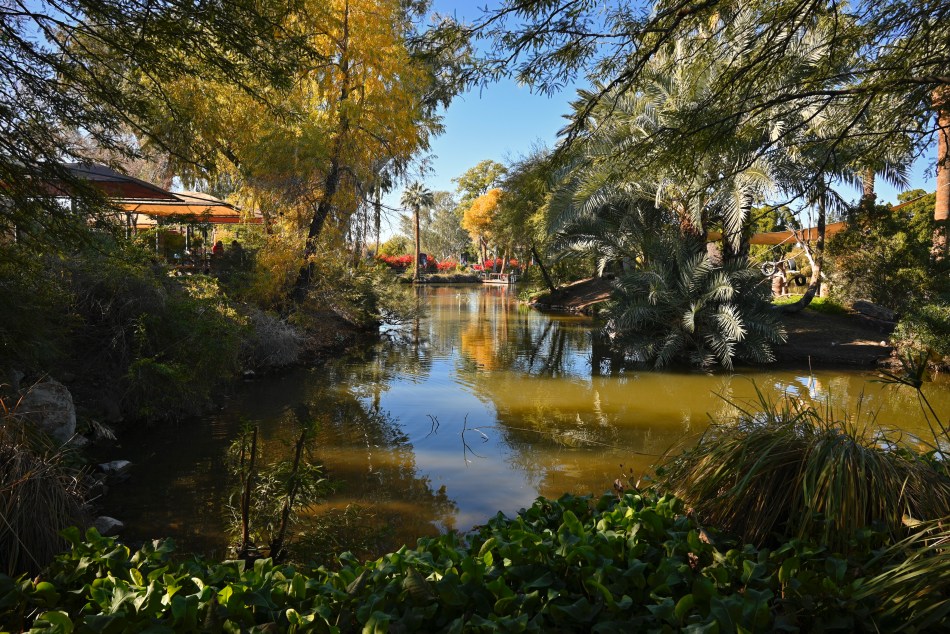



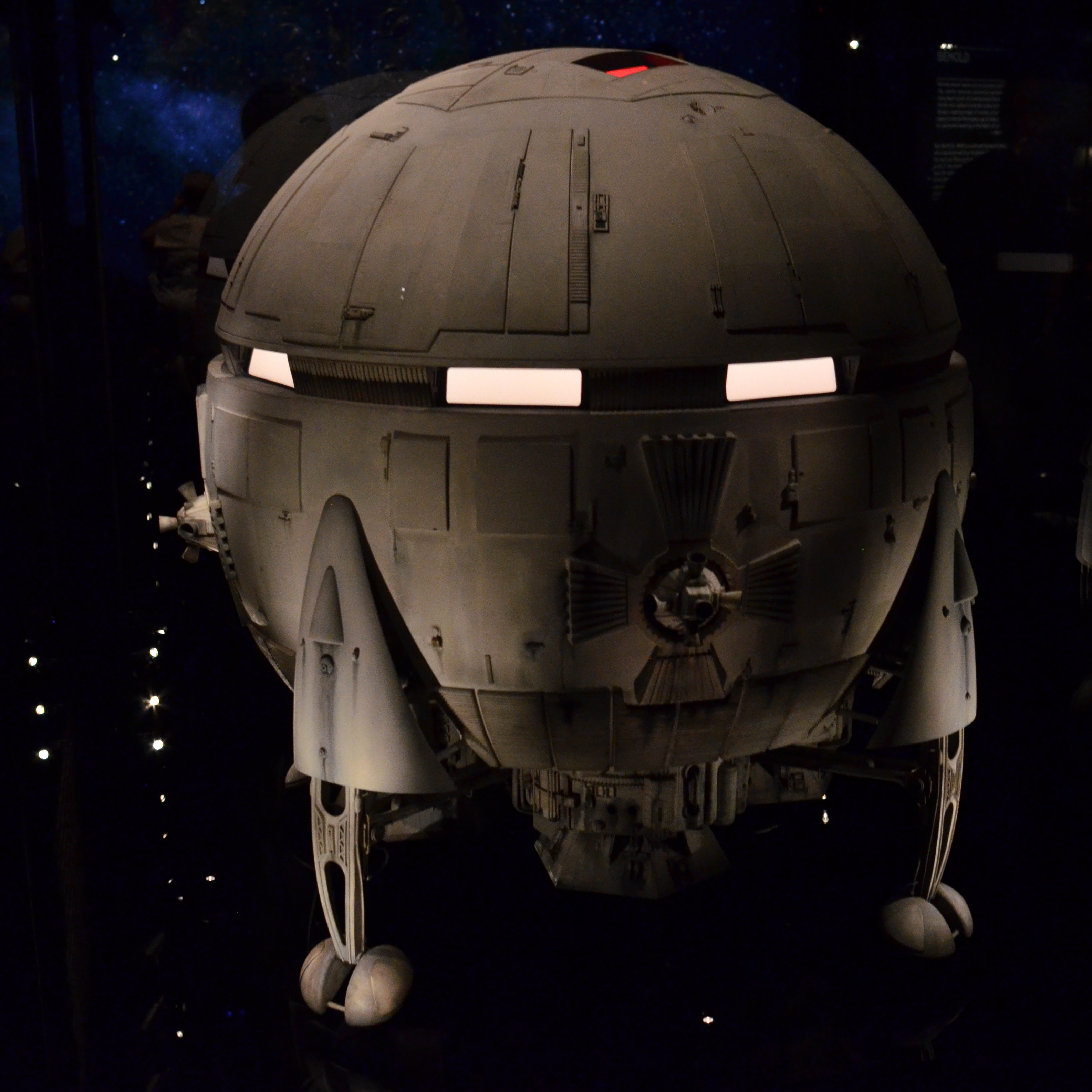 The lone surviving model of the Aries 1-B Lunar Landing Shuttle, produced for Stanley Kubrick’s 2001: A Space Odyssey, fully restored and on permanent display at the newly opened Academy Museum of Motion Pictures in Los Angeles ( Image by the author )


HOORAY. DAMN.
By MICHAEL PERKINS
I DON’T UNDERSTAND THE CONCEPT OF AN IMPULSE PURCHASE. Everyone who buys things (so…everyone) has some code in their DNA that dictates how they go about the process, and I know that, for some, there is a virtually unbroken space of time between I Want It and I’ll Take It.
I don’t know what that’s like.
Every purchase I make, great or small, is, for me, a matter of exhaustive research, self-reproach, deliberation, and/or paralysis. And right now I’m experiencing all of those things to an excruciating degree, because right now, like, this week, I’m about to purchase a camera.
I buy cameras not when I want them (which is all the time), nor when I first need them (which is when most sensible people might do so), but only after my current camera is literally disintegrating in my hands, or about the time I am desperate for a replacement. The result of this desperation is an intense program of investigation of all products and their respective claims. I search endlessly for the best functions, price, performance and reliability, but not just for reasons connected to the making of photographs. I mostly do all this homework so I will ensure that it will be a long, long time before I have to go through all this agony again anytime soon.
Wait, does this come in full-frame, too?
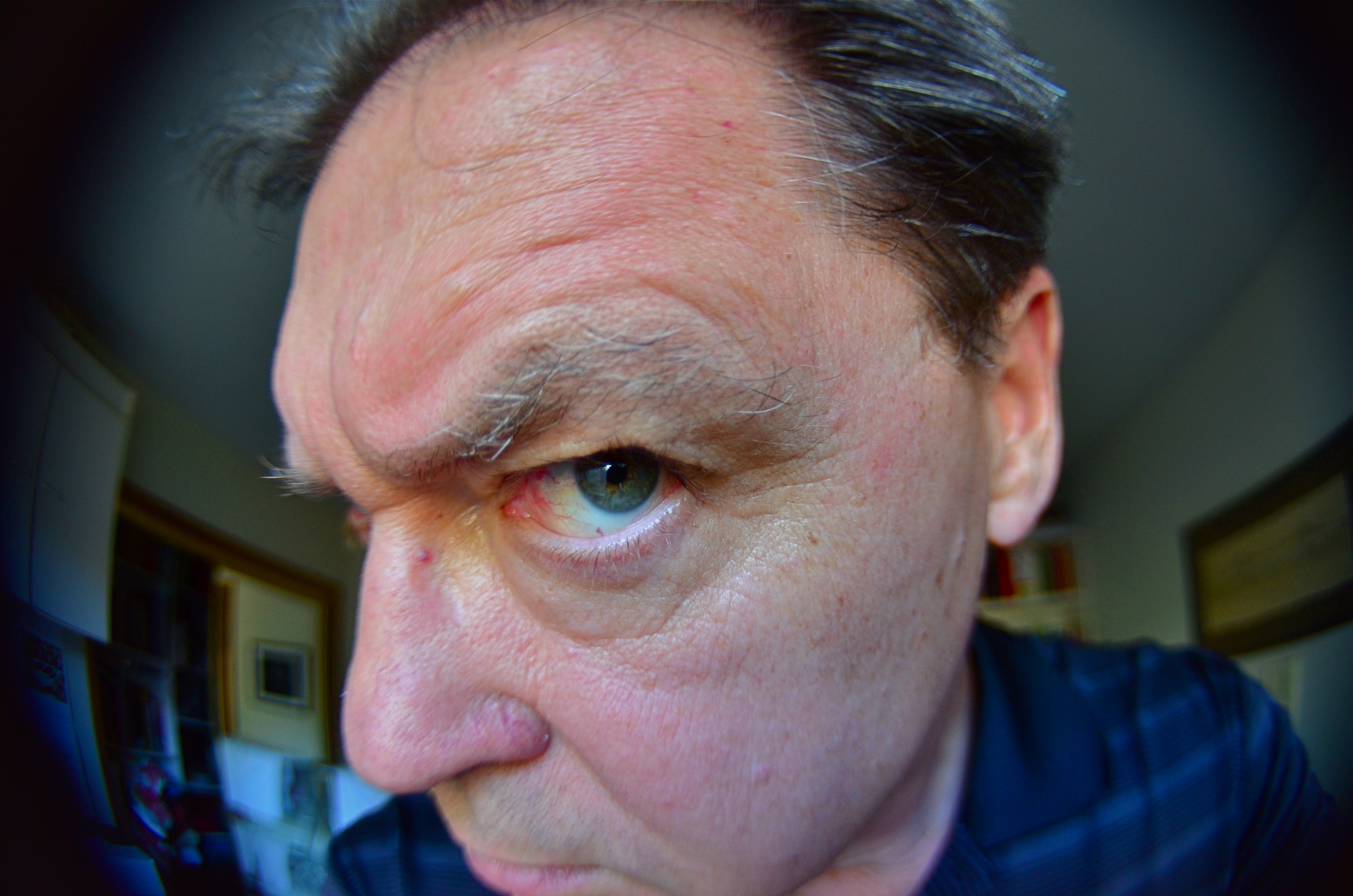
This approach, of course, drains any potential enjoyment out of the project, with dread replacing anticipation and fear of failure subbed for excitement..or what I call the hooray-damn syndrome. It’s sick…that is, it makes me literally ill, with many a temptation to chuck the entire task and maybe attempt surgery on my old camera, or perhaps sacrifice a goat over the gravesite of George Eastman.
This is typically the portion of the program where someone in the audience raises a hand and remarks, diplomatically, “wait…that’s not normal, is it?”
Well, I can only speak for myself, of course, but I suspect that all my agita and itchy rashes are not, strictly speaking, what I’m supposed to be feeling. And yet, wading through the goopy internet soup of conflicting reviews, opinion-makers, influencers and, let’s face it, plain old cranks is enough to make me regard organ donation as a seaside romp versus selecting a damn camera that works.
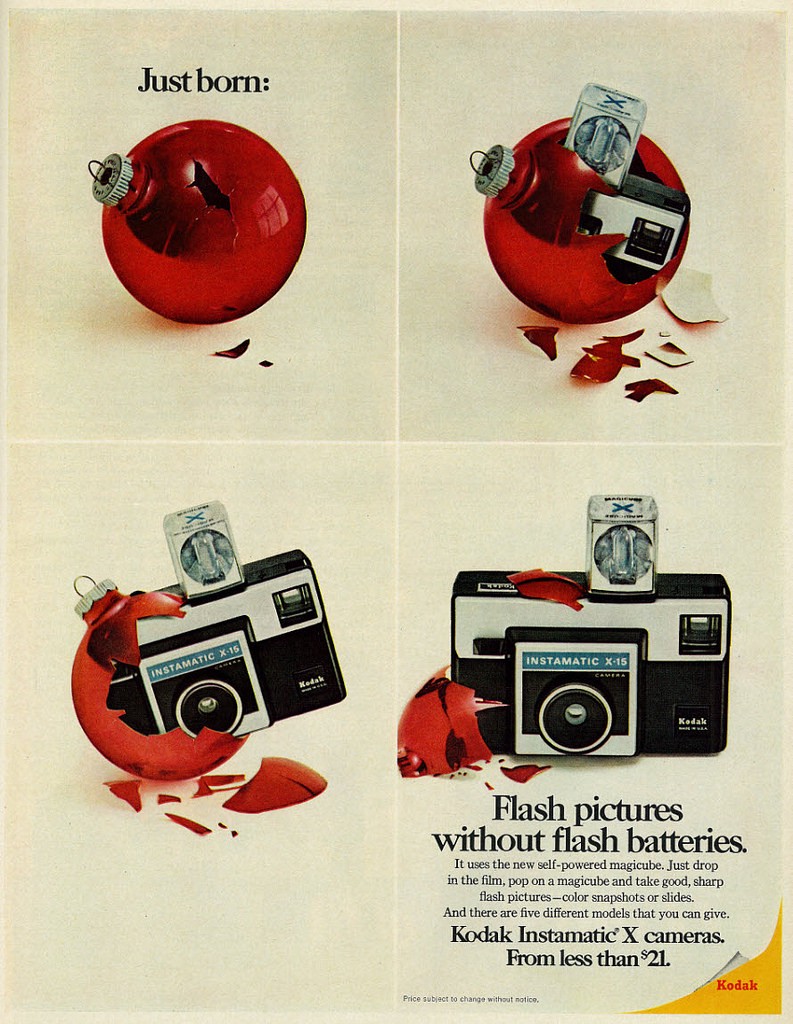
Part of this dilemma lies with the manufacturers, of course, who market features and options with as much aggression as they do the basics of their devices. It’s a little like saying that a car manufacturer gives as much weight to the floor mats and cupholders as they do to the engine or transmission. Cameras are so loaded with toys that add to the flash of their newest models that it’s easy to drown in effects that one may seldom, if ever, use, when the main idea of the purchase is making pictures, which, when all is said and done, is not that bloody complicated. We say we came for the steak, but we often reach for our wallets at the first sound of the sizzle.
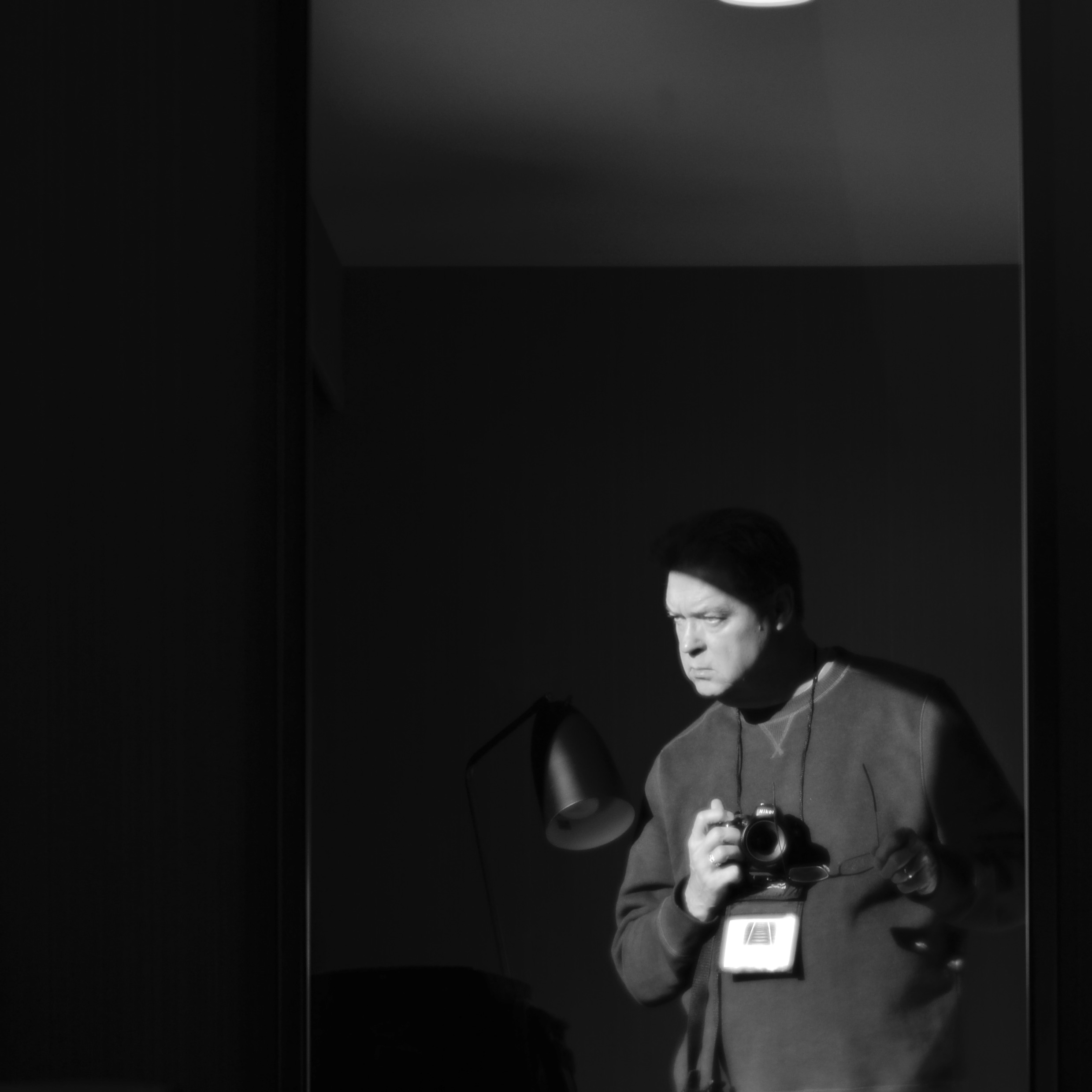
Maybe my buying anxiety is just another version of my wanting, throughout my life, to reduce the chance that I’ll make the wrong decision…in anything…where I’ll live, what I’ll work at, which toothpaste to use, or whatever. I’d love to know what an impulse purchase feels like. If I did, I’d have someone take a picture of me making one.
If I could only decide which camera to use…
Share this:
Posted by Michael Perkins | December 26, 2021 | Categories: Uncategorized | Tags: Commentary, Equipment, Humor | Leave a comment