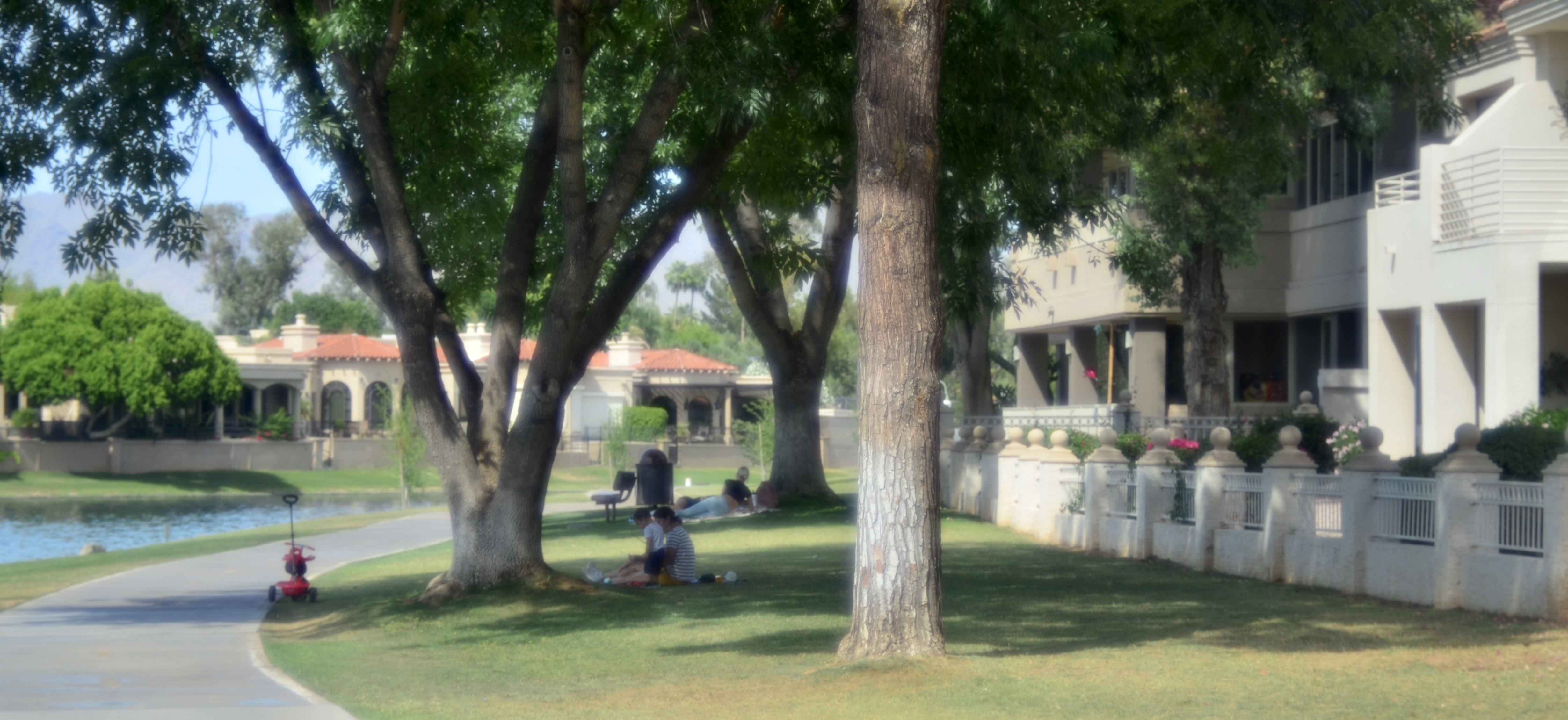
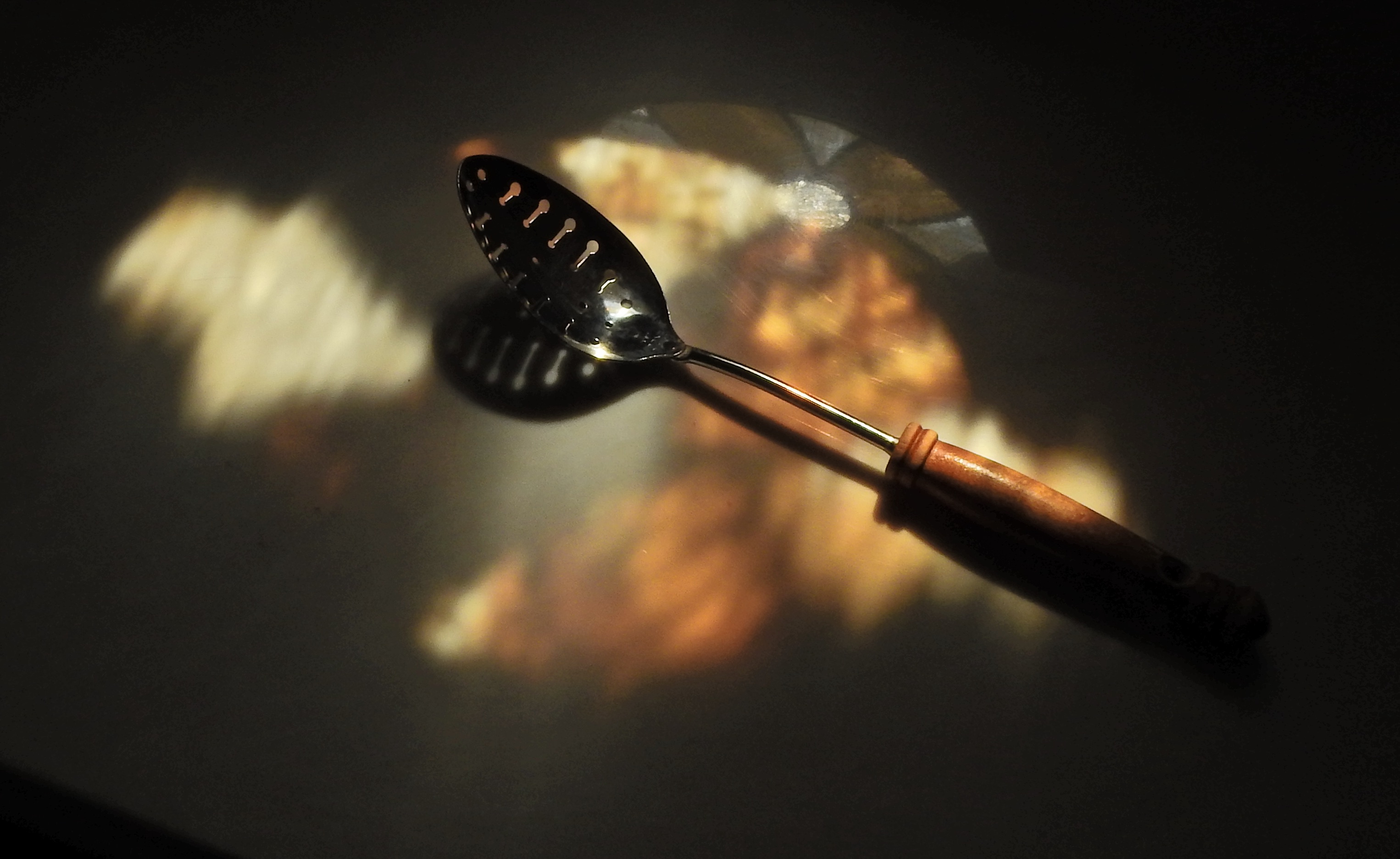
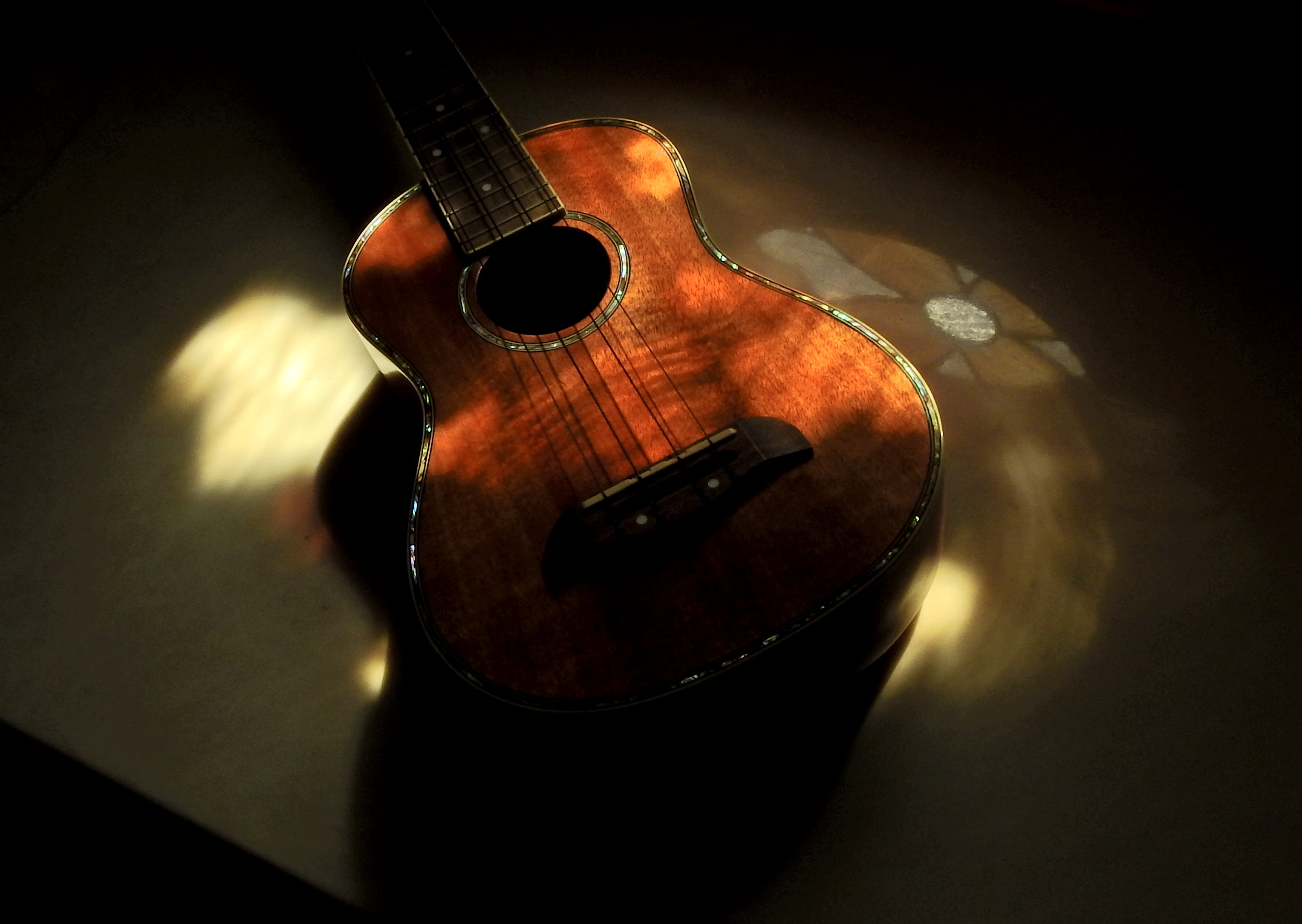
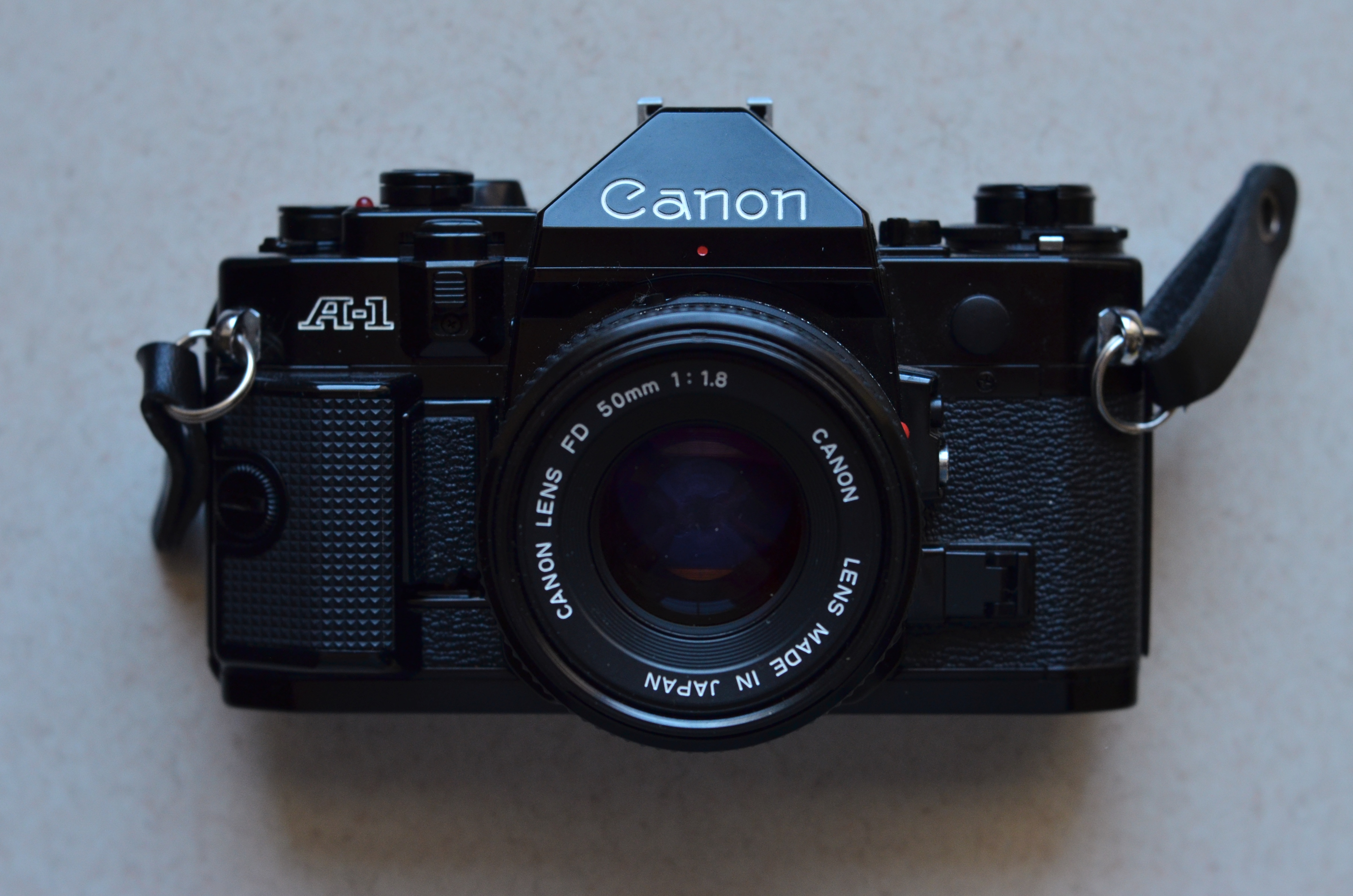
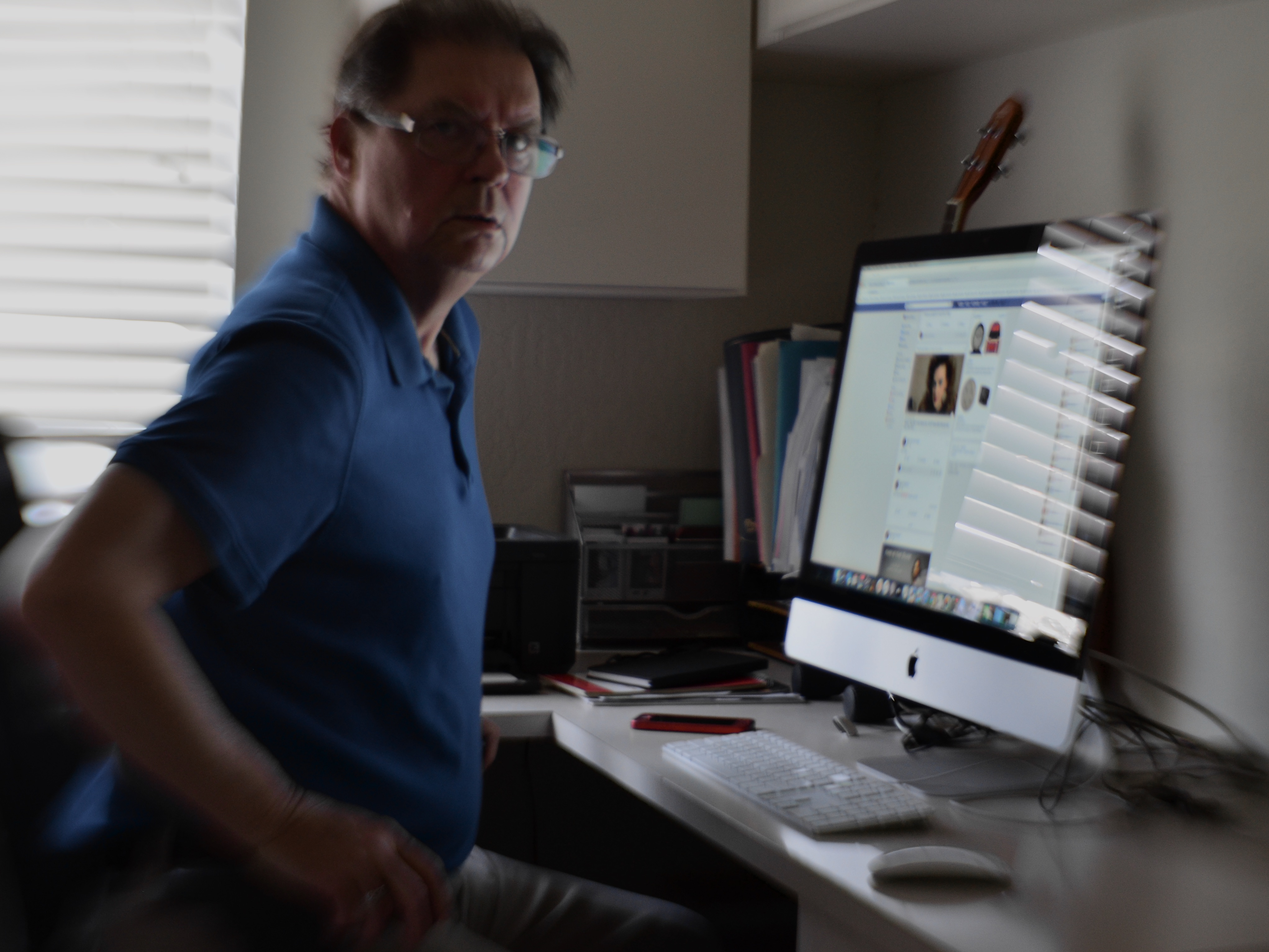
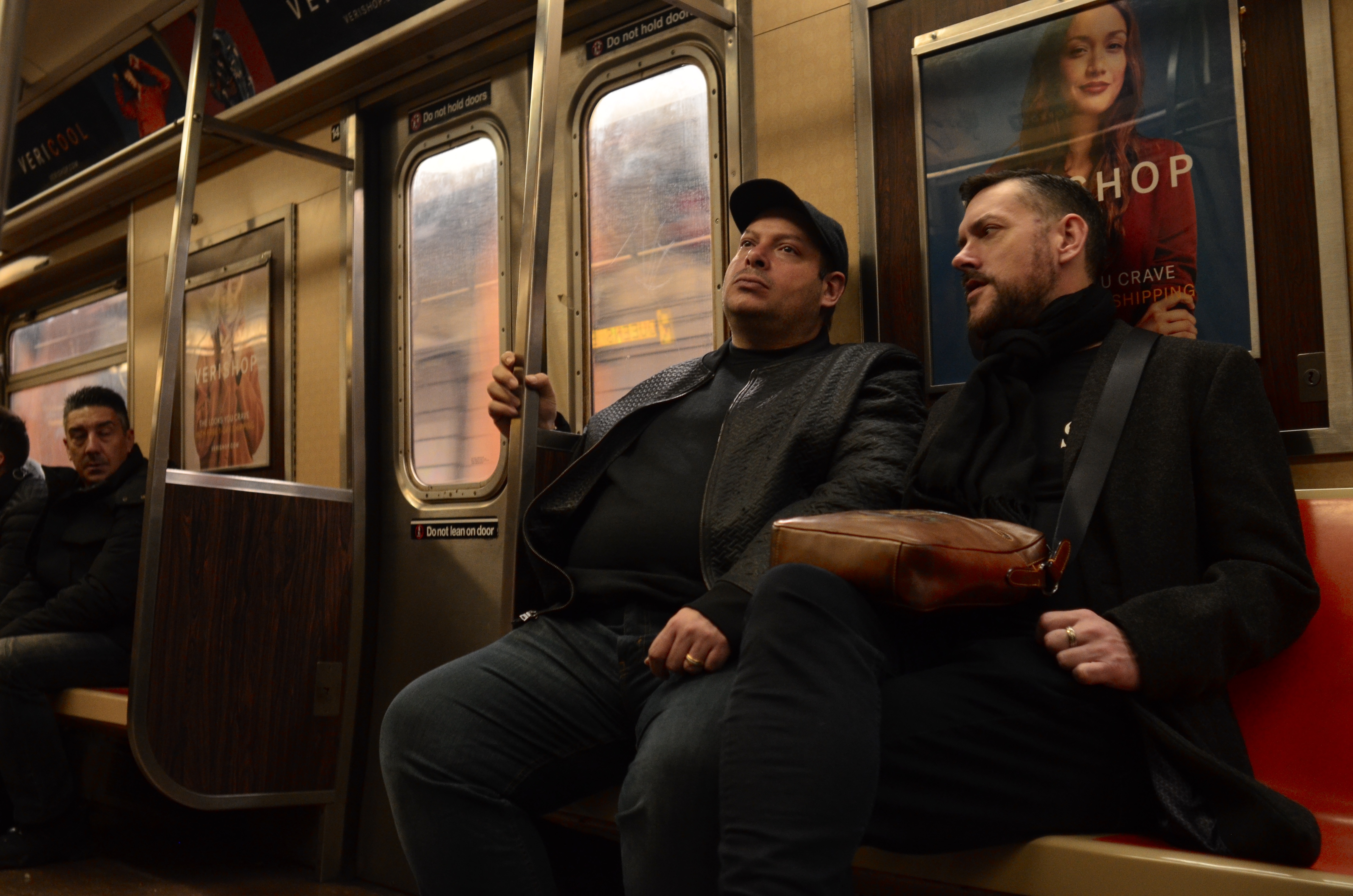
Shot with a Soviet-era Helios-44 58mm manual lens at 1/2000 sec., open to f/2.
By MICHAEL PERKINS
THOSE WHO HAVE SIGNED ONTO THIS SHIP OVER THE LONG HAUL may recall that the germ idea for The Normal Eye was a year that I once spent shooting with nothing but a manual 50mm f/1.8 prime lens, forcing myself to explore all the benefits and limits of a single piece of glass in every conceivable shooting situation. I didn’t intend the year as any kind of stunt, but as a test of my own ability to re-sensitize or “normalize” my vision (primes are often called “normal” lenses for their similar field of view to the human eye) and a disciplinary experiment in which I alone was responsible for any and all results….kind of a mind-over-matter challenge. The year showed me that nearly any lens has properties which might not be readily apparent until you spend some extended play time with them.
Wait, did he just say play? But we’re photographers. This is serious business.
Well, as to that, all I can offer is Fred Rogers’ old line about children and how their play is their “work”, not a break from it. And I’ll pretty much stand by Mr. Rogers’ results. Thing is, learning absolutely every intimate detail about a lens’ performance is time-consuming, which makes it a perfect exercise for these thumb-twiddling times. Hey, during this time-out, we’ve done all the sensitive photo essays on our feelings of isolation, community, dread, etc., etc. Well and good. But this protracted behind-walls penance is also a great opportunity to bring out the equipment that we’ve either under-loved or flat-out given up on over the years. The non-favorites that we shot a little with, weren’t really thrilled with, or consigned to some dusty regret bin. Yeah, those lenses. We bought them to achieve this, but all we got was that. Yeah, those.
Forcing a brief romance with a forgotten lens is easier when there is so much time to futz away that we can afford the luxury of mistakes. After all, you’ve already taken 300 pictures of your study and your back room with the gear that you’re most comfortable with. So call those your “keepers”. Now, you can grant yourself the freedom to shoot the “losers”, the pictures that don’t matter, except for what they can teach you. Snap on a forgotten optic and enjoy the latitude of just being… bad. Hey, delete all the defects, if it bugs you that much. But shoot, and shoot, and shoot, and get past whatever barriers exist between you and those lenses, because they can be overcome, and you may be surprised to find that they really had more potential than you ever imagined.
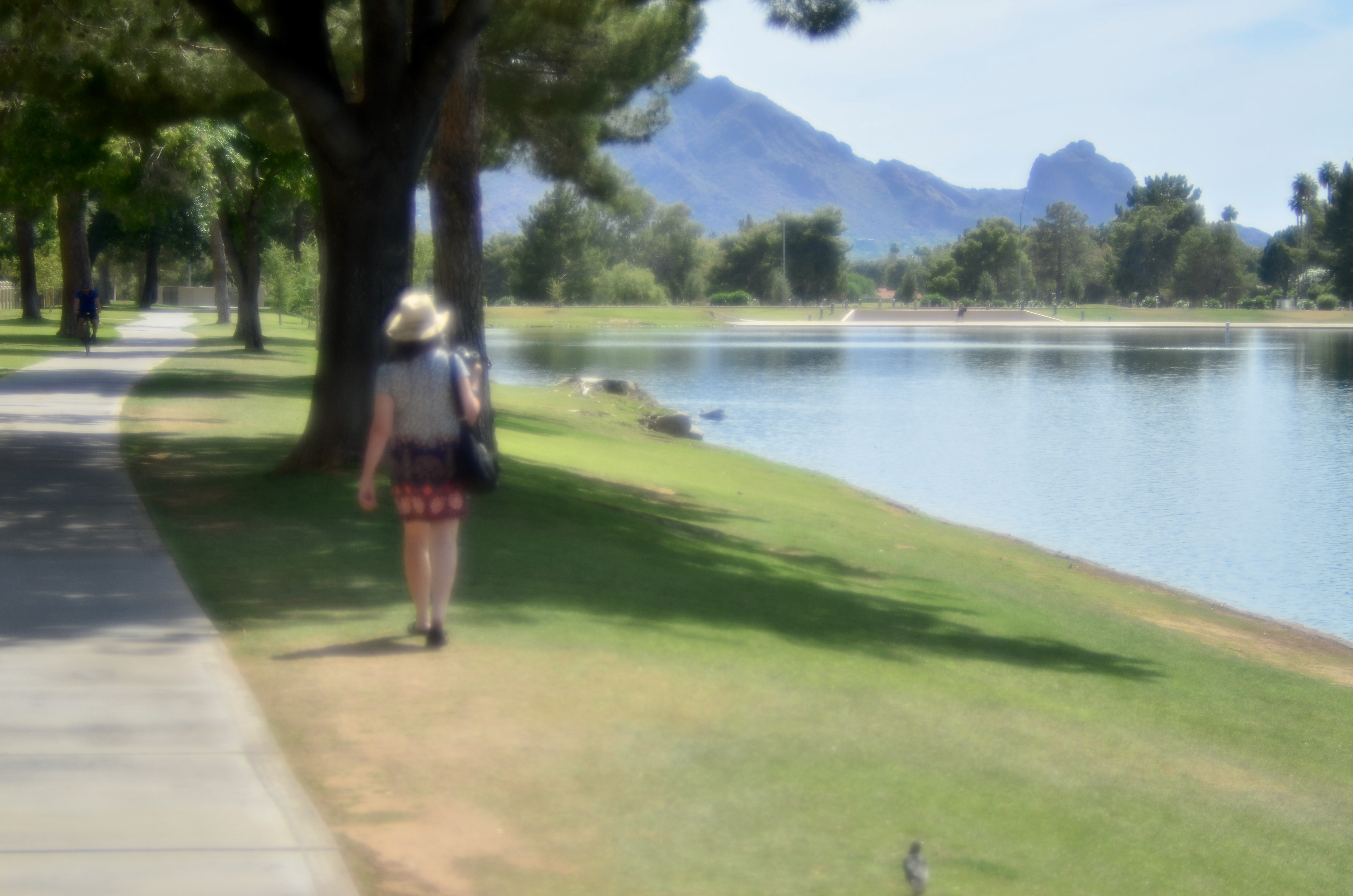
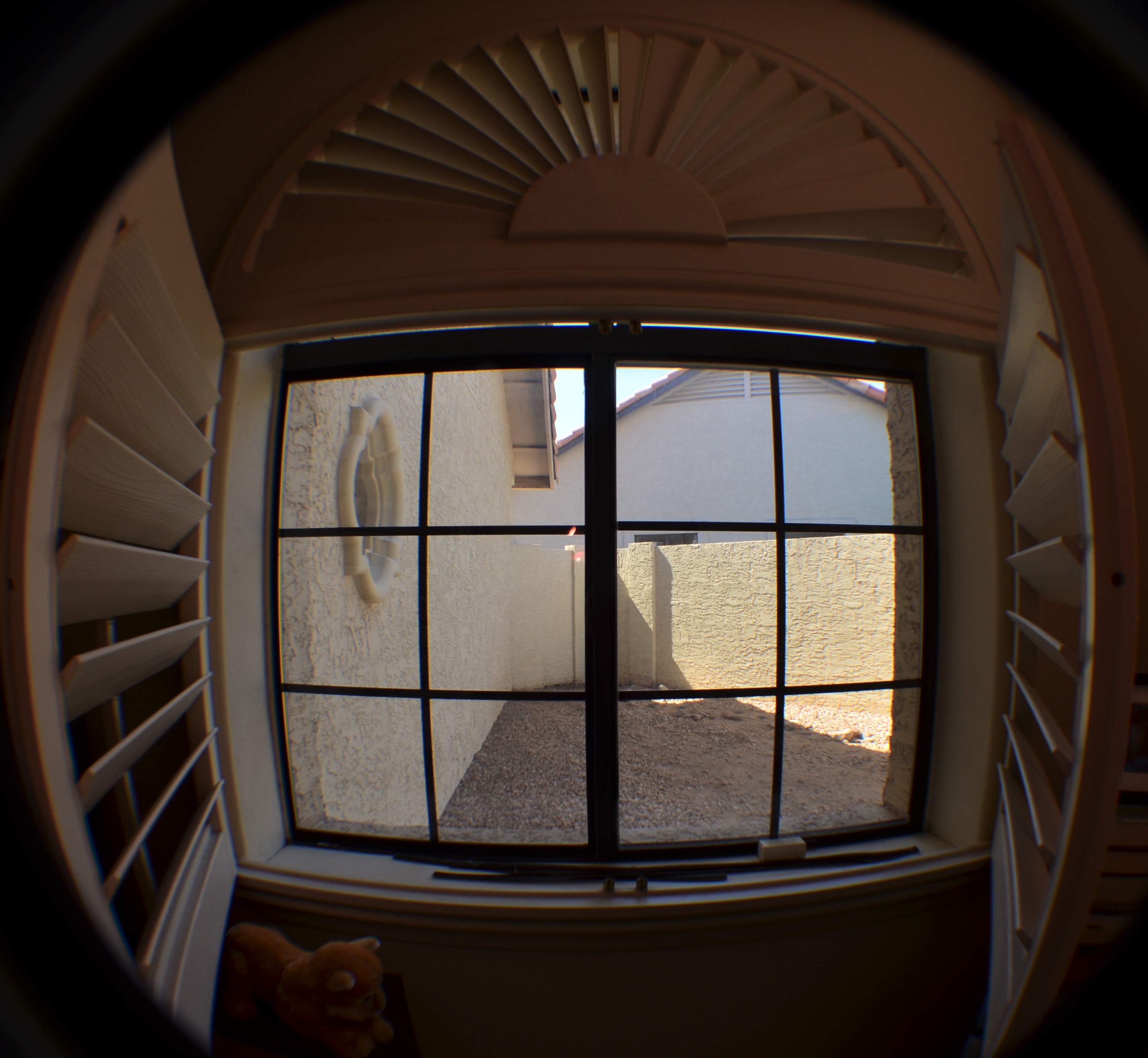
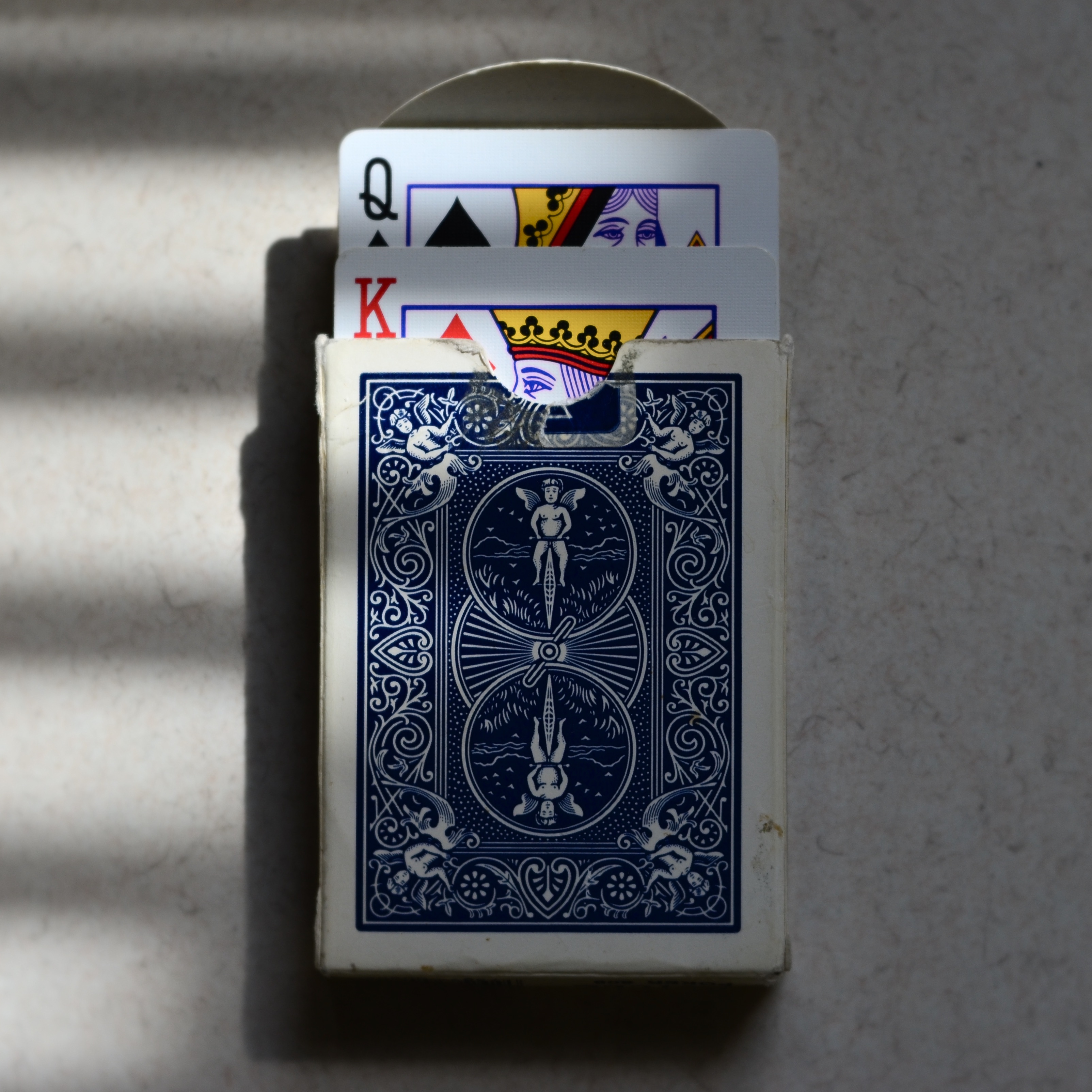
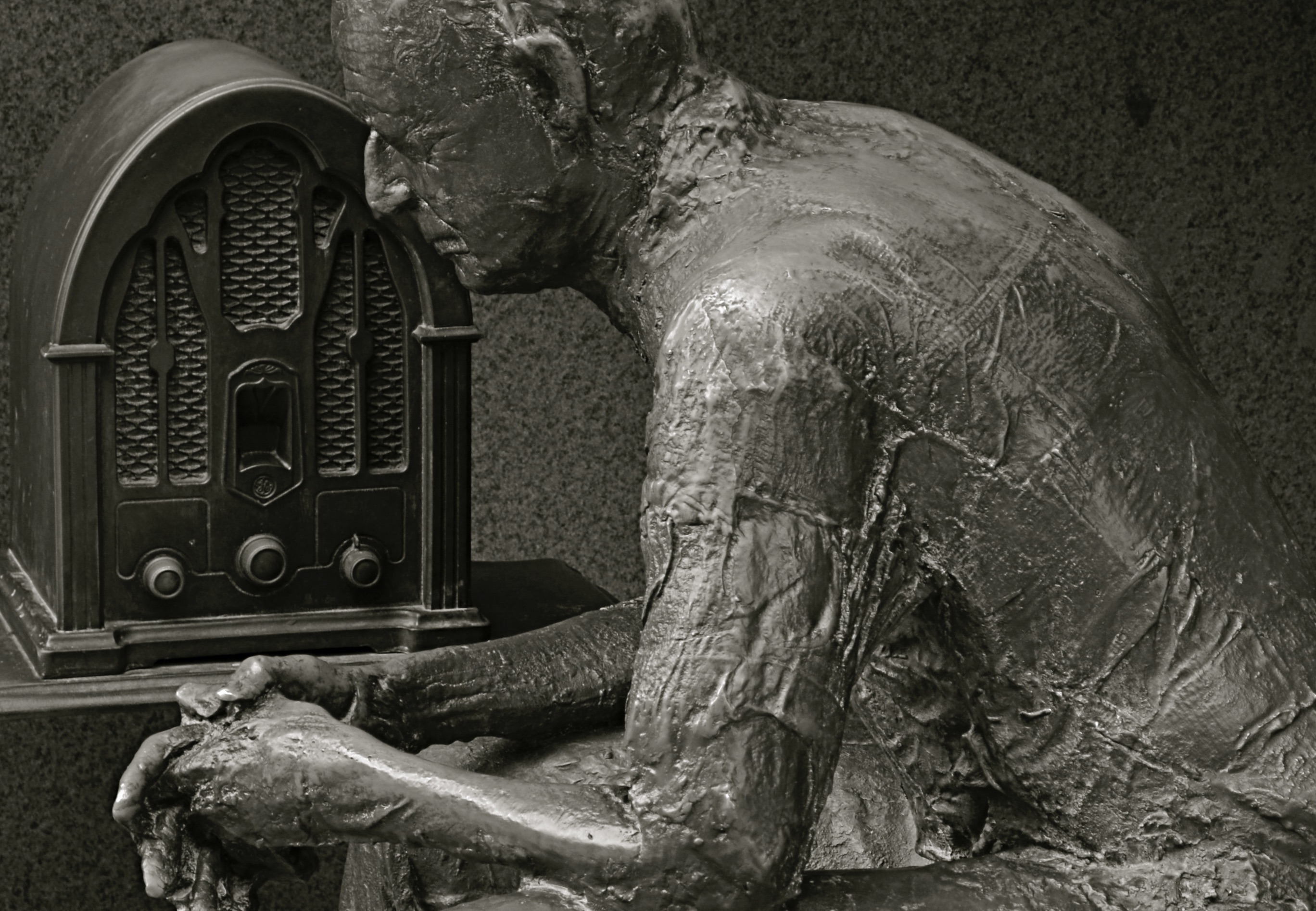
This had to be shot a little faster, around 1/2500 sec.
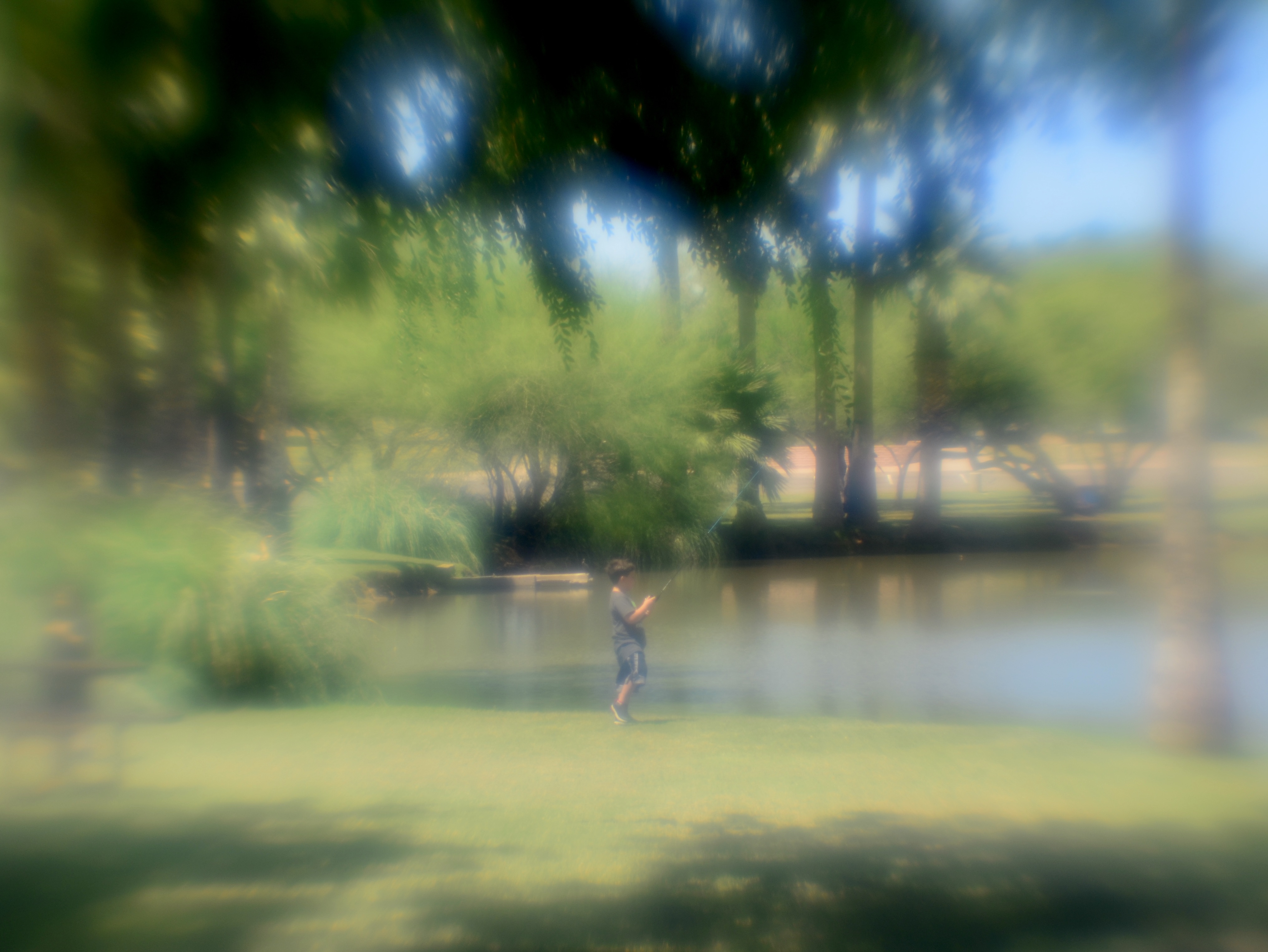
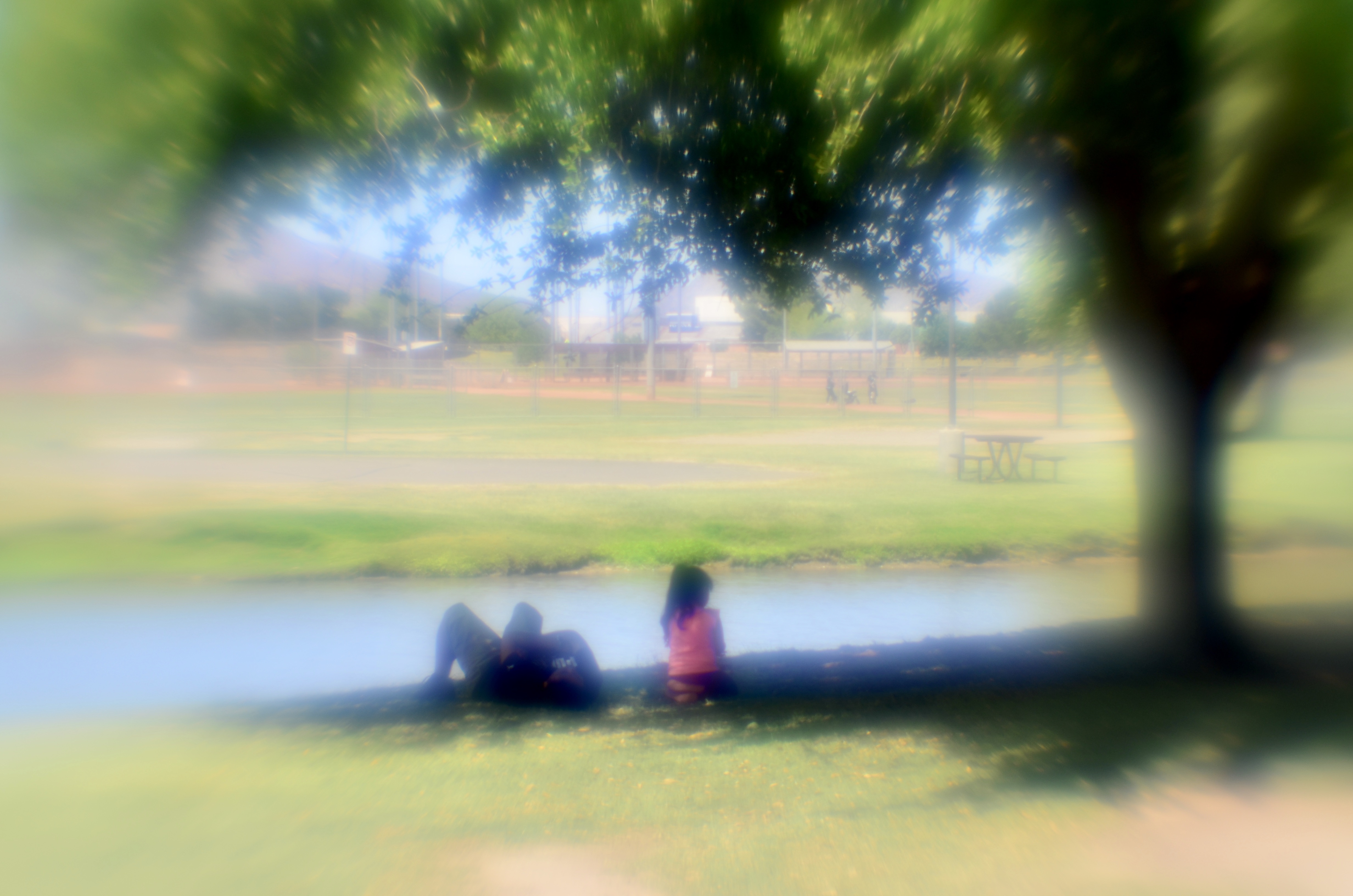
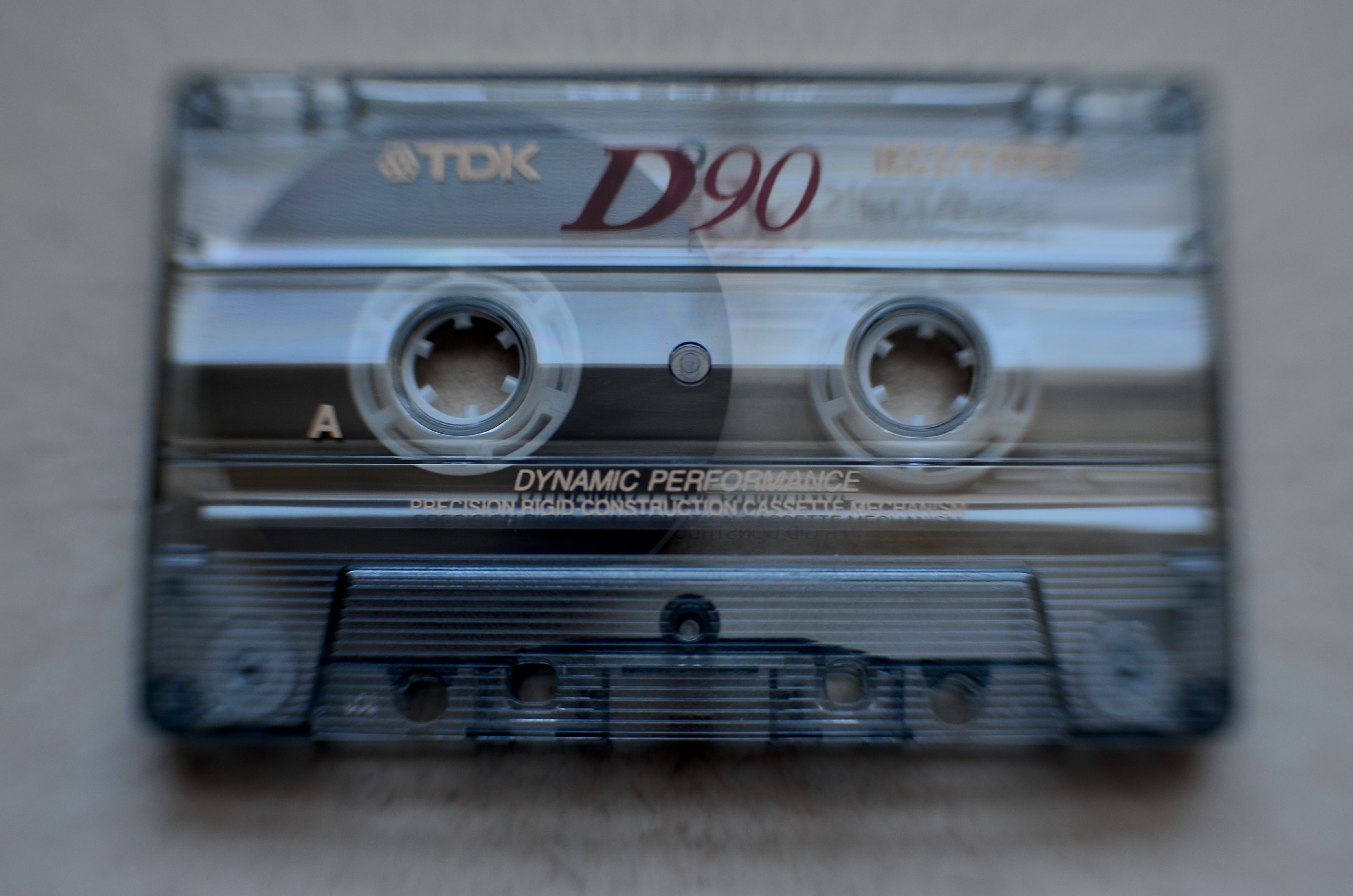
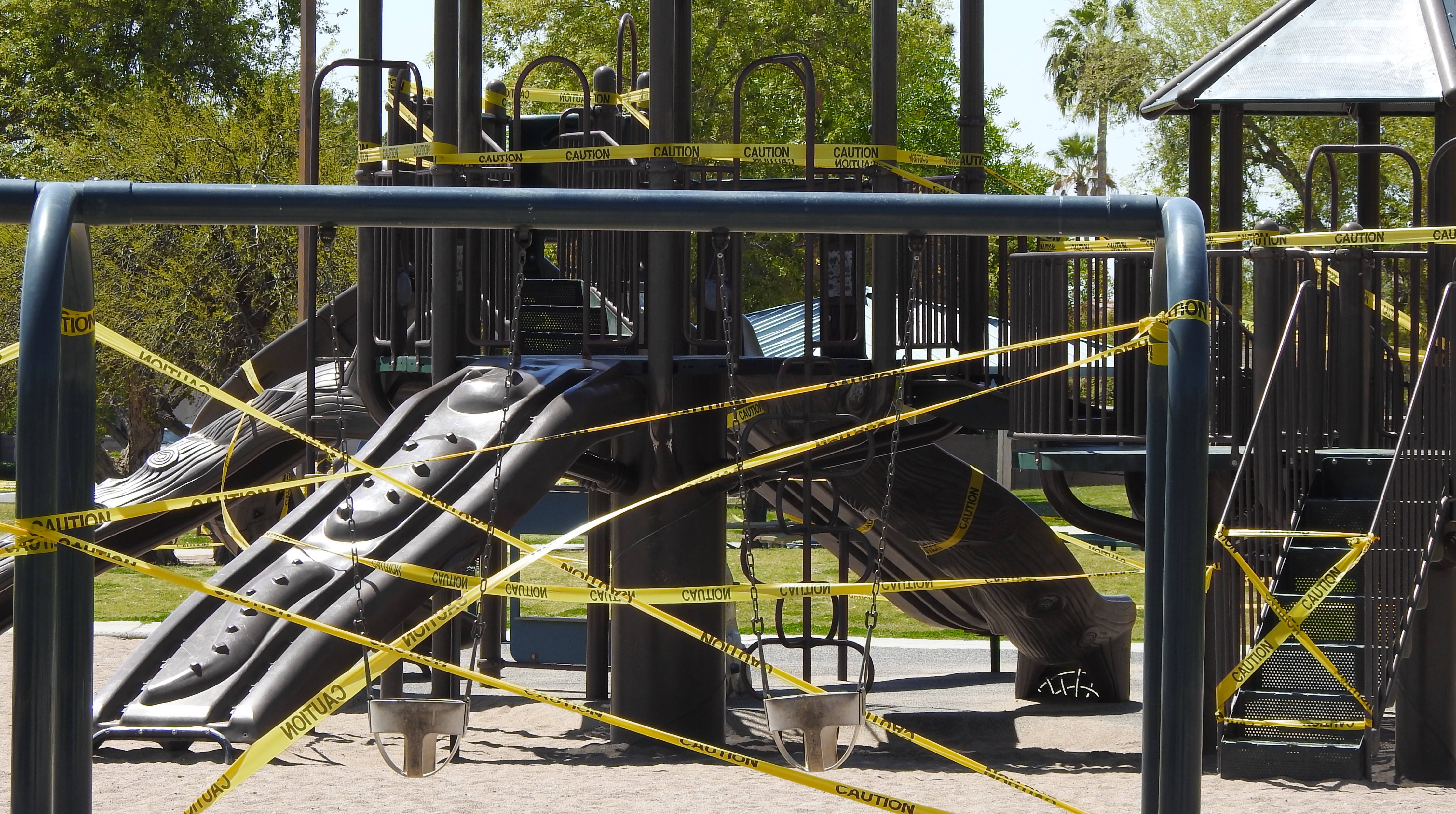
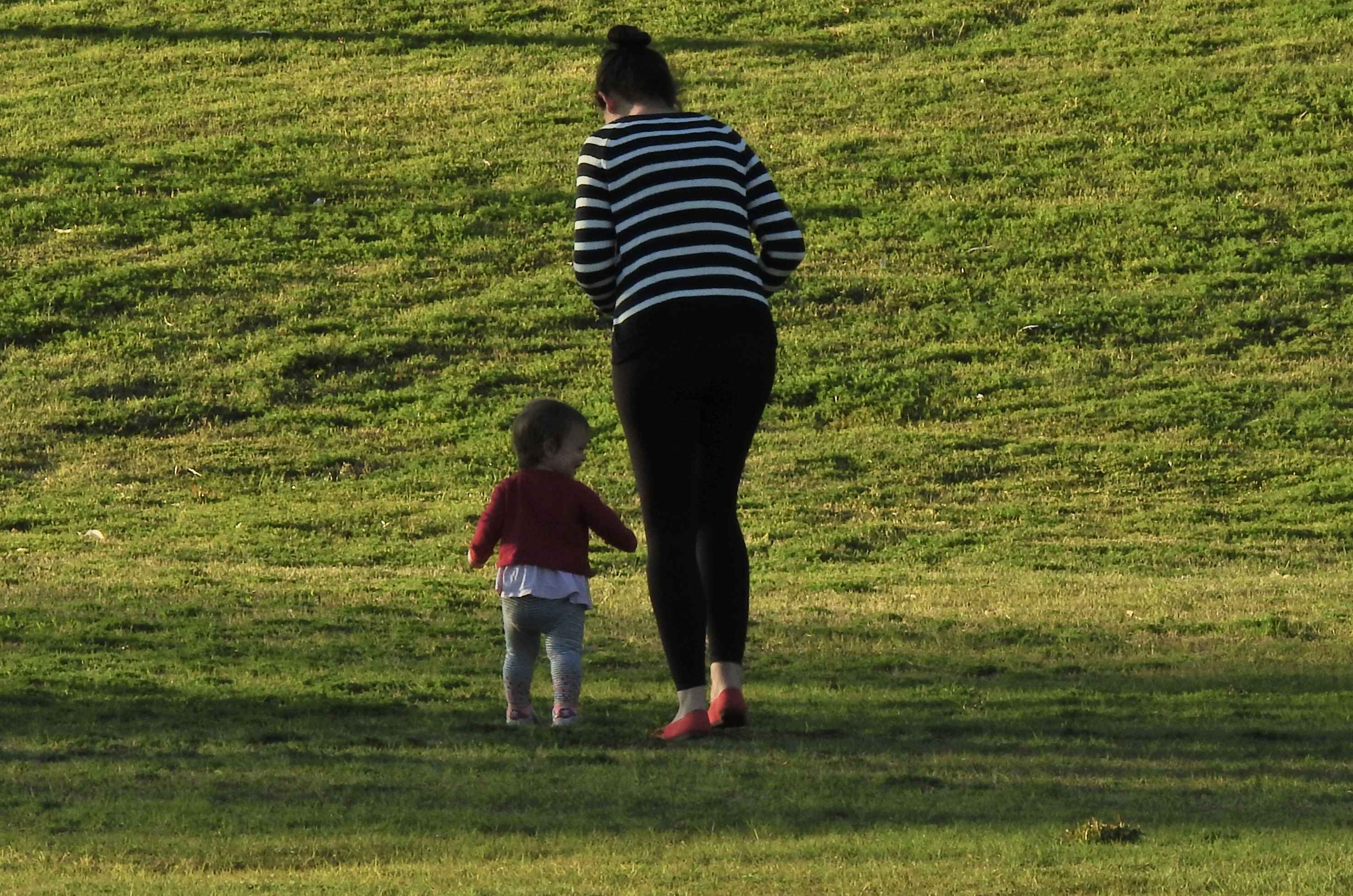
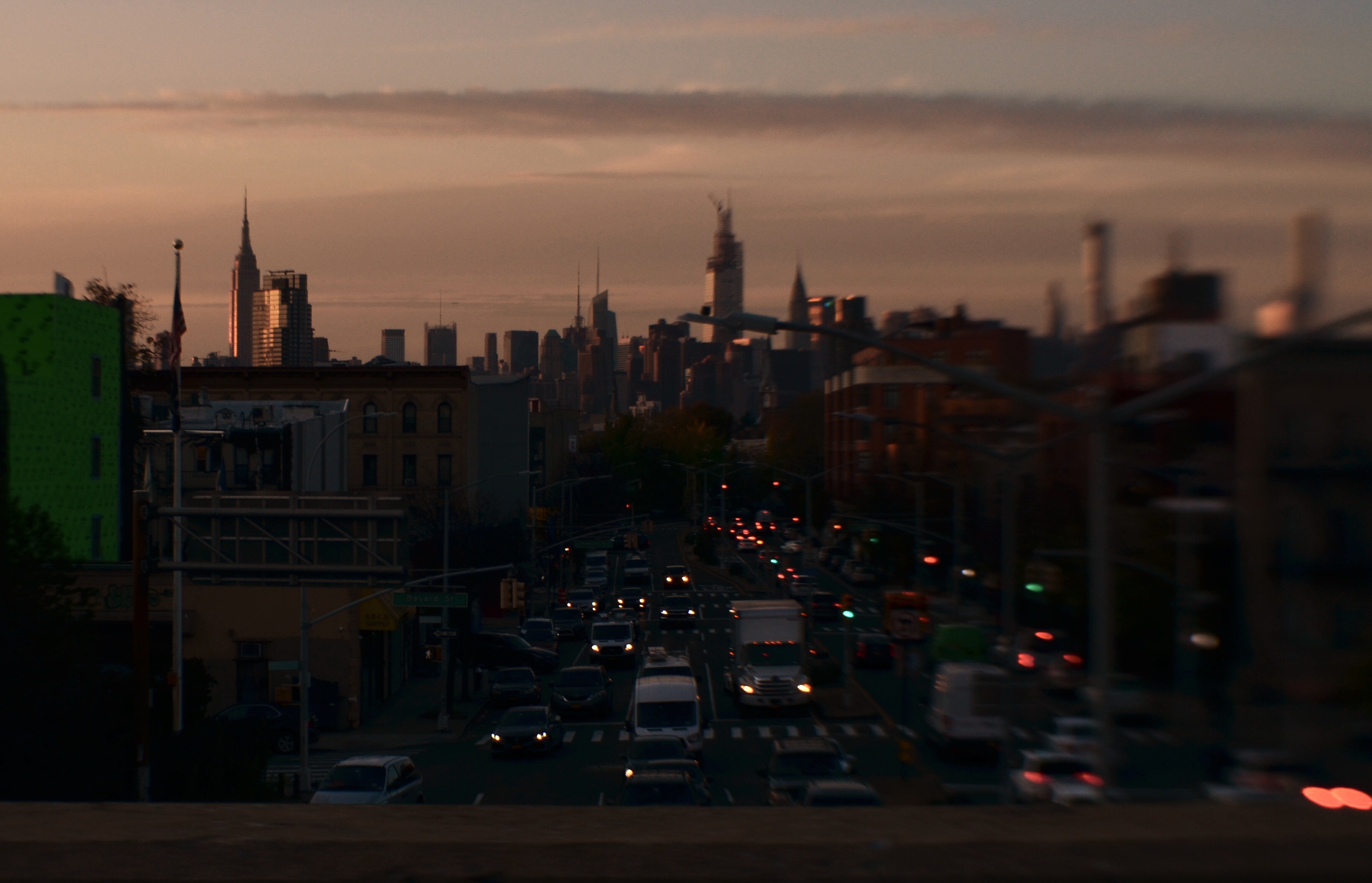
The images seen here are the result of a solid week spent with a real oddball of a lens, my Helios-44 58mm f/2. These Soviet-era lenses were originally attached to Zenit cameras, some of the best knock-offs of legit European cameras that rubles could buy. The camera bodies were actually inferior to the lenses, but there were millions of each produced during the Cold War, so they are cheaper than Nancy Sinatra lip gloss. I bought mine for under $40 just to get the swirly bokeh it produces on floral work, but I discovered that, in shooting landscapes at the same f/2, I got defined focus layered with a film of dreamy glow, the kind of effect modern-day art lenses are charging hundreds to deliver. Thus most of this work week was spent trying to nail manual focus on the thing at great distances, which is a little easier to suss out with the help of one of the zillions of free depth-of-focus phone apps available. So now, in one optic, I have a bokeh beast, a decent portrait lens (at smaller apertures) and a special-effect landscape lens. The Helios won’t fetch me beer or grill me a burger, but as the Brits say, it’s Early Days. Gimme another week and it might actually feel, you know, normal.


 thenormaleye
AGING IN THE BARREL
What’s That Moving?, April 2020
By MICHAEL PERKINS
SOON WE WILL STOP REFERRING TO THE DAILY GLOBAL TOTAL OF SELF-PORTRAITS by any specific number, since the actual figure will be (a) impossible to ascertain and (b) so astronomical as to be meaningless. A quick shuffle through just our own collection of selfies for a given period gives us an idea what happens when technical ease meets runaway narcissism. Or to put it simpler, we take a $%#@-ton of pictures of us. We love us.
The current Great Hibernation (or Uber-Lockdown, or Mass-Incarceration or Panic-Room Marathon) is forcing us to spend even more time with our favorite person, and it stands to reason that the circumstances will change the way we decide to document what we are personally enduring. Here I am in the sixth week of my bad haircut. This is me in my formal sweatpants. I don’t know where I took this…or what time…or what day/week/month. Change the nature of a photographic subject and you’re bound to change how you’ll document that subject.
The whole social context has been warped out of shape, and so must our image of ourselves, which, after all, is shaped by how we interact, where we go, what constitutes a good or bad day. And so self-portraits are being forcibly filtered through a completely different set of criteria than they were just a heartbeat ago, when all we had to do to be somewhere else was, you know, go there. The way emotions play across our faces will be pretzeled into interesting new shapes as a consequence. As we age in this particular barrel, we will be changed. Some of us will emerge from it as palpably different from the animals that went in.
That creates challenge for photographers, especially when it’s us shooting us. How trustworthy are we as narrators? How aware of we of the subtle changes we undergo when the toilet paper runs low? The pictures will eventually provide the chronicle. But in the interim, we need to ask different questions, seek different angles, spot variances. Hey, we might as well be honest. The camera never lies, right?
Share this:
Posted by Michael Perkins | May 13, 2020 | Categories: Commentary, Portraits | Tags: Interpretation, Self-portraits | Leave a comment