YOU’RE IN THE PICTURE
By MICHAEL PERKINS
THE BEST PHOTOGRAPHS ARE NOT STAND-ALONE WORKS OF ART, BUT CONVERSATIONS BETWEEN ARTIST AND AUDIENCE. You don’t just stride up to that framed image on the wall and let its wonderfulness wash over you; you bring what you have been, over a lifetime, to it, comparing those two entities side by side, and even assigning your own truth to the photo, “deciding” what it means. The pictures don’t speak to you: you debate with each other.
Think about the images that, over a lifetime, have reached you in the deepest way. Did those photographs bring you something that you didn’t already have, or was it echoed, defined, re-purposed, based on who you’ve been thus far, or how you see? How else to explain why a picture moves one person to tears, while it leaves another completely nonplussed? Of course, some photographs almost accidentally produce a similar result to a wide variety of viewers, but there are far more of them where the messaging is muddled, imprecise.
And that’s a good thing.
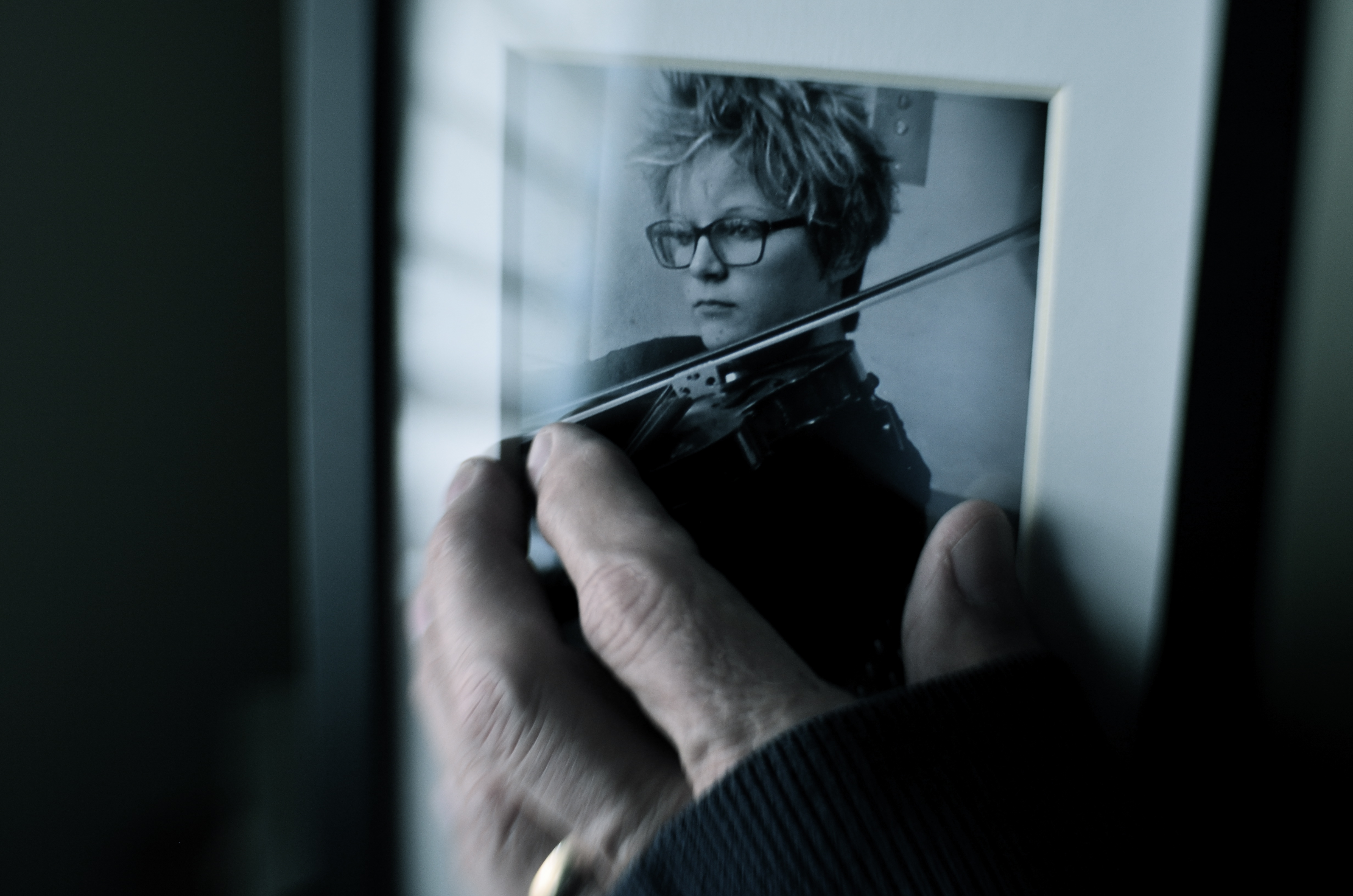
One way to repurpose a photograph is to make it part of another photograph. Or not.
I made the above image several days ago purely as an experiment, using an earlier one of my pictures as a prop within what’s obviously a staged shot. The completed “new” photograph was part of an assignment by an image sharing group I belong to, which laid down several elements that had to be in the final picture: a hand covered by something, that same hand touching something, and a de-saturated color palette. Beyond that, I had complete control of how those elements would be combined or interpreted.
The reason I began to play with some older pictures was chiefly to see if I could take a photo made with one specific mood in mind and re-purpose it within a new context, making the image elicit something completely different. So, without further background or explanation, the challenge to you: what does this particular image (which has an older image within it) convey to you, if anything? What is the dominant mood or the implied backstory? And even if what you’re seeing is not the same as what I set out to “say”, does the picture have any relevance for you personally? Does it have any narrative value, or is it merely an exercise in technique?
Context isn’t everything in a photograph, but neither is any image is absorbed in a vacuum. We color our approach to it in some way, becoming, in essence, its co-creator. You may not be in the frame, but you’re definitely in the picture.
MORE FROM LESS, LESS FROM MORE
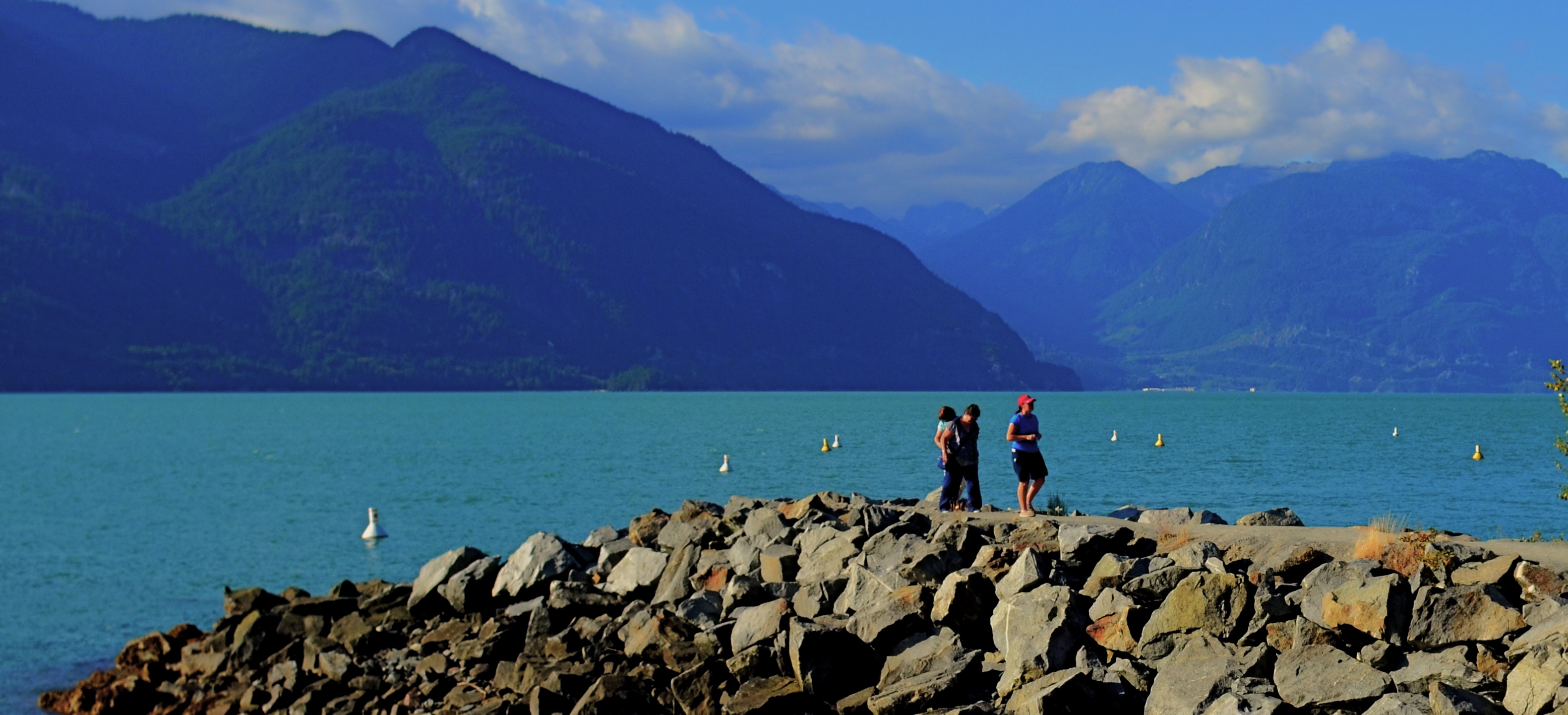
That Day At The Jetty (2016). A cropped edit of an originally larger 24mm wide-angle shot.
By MICHAEL PERKINS
EVERY PHOTOGRAPHIC LENS EVER MADE CREATES ARTIFACTS, distinct biases in the ways it renders the world it sees. When you shoot with a particular piece of glass, you’re also inviting in whatever flaws or limits are baked into that optic’s design and science. If you are the kind of shooter that constantly switches out lenses, this present less of a problem, since you’re used to snapping on the exact glass you need for every kind of shooting situation.
If, however, you try, like myself, to go nearly a day at a space with a minimum of gear, then you start to look for lenses that do most of what you want in most settings. Occasionally, this means compromising on, or even missing, a shot; but, by and large, it makes you more mindful of the image-making process from minute to minute. You plan better and react faster.
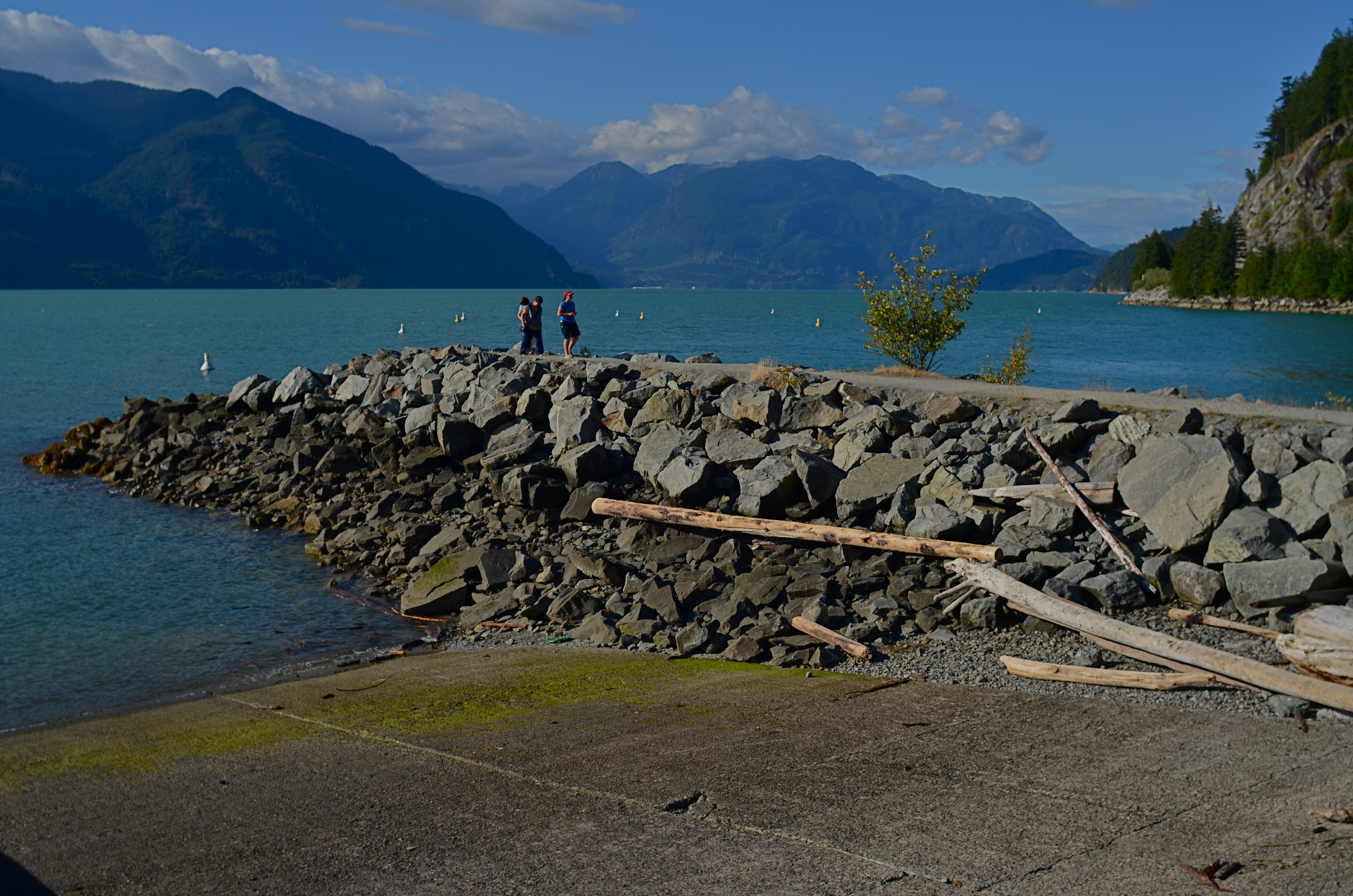
The original 24mm master shot, which is either fuller or too crowded, depending on one’s viewpoint.
In the case of one of photography’s most popular categories, that of landscape work, there seem to be two main types of lenses that do most of the heavy lifting: the ultra-wide angle, which convey “openness” and scope, and zooms, which help isolate specific parts of vast vistas. There are certainly situations in which both are ideal, but, on average, were I to be traveling very light for the day, I would probably take most of the day’s images with the ultra-wide, even if there was a particular area inside a larger scene that was more “important” than its surroundings, a situation in which most of us might utilize the zoom.
This goes to my belief that the composing process almost never stops with the click of the shutter. Rather, the click is just phase one, and a master shot that allows for many post-shot “re-thinks” is the best one to have. Let’s say, for the sake of argument, that the center of an immense mountain range is where the light or the subject story is strongest in a given image. If my master shot is a taken with a zoom, I’ve lost the ability to later discover additional approaches that remain possible if I have a wider shot’s worth of information from which to select. Starting with the larger shot, I can shift the cropping to any aspect ratio I want, change the balance of the composition, re-orient the linearity (to create a faux panorama, as in the top shot here) or even realize that there was an even stronger story to be told outside of the frame I originally envisioned with the zoomed master shot. Here’s the core point: it’s easier to have more picture than you need and pare some stuff away than to narrow your options beforehand and trust that you’ve nailed it, meanwhile ruling out any potential re-takes or second thoughts.
I do, of course use zooms at times, but, like my external flashes and tripods, I find fewer uses for them with each passing year. It’s odd how you can come to feel greater freedom with fewer tools. But sometimes it’s like the time Itzhak Perlman busted a string just before a concert, then performed the program on just three strings, to the utter amazement of the critical world. Photography proves time and again that there are times when the image’s “melody” magically comes forward. In spite of.
DATING YOUR EX
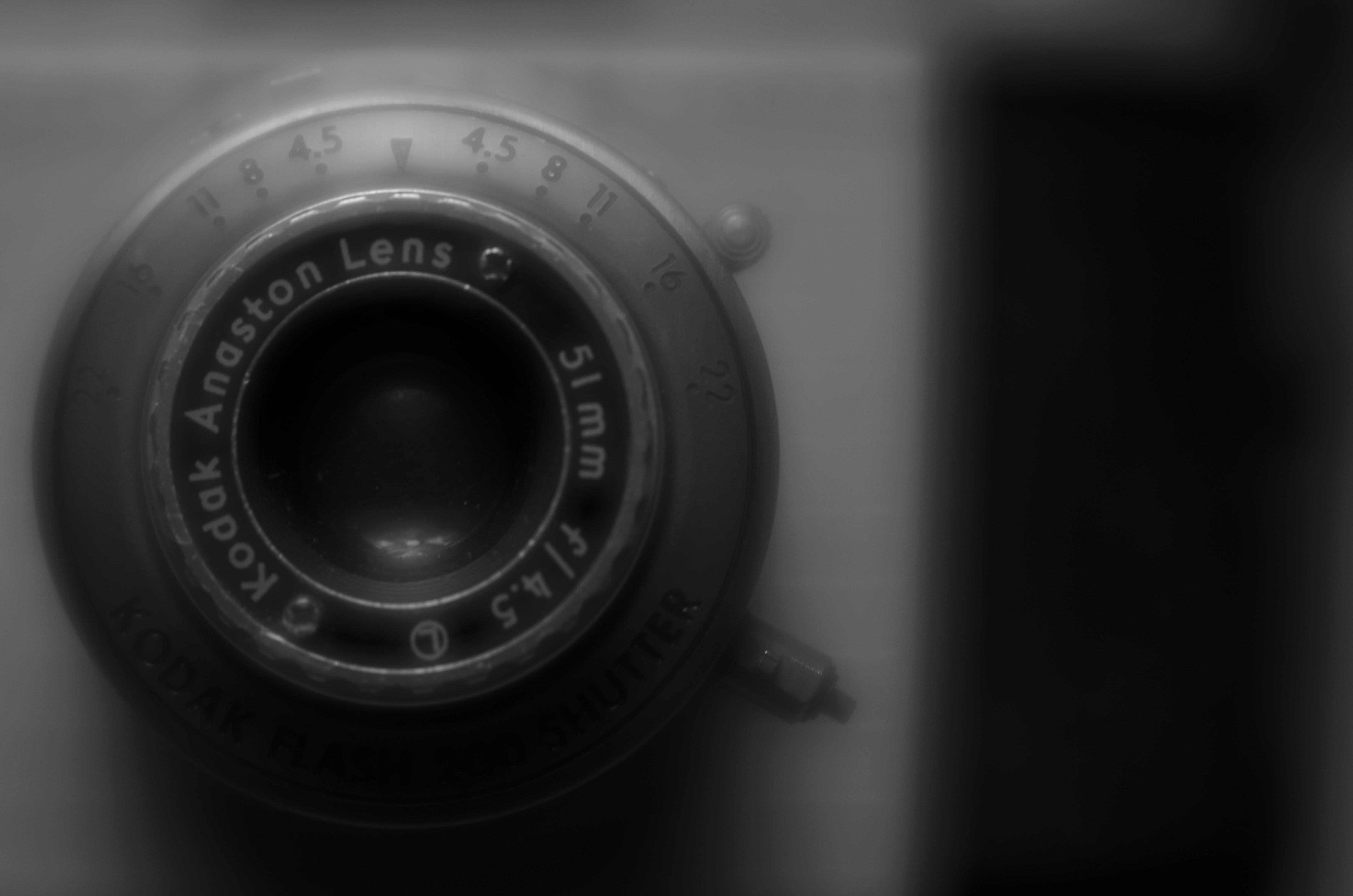
Sometimes your new favorite gear is actually your old favorite gear.
By MICHAEL PERKINS
SOME PHOTOGRAPHERS’ EQUIPMENT CASES ARE LIKE MARY POPPINS’ CARPET BAG: once they’re opened, you are just certain someone’s going to haul a floor lamp out of the thing. I myself hate being laden with a punishing load of gear when on a shoot, so I spend as much time as possible mentally rehearsing before heading out, trying to take just one lens which will do 90% of what I’ll need and leaving the rest of the toys at home. I developed this habit mainly because most of my work is done in a field orientation. Were I more consistently a studio homebody, then I could have everything I own just inches away from me at all times. So it goes.
What happens with my kind of shooting is that you fall in and out of love with certain gear, with different optics temporarily serving as your “go to” lens. I personally think it’s good to “go steady” with a lens for extended periods of time, simply because you learn to make pictures in any setting, regardless of any arbitrary limits imposed by that lens. This eventually makes you more open to experimentation, simply because you either shoot what you brung or you don’t shoot at all.
This work habit means that I may have half a dozen lenses that go unused for extended periods of time. It’s the bachelor’s dilemma: while I was going steady with one, I wasn’t returning phone calls and texts from the others. And over time, I may actually become estranged from a particular lens that at one time was my old reliable. I may have found a better way to do what it did with other equipment, or I may have ceased to make images that it was particularly designed for….or maybe I just got sick to death of it and needed to see other people.
But just as I think you should spend a protracted and exclusive period with a new lens, a dedicated time during which you use it for nearly everything, I also believe that you should occasionally re-bond with a lens you hardly use anymore, making that optic, once again, your go-to, at least for a while. Again, there is a benefit to having to use what you have on hand to make things happen. Those of us who began with cheap fixed-focus toy cameras learned early how to work around the limits of our gear to get the results we wanted, and the same idea applies to a lens that may not do everything, but also may do a hell of a lot more than we first gave it credit for.
Re-establishing a bond with an old piece of gear is like dating your ex. It may just be a one-off lunch, or you could decide that you both were really made for each other all along.
SERVING UP SOME NUTS
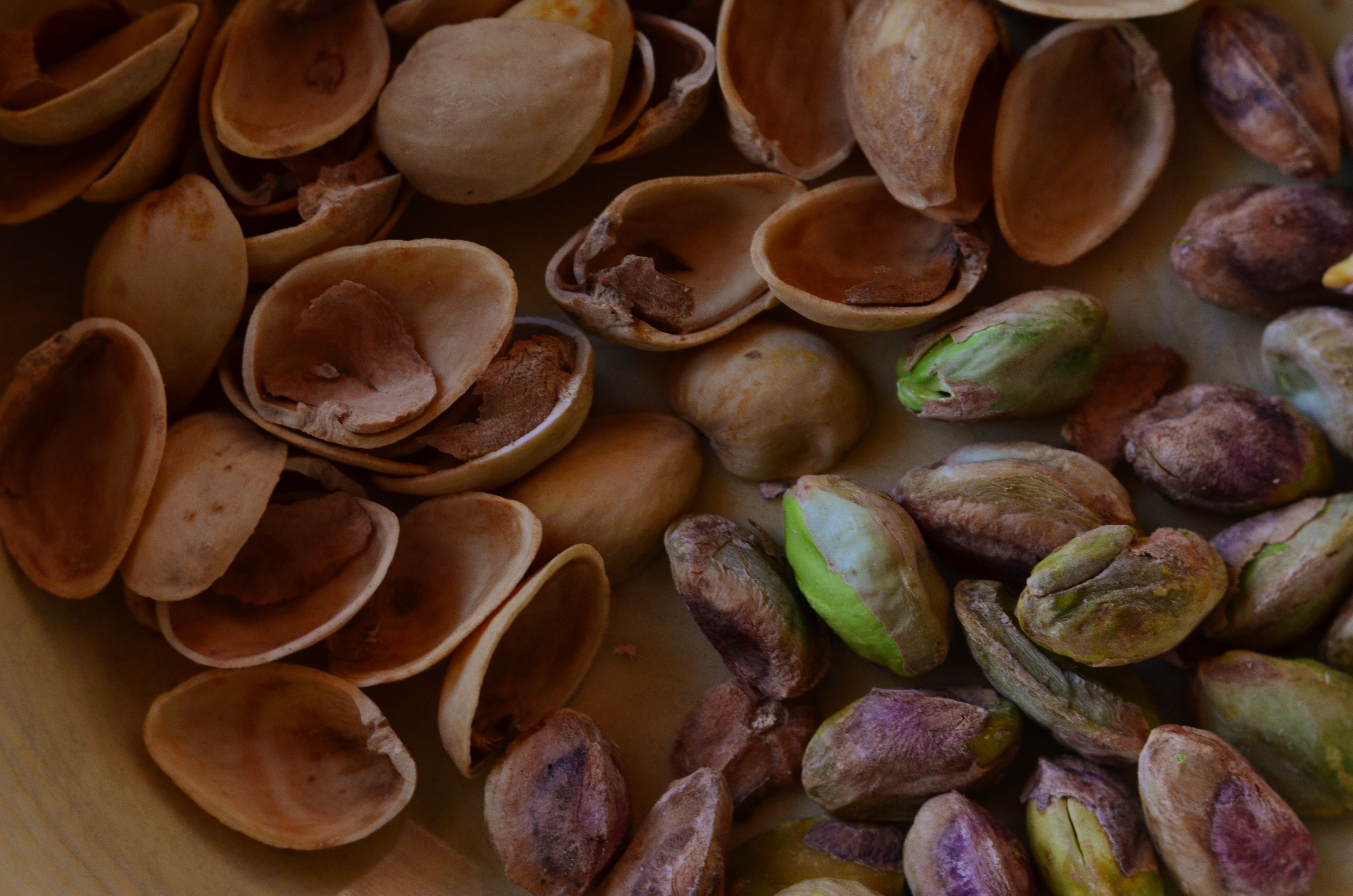
The Haves And The Have-Nots (2017)
By MICHAEL PERKINS
COMPOSITION IN PHOTOGRAPHY WOULD BE A SNAP (sorry) if the camera actually possessed not just an eye, but also a brain. But that’s where you come in.
When the human eye takes in a scene, the brain automatically ranks all the information within it, basically making a composition of priority. We “see” some things and “don’t see” others, based on how our grey matter ranks the importance of everything in our field of vision. A camera cannot make these fine decisions: it merely makes a light record of what it’s pointed at. That accounts for the fact that our “perfect” landscape, the one we ourselves recalled from the first day of vacation, comes back, in a mere photo, complete with electrical wires, distracting signs, junk near the beach, and any other number of things our brains filtered out of the original viewing experience.
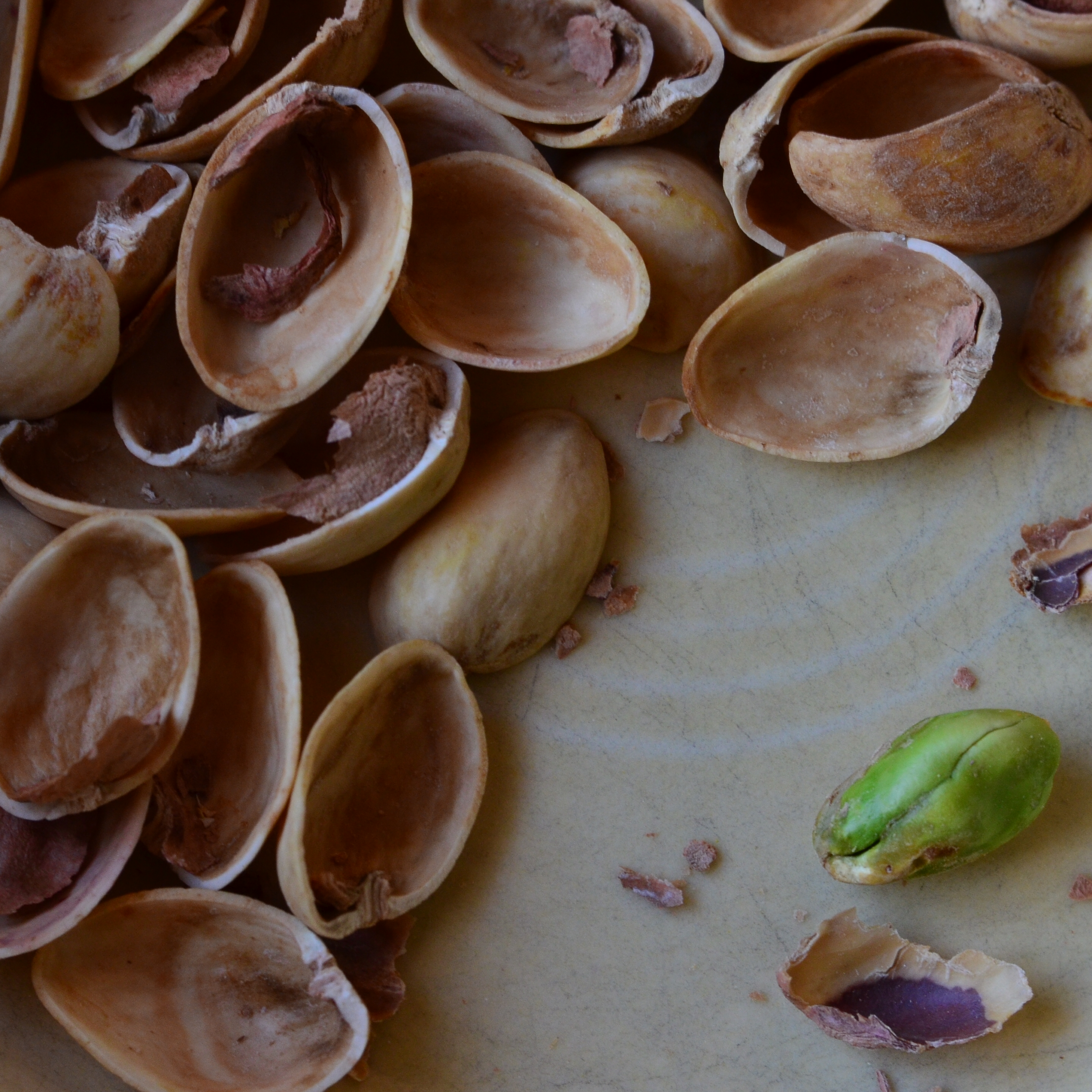
Last Man Standing (2017)
Composition is thus a matter of our deliberately arranging things by priority, making an argument for our audience to Look Here First, Only Look Here, Give Greater Weight To This Over That, or any other messaging we desire. In sales terms, it’s what pitchmen call Asking For The Order. Simply, composing a photograph means setting the terms of engagement for the viewer’s eye.
With still-life photographs, the shooter has the greatest degree of control and responsibility. After all, our subject is stationary, easily moved and arranged to our whim. You pretty much are lord of your domain. That being said, it’s wise to use this luxury of time and control to envision as many ways as possible to convey your message. The image at the top of this page, for example, is crowded, but the nut shells and the unshelled nuts are a study in textural contrast. There’s lots of color and detail, with one side being somewhat blanched while the other is rough and complex. That’s one way of making the image.
For comparison, in the second frame, the terms of engagement are completely different. The pile of shells at left is more sharply contrasted with the single nut at right. The nut carries the only vivid color in the image; it’s an outlier, a misfit…maybe the last man/nut standing? The simplification of the composition lets it breathe a little, allowing the viewer to speculate, invent. Are the shells symbolic of a mound of nuts that have already been polished off in some grand snacking orgy? Why was one lone nut left to tell the tale? And so on.
Change the arrangement of subjects in a scene and you’ve changed the terms of narration, or even insisted that there is no narration, just patterns, light, or abstraction. Whichever path you choose, no composition comes to the camera “ready to eat”, as it were. You have to tell your camera’s mechanical eye what to see, and how to see it.
COME TO THE DUMB SIDE
By MICHAEL PERKINS
“I dream with my eyes open.”—-Jules Verne
THE MAKING OF A GOOD PHOTOGRAPH IS A CHALLENGING ENOUGH ENTERPRISE that it’s understandable that many a photographer loses either his emotional balance or his sense of humor or both in the process. As artistes, we are so very, very earnest in our pursuit of the image that we can become a little, well tedious. All work and no play makes Jack take four hours to take a picture.
I always believe that, when you are mired in a problem, the bravest thing you can do is to, well, run away. Call it play, call it goofing off, call it cleaning out the pipes, or call it late to supper: the idea is to change the conversation. Of course, if you’re physically stuck in a rain-soaked duck blind awaiting the annual return of the pied-billed grebe, it’s a little tough to break camp (or your concentration) for the salvation of play. Besides, if the pied-billed grebe is your idea of a good time, then godspeed, John Glenn, and please don’t expect us to sit through your slides upon your return. Not without beer, anyway.
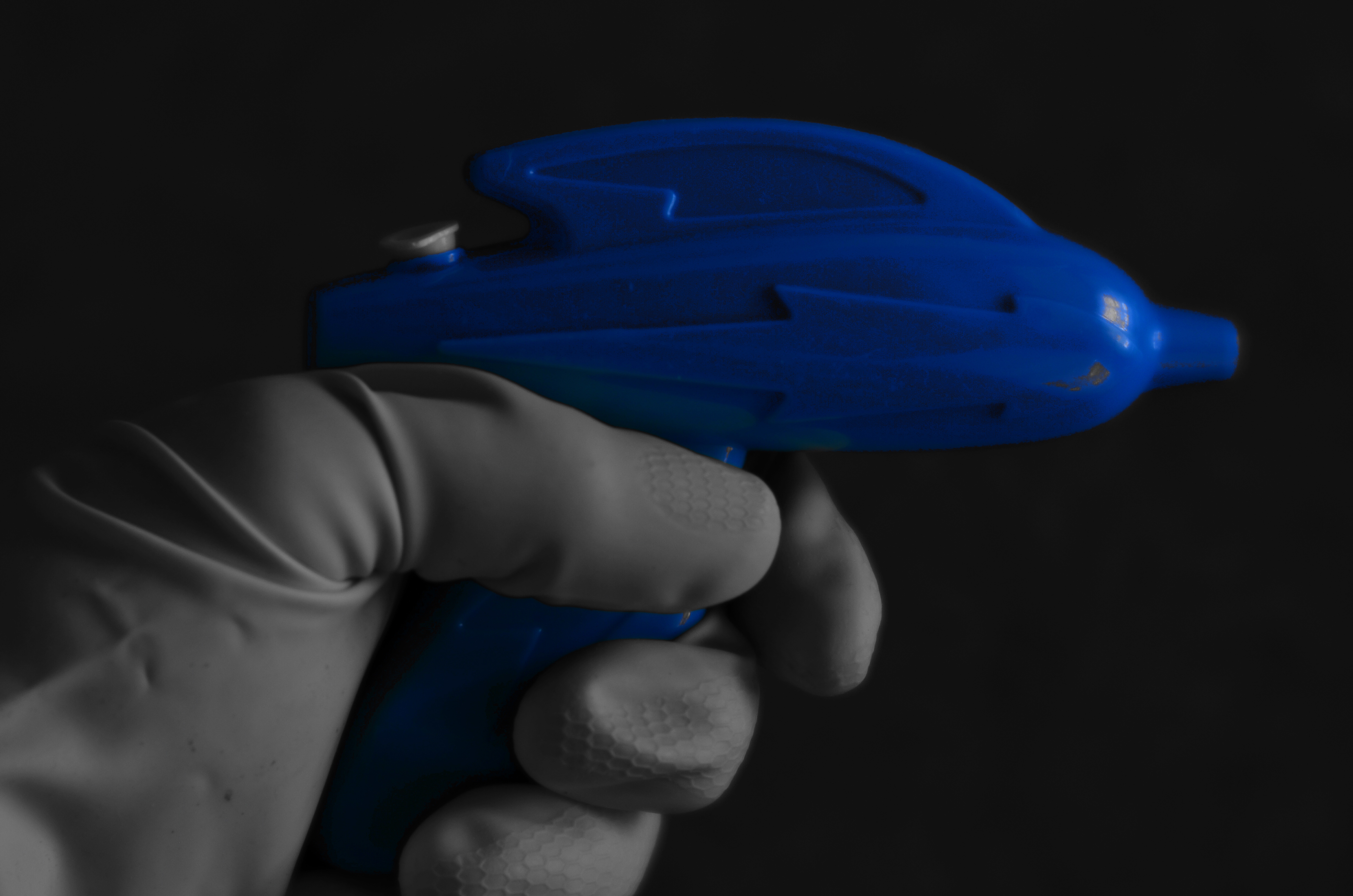
Suddenly, Flash Held The Upper Hand (2017). Heavy on the nonsense. Because sometimes you need it.
No, I’m talking about the value, the actual soul-salvaging power of stupid. The palate-cleansing function of creating the visual equivalent of a stuck-out tongue. In taking the time to solve the problems involved in the creation of a “dumb picture”, you are also exercising the muscles of your mind that have been cramped up in your more serious work.
I’m reminded of the process used at the little building on the weird end of the Warner Brothers lot where Looney Tunes shorts were created. It was a working method which startled messengers and delivery boys alike, who often entered the office to see Chuck Jones, Friz Freleng, and other animators capering about in animal costumes or funny hats as other Tuners recorded their gyrations with 16mm home-movie cameras, the better to animate you with, Grandma. Now some of you troublemakers might be tempted to remark, “but they were making cartoons. How is that serious work?”, to which I reply that perhaps you and I had better take this outside and settle the matter like gentlemen.
The above shot is the result of one dollar in investment (the weird squirt gun, complete with cosmic lighting bolt), a little rooting around under the sink (for the work glove), and ten minutes of fanciful fun. Not being fortunate enough to have Buster Crabbe here to model my fantasy (he’s in Actor Hell learning how to better deliver his lines), I managed to use my own left hand to wield my weapon while shooting with my right. And if you think you can do that without looking stupid….well, I’m just as glad the wife didn’t walk in on me, especially since I had been tasked, on this particular day, with kitchen duty.
Which is all to say, as if it needed repeating (or even peating) that fun is essential to the process of photography. When the well runs dry, you’d better re-fill it quick…with water, Mr. Bubble, Cherry Kool-Aid, or a nice, refreshing bucket of stupid.
Ahhhhh.
EXPEDITIONARY
By MICHAEL PERKINS
“THE WORLD IS TOO MUCH WITH US“, goes the classic Wordsworth sonnet, which points out that, not only do we miss seeing much of that which is most essential in our lives, we may not even know what we don’t know. And, in the general realm of art, and specifically in the art of photography, what survives in our visual record is limited to what we believed was important…at the time.
Reality is constantly morphing, and try as we might to use our cameras to bear witness to The Big Stuff, we neglect the fact that much of which we regard as anecdotal, as the “little stuff”, might just be biggest of all in the long run. The decisions required by art in the midst of history are terrifying. What image to make? What event to record? What kind of case to make for ourselves, as agents of our time?
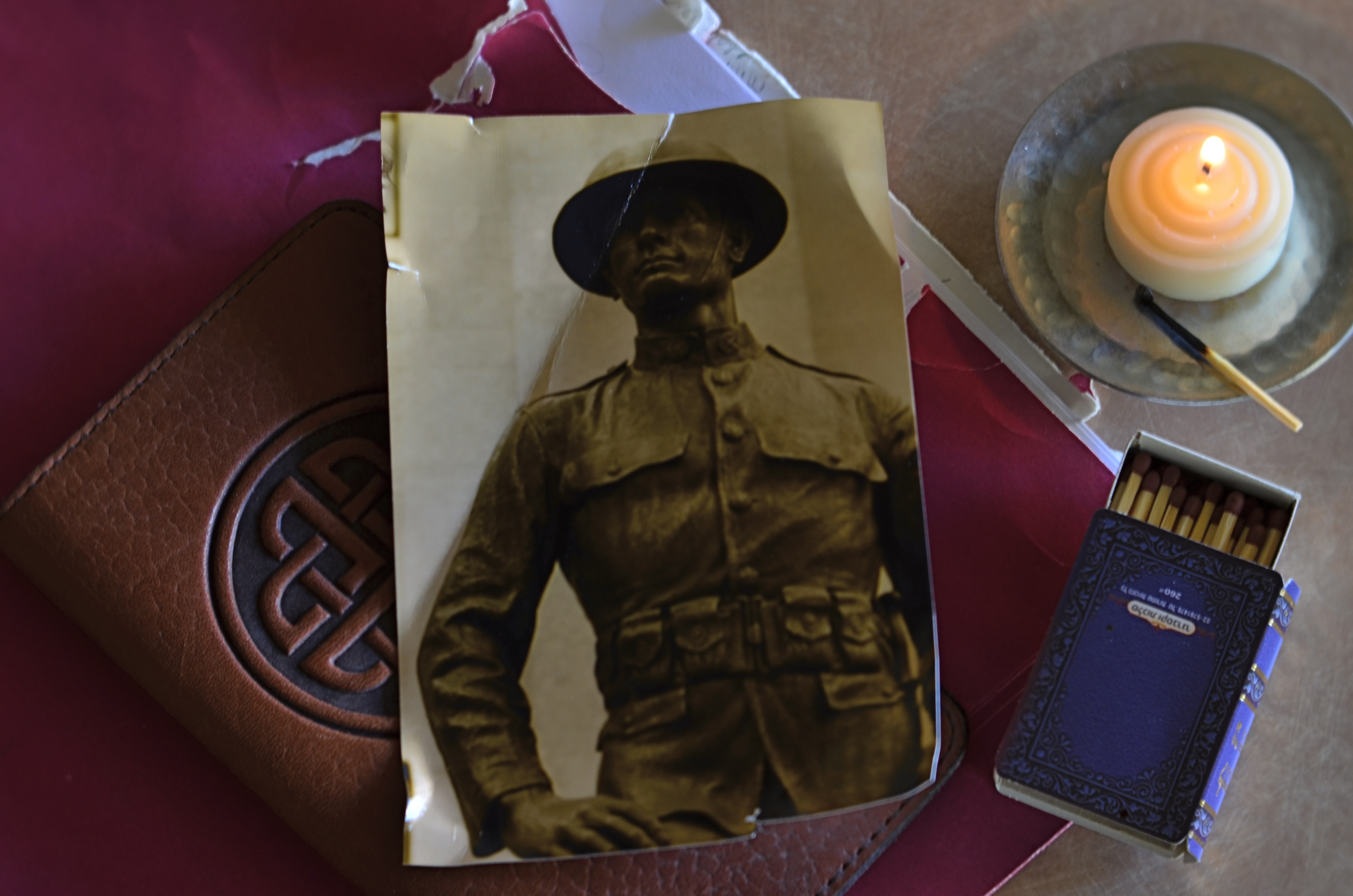
History’s biggest events can boil down to a handful of iconic images.
This year, 2017, marks the one-hundredth anniversary of the United States’ entry into what was then called The Great War. The term was grandiose, and dire, denoting a conflict that was, for the first time, truly global, a tsunami of slaughter so vast that it had been, heretofore, simply unimaginable. And yet, in time, the phrase was abandoned, because we had rendered it obsolete, by the obscene act of ordering up a sequel. And so we began to take the greatest mass murders of all time, and merely number them, as if they were nothing more than sequential lines on an endless horizon. And with these wars, for the first time, came pole-to-pole photographic coverage, an unprecedented, ubiquitous visual chronicle. Again, the questions: did we get it right? Did we make the pictures that needed to be made?
Who can know? The blood that soaks the battlefields also waters the grass that eventually covers them over. The din of death becomes the silence of lost detail. Photographs curl, tear, burn, vanish, become memories of memories. We hope some small part of our art becomes an actual legacy. And again, we ask: what did we miss? Whose stories did we neglect? Which evidence did we ignore? The world, always too much with us, forces us, now as then, to edit on the fly, hoping we can at least strive, against all odds, to be reliable narrators.
THE OTHER SIDE OF SOFT
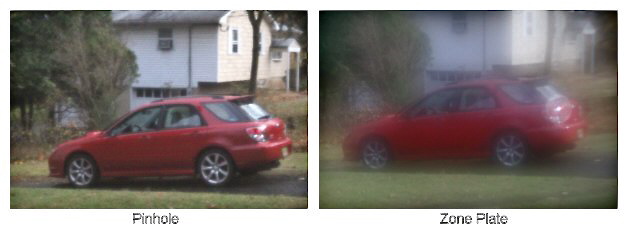
A side-by-side comparison of the two main systems of “lensless” photography, the pinhole and the zoneplate.
By MICHAEL PERKINS
PHOTOGRAPHERS (AND HUMANS IN GENERAL) ARE CONTRARY. Tell them they’re forever stuck with a bones-basic camera and they’ll spend every night and weekend either trying to devise a more sophisticated device or work three jobs so they can buy one. And the obverse is also true: present shooters with an infinite number of hi-tech choices designed to deliver unprecedented precision, and they’ll perversely start to pine for the “lost innocence” or “authenticity of the bare-bones rig.
What else can account for the recent surge in lensless photography, and the creation of images with cameras that are more technically handicapped than even one’s first point-and-shoot? Of course, the very first image capturing was done without a lens, with the ancient Greeks creating pictures on the inside back panel of a camera obscura box, using nothing but a small pinhole to generate a dim, soft-focused image of the chosen subject. The early nineteenth century replaced the hole with custom-designed glass optics, and photography moved quickly from a scientific experiment to a global rage.
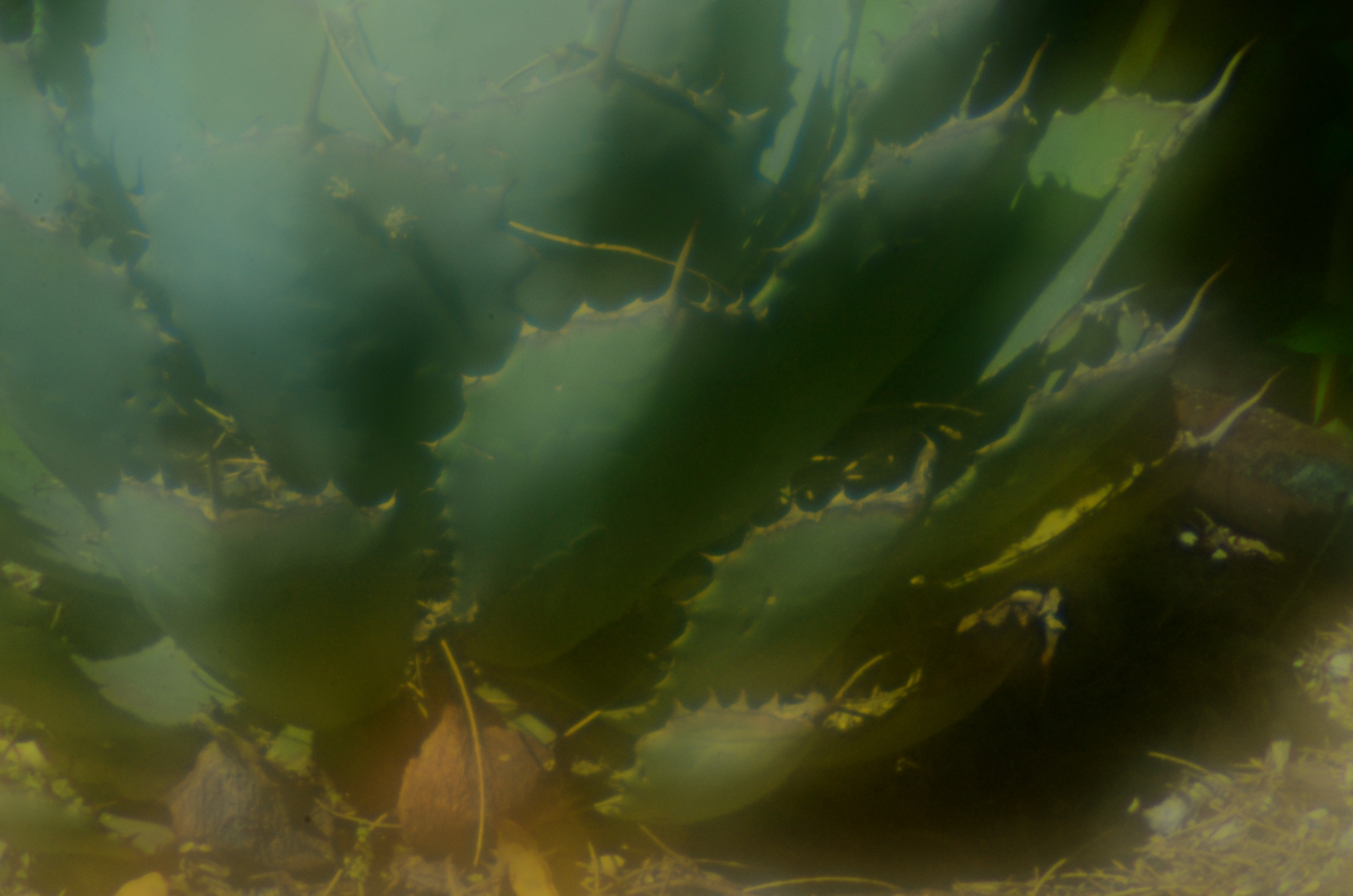
Zoneplates create a dreamy, hazy over-layer on top of lensless cameras’ typical soft focus.
But, of course, for photographers, no part of their art’s history is really “past”, and so we now see a small explosion of new pinhole devices for both film-based and digital cameras, from specially manufactured pinhole body caps (used in place of a lens) to cardboard kits available as DIY projects to recently dedicated pinhole plug-in optics for the Lensbaby series of lenses. The idea remains the same: small apertures, virtually infinite depth of field, soft focus, and looong exposures.
The other variable in this craze is the popularity of zoneplates, which, unlike the refracted light in a pinhole, works with more scattered diffracted light, creating a halo glow in the high contrast areas of subjects, as if the soft-focus is also being viewed through a gauzy haze. A zoneplate is really like a bulls-eye target, a plate where both opaque and transparent “rings” combine to disperse light widely, delivering a dreamier look than that seen in a pinhole image. The other big difference is that a zoneplate has a much larger light gathering area and a wider aperture, so while a pinhole opening might equate to a stop as small as f/177, the zoneplate could be as wide as, say, f/19, making handheld exposures (and visualizing through a viewfinder) at least feasible, if tricky.
Of course, both kinds of lensless imaging are extremely soft, rendering a precise depiction of your subjects impossible. However, if light patterns, shapes, and mood outweigh the importance of sharpness for a certain kind of picture, then pinholes and zoneplates are cheap, fairly easy to master (you don’t have much control, anyway), and a little bit like stepping back in time.
It’s contrary….but ain’t we all.
HOLDING HANDS IN THE DARK
By MICHAEL PERKINS
ONE THING OF WHICH THE PHOTOGRAPHIC COSMOS IS NOT IN SHORT SUPPLY IS THE SELF-PORTRAIT. What might have been a specialized kind of image-making just a few scant years ago is now, in the mobile era, a flat-out obsession. We snap ourselves being happy, being moody, eating a cheeseburger, or giving that cheeseburger a thumbs up with friends, etc, etc. We make more photographs than ever of our faces, and, it could be argued, say less and less in the process.
I think that a good self-portrait, if it is to say or imply anything true about the life behind the face, requires a little prep time, or at least a pre-conceived notion of what one is trying to reveal about that person. That said, I think our concept of a selfie is, at the very same time that it’s overdone, is also far too narrow. Simply speaking, there are other parts of our physical envelope that convey information about who we are and what we’ve been in the world. The hands, for example.
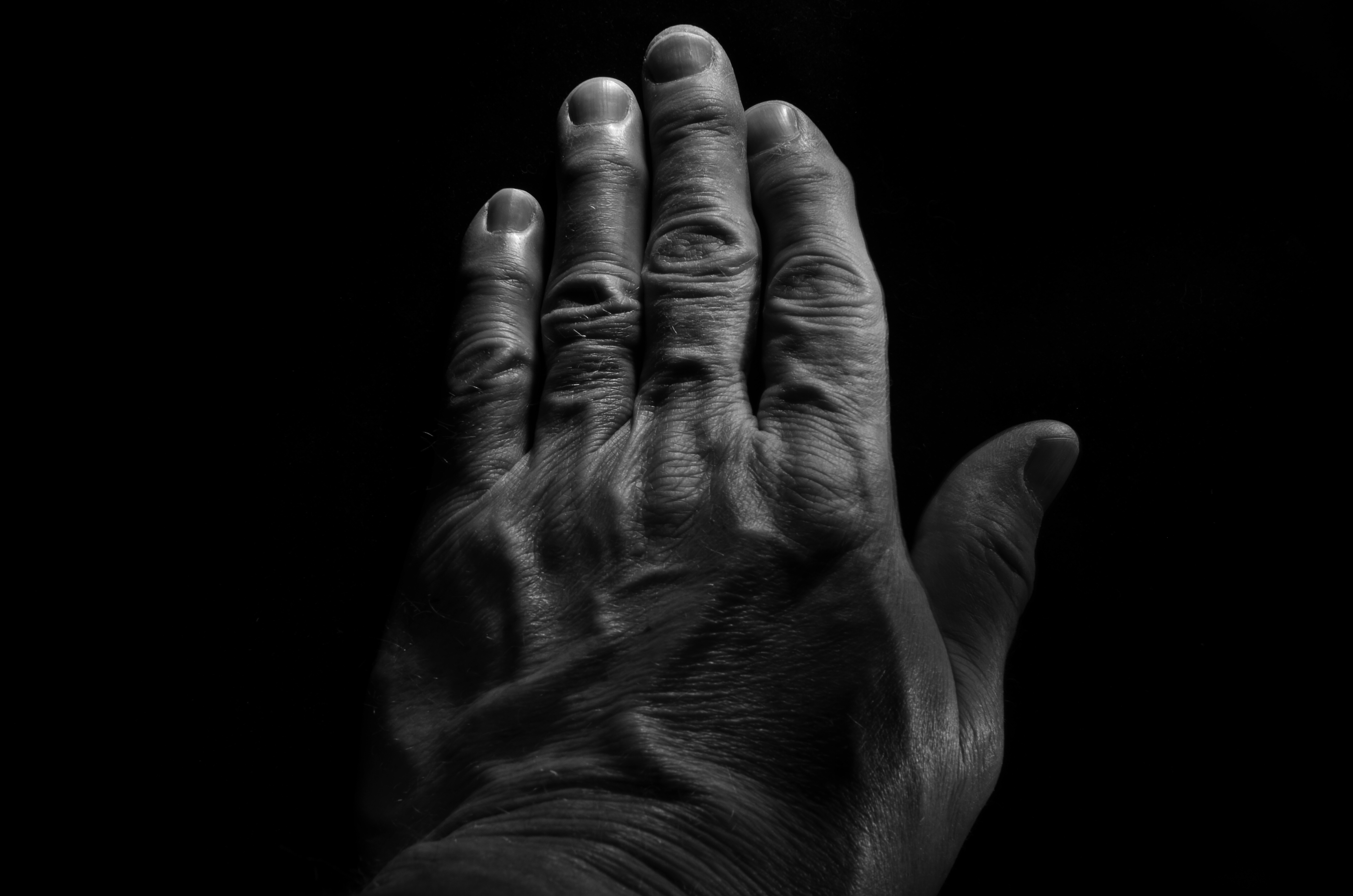
Pax Humana (2017). Hand-held LEDs used to “light-paint” in the dark can create interesting textures in human skin. 18 sec., f/16, ISO 100, 35mm.
If the eyes are the window to the soul, the fingers are the foot-soldiers who carry out the orders that the soul dreams up. The mind behind the face can certainly shine through a good facial portrait, but consider that the hands are the real agents of change in a person’s life. They lift: they move: they put plans into action. Moreover, hands bear the traceable time-stamps of all that agency. Each wrinkle and scar is a document of both deliberate action and unforeseen consequence. Hands belong in any serious study of a person’s life, no less than the face. The trick, as with photographing every other subject, is in getting the image you want.
I find, for example, that normal room light keeps a lot of fine detail from registering in an image, since human skin is highly reflective, causing the grain of the skin to wash out. One way to get around that is to use light painting, a technique we’ve discussed here before. Set up your composition and focus with the camera on a tripod in normal light, then leave everything in place until nightfall and make the image in a completely darkened room while experimenting with a range of exposure times. Your only illumination will be a small hand-held LED, such as a miniature key chain flashlight….nothing wide-beam or super-powered. Use a wireless remote to trigger your shutter, then “write” light paths over the hand, slowly tracking the LED over small areas until all have been “hit” before the trigger snaps back shut.
In the above example, I wanted greater contrast between the hills and valleys of my knuckles, veins, etc., and I wanted to minimize the shine-making effect of the light, so I lit from an angle, sideways from the tips of the fingers. That bumped up the pores and hairs into starker relief as well. Two things to remember: using short stabs of light, that is, turning the LED rapidly on and off, is better than a continuous beam, since you can pinpoint the effect more precisely. Also, using a very small aperture (f/16 here) provides maximum depth of field and enhanced detail. Other than that, it’s truly trial-and-error. This frame, as an example, is one of forty attempts, so it’s not a project you do on the fly. But this, I feel, is my hand, my real hand, its labors and history in full view. And it’s as much a portrait as any face can ever provide.
THE NEW ERA OF TESTIMONY
By MICHAEL PERKINS
WHETHER THERE IS CONSENSUS ABOUT THE PRESENT OR FUTURE STATE OF THE NATURAL WORLD, we are certainly in the midst of the most muscular conversation about its fate than many of us have ever known. That means that we are changing and challenging our relationship to the globe almost daily…and, along with that relationship, the way that we see, and visually report upon it. That generates a new emphasis on bearing witness to what the planet is/can be/ might be.
I call it the new era of testimony.
The birth of photography coincided with the first great surge of cross-continental expansion in America, as well as an explosion in invention and mechanization. The new system for making a physical record of the world was immediately placed into service to help quantify the scope of the nation…to measure its mountains, track its rivers, count its standing armies. Photographers like Timothy Sullivan and William Henry Jackson lugged their cameras east-to-west alongside geological surveys, railroad agents, and the emerging naturalist movement. While some shooters chose to capture the creation of new trestle bridges, others helped poets illustrate their Walden-esque reveries. In all cases, photography was tasked with the job of showing the natural world and our interaction with it. Most importantly, the images that survive those times are a visual seismograph on both the grand and grotesque choices we made. They are testimony.
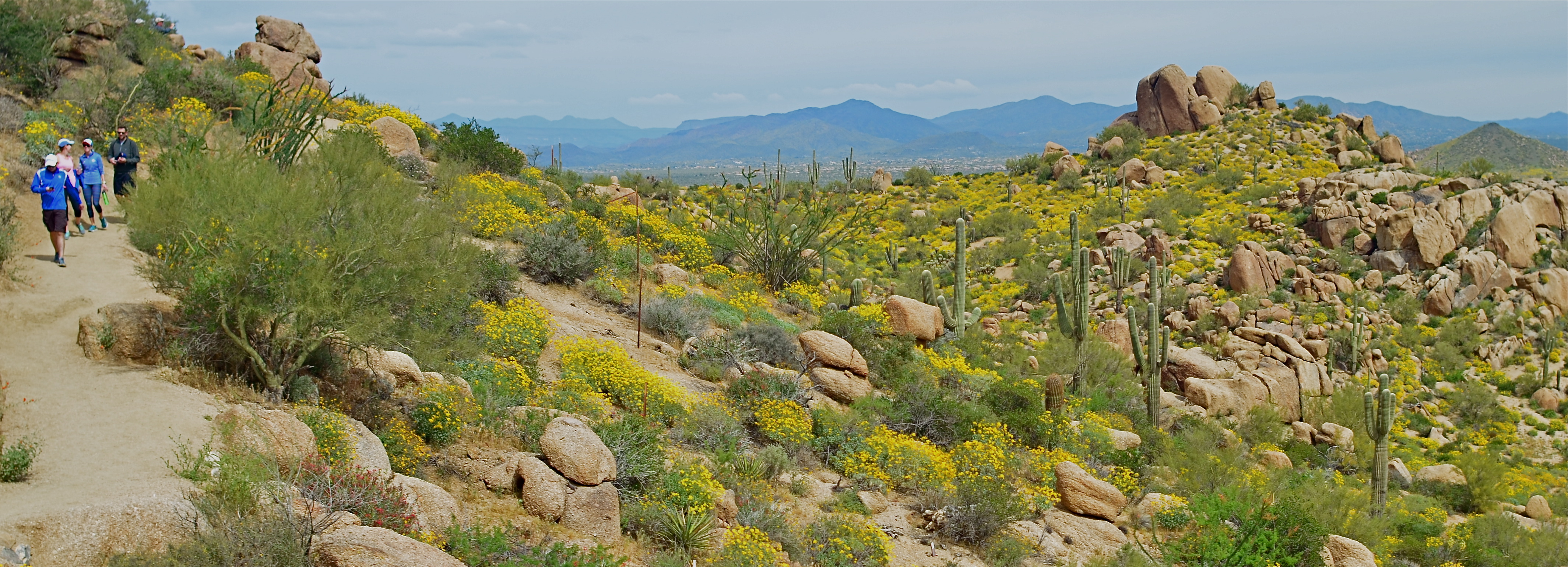
Brittle Bush In Bloom (2017)
And now is a time of radical re-evaluation of what that interaction should look like. That means that there is a visual story to tell, one of the most compelling and vital that photography has ever told. Regardless of your personal stances or stats, man’s place on the planet will be in a state of fundamental shift over the coming decades. And the images that this change generates will define both photography as an art and ourselves as stewards of an increasingly fragile ecology.
Ansel Adams, for all his gorgeously orchestrated vistas, was, I believe, mistaken in almost deliberately subtracting people from his grand scenes, as if they were irrelevant smudges on nature’s work. It doesn’t have to be that way. We need not make war on our native world. But whatever we do, we need to use the camera to mark the roads down which we have chosen to walk. Whether chronicling wise or foolish decisions, the photograph must be used to testify, to either glorify or condemn our choices going forward.
 thenormaleye