By MICHAEL PERKINS
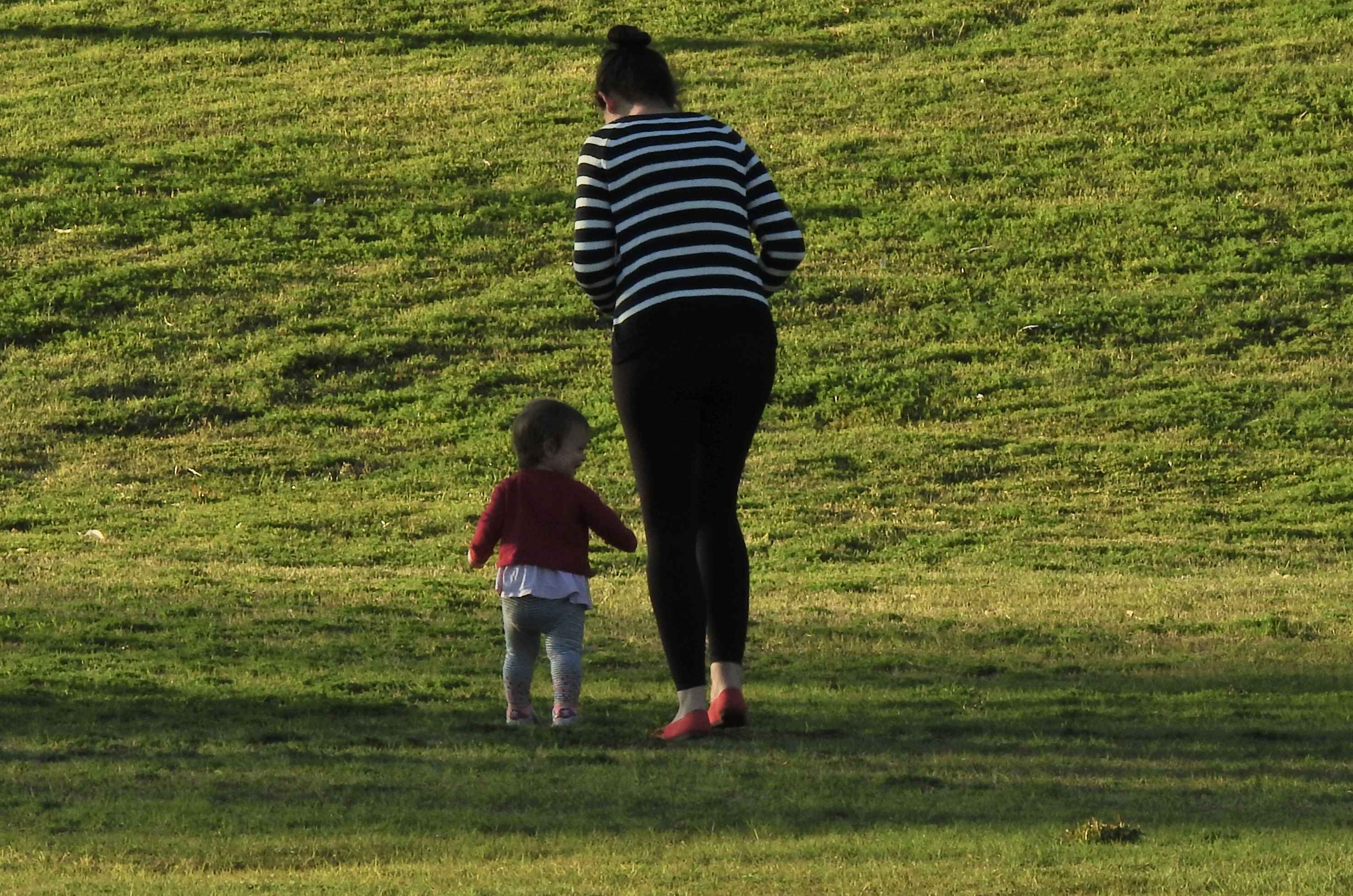
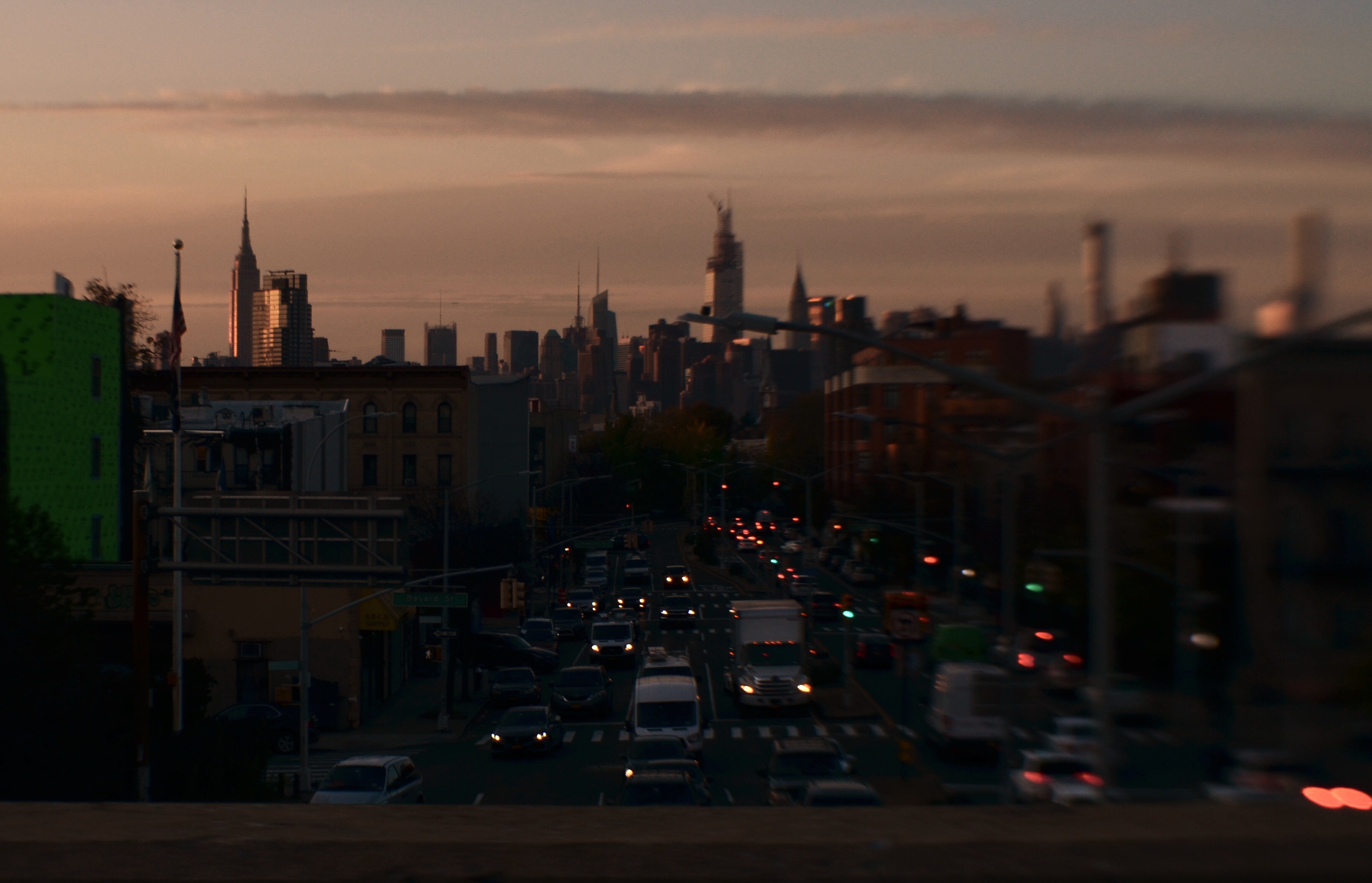
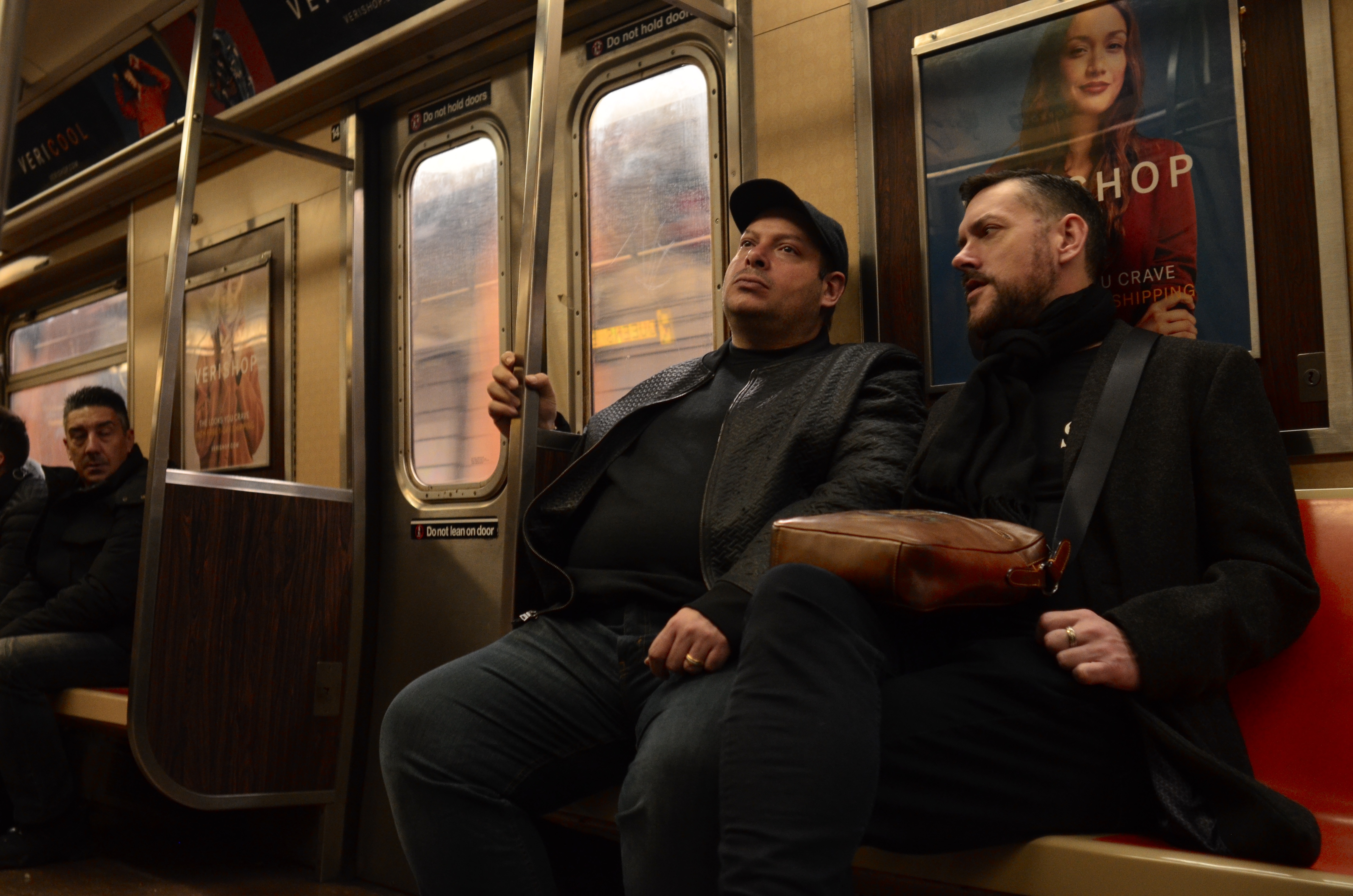
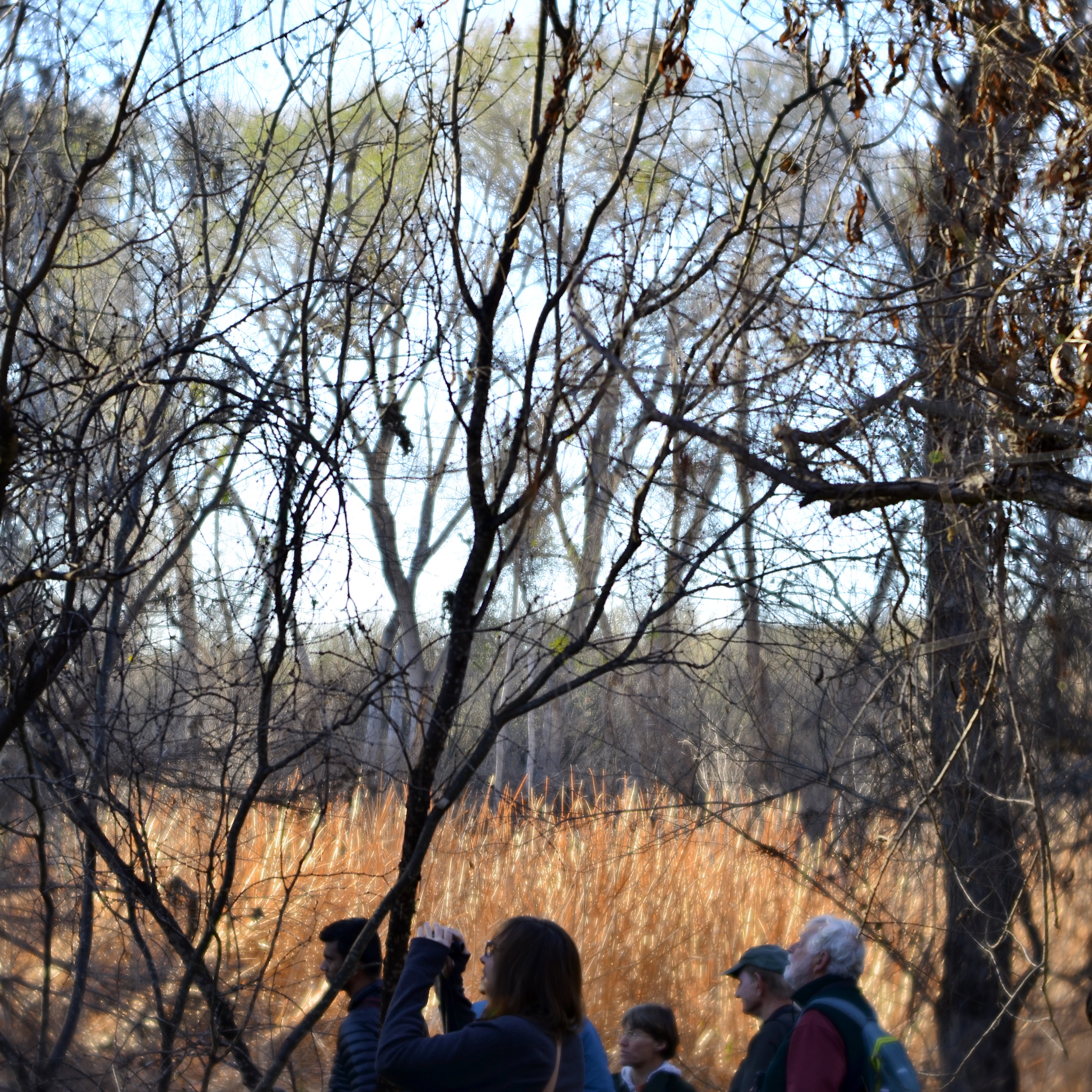
ONE THING THAT GUARANTEES VIRTUALLY INFINITE VARIETY AMONG PHOTOGRAPHERS is that, not only do we all see most things completely differently, we also vary wildly on what it is important to see. Turn ten photographers loose on the same subject and the results might just as well have been shot on different planets. Our individual brains seems to rank things in the world by how “view-essential” they are, or how worthy they are of our notice. This renders somethings that are vital to me nearly invisible to you.
We’ve all experienced the strange feeling of looking at images taken by someone else of a place that we have both visited at the same time, and seeing things that we could swear were never there. Who put that fountain near the plaza? Wasn’t the mountain to the left? Our mind is selectively failing to see some of the very same information that is obviously available to it, making our own work with cameras subject to selective invisibilities.
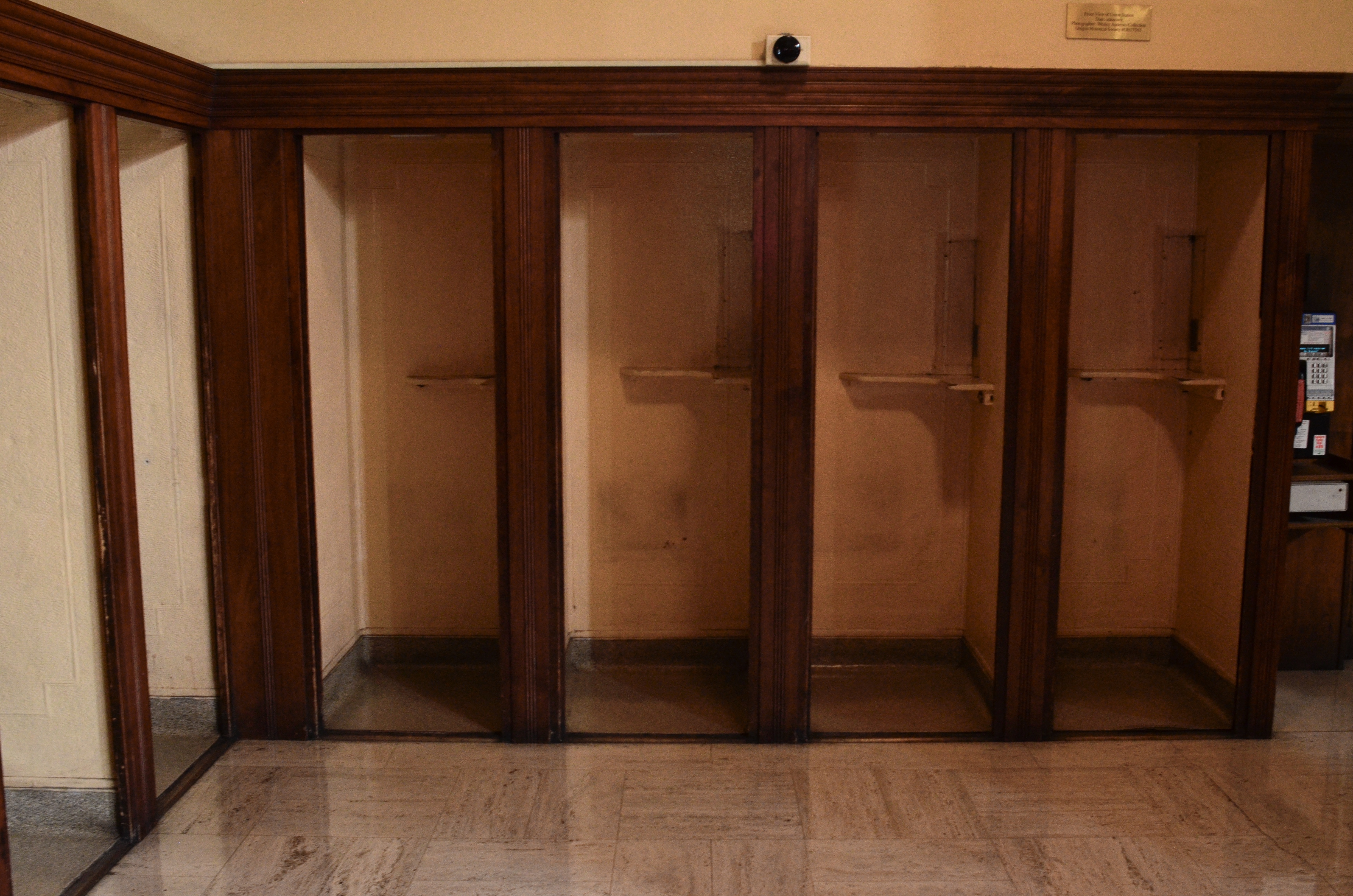
Lost Connections, Portland, Oregon, 2018.
What renders something important enough for us to actively acknowledge it? Can some things become so common, so ubiquitous in our lives that we no longer see them? In the case of the vintage cabinets shown here: what, in our daily lives, could have been more commonplace, more taken for granted, than a bank of public telephone booths? How could these structures have been more widespread than they once were, in railway stations, courthouses, department stores, bus terminals, and a million other gathering places? And would that commonality have placed them somewhat below our radar, visually speaking? Now turn that on its head: what could be more noticeable than when this everyday object is rendered obsolete, its purpose vanished in a blink of technology? Will that thing now be more visible, or completely vanished, and for whom?
I bring this up to unstick us from the tired idea that “everything’s already been photographed”, that, for the camera, there is nothing new under the sun. In reality, were we to start shooting images of all the things we have, for one reason or another, failed to see all our lives, we would find poetry and plenty in what we think of as “nothing”. Many things that are “here” go unseen simply because we will not see them, and many things that are “gone” remain because we will.
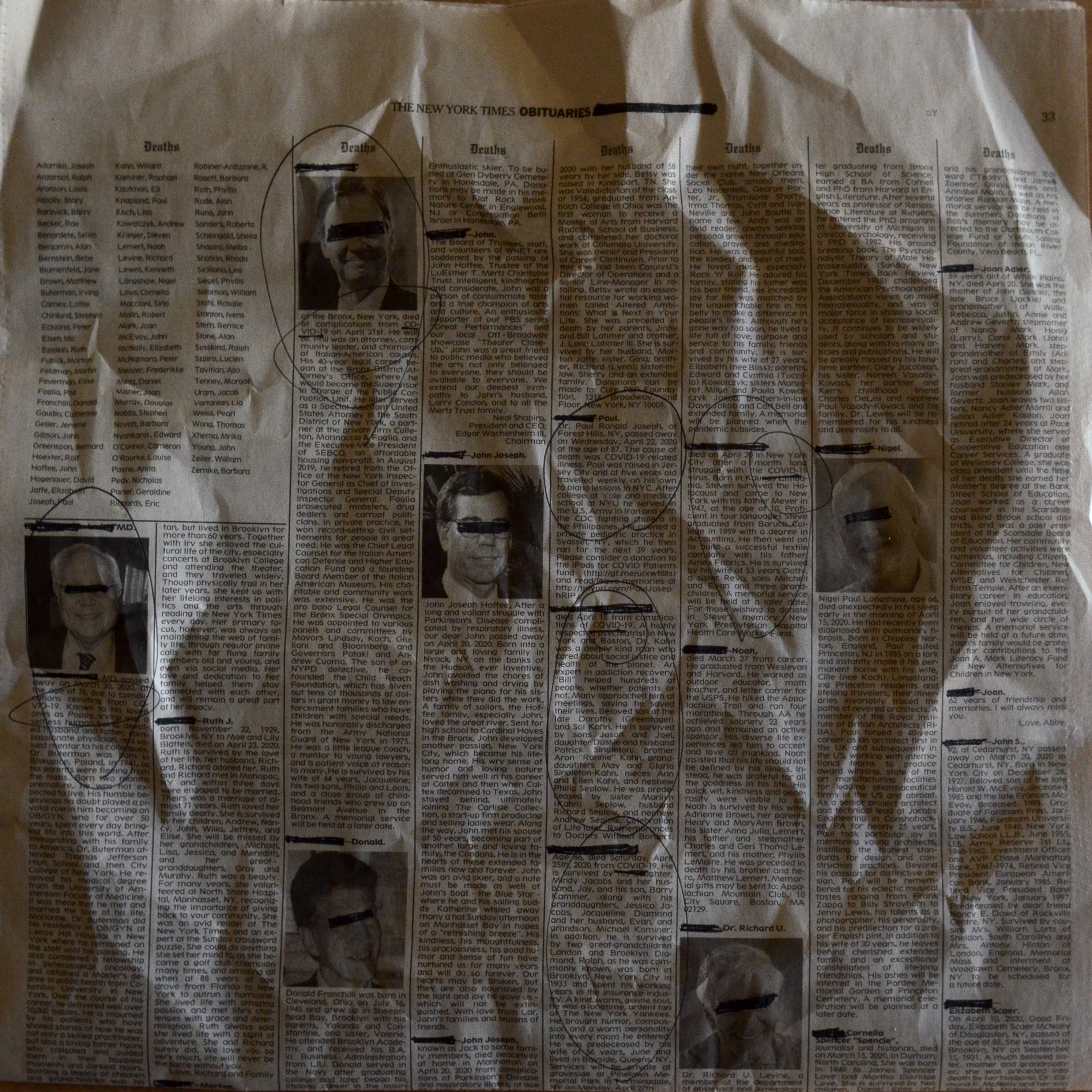
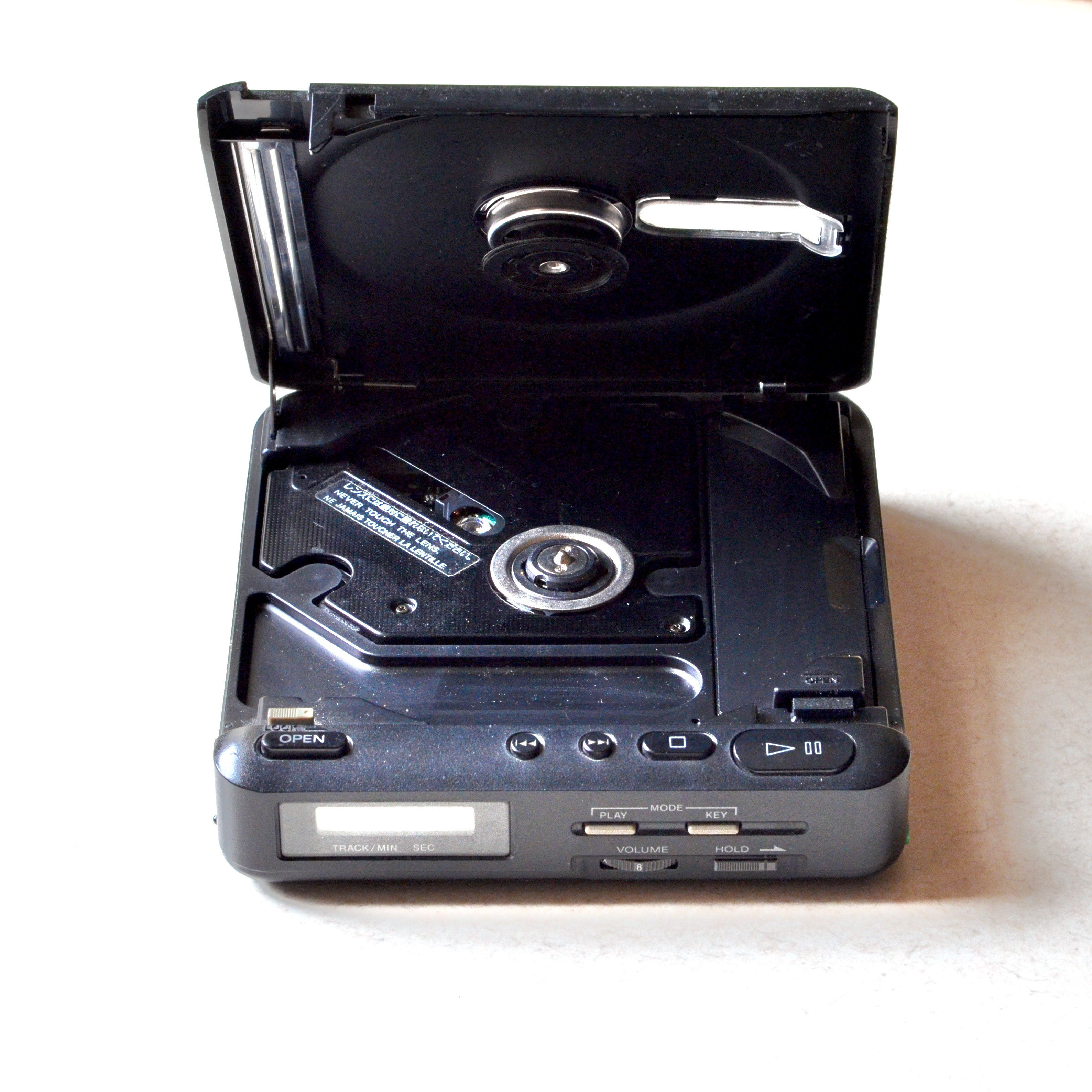




AGING IN THE BARREL
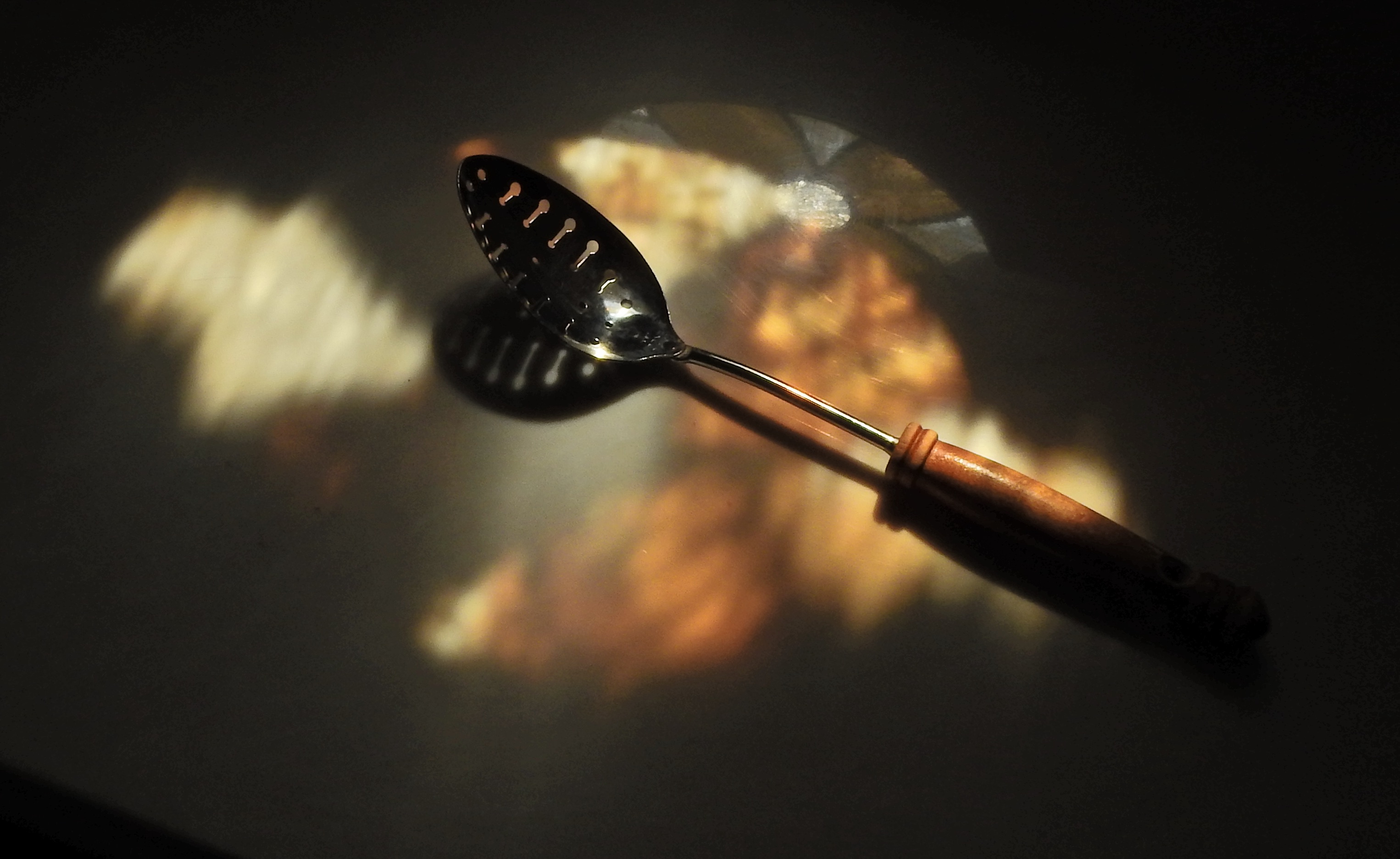
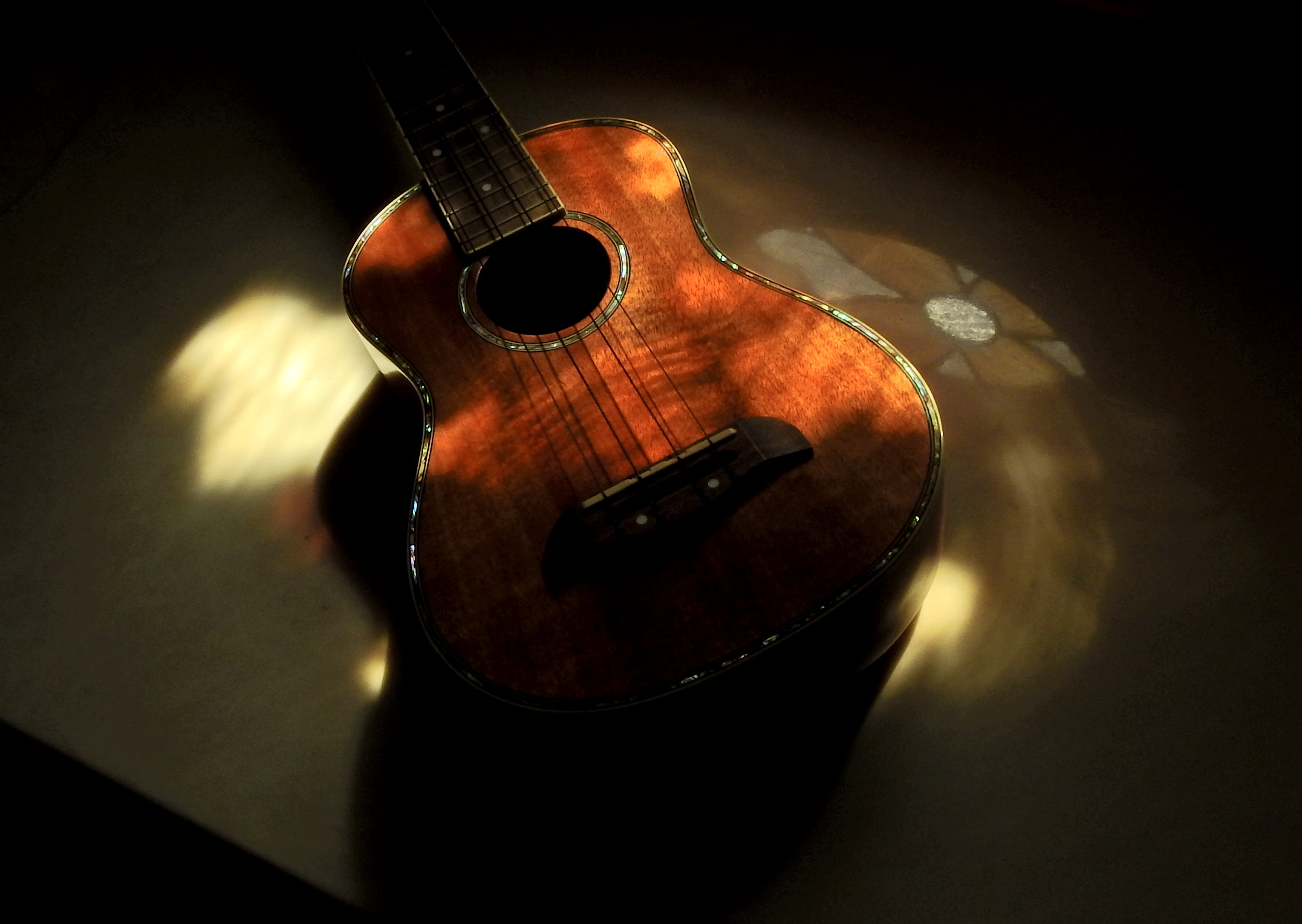
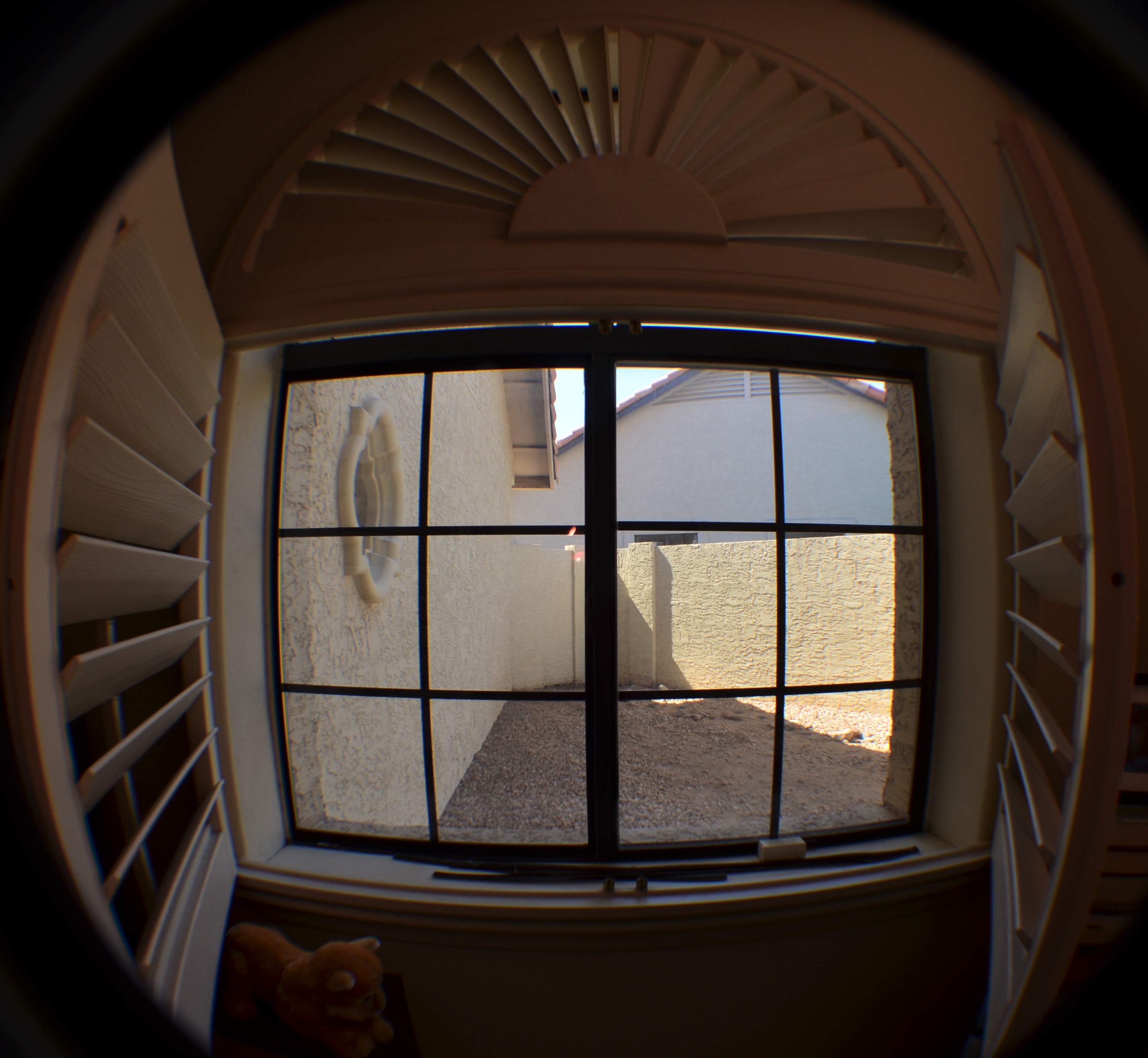
What’s That Moving?, April 2020
By MICHAEL PERKINS
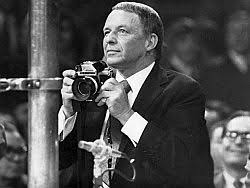
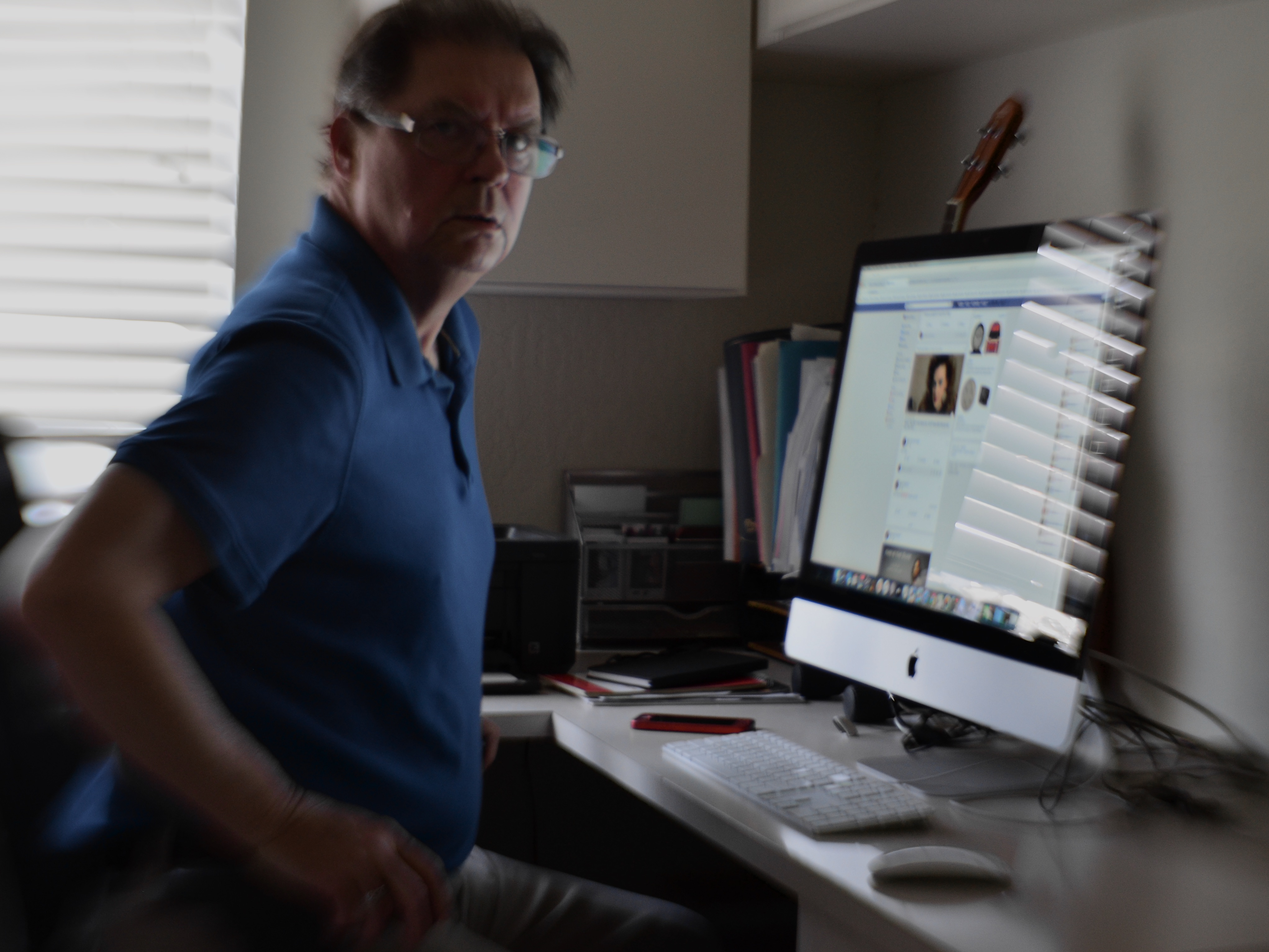
SOON WE WILL STOP REFERRING TO THE DAILY GLOBAL TOTAL OF SELF-PORTRAITS by any specific number, since the actual figure will be (a) impossible to ascertain and (b) so astronomical as to be meaningless. A quick shuffle through just our own collection of selfies for a given period gives us an idea what happens when technical ease meets runaway narcissism. Or to put it simpler, we take a $%#@-ton of pictures of us. We love us.
The current Great Hibernation (or Uber-Lockdown, or Mass-Incarceration or Panic-Room Marathon) is forcing us to spend even more time with our favorite person, and it stands to reason that the circumstances will change the way we decide to document what we are personally enduring. Here I am in the sixth week of my bad haircut. This is me in my formal sweatpants. I don’t know where I took this…or what time…or what day/week/month. Change the nature of a photographic subject and you’re bound to change how you’ll document that subject.
The whole social context has been warped out of shape, and so must our image of ourselves, which, after all, is shaped by how we interact, where we go, what constitutes a good or bad day. And so self-portraits are being forcibly filtered through a completely different set of criteria than they were just a heartbeat ago, when all we had to do to be somewhere else was, you know, go there. The way emotions play across our faces will be pretzeled into interesting new shapes as a consequence. As we age in this particular barrel, we will be changed. Some of us will emerge from it as palpably different from the animals that went in.
That creates challenge for photographers, especially when it’s us shooting us. How trustworthy are we as narrators? How aware of we of the subtle changes we undergo when the toilet paper runs low? The pictures will eventually provide the chronicle. But in the interim, we need to ask different questions, seek different angles, spot variances. Hey, we might as well be honest. The camera never lies, right?
Share this:
Posted by Michael Perkins | May 13, 2020 | Categories: Commentary, Portraits | Tags: Interpretation, Self-portraits | Leave a comment