By MICHAEL PERKINS
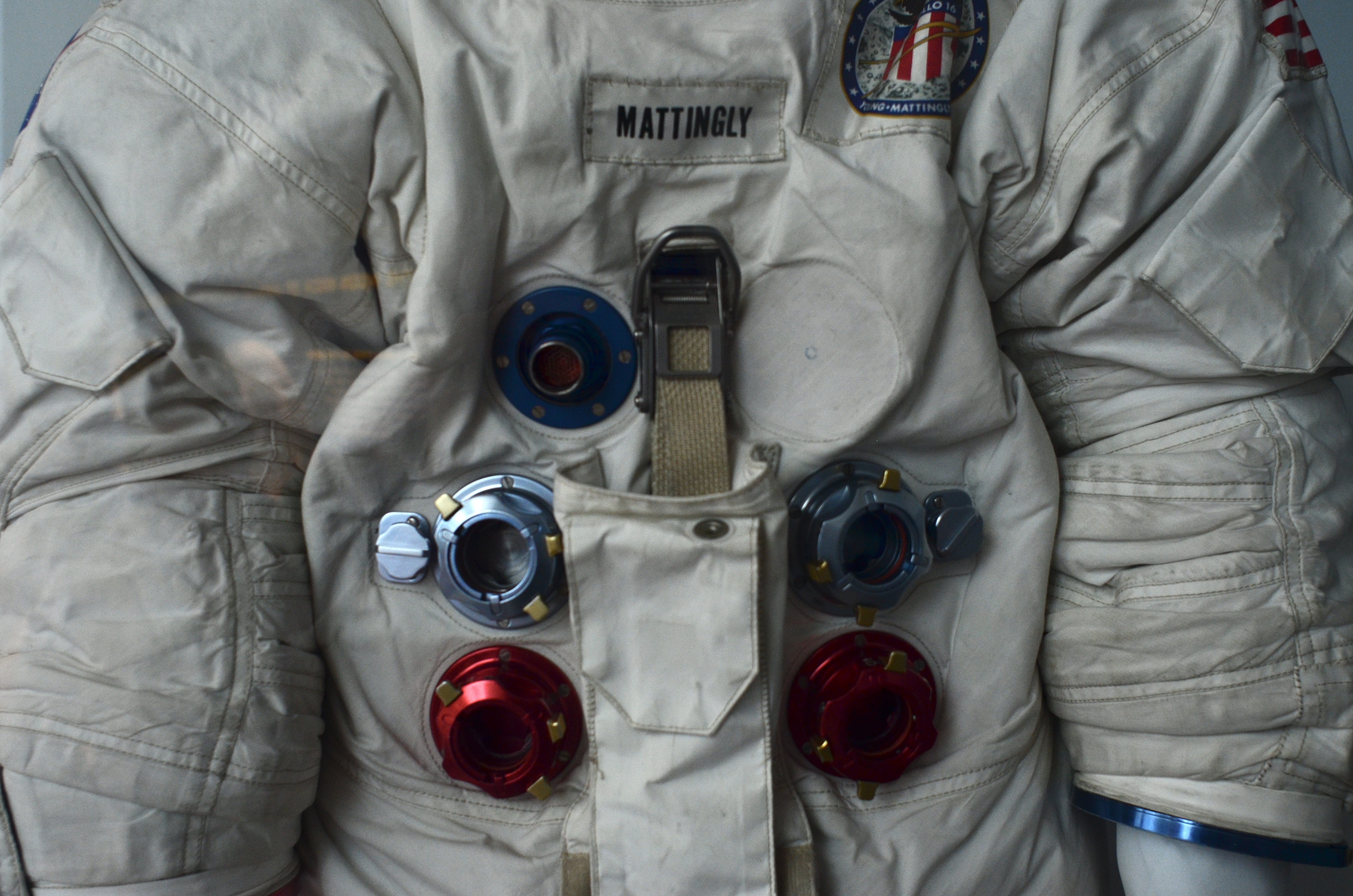
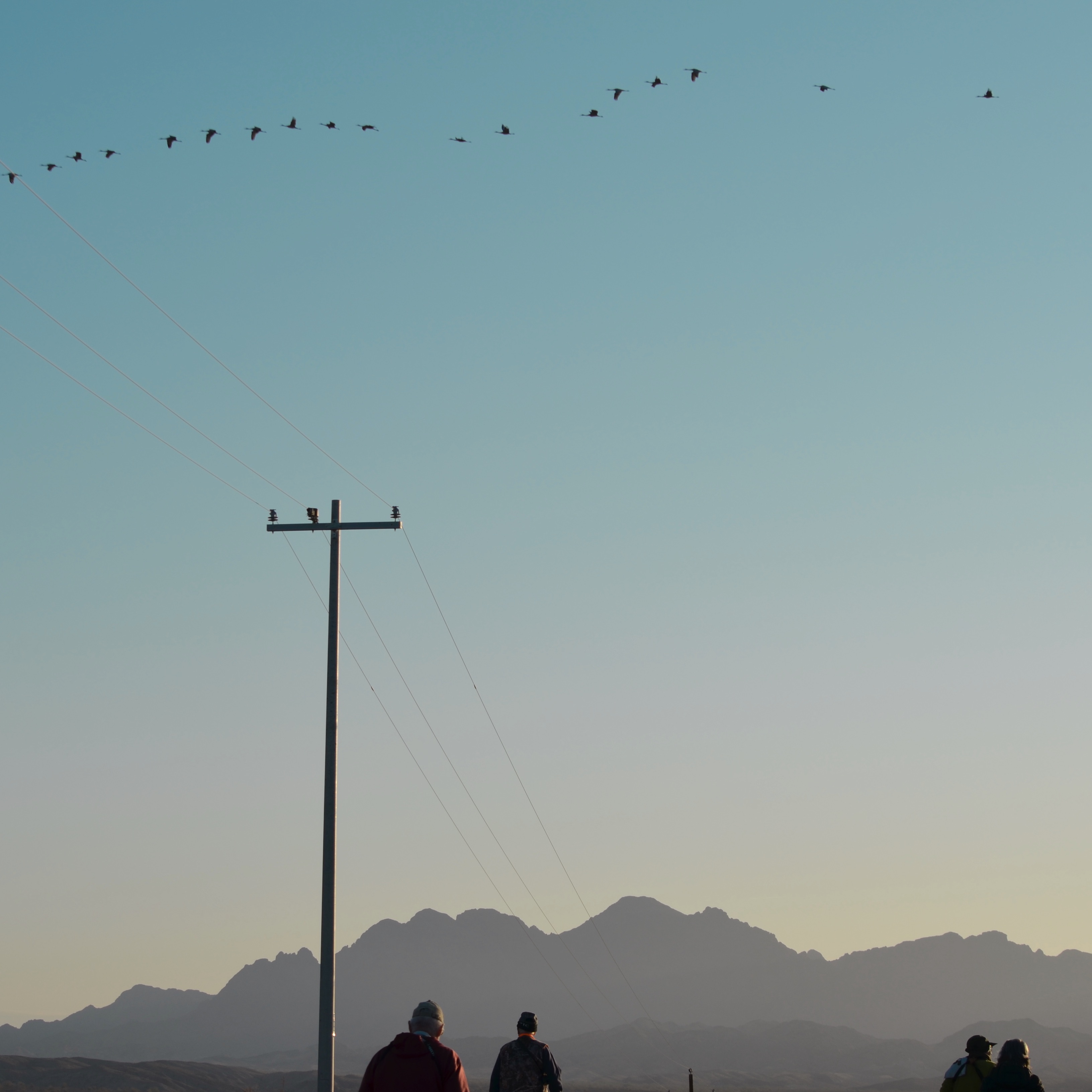
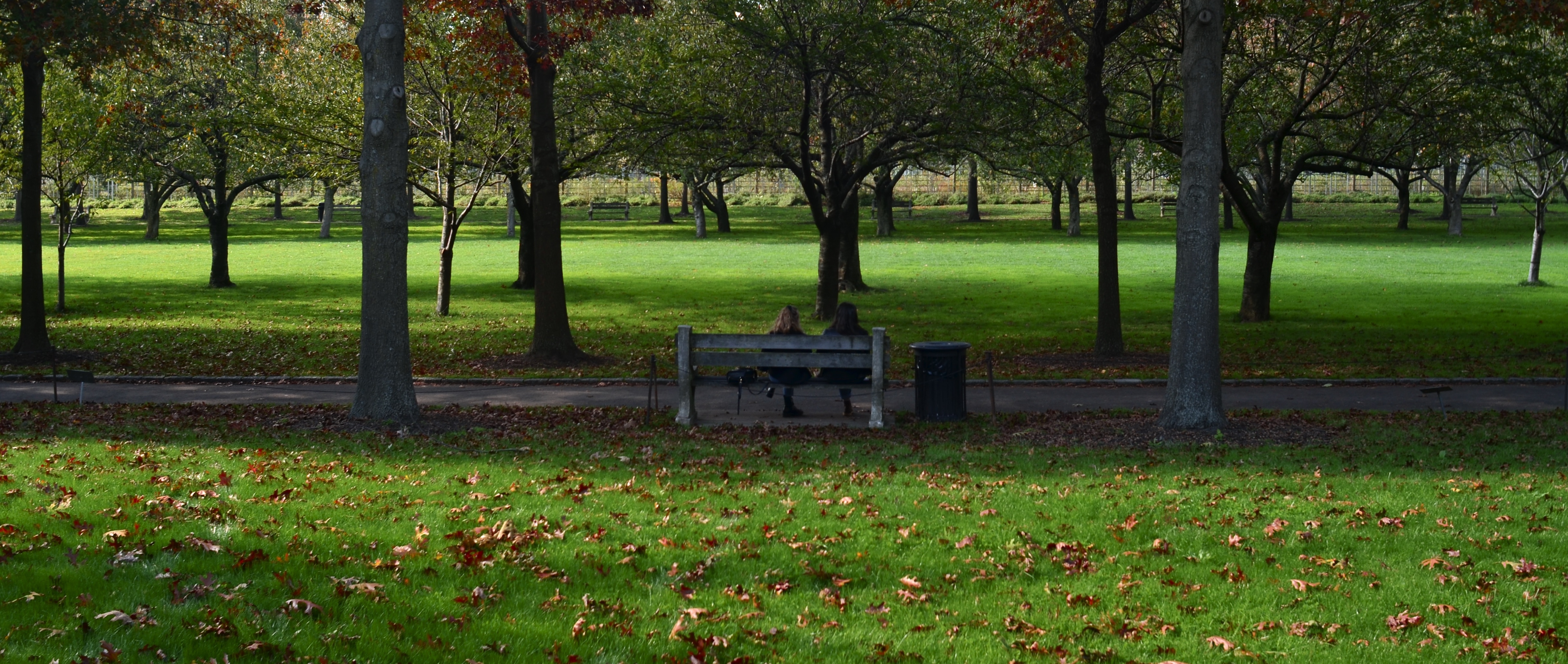
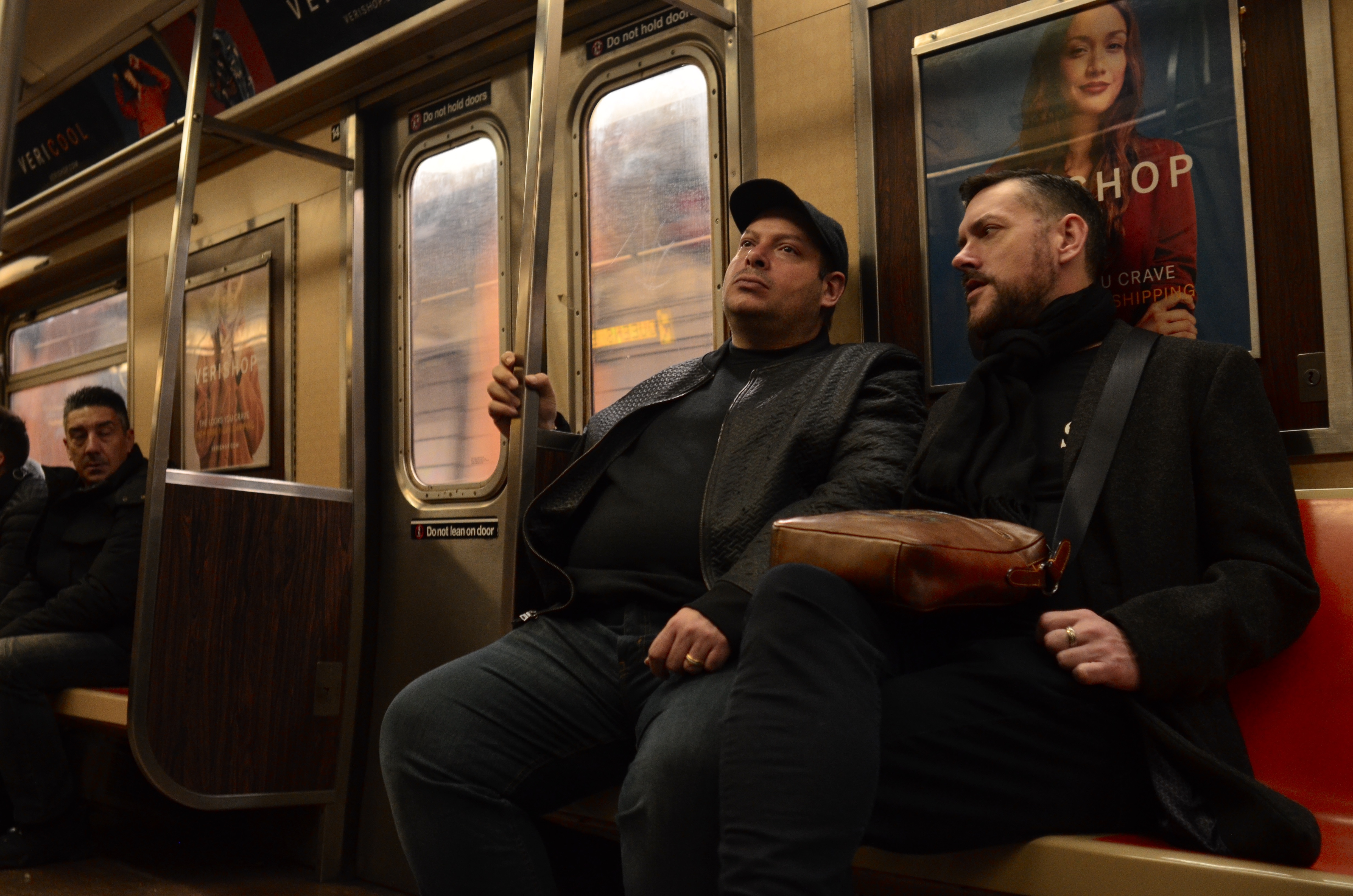
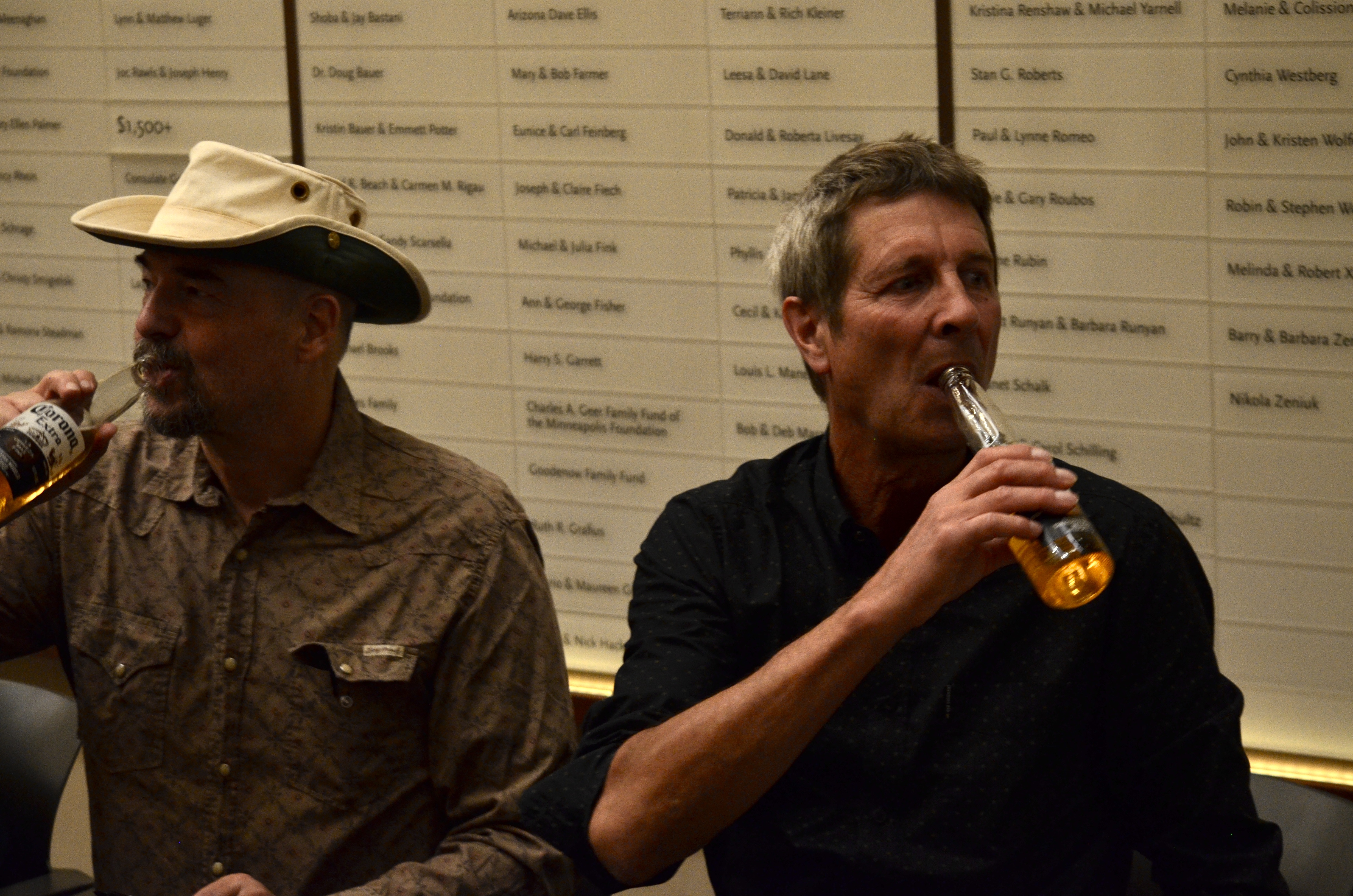
MOST OF THE FORMAL TRAINING IN PHOTOGRAPHIC PORTRAITURE rightly emphasizes the eyes, those so-called “windows of the soul”, and it’s hard to argue with their weight as indicators of the inner mind. But, in reality, every facial feature can be eloquent in conveying that which comprises the individual: love, fear, hate, happiness…whatever mix of outward cues that connote personality in a photograph. And it’s also true that, generally speaking, one’s face is a more reliable identifier of traits than, say, an arm or an ankle. However, portraits are loaded with information that occurs from the neck down as well, and a good deal of it can be mined for solid indicators of just who it is we’re looking at. And while we concede that most of us would never deliberately cut the top off a subject in everyday practice, (as seen here) doing so, at least for this exercise, illustrates just how much data can be left to work with when we, in a sense, lose our head.
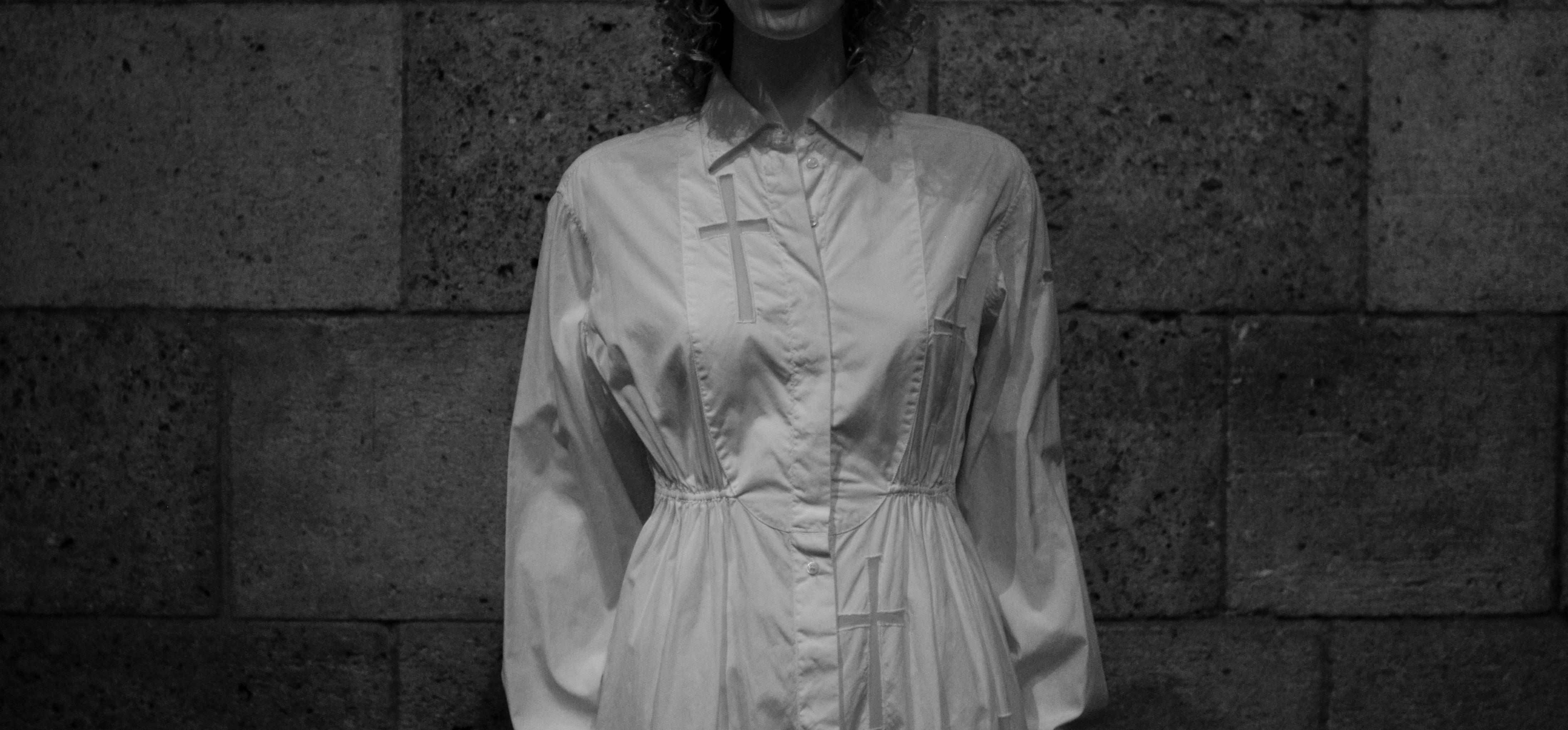
Habit, 2019
Clothing, regalia, body language, even something as basic as color…all these come ripe with codes about the life of the individual under consideration, and can be as valuable in portraiture as the face itself. Now, the idea of recommending that you re-examine your favorite portraits without considering their facial information is not to convince you to choose someone’s suit or hand over their face, but to increase our consciousness of what besides the face can amplify and deepen our sense of the people we photograph. I have seen many images where the depth of field was so narrow that, from the eyes outward, most of the face is largely softened, with everything else outside that narrow radius so blurred as to yield virtually no information. And, yes, that approach works wonderfully in many instances. Still, I am the very last person to propose any ironclad rule that always works or never works, since I believe that absolutes have no place in art. Every case must be considered separately.
So long as people are much more than merely their faces, I believe that everyone who works in portraiture should cultivate the habit of looking at every subject as a unique mix of elements, resulting in a range of pictures where sometimes the face is everything, or is sometimes just a thing among others, and occasionally is of no importance at all. The eyes may be a vary reliable window to the soul, but there are always other kinds of eyes, other kinds of windows.






DRESS REHEARSALS AND OPENING NIGHTS
Soon On This Site, 2019
By MICHAEL PERKINS
GREAT CITIES ARE NOT MUSEUMS, statically basking in their greatness as if showing off a finished product. Metropolises are as organic as the flesh and blood creatures they host, identified by their own signature breathing rhythms, seasons, vital signs. They are always in the process of becoming.
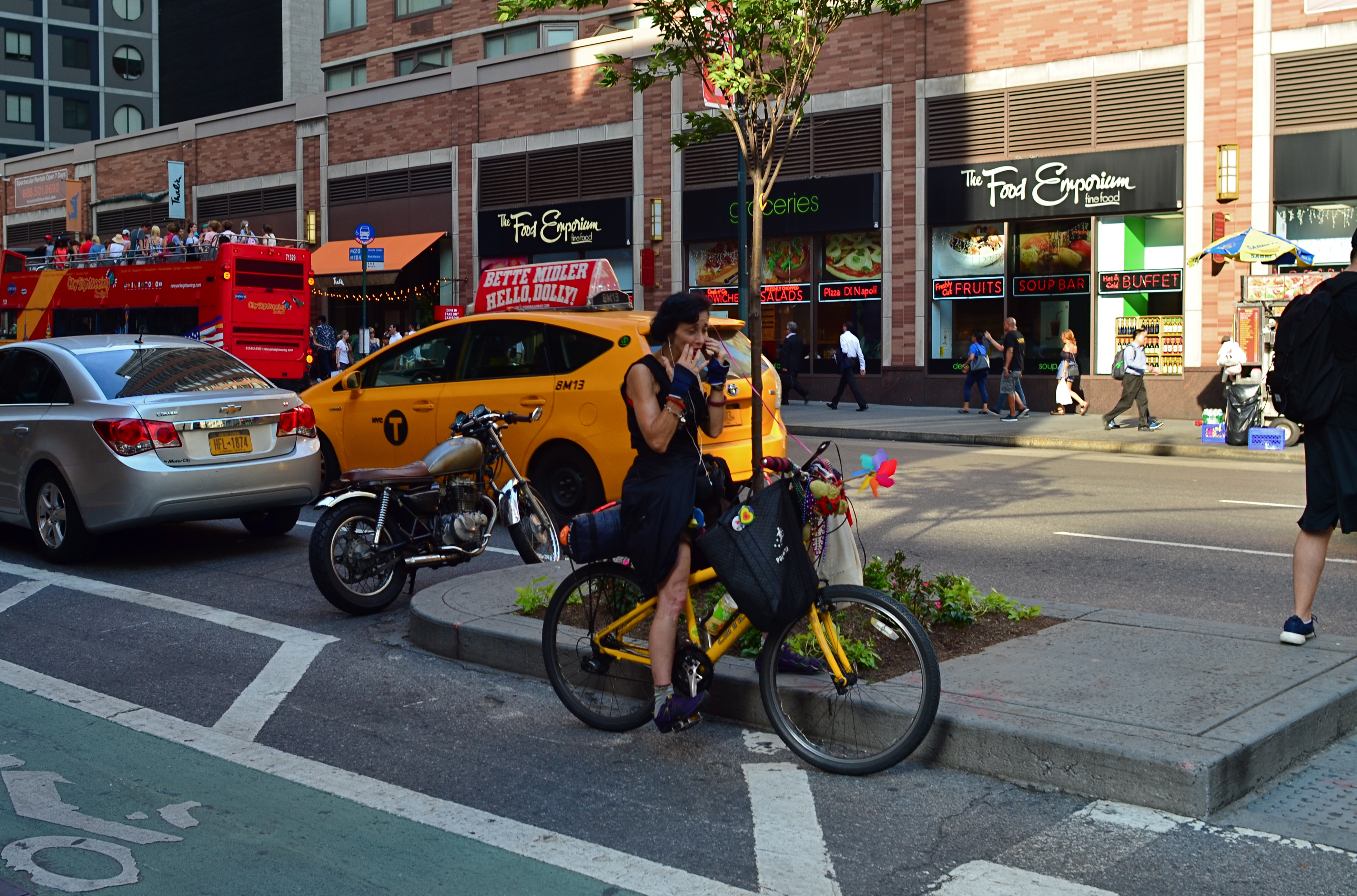
No city displays that work-in-progress ethos better than New York. It is always in dress rehearsal, while meanwhile always staging an opening night. Both the wrecking ball and the ribbon-cutting scissors are always ticking and tocking back and forth, opposite extremes of the same pendulum swing. It’s a constant thump/rest/thump/rest drum beat that, like its namesake, never sleeps. And that adds a stunning opportunity for showing contrasts in any kind of street photography.
NYC declares daily winners and losers, and since both its Newsmakers and the Yesterday’s News folks live cheek by jowl, images taken on Manhattan streets are almost guaranteed to show that juxtaposition. In the above image, the glitter of Times Square, easily the brassiest sector of the city, can easily be framed up alongside the ubiquitous “pipe” scaffolding that attends a million different renovations and remodels throughout the town. The city’s ongoing motto might well be, “hey we’re working on it”, as the undying American hunger for the new conducts a daily road race against eventual obsolescence. Photography is, primarily, built upon contrast, placing an infinite number of bright surfaces against an infinite number of darker ones, in intersections of light and shadow that define sharpness and focus. It seems proper, then, for the camera’s subject matter to define things through the comparison of opposites.
Of course, you needn’t live in Gotham to see such contrasts or to arrange them for maximum commentary effect in your images. The messages are everywhere, since it’s our essential diversity which makes photographs worth taking in the first place. As long as there is a palpable difference between this thing and that thing, compelling pictures will result. Everywhere, in every town, it’s always dress rehearsal, always opening night.
Share this:
Posted by Michael Perkins | January 22, 2020 | Categories: Americana, Commentary, Street Photography | Tags: Broadway, Times Square, urban neighborhoods | Leave a comment