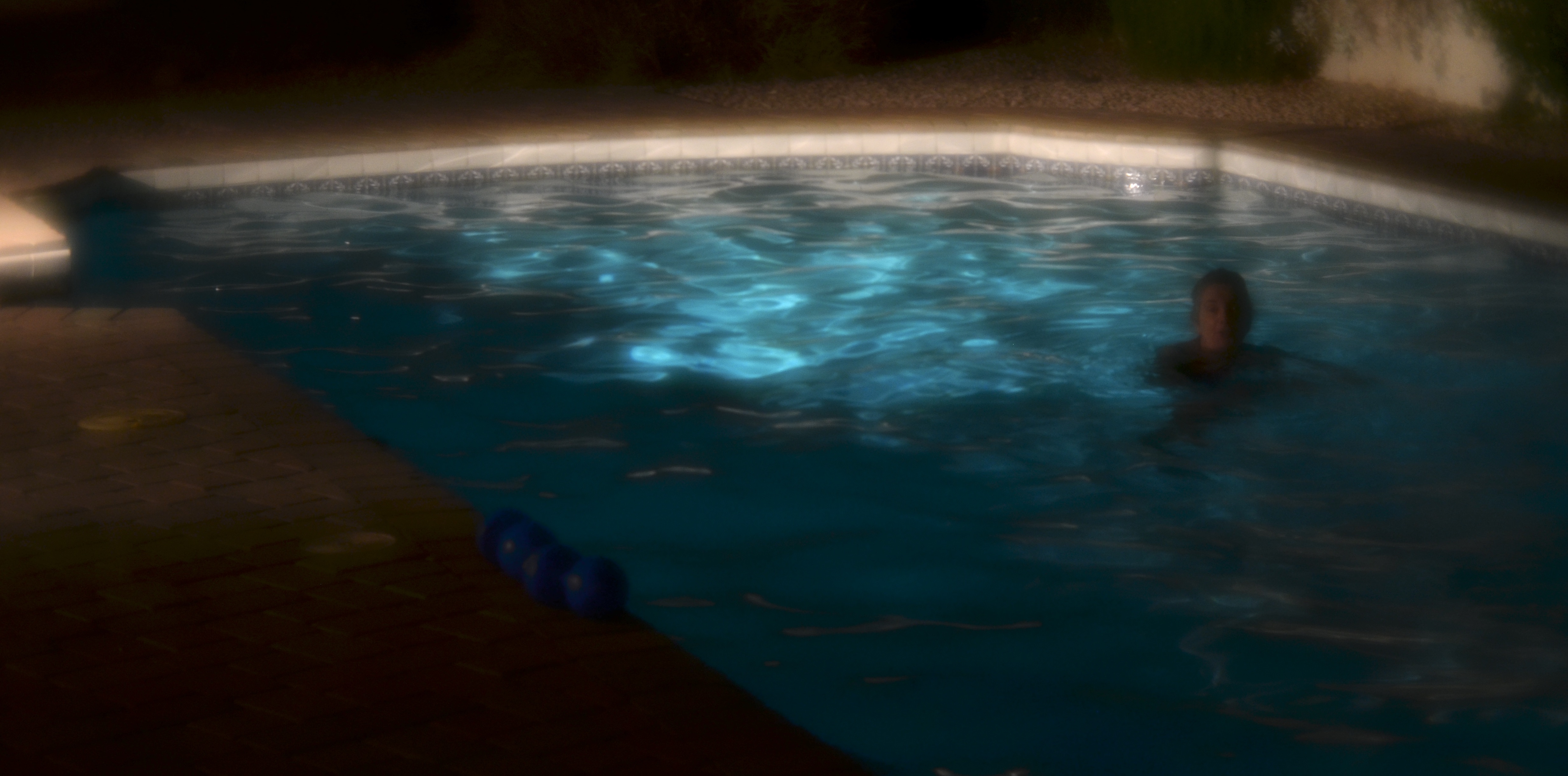
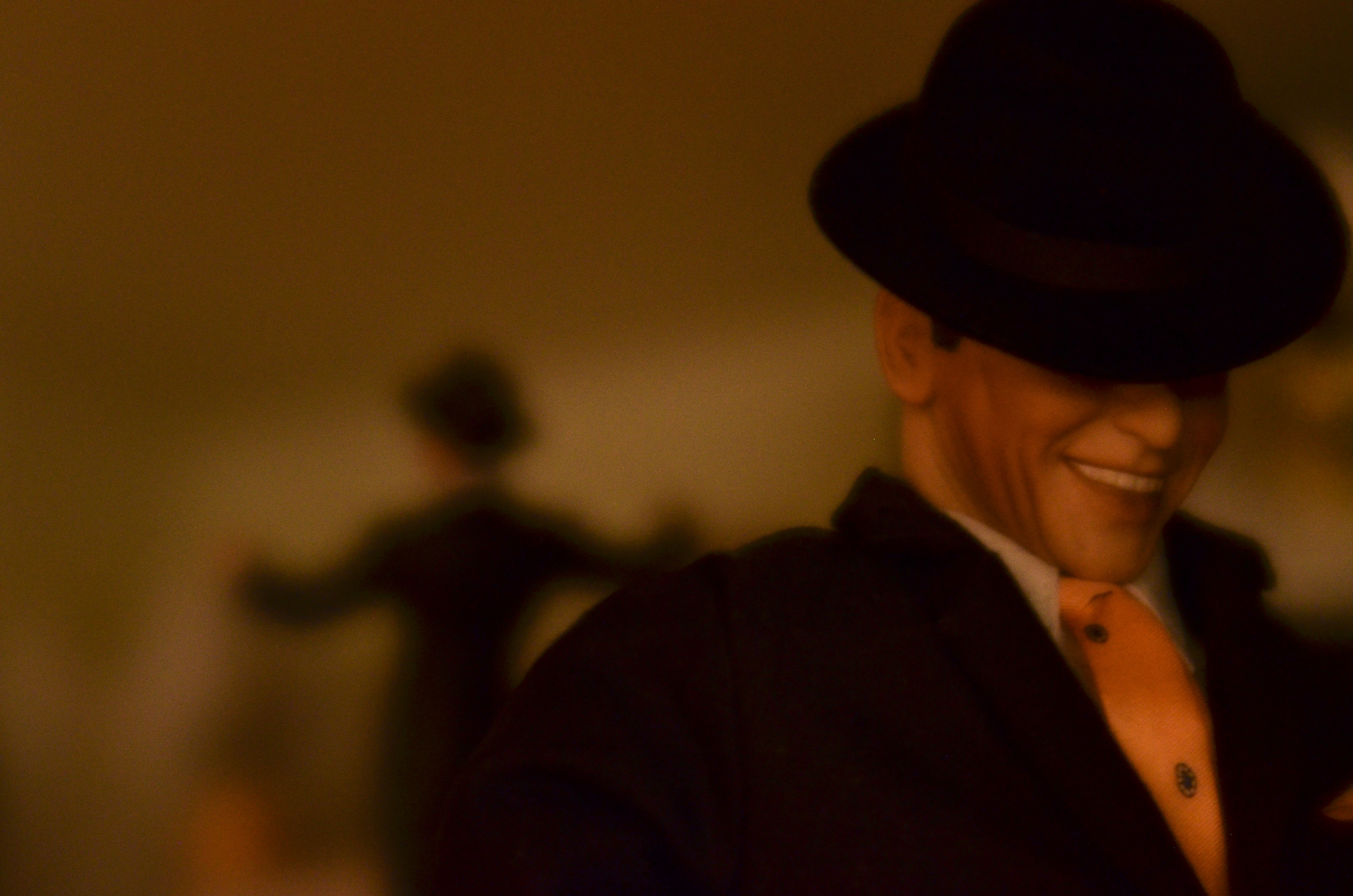
Night Nymph, 2020. f/1.6, 1/20 sec., ISO 250, 56MM
By MICHAEL PERKINS
IT IS SAID THAT THE SOUL ALWAYS RECALLS, AND LONGS FOR , ITS ORIGIN. We begin as something, become something else, and forever ache at the memory of our beginnings. So it is with religion. So too with philosophy. And hometowns. And first loves.
And photography.
I can still remember the pure and uncomplicated thrill of my first attempts to take a picture. I understood so little of how the simple box in my hands worked that the only control I exercised over the process was one of intention. I tried to will good pictures into the camera. Armed with such a simple device, there was nothing for me to calculate or calibrate, even if I had known what those terms even meant. All I had was the things in front of me, and the desire to capture them, to own a small piece of them forever. The act was a simple one because both I and the camera were so utterly simple. The terms of photography were direct, clear. The results were, to be kind, all over the place. But even those failures were magical, in a way. Magic is always more powerful when you don’t quite understand how the trick works. Or if it even will.
I still look for that level of, let’s call it directness. Like anyone trying to master a craft at multiple levels, I have gone far into the arcana and minutia of making pictures over the years, but my favorite pictures are still the ones in which I feel the most and think the least, the ones with simple, even raw tools, and nearly nothing between me and the picture except intention. In the above image, I’m using a lens with one focal length, shot wide open at f/1.6 to allow me to get a soft, handheld image at night with a very glowy sheen and minimal ISO boost. It’s not even close to technically precise work, and yet I love the result, because, at this moment, it’s the kind of picture-making I need to reset my enthusiasm, to re-connect with what used to be native to me. As Bogart said, the stuff that dreams are made of.
Picasso famously remarked that it took his entire adult life to learn how to paint the way a child does. If the Romans had had cameras, they might have said that pictures made in such a fashion were done ad sua essentia…”to their essence”. What that boils down to, for me, is that, every once in a while, I miss that wide-eyed twelve year old that first picked up an Imperial Mark XII camera and tried to will pictures into it. I miss him, and I have to go looking for him.
He has something I want.







PAST SIGHTS AND OTHER BLIGHTS
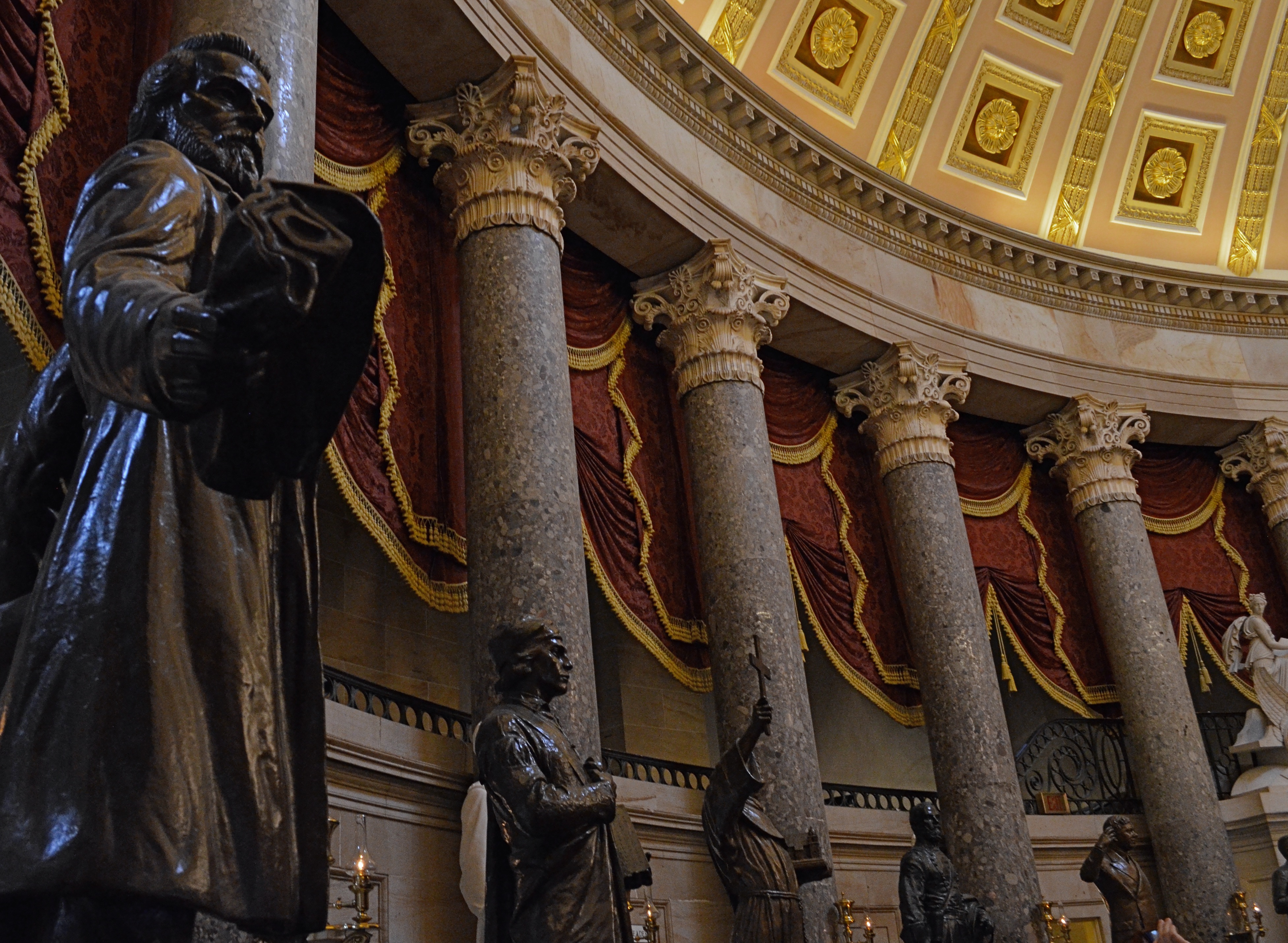
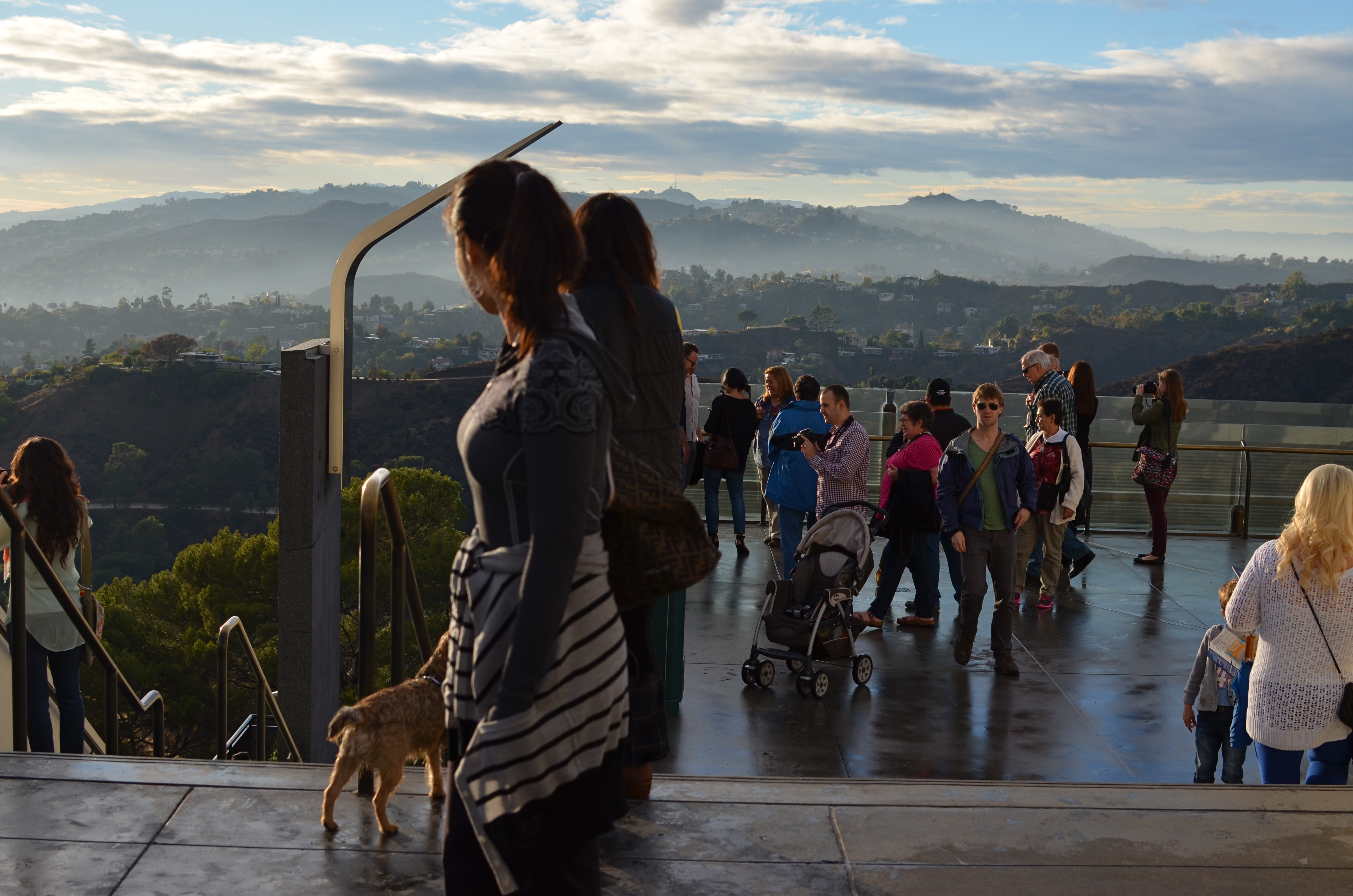
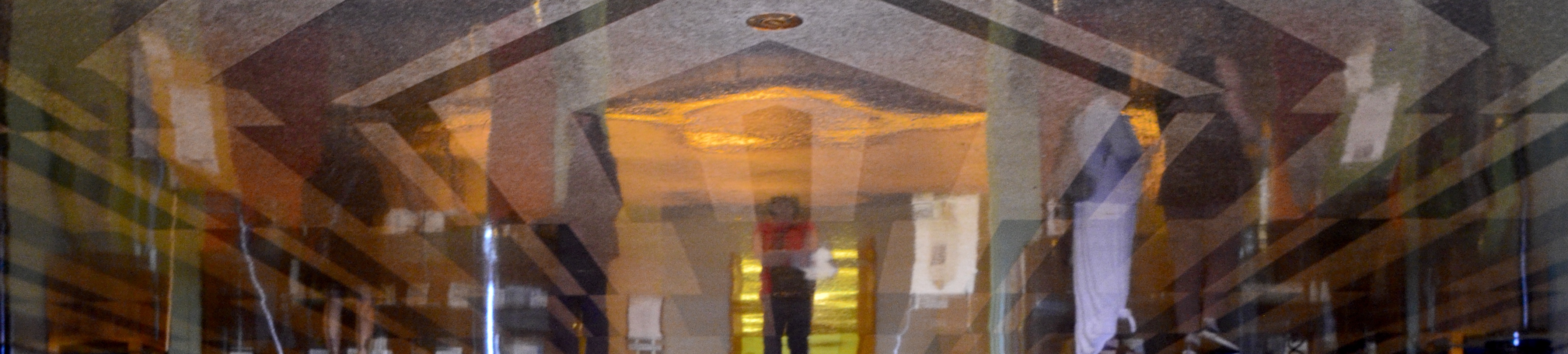
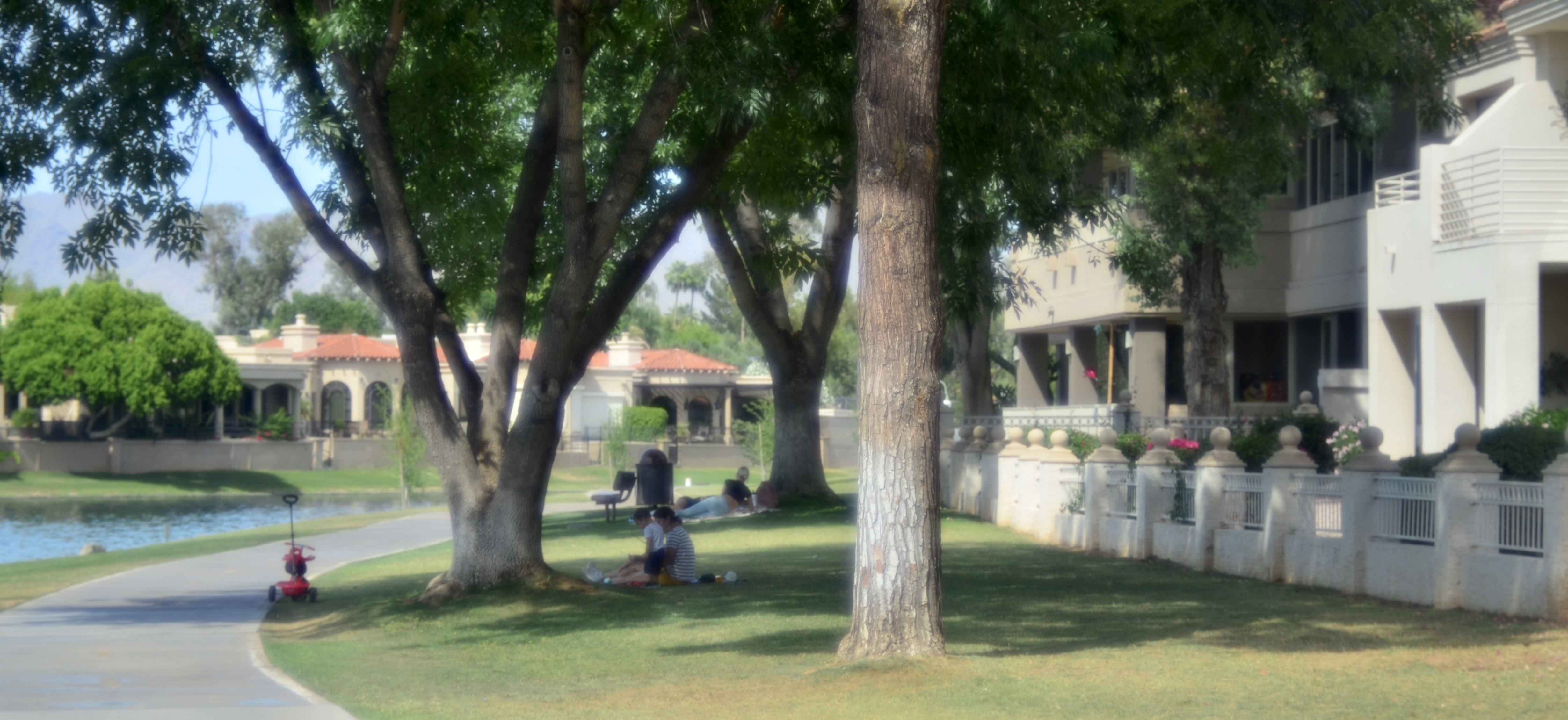
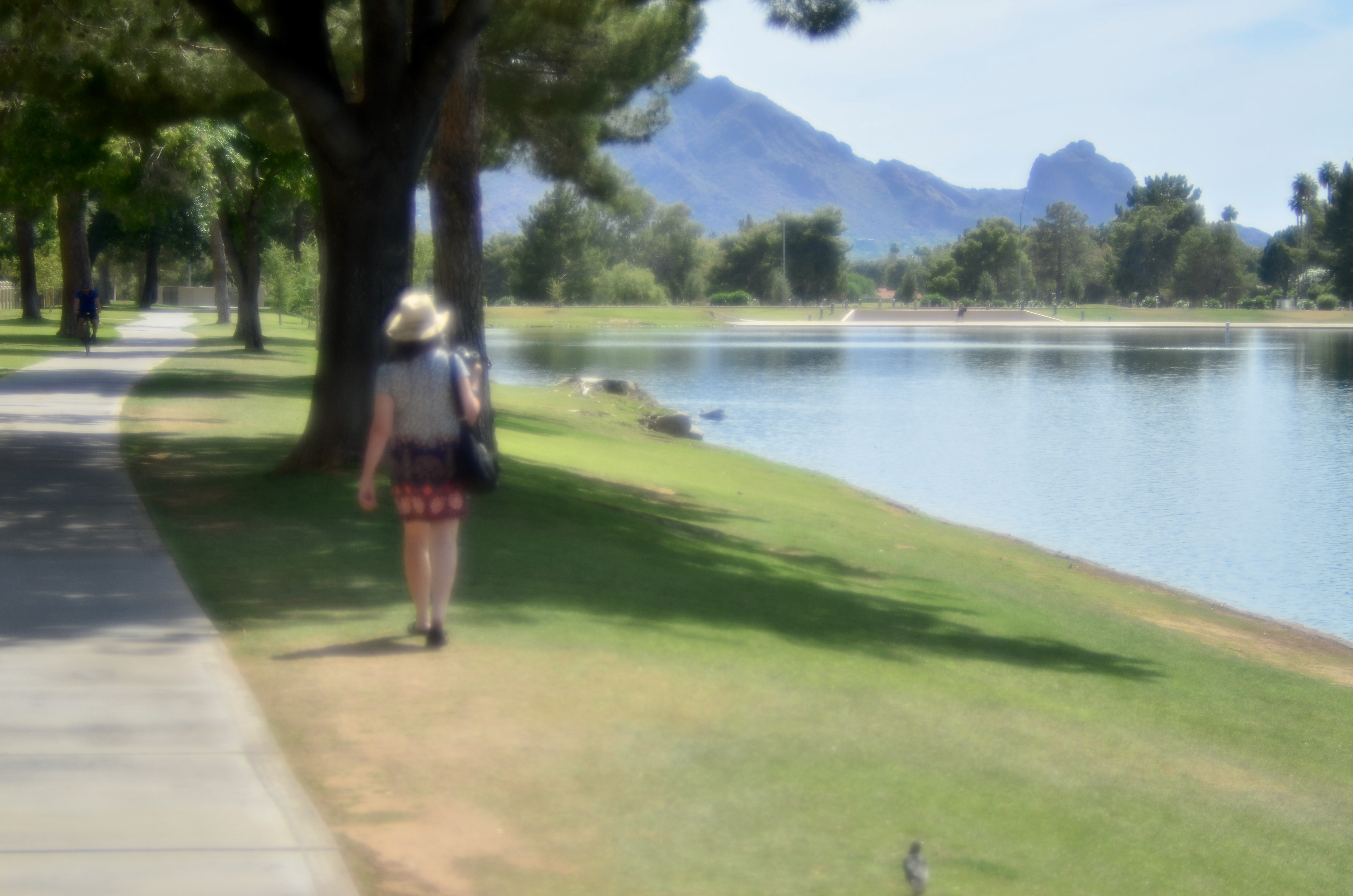
There was actually a time when I thought this image was “good”. That time has now passed.
By MICHAEL PERKINS
DURING MY CAREER IN RADIO, I lost count of how many times I heard people react to recordings of their voice with the remark, “that doesn’t even sound like me”. The statement is funny because it’s both true and false. As a series of stored electromagnetic signals that are a scientific record of sound, the tape certainly recreates the original noises we make: and yet our inner version of ourself seems distorted, as if we’re looking in a funhouse mirror. That can’t be us. Fact is, we’re often the world’s worst authority on what we are or are not, something that’s measured by the things we create.
Stay with me.
The current Great Hibernation that we’re all enduring is a great opportunity to clean house, to get to those dreaded “someday” lists that somehow always involve getting rid of things, of paring down. For photographers, this can involve finally curating old online images (not originals), a process which, like hearing our recorded voices, introduces us to versions of ourselves that we no longer recognize. Put enough distance between yourself and a picture you made a while ago and you can actually forget what it was about the thing that seemed a good idea at the time. And when you become estranged from an idea, it’s tough to love it enough to keep it around. Delete.
Of course, there are the other cases, in which you can clearly recall what you were after, and how, sadly, the result differs greatly from your “vision”. I don’t know which is worse, not recognizing your original intention or recognizing it all too well and wanting to distance yourself from it. Delete.
Some images are orphans. You posted them, you tagged them, you continued to love them, but no one else wanted to come to the party. “They” didn’t get it because….why? A million reasons. Whatever the missed connection was due to, these fatherless kiddos aren’t your best work. Delete.
There are also special circles of my own private hell for “lipstick on a pig” pictures. You know the ones. They’re inadequate or ill-conceived, but you are convinced that by torturing them into new versions of themselves with apps or software (see above, gulp), you can somehow make up for the fact that you blew the master image. That’s not just putting lipstick on a pig, that’s telling yourself that the pig is actually Sophia Loren. Delete.
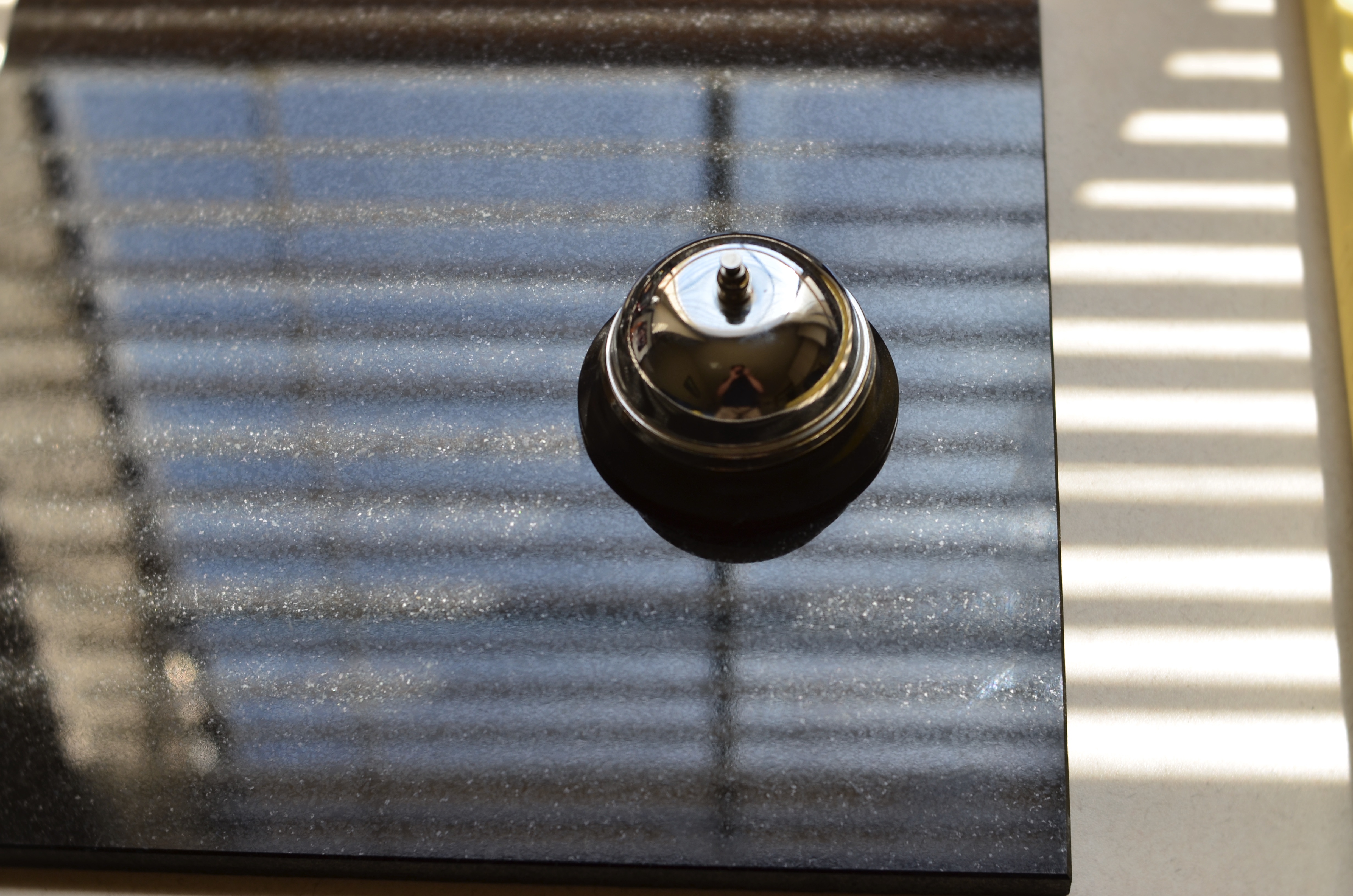
There is actually an upside to this process. With all the chaff you will also review all the wheat, occasionally astonishing yourself at how lucky/persistent/prescient you were. This is truly an investment in hope, since, it stands to reason, if you could mine gold once, you might, just might be able to do it again. Taken in full, a healthy and brutal review of past sights and other blights is as valuable as going out today to shoot all new stuff. More valuable, actually, because everything you shoot today is a by-product of all the keepers and weepers that went before. Understanding who you were informs who you will be. And while it’s humbling to find that you’re not always perfect, it’s a genuine comfort to know that sometimes you ring the bell.
Share this:
Posted by Michael Perkins | June 10, 2020 | Categories: Commentary, Conception, Criticism | Tags: archiving, Editing | Leave a comment