
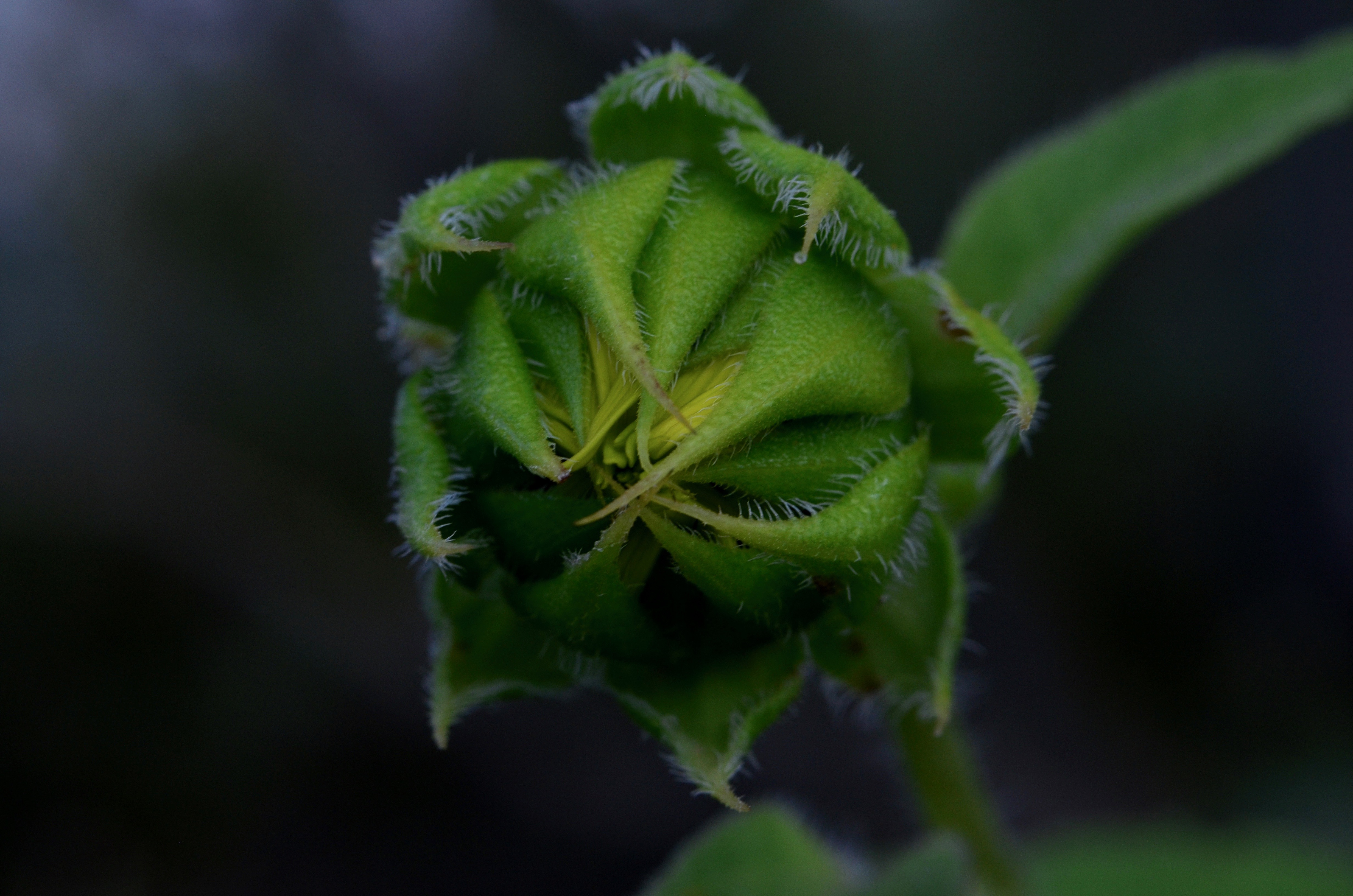
This 185mm handheld zoom shot followed the Reciprocal Rule, and yet still looks a bit soft in spots. Nothing’s perfect.
By MICHAEL PERKINS
YOUR PERSONAL APPROACH TO PHOTOGRAPHY MAY BE MORE ABOUT how to creatively break rules rather than faithfully follow them.
Fair enough.
Your work may have become so instinctual or well-practiced that it might well feel as if there are no “rules”, since you so seldom get burned on the same things that others do. Or maybe you are so genuinely innovative that rules are more or less irrelevant to your style. Again, fair enough.
Bearing this in mind, we here at The Normal Eye seldom traffic in “ye musts” or “ye dare nots” because someone, somewhere will always make a sucker out of us by ignoring said commandments and suffering no heartache whatever.
That said, I have taken notice lately of an old recommendation that, whether you factor it into your photography or not, is worth a bit of discussion.
It’s the so-called Reciprocal Rule, although it’s at best a…recommendation. It largely applies to people who are using powerful zooms who are also looking to reduce image blur, and, boy howdy is it elementary. Basically the RR states that your shutter speed should always be at inverse proportion to your focal length. Shooting at 50mm? Use an exposure at least as quick as 1/50. Zooming all the way out to 300mm? Same system: start with a shutter speed of 1/300 as the slowest exposure benchmark. That’s it. Easy, peasy Aunt Loweezy.
Only nothing is ever that simple in real life, is it, kids?
The only reason the Reciprocal bears mentioning at all is because of the convergence of two main factors: the increasingly affordable crop of new, more powerful zooms, placing them in more and more hands: and the commensurate de-emphasis of tripods as a greater percentage of all images are shot handheld. In short, more of us are shooting at longer focal lengths than ever before, and fewer us are using pods as stabilizers. Thus, if you follow my decidedly fragile logic, there is a good chance that more of our telephoto images will contain some element of camera shake. Brighter minds than mine have done the math to illustrate just how much even minor movement is magnified as focal lengths increase. The Reciprocal Rule is supposed to address this, and it often does, although the shot at left is an example where it was utilized to the letter and still shows a little softness in the back half of the image. But even leaving my own iffy execution off to the side, there are other mitigating factors than can affect the relevance or effectiveness of the RR.
For one, you can adjust ISO so that your sensor gathers more light at quicker shutter speeds, in which case, even handheld, you could shoot fast enough to virtually eliminate shake. Then there’s the whole pick-your-position game involved in developing your own stance and grip. From sound geometric weight distribution to holding your breath, there’s a lot you can do to facilitate slower shutter speeds if you feel you need them. The option is far more trial-and-error, but if you’re the patient type, have at it. Finally, there is the luxury (still fairly recent) of owning lenses with built-in image stabilization, with which you can move the Reciprocal to the same musty corner of your mind occupied by the dates of your kids’ birthdays.
All of which goes to say that technology and technique can sometimes trump the need to adhere to photographic practices that were once sacrosanct, to turn yesterday’s “rules” into tomorrow’s “friendly suggestions”. Which, in turn, means making more pictures instead of making more mistakes.
















 thenormaleye
BUPKIS
By MICHAEL PERKINS
A Failed Harvest.
The Fish That Got Away.
I Had It, But I Lost It.
Mistakes Were Made.
Bupkis.
However you term episodes of photographic failure…..I mean, complete, utter freaking camera-borne defeat, two things are true.
It does happen.
And it will happen to you.
Not that many of us want to admit it, mind you. In an age in which, on any given photo day, we almost always bring back some kind of technically complete image, it’s easy to confuse any product with a successful one. Yeah, it’s a picture. But that doesn’t make it a good picture.
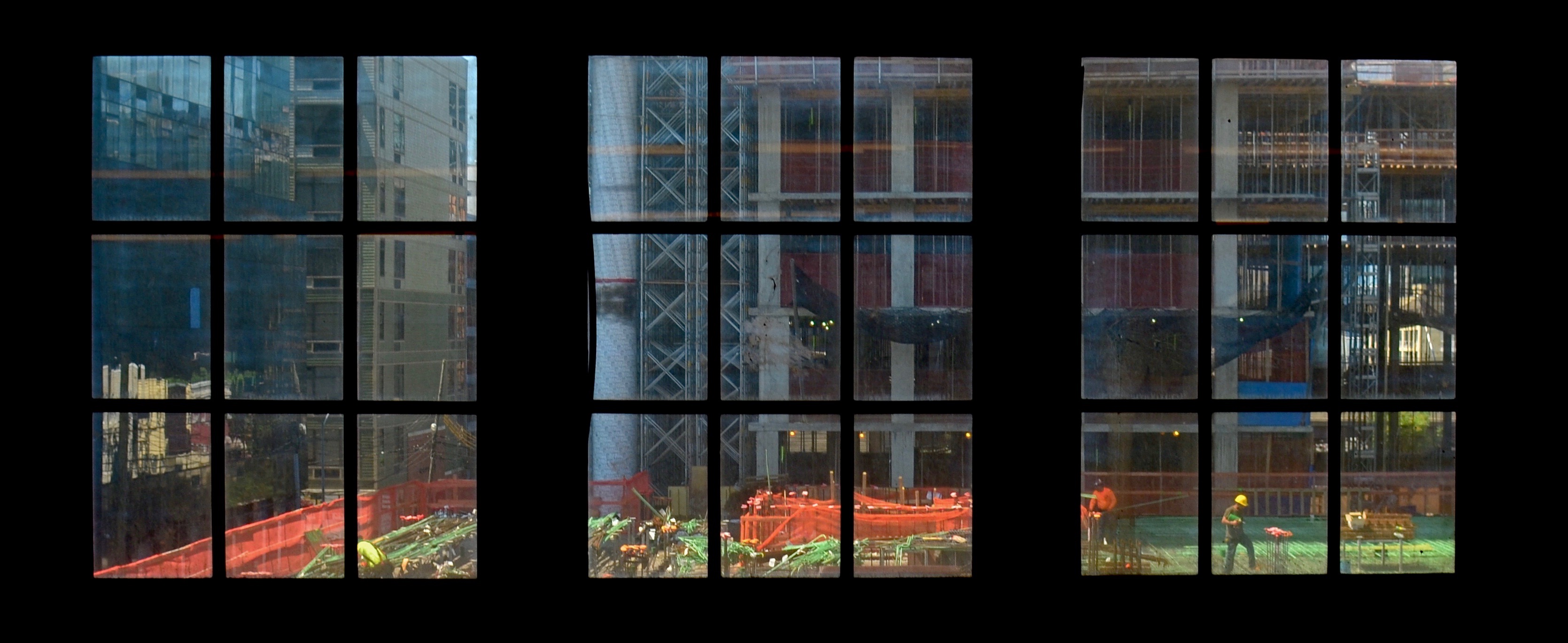
The product of a three-hour walk, a stunning image of…..??…you got me.
In the old days, there were was a more dramatic line between success and failure, since failure usually meant no picture at all. Underexposed, unrecognizable blobs. Masses of color that, coherence-wise, added up to nothing. Not so in our current era, in which it’s much more likely that the resulting image is, for lack of a better term, usable. Factor in increasingly facile repair tools and editing processes, and that number of “acceptables” climbs even further.
But you know when a picture has what it takes, and to what extent you’ve bent the rules of editorial judegment with one, even going so far as to talking yourself into thinking it’s better than it really is. That’s the seductive power of digital, in that it brings even our worst work close to the passable mark, making it harder to disown our “kids” than it was in the day when a lousy picture was more irretrievably bad, that is, beyond intervention. But it’s our very ability to intervene that can convince us that the shot was worth intervening over, and that’s frequently just not true.
And so there will be bupkis days. We walk out boldly. We are equipped. We are artistically hungry. We are experienced and trained. We know what we want.
And yet we bring back nothing.
Never forget that the ability to know that you missed the mark (even mightily) is the most valuable skill you will ever develop as a photographer. The strength to say “no” to yourself evolves slowly. In some of us, it never evolves at all. But we should thank Camera God for it, and, by extension, thank the same God for the demonstrably bad photos we are likely to make from time to time. Because if we can’t tell excellent from excrement in our own work, the game really is up. That’s why I am always banging on about loving your mistakes, because finally, they are your best teachers. It ain’t fun to be around them, but, then again, as you recall your most astute mentors, how many of them were a groove to hang with? Whatever. For photography’s sake, we all need to become comfortable with dumping the occasional day’s work in the garbage. Because nothing converts garbage into gorgeous other than hard, unsentimental work. There never has been any other shortcut and there never will be. Or to frame it in food terms (and eventually I always do), consider software and such as sauce. It’s tasty, but it ain’t no substitute for steak.
Share this:
Posted by Michael Perkins | May 26, 2019 | Categories: Commentary, Conception, Essay | Tags: Composition, Editing, post-processing | Leave a comment