Seldom does a single photograph relate a complete story. And that’s the fun of it.
By MICHAEL PERKINS
THE BASIC STRUCTURE OF A LINEAR STORY IS ENGRAVED into the DNA of our collective minds in what amounts, essentially, to three words: beginning, middle, end. Three distinct phases that indicate the birth, development, and logical terminus of a narrative. You start at the left and end up at the right, like the eye reading a written sentence. That’s storytelling in a nutshell.
But are all three elements present in a photograph?
As a static moment stolen from a million zillion consecutive other moments, a frozen instant plucked out of context, a photo is, almost of necessity, missing some of the standard elements of a narrative. The shooter cannot take us on a complete journey from beginning to end. Instead, he must choose one part of that sequential timeline and make it speak for the entire process. And so we make pictures of things that are just getting under way. We make different pictures of things that are in the process of progressing or changing. We make still others of things that are coming to a close. What we choose to show affects the conversation we are having with our audience. Will they understand what point in the continuum of a story we’ve chosen to display? Does their imagination or memory supply missing information about what’s not shown, through speculation, intuition? Pictures can’t show everything, nor do all pictures even show the same kind of information. However, over generations of transactions between shooter and viewer, there is a kind of understood, if unspoken language of what was meant and what was received.
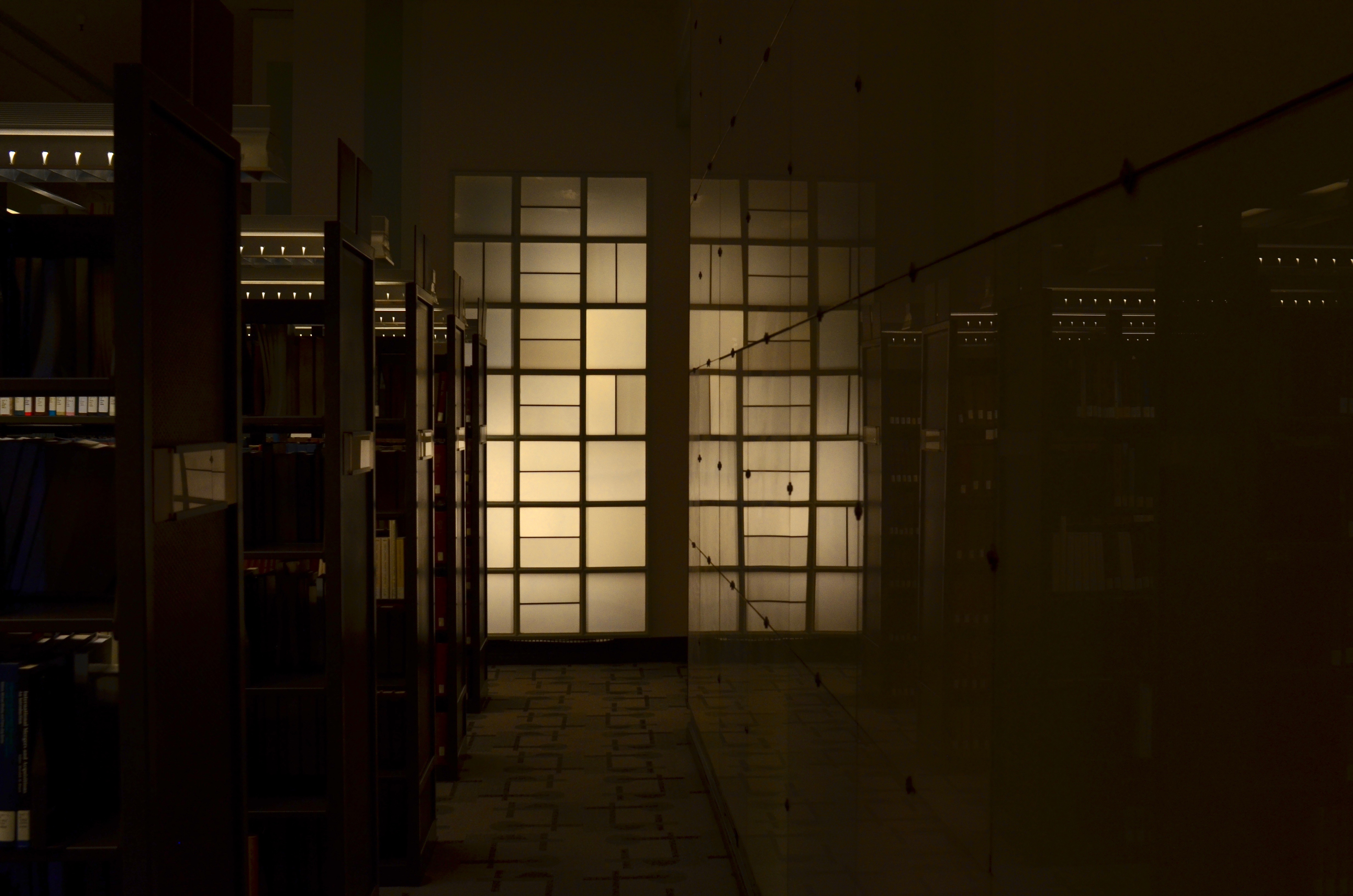
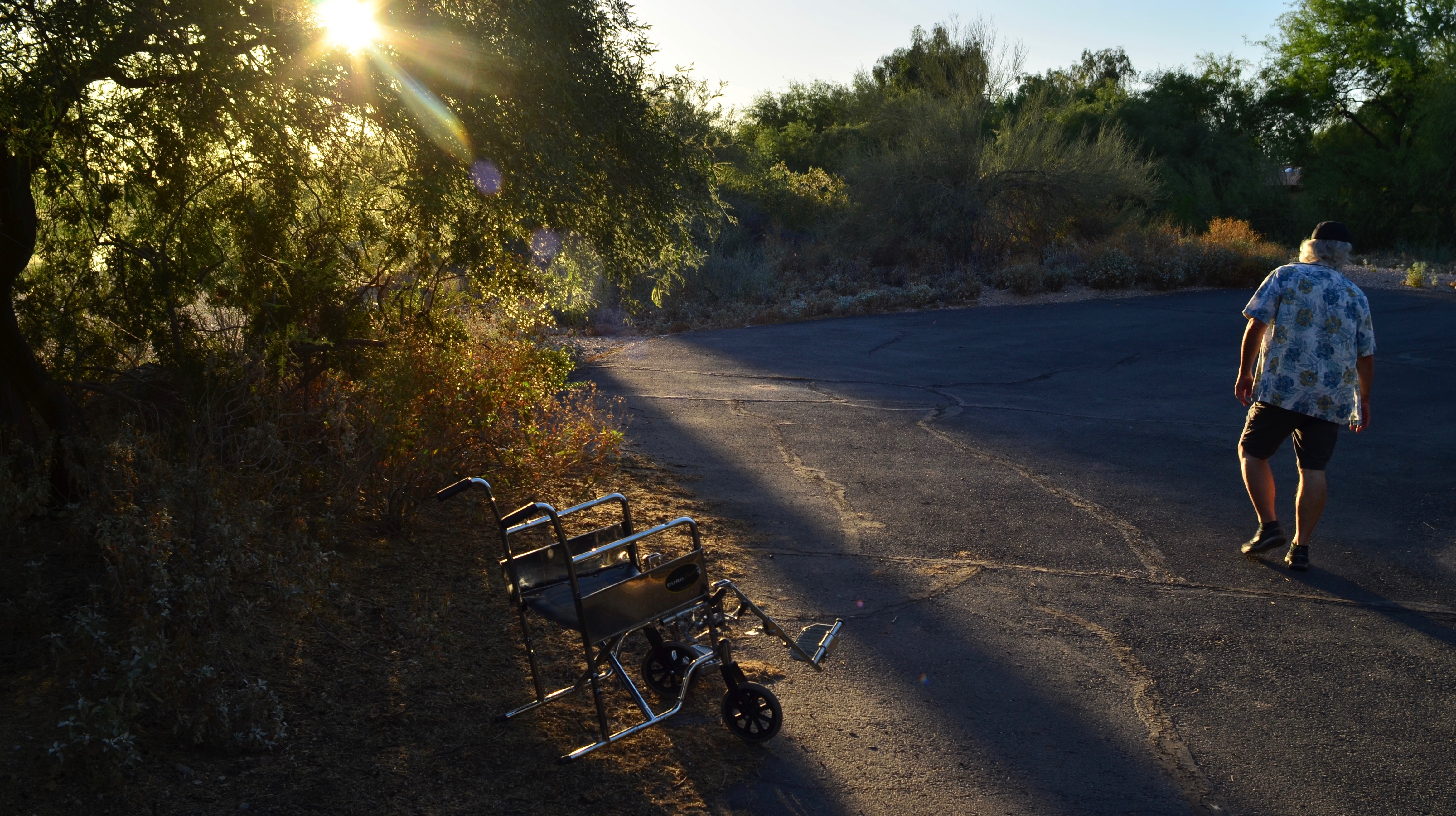
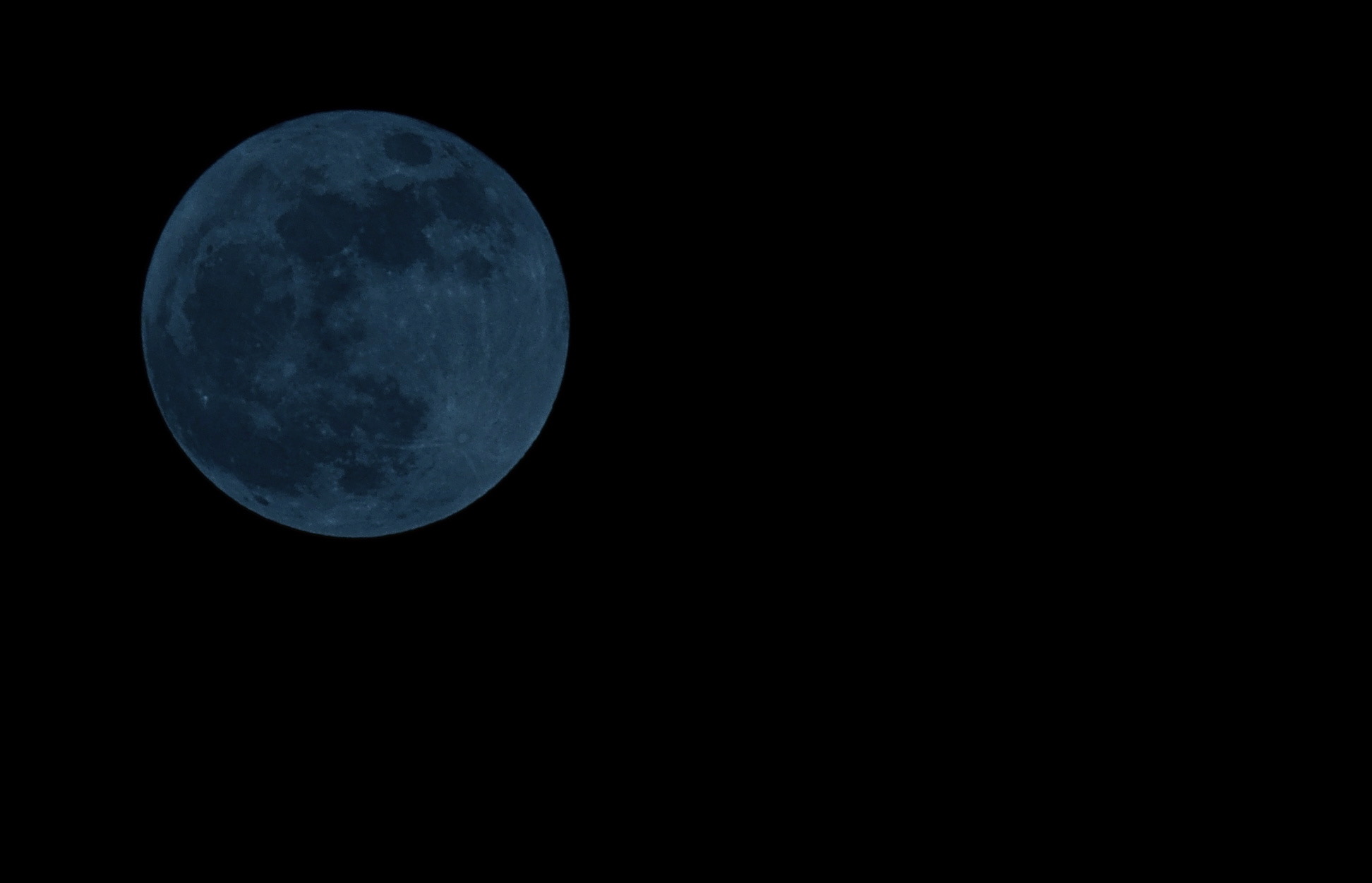
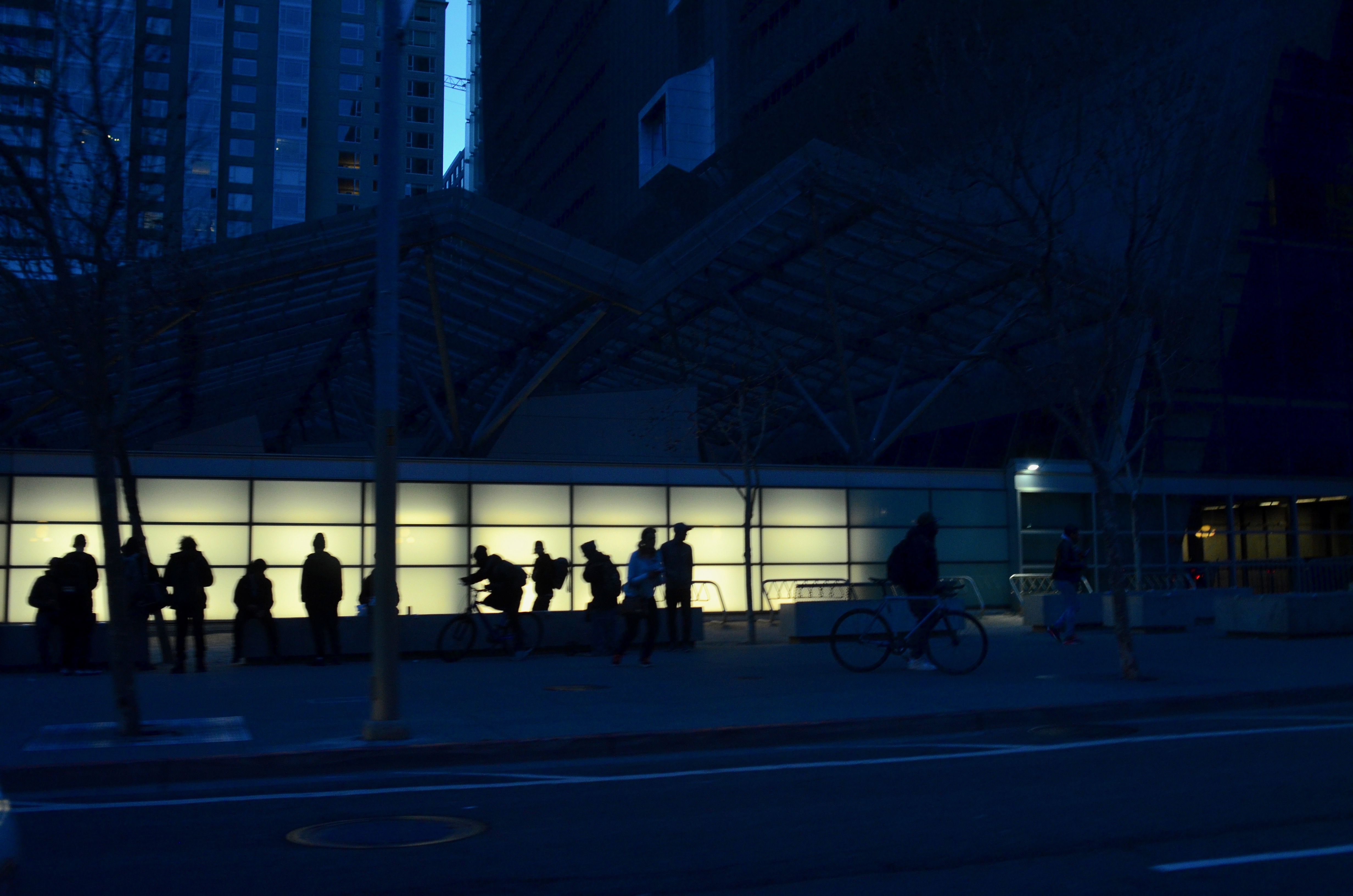
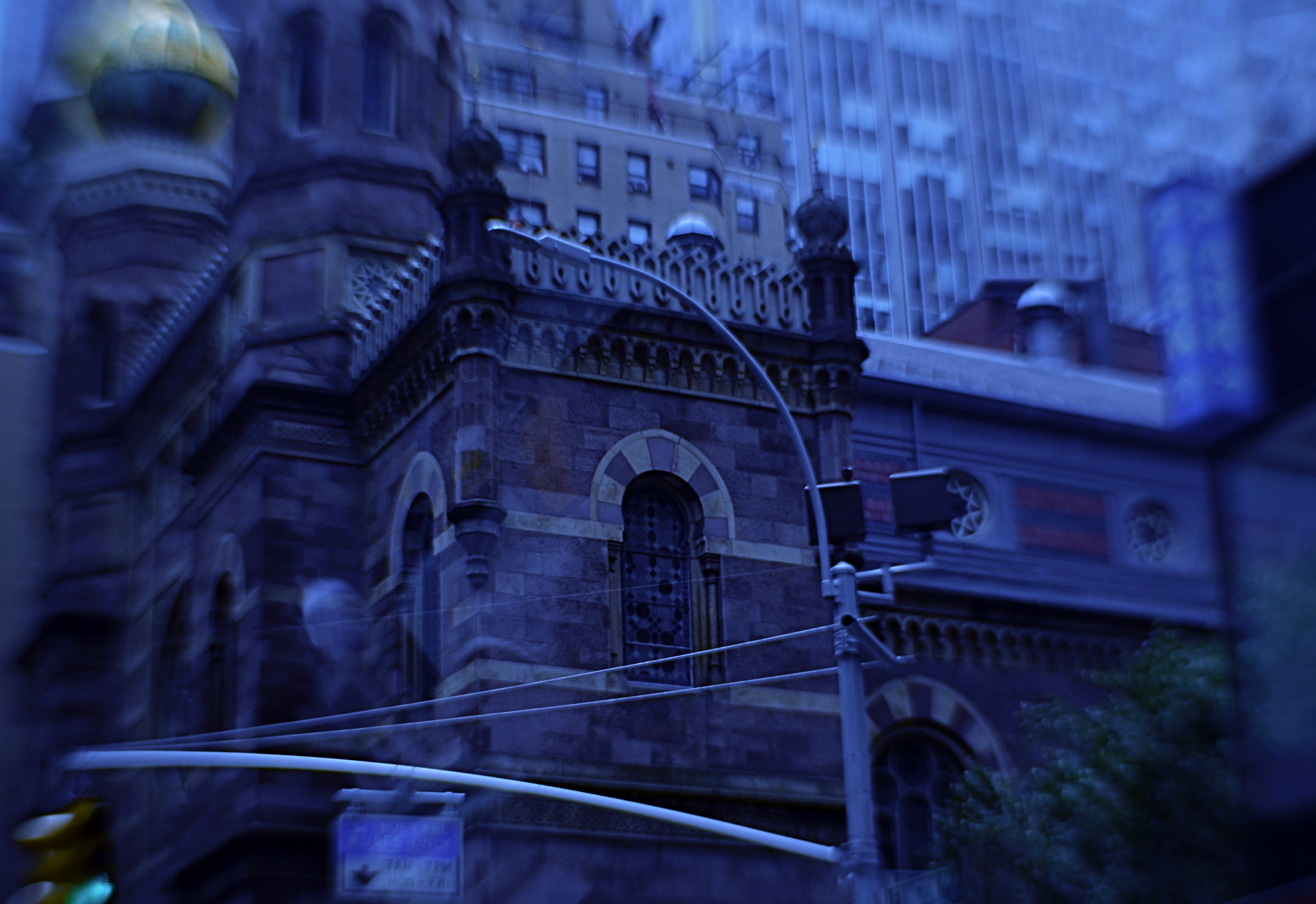
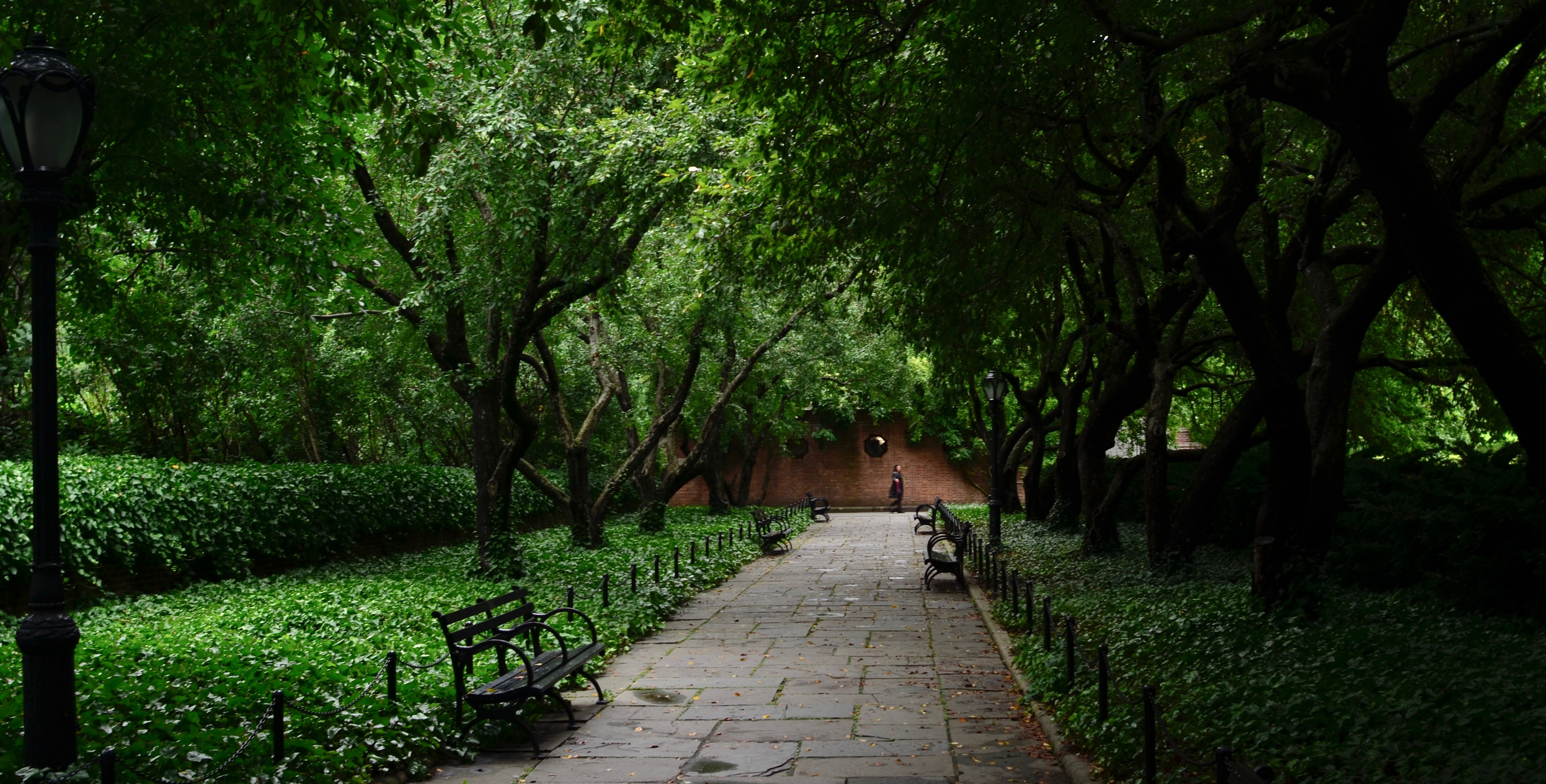
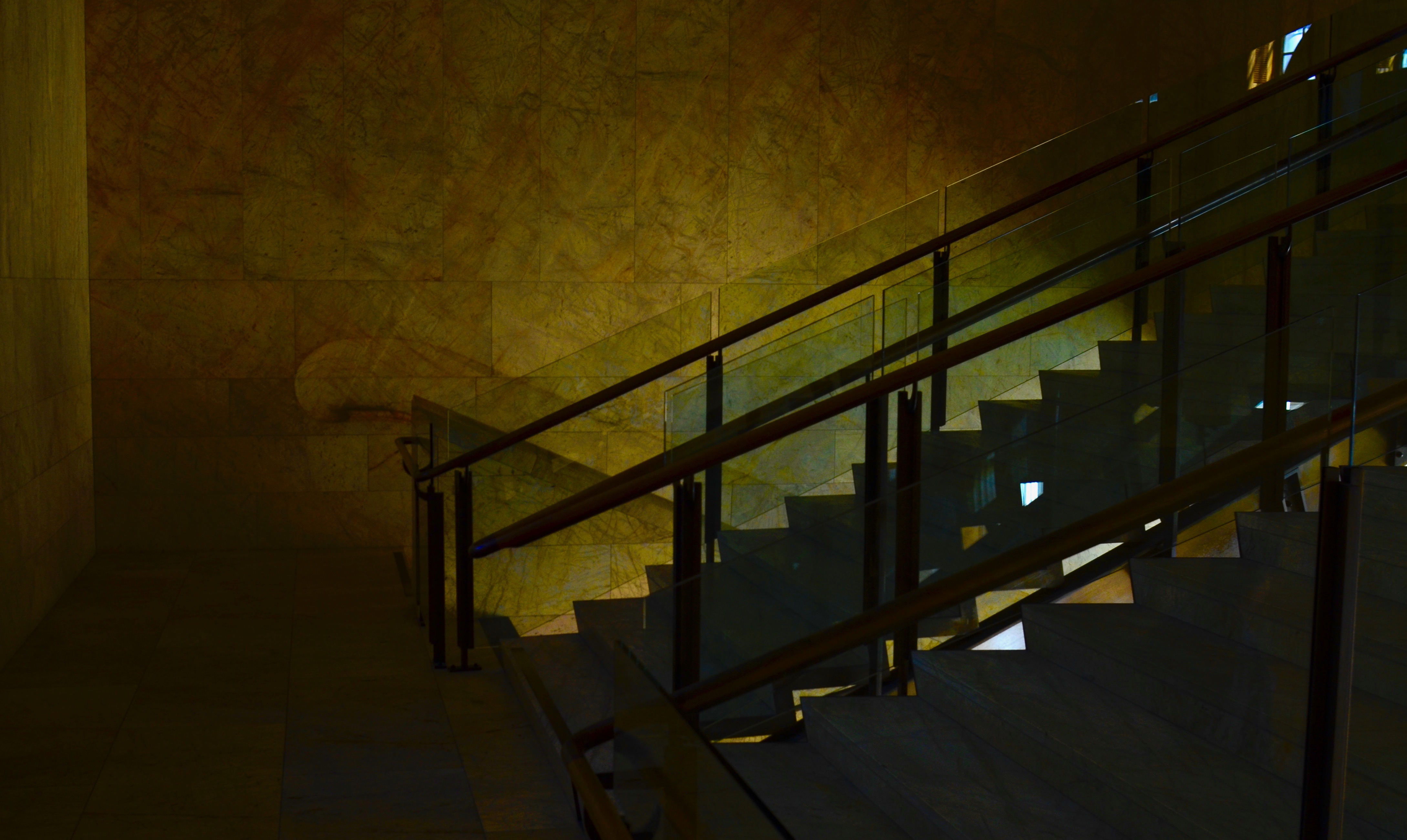
This exchange is instantaneous and instinctive, but we can step back and analyze it. For example, in the above photo, what information is given, and what is withheld? Are we at the entrance into something, or near the escape out of it? Is this a scene of quiet serenity or dark foreboding? Is there a correct answer? Does there need to be?
You and you alone control the choices, often made in an instant, of what visually makes it into the final edition of a photograph. Some of those choices will be deliberate. Others will be reactive. Photographers can either conceal or reveal, and their editorial decisions, whether done at leisure or in a blink, determine what pictures we regard as memorable, or visceral, or genuine. What I’m getting at here is that storytelling is only partly about equipment, or even conditions, like light or weather. And that only makes sense: it would be foolish, after all, to think of a novel as great merely because of which pencil or keypad the author used, or to judge a musical performance by the piano. And so the most crucial element in photography must, must, must be the eye. Once that is sharpened, storytelling hits full throttle, and, conversely, without that acuity, all we can hope for is the occasional happy accident. No one picture tells the entire story, but we are in charge of what clues make it to the viewer. And that is one amazing superpower.
 thenormaleye
WAITING IN THE WINGS
By MICHAEL PERKINS
PHOTOGRAPHS ARE DOCUMENTS THAT ARE SHAPED BY PERFORMANCES. That sentence, at this point in history, seems so obvious that it seems superfluous to even state. But it wasn’t always seen that way.
The camera, at its creation, was feared and reviled as the very opposite of an art instrument, characterized as a soulless machine that recorded without seeing, without interpreting. Whereas the painter filtered the world through the experiences and emotions coursing through his heart and mind, the photographer just held a box, and the box merely measured light. The box was seen as a cold, lifeless thing could never render a breathing, living world. Could it?
But the box, it turned out, was never merely held, never just pointed, and its eye never merely etched data on a plate. How it was held, what it was pointed at made a crucial, measurable difference. What it framed and what it excluded made other differences. And then there was the eye of the thing. Turned out, even that glassy orb could, in time, be adjusted, made more sensitive, more attentive. In fact, photography was becoming, after the science was scoped out, a performer’s medium, no less than a person holding an instrument called a paintbrush, or striking an instrument called a piano. There was an expectation, an anxiety involved in the act, a desire to get it right. Each single photograph was subtlely different from all others, and the difference was in the nature of the performance.
I go through this meditation (or one like it) whenever I am on the eve of tackling a photographic subject that has eluded me for a long period of time. As you read this, I’m only days away from making a pilgrimage of sorts to such a subject, something that will be hard to re-visit in the future, and for which a lot of very fast, do-or-die decisions will be made in the moment. Well, do-or-die is a little dramatic: there is, after all, nothing really important on the line here. The subject matter doesn’t involve a breaking news event, nor will my success or failure in bringing back the pictures I want have any impact on life as we know it.
I just want to get it right.
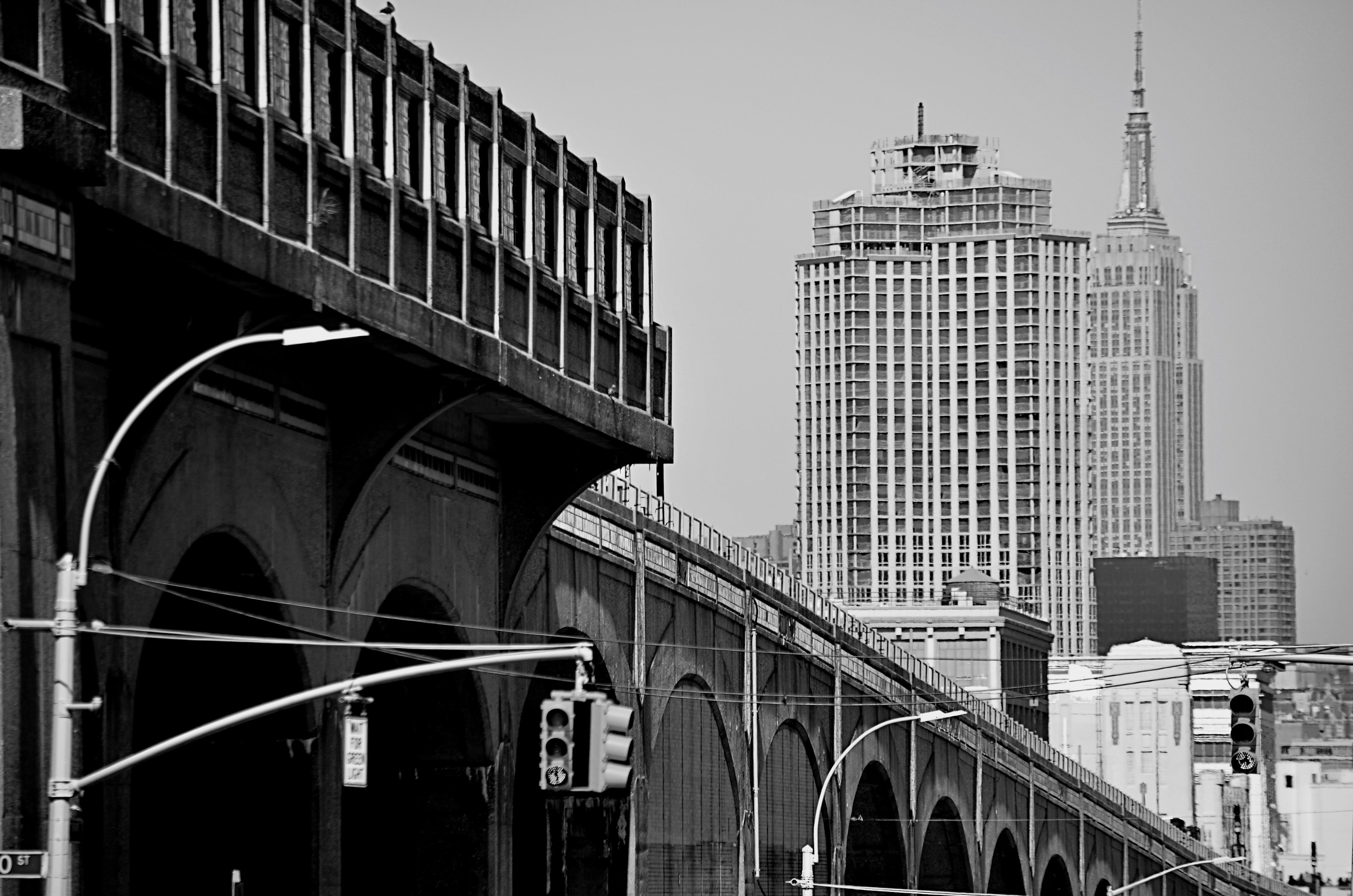
The image seen here is of an access gate that is as close as I have ever gotten to my subject in the past. It is also the least beautiful feature of said subject, hence my annoying case of nerves.
My anxiety, though truly laughable/pathetic, accompanies things that I care about, and maybe that’s a good definition of art….an attempt to make sense of the things we care about. Just pointing a box cannot produce that feeling. But photography has never really been about the box, has it?
Share this:
Posted by Michael Perkins | August 4, 2019 | Categories: Americana, Commentary, Conception | Tags: Interpretation, Technique | Leave a comment