By MICHAEL PERKINS
VAN LINES USED TO GIVE OUT SMALL GRIDDED PAPER SQUARES that prospective customers could use as room diagrams for the planning of their next homes. The fancier versions even came with pre-cut geometric shapes that you could place on the squares, to see if the couch would look good next to the settee, or whether the piano should go along the north wall. It was like paper dolls for easy chairs and coffee tables.
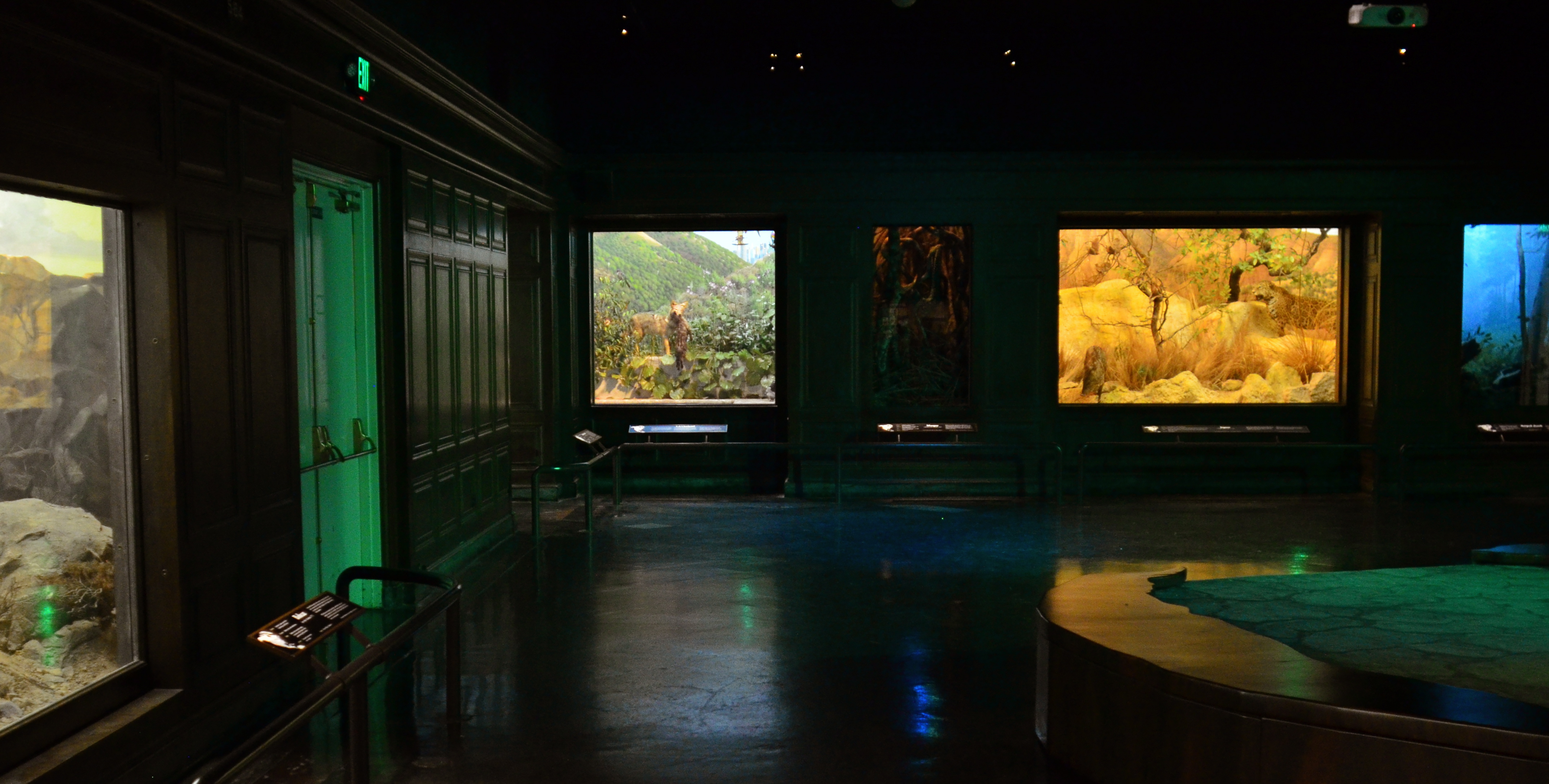
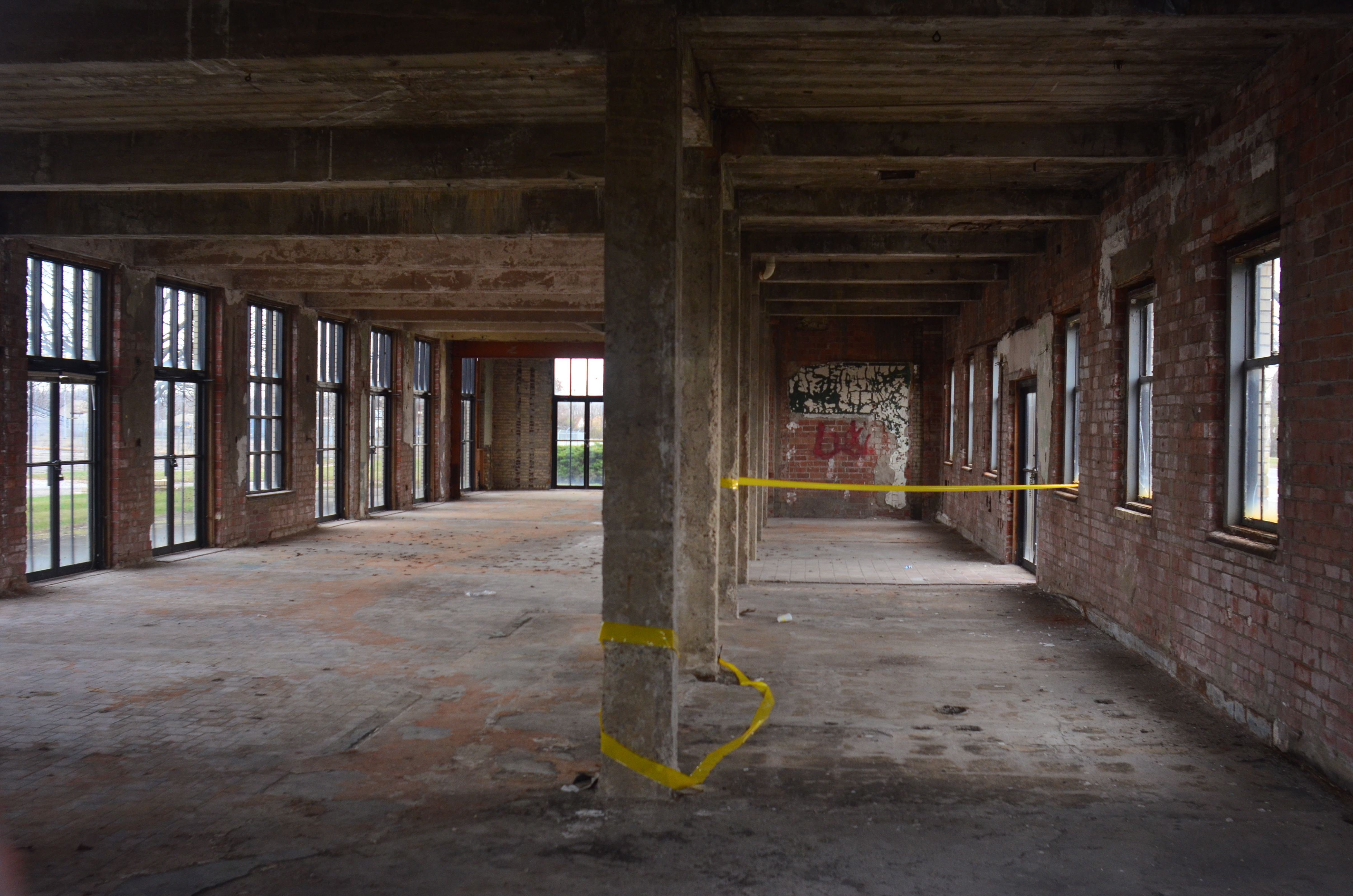
I recall those squares whenever I’m trying to photographically visualize the optimum composition of large spaces, especially if I’m lucky enough to do so from an elevated spot. Immense rooms start to look like rectangles within rectangles, squares butted up against other squares. Dividing lines between action and dead space begin to appear. Cropping parameters suggest one scheme, then argue for another. With enough time, a kind of strategy emerges for what should go where, much like those intricate battle maps used to illustrate the engagements in Ken Burns’ The Civil War.
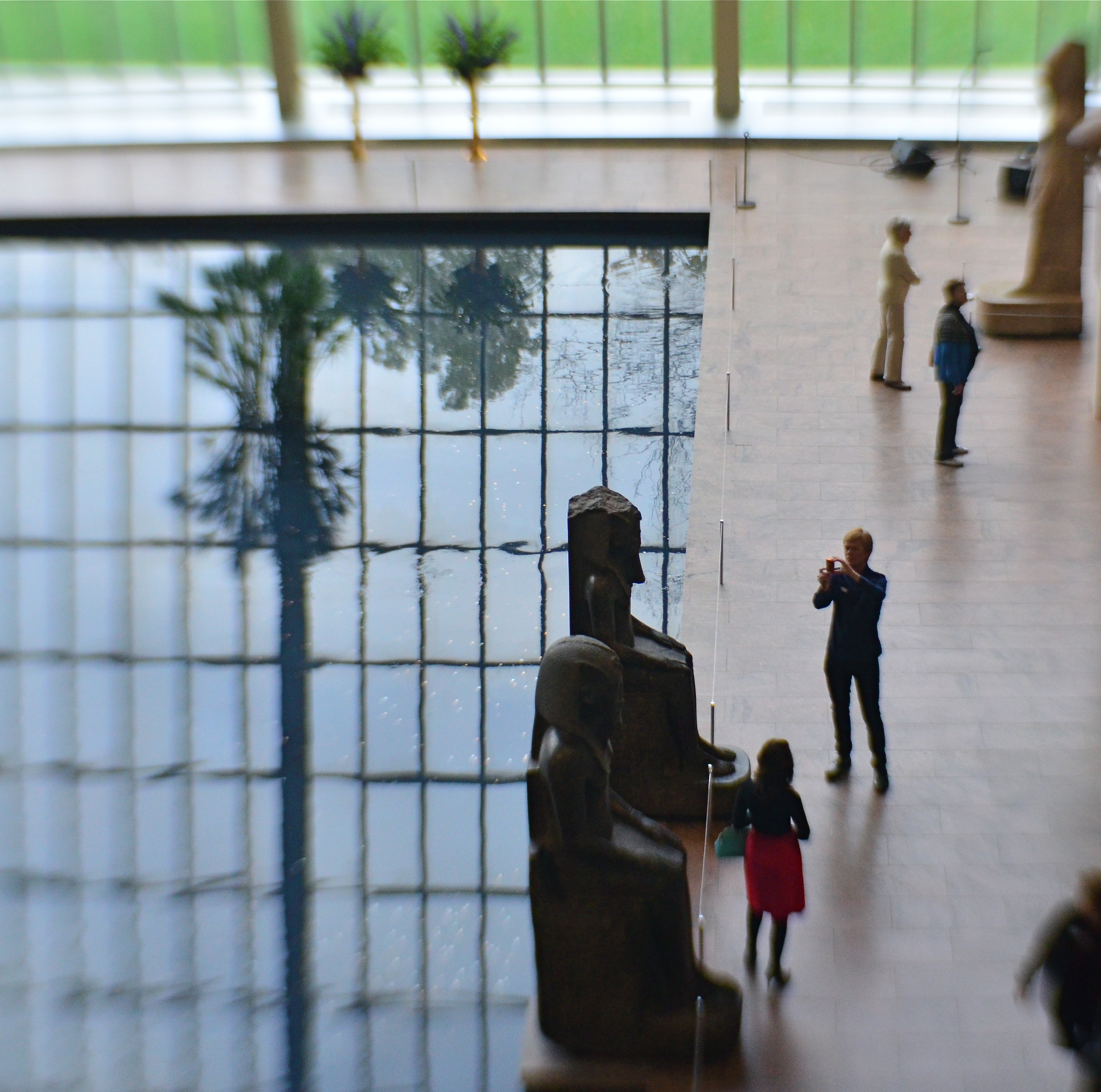
One square, or an assembly of squares?
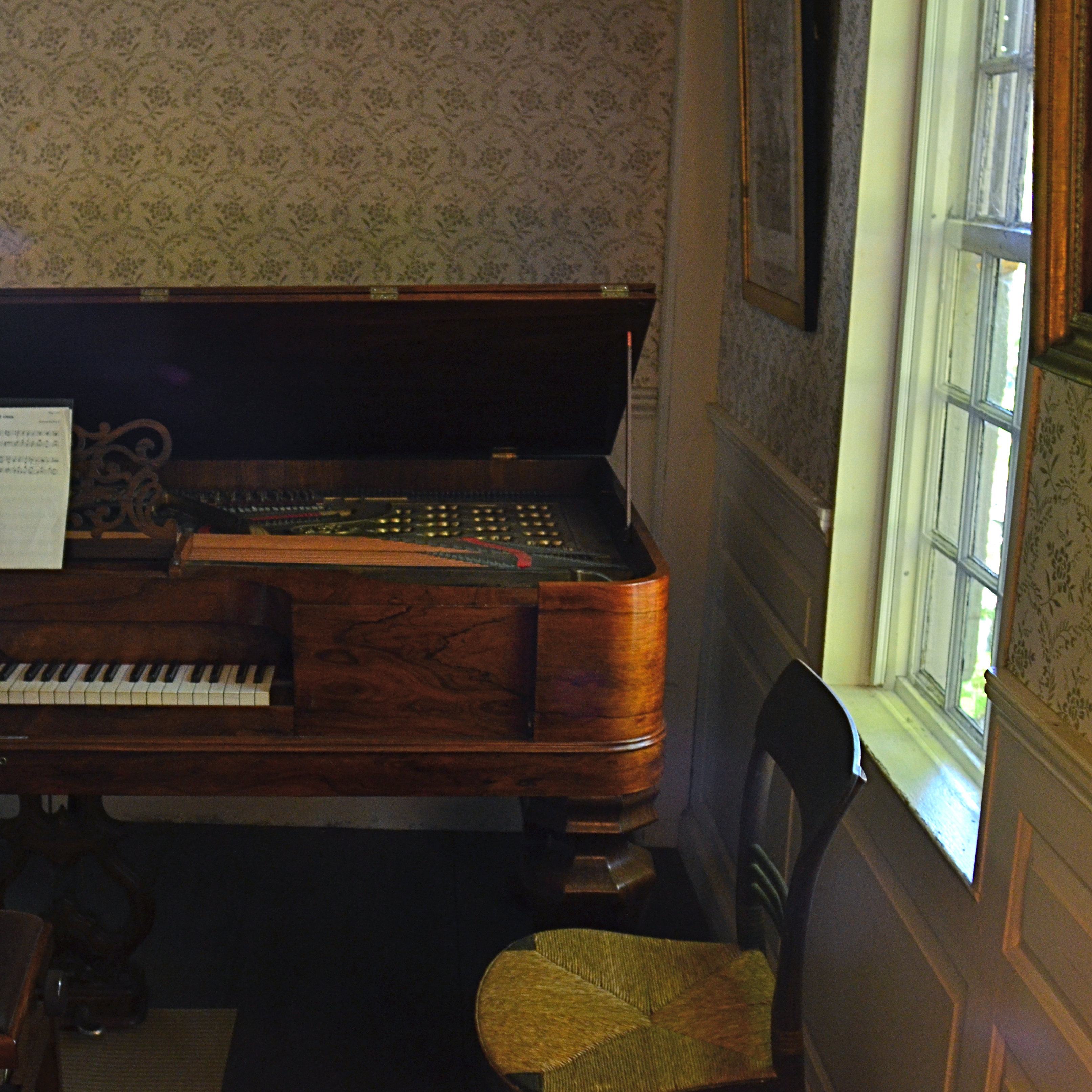
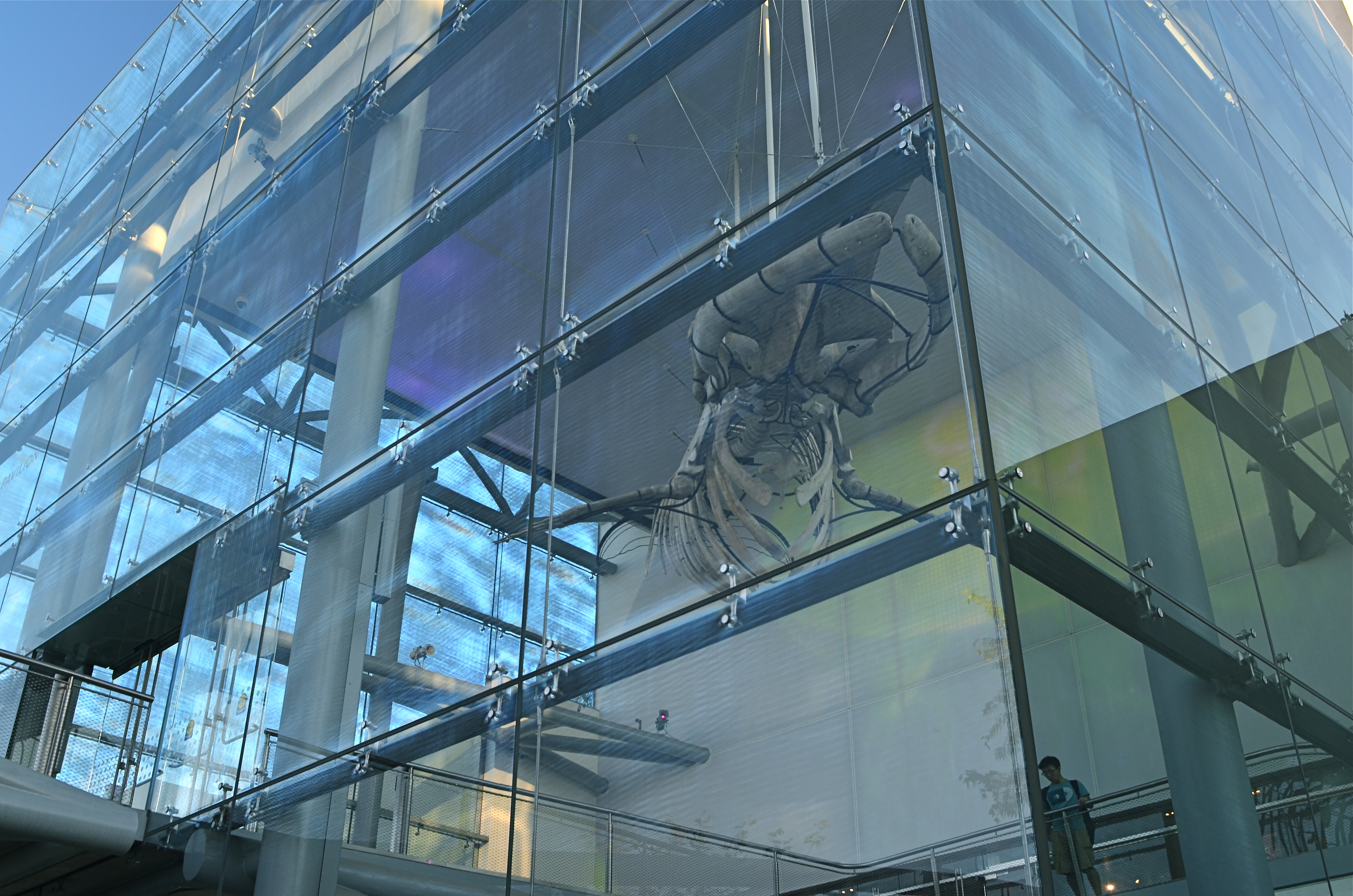
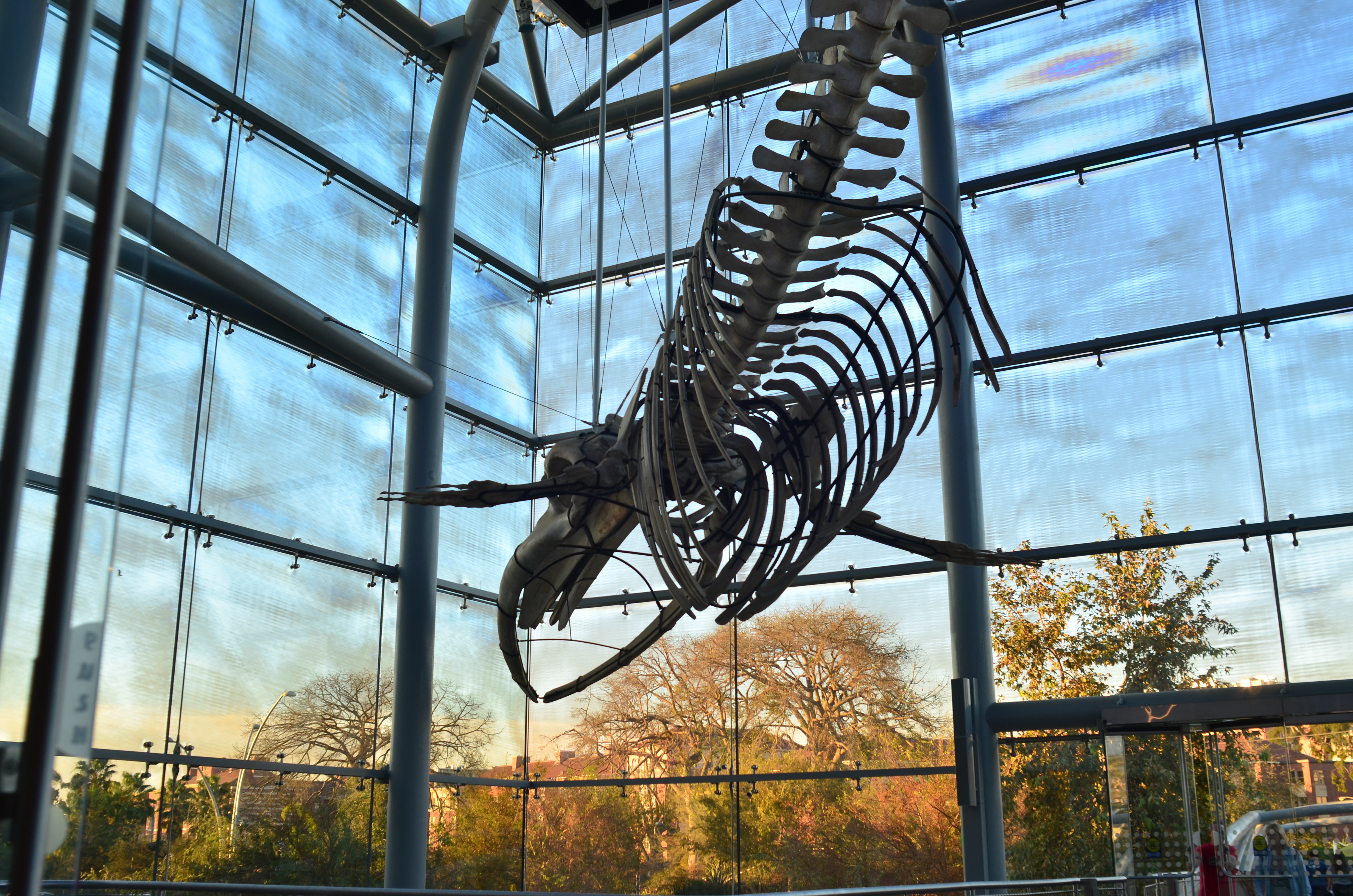
The balance of “live” and “dead” space in public gathering places (like the museum seen here) has to carefully organized, since both kinds of space have their own special narrative power, and can intrude on each other if not orchestrated. In the above image, it’s almost as if the active roles by the tourists on the right ought to be contained, in order to avoid disturbing the abstract patterns on the left. A different method might also see the entire outer frame as a series of smaller squares and rectangles, just as a chessboard is a square composed of an infinite number of lesser squares. Depends on your eye.
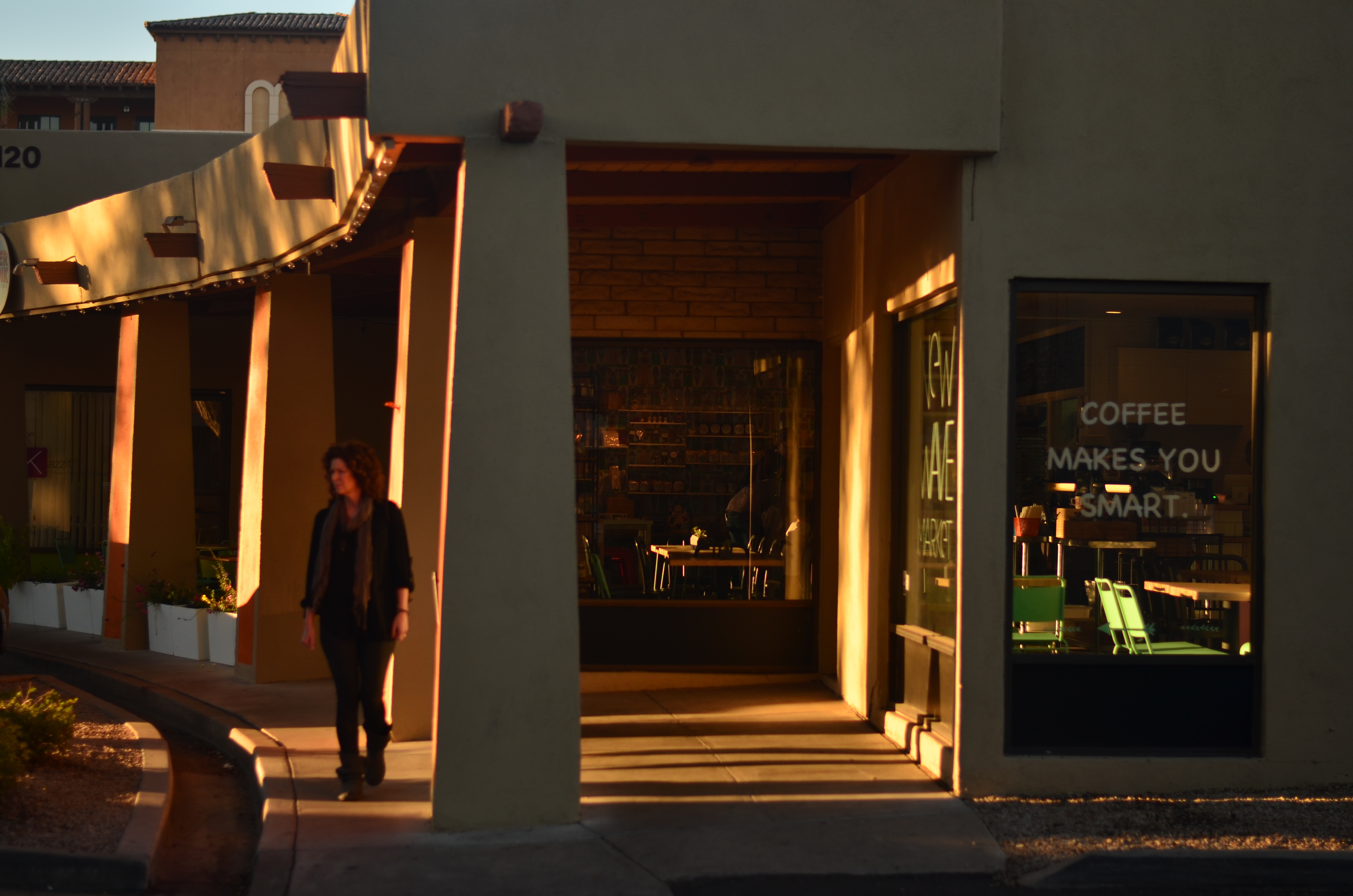
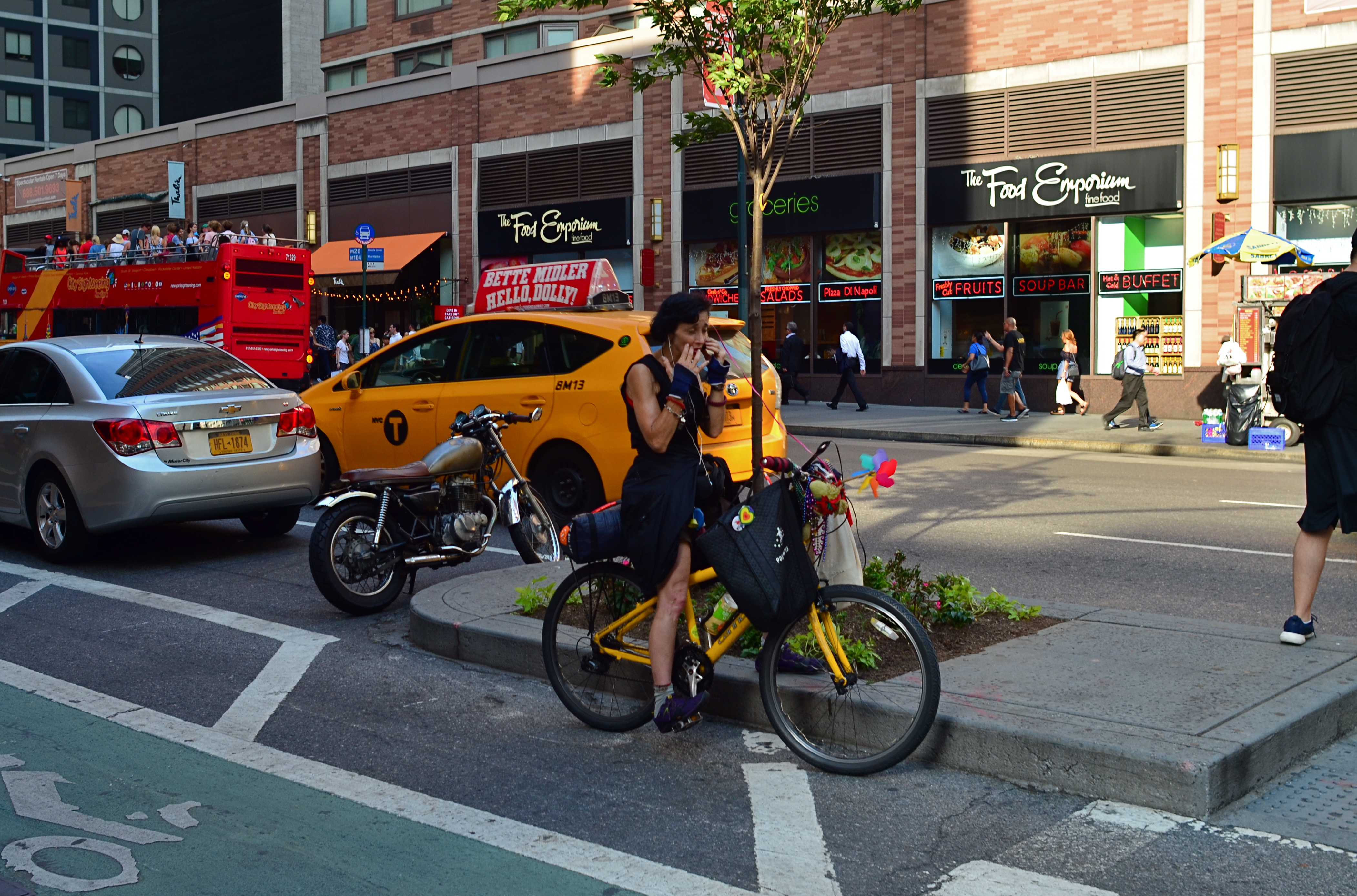
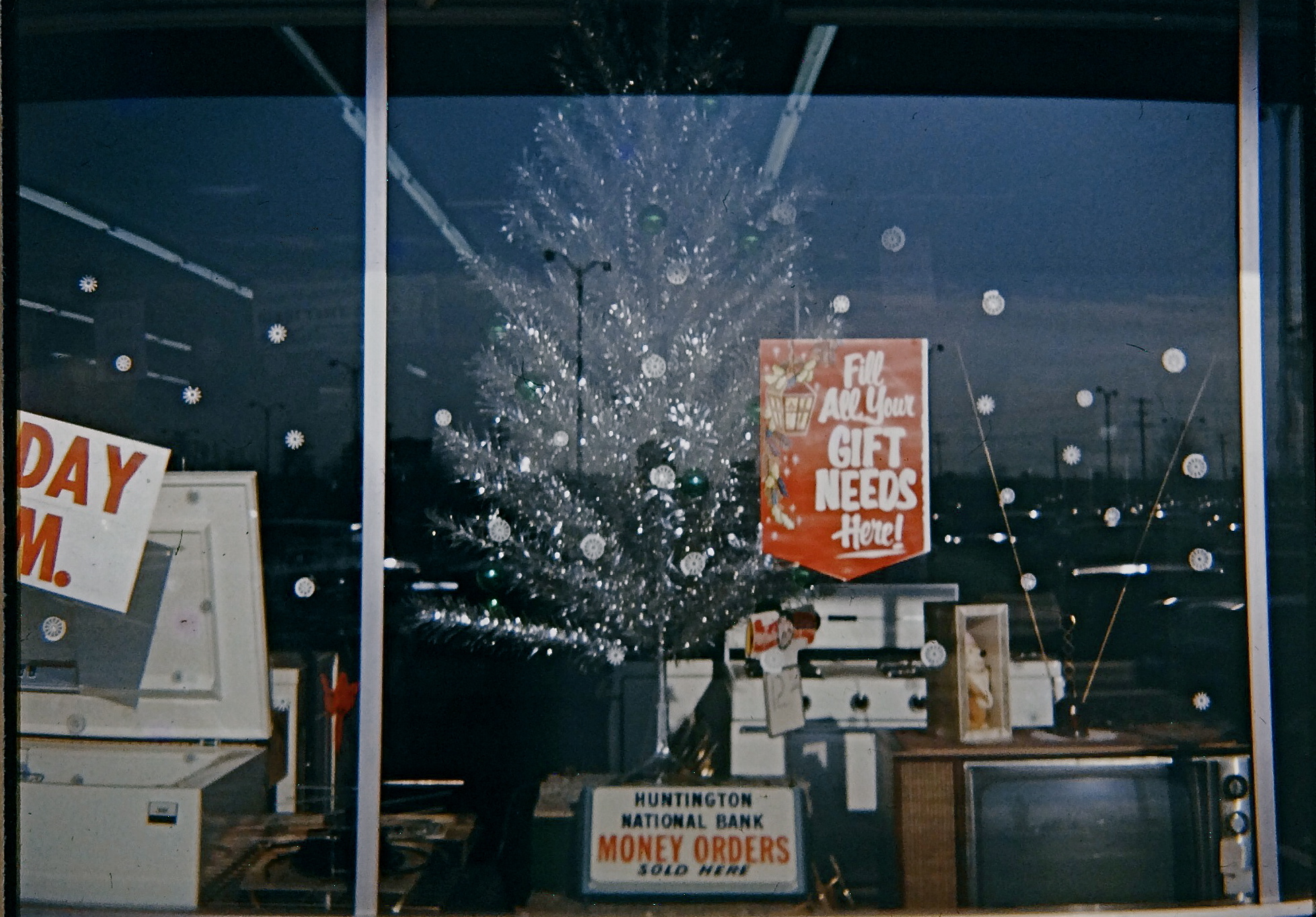
Composition, if done at leisure rather than haste, is a negotiation, a bargaining session in which every inch of photographic real estate must earn its place in the final picture. It’d be glib to merely say “there’s no right answer”, but, if you look at images resulting from certain choices, it becomes apparent that such a statement cannot be true. Right will feel right. Wrong will always feel like you put the piano in front of the picture window. Not horrible… but not correct, either.
 thenormaleye
HOWS AND WHYS
By MICHAEL PERKINS
AS THE NORMAL EYE BEGINS ANOTHER YEAR of scraps and scribblings, we like to both welcome those of you who’ve joined our little volunteer fire company since we last passed “go”, and thank our long-term friends and contributors for their vision and faith. As they say on the airlines, we know you have many choices for ways to fly. That you choose, from time to time, to fly with us is a great privilege.
We also mark the turn of the calendar to re-affirm what this home-town newspaper is, or is not. To my mind, the most vital part of photography has never been about mere technical proficiency. Virtually anyone, I believe, can learn the rudiments of exposure and aperture in a weekend. Not master them, but learn them. The greater task, by far, for anyone hoping to attain that mastery, is to train oneself to see in ever more comprehensive ways, to develop the instinct-based curiosity that takes the creative decisions from the camera’s automodes and puts them back into the hands of the photographer.
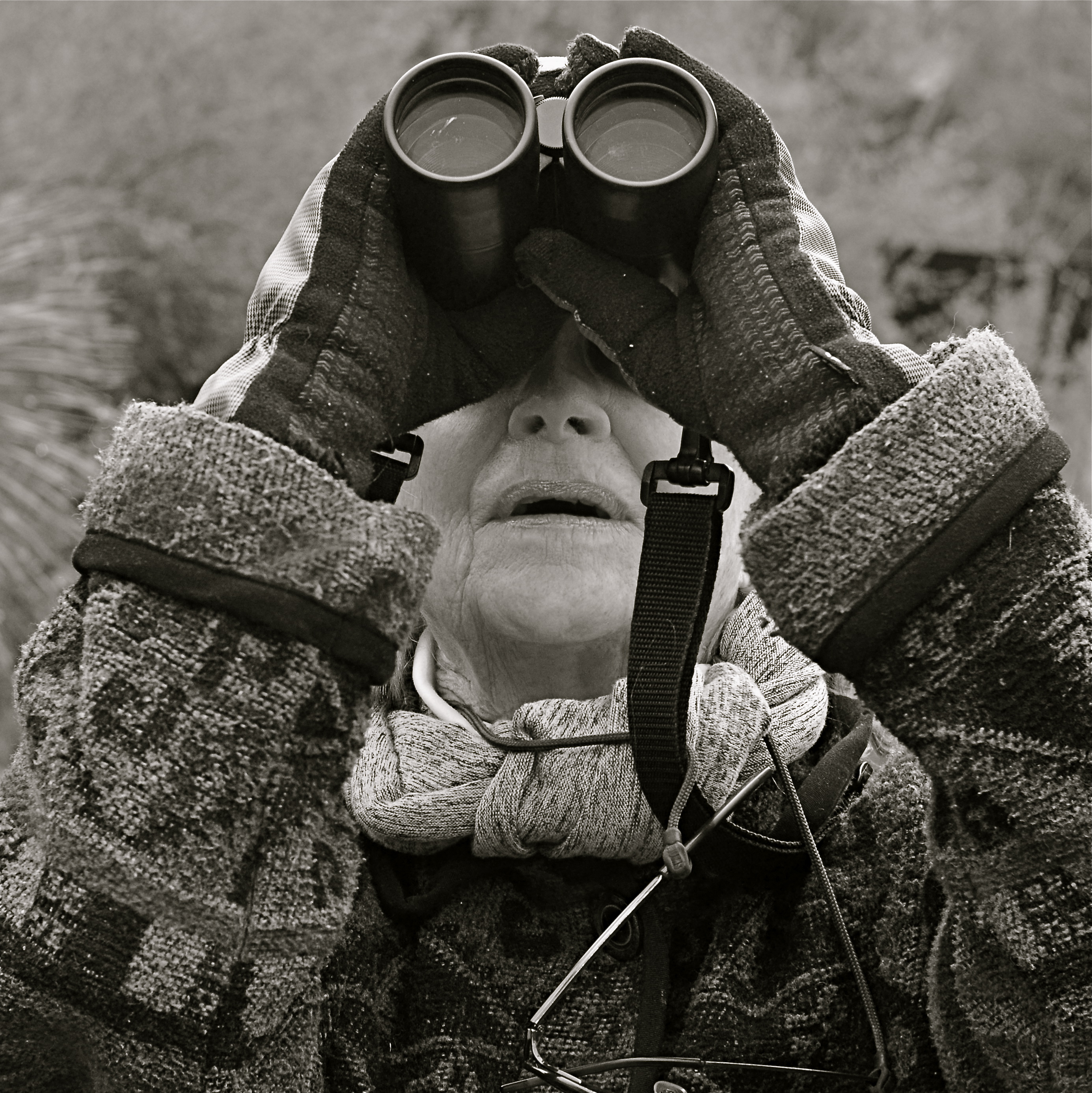
The Author Looks Back. Or maybe just to the right.
Prior to the development of more and more fool-proofed ways of acquiring consistently satisfactory images from the technical assists offered by amazing cameras, the native, or “normal” state of the photographer’s eye was one of mindfulness, of forethought, of consciously mapping out and planning a shot. Thus, as our name implies, “the normal eye” is one that sees critically and makes choices with deliberation. That means declaring more and more independence from mere technology. It means that your camera is your servant, not your master.
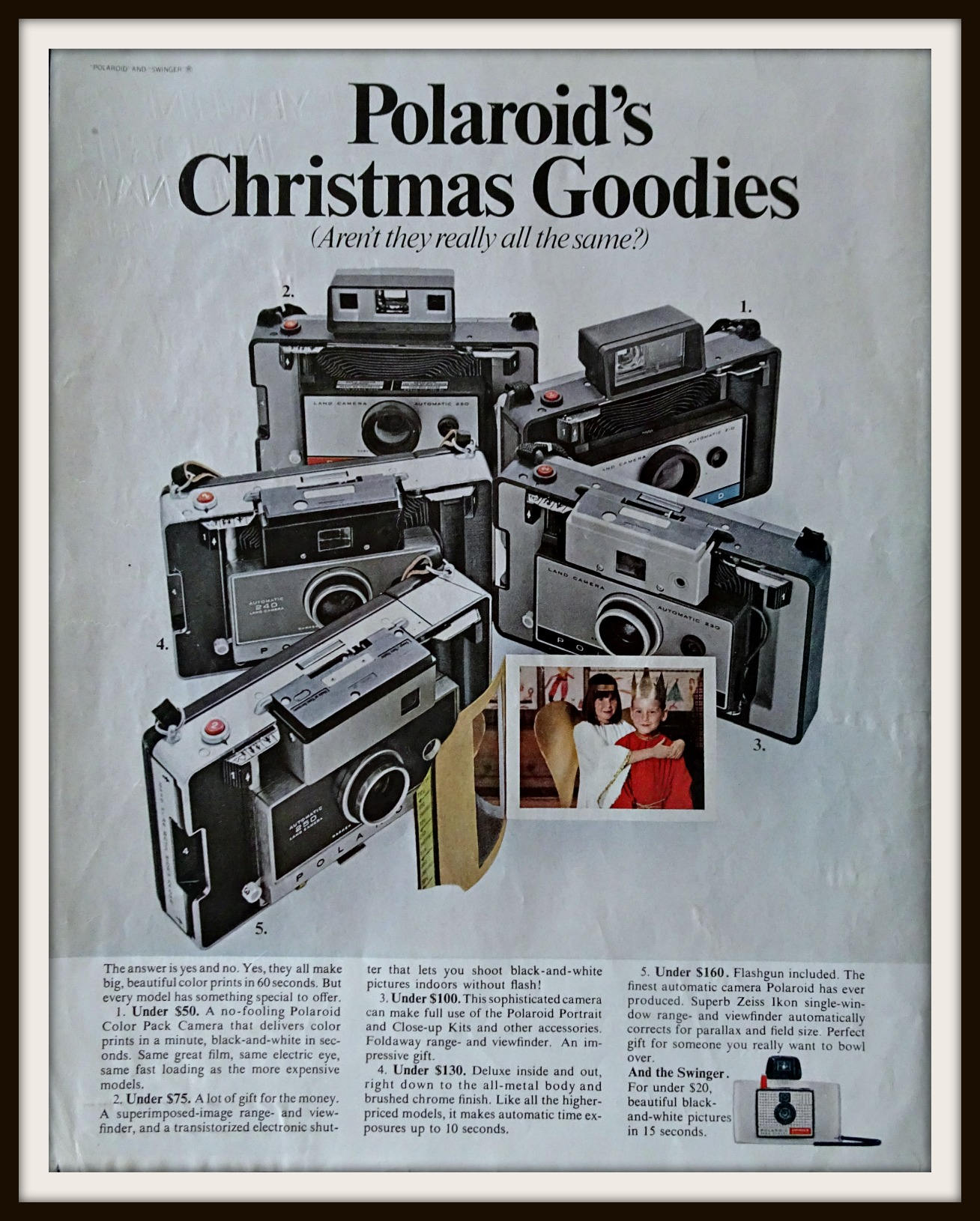
In the years since The Normal Eye was launched, the world has witnessed several significant revolutions in photographic philosophy, all of them placing the highest possible emphasis on experimentation and the kind of wondrous, personal uncertainty that can only result from the photographer, and not the camera, being in charge. The rebirth of instant camera’s, the refusal of film to “die”, the Lomography movement…. all are happening, not because of any sage wisdom in these pages, but because art cannot stand still, and will always reject the notion that everything’s already been invented, or that all the great images have already been shot.
The journey from taking pictures to making pictures remains irresistible, and, as it happens, inevitable. Thank you once again for joining us on that road.
Share this:
Posted by Michael Perkins | January 10, 2018 | Categories: Commentary, Conception, Uncategorized | Tags: Essay, opinion, Philosophy | Leave a comment