By MICHAEL PERKINS
WHATEVER THE PERCEIVED DOWNSIDES of the switch from analog to digital photography, perhaps the only real net negative has been how speedy the process of picture-making has become. Yes, I said negative.
Admittedly most of that vaunted speed connotes as a positive to many, a miraculous convenience. And, indeed, progressively more responsive, even “intuitive” cameras produce usable images only slightly slower than their creators can hatch a whim. Want it, take it, got it. Fast.
But “usable” doesn’t necessarily mean “great”. And it can be argued that the sheer velocity at which we crank out photographs promotes, even guarantees a stunning yield of photographic mediocrity. Because art takes forethought, a pre-imagining discipline. And there is no way to achieve that if every picture, every time, is taken in an instant.
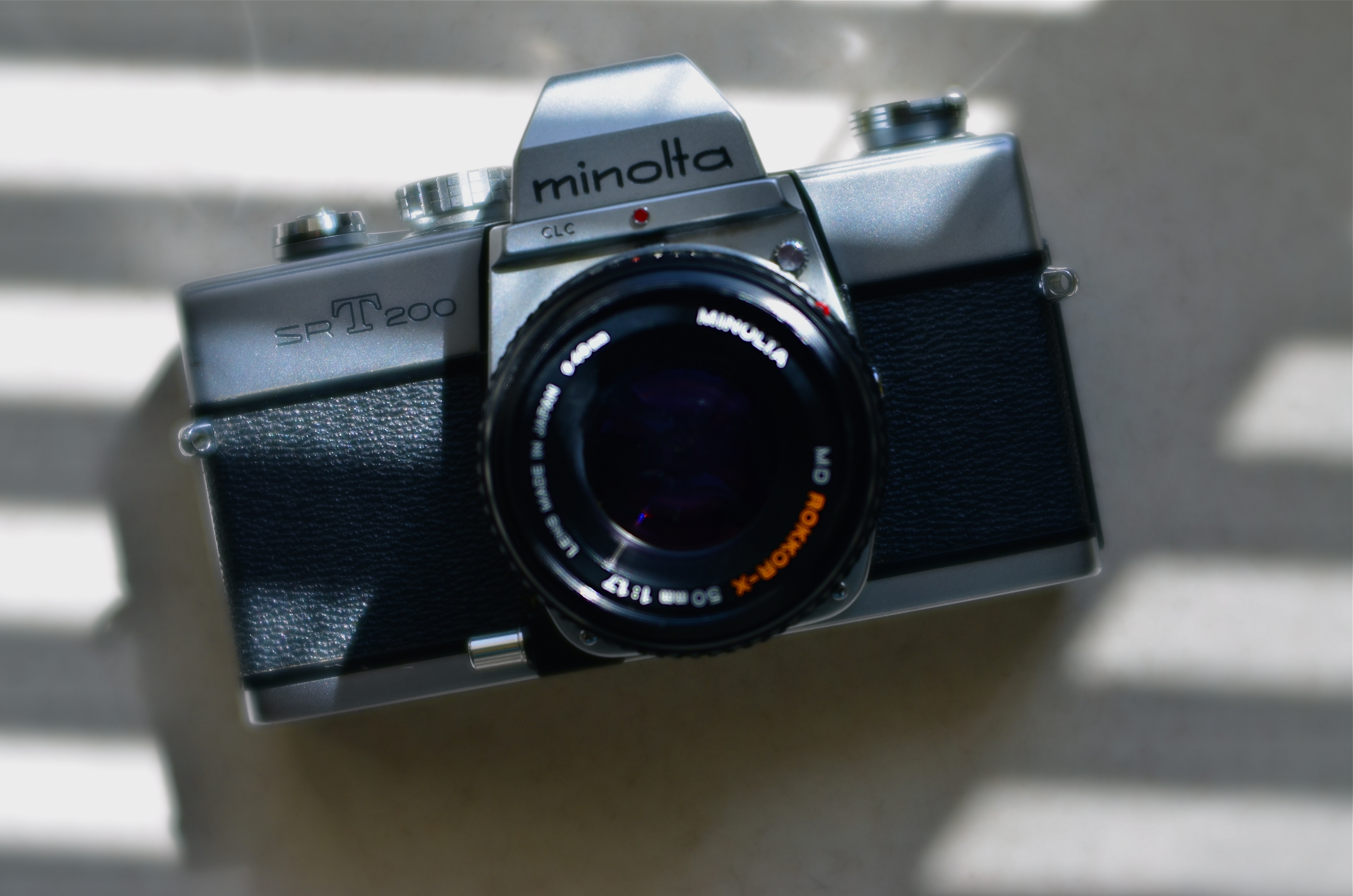
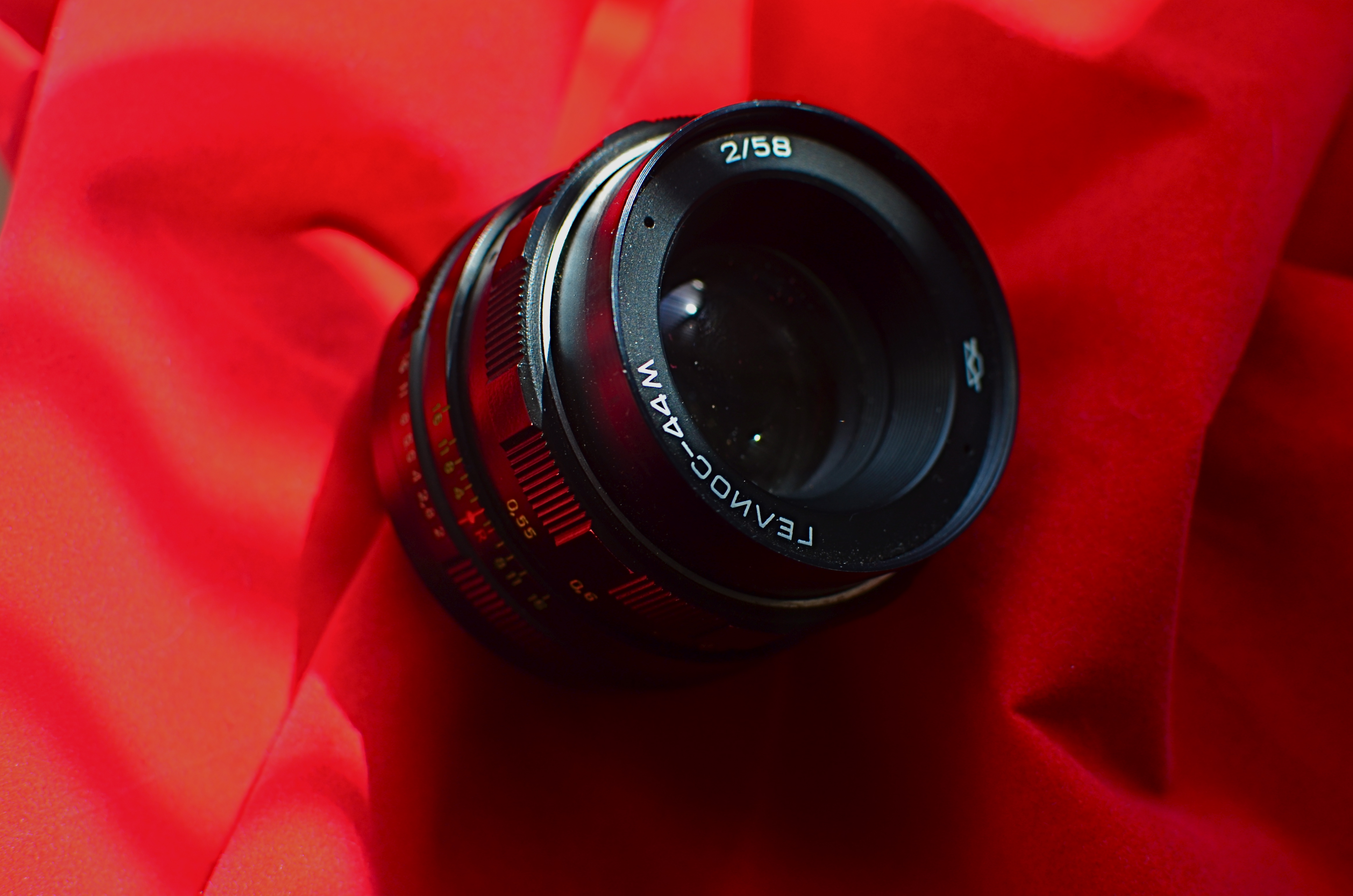
Eventually, photographers have to proactively take back control over their final product, by the simple expedient of slowing everything down. And there are any number of simple ways to practice this. Shoot on manual. Set aside the zooms and shoot with primes. Engineer more natural light shots in lieu of flash snaps. Keep one particular lens on your camera for a month and force yourself to shoot everything with it. In short, make the process harder, not easier. Make yourself uncomfortable.
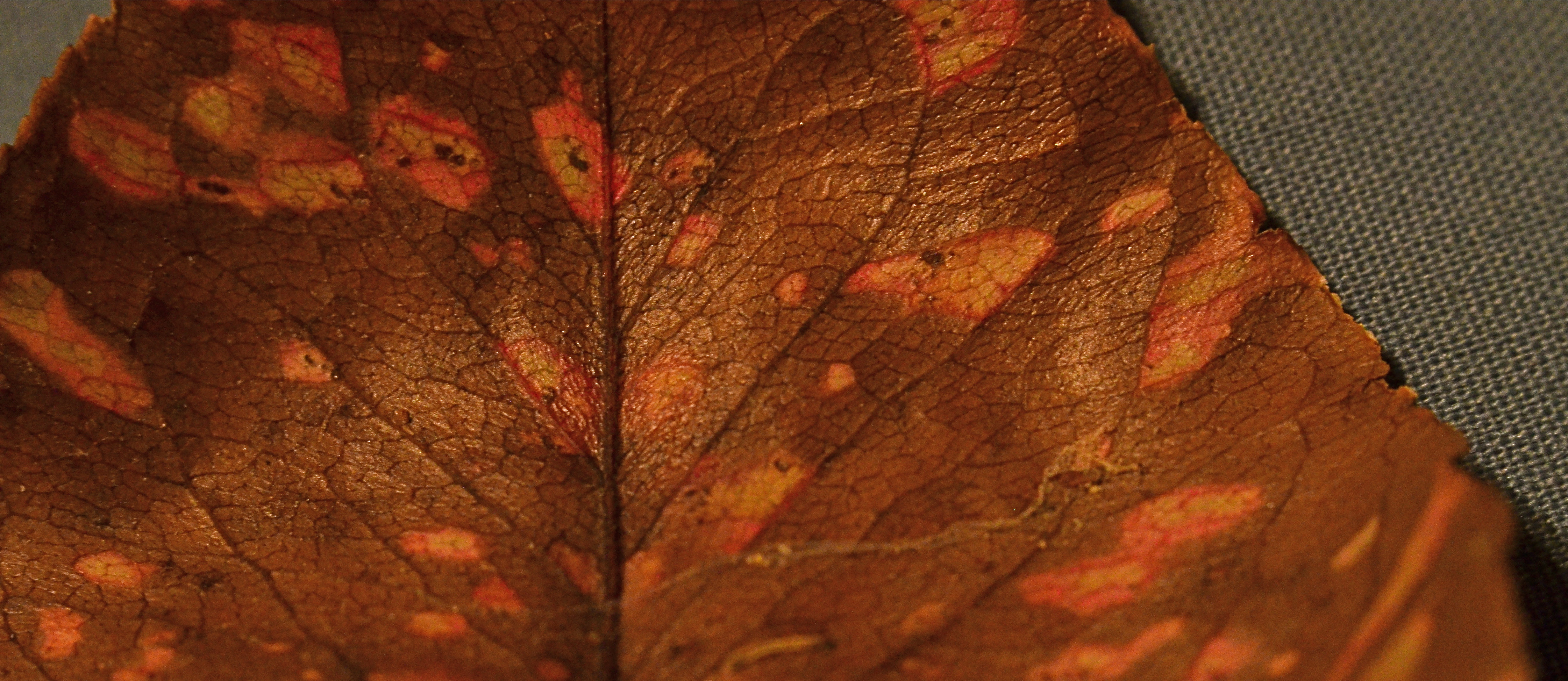
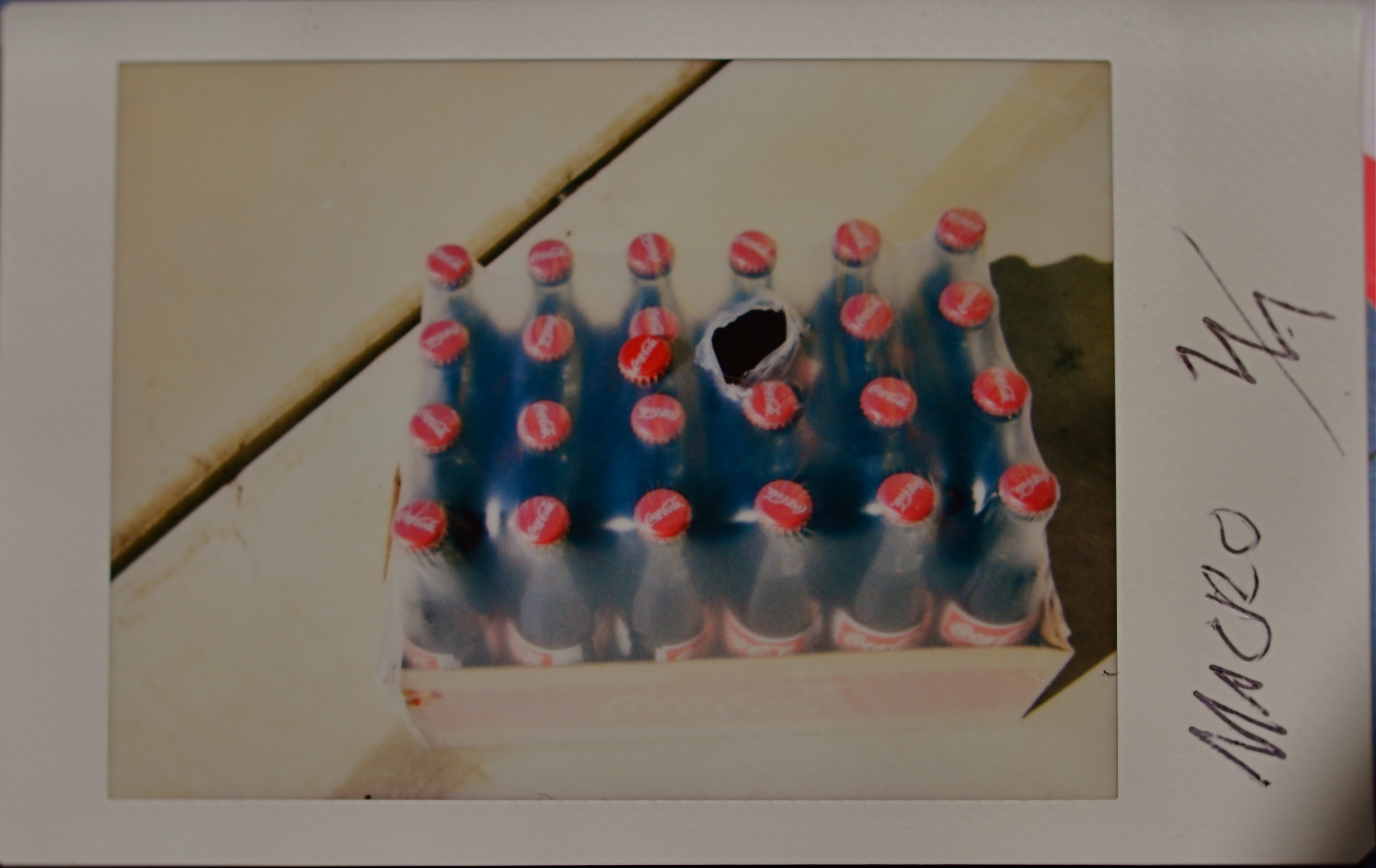
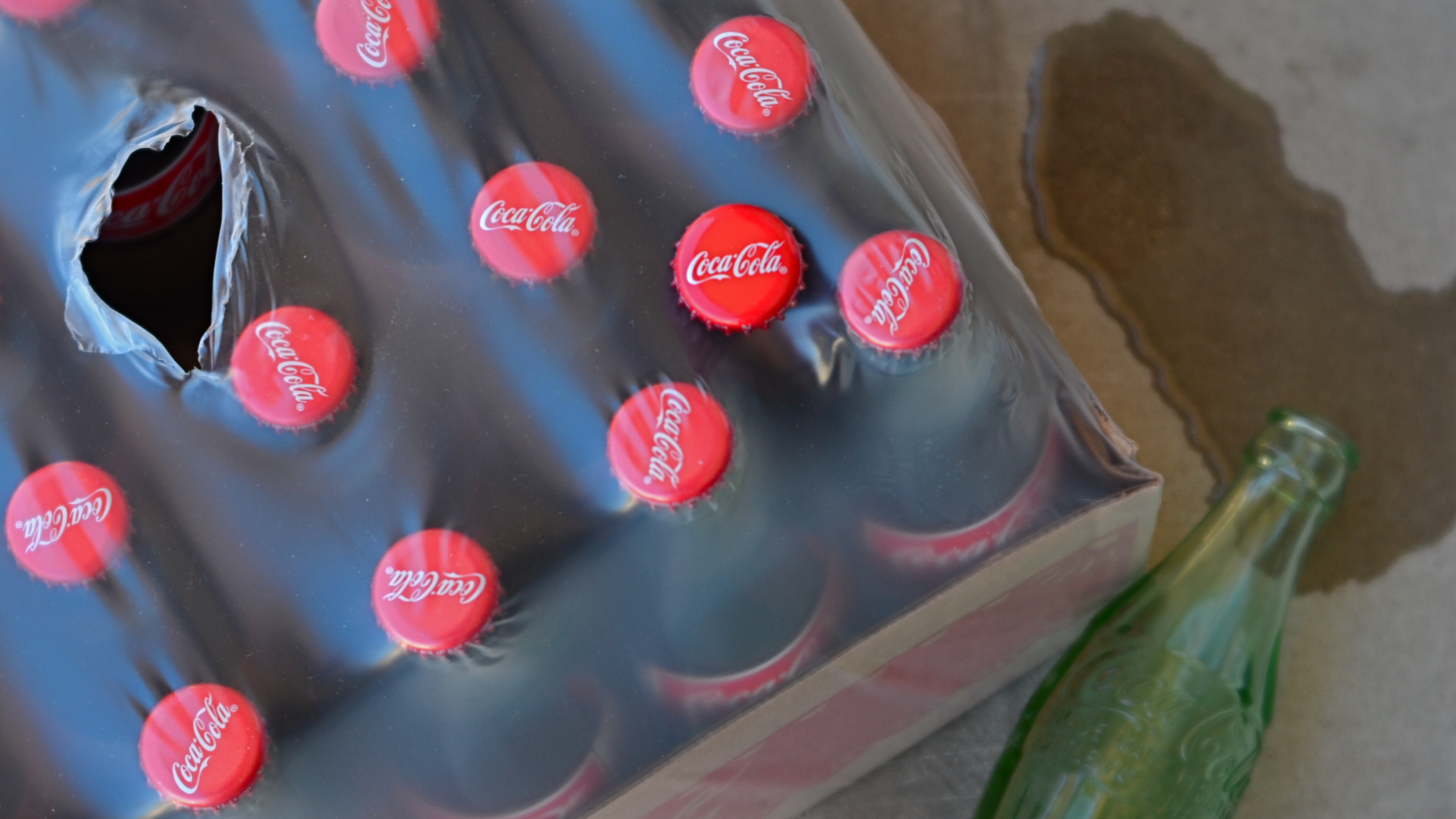
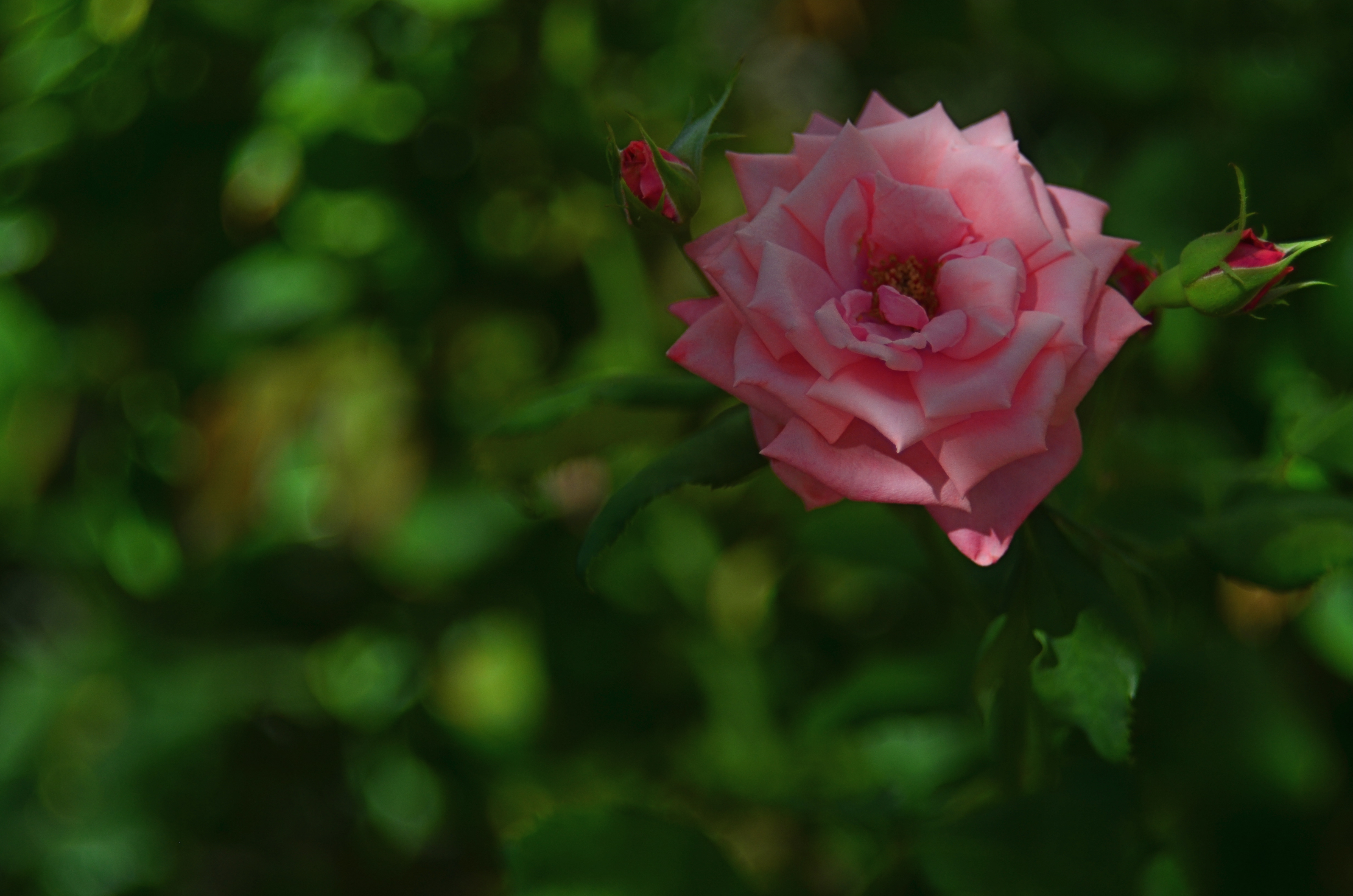
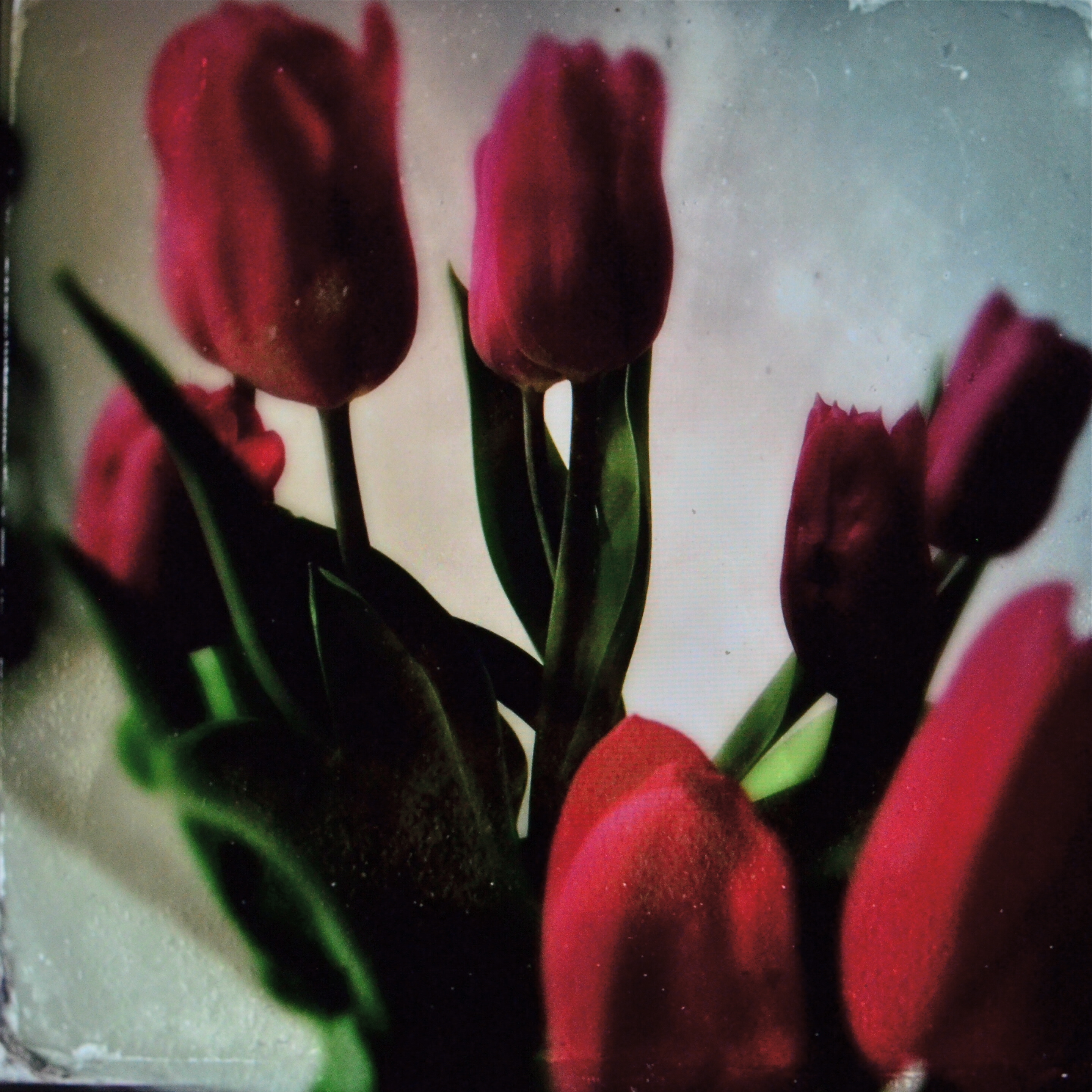
One of my favorite mindfulness exercises come from shooting macro. It’s harder in every way from any other kind of work. Focus, composition, lighting and exposure are all exponentially more difficult at short distances, and that means a higher harvest of bad pictures(the photo shown here was the lone survivor among twenty frames). And that’s good, because that, in turn, makes it impossible to settle for your first frame. Or your twenty-first. And that means you have to try, adjust, compare, re-try. It takes time, all of it educational. But first you need to escape the realm of Snapshot Mind, a fun and carefree play land that digital makes especially seductive, but which can become a trap.
Of course, there is the phenomenon called “first thought, best thought”, in which amazing, fully realized images come right out of the chute, and very quickly. And there is no guarantee that, by simply taking your time, you will always use it wisely. But creating situations in which you must be more present, more deliberate, will, more often than not, show you how to shape and then re-shape your vision.
Turns out Rome really wasn’t built (or photographed) in a day.


NOTHING IS EVERYTHING
By MICHAEL PERKINS
THERE HAVE DEFINITELY BEEN TIMES IN MY LIFE when I have actually craved the special kind of loneliness that Arizona has in abundance. This is a place where brain-boggling chasms of space can exist between society and desolation, between boom and bust. The contrast is stark with a capital, well, stark. If you want to get lost, I mean good and lost, like vanished-off-the-freaking-map lost, Arizona’s vast, starched plains and heat-blasted mesquite are your solution. Other times there is such a sharp edge between lots of something and all kinds of nothing that you can almost feel despair chewing around the edges of your contentment like a termite on a bender.
Photographically, you can either celebrate Arizona’s chest-thumping pride in the survival of the individual or lament the sense of isolation underscored by its lunar landscapes….or both. An image that thrills one person with a sensation of unfettered freedom can make another individual feel like the state has abandoned him or her by the side of a dusty road to no place.
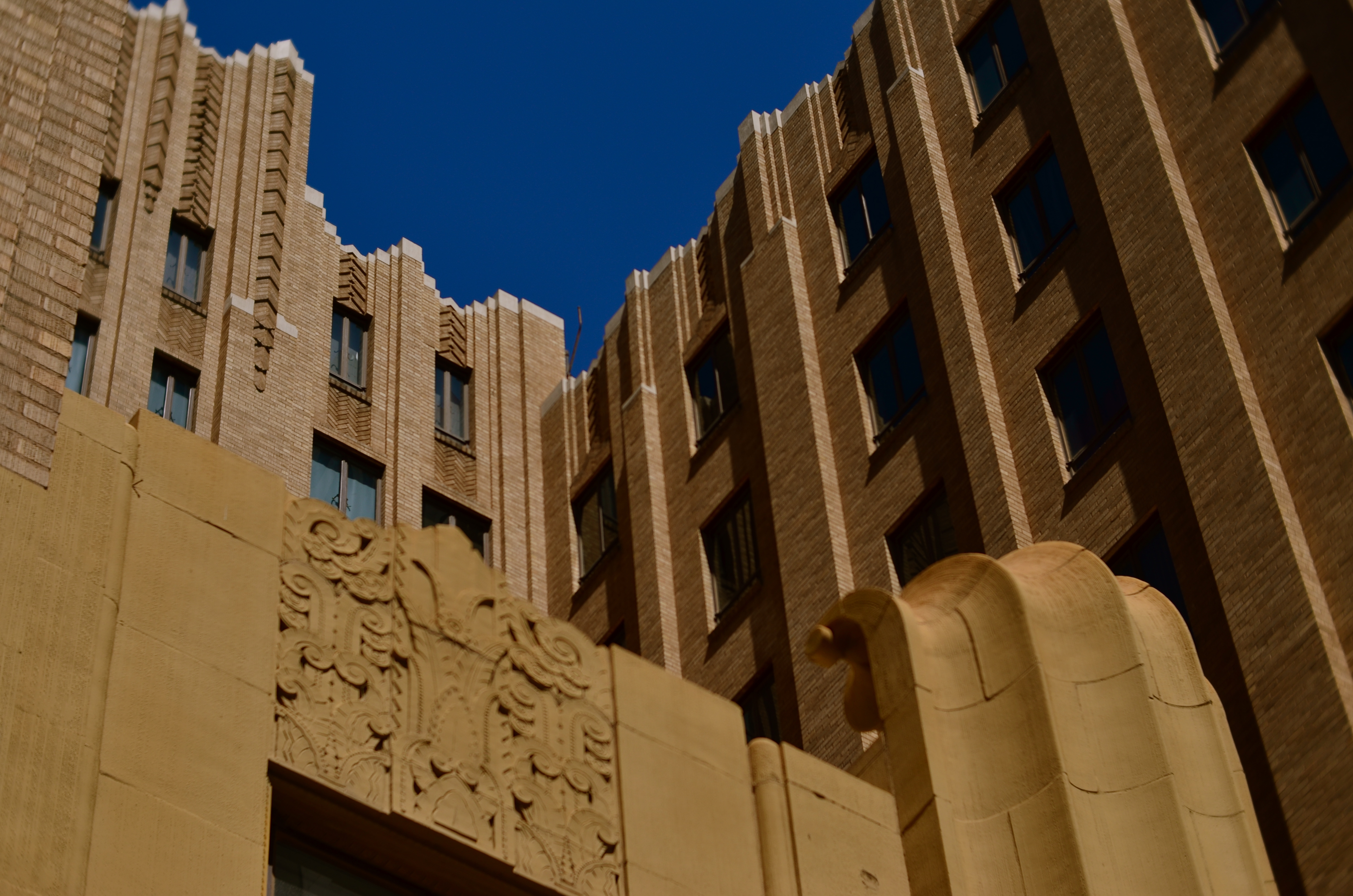
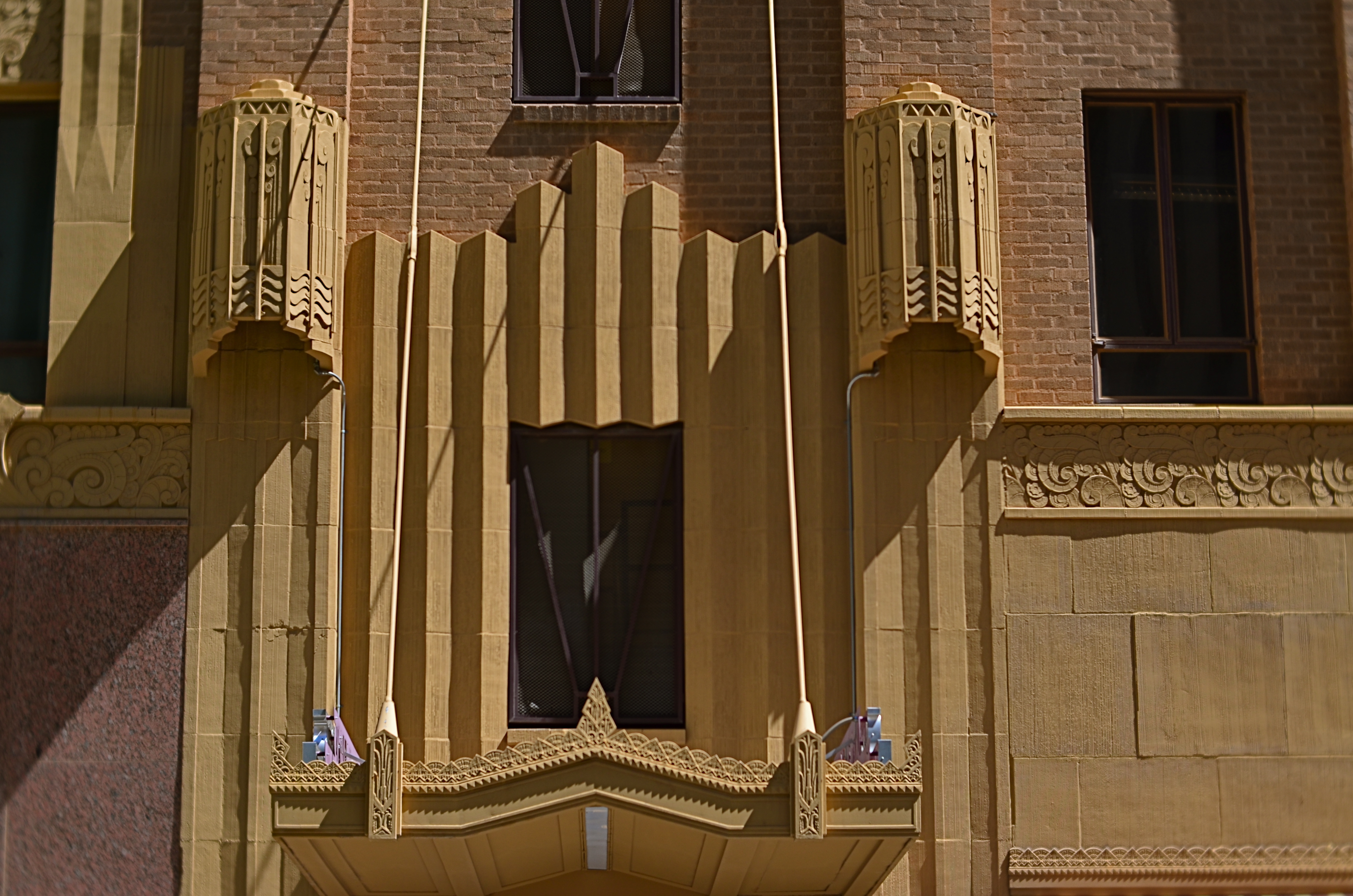
In the case of the above image, it could go either way. The buildings here do not constitute the entire business district of downtown Cottonwood, Arizona, but they’re damned close. One thing that’s absolutely true is that there isn’t much on either side of the town’s main stem that feels…town–like. Yes, the municipality has a few small supporting streets, peppered with a smattering of residences and small shops, but Cottonwood is essentially a brief, linear dash in the middle of an endless paragraph about emptiness. To some shooters, (sometimes me) this is an enlistment poster for personal liberty, with the land always having the last say in any discussion. For others (again, sometimes me), it’s a reminder that, in a face-off between man and the West, the West has a decided, even unfair edge. Showing both of these stories within a single picture, however, isn’t necessarily a conflict in terms.
Photography addresses extremes, and often in a frustratingly ambiguous fashion. But show me an art where that doesn’t happen.
Share this:
Posted by Michael Perkins | June 10, 2018 | Categories: America, Arizona, Commentary, Desert, Experimentation, Uncategorized | Tags: Arizona, Southwestern United States | Leave a comment