GO SMALL, GO SLOW
By MICHAEL PERKINS
WHATEVER THE PERCEIVED DOWNSIDES of the switch from analog to digital photography, perhaps the only real net negative has been how speedy the process of picture-making has become. Yes, I said negative.
Admittedly most of that vaunted speed connotes as a positive to many, a miraculous convenience. And, indeed, progressively more responsive, even “intuitive” cameras produce usable images only slightly slower than their creators can hatch a whim. Want it, take it, got it. Fast.
But “usable” doesn’t necessarily mean “great”. And it can be argued that the sheer velocity at which we crank out photographs promotes, even guarantees a stunning yield of photographic mediocrity. Because art takes forethought, a pre-imagining discipline. And there is no way to achieve that if every picture, every time, is taken in an instant.
Eventually, photographers have to proactively take back control over their final product, by the simple expedient of slowing everything down. And there are any number of simple ways to practice this. Shoot on manual. Set aside the zooms and shoot with primes. Engineer more natural light shots in lieu of flash snaps. Keep one particular lens on your camera for a month and force yourself to shoot everything with it. In short, make the process harder, not easier. Make yourself uncomfortable.
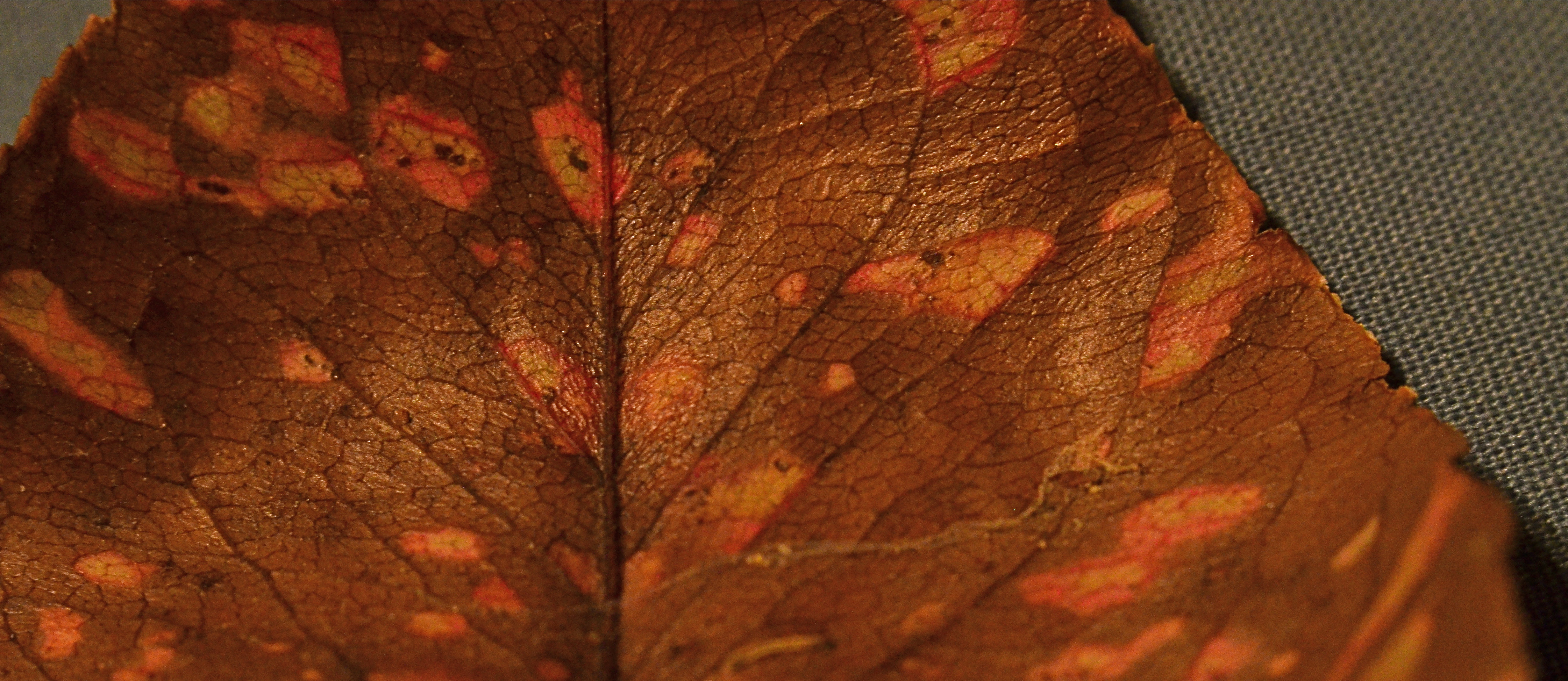
One of my favorite mindfulness exercises come from shooting macro. It’s harder in every way from any other kind of work. Focus, composition, lighting and exposure are all exponentially more difficult at short distances, and that means a higher harvest of bad pictures(the photo shown here was the lone survivor among twenty frames). And that’s good, because that, in turn, makes it impossible to settle for your first frame. Or your twenty-first. And that means you have to try, adjust, compare, re-try. It takes time, all of it educational. But first you need to escape the realm of Snapshot Mind, a fun and carefree play land that digital makes especially seductive, but which can become a trap.
Of course, there is the phenomenon called “first thought, best thought”, in which amazing, fully realized images come right out of the chute, and very quickly. And there is no guarantee that, by simply taking your time, you will always use it wisely. But creating situations in which you must be more present, more deliberate, will, more often than not, show you how to shape and then re-shape your vision.
Turns out Rome really wasn’t built (or photographed) in a day.
THE GIFT
By MICHAEL PERKINS
IT NEVER FAILS. You go to the grocery store for a carton of milk and come back with salsa, canned pineapple and half a pound of bologna. You may not have even known you “needed” the additional items, but, son of a gun, that extra large salsa is on sale. And, just like that, a quick stop becomes a shopping trip.
Photography is sort of like that.
You head out with specific objectives in mind, not thinking that fate has other plans, and will gently incline you in their direction. “Gentle”…like a freight train. In the case of a recent bird walk, my photographic plan “A” may seem odd to the average observer, in that it was to walk around with birders and not take any bird photos.
In my defense, I was already halfway through an extended birding weekend, accompanied by my wife and other serious spotters in a variety of southern Arizona locales. Moreover, even though I possess zero talent and little inclination in the study of all things airborne, I had nonetheless nailed a few easy exposures of very tame birds in the habit of eating very slowly on feeders near very large throngs of people…..basically zoo shooting with better singing. But the morning in question was different. Spotting birds in the wild is for grown-ups, and my infantile attention span is often drawn off center by the woods or canyon or, in this case, woodsy canyon that houses the various winged wonders. The spotters can spend hours arguing over the nomenclature of whatever they’ve flushed out of the foliage. For me, the foliage is why I came.
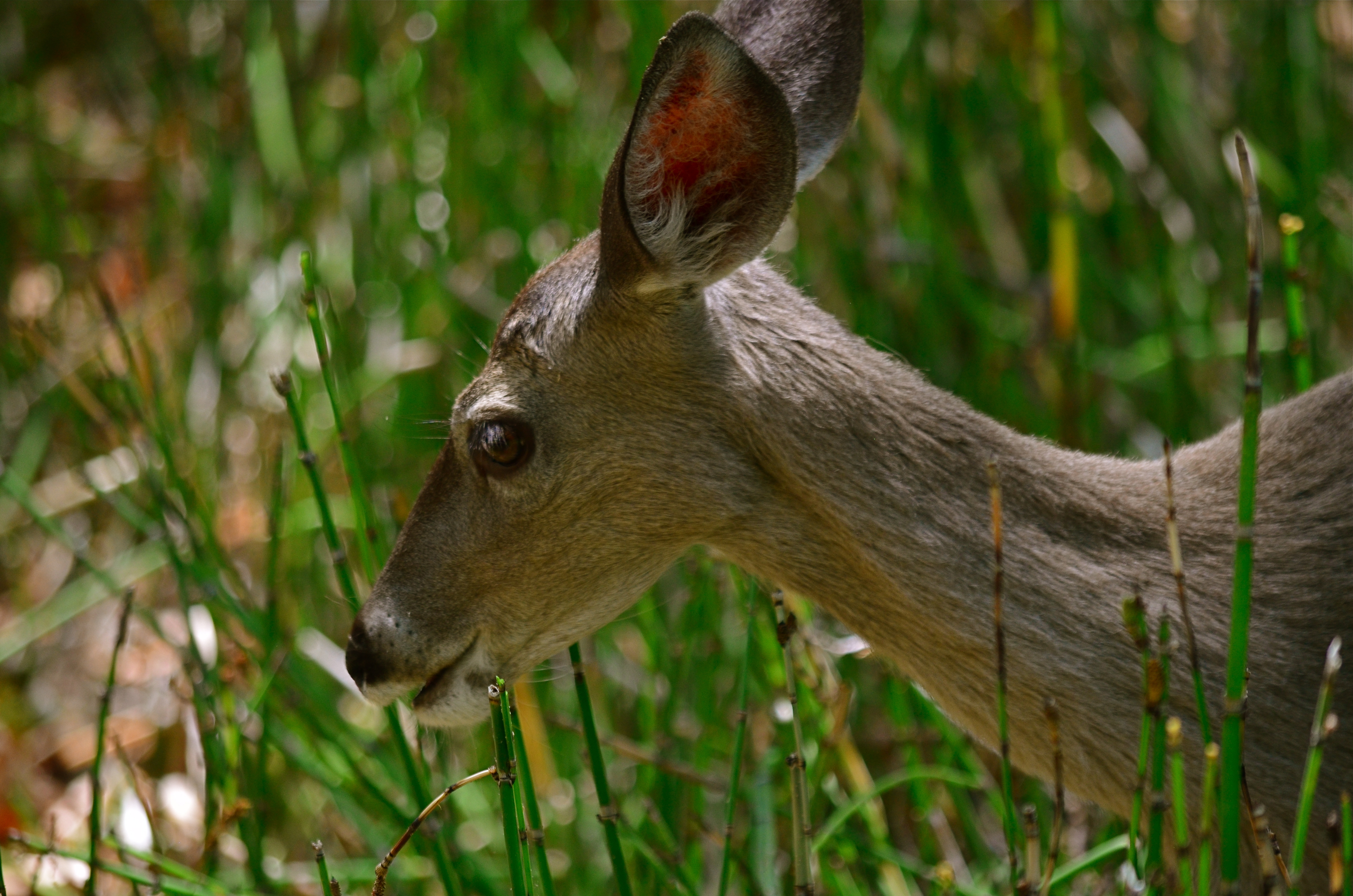
1/400 sec., f/5.63, ISO 400, 195mm.
Thus, on this morning, I was sporting a 24mm wide angle to highlight the contours and curves of Ramsey Canyon, although I also had shoved my 300mm zoom inside a fanny pack as an act of pure superstition. Thus, the appropriate division of labor for the outing was established: Bird People watch birds. Tree Hugger tags along and shoots trees. Then we came upon a small footbridge surrounded by a small pack of mule deer, feeding at a level of relaxation that can only occur when you become accustomed to bipeds in goofy hats routinely traipsing through your backyard. One of the Bird People, knowing a camera nut was in their midst, gave me a heads-up. A desperate minute of crouching, zipping, fumbling and mild cursing later, I had managed to attach the 300, worrying all the time that something or someone would spook the group.
After that fear was allayed by the deer’s total state of chill, however, I was overcome by a new emotion, something I can only characterize as gratitude. I have had many encounters with deer in the wild over the years, but in each case I had only had scant seconds to try to capture anything. Here, suddenly, I was presented with a group so docile that I could walk to within twenty feet of them and have the most precious gift, the gift of time, with which to plan shots. The female seen here was intent on staying in clear sunlight next to a tree, while her male companions were gamboling inand out of the dappled shade at too great a speed for accurate metering, so, yeah, I went the easier route.
The point is that the situation allowed me to shoot twenty or more frames and have time in between to make an assessment as to what might succeed. It was an astounding luxury, a rarity among rarities, and my photos became my prayer of thanks.
Come for the forest, stay for the deer.
Or: come for the milk, stay for the salsa, pineapple, and bologna.
NOTHING IS EVERYTHING
By MICHAEL PERKINS
THERE HAVE DEFINITELY BEEN TIMES IN MY LIFE when I have actually craved the special kind of loneliness that Arizona has in abundance. This is a place where brain-boggling chasms of space can exist between society and desolation, between boom and bust. The contrast is stark with a capital, well, stark. If you want to get lost, I mean good and lost, like vanished-off-the-freaking-map lost, Arizona’s vast, starched plains and heat-blasted mesquite are your solution. Other times there is such a sharp edge between lots of something and all kinds of nothing that you can almost feel despair chewing around the edges of your contentment like a termite on a bender.
Photographically, you can either celebrate Arizona’s chest-thumping pride in the survival of the individual or lament the sense of isolation underscored by its lunar landscapes….or both. An image that thrills one person with a sensation of unfettered freedom can make another individual feel like the state has abandoned him or her by the side of a dusty road to no place.
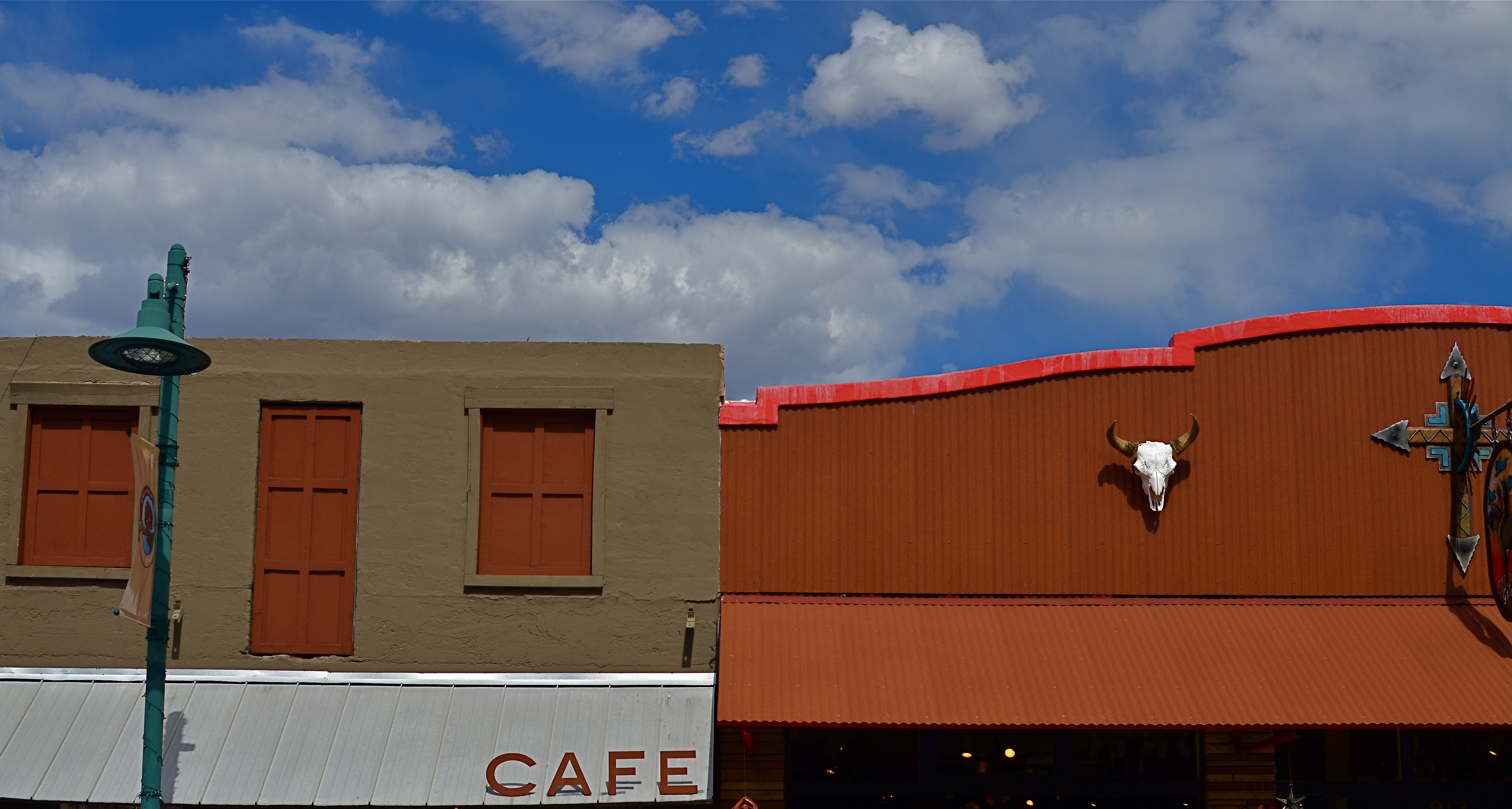
In the case of the above image, it could go either way. The buildings here do not constitute the entire business district of downtown Cottonwood, Arizona, but they’re damned close. One thing that’s absolutely true is that there isn’t much on either side of the town’s main stem that feels…town–like. Yes, the municipality has a few small supporting streets, peppered with a smattering of residences and small shops, but Cottonwood is essentially a brief, linear dash in the middle of an endless paragraph about emptiness. To some shooters, (sometimes me) this is an enlistment poster for personal liberty, with the land always having the last say in any discussion. For others (again, sometimes me), it’s a reminder that, in a face-off between man and the West, the West has a decided, even unfair edge. Showing both of these stories within a single picture, however, isn’t necessarily a conflict in terms.
Photography addresses extremes, and often in a frustratingly ambiguous fashion. But show me an art where that doesn’t happen.
BEARING WITNESS
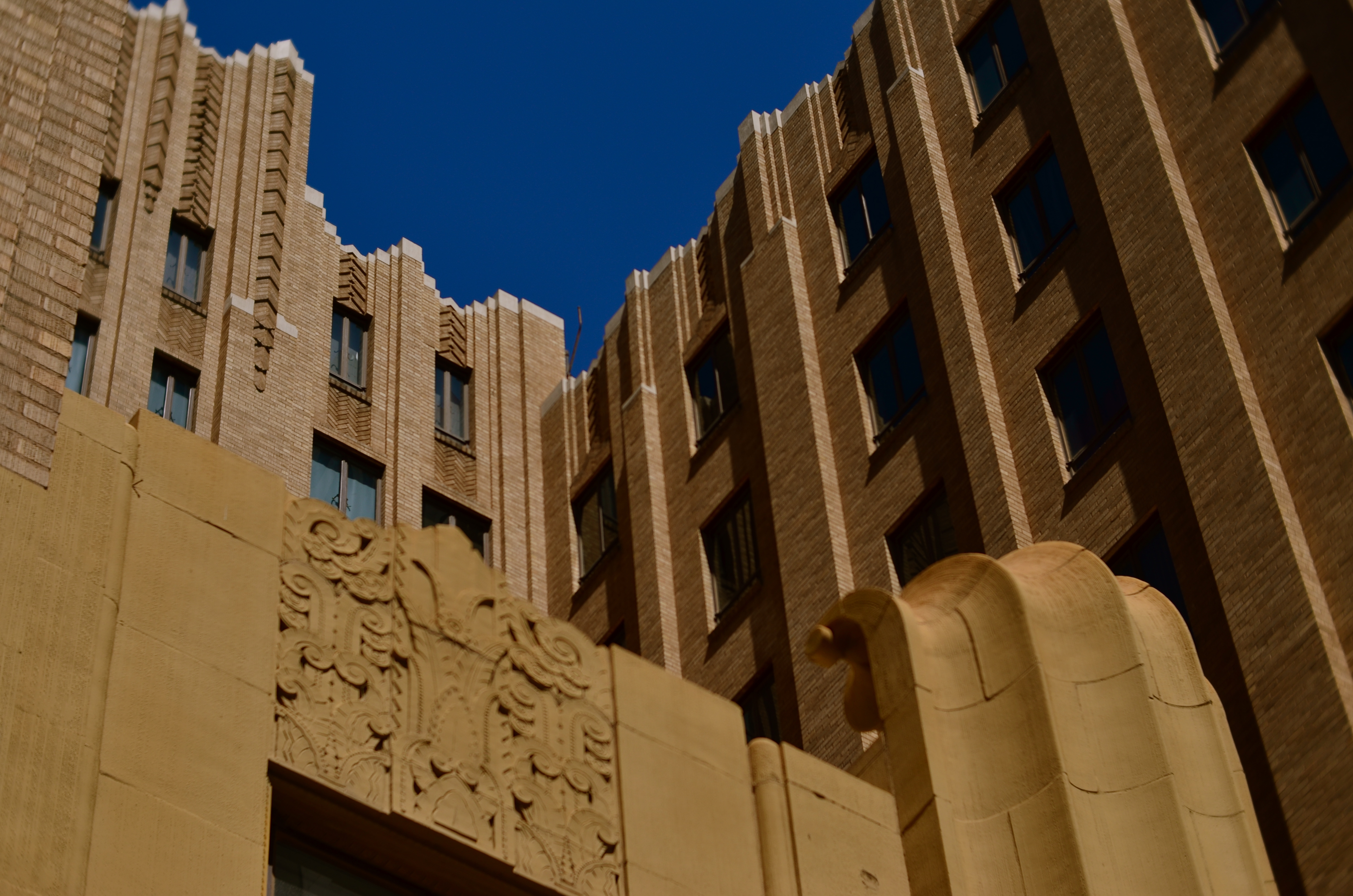
Orpheum Lofts, Phoenix, Arizona.
By MICHAEL PERKINS
AT THIS WRITING (June 2018), reviews are rolling in for Julia Van Haaften’s new biography, Berenice Abbott: A Life In Photography, a celebration of the greatest visual chronicler of New York City’s perpetually parade of architectural extinctions. Abbott’s essential album of vanishing neighborhoods in the five boroughs, Changing New York, shot in stunning crispness with an 8×10 Century Universal view camera, has stood, since the 1930’s, as more than a stunning technical achievement: it has also been hailed, rightfully, as a priceless sociological record.
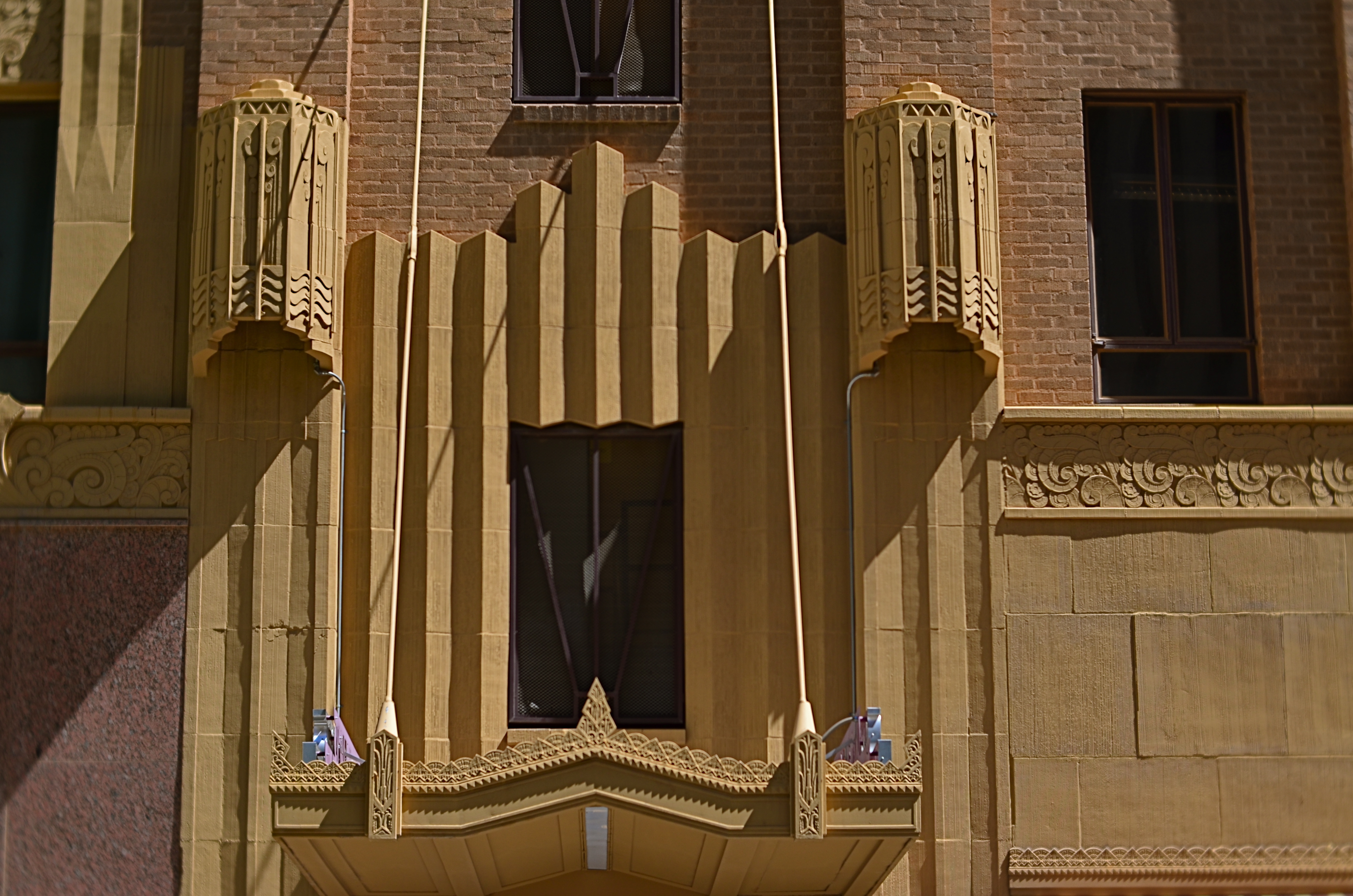
The Lofts‘ tenant entrance.
Abbott was an objectivist, the Joe Friday of photographers, believing that images could only be honest by providing just the facts, ma’am. As 20th century shooters sought to insert more of themselves….their feelings, their beliefs, their biases.. into increasingly personal work, Berenice and her camera became two halves of a single, emotionless machine, disdaining the sentiment or “viewpoints” of her contemporaries. In the final analysis, her conservative stance didn’t alter the fact that Changing New York is an invaluable document, a peerless record of a bygone era.
Photographers across the world would do well to carry on Abbott’s work, as the fragile infrastructures of the 20th century disintegrate before our eyes and entire cities fold over on their own histories for little more than the novelty of change. New York was one of the first towns to learn that progress amounts to more than a mere destroy-and-replace cycle, but many other urban centers lose their history out of a tragic brew of neglect and ignorance, much of that loss unchronicled or unmourned by today’s photographers. Ideally, every town should have its own Berenice Abbott.
Cities like my present home of Phoenix, Arizona are all about growth and not much for legacy. Old doesn’t mean venerable in the southwest: it means old and in the way. Structures like the 1930 Art Deco Phoenix Titles and Trust building, reborn in the 2000’s as Orpheum Loft Apartments and pictured here, are notable for their very survival as well as for their distinct architectural styles. Photographers can seldom prevent the coming of the bulldozers once people decide the past should be ground into dust. But they can bear witness, making images that serve alternatively as living history or cautionary tales.
As Berenice Abbott would say more than once, “photography should be a significant document, a penetrating statement.” Changes in New York, Phoenix, or Alabama are all similar in that they are waves in history. If there’s a more important assignment for the camera than tracking those waves, I’m damned if I know what it is.
JOTTINGS
By MICHAEL PERKINS
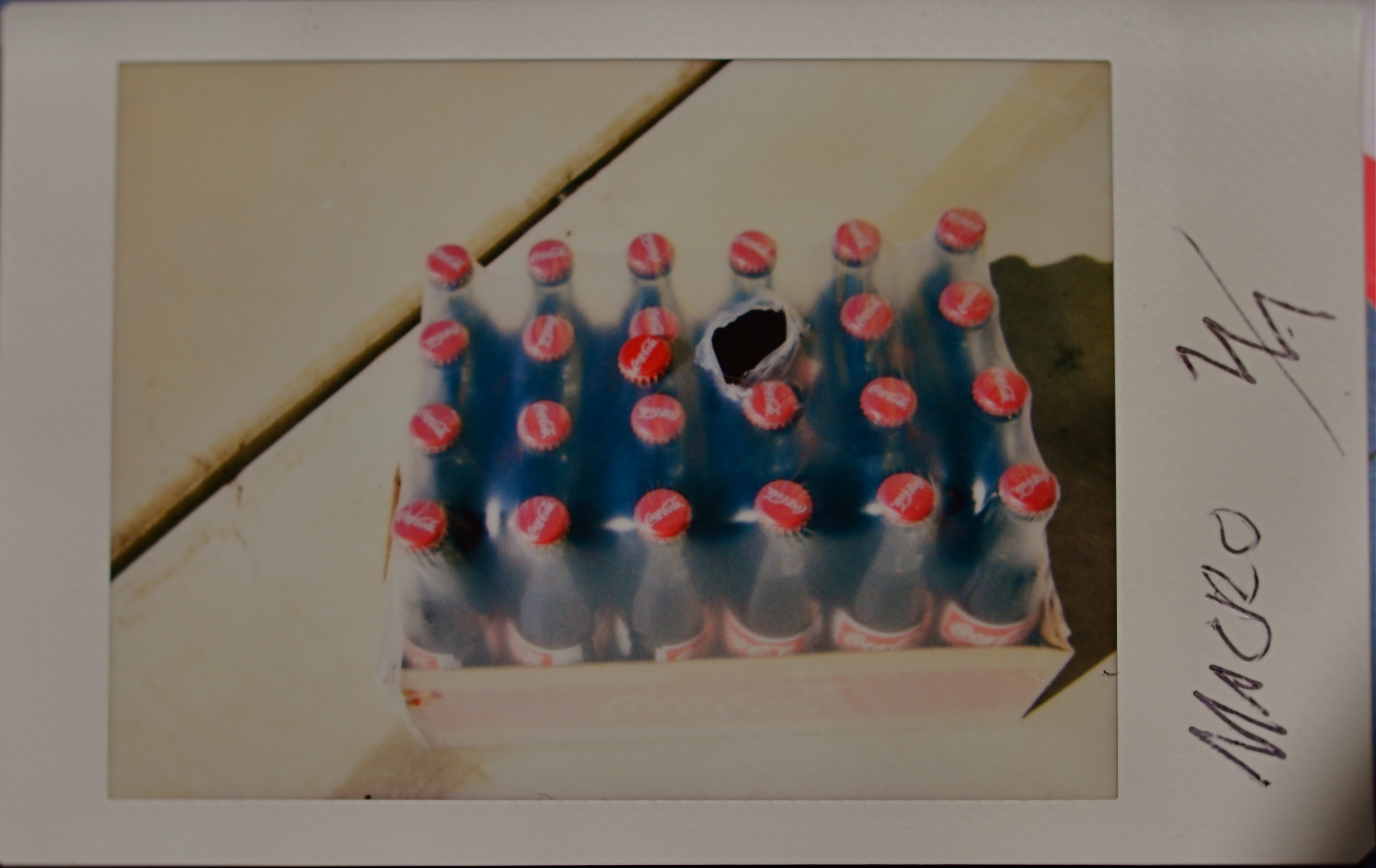 SINCE I FIRST WROTE, several months back, about using my cellphone as a “sketch pad” for the first versions of images I would later finalize on a more adjustable camera (SLR, mirrorless, etc.), I’ve seen quite a few photographers confess to the same practice. As I said before, it’s not as if the cell isn’t a “real” camera, but that working with it is less mentally formal, less hemmed in by strict rules, than the cameras many of us cut our teeth on. At present, cells promote a more spontaneous, improvisatory approach to picture-taking: we produce work very quickly, and even our bombs have a short learning curve. We then make a second pass at the most promising “sketches” with cameras that both promote and reward deliberation.
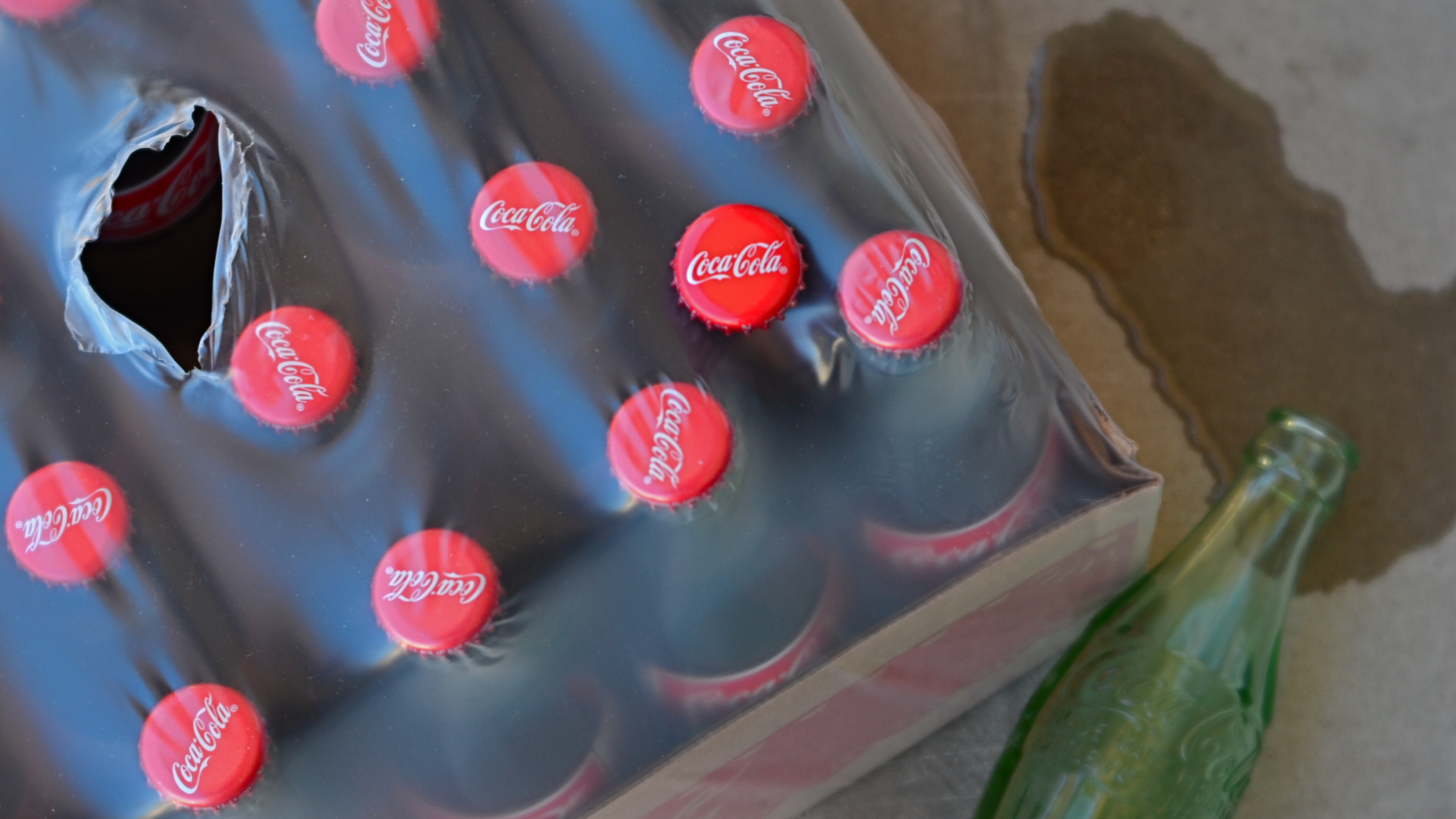 Now I’m enjoying yet another variation on this formula as I play with the first instant film camera I’ve owned in nearly forty years. Optically, my Fujifilm Instax 90 is less precise than my mobile phone, and miles behind a full-function SLR. However, the “feedback loop” from snap to physical print rivals the turnaround time of a cell, and I have used some of these medium-fi images as dress rehearsals for shots that only my more advanced cameras can properly finesse. The main difference here is working with film, which translates to how fast and how freely I shoot.
Cels are technically limited, but you can shoot endlessly for free, so it’s tempting to experiment without regard to anything except the moment: very intuitive. By comparison, film is finite. More importantly, your shots, both home runs and strikeouts alike, all cost money. If you’ve never shot film (ya young whippersnappers!) it’s really a trip learning to “budget” your shots, weighing all the stuff you want against the physical limit of shots you actually have to work with. Old guys like me had lots of reasons to desert film for digital, but being freed from the tyranny of the wallet was my personal Numero Uno.
So, if you follow this strange line of reasoning, here’s where we stand: an instant film camera gives you a fast result, but the low volume of output (just ten shots per pack of Fuji Instax Mini film) and the cost (nearly a dollar per shot) means that you will be shooting slower and more deliberately than with a cel. You’ll be actively planning your shots, editing your projects on the fly, and producing a smaller yield of “possibles” to refine with a higher-end camera. Or you might do such a bang-up job with your film sketch pad that you produce your ” keeper” right then and there. In the two cases shown here, the Instax shot shows me that the central idea (the punctured shrink wrap atop the carton of Coke) can be improved by including a spent bottle on the side and tightening up the frame, allowing my Lensbaby Velvet 56 to show the textural variances in surface tension, something the Instax isn’t precise enough to do. The Lensbaby can also deliver a wider range of tones and deliver sharper focus, albeit within a soft glow.
Will this tortured method ever become your own? Really doesn’t matter. Your results may vary, as the man says, because they are yours. There are many routes to the promised land. Take the expressway or slog along the old dirt road. Just get the shot.
WORDS FAIL ME (AND MAYBE THAT’S GOOD)
By MICHAEL PERKINS
GIVEN THAT THERE’S AN ELEMENT OF CHANCE in even the most carefully planned photographs, it’s tempting for me to think of some pictures as pre-existing, like a piece of fruit that might well hang on a tree forever unless you happen to walk by and pick it. People sometimes refer to such images as being “captured”, but maybe “harvested” is a better word.
That would explain the photographs that you don’t, or can’t plan, the ones that are unbidden but also undeniable. Of course you don’t ever have to take a picture, but under the right circumstances it can sure feel that way.
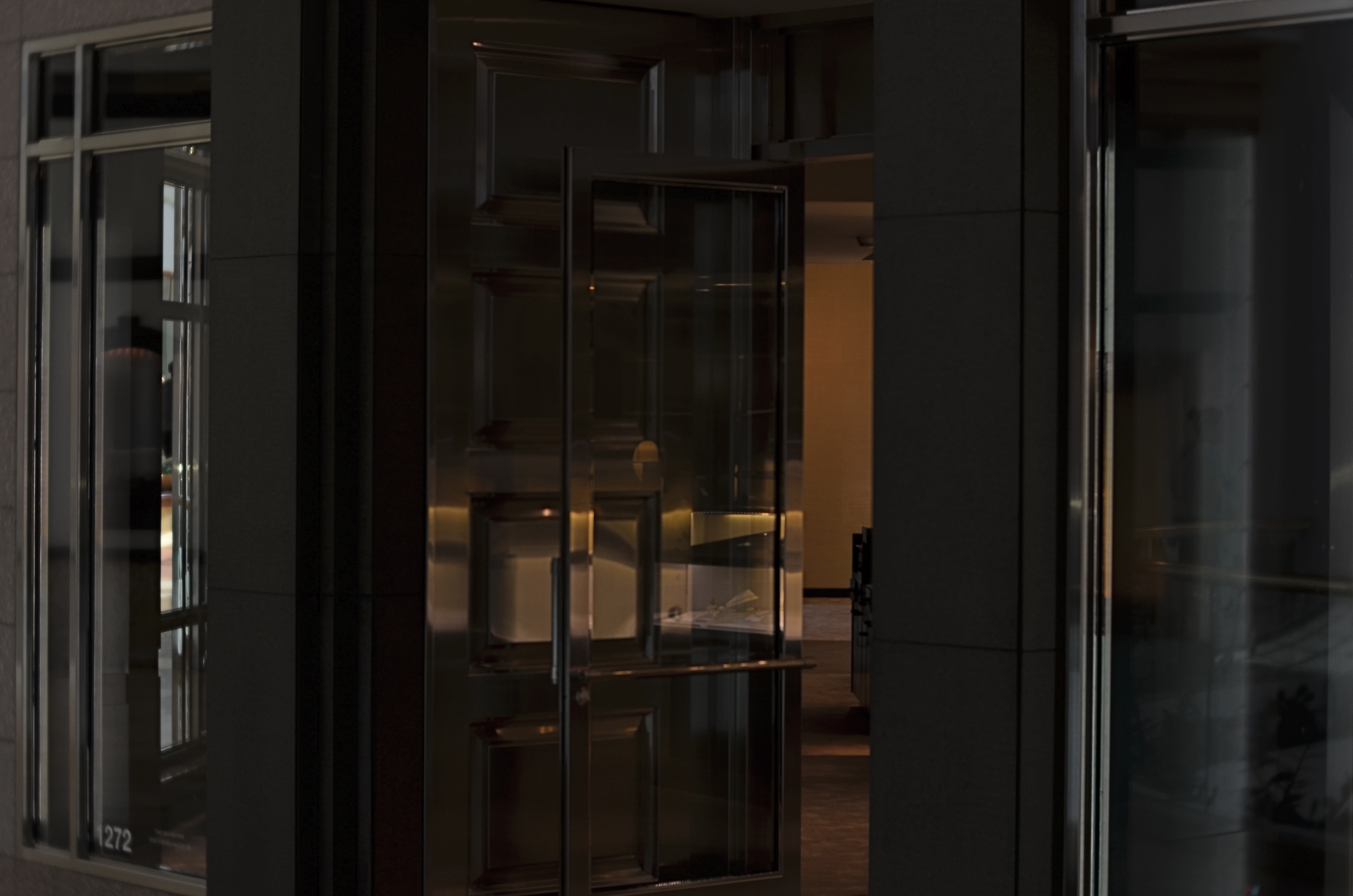
Which leads me to this image. I don’t understand a thing about it except that I had to take it. I can’t offer a thrilling backstory about its creation because I wasn’t its “creator”. I likewise can’t offer a thoughtful analysis or provide the illuminating context that makes its message shine forth. Honestly, this picture isn’t “about” anything, despite the fact that I’d love to spin you a thrilling tale, some revelatory saga that reflects my sheer genius. But eventually, the picture isn’t anything but, well, this picture.
In an instant, as happens to everyone, I had a second to decide to buy or not buy, and I bought. God knows why. We all love to think that everything in art happens for a reason, as part of a plan. We can often shy away from “pure” or “absolute” photography, but, if we’re honest, we can’t explain all of the images we harvest/capture/ stumble onto. We love to think we’re always in charge of our process.
But guess what……
ARTIFACTS
 By MICHAEL PERKINS
SOME OF THE BEST PHOTOGRAPHS come riding in on the backs of the scrawniness stories, like Don Quixote limping into town astride Rocinante. To be sure, images are evidence, proof of a kind of a person’s various truths or journeys in life. But there are times when that evidence is scant, hidden, confined to the dimensions of a bone, the chip of a cup, The Dress She Loved.
Or a tool.
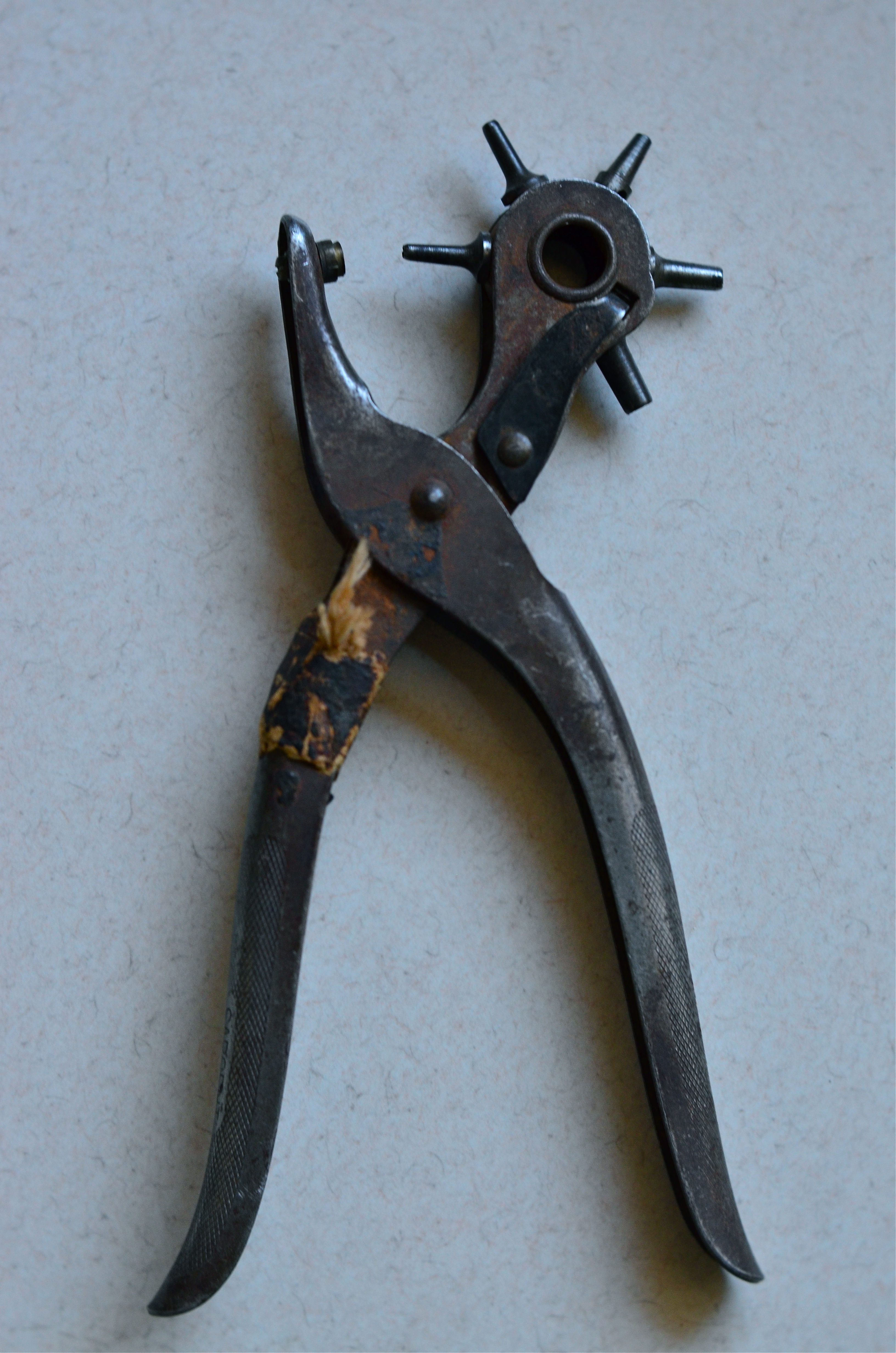
Like the camera itself, the tool is a device designed to work its wielder’s will. Case in point: the instrument at left, a punch for cutting holes into leather, a device which has no other official function than to execute the hand movements of the shoemaker who once owned it. A thing created to dumbly create other things.
But now, absent its master, it is also testimony.
With the shoemaker gone, the tool becomes a partial proof of his life, a defining characteristic of the way he made his living. It’s also a kind of miniature history of things in general, a living demonstration that, literally, “they don’t make ’em (or him) like that anymore”. In photographing the things people carried, which now must speak for them, I use the sharpest, most accurate lenses I can, using nothing but opaque backgrounds and soft window light, seeking the registration of every speck of patina, rust, discoloration or personalization available. For example, I love the worn fragment of leather glued to the left grip of the punch. I know, historically, that this particular tool was not originally made with any such pad or cushion, and so it had to have been the very human creation of its owner, an attempt to add a smidgeon of comfort to what must have seemed an endlessly repeating task.
I have photographed many artifacts from people I either knew too little or too briefly, from military decorations to cameras to scientific instruments to pocket watches. All reveal quiet stories about the vital beings who once thought of their quotidian uses as the stuff of forever. Now, weilding my own tool of trade, I can extend tiny bits of those forevers into a few more precious days.
“LIKE”-MINDEDNESS
By MICHAEL PERKINS
ONE OF THE MOST INTERESTING THINGS about reading photographer’s discussions of their most celebrated work is that, frequently, they can only guess at what accounts for the success of one of their images over another. Even more fascinating is when they express their dismay that some of their personal favorites actually fail to connect with the public. I take heart at such accounts, because I, like many of you, have no idea what makes a photograph “work” for anyone else…not, at least, beyond what I hope for.
This, to me, rates a “hilarious” on the irony meter, since the present age values “likes”, “faves”, and “LOVEs” above all other laurels in photography in a way that has made us slaves to popular approval even as we remain completely clueless as to how it’s earned. No cute tricks succeed. We can’t just replicate what people liked about our past stuff. We can’t cynically analyze what vaulted others’ images into the like-o-sphere. We can’t even play to what we believe others’ biases to be. And, for the sake of our photographs, we’re foolish to even try.
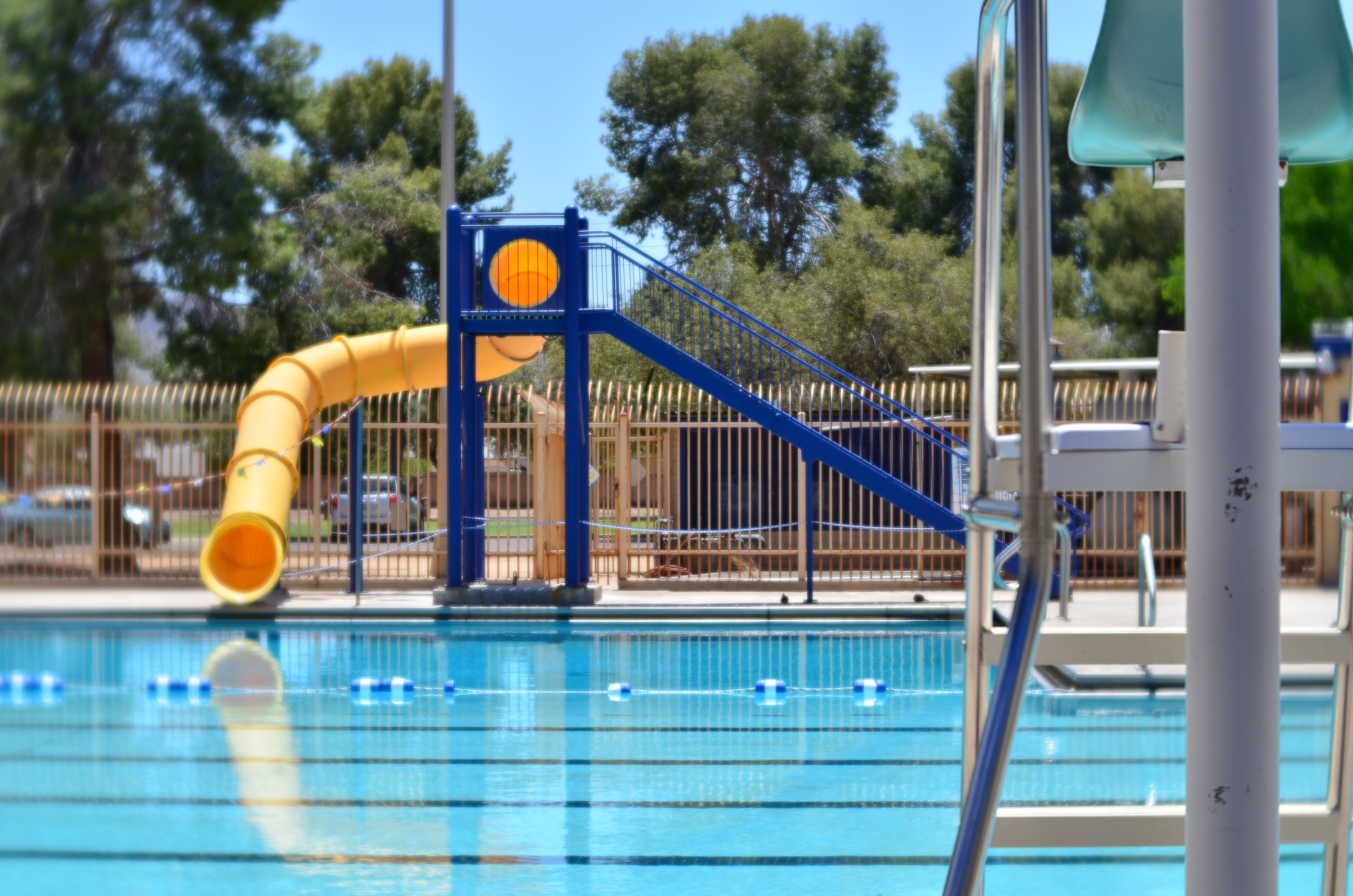
As a personal illustration of my point, I have absolutely no idea why this image has, at this writing, racked up over 4,000 views in the space of three days. This is not me boasting. To boast, I’d have to be taking credit for something I understood or had something to do with. No, this is me being dumbfounded. The picture represents, for me, the most transitory of whims, a final frame clicked off in impulse on the way back to my car after I thought I’d done the “important” work of the day. I thought there was something mildly (underlined) interesting about seeing this public pool “at rest”, if you will, just a week ahead of the end of the school year. No kids. No noise. Not a ripple or a wave to be had. A picture of something that hasn’t happened yet. That’s it. It was truly a case of “let’s shoot this and see what (excuse me) develops”.
And so the views and likes pile up for this one, and knowing that fact is no help at all. I want to take the brief flashlight being shown on my least favorite child and shine it on my pet instead, but it don’t work that way. Humans are perverse. We desperately seek to make a connection, then kvetch about whether it was done with AC or DC current. We want you to like us, but we want you to like the same thing about us that we like about us.
This gap between what photographers hope is important and what strikes everyone else as noteworthy reminds me of the actress Nastassia Kinski, who once came onto the Letterman show with her hair pasted into a straight vertical spike two feet high. Dave decided to act as if this were as normal as having a nose between your eyes and proceeded through the the interview without a remark. As the segment drew to a close, a slightly desperate Kinski purred, ” you haven’t asked me about my hair..”, to which Letterman replied, “Oh, you want it to look like that…”
THE INVISIBLE MIDDLE
By MICHAEL PERKINS
 GIVEN THAT JOB ONE, FOR A PHOTOGRAPHER, is maximizing his ability to see, it’s worth considering how we unconsciously condition our eyes not to see….to, in a way, confer a sort of invisibility on whole big chunks of the viewable world. It’s not that those chunks can spontaneously vanish on their own: it’s that we, in the act of managing the everyday flood of sensory information, prioritize some data above others. The lowest priority data effectively becomes invisible.
Cities provide an interesting example of this phenomenon, which I term the Invisible Middle. The upper stories of the buildings in a metropolitan are clearly noticed as “treetops”, clusters of skyscrapers easily apprehended from a distance. Equally visible are the bottom, or street-level layers of cities, the door-to-door sequences of businesses that parallel our daily journeys, the very stuff of habit. By contrast, the details of urban life from just above our line of sight all the way up to the spires and crowns of the skyline can become phantom acreage, something our schedule doesn’t demand that we notice.
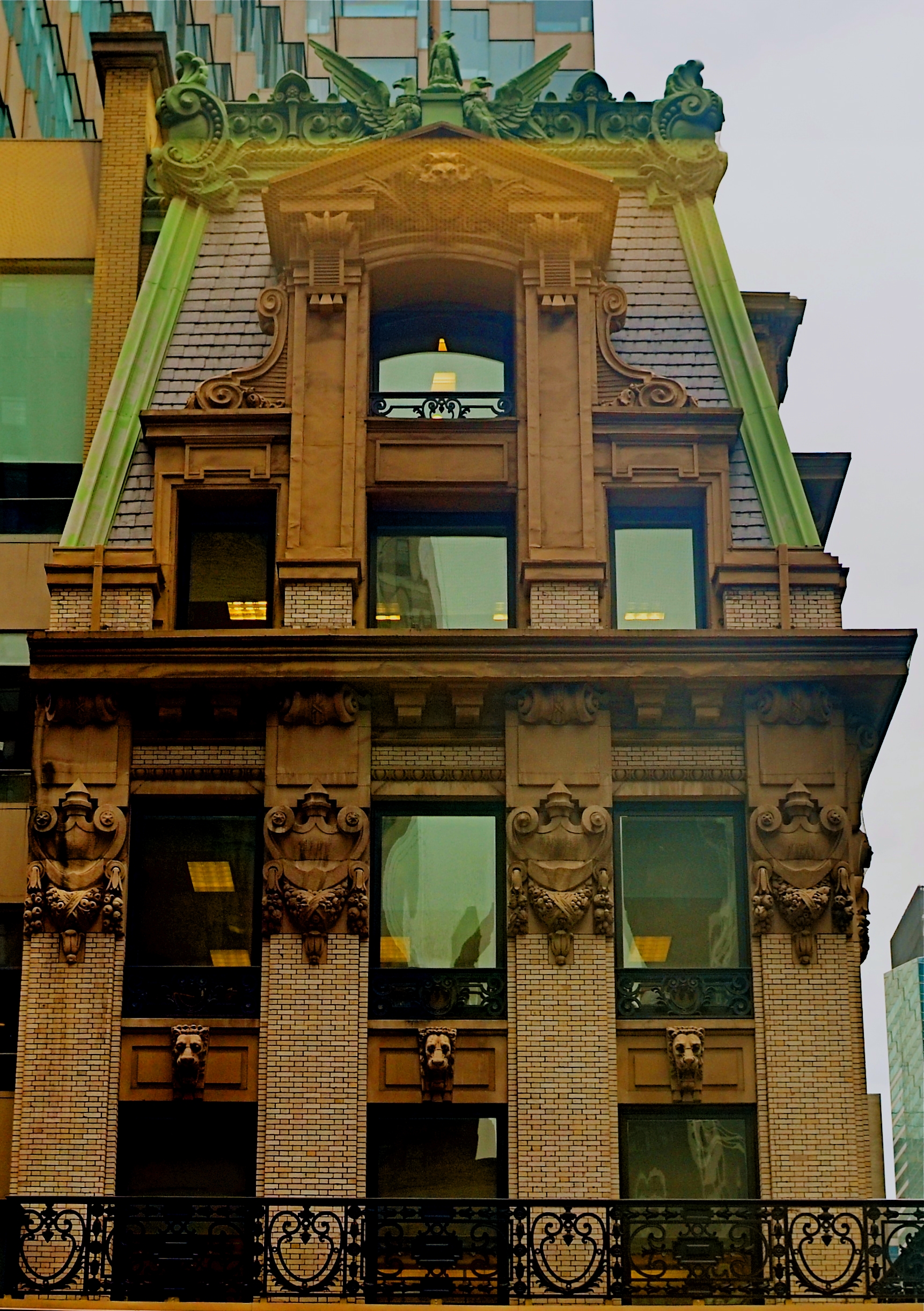
As one example, the building shown here, 452 Fifth Avenue in New York City, presents a magnificent face to anyone lucky enough to be in a position to crane their neck just a few extra floors above street level. Built in 1902, when a ten-story building was still a big deal in Manhattan, the Knox Building, named for Edmund Knox and the hat factory that made him a millionaire, was an anomaly from the start. Knox decided not to engage just any architect, but to hire John Hemenway Duncan, the man who had designed both the memorial arch at Brooklyn’s Grand Army Plaza and Grant’s Tomb, an act slightly akin to hiring Frank Lloyd Wright to build you a 7-11. Decades later, however, having survived years of attempts to raze it, the Knox landed on the National Registry, and in the 1980’s, got a new glass tower wrapped around it to make it the crown jewel of a major midtown banking complex. If one of Mr. Knox’ hats were still available, giving it a tip would be an apt gesture of respect.
This particular view was chiefly available to me because I was seven floors up in the building on the other side of Fifth Avenue. Vantage point gave me access to this part of the city’s Invisible Middle, but, more importantly, it left my eye hungry for more, and just a little more trained as to the complete range of places to cast my gaze. Because of this lucky accident, I may, in future, also do other good things….on purpose.
YOURS (FOR THE MOMENT)
By MICHAEL PERKINS
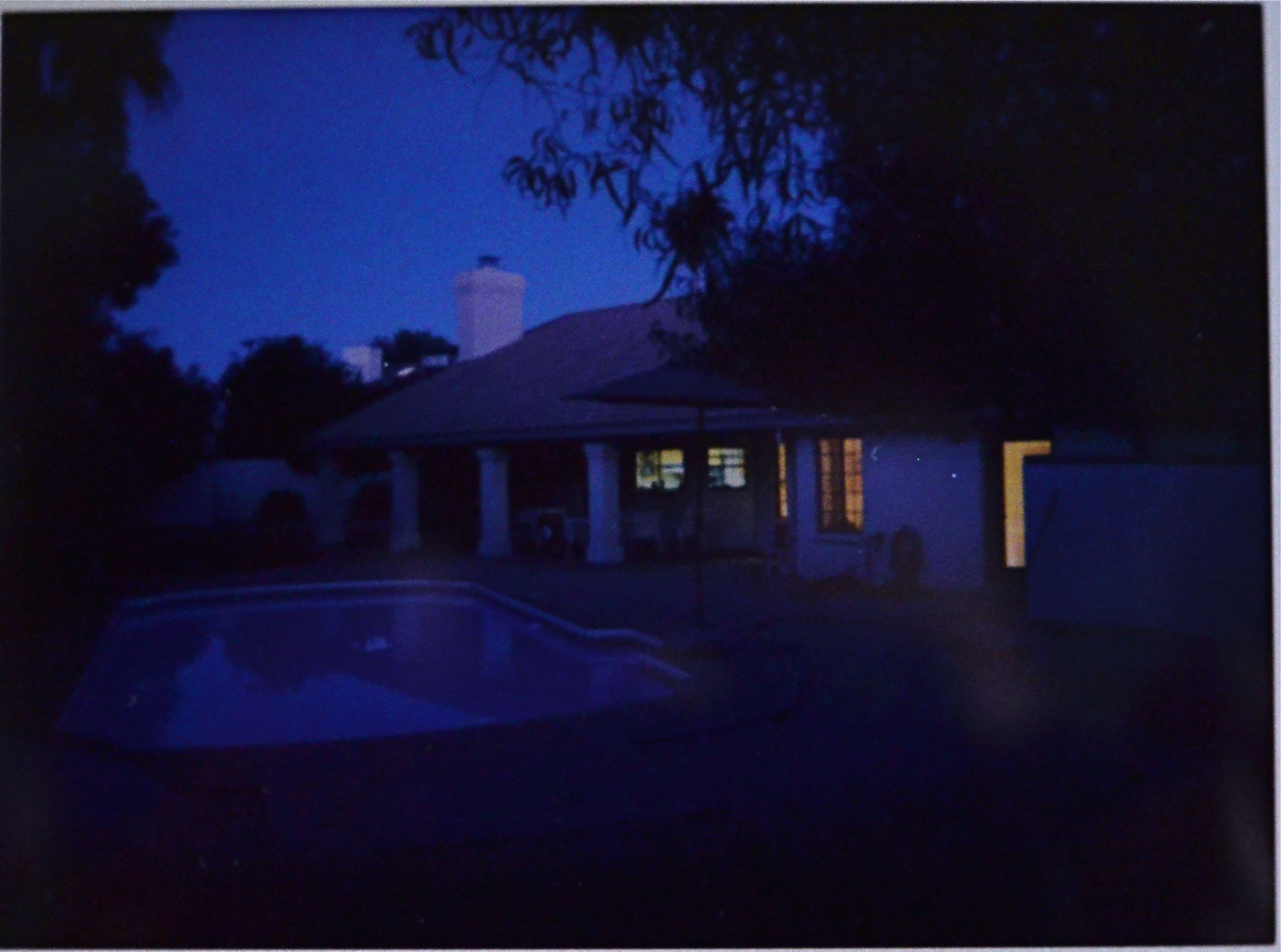
A ten–second night exposure from a Fujifilm Instax camera.
INSTANTANEOUS PHOTOGRAPHY, or at least the analog experience of rapidly developing film photography (in the digital era, all pictures are ‘instant’) has always been more about emotional excitement than technical satisfaction. In terms of lens and camera design, the idea of “instant” has consistently been more powerful than the reality.
The recent “second wave” of instant camera and films, now spread across three main companies (Polaroid Originals, Lomography.com, and Fujifilm) reproduces the thrill aspect that typically accompanies nostalgia, but also seems, at least in the case of Fujifilm, to actually move the technology from its take-it-or-leave-it roots, attempting to design gear that is substantially more attuned to photographers’ needs than a plain vanilla shutter button. Moreover, Fujifilm has also created a film which beats the competition in both color rendition and price point.
The Fuji Instax Mini system, which produces pictures of 62mm x 46mm versus the historical 79mm x 79mm dimensions of the Polaroid, includes more than a half-dozen models that, while hardly full-function by any realistic yardstick, do afford shooters a variety of fixed-aperture shooting modes, including macro, landscape, “party”, and “child” options as well as a “bulb” mode for time exposures (of up to ten seconds), a self-timer, and even a double exposure setting. Like Pinocchio, the Instaxes are not yet real boys, but they can sorta kinda walk and talk like one.
Some Fuji instant models offer double exposures.
As for the competition, Polaroid Originals (the zombie resurrection of the old Polaroid carcass) still hasn’t perfected its watery-looking color film (or its horrendous $2-per shot cost) but has begun making new cameras again. Spoiler alert: they’re a crude reboot of the old One Step system, which is to cameras what Frankenstein was to smooth motor skills. As for the instant camera line from Lomography, they continue that company’s well-established tradition of charging you a stiff excise tax on hipness which is totally unwarranted by the product’s actual performance.
The images you see here, examples of double and time exposures, are both from a Fujifilm Instax Mini 90 NeoClassic, the top of the company’s line and the closest thing that currently exists in the instant universe that can reasonably be called a camera instead of a toy. Hey, it’s a start. The first golden age of instant photography undoubtedly produced a lot of smiles. The technology’s second act could finally produce cameras worthy of all that global good will. Or it could all vanish again. In an instant.
PARING AND SPARING
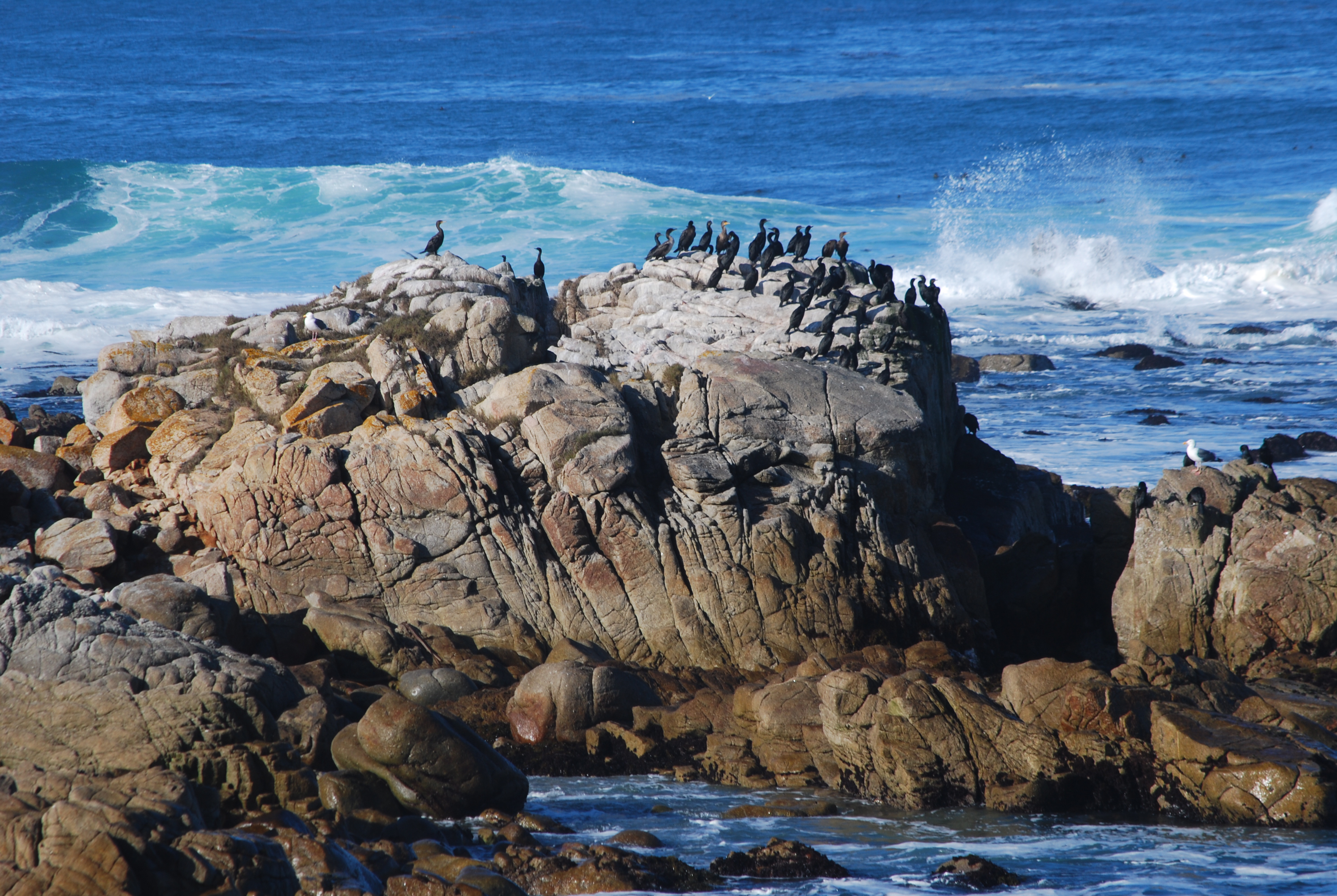
Standard landscape composition. Lots of….well, everything.
By MICHAEL PERKINS
ALL REAL ESTATE IN A PHOTOGRAPH IS PRIME REAL ESTATE.
Space within a composed frame must be earned. Every element that doesn’t strengthen or streamline a picture’s narrative power is detracting from it. Remembering this simple rule makes editing as easy as it is essential.
It’s usually true that you add something to an image by taking something away from it. This can seem counter-intuitive when shooting landscapes, epic-sized collections of scenic…stuff, where wide-angle lenses rule the roost and it seems to just make sense to crowbar as many trees, mountains, and waves as possible into the scene, as if more will automatically be better. However, the same thing is true of vast vistas that is true of smaller ones: there are few photographs which are uniformly strong from top to bottom, end to end. You have to find the strongest core within the larger picture and pare the rest away.
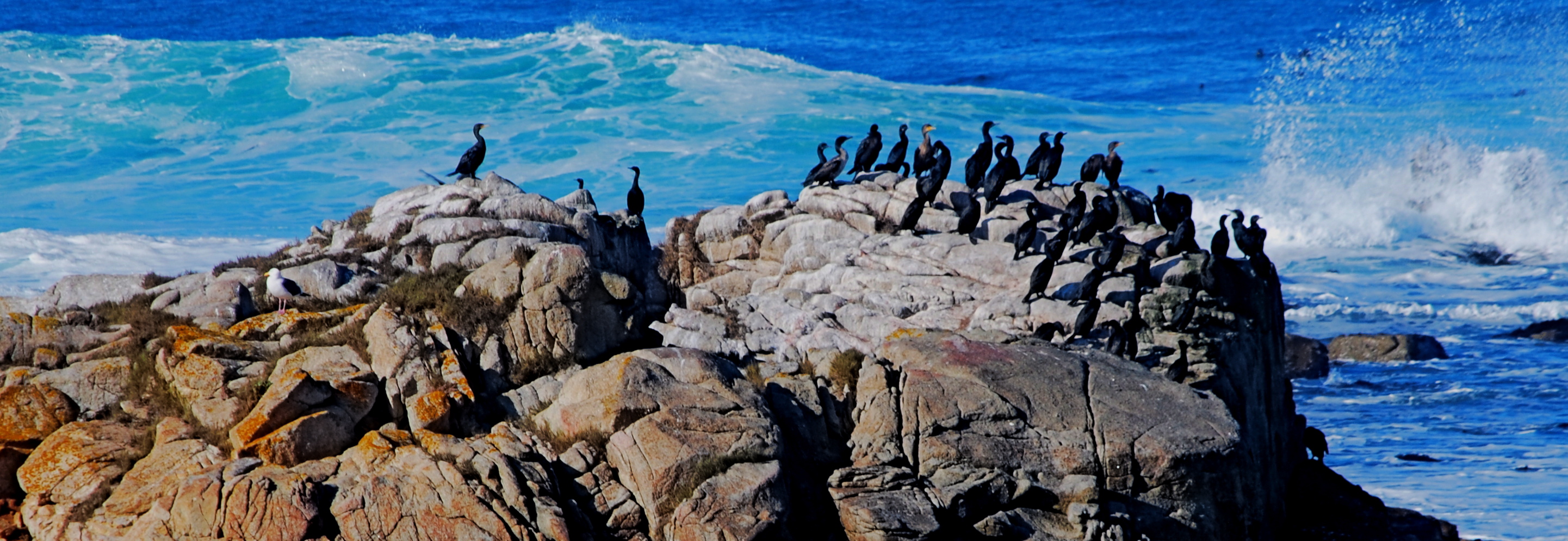
The tighter shot lurking within.
I call attention to this because, slow learner that I am, I can often spend years coming to the conclusion that one of my pictures has been weakened or held back by a hyper-abundance of information. The topmost shot, an original from a 2008 trip to Carmel, California, is a case in point. None of the visual elements are particularly wrong: it’s more like they are simply too plentiful. There’s just too much sky, sea, and stone…..that is, far more than is needed to sell the story.
Worse, the grouping of birds at the center of the frame, which is potentially strong enough to economically make smarter use of all those other elements, is being buried under all the surrounding… padding. The eye is being asked what to prioritize as it wanders its way through too much picture. By comparison, in the second shot, reframed as a mostly horizontal composition with the birds bumped up to prominence, the picture is now telling the eye what to see.
Which only serves to illustrate that what is left out of an image is just as important as what is left in it. Just like you can muck up a story with too many plot lines, you can get in a picture’s way by making its narrative take too many detours. Say what you have to say in the cleanest way possible, and then drop the mic.
THE PAIRING
By MICHAEL PERKINS
NEW PHOTOGRAPHERS TYPICALLY EXPERIENCE A MAJOR DISCONNECT between what they visualize and what their camera can realize. The gap between what you want and what your gear can deliver is initially very wide, mainly because you haven’t yet learned how to tell your camera what you want.
This gap is usually narrowed as you simply spend enough time with your equipment. But a true pairing, a real Harry-Potter-sorting-hat bond between yourself and a camera calls for a much deeper knowledge….of your needs, certainly, but more importantly, of what your camera is capable of doing for you. Sure, the more you shoot, the better you generally get at asking it to perform specific tasks, but to cross over into excellence you also will know more precisely what that device’s strengths and limits are.
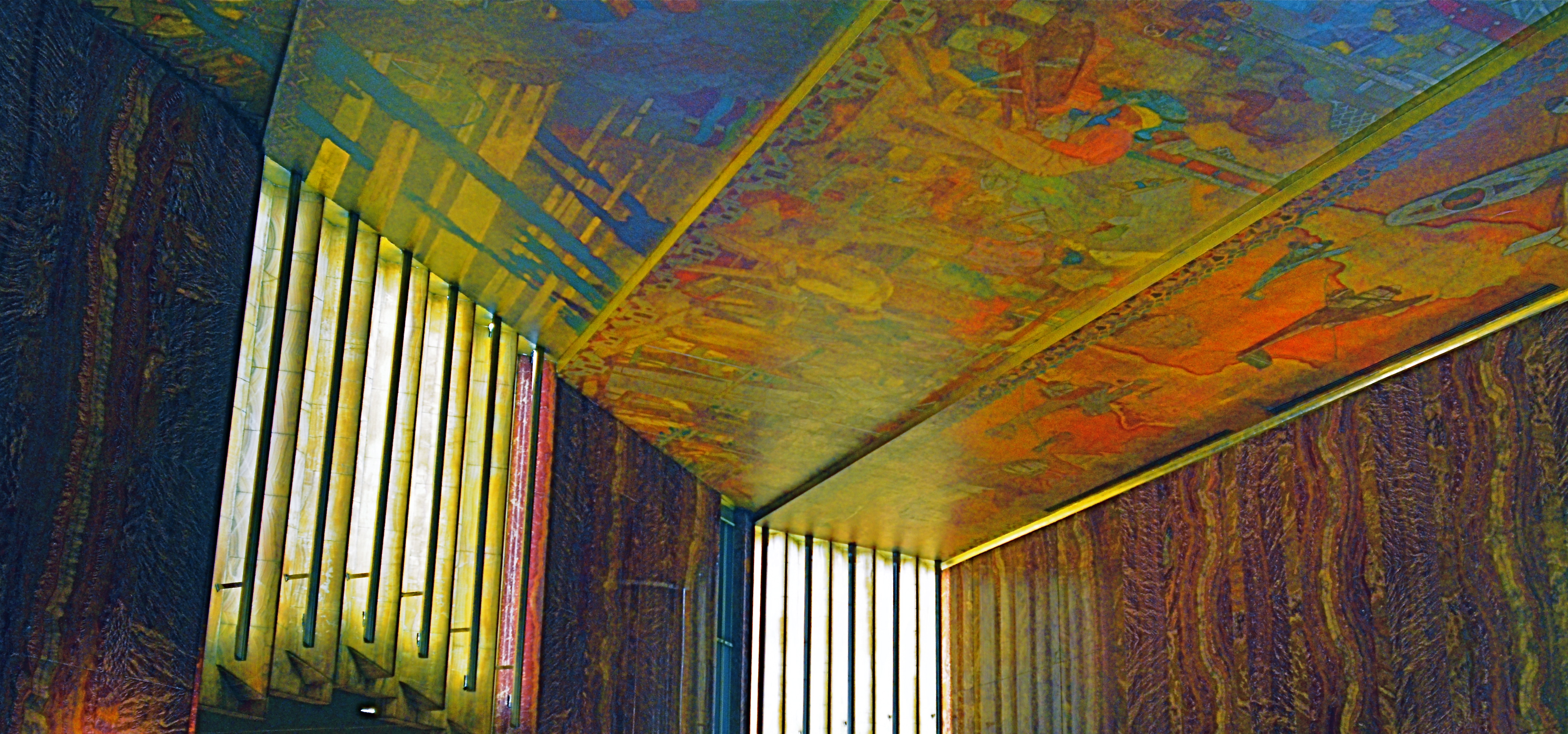
Hundreds of factors determine what makes a camera right for you. Is the camera too basic to deliver, or too advanced for you to handle? Is its lens unsharp at the corners? Does your shutter lag? Do you want the camera to technically underperform to achieve an artistic effect? Can it reliably be counted on to shoot 95% of what you need, especially if it’s the only camera you can pack? How is its color rendition, its speed, it flash output, etc., etc.?
The image seen here is not really an example of anything except that, on the day I took the subway into Manhattan to attempt it, I knew I would not want to walk the city sidewalks laden with equipment. Certainly I did not achieve everything I was after with this shot, taken inside the lobby of the Chrysler building. However, I now know that I brought the one lens that gave me half a shot at getting something. What I’m saying is that, if I hadn’t known my equipment, I would not have been able to to even try to make that choice.
You will eventually have spent enough time with your cameras that you will know within an instant which one to grab for any given job. You’ll prepare better, waste less time, and ask “what happened?” far less often. And from that toolbox, one camera, one nearly perfect link to your skills and vision, will eventually emerge over all the others as the predominant “go-to” in your arsenal. And once that pairing is complete, you’ll be able to shoot anything, anywhere, under any conditions.
FOR THOSE JUST JOINING US…
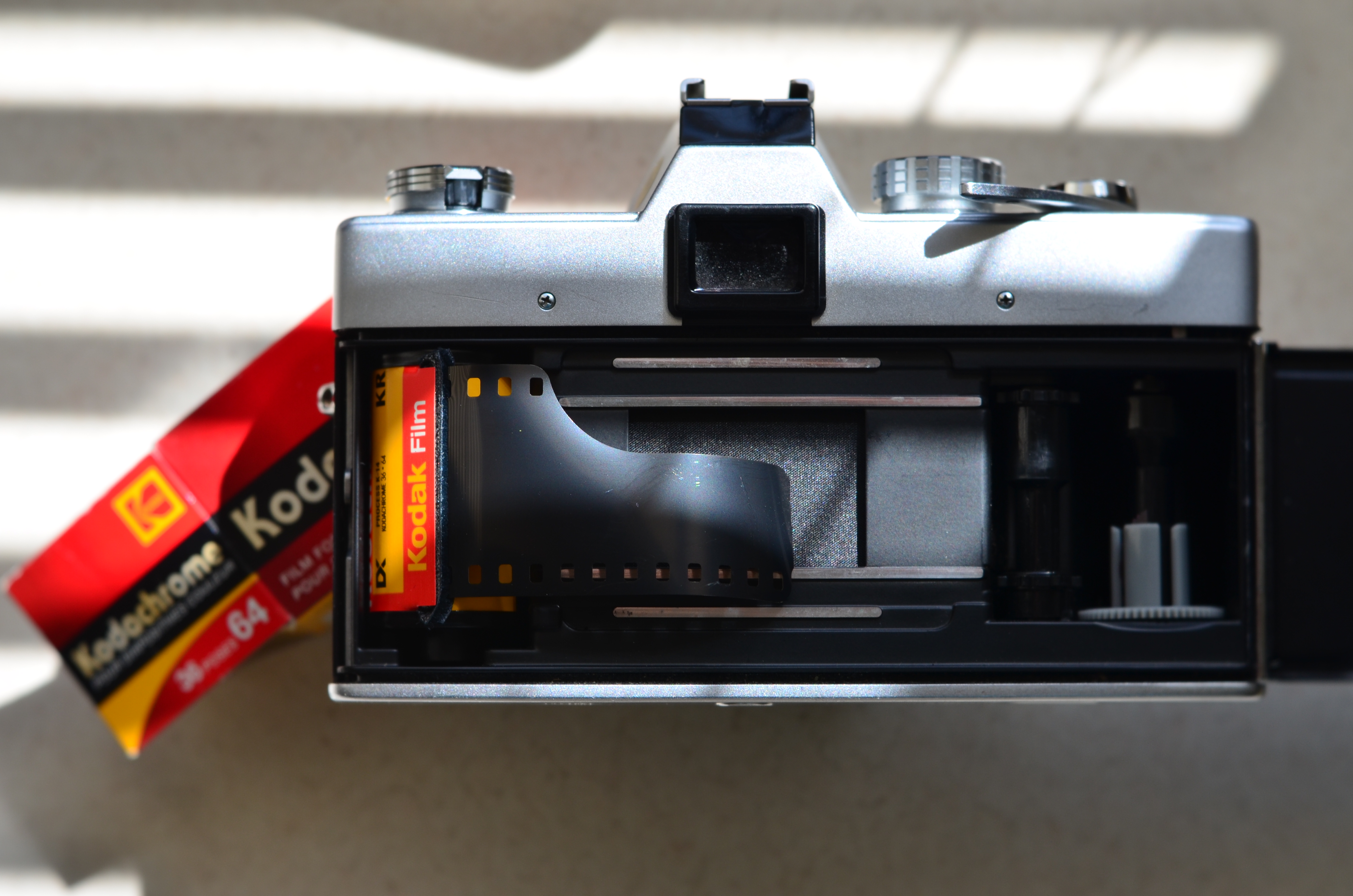
By MICHAEL PERKINS
IT’S NOW OFFICIALLY BEEN “A WHILE” since I last did a group thanks/welcome to the many of you who’ve joined The Normal Eye in recent months. I apologize for the lapse in manners, and assure you that, while I usually use the right spoon for soup and cross only at the light, I still haven’t gotten around to getting my 1987 Christmas cards sent out. It’s a process.
So, assuming that a particular post has recently motivated you to subscribe to this here small-town newspaper, thank you. And, as a way of demonstrating what to expect from us on a day-to-day basis, here’s a little backstory on TNE:
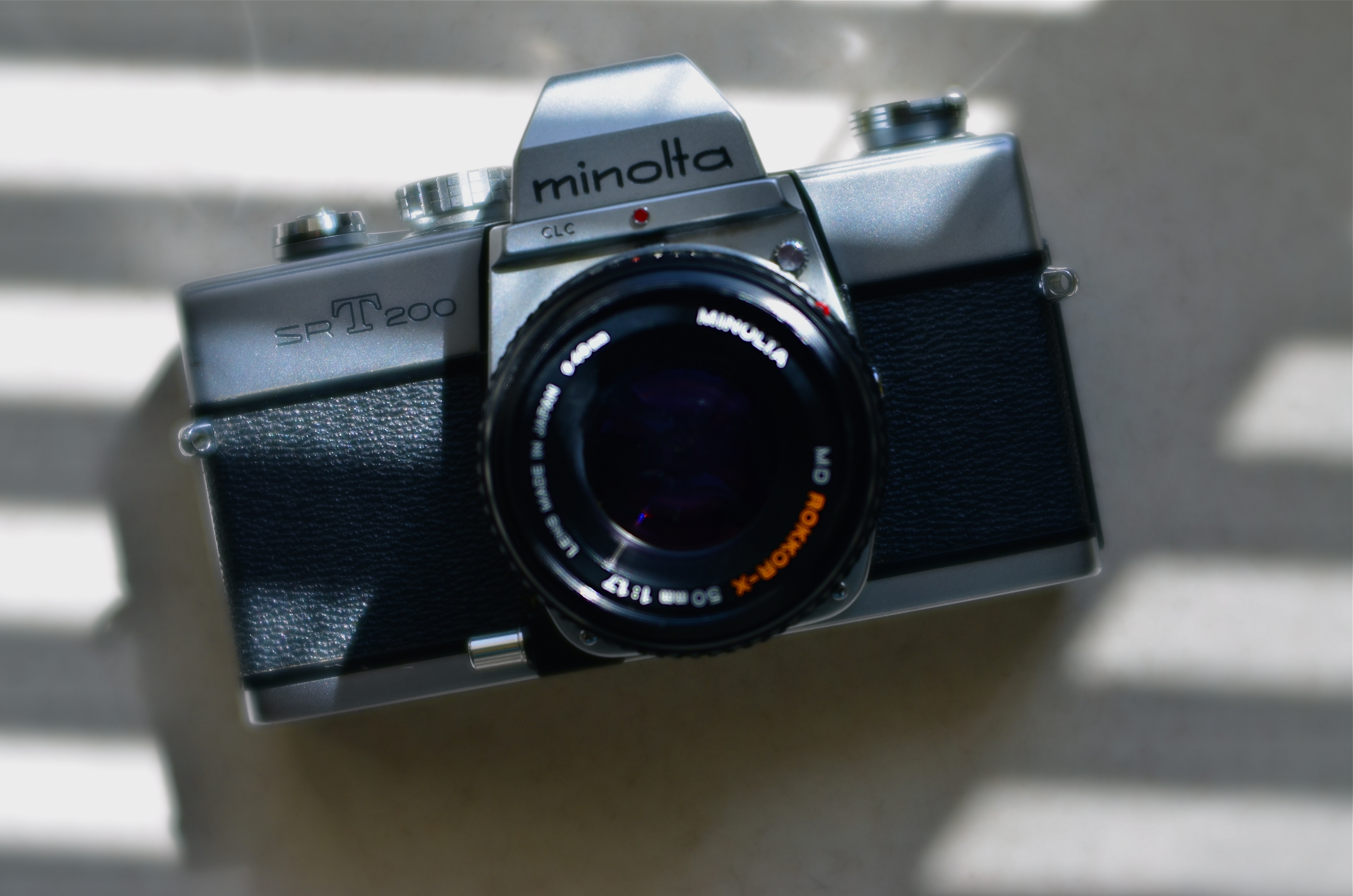 I wanted to create this forum because I feared, at the beginning of the digital age, that photography was becoming a reflexive act, a kind of knee-jerk spasm made ever more convenient but also more robotic due to amazing technical advancements that were almost literally taking the pictures for us. For sure, much of the muss and fuss of film was going away (a net gain), but the incredible foolproof–ness of even the most basic digital cameras was making speed and ease bigger considerations than the skills of seeing and planning, the most valuable traits of the slower, analog world…. a net loss, it seemed to me, for photography as an art.
Now to be clear, this platform is not, and has never claimed to be, a technical tutorial, and indeed the percentage of how-to advice we feature has always lagged way behind the why do it stuff. The Normal Eye is an examination of motivations, a way of restoring the human eye to its primary role in how pictures are made…..of normalizing it (hence the name). The eye outranks equipment, formats, subject matter, even formal training. With the eye, you can master your message with a cardboard box and a pinhole: without it, you won’t get your image made with an army of Leicas.
Happily, in the intervening years, the tide in all phases of photography has begun to turn back toward the instinctual, with amazing work by the world’s shooters that is once again placing technology in the service of the imagination. From the Lomography and Lensbaby revolutions to the resurgence of all-manual “art lenses” to a re-evaluation of (and partial return to) film, the art in photography is reasserting itself. Certainly no one answer works for everyone, but the questions are getting better.
So that’s what you signed up for: a conversation, a confrontation, a refusal to think of any single method or approach as “final” or “definitive”…..a promise to yourself to make pictures on purpose, with eyes wide open.
Optimized.
Normalized.
Thanks for joining the party.
TRUE LIES
By MICHAEL PERKINS
NO SOONER HAD THE INFANT ART OF PHOTOGRAPHY asked the world of the 1800’s to trust it as the ultimate in visual verity (the camera doesn’t lie!) than it also began to turn itself into the most unreliable of narrators. Truth-telling and bald-face lying grew up side-by-side in the picture-making world, and they have been conjoined twins ever since. If P.T. Barnum was right that “there’s a sucker born every minute”, then certainly every one of those chumps has had his very own faked photograph.
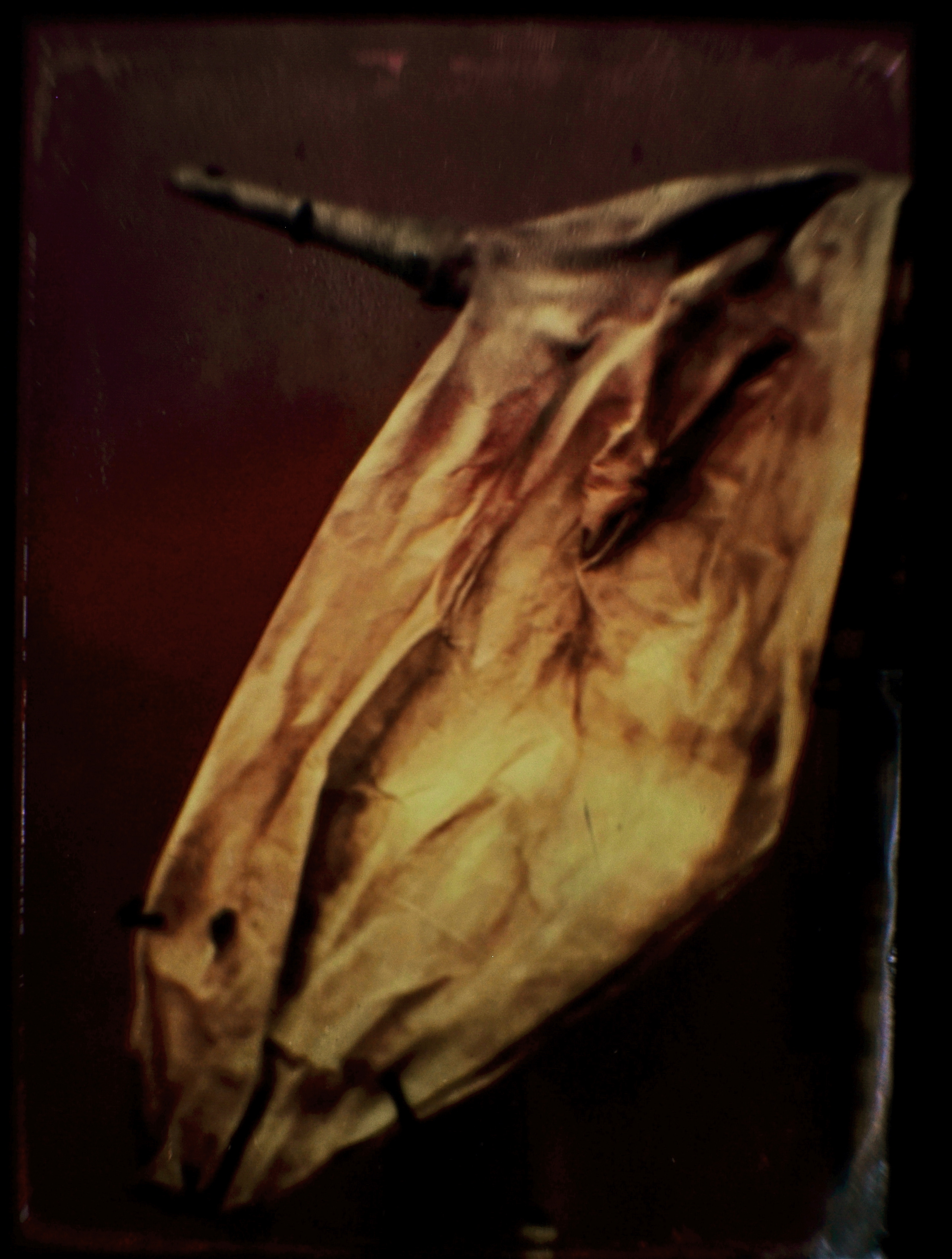
Barnum’s “Mummified Unicorn“, 1893 (?)
Some of the fraud has been benign, as when Julia Margaret Cameron dressed up her friends to portray the great authors and heroes of history, or when landscape artists combined seashores from one negative with clouds from another for a pleasing montage. Other fakes were more sinister, with nations manufacturing claims of war crimes against their foes or tabloids “proving” conspiracy theories with massaged “evidence”. And somewhere in the middle has always been the “that’s not real, is it?” photo, something which we can’t allow ourselves to either believe or resist, the charming charlatan, the obvious put-on.
Barnum and his bunch were fairly coy about their fakery, filling the first era of mass-produced press photography with doctored images that were literally too good to be true and challenging all comers to verify their veracity. Today, fakes are more ironic than compelling, since the tools to concoct them are so universally available as to make them commonplace. The object isn’t so much to actually fool anyone, but to comment on how easy it is to make the camera lie.
Years after Barnum’s death, the circus that later bore his name actually made a half-hearted attempt to concoct its own “unicorn” for its shows, something even the great humbug himself never did. Using a phone app, indifferent lighting and focus, and the freakishly arranged shape of an old bagpipe on display at Phoenix’ Musical Instrument Museum, I worked up a reasonable fake tintype of a unicorn’s mummified head, the like of which might have graced the master showman’s old dime museum. It took me about five minutes.
The main difference between the fakery of the Victorian age and the variety we practice today is that, in the 21st century, the fakers, myself included, confess right away. We want to get the points for being oh, so clever. And since you know we have the means to show you anything, we already know you believe almost nothing, so it’s no longer about convincing you a unicorn exists. It’s about the ride.
Photography didn’t just arrive at the place where truth is negotiable, anymore than fiction just recently became about “making stuff up”. We pitcher folk have always been, to a degree, untrustworthy. But as Barnum said, “the bigger the humbug, the better people will like it”. Hurry, hurry, hurry…… step right up….
SAFE AT HOME
By MICHAEL PERKINS
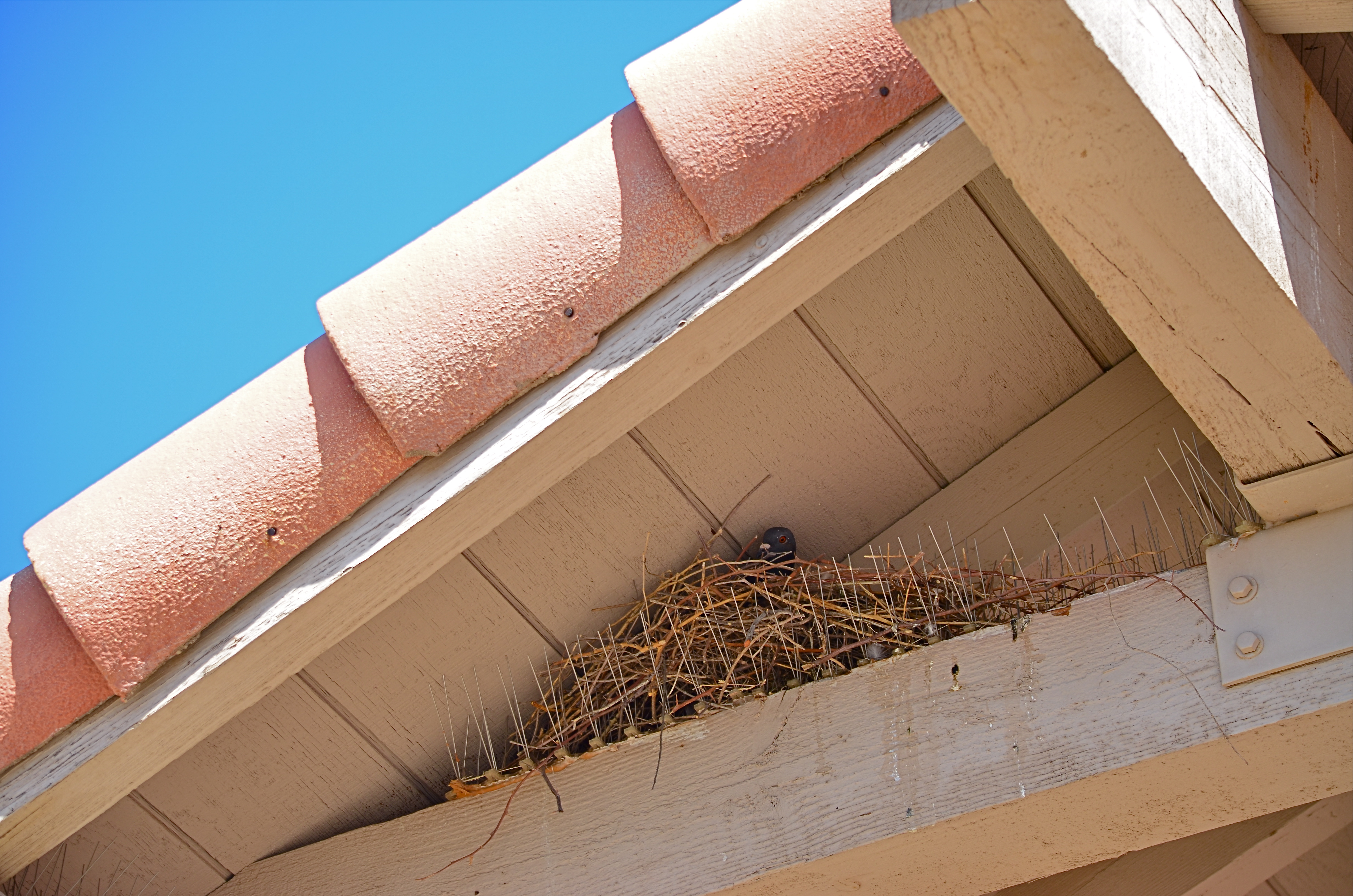
IF YOU WANT TO HEAR THE UNIVERSE LAUGH, goes the adage, make a plan. Or, in my specific case, if you want to ensure that pigeons hang around your house forever, make a plan to keep pigeons off the premises.
Start by installing tiny metal spikes in the cross beams right over the entrance to your front door. You’ve seen them, those steely porcupine quills designed to bar entry to all the nooks and crannies where birds love to assemble to conduct aerial assault on your sidewalks. Spikes go up, birds get packing, no cruelty, no pavement poo, everyone’s a winner, right?
And if you buy that story, I have bridge I want to sell you..
But, hey, I’m a humane slob, so I write the check, go for the whole spiny effect atop the house, and look forward to a lifetime of carefree maintenance and lordly leisure. Only someone forgot to send the spike company’s brochure to the curve-billed thrasher who decided to weave twigs between the spikes, further reinforcing his domicile against the elements. And wasn’t it nice of us to build the first phase of his nest for him? Sure, we’re swell that way.
So no pigeons living above the entrance, but still birds. Small hitch in the plan, however: Mama Thrasher isn’t a hit with the Neighborhood Watch Association (Avian Division) and leaves town. And here we see the fates in all their sadistic genius: a mother pigeon moves into my “pigeon-free” zone like a hobo in a rail car and proceeds to lay her own eggs. The circle of life is now complete!
So, as anyone wise enough to realize when he’s licked, I resolve to at least photograph this grand cosmic joke. Only the act of my going in and out of my front door each day spooks Mrs. Pudge to flight, and so it takes nearly a week to sneak a shot of her in residence……an ordinary, unchallenging, Photo 101 shot that a toddler could make, if only Nature can stop laughing at me long enough to say cheese.
Obviously, with this kind of outcome, I will not be rushing to bear-proof the back yard. Now if you’ll excuse me, the flowers could us a soaking rain, so I’m off to get my car washed.
TINY DANCER
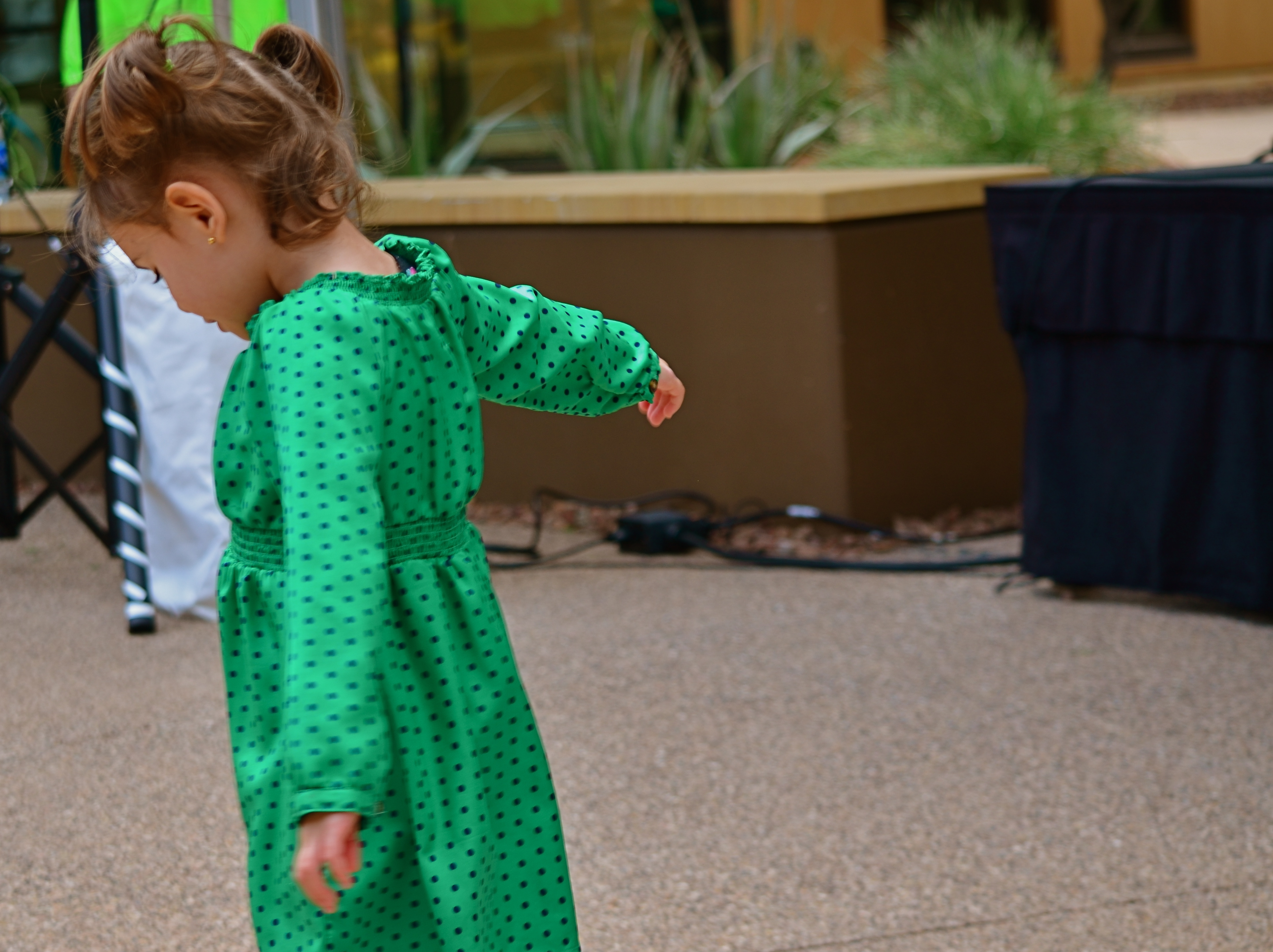
i am my own dawn and dusk, my own tides and torrents.
my rhythms are also mine, even as they are also all rhythms, my limbs animated by wills and intentions not my own and yet to become my own before i, in turn, transmit them on.
my limbs reshape the dreams of age coursing through them, adding their own undulations and echoes as I convey them to their next hosts:
all is received by me, both the ancient and the unborn:
all energy takes on my own contours, as first I contain it, then, in an instant, make it uncontainable
conducting it, amplifying it, releasing it onward.
the eternal dance comes to me complete from all ages
and yet i complete it again
seeking its next dancer
the one who will always, miraculously, complete it anew.
——-michael perkins
BOKEH ON A BUDGET
By MICHAEL PERKINS
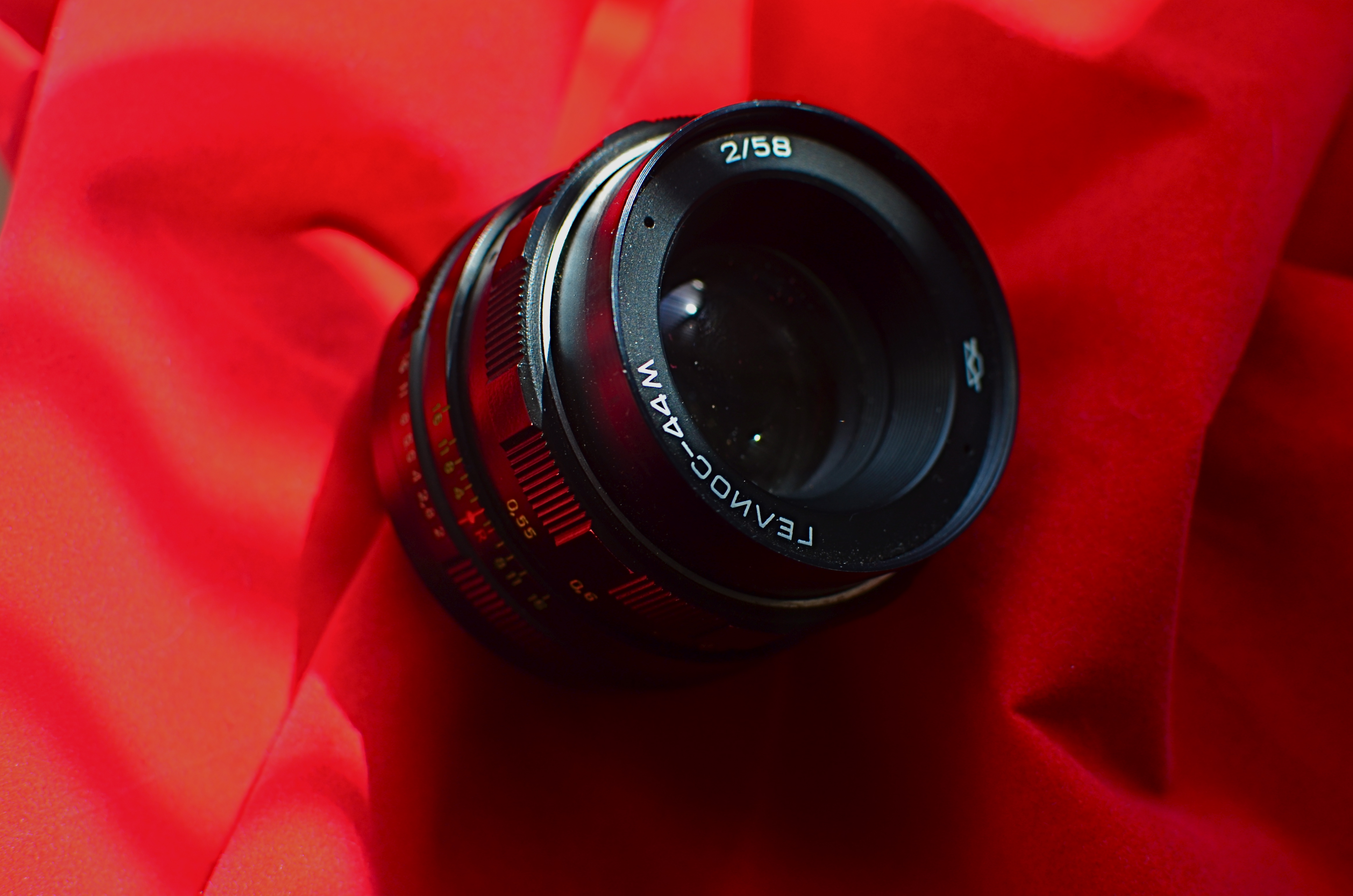
A Soviet–era Helios 44M.
THE EXCLUSIVITY AND ONE–UPMANSHIP which used to divide photographers into warring camps over lenses (it must be primes!) or cameras (I myself have always been a Leica man!) has met its match in yet another pompous arena of dubious distinction.
I’m speaking of the trendy and tawdry world of blur snobs.
You remember blur, right? All that stuff in your pictures that isn’t, you know, sharp? You wanted some of it in there to set your focused subject apart or pop it forward, so you set your depth of field appropriately. So we’re done now, right?
Wrong. Because you might not have the cool kind of blur in your pictures. Cool blur is called “bokeh”, because we said so, and its various swirls, refractions and currents means you must now master blur the way you once sought to master focus. The thing you once regarded as mere negative space is now incredibly artistic negative space. Or you’d better spend money until it is.
The world’s bokeh bullies eventually started to aggressively market glass guaranteed to deliver lots of it, for lots of dollars. The cool-blur movement revived interest in the 19th-century Petzval lenses, great, fast optics for portraits which, as a by-product of their slightly flawed design, delivered big-time swirly blur. Thing is, engineering new lenses to do that one “wrong” thing on purpose meant coughing up an astounding amount of scratch for a lens that is, essentially, a one trick pony. Repeat after me, children: hipness is never cheap.
Turns out that, instead of popping for anywhere from two to six hundred peppers for “cool insurance”, you can get the same effect from a lens that’s so globally plentiful that it can be had for under $35.00. Enter the humble Helios.
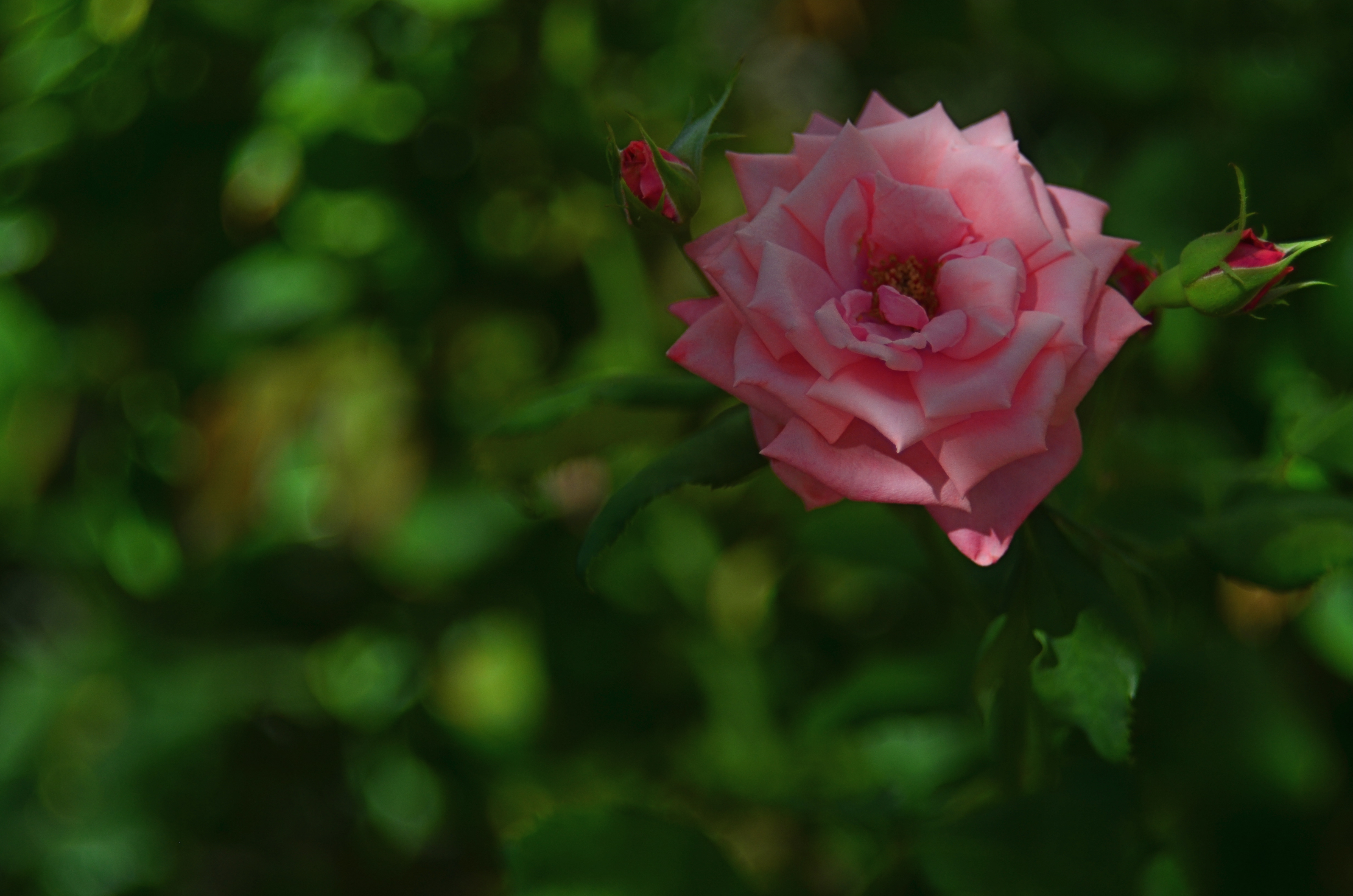
The Helios‘ “swirly” bokeh.
Helios lenses were among the most highly produced lenses in Soviet history, marching out of USSR factories pretty much non-stop from 1958 to 1992. They were based on several different Carl Zeiss Biotar designs, and, while mostly used on Russian SLRs, were also built for select Pentax models. One of the most popular, the 44M, seen here, was the kit lens for generations of cameras, shooting fully manual as a 58mm prime.
Shooting the Helio wide open at f/2, and with a decent separation between foreground and textured backgrounds, you’ll get a bokeh that looks like a gazillion little circles that spray into a swirl as they move toward the edge of the frame. As the rose image attests, it does look very nice, just not $600 worth of nice. You also need the patience of a brain surgeon to get used to nailing the focus. That and consistent access to large depositories of Crown Royal. But I digress.
Helios lenses are perfectly serviceable glass for general purposes, although they are a little soft at the open end. The Russian Federation, which, if you haven’t heard, is a little cash-strapped these days, is sitting on millions of these puppies, so prices are low, lenses can be easily adapted to most camera brands (mine came battle-ready for Nikon), and shipping is often free. For between 35 and 50 bucks, they’re an occasional guilty pleasure. On the other hand, hocking your houseboat or delaying heart surgery for the new toys marketed by the blur snobs to do the same thing is both needless and nuts.
THE TRUTH ACCORDING TO WHOM?
By MICHAEL PERKINS
THE FIRST DECADES OF PHOTOGRAPHY, like the earliest years of any emerging art, operated under a different set of rules than those we set for ourselves today. More accurately, we may now operate in a world in which there are no immutable rules at all. It’s hard to imagine a book with the title Why It Does Not Have To Be In Focus being published in, say, 1865.
When a different way of viewing the world comes mostly through a technical breakthrough (i.e., the invention of the camera), it can understandably be regarded, at least at first, as a measuring or recording device, a way of creating a merely physical chronicle of the world. Thus a camera can initially be regarded like a microscope or a seismograph….as a way of quantifying data…. which is precisely how early cameras were seen. Catalogue the great statesmen and authors for the ages! Assemble a library of images of the ancient world! Map the continent!
And so the first rules of photography bent toward the scientific. Make an accurate record. Not surprisingly, it took decades for picture-taking to be freed from the constraints of mere reality (as painting already was) and move toward the making of pictures, as photography eventually became an interpretive art. I often wonder if this explains why, of all the various subjects available to me, I am less comfortable in landscape work than in any other area.
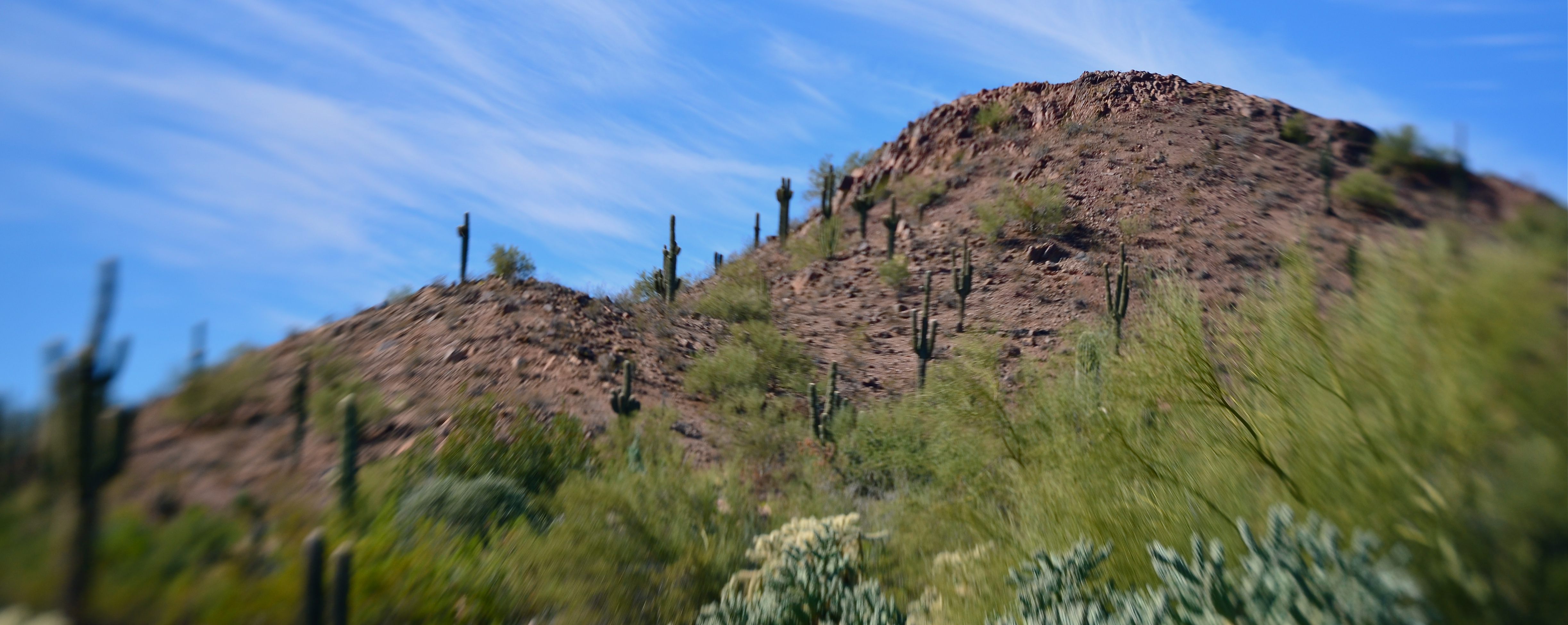
There seems to be no way of escaping the pure recording function of it. I feel constrained to make it accurate, as if it’s for an official government survey, or as though I were being graded on the results by some imperious professor. I know the problem lies with me. I seem anchored to the idea of rendering scenery “real” (I hate that word), when, in fact, I could exercise just as much interpretative control over it that I do over everything else I shoot.
Is the shot shown here less real for having been partially defocused, or is it more personal because I have gently asked you to look at the subject in my own way? Do I really even have to ask these questions? Quite obviously, the rules of photography as we understand them are no longer based on pure science. Yes, it is “about” the lenses, to a degree, but it’s more completely about the human eye. We are not machines, nor should our art be purely the product of machines.
INTIMATE STRANGERS
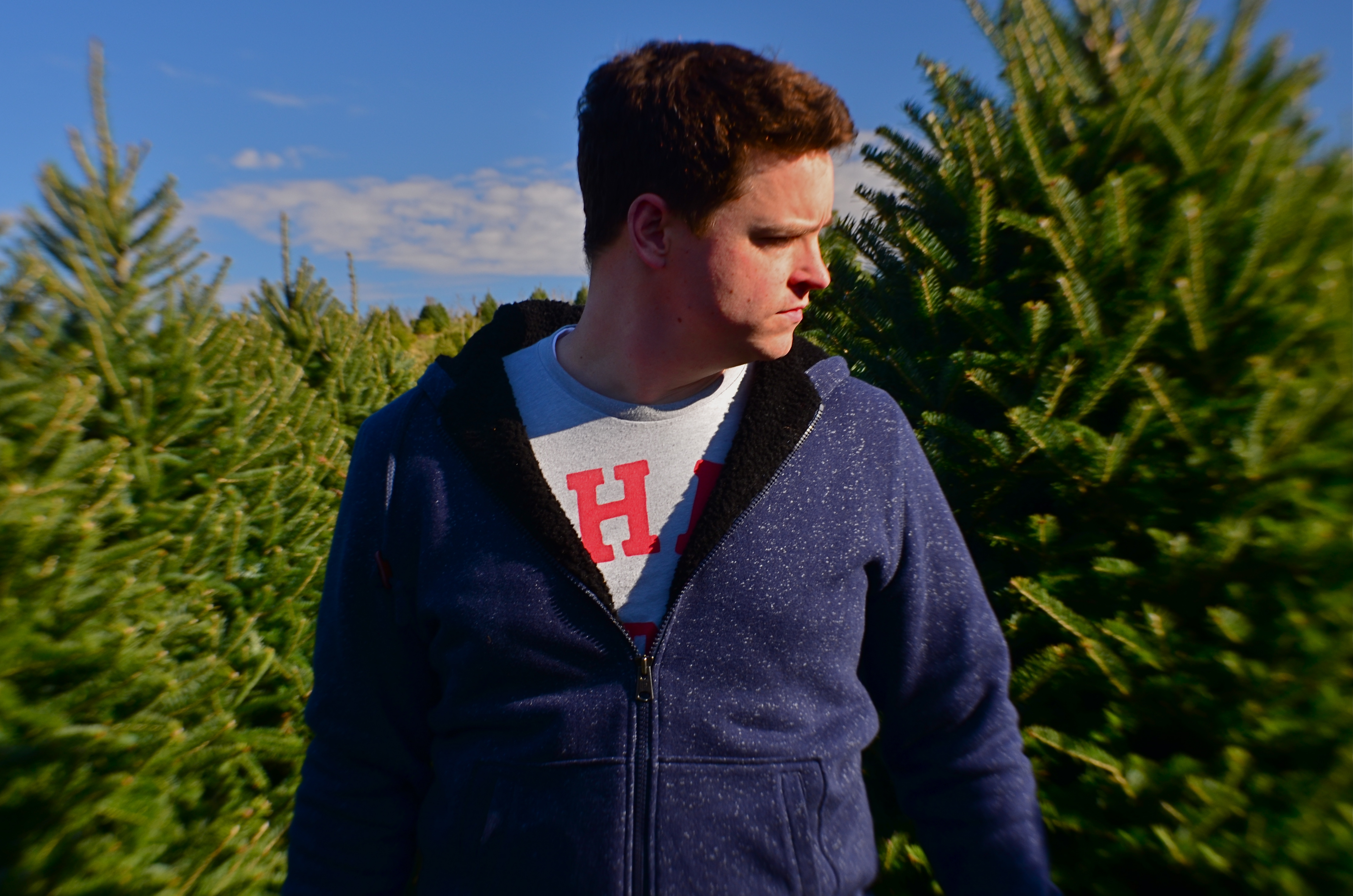
Colin Patrick Perkins, December, 2017
By MICHAEL PERKINS
AT THIS STAGE OF MY LIFE, I find myself playing two conflicting games of “who’s there” as regards my identity in the context of generations. On one hand, in front of the shaving mirror, I can clearly see my grandmother’s face pushing its way forward through my own. On the other, I now can see echoes of the “serious” younger man I thought I was being inscribed across the features of my adult children.
It is too late for me to explore my grandmother’s face for further clues, beyond studying the images others made of her. Sadly, as a photographic subject, she was amazingly opaque. I can’t think of a single image of her that reveals or explains an iota of what I know emotionally of her. Looking down into her soul through a photograph is as unlikely as trying to see through a lead-lined wall. As for myself and my three legatees, we seem not only to be facial re-interpretations of each other, but occasionally, a glimpse into what she was as well. Strange.
My children are all serious contenders, in that they believe that life is to be gotten on with, no dilly-dallying, if you please. They are, in that way, far better agents of change and action than I was. Time has begun to burn childhood’s last traces from their features, but the remaining faces are those of big, deep livers, of striver-survivors. Their own legends are now inscribed on them: they are, focused, intentional, resolute, courageous. I see the concern and apprehension I once wore on my own face: I read the uncertainty of their contending in this world. But I also see every laugh, every explosion of joy, every haywire vision and dream that I knew in myself: I see their first giggles, their earliest amazements.
And so, although my camera can only see a fraction of these things unaided, I am now able to provide that aid: I see now with ever-new eyes. These intimate strangers are my teachers, not my students. My grandmother, cipher of raw endurance that she was, might even have recognized herself in these new iterations of old star-stuff. She speaks to me in the mirror, as if to remind me, get it right, boy. Similarly, my children speak to me in pictures, enjoining me to do the same thing.
 thenormaleye
WE NEVER CLOSE
11:30pm, Queens, New York.
By MICHAEL PERKINS
THE DEMIMONDE. The night shift. The third trick. Up with the dawn. Done for the night.
At any given time, some of us are starting our days and heading to work while others are wrapping up their labors and stumbling into bed. Our nights are others’ days, our bustle others’ quiet time. We come at life on the planet from different directions, our suns and moons meeting at the time clock. Wait till coffee break, say some. That’s when things really get going. Hang around till after midnight, say the rest. That’s when this place really start to happen.
Time really comes unmoored in the cities, where our deliveries, destinies and dreams are on all kinds of stop/start cycles. The big town is as photographically alive for the night owls as for the morning glories. People whose days are other people’s nights are forever exotic and strange to each other, the images of their routines as mutually mysterious as the extremes of heat and cold. And always, the same underlying drum beat: got things to do. No day or night, pal: things get done when they get done.
The camera never sleeps because we never close. Open seven days a week, open all night. Last train at midnight, early bird special, full price after six, in by 9, out by 5. Rules of engagement for the breakfast surge, the lunch rush, the dinner crowd. Lives in motion. Pistons rising and falling. Disharmony and sweet accord.
The shutters keep blinking. The moments keep rolling.
24/7.
Share this:
June 20, 2018 | Categories: America, Americana, Cities, Commentary, Uncategorized | Tags: Street Photography, urban livIng | Leave a comment