the photoshooter's journey from taking to making

Latest

HAVE (A LITTLE) FEAR

By MICHAEL PERKINS

YEARS AGO, “SUCCESS” FOR THE WORLD’S FIRST SUPERBRANDS IN PHOTOGRAPHY was defined by how well a company could induce people who had never shot pictures to try it, and then do so again and again. Camera companies around the turn of the 20th century realized that the process of making a photo was dense and daunting, and so they designed the risk out of it with the first “box” cameras, turning millions into consumers of not only the cameras but, more importantly, the film they needed to feed them with. The message in their advertising: we’ve made it easy. Have no fear.

More than a century later, it’s even easier, one might almost say insanely easy, to take a picture. But I want to argue that, in the face of all this convenience, we might have just a little fear. A tad.
DSC_1431

Even a technically bad picture like this may have the seeds of a good picture within it. But that does not make it a “keeper”.

Historically, the word fear meant a healthy respect for something. The phrase fear of the Lord was not intended to enshrine terror as a virtue, but was promoting humility, a recognition of a higher authority. A little healthy “fear” is nearly mandatory when climbing a mountain, or in daring to launch yourself into the cosmos. In the case of photography, tech has nearly guaranteed that we will almost always walk away with a usable, technically acceptable picture. But it can not warrant us against failure of other kinds.

We’re talking failure of vision. Of purpose. Failing to recognize that there are times when we should not shoot, or not shoot from this angle, or just shoot the way we’ve always shot. Failure to develop our eye and to coordinate it with our heart, making the camera merely the servant that carries out our plan.

The digital era has seen a mind-boggling tsunami of images produced daily around the world, and social media has seen more of those images shared out than was ever conceivable in the past. David Brinkley was being wry when he wrote a book called “Everyone Is Entitled To My Opinion”, but many of us now spill our every image into the mainstream as if everyone were entitled to every picture we’ve ever taken. This is potentially bad for our development as artists.

If every picture we make is a masterpiece, then none of them are. We have to be more aggressively self-editing because we don’t have anyone outside ourselves to carry out that task. We have to narrowly redefine what makes a photograph a keeper, or special, or extraordinary. Tech guarantees that we’ll crank something out of the box. Learning whether it’s something special is worth retaining a little fear for.
POP GOES THE CONTRAST

By MICHAEL PERKINS

NIGHT CITYSCAPES PRESENT TREMENDOUS OPPORTUNITIES to me these days, especially with the technical advances of recent years. Many shots that required tripods or lengthy exposures just a short while ago are now possible as handheld snaps. Great improvements in the balanced exposure performance and color rendering of digital sensors, along with smoother resolution, even at higher ISO settings, have tamed the “black ‘n’ blurry” curse of night images that haunted much of my earlier work. Even so, I still employ a few old-school tricks to further improve my odds, as I try to impart a greater sense of depth, or “space” in pictures jammed with competing information.

Crossgrain EF

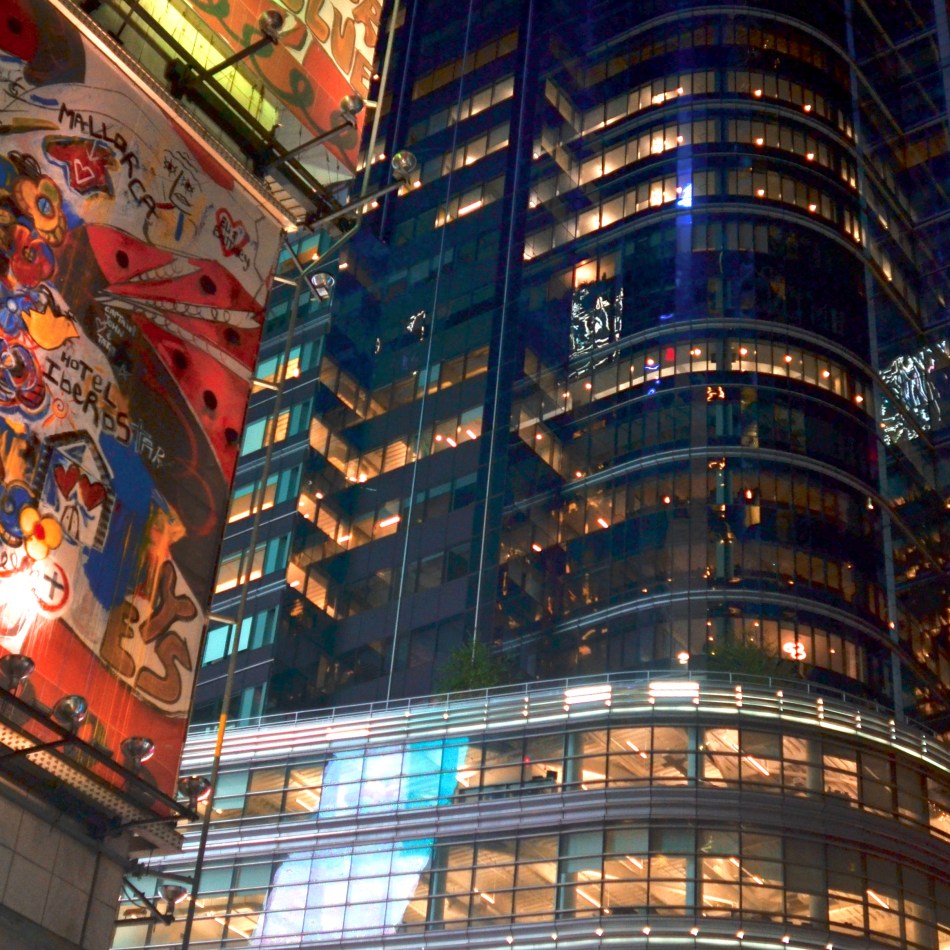
Glasscade, 2019

Conveying a dimensional look in the dense mashup of buildings of a big city can be tricky. I could certainly decide to avoid the problem completely, deliberately going for a flatter effect with the use of a zoom lens (a look I don’t really like). If, however, I do want parts of the photograph to “pop” in reference to others, there are a few things to try. Shooting foregrounds and backgrounds with boldly divergent color schemes and textures, as I was able to do in this image, can help the various layers of the image to stand out in clear relief from each other. Experimenting with depth of field can also diminish the focus of one plane and make the other call more loudly for the eye’s attention. Additionally, foreground objects (like the immense billboard at left) can be partially cropped out (as seen here) so that they only narrowly enter the edges of the shot, operating as a kind of partial frame around the main subject.

Shooting on the fly in night cityscapes can still be tricky for me. Take bright downtowns areas, like, say the bright-as-eff, blitzkrieg of light in Time Square, which falls off to nearly nothing within the space of a single city block because distant structures are used less at night, creating a contrast nightmare. Newer cameras are better at capturing detail in the shadows, or at least enough of it to be retrieved in post-production, but the real challenge is taking the time to plan a shot when (a) technology frequently rewards us for even an imperfectly executed image and (b) the overall stimulus level of the city tends to make us shoot more and shoot faster, rather than slowly and purposefully. As always, your best shots are balanced on a knife’s-edge between impulse and deliberation.

ANXIETY CLOSET BLUES

_DSC3446

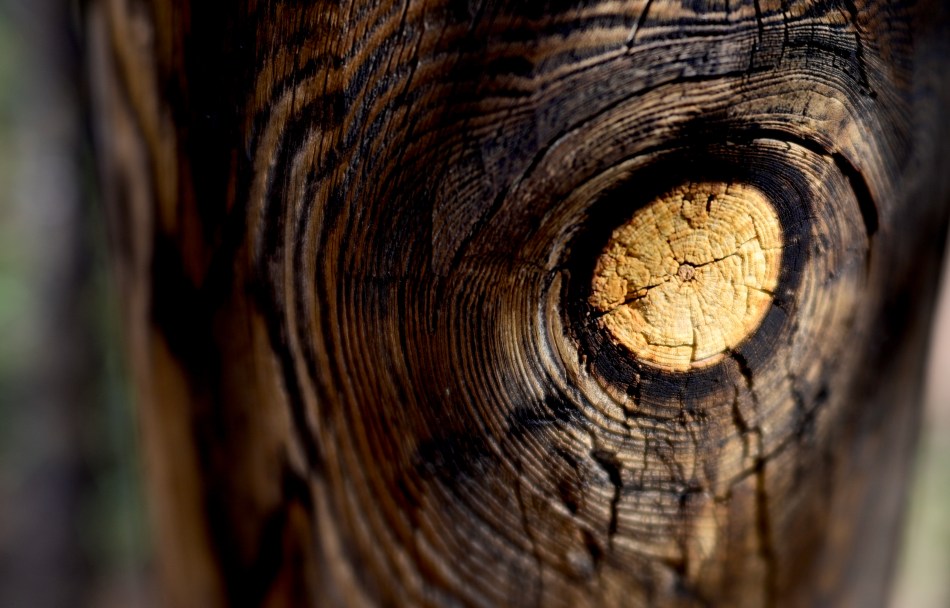
A: When is a knot hole knot a knot hole? 

By MICHAEL PERKINS

IN MY SHORT PANTS DAYS, I USED TO DRAW WEIRD STARES FROM GROWNUPS when I would point at objects and claim that I saw faces within them. Highway light poles. The fronts of radios. The headlights and grilles of cars. Often the faces were merely strange, but to my Child-Of-The-Cold-War mind, they were often malevolent. My youth was also, in addition to the being the golden age of nuclear jitters, also a high-water mark for a pop culture landscape littered with aliens and creatures of questionable intent.

All you armchair analysts may now pause to trot out your pet treatises on anxiety.

But one man’s crazed paranoia is another man’s photographic vision, and, years later, I find that the ability to see things that others cannot is less an affliction than a gift (within reason). Difference between Now and Then is that, now, I no longer care if anyone else thinks I spend too much time hanging out in the anxiety closet.

The Galaxy Being EF

A: When it’s one half of a “galaxy being”, naturally.

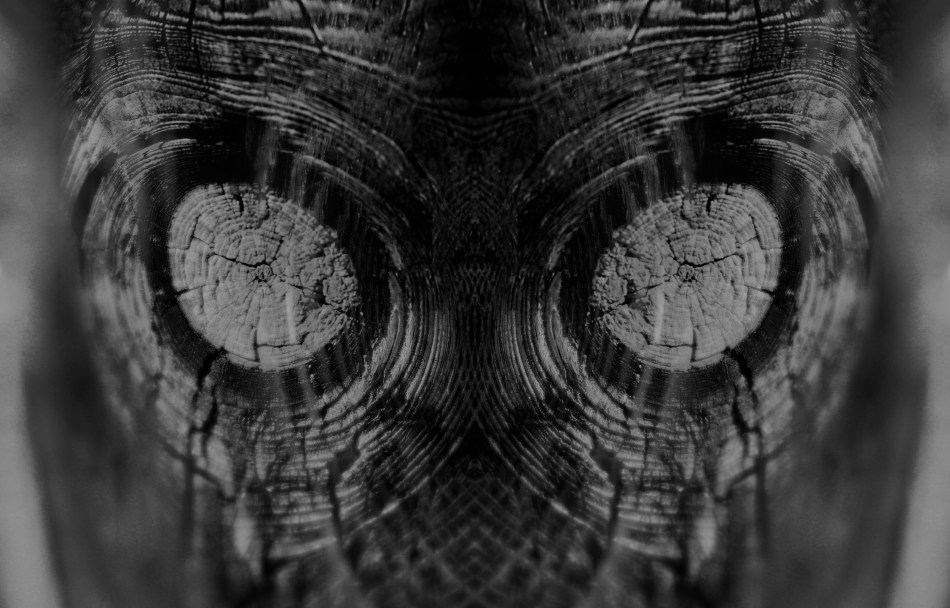
The montage (visage? face? nightmare? abstraction?), seen directly above, wasn’t readily visible in the making of the original image from which it sprang, starting its life as merely a soft-focus shot of a tree’s knothole surrounded by outward radiating “wrinkles”. In fact, upon first seeing it in playback (see top image), I had no intention for the shot at all, stumbling back over it many months later, at which time it seemed to suggest the eye of an elder elephant. I started playing with the idea of making it seem like a super close-up of a wise old pachyderm, when I started asking myself what kind of symmetrical “face” might be fashioned out of doubling the knothole. There was dead space to the left of the original, so I just duplicated the shot, reversed one copy, converted it to mono, and blended the two pieces in Photomatix in the “Exposure Fusion” mode. The elephant had now become….the Elephant Man?

Actually, the more I live with this…thing, the more I realize that he very likely was coughed up from my unconscious memory of the title character in The Galaxy Being, the pilot episode of the classic Outer Limits series. He, too was all about the eyes (and not much else, since he was pure electromagnetic energy, duh). But sixty years on, an aging kid with an overactive imagination knows that monsters, and mashups, are where you find them. And, these days, with far scarier monsters to contend with in the real world, the process is less freaky and more fun.

FEEL CLOSE, SHOOT FAR

By MICHAEL PERKINS

YEAR ONE WITH MY VERY FIRST CAMERA was a demonstration in pure randomness. Whatever passed directly in front of my $5 Imperial Mark XII got caught in the frame. Whatever wasn’t… well..

Without a doubt, I made some fumbling attempts at composition, but, at least at first, the idea that anything at all would show up on the film was so mind-blowing that my idea of “success” was a packet of prints that came back from the processor having registered basically any registration of color or definition. I was too busy being grateful for the miracle to nitpick the results.

IMG_4856

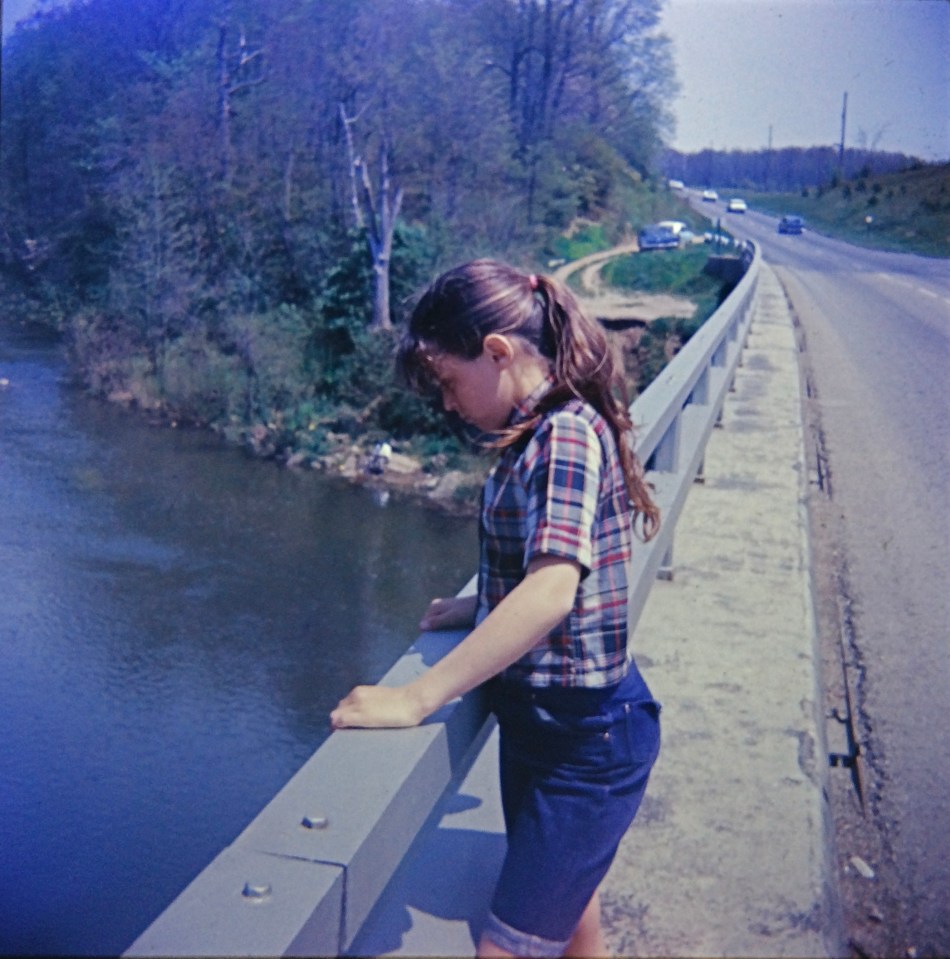
This picture of my sister Elizabeth came from that period, probably the summer of 1966, and although it was, in execution and planning, a pure snapshot, it has brought a few souvenirs along with it as it’s travelled through time. It’s shot wide, but then, with a fixed-focus plastic lens loaded with aberrations, that’s about the only way she could have wound up even reasonably sharp. Again, I said reasonably. And so, even though she is prominent in the shot, it also took in a lot of incidental time-capsule information that is really only relevant to we two, all these ages later.

For one thing, the thoroughfare to her right, a two-lane country road out in “the sticks” at the time, is now an eight-lane feeder highway to Columbus, Ohio’s massive I-270 outerbelt. The creek she is looking into is largely invisible due to this expansion. Up beyond the horizon on the right is a densely forested metro park where we were taken for school picnics and field trips. It’s still there, but negotiating a service road to gain entry into it now requires a degree from MIT. And, of course, the only place you’ll find the autos that are touring back and forth is at either a museum or a classic car show.

When I’m away from this shot, it’s easy to forget a lot, like how going to that park was a “day in the country” for us at the time, even though it was hardly a twenty-minute drive from our house. Today, that “country” is a sprawling crush of chain stores, restaurants, and housing tracts, all of which have surged further and further eastward from the city’s core over half a century. And finally there is that face, that flawless, guileless, innocent face, still free of the scarring battles that would envelop us both over the course of our lives together. This week, this child turns sixty-eight, and I am about four hundred and thirteen or so, depending on which day you ask. But when my thoughts turn to my undying love for Elizabeth, I see this image, taken wide to include lots of temporal flotsam and jetsam, but shot just close enough to bring an angel into focus.

INSIDE EYE OF AN OUTSIDER

376367

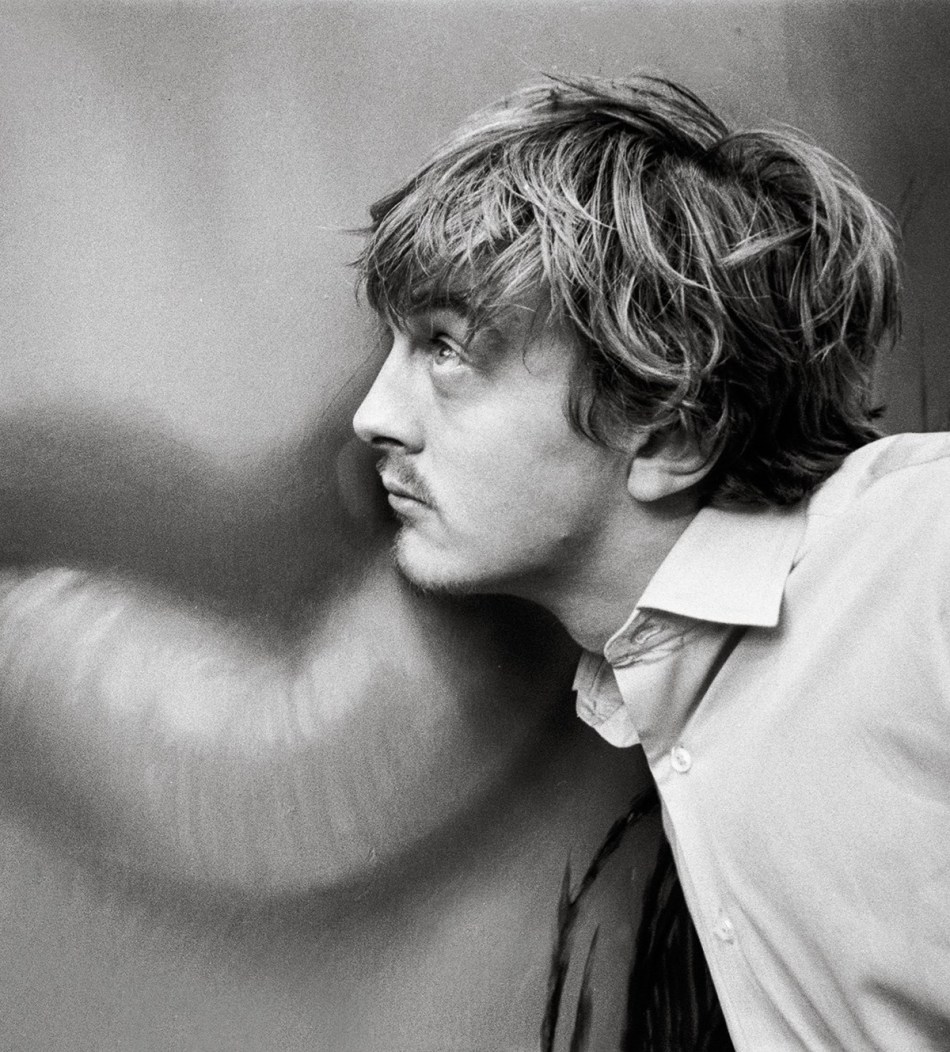
Picture of an actor playing a picture-maker taken by a picture-making actor: Dennis Hopper’s candid portrait of “Blow-Up” star Devid Hemmings, 1968.

By MICHAEL PERKINS

DENNIS HOPPER’S FILM CAREER STANDS TODAY as one of the iconic cautionary tales about what happens when one’s talent enters into a death struggle with one’s demons. He was the contemporary of another troubled actor, James Dean, but instead of smashing himself to pieces in a car crash all at once, like his friend, he was destined to unravel slowly, over decades, like a hideless baseball wobbling over the rear fence, caroming from suspension to firing, from screw-up to royal screw-up. Every time the candle of Hopper’s undeniable gifts began to truly glow brightly, he’d get too close to it and burn his eyebrows off.

Today, Hopper’s long stretch as an actor, writer and director has largely been boiled down, in the public memory, to his creative energies on the era-defining Easy Rider, with many of his other near misses blurring into the haze of the unique amnesia that is showbiz’ permanent dream state. However, since his passing in 2010, it is his other output, the 18,000 images he made as an amateur photographer between 1961 and 1968, that have burnished his legend, making his informal snaps of life among the famous and anonymous of Los Angeles in the ’60’s the stuff of coffee table books and gallery shows. Gifted with a Nikon on his birthday in 1961, Hopper trained it constantly on the people he worked with, as well as those he would, sadly, never work with. The result is a portfolio that is as essential as Tarantino’s Once Upon A Time In Hollywood in its depiction of the dreams, excesses and delusions among the showmakers and the stars they spawned in that vanished decade.

AndyWarhol(withcameraatFerusGallery),1962

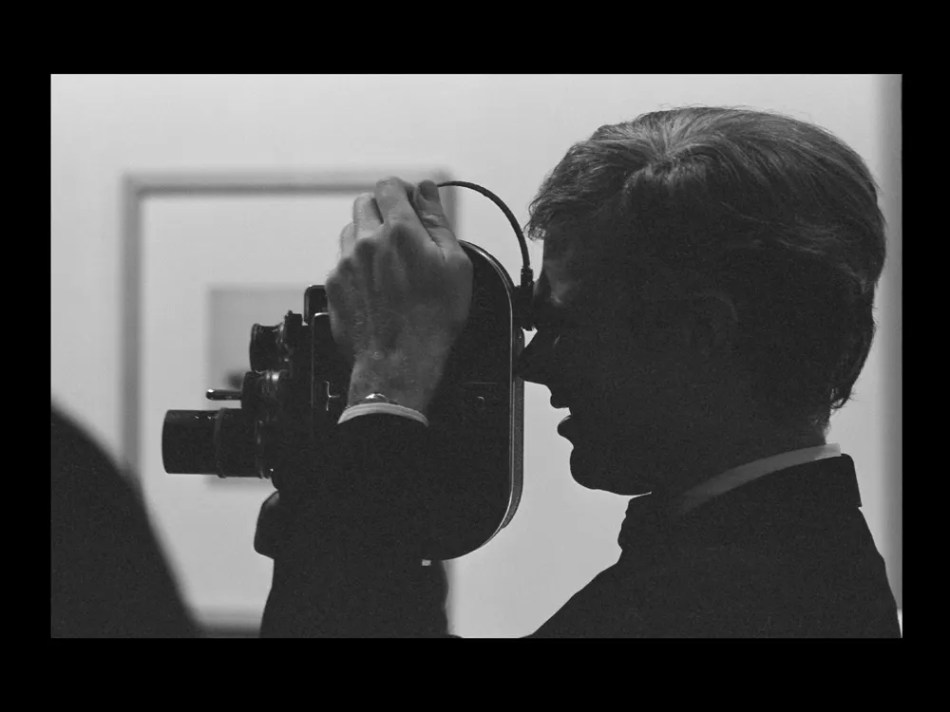
Hopper’s 1962 portrait of fellow cineaste Andy Warhol.

During his life, various collections of Hopper’s work, including In Dreams and Photographs 1961-1967 were published in book form, and a comprehensive showing at Los Angeles’ Museum of Contemporary Art accelerated interest among people who were only passingly familiar with his acting work. In the years since his death, his images have increasingly served as a time capsule for a Hollywood that was sandwiched between the end of the old studio system and the invasion of a younger generation of actors/directors that would include the Scorceses and Spielbergs of a new era. Hopper found a different kind of voice outside the world of movies, but one of his quotes about his first career seemed to portend the power of his second: “I was very shy, and it was a lot easier for me to communicate if I had a camera between me and people.”

OF SIGNATURES AND LEGACIES

Sells House Full On EF

By MICHAEL PERKINS

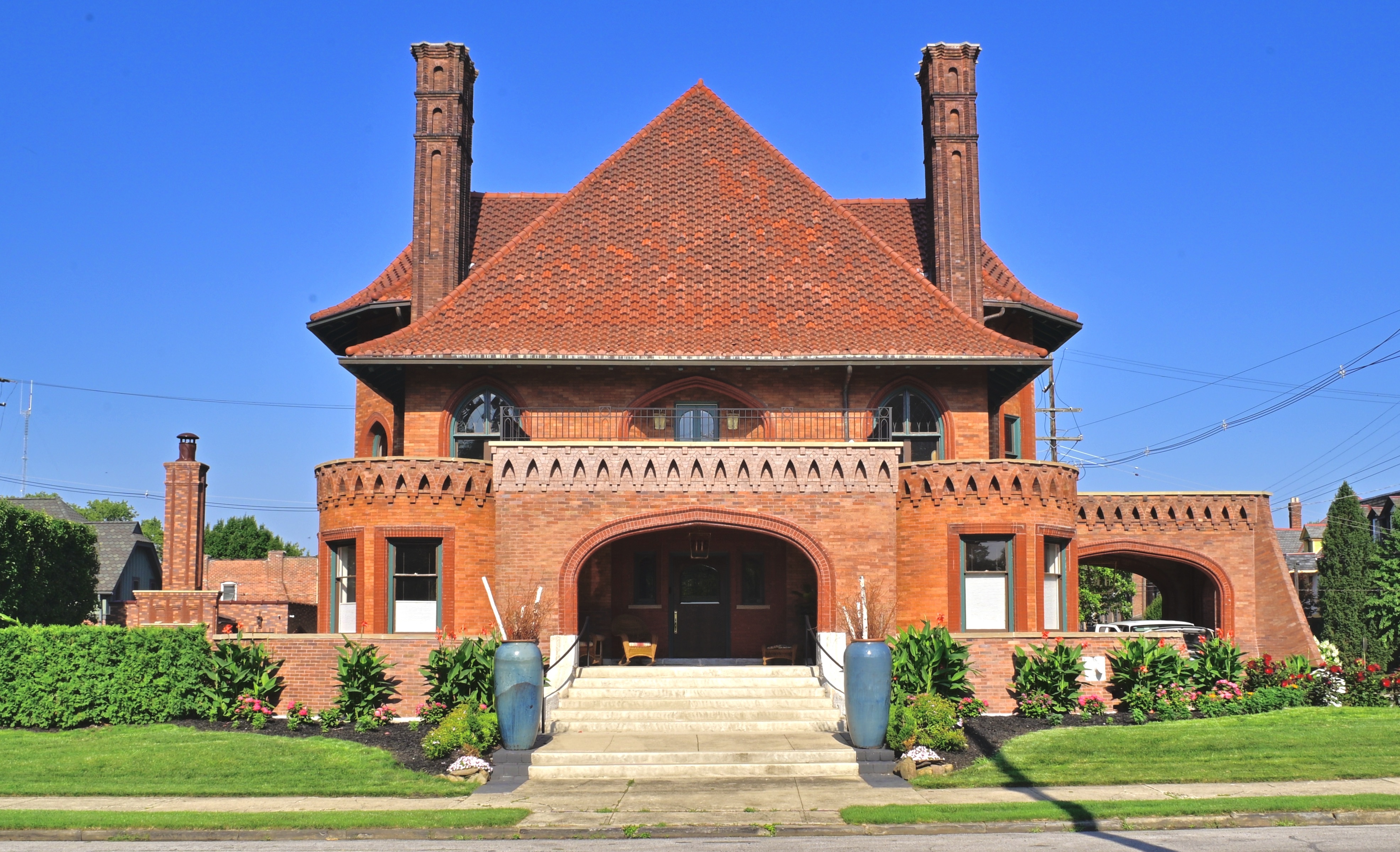
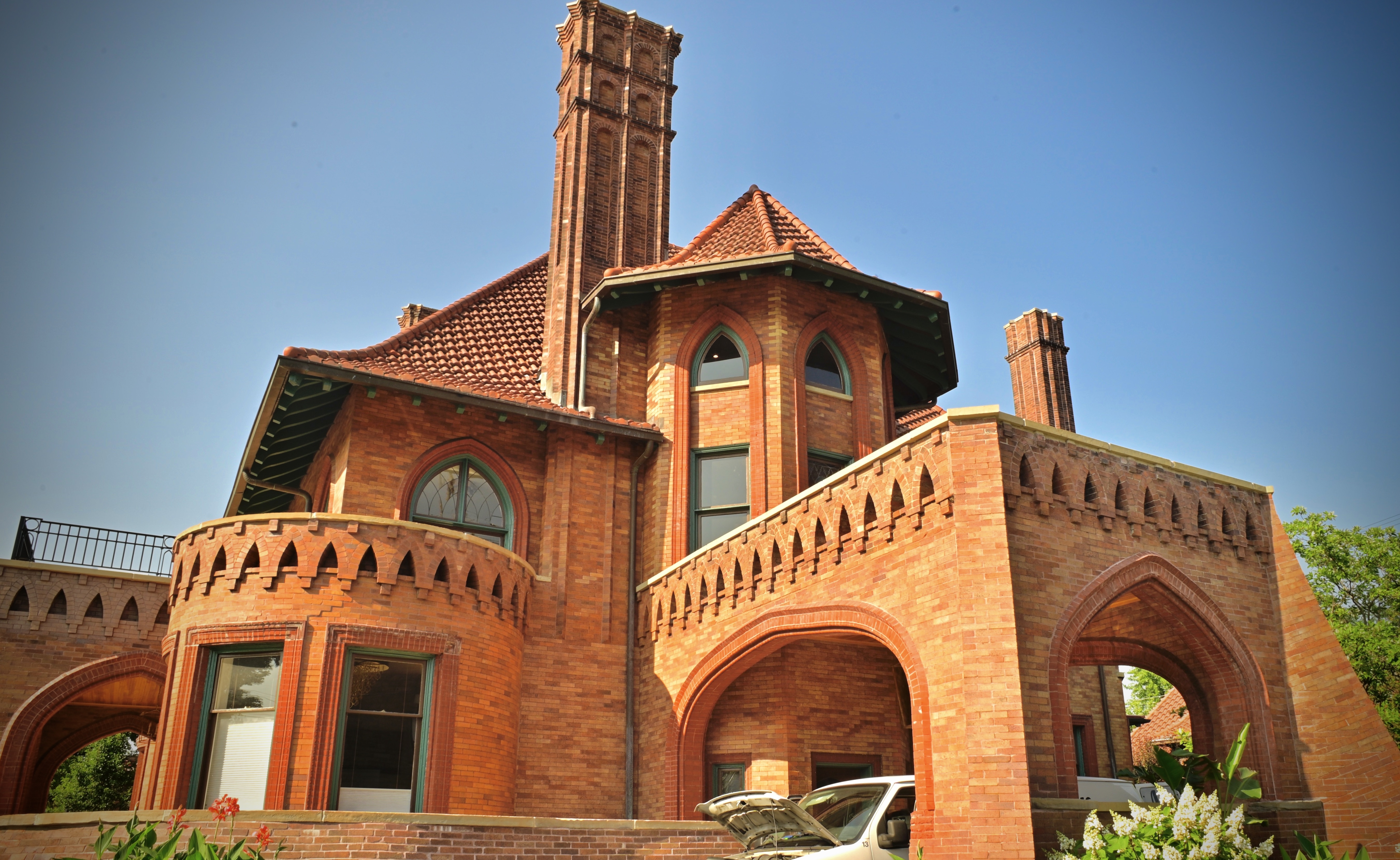
THE PROPERTY AT THE NORTHWESTERN CORNER OF GOODALE PARK, in the “Short North” district of Columbus, Ohio has, over the past 117 years, served as private residence, office building, daycare center, fraternal lodge for commercial travelers, nursery school, and alcoholics’ recovery center. Incredibly, every one of these uses has been housed by the very same structure, a bizarre relic of the golden age of robber barons locally known as “the Circus House”.  

And with good reason.

By 1895, Peter Sells was one of the founders of the nationally famous  “Sells Brothers Quadruple Alliance, Museum, Menagerie, Caravan and Circus”, and so was, in terms of the Victorian age’s pre-mass-media entertainment scene, a very rich man, and eager to be seen as such. Engaging one of the nineteenth century’s hottest architects, Frank Packard (creator of many of Columbus’ iconic structures, both public and private), Sells ordered up a mishmash of styles he and his wife Mary has seen during a recent trip to California, with elements of Moorish, High Gothic Victorian, Mission Revival and other flavors melding into a sprawling, three-story mansion that eventually swelled to 7,414 square feet, hosting twelve rooms, four bedrooms, five full bathrooms, and two half-baths. And there was more: the Sells’ servants’ quarters, a carriage house erected just to the west of the main house, weighed in at an additional 1,656 square feet, larger than most large private residences of the time. 

Sells Porte-Corchiere EF

For the photographer, the Circus House is more than a bit…daunting. Capturing the strange curvatures of its twin turrets, its swooping, multi-angled roof, its jutting twin chimneys or its scalloped brick trim (suggesting, some say, the bottom fringes of the roof of a circus tent), all in a single frame, is nearly impossible. For one thing, circling the structure, one finds that it looks completely different every ten feet you walk. This seems to dictate the use of a “crowd it in there” optic like a wide-angle lens, which further exaggerates the wild bends and turns of the thing, making features like the huge porte-corchiere loom even larger than they appear in reality. 

Finally I decided to be at peace with the inherent distortion of a wide lens, as if it were somehow appropriate to this bigger-than-life space. Like the best circus, the Sells house has many things going on at once, often more than even the average three-ring managerie. Architecture as a kind of personalized signature, long after its namesakes have faded into history, creates a visual legacy that photographers use to chart who we were, or more precisely, who we hoped to be. 

REQUIEM

DSC_1091

By MICHAEL PERKINS

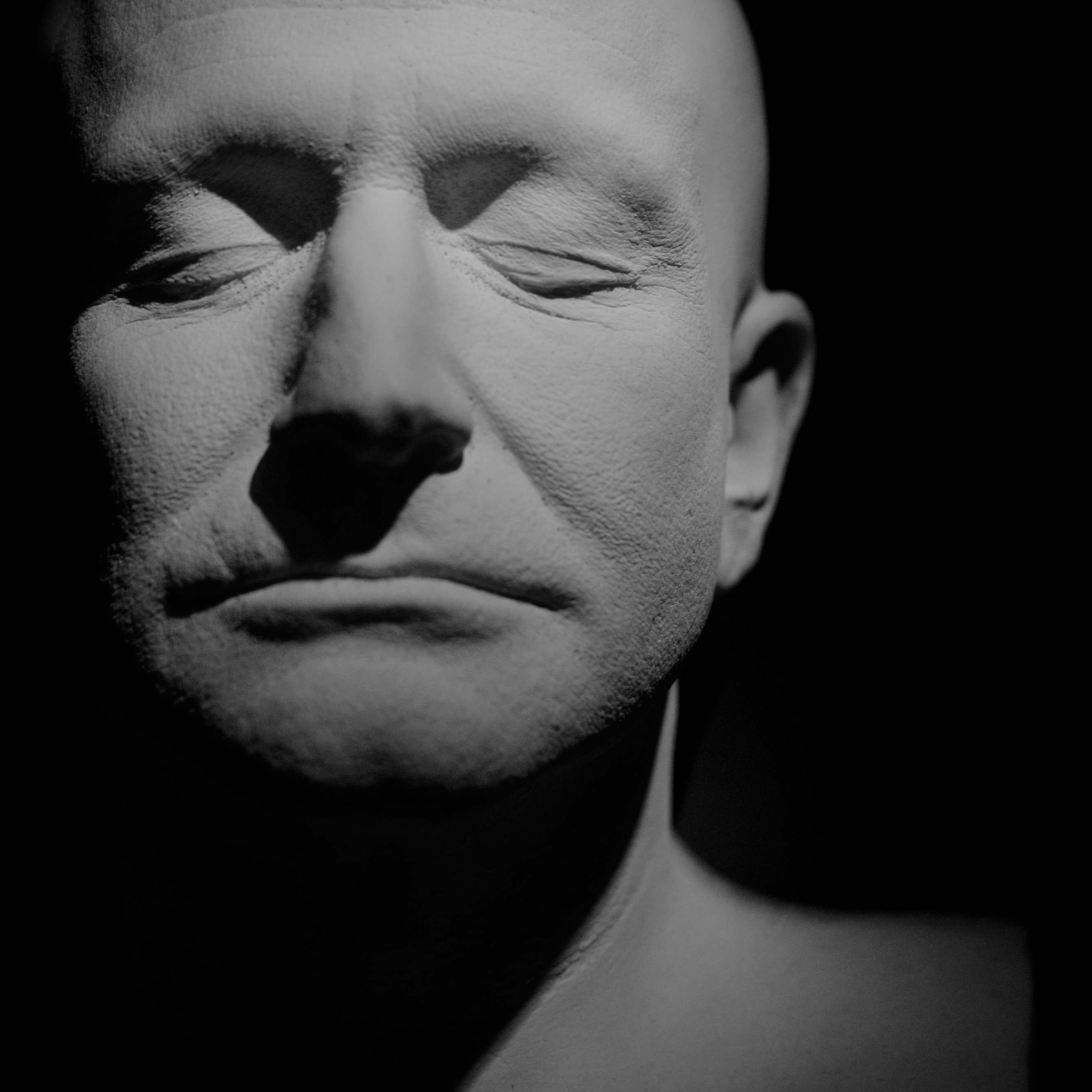
ALL CLOWNS ARE COMMENTATORS. Their leering grins and forced chortles are a mock of the all-too-mortal constraints of life, reminders of the gloom that lurks just behind the performance curtain. They  concoct artificial joy at a harsh cost to themselves. In this way, they suffer somewhat for all of our sins.

Upon discovering, a few years ago, this life mask of the late Robin Williams, which is on display at the Museum Of The Moving Image in Astoria, Queens, I was still in a mixture of mourning and denial at the Great One’s passing, all the sadder because the laughter he gave us exacted such a price from him. The mask itself was made to act as a framework for make-up artists who would then construct prosthetics on his features for a role. In turn, those features themselves became the role, the face reduced to its essence, strangely at rest after a life of inner turmoil. Seeing this image after several years of, frankly, not being able to bear to look upon it, I hear Lord Hamlet, who, upon discovering the skull of his father’s court jester at a burial site, muses:

Alas, poor Yorick! I knew him, Horatio:

A fellow of infinite jest, of most excellent fancy:

He hath borne me on his back a thousand times;

And now, how abhorred in my imagination it is!

My gorge rims at it.

Here hung those lips that I have kissed I know not how oft.

Where be your gibes now? Your gambols? Your songs?

Your flashes of merriment, that were wont to set the table on a roar?

Not one now, to mock your own grinning? Quite chap-fallen?

Now get you to my lady’s chamber,

And tell her, let her paint an inch thick, to this favour she must come;

Make her laugh at that.

DARK DAYS, BRIGHT RESULTS

By MICHAEL PERKINS

EVEN THOUGH A PHOTOGRAPH IS NOT A LIVING THING PER SE, it can sometimes feel as if it goes through a birth process of sorts, as if, despite our own artistic limits or lack of vision, it actively struggles to make its way into the world. Anyone who has ever pointed a camera has produced images that seem to have willed themselves into existence in spite of us. And if we possess any degree of humility or honesty, we must just stand back and let them come.

In visiting a farmer’s market on a brilliantly sunny Saturday morning several weeks ago as part of a vacation, I realized that, nearby, there was a vintage neon sign that I had wanted to shoot during several past visits to the same town. In this case, it was in front of one of the oldest Dairy Queen locations left standing from the first days of the chain, a sign which had deliberately been preserved by the locals despite the fact that the store’s other graphics were fully up to date. Now, I found myself about ten minutes away from it by car. Easy five minute stop, easy snag on my photo bucket list.

Only if didn’t work out that way.

_DSC6787

48mm, f/6.3, ISO 100, 1/100 sec. 

An hour or so into my veggie-hunt, a sudden cloudburst converted the entire sky to blue-black and tore violently through the market, sending vendors and customers alike scrambling for shelter. Jumping, soaked, into my car, I suddenly remembered the sign, with the formal photographer inside my head saying, “the conditions aren’t really right anymore…so…” Fortunately, I decided to invest a few minutes to see for myself.

In deference to the weather, the sign, which typically would not be lit at all at midmorning, had been turned on to make a kind of pale orange beacon under the gruesome skies. The tinted windshield of my rental car plus an aperture of f/6.3 rendered the rainy scene even a few shades deeper, but, to my surprise, instead of spoiling my shot, it merely repurposed it. The gloom created a contrast between the classically cheery message of, well, ice cream, and the temporary gauntlet folks would have to run to get some. If I had gotten my way, i.e., shot the sign as I originally envisioned, the result would have been about 200% less interesting. As ooky-spooky and mystical as it sounds, the picture knew better than I did how it should look. Of course, I could go back, sometime in the future, and shoot the sign again under ideal conditions.

But, nah. Think I’m good…..

SUNSET SITTINGS

By MICHAEL PERKINS

I DON’T POSSESS THE TALENT FOR COMPARTMENTALIZATION that pros like Annie Leibovitz or Richard Avedon have shown in making extremely intimate “final” images of the most important people in their lives. Annie’s sad, understated portraits of the last days of her partner Susan Sontag are oddly comforting, in contrast to the harrowing loneliness of Avedon’s images of his dying father, but, in both cases, they managed to force themselves to tell those stories in a way that I could never do. And, given that I believe that the camera can, and should, have universal access to any kind of story, I know that this makes me a bit of a hypocrite.

_DSC6942

The reigning champion, my father.

My father, at this writing, is ninety-three years of age, and as fragile as a Japanese paper lantern. He may not be at the volcano’s edge just yet, but, damn, he is certainly in the neighborhood. I recognize the value in photographing the tough as well as the triumphant. And I get that, when I am feeling “reportorial”, that may strike someone else as being predatory, invasive. And my indecisiveness about taking, well, any pictures of him, at this point, has been exacerbated by the nagging realization that, living far from him, as I do, the next snap might well be the last one I will ever take.

During my most recent visit with him, the importance of the individual moments…our every ritual, each major or minor exchange, hung so heavy in the air that picking up my camera just seemed…vulgar, perhaps even disrespectful. How Leibovitz and Avedon could look upon that inexorable ebbing of life, day after day, and still be able to tuck their feelings into a pocket long enough to make an objective subject out of their dear ones….Jesus, the whole thing strikes me as supernatural, like being able to levitate, or render oneself invisible.

I took one picture of Pop the entire week I was around him, and it was just before I was due to fly “home” (what does that word even mean?), during an evening that was actually a little miracle, a night in which Mother and he were both awake, strong, playful even, and most importantly, really there…..present in a way that reminded me of the real, amazing people entombed inside these decaying carapaces. On such a night, through all the pain, despite all the storms on the horizon, there, for a minute, was my Father. Strong. Decisive. Reflective. Dignified.

Snap.

And, hopefully, not for the last time…

REAL CAMERAS, REALLY?

By MICHAEL PERKINS

WITH THE RECENT RUMORS LEAKING FROM NIKON, warning that the company is discontinuing forward development of the DSLR platform, comes the usual cascade of tearful tirades and grumbling, this time over the inevitable worldwide switch to mirrorless cameras and the unholy level of discombobulation and grief that accompany such seismic shifts. At this writing (July 2022), Canon has already pulled the pin on DSLR rollouts beyond their existing line of models, and Nikon has already discontinued what had been their entry-level units. Will DSLR’s vanish altogether? The blurry answer is (a) yeah, probably, and (b) not all at once. Even so, some people will be feeling the ground shift between their feet.

Immutable truth about photography: shoot pictures long enough, and the tech that you love will eventually go the way of the dodo. It will be inconvenient, confusing, and, often, expensive. Already I am feeling the pain of fellow Nikonians who are asking things like “what do I do with all my old lenses?”, which is a bump in the road for some but not the end of the road for most. The reasons for the march of the DSLR dino toward the tar pit of history are various, but the shift for many shooters isn’t about running into the loving arms of mirrorless, but turning away from any complex camera, and toward mobiles.

_DSC6109

We all hate to be the last person trying to buy fuel for our favorite ride.

Part of what makes DSLR tech unappealing for some is the camera’s raw physical bulk, something phone shooters never have to sweat. Are you giving up a lot of fine control by using a mobile? Certainly. But if most of those extra features exist outside of your preferred shooting experience, you can easily get used to doing without them. This means that the remaining days of DSLR will be as a premium, prosumer format for True Believers. Yes, many photographers will cross to mirrorless to get the options they want in a lighter, improved format, and that, in turn, will bring the cost down on what can presently be a pricey switch, but a significant subset of DSLR users will learn to, dare I say it, settle…for phone cameras that are offering more manual settings and streamlined shortcuts with every succeeding model year.

In the words of Battlestar Galactica, this has all happened before: this will all happen again, or, if Journey is your groove, the wheel in the sky keeps on turning. Our concept of “the camera I need”, or in some cases “all the camera I need” will always be in constant flux. In the end, we will all choose our weapons, either cutting-edge or tried-and-true, face off, and keep on shooting. The rest is noise.

ENTITLED

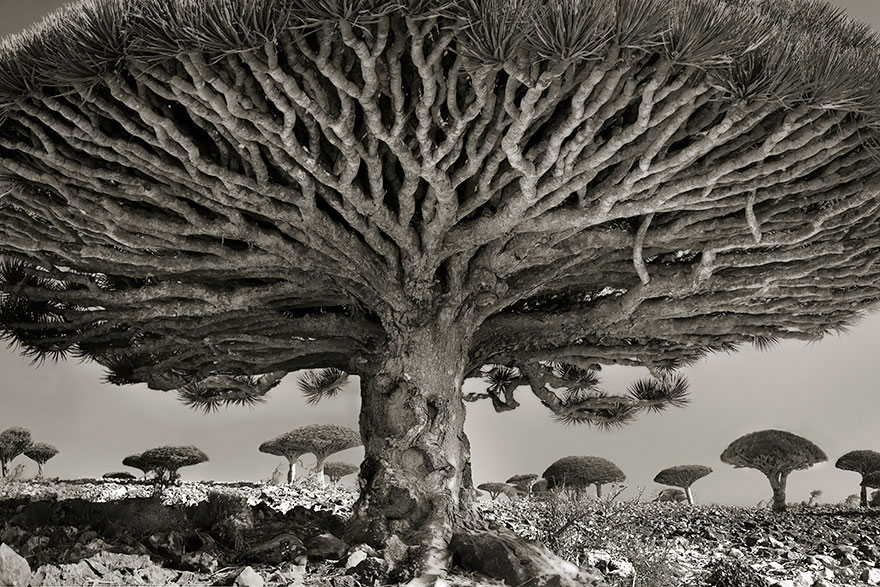
beth_moon_worlds_oldest_ancient_trees_1l

A bygone process, now revered as “fine art”: platinum printing, the old-school way

By MICHAEL PERKINS

TWO OPPOSING FORCES HAVE BEEN AT WORK OVER THE LIFETIME OF PHOTOGRAPHY, one backing a constant innovative streamlining that promotes more ease and greater access in the making of pictures; and the other, which works equally hard to make it more technically proprietary, more the realm of so-called “fine artists.” Camp One makes photography progressively more democratic, while Camp Two believes that it should be the exclusive domain of a select group of wizards who alone possess the magic needed to make great images.

This ever-present tug of war really came into bold relief with the dawn of digital photography. While mobiles and apps increasingly take the mystery out of the making of pictures, arcane printing processes, the persistence of film and the worship of more and more expensive, tech-heavy devices make the game more specialized, harder. One side believes that better and better pictures can be done with fewer and fewer steps. For the other side, it’s the steps themselves, from lenses to processing, that make the pictures better.

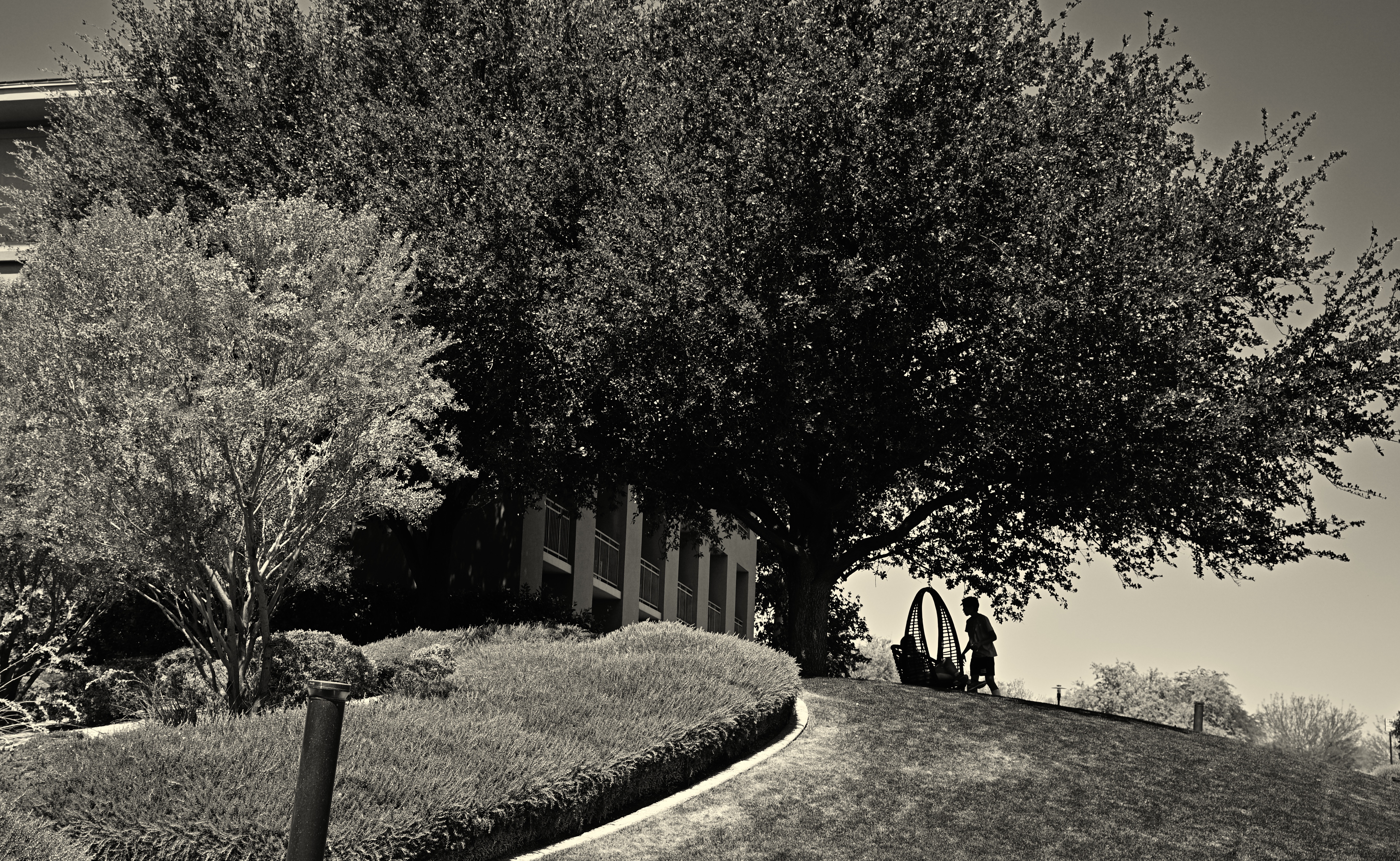
_DSC5496

Is “faux platinum”, delivered quick and easy via software, any less authentic?

Both of the images shown here are examples of the effect of platinum printing. One (the top image) is a product of the laborious, multi-stage original process of actually using platinum in the sensitizing of media, a system that delivers gorgeous, slightly unpredictable results that vary greatly from print to print. In this method, platinum is used in place of silver based media, in a method that’s tough to master and potentially very expensive.

The other shot features one of the cheapest, fastest, easiest simulations of the platinum process, an effect achieved with the five-second swipe of a single slider on the most basic Mac photo editing platform that exists. Which one qualifies as “fine art”? Which method argues best for that distinction? Does the mechanical complexity used in one disqualify the ease of execution in the other? Is the author merely paranoid?

Just as the cutting-edge science in various NASA missions eventually manifested itself in enhancements for the average person’s life down on earth, processes in photography which were initially laborious and time-consuming become the features the masses use without fuss or even much forethought. It doesn’t mean that those of us who benefit from the pioneers are any less worthy, or that our work doesn’t deserve the title “fine art”. That determination is made by the pictures themselves, and by the dreams back of them.

READY FOR HIS CLOSE-UP

By MICHAEL PERKINS

AS THE FIRST MEMBER OF HIS IMMIGRANT FAMILY TO BE BORN IN THE UNITED STATES, Robert Cornelius (1808-1893) grew up in a world in which the word photography was not yet a part of the general vocabulary. The infant art of preserving static images for posterity was, at Cornelius’ birth, still the exclusive domain of tinkerers and hobbyists, a universe away from the global obsession it would become within a few short decades. He himself did not even take a photograph on his own until he was nearly thirty years of age.

However, once he did, he became legend.

Or, rather, his face did.

Trained in chemistry, young Robert began his career apprenticed to his silversmith father, and so was well acquainted with various plating processes by 1831, when the photographer Joseph Saxton asked him to prepare the coating on a daguerreotype plate. Daguerreotypes were the medium that preceded film as the dominant technique for making pictures in the early 19th century. Silvered plates were polished to a mirror-like sheen, then treated with fumes that made the plate light-sensitive: after exposure, additional mercury vapor and a bath of various chemicals were applied to arrest the light-recording process, and the plate was dried. The plate Cornelius delivered to Saxton allowed him to record the earliest known photograph made in America up to that time, an image of a Philadelphia high school building.

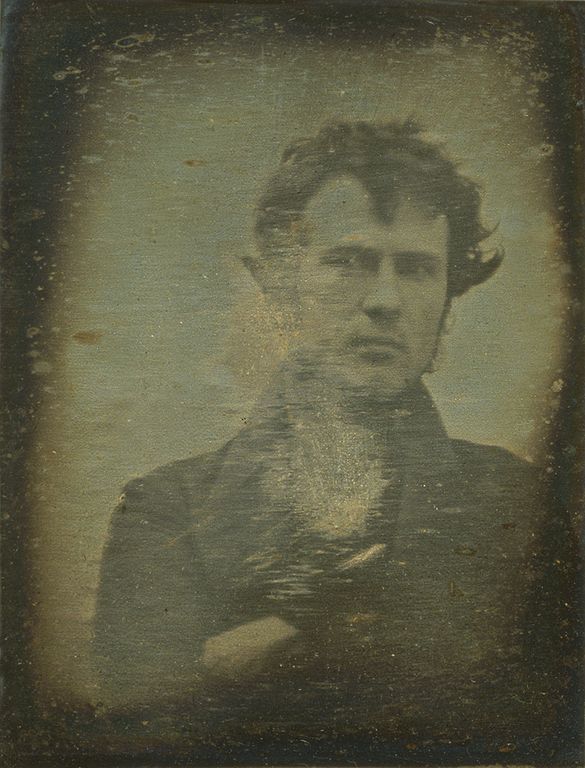
585px-RobertCornelius

Robert Cornelius, Self-Portrait, 1839

Robert caught the picture-making bug himself shortly thereafter, joining with a local chemist to perfect the daguerreotype medium, and, by 1839, posed in front of his own camera for what is commonly thought to be the first intentional portrait of a human (as well as the first self-portrait) taken outside of Europe. The slow exposure rates of daguerreotypes required Cornelius to sit motionless for up to fifteen minutes.

Cornelius briefly operated one of the first full-time portrait studios (years ahead of the New York salon of Matthew Brady) but made his fortune largely with his other inventions, including an improved system that helped replace the need for whale oil in lamps. It’s said that he actually thought little of his place in photographic history until his selfie was featured in an exhibition marking Philadelphia’s centennial in 1876 and he was celebrated by a new generation eager to chronicle an accurate timeline of the new art.

Robert Cornelius happened upon photography almost by accident, and yet, because he also modified and improved exposure times for images (along with other refinements), is a vital link in its evolution, as well as the godfather of all those billions of moody, sexy snaps we now employ so effortlessly (and endlessly) as we present ourselves to the greater world.

COLOR AS REAL ESTATE

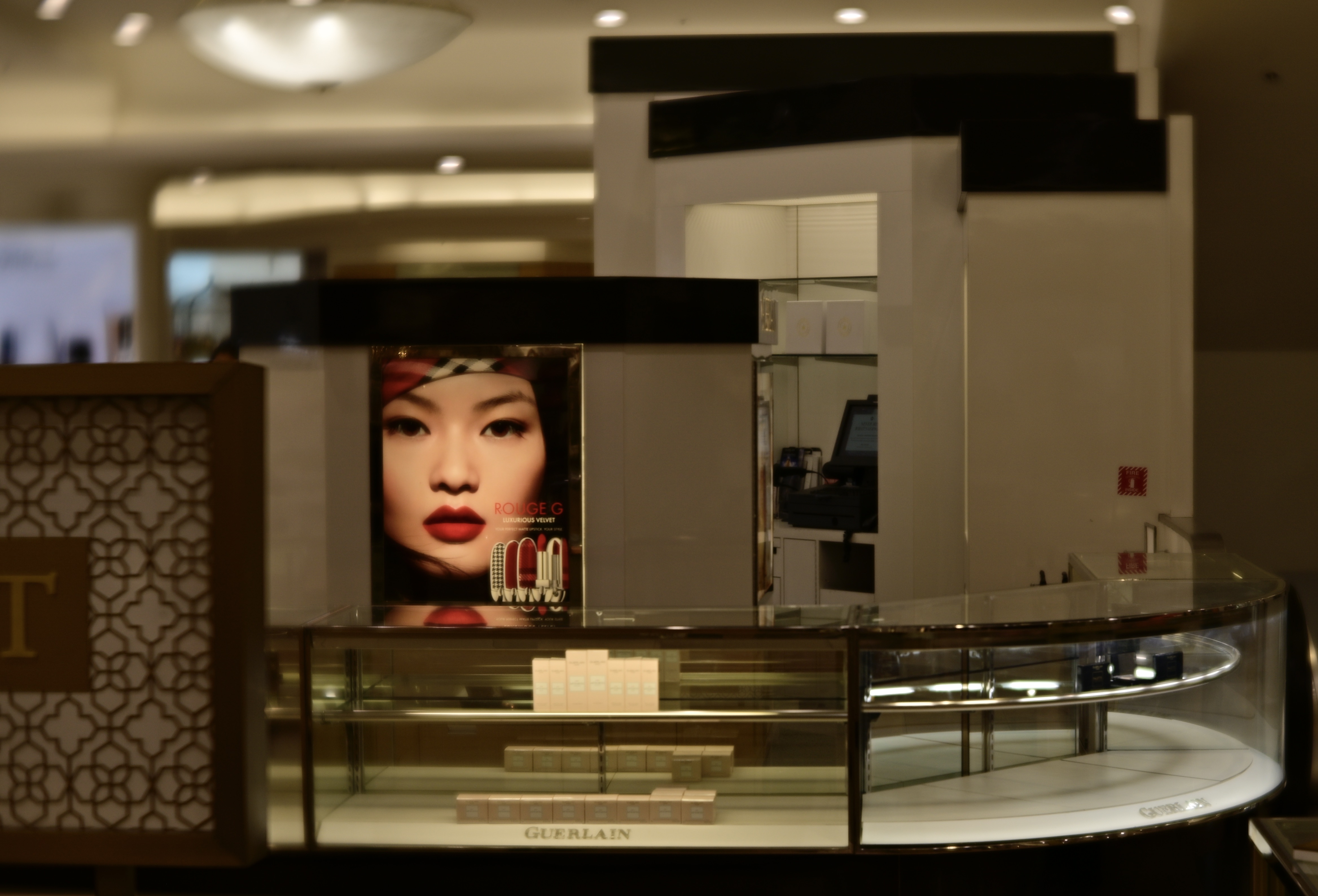
_DSC6134

By MICHAEL PERKINS

OCCASIONALLY YOU SEE ARTICLES PROCLAIMING THAT THE SELECTIVE DE-SATURATION OF COLOR IN PHOTOS is “finished”, that the process ran the entire gamut from novel to creative to “over it”, and that nothing fresh or new can be accomplished in what should now be considered a fad. I don’t know why some of us are perpetually in the pronouncement business, but I think it’s (a) short-sighted and (b) unhelpful to go around telling people what tools are or are not au courant. It’s also the opposite of the way art develops in the mind.

Just as the use or absence of color over an entire frame is a fundamental creative choice, so must the partial use of it. Rather than think of an image as having one color scheme that operates from end to end, I prefer to think of color as part of a multi-use piece of real estate, with multiple choices to be made as you walk the entire area. Color may be just what this lot needs, but not the yard next to this house. Every piece of visual real estate must be independently “developed”, whether in coordination with the overall picture or as a specialized visual traffic cop directing the eye for specific reasons.

_DSC6134 2

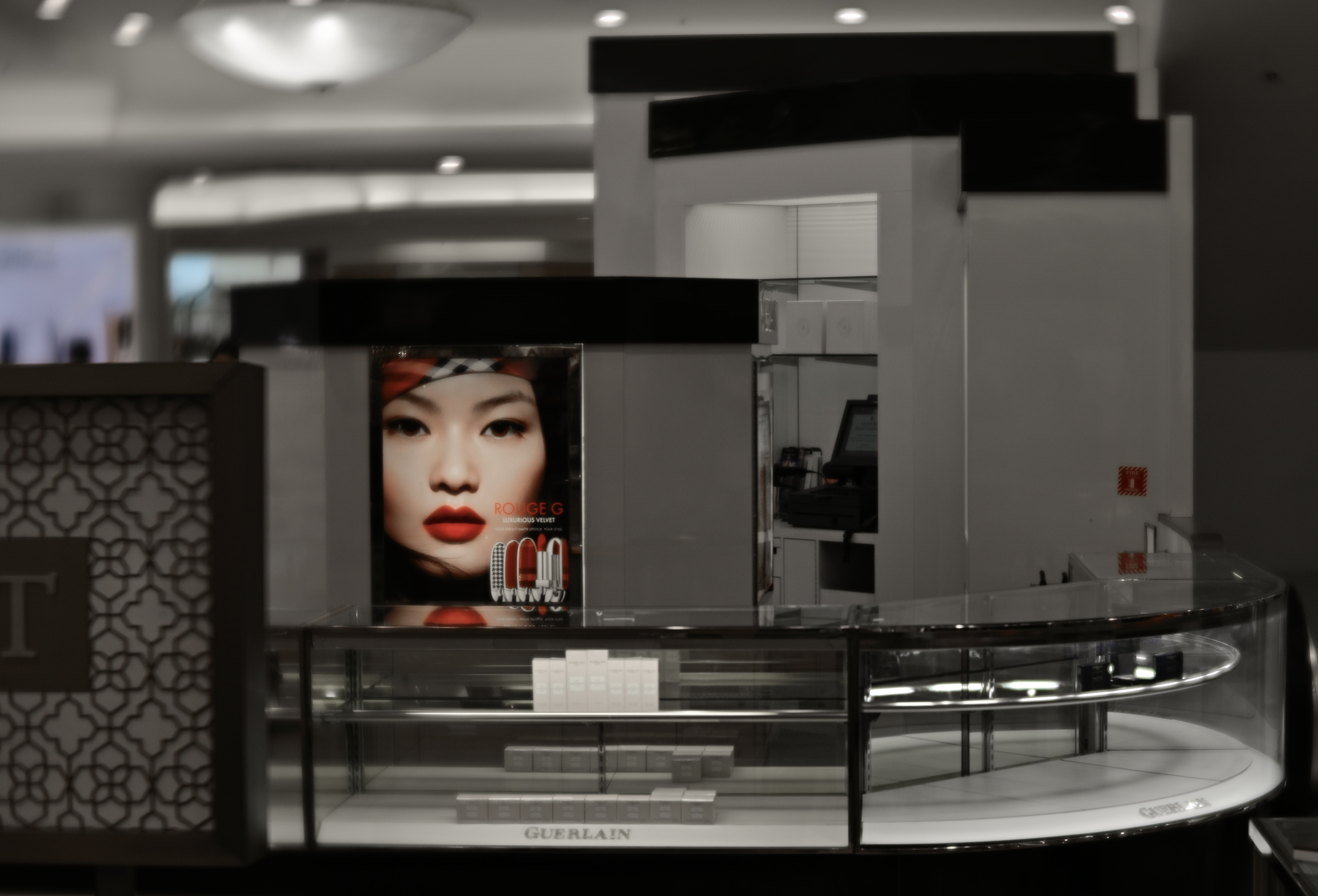
In the top image, the department store counter surrounding the advertisement is nearly empty, due to the area being almost totally closed down (stock situations, apparently). The exposure time was fast and the ISO was low and so the ambient color framing the ad was decidedly warm. Other than that, the color doesn’t serve much of a purpose as either narrative or atmosphere, so in the second version, all attention was centered on the model’s face, which carries more raw information than the rest of the frame. I think the picture is more immediate with the change, or at least more so than either a full-color or monochrome version would be.

Look, I get it. Photographers, no less than the writers of articles and op-eds, can get into the habit of seeing things in polar opposites. Still, anytime you refer to your method on a photo as “something I always do” or “something I never do“, you’re limiting yourself needlessly. And when it comes to making pictures, there are enough boundaries imposed on us naturally without our arbitrarily installing more.

SHOOTING BLIND(S)

By MICHAEL PERKINS

OVER MANY YEARS, I’VE FASHIONED A SERIES OF STILL-LIFE COMPOSITIONS on a white formica counter that is just inside an eastern-facing window in my writing room. The light from dawn to at least mid-morning is intense and warm, strong enough to provide ambient illumination for nearly anything staged near it. Fine-tuning can be accomplished with either a twist or a roll of the slatted window blinds. It’s a simple set-up, and one which is great for short-notice projects.

DSC_1199

Slats the way, uh huh, uh huh, I like it…..

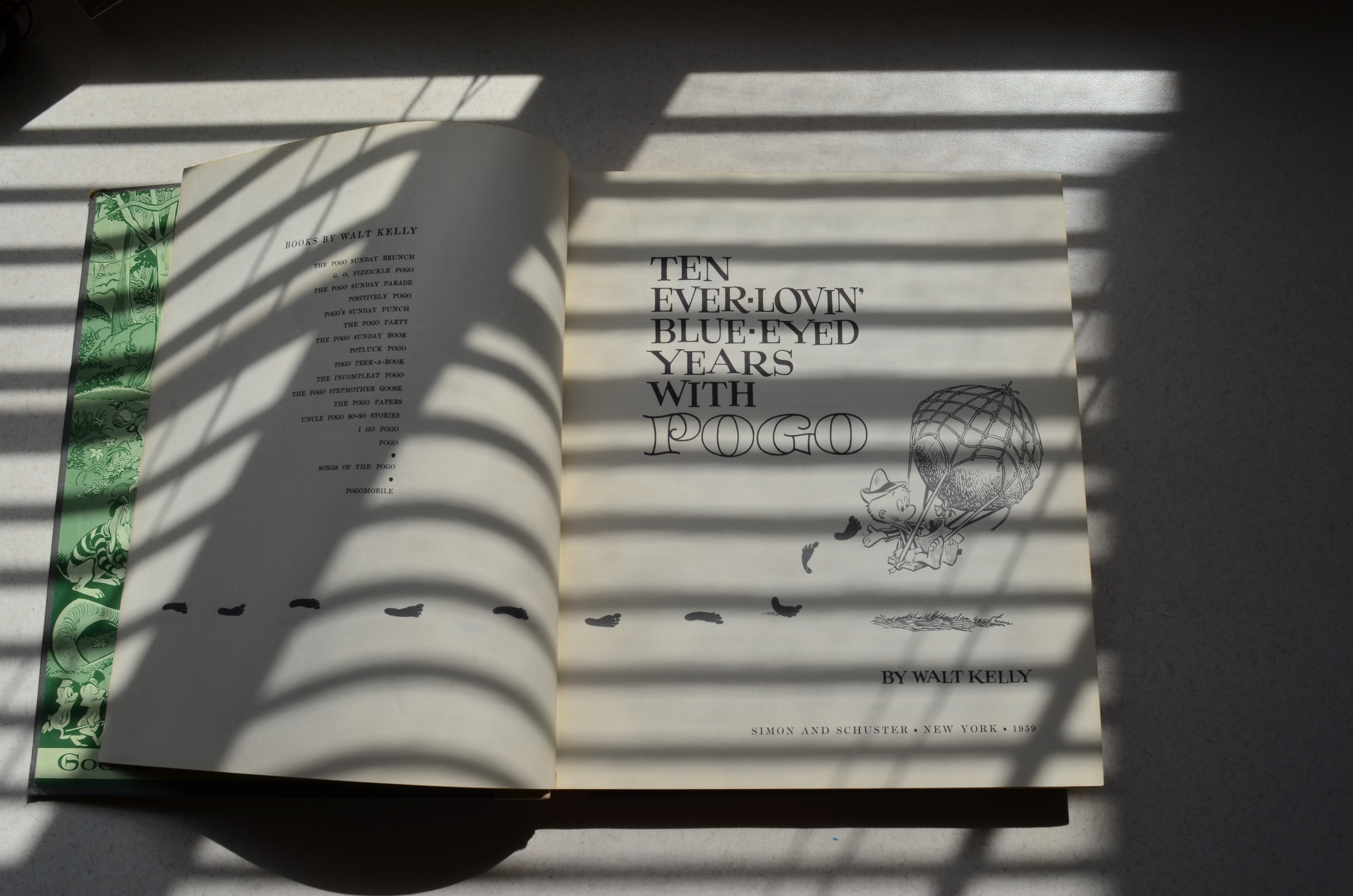
The usual rule to be observed, at least in conventional picture-making, is to place the staged tableaux out of the direct path of the shadow patterns created by whatever position the blinds are in. However, over time, I’ve become used to doing exactly the opposite, to giving the shadows a starring role in the images, letting their grids and line fall wherever they may. I don’t always let them pIay directly over the subject, but I notice that, when I do, they add an extra sensation of depth, which is handy since I am sometimes shooting directly overhead, baking a certain amount of flatness into the images. Also, the light-then-dark-then-light gridding boosts colors and textures in some areas while muting them in others, and so, with a few quick adjustments I can get a lot of different looks across a brief series of exposures.

Am I adhering to a “style” or attempting a “signature” with these shots? Probably nothing so intentional. I just love seeing what happens when I shake up the usual formulas (formulae?). In any event, you’re invited to judge the results for yourself by clicking on the topside tab for my newest mini-gallery of shots entitled “Color Inside The Lines” or merely by clicking here.

Hey, the deliberate assembly of a tabletop still-life is already an artificial construct, a fantasy. One more element either way just tweaks the fun a bit more.

ALPHA / OMEGA

By MICHAEL PERKINS

I USED TO THINK THAT ONE CLEAR DIFFERENCE BETWEEN AMATEUR AND PROFESSIONAL PHOTOGRAPHERS was that the amateurs recorded almost exclusively happy things, while the professional chronicled life’s grimmer moments as well. The “ams” were weighted on the side of weddings and birthdays, while the “pros” also threw funerals and war into the mix. Of course, I now see that as a gross over-simplification, albeit one which applies less and less with the aging of our world.

I do believe that the average shooter still hauls his/her camera out mostly to freeze incidents of joy, but, to a greater degree, all of us occasionally turn our gaze on the failures of the human animal as well, with raw physical destruction, intended or not, as a huge pictorial draw. When people (or their dreams) fail, there is often a spectacular visual result. Smashed walls. Craters. Wanton destruction. In such pictures we catch ourself in the act of discarding or destroying things that, in some way, represent dreams that have ground to a halt.

DSC_1505

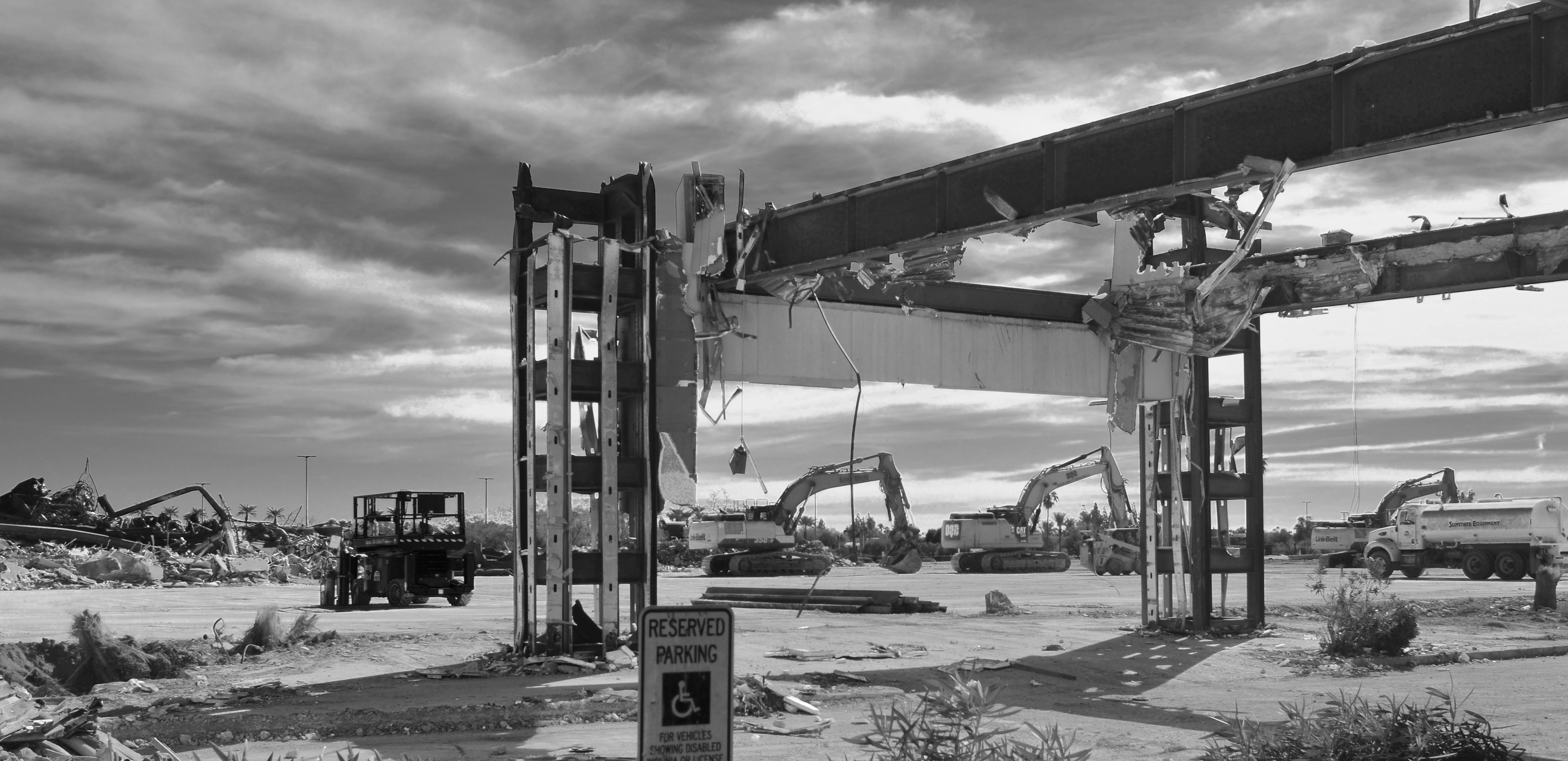
All across the world, the willing disassembly of our various infrastructures, such as this image of an old  mall being wiped out of memory, is something of a cultural apology, an admission that, sorry, this just doesn’t work for us any longer. The amateur in us would gladly have snapped this place forty years ago, say, at its grand opening. The pros among us, or at least the growing number of us that are thinking more and more like citizen journalists, want to document the moment the vision perishes of old age, or just plain irrelevance. In the case of this particular place, the ground is merely being cleared for what will be a bigger, newer version of the same fake-community concept that gave rise to what’s being torn down, so, lesson not learned.

We always are interested in the ribbon cuttings, the alphas of things: however, in creating a record of the omega phase, of the end of the trail of those things, we are doing more than just making “sad” pictures. We are making a document of hope and loss, and all the temporary realities sequenced between those two historical brackets.

SKETCHPAD PSYCH

St.Xavier Central HDR_2

A 2012 HDR mix of five bracketed exposures, my attempt to rescue additional detail from the dark areas.

By MICHAEL PERKINS

HAVING BEEN AN ILLUSTRATOR LONGER THAN I HAVE BEEN A PHOTOGRAPHER, I have long since learned to live with “the gap”, that unbridgeable space in the arc of creation between conception and execution. We’d love our art to be a closed loop, with an unbroken line from our original idea to our final product, but that gap, that realm of uncertainty and unrealized dreams, is stubborn, and keeps the circle from completely closing. In pencilling a notion on a sketchpad, I had to become resigned to the fact that, once I began inking the pencil lines, something indefinable would be lost in translation.

Being okay with the gap has kept me sane in the making of photographs.

Regardless of our training, practice, equipment or eye, we can never deliver images that fulfill 100% of our dreams. We work like mad over a lifetime to make the gap smaller, and in our best moments we nearly manage it. Ironically, it’s the pictures with the bigger gaps that really get our attention and sharpen our perception. The raw, gnawing irritation of knowing exactly how we failed is the only road to better images. Like an illustrator, we enter into a lifetime “sketchpad psych”, an acceptance that the devices we use to extend our senses (brushes, cameras, etc.) will never perform to perfection. Some of this is because, maddeningly, our internal conception of our own original ideas is never actually “finished”.

Up The Aisle EF

Same five images, remixed in 2022 with an exposure fusion process. 

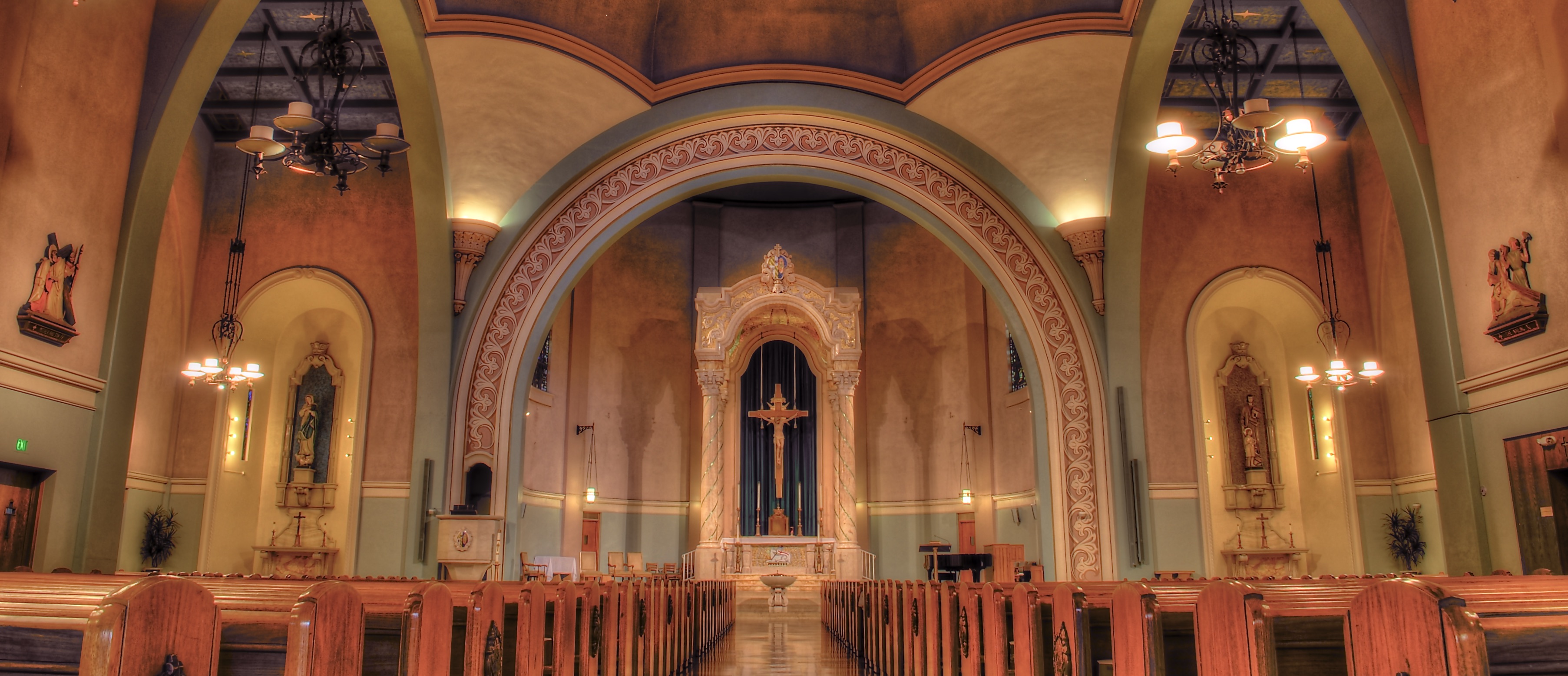
These two images, both blended from five bracketed exposures, from super-dark to super-bright, were “mixed” a decade apart. Now, beyond the fact that, given modern tech’s more sophisticated ability to record wild swings in contrast,  I probably would not even approach the master shot in the same way today, it’s sobering to realize how much my conception of “correct” processing has shifted in a mere ten years. The top take is classic HDR, very heavy on the details, along with the slightly garish color palette and overall brassiness of that process. The bottom version is done with the same software, but using exposure fusion. A lighter tone over all, one that’s absent the micro-fine particles of things like woodgrain or wall texture. The first process changes everything in the picture all at once, while the second gives you a bit more control over individual elements, along with the option of understatement.

Both versions have their points, but in classic sketchpad psych, neither is a complete rendering of what I saw in the moment, but rather, an artfully constructed compromise. Some days, close is as close as you can get. The only cure is to turn over the page on the sketchpad and start drawing again. Here the graphic artist and the photographer can agree on the same two-word mantra: next time.

THE WAY IT USED TO COULDA MIGHTA OUGHTA

By MICHAEL PERKINS

COMBINE A NEW SERIES OF MOVES TO GENERATE AN EFFECT, and you are likely making art. Reduce the making of that same effect to a predictable rote series of steps with a uniform outcome, and you are likely making craft. Photography is a series of calculations: a certain adherence to rules will give you a solid framework in which to create. Slavish service to those same rules will make that framework a cage and imprison your vision within the confines of mere habit.

The comedian Lenny Bruce was famous for saying, “If I do something more than once, it’s a bit”, meaning a routine, to merely be recreated or played back, on demand….the opposite of creativity. I make mention of this because I fear that my own satisfaction with routines…how reliably they work, how comfortingly familiar they are…..can creep into my photography and replace all the vital blood in its veins with concrete. It’s an insidious trap. Repetition can act as a kind of sedative. Feels great in the moment, but soon you’re sleepwalking through the process. Photos become mere product. You can actually feel when all of your picture-making habits start morphing from a protective roof to a crushing winepress.

_DSC6043

Fan Dancer, 2022

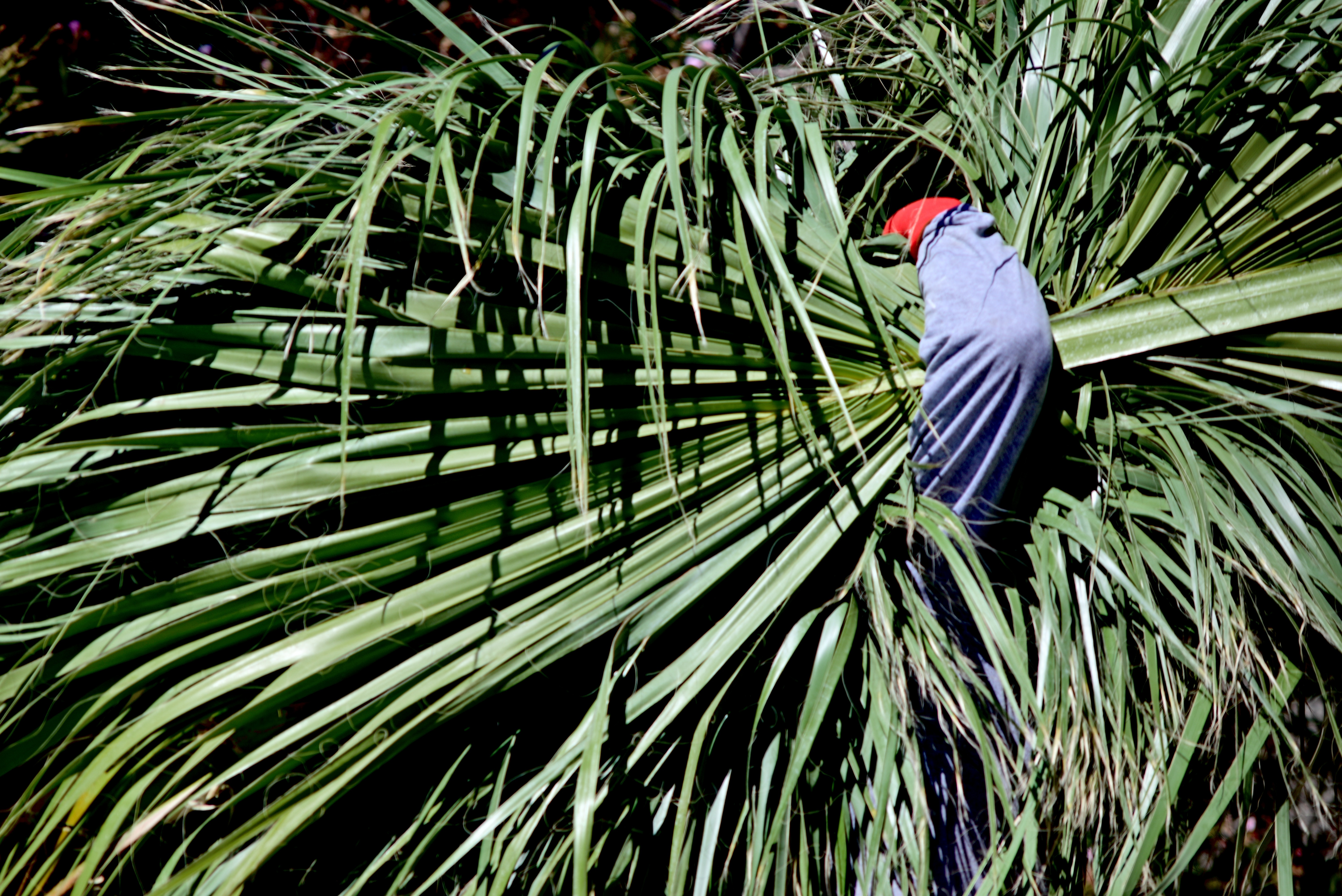
One remedy I try, to shake things up in these moments of torpor, is changing out gear to something, anything that I don’t think will work at all, or which may at least force me, through partial misuse of it, to think less habitually. Think of it as the difference between lighting a fire with a match or witching one up out of damp sticks. In the picture seen here, one of dozens I’ve made over time of the steeplejack daredevils who climb up and trim super-high palm trees in the southwest, I was actually forced to use a 300mm manual focus telephoto that was attached to the only camera I could reach in time for a shot. The nearest “appropriate” alternative was half a house away, and, meanwhile, this guy was hauling away the debris from his job at a good, er, clip. That meant making an attempt with something that was zoomed in way too far in relation to the distance between him and me. It meant focusing on the fly with a 1970’s lens barrel that is not exactly greased lighting. Oh, and to make things interesting, I could go no further open than f/4.5, so there would also be shutter speed fiddling to factor in. None of it should have worked.

Oddly, the minimal information forced on me by the close-at-hand framing, which now had eliminated all other context of size or place, actually made the worker’s crooked arm counter-balance the frond fan in an almost Asian fashion. A shy little Geisha gardener?  I liked it. Could I do it again, on purpose? Not the point, really. What made me alert enough to maximize my opportunity in this case was the sheer uncertainty of the whole attempt. Now, all I have to do in future is resist saying, in the future, “whenever I shoot this kind of image, I always, always….”

Or else, in Lenny’s words, I’m just doing a bit….

COLOR COMMENTARY?

_DSC4884 2

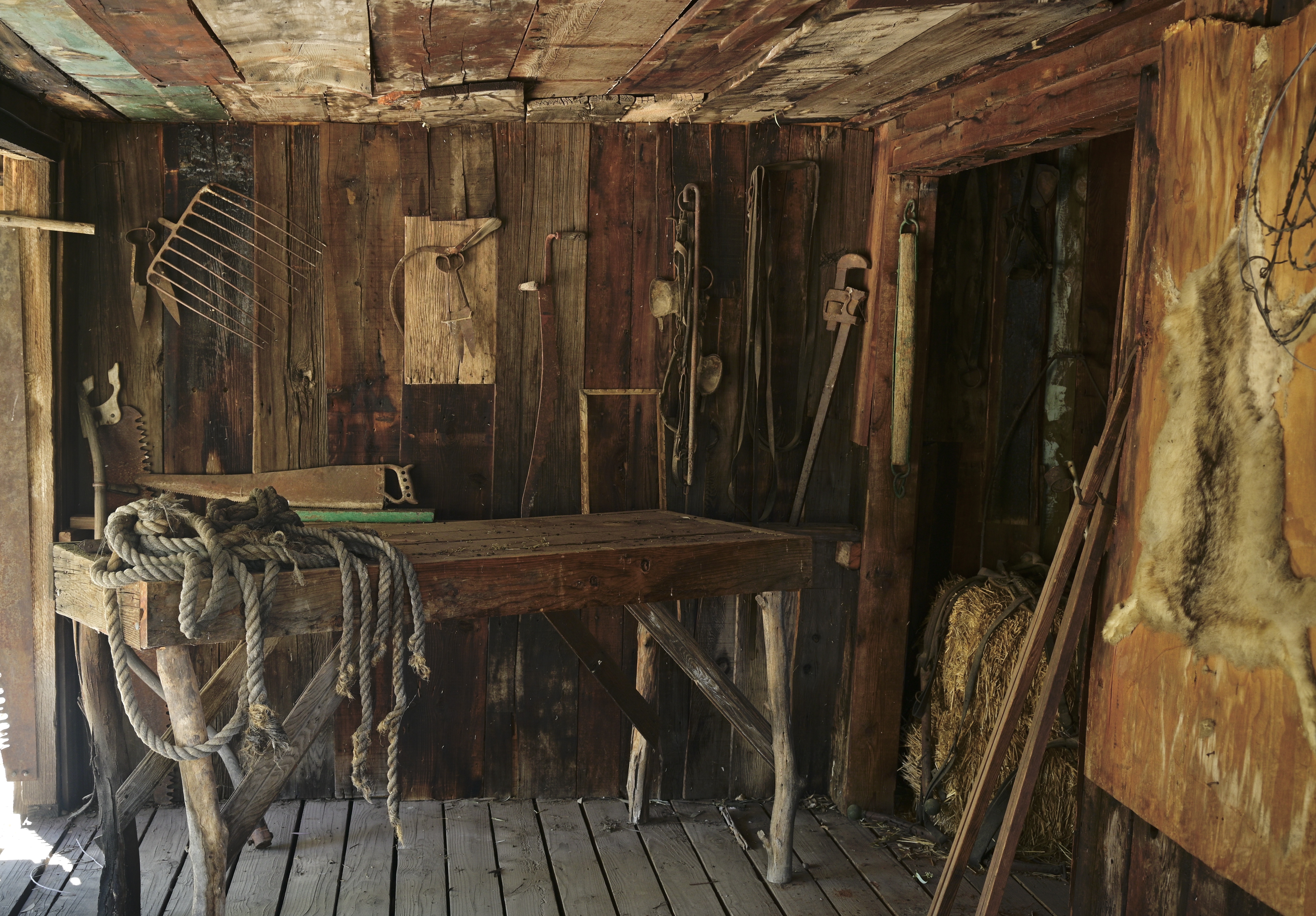
A Day’s Work, 2022 (original color master shot)

By MICHAEL PERKINS

A PARTICULARLY MISCHIEVOUS FRIEND OF MINE, when asked by his small child why all older films and pictures seemed to be in monochrome, decided to tell the kid that the world simply was in black and white back in those days, as if the planet at some later point finally ripened and a fuller palette of hues became the New Normal.  The con might have actually worked, if my friend’s child had not, in fact, been far more intelligent than his father.

Thing is, we still think of earlier photographs as defining a world of little or no color. We may logically know that this cannot be true, and yet, when we compare mono and early color snaps of the same subjects, or see the hues restored to pictures that were made in color but often printed in b&w, there is a bit of a disconnect. And even after all of that, we learn to either use or withhold color in our work based on our concept of which subject matter “deserves” it. For some shots, we think of monochrome as somehow more incisive, interpretative.

_DSC4884

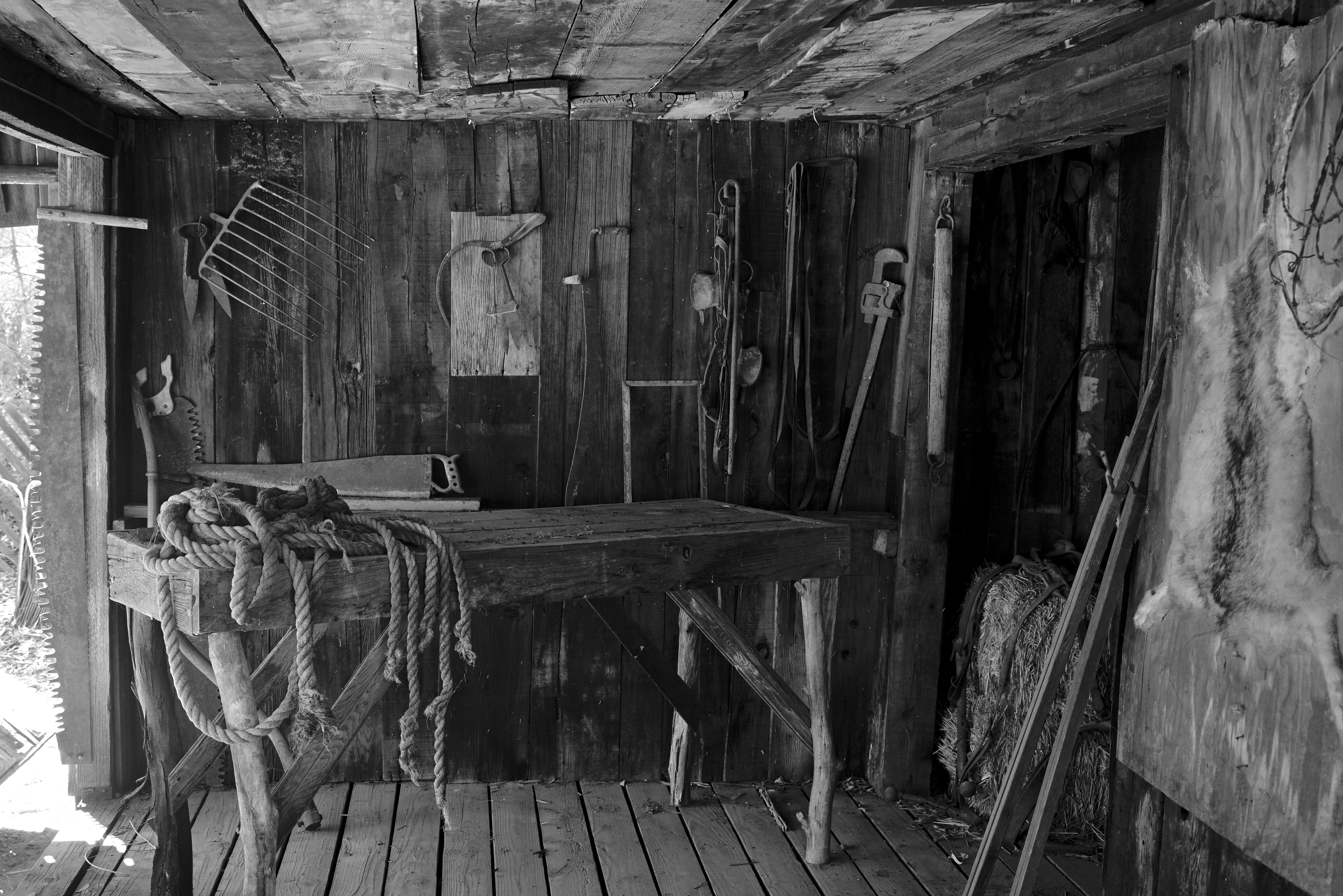
A Day’s Work, 2022 (mono conversion)

Those of us who study photo history are well aware of b&w’s emotive power to showcase things that are haunting, stark, spare. We carry the grayscale images of the Dust Bowl and the Depression in our minds,  unsparing, grim testimonies to human suffering that are etched in monochrome. Does this mean that some subjects deserve a kind of reverse color commentary, that they will always be more effective with a narrower variety of tones?

The ragged farm workshop seen here is, itself, a re-creation, a deliberately staged tableau assembled inside an enormous desert arboretum, a tribute to bygone settler days. The color master shot certainly contains all the texture and contrast appropriate to the exhibit, but I am still slightly more drawn to the mono conversion. But why? Does it please me that it almost looks like a Walker Evans or Arnold Rothstein assignment for a New Deal agency? Does it become more “authentic”, and, if so, in what way? And being that I’m photographing a replica, is my choice of tonal range a replica as well? A well-meaning tribute? A cute fake?

Or, as Alfred says, “What, me worry?”

I keep posing these questions as if they have definitive answers, when, in fact, the only thing that makes a photograph valid is the feeling it conveys (or fails to convey). It’s fun to spin the various arguments around their generation, as if it’s important, but the one thing that “qualifies” a technique in a picture is whether it worked, whether or not it made a connection beyond the photographer himself. The rest is merely debate.

Things are not always black and white.

Except when they are.

THE INSTANT IT DOESN’T CLICK

By MICHAEL PERKINS

THE POLAROID COMPANY’S DEATH/RESURRECTION SAGA OF THE 2010’s is the kind of Cinderella story that warms the heart and quickens the emotions among photographers of all ages. Culturally iconic but financially destitute camera company bellies up after 60 years! Plucky, artsy underdogs rescue legendary brand!  Instant cameras are back! Admittedly, the return of the rainbow-banded square film in the white box has all the elements of a classic fairy tale.

Minus the happy ending.

Instead, the success of the reborn Polaroid, including its Life-Saver-Flavored cameras and its muy espensivo film, is more like the tale of what might have been, but isn’t, yet. The new Polaroid film is nowhere near the equal of the original formula, even though the New Owners get an A for effort for having to reverse-engineer it from scratch, after Old Polaroid dismantled the machinery and ate the recipe used for making it. They also deserve credit for at least partially reviving interest in older, better Polaroid cameras (the SX-70, as one example) by doing nuts-up restorations of them in order to stoke interest for the revived film.

And yet.

DSC_1073

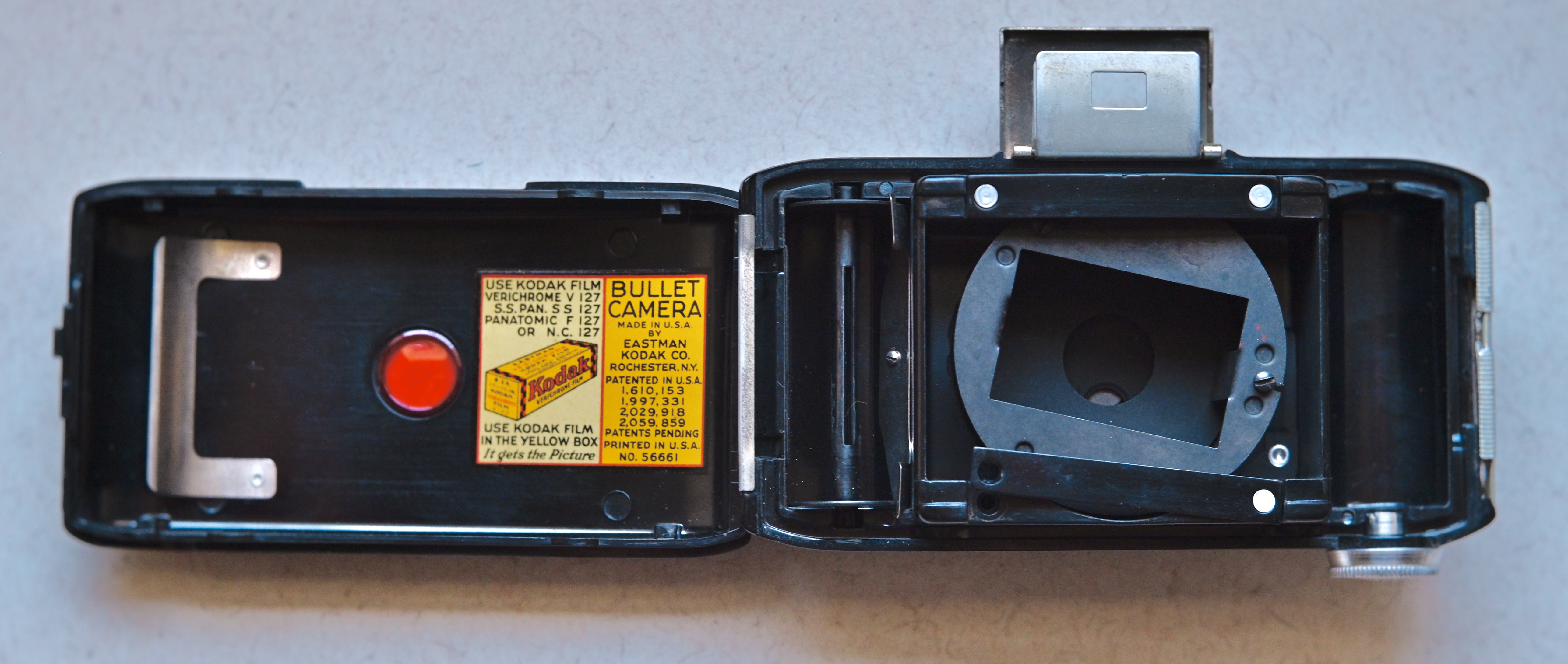
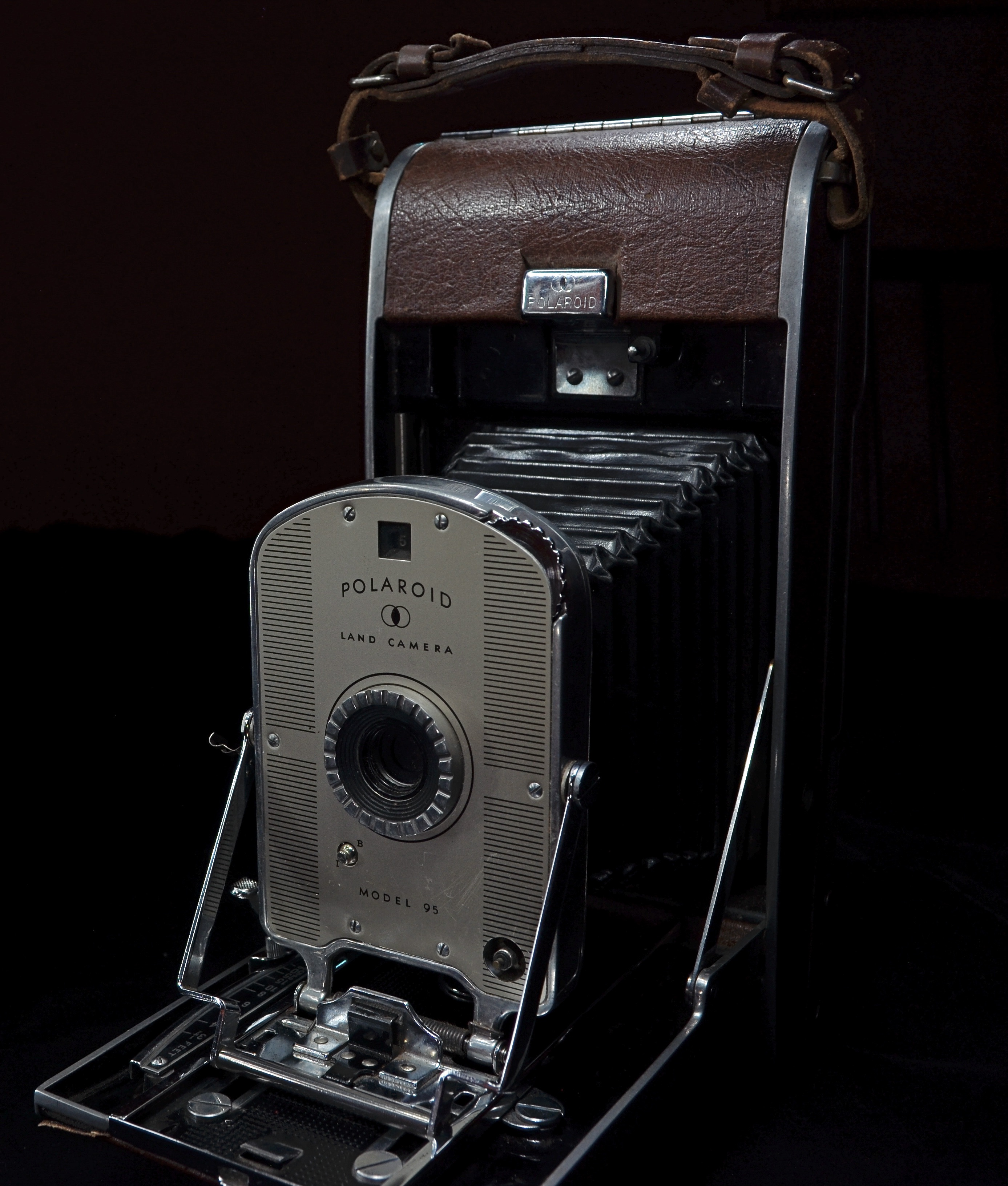
Them wuz the daze: Edwin Land’s first-ever Polaroid, the Model 95 (1948)

Over ten years into their quest, the re-booted Polaroid has yet to produce a camera that is much better than a glorified point-and-shoot, opting instead to merely celebrate the fond experience of producing an in-hand print quickly. As but one example, the marketing emphasis on their various “Duochrome” films (Red-and-white, Blue-and-White, even Green-and-White monochrome emulsions) is on the unexpected, the random. It’s basically the Lomography philospophy of “hey, this is so loose and free, ‘cuz we don’t know what will come out, if anything!”, an outlook which is novel for those who want their picture-taking to be an explosion of pure spontaneity rather than something that can be deliberately planned or predictably delivered. In their original incarnation, Polaroids were the stuff of serious art installations, a la the Andy Warhols of the world. Now they are soft, murky souvenirs of the last boho rave or teen sleepover you attended. It ain’t the same.

To be fair, other instant camera makers have produced units with features that give the shooter finer control over the results (including even baseline cameras from Instax.Fujifilm), and there is even a smaaaaalllll market for things like the 3d printing of instant camera backs which can be fitted onto high-end camera fronts, like that of the Mamiya RZ67. But the main highway of the instant pic market moves on the twin tracks of novelty and nostalgia, something Edwin Land never targeted directly during Polaroid’s original golden era.

Instant cameras are a blast. I like playing with them. But that play is ultimately frustrating and expensive. In its second life, the new Polaroid corporation has a long way to come before it earns the name it purports to honor. And if Mark Twain were alive today to compare the two instant eras, he might repeat his old phrase that they constitute “the difference between lightning…and the lightning bug”.

WHO’S IN CHARGE HERE? DEPENDS..

By MICHAEL PERKINS

THE OLD ADAGE ABOUT LIFE BEING WHAT HAPPENS WHILE YOU’RE BUSY MAKING PLANS also seems like a perfect fit for the act of photography. Certainly we love to take bows for our best work, and to let the myth persist that what’s hanging on the wall is exactly what we were going after in the first place. Well, I use the word “myth”. I actually mean “convenient lie”.

The scientist in us loves to keep alive the belief that we are in charge of our lives, that all our great results are the inevitable outcome of brilliant foresight and faultless planning. But the photographer side of us, the more instinctual half of our nature, knows how much luck and randomness figure into the mix. Yes, we came back with a great shot of C, but only after our “perfect” concepts of A and B fell flat.

DSCN7370

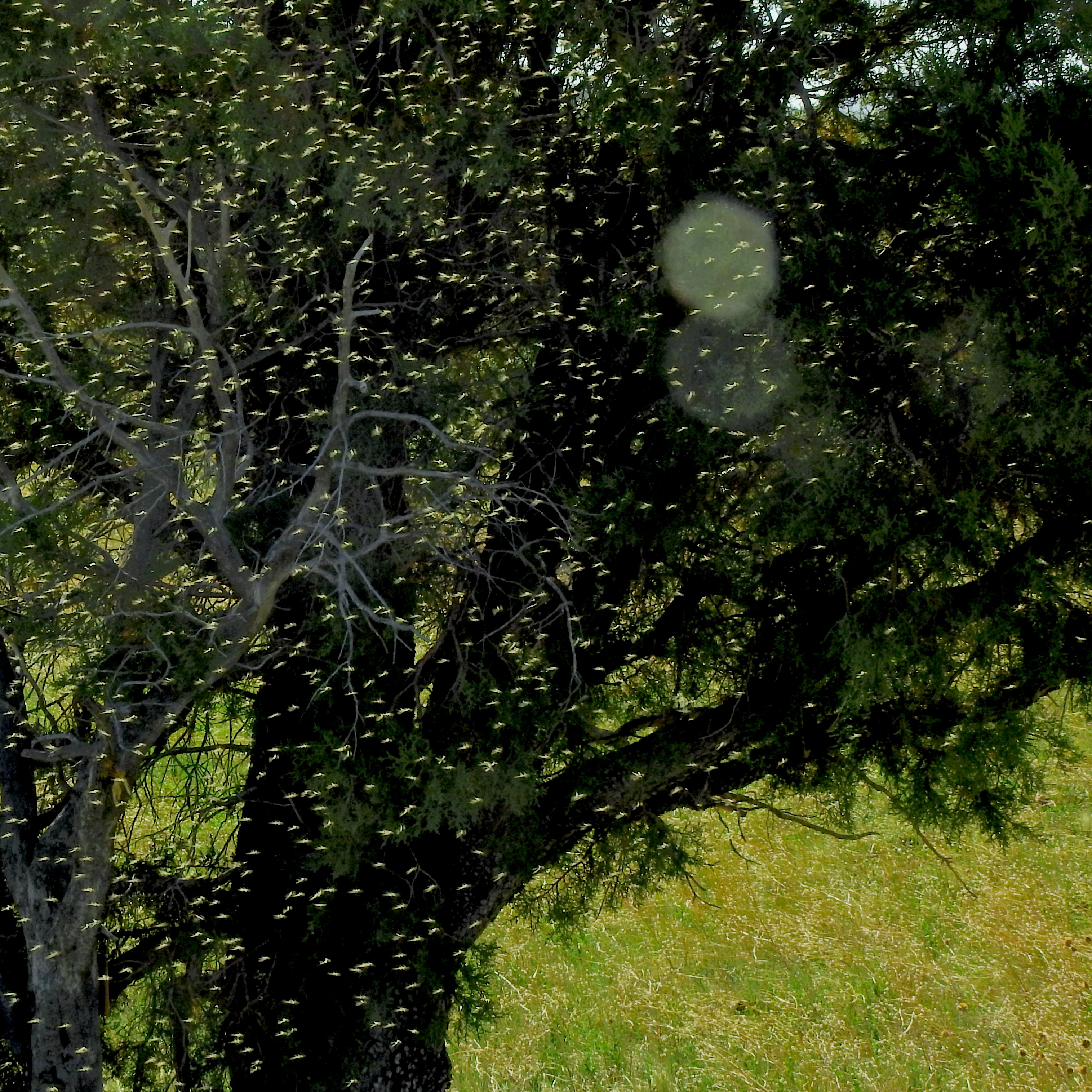
Several weeks ago, I went birding with a small group into a marshy area near Show Low, Arizona. The water was all part of a reclamation project that created the illusion of a large pond/small river in what is typically semi-desert, and the entire local landscape was transformed, because of the extra moisture, with reedy banks, plentiful supplies of yellow-headed and red-winged blackbirds, and, well, bugs. A bleeding swarm of infinitesimal insects which are a huge Happy meal for the flycatchers in the area, but which also fill the hair, eyes and mouths of any, well, non-birds in the area.

Which is where my plan A fell apart.

Yes, O logical side, we will, as expected, be taking pictures of shorebirds and the shores that host them. Easy call. But, oof, here comes the photographer side, the instinctual guy, who now wants to make a bug picture. But how? Everything is awash in early morning sun, which renders the swarm all but invisible. They are so thick that they may make even carefully focused pictures look soft, as if I had a diffusion filter attached to my lens. The only way, then, to at least suggest the look of the plague was to aim at the darkest thing I could find, which turned out to be a small copse of free-standing trees further inland from the water and standing in their own shade. At least I had enough of a picture to suggest my new, revised main message, to wit: man, there’s a  &%$ton of bugs here. 

And so it goes. Planner Me begins with a startup scheme. No-Plan Me eventually straggles with another viewpoint. And the eternal question of “who’s in charge here” for a given picture changes on a whim, or around whatever might be, sorry, bugging me at the moment.