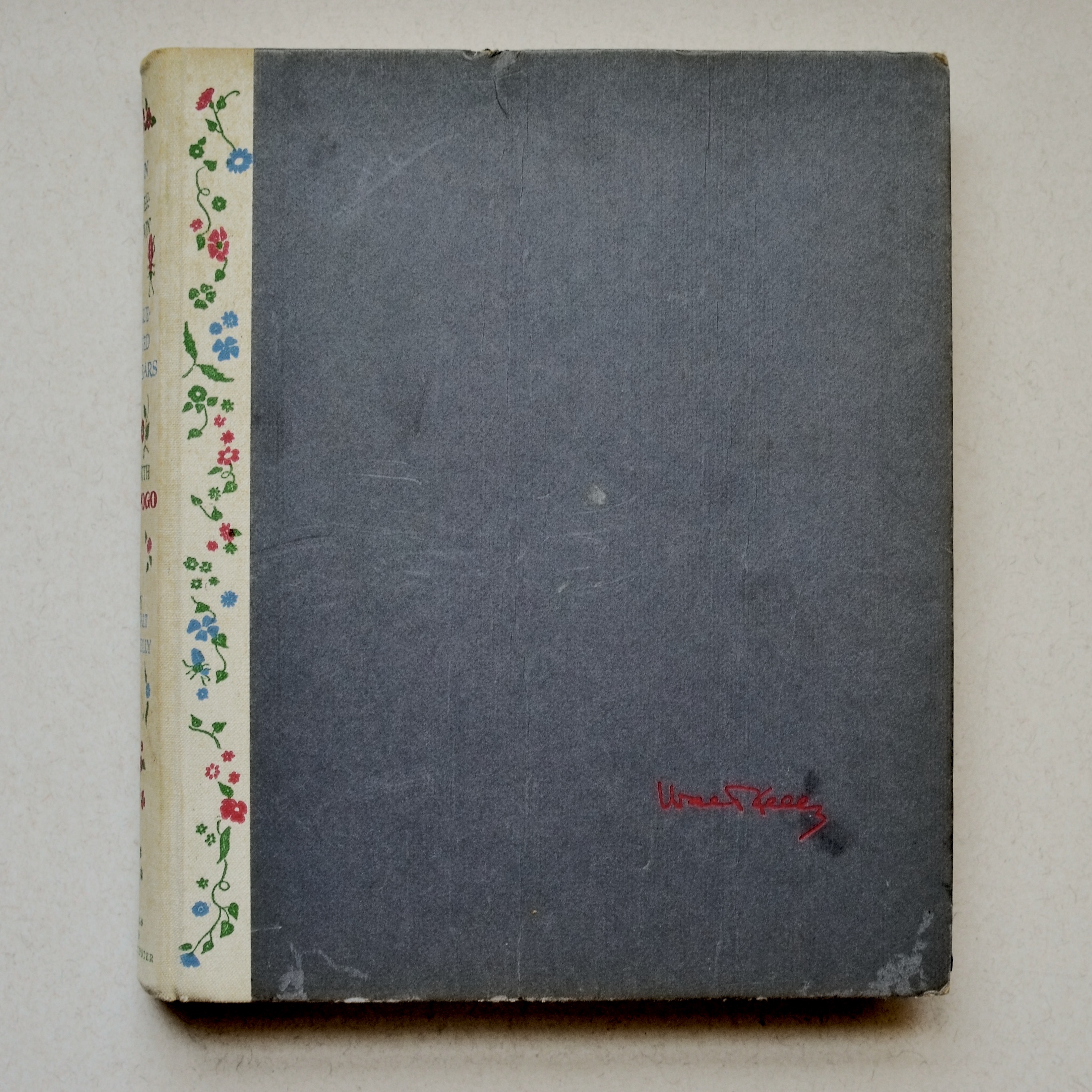
Winner and still champion from my personal library.
By MICHAEL PERKINS
SO MUCH OF THE GREATER WORLD SEEMS SO PERISHABLE under our present Great Hibernation that one’s mind goes naturally to things of more lasting value. The more that contemporary concepts of “permanence” vanish like smoke, the more the photographer in me values the artifacts of a life that still remain close at hand. Access to the fuller world is often denied me these days, but, here, inside the compound, there is a renewed opportunity to visually reassess the things I have carried with me over a lifetime.
This has led me to try to create what you might call formal photographic “portraits” of various ephemera around the house, from weathered old coats to favorite records to…books. For me, a person who has entertained a collector’s fetish with so many kinds of playthings and pastimes over the years, everything always seems to come back to books. The printed word, and the physical packages in which it came, harnessed my passion before music, before photography, before even romantic love. And, if we’re talking about a consistent source of comfort, books have acted as one of the most permanent and reliable anchors to earlier versions of myself. I leap between covers, and I vanish, emerging re-centered, fuller and finer than I was before the plunge.
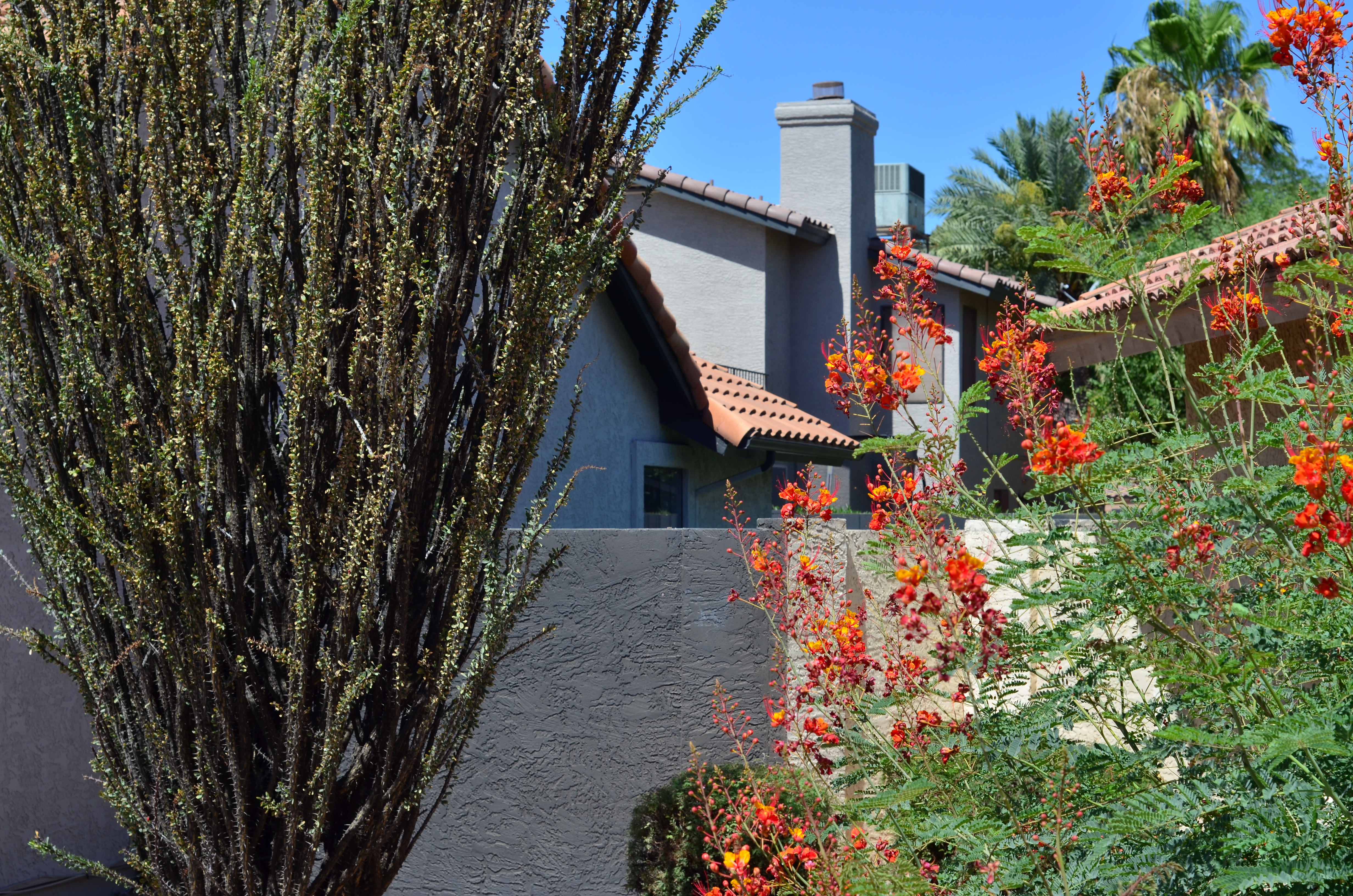
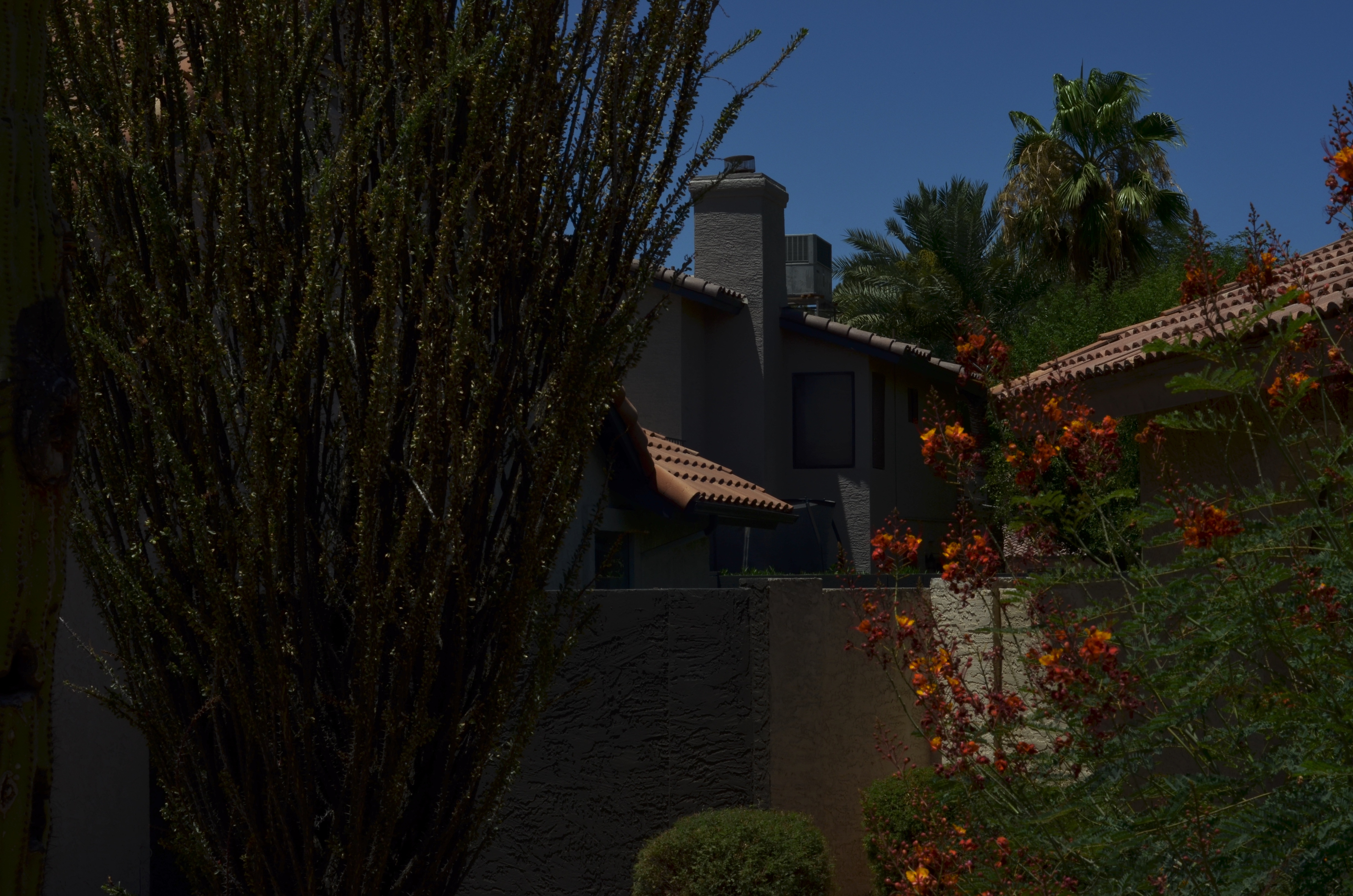
In trying to photograph the oldest surviving book in my collection, I found a lot of techniques left something visually unsaid, delivering images that were too cosmetically clean, too charming. The book you see here has been with me in high times and low since 1963. It was probably the first hardback book that was truly mine, not one just plucked out of my parents’ library. For my picture, it needed to look traveled, well explored. It needed the historical gravitas of a few creases and stains, to look like a book that was important enough to be revisited and revered over a lifetime. After several attempts that looked, well, flat to me, I decided to go into my old trick bag and shoot it as an HDR. I had not used the technique for a while, since the acuity of current camera sensors has improved to the point where shooting and blending several bracketed exposures just to reproduce the full dynamic range of tones from dark to light was now as easy as squeezing off a snapshot. But in the case of my library’s longevity leader, I needed the over-accentuated detail that sometimes turned me (and others) against HDR: a look which would record and underscore every defect and scar, freeing them to speak a little louder. Another thing that argued for the technique: years prior, I had made a picture of my wife’s old 45 rpm record storage case, an item similarly, vigorously loved. HDR would deliver the warts-and-all portrayal I was seeking.
In the end I eschewed the full-tilt effect in favor of a milder blend called tone compression, boosting the detail but stopping short of making things too surreal. Finally, I had a picture that made the book look as if it had actually been used, rather than flawlessly archived. I had loved that book into longevity, and now, like the proud lines of survival etched on the face of a human subject, the tome was capable of fully flaunting its flaws.
Fabulously.

 thenormaleye
PAST SIGHTS AND OTHER BLIGHTS
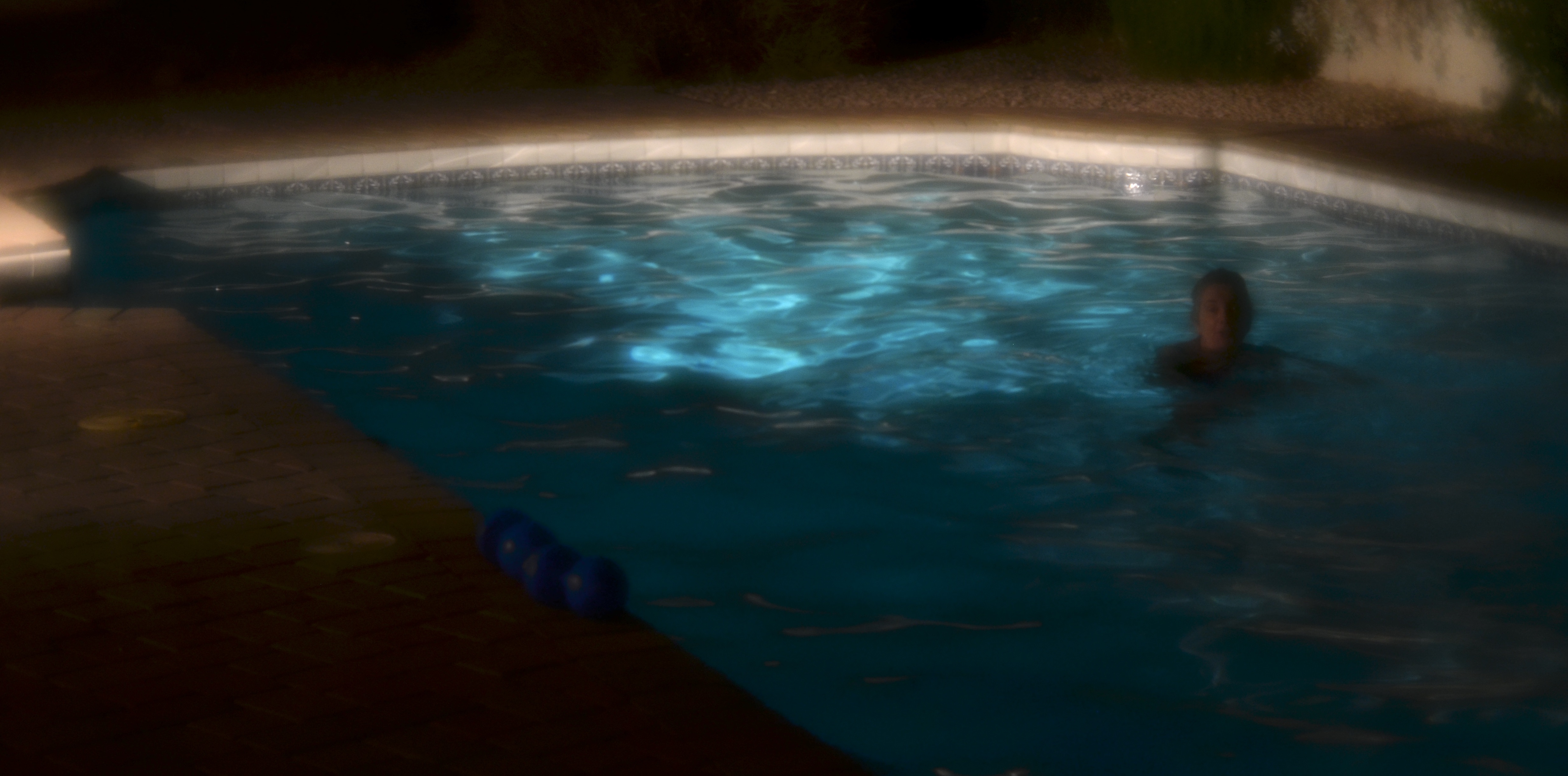
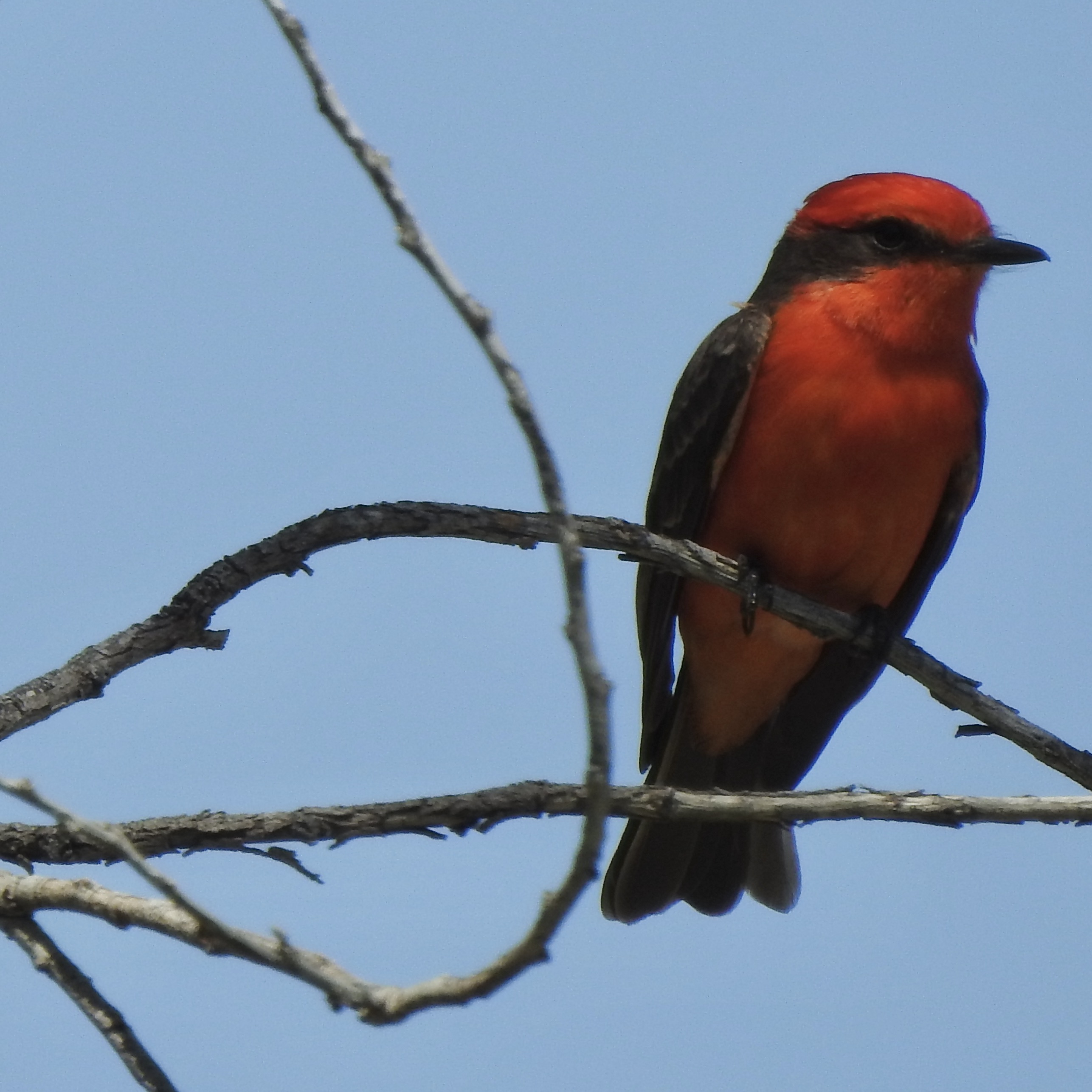
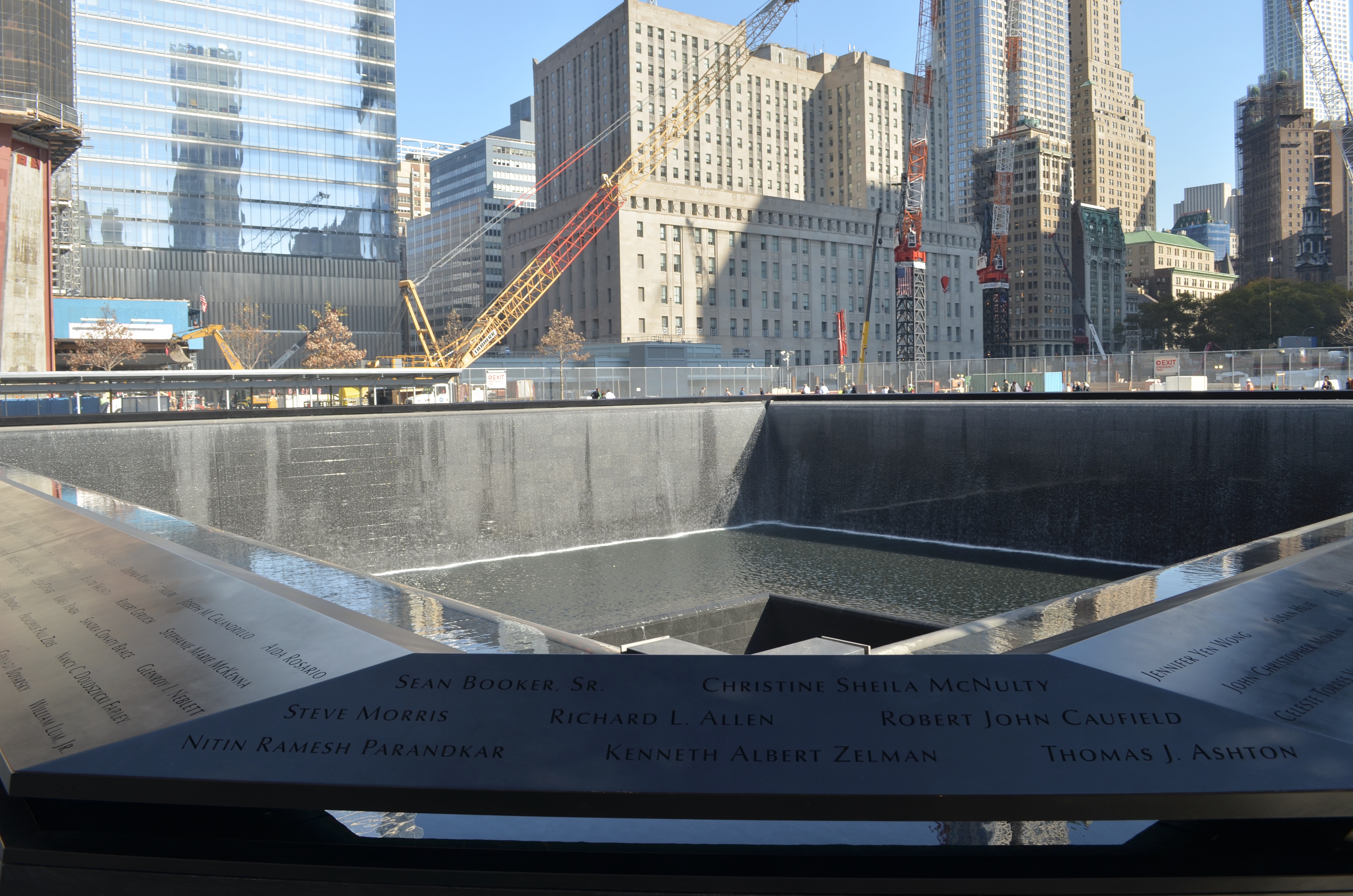
There was actually a time when I thought this image was “good”. That time has now passed.
By MICHAEL PERKINS
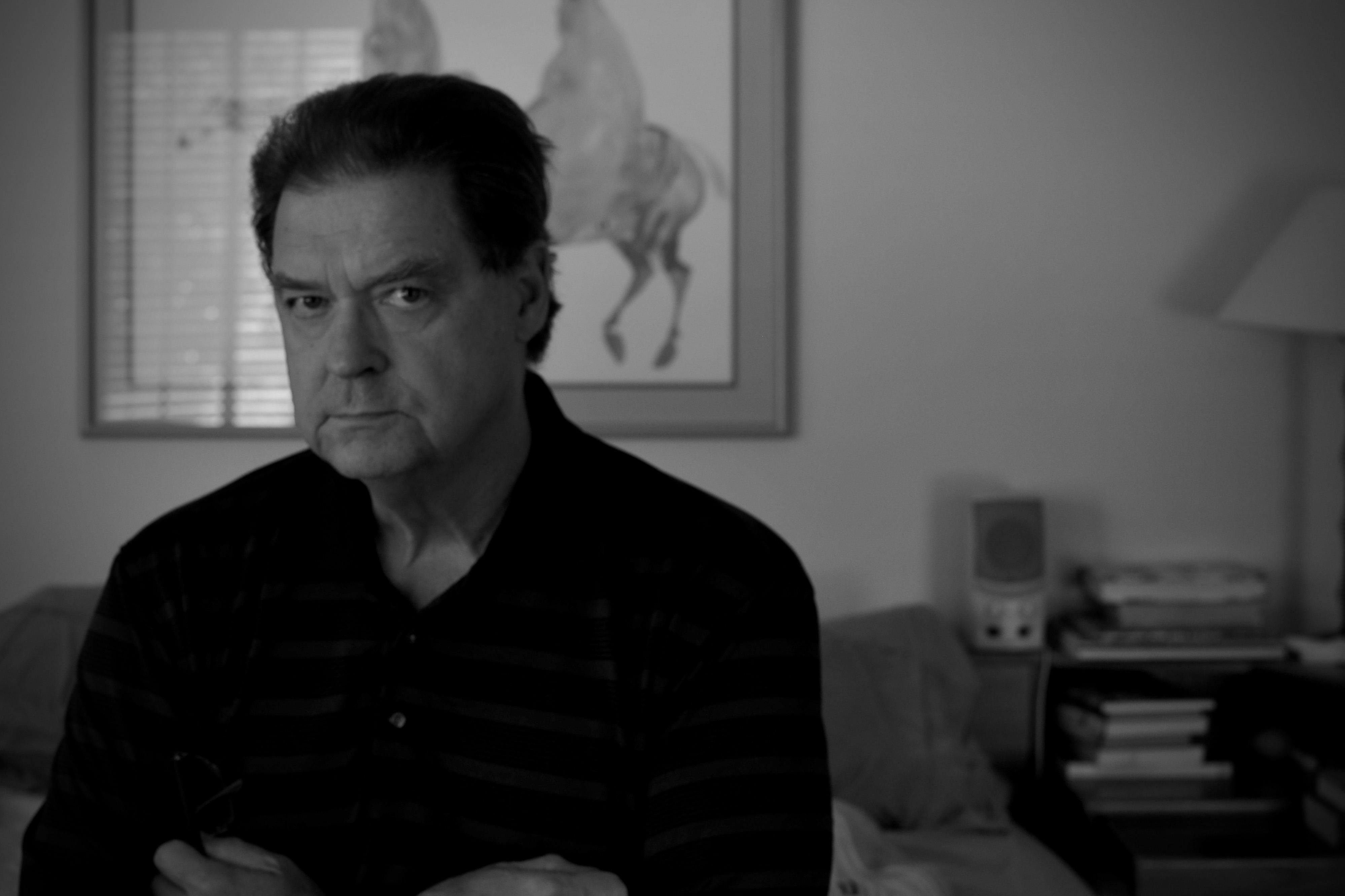
DURING MY CAREER IN RADIO, I lost count of how many times I heard people react to recordings of their voice with the remark, “that doesn’t even sound like me”. The statement is funny because it’s both true and false. As a series of stored electromagnetic signals that are a scientific record of sound, the tape certainly recreates the original noises we make: and yet our inner version of ourself seems distorted, as if we’re looking in a funhouse mirror. That can’t be us. Fact is, we’re often the world’s worst authority on what we are or are not, something that’s measured by the things we create.
Stay with me.
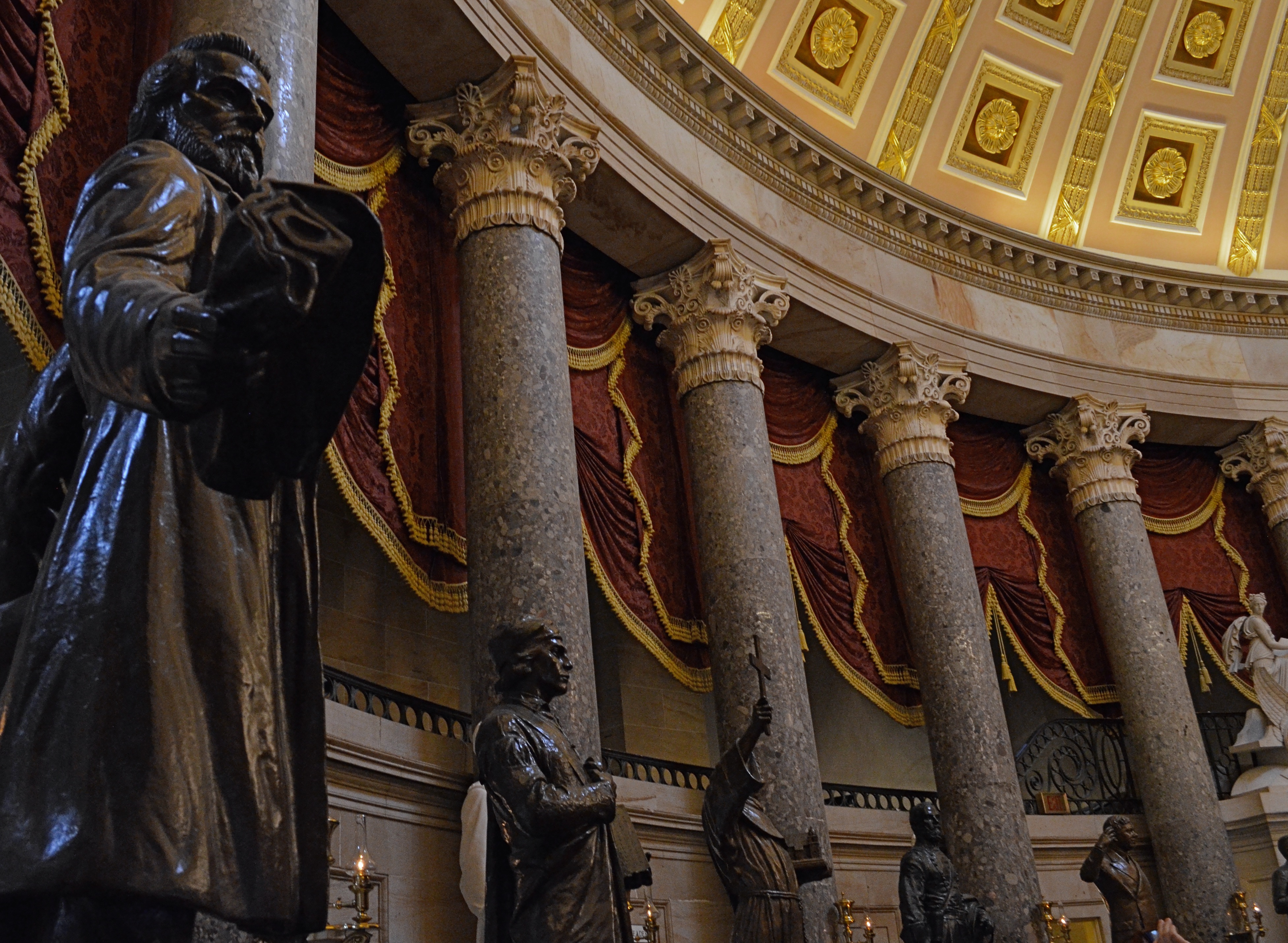
The current Great Hibernation that we’re all enduring is a great opportunity to clean house, to get to those dreaded “someday” lists that somehow always involve getting rid of things, of paring down. For photographers, this can involve finally curating old online images (not originals), a process which, like hearing our recorded voices, introduces us to versions of ourselves that we no longer recognize. Put enough distance between yourself and a picture you made a while ago and you can actually forget what it was about the thing that seemed a good idea at the time. And when you become estranged from an idea, it’s tough to love it enough to keep it around. Delete.
Of course, there are the other cases, in which you can clearly recall what you were after, and how, sadly, the result differs greatly from your “vision”. I don’t know which is worse, not recognizing your original intention or recognizing it all too well and wanting to distance yourself from it. Delete.
Some images are orphans. You posted them, you tagged them, you continued to love them, but no one else wanted to come to the party. “They” didn’t get it because….why? A million reasons. Whatever the missed connection was due to, these fatherless kiddos aren’t your best work. Delete.
There are also special circles of my own private hell for “lipstick on a pig” pictures. You know the ones. They’re inadequate or ill-conceived, but you are convinced that by torturing them into new versions of themselves with apps or software (see above, gulp), you can somehow make up for the fact that you blew the master image. That’s not just putting lipstick on a pig, that’s telling yourself that the pig is actually Sophia Loren. Delete.
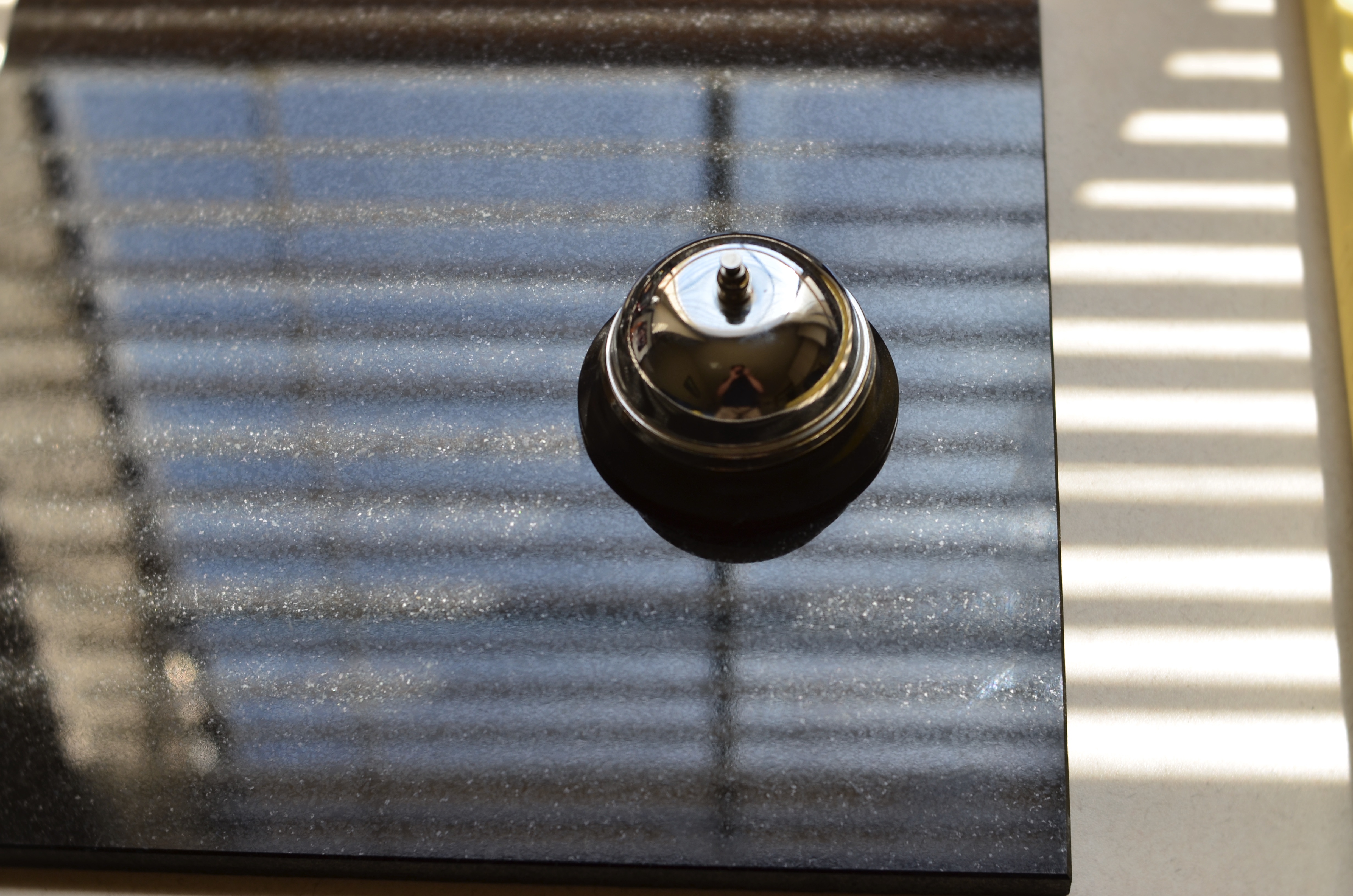
There is actually an upside to this process. With all the chaff you will also review all the wheat, occasionally astonishing yourself at how lucky/persistent/prescient you were. This is truly an investment in hope, since, it stands to reason, if you could mine gold once, you might, just might be able to do it again. Taken in full, a healthy and brutal review of past sights and other blights is as valuable as going out today to shoot all new stuff. More valuable, actually, because everything you shoot today is a by-product of all the keepers and weepers that went before. Understanding who you were informs who you will be. And while it’s humbling to find that you’re not always perfect, it’s a genuine comfort to know that sometimes you ring the bell.
Share this:
Posted by Michael Perkins | June 10, 2020 | Categories: Commentary, Conception, Criticism | Tags: archiving, Editing | Leave a comment