 By MICHAEL PERKINS
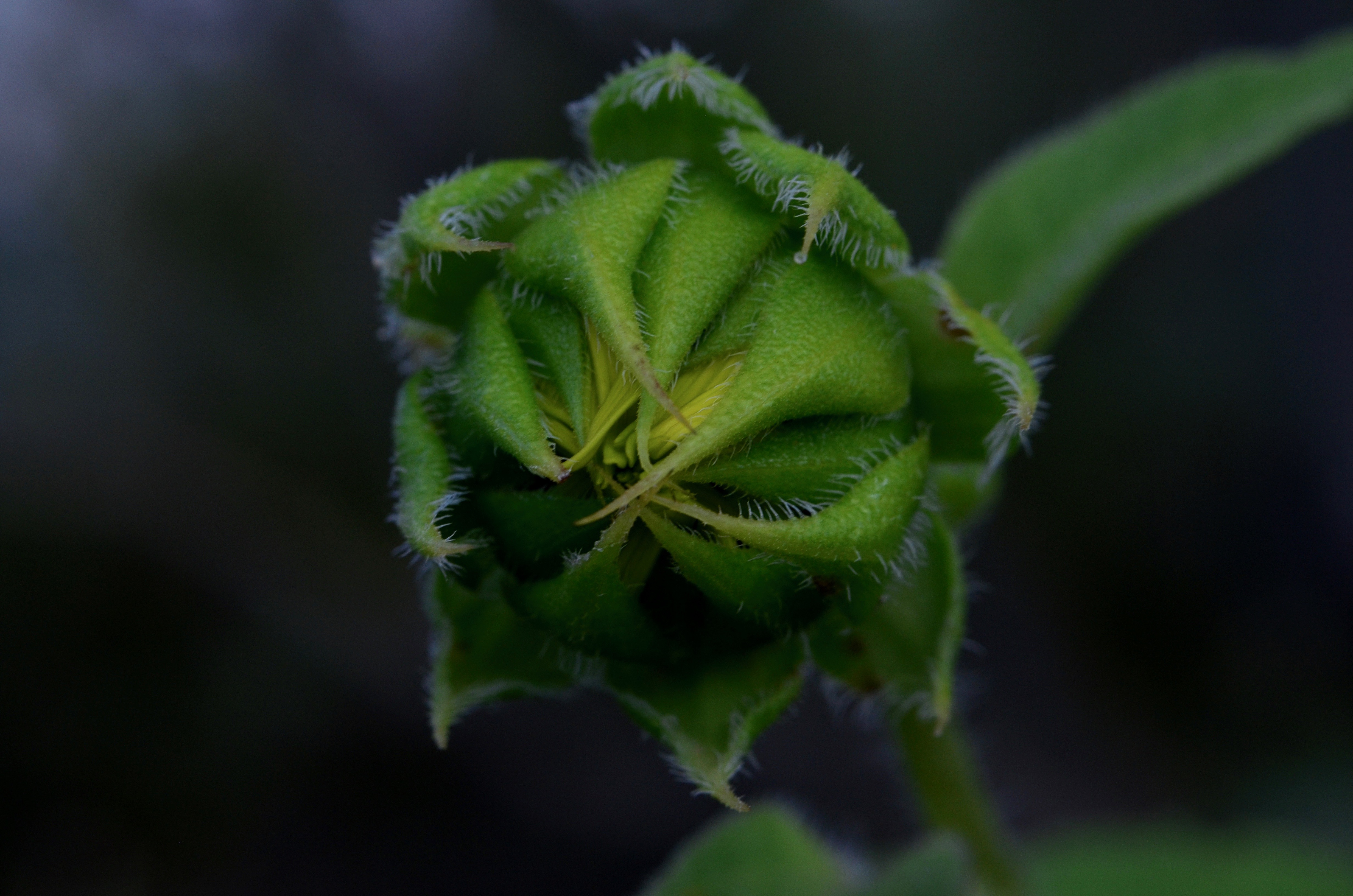
THE SPIRITUALIST POET WILLIAM BLAKE FAMOUSLY EXPRESSED HIS DESIRE to explore life in its smallest detail, to, as he put it in his poem Auguries of Innocence, “see the world in a grand of sand / and a heaven in a wild flower / hold infinity in the palm of your hand/ and eternity in an hour”. It’s the kind of sentiment that makes me believe he might have made a great photographer.
It’s unlikely that Blake, who was also a wonderfully gifted graphic artist and who died in 1827, ever held a camera in his hand, but from the first generation of photographers there was a decidedly Blakeian urge to explore the world at the most intimate levels, engineering lenses that allowed maximum magnification and resolution of the vast stories lingering right under our noses. Today, as never before, macro photography is finally within the technical and financial reach of the many, allowing spaces that barely comprise inches to reveal the complexities that we stroll past without regard on a daily basis. And just as all of photography is about extracting pieces of reality from the larger flow of time, so macro is about drawing things out of their original settings, to dramatize the elegance of design and pattern, to create a separate stillness. That certainly is what appeals to me about shooting in the small world….the ability to take things so far out of their regular context that we are forced to consider them as if we were encountering them for the first time.
To be sure, close-up work comes with its own set of unique technical challenges, but what makes it worthwhile is its ability to deliver the shock of the new, to depict the eternities residing within Blake’s grain of sand. For many of us, this process of discovery reaches its fullest expression in floral or botanical subjects, since magnifying their contours is almost like a crash course in geometry or architecture. Petals, seeds, pistils, stamens, leaves…..all are rotating in their own incredible orbits as if they were bit players in Fantasia, fantastic ballets in which size (or rather the transformation of scales and sizes) really does matter. In terms of technique, even a practiced photographer can be frustrated by the special demands raised by magnification. Certainly light and focal relationships work differently, as well as stabilization of the image. Predictably, every error of movement or lens flaw is utterly exposed once everything is increased in size, resulting in a higher percentage of failed shots and near misses. Still, one’s first plunge into macro is like Alice’s initial entry into a realm where everyday objects magically shrink and expand without warning.
Blake, like all artists, understood that art transforms and re-translates all experience, re-defines how we view everything, allows us to show all ranges of life from dark to light, remarking in Auguries that “man was made for Joy & Woe / and when this we rightly know / thro the World we safely go” Photography gets the big things right…. by paying attention to the worlds within worlds. It really is a game of inches, sometimes atoms.







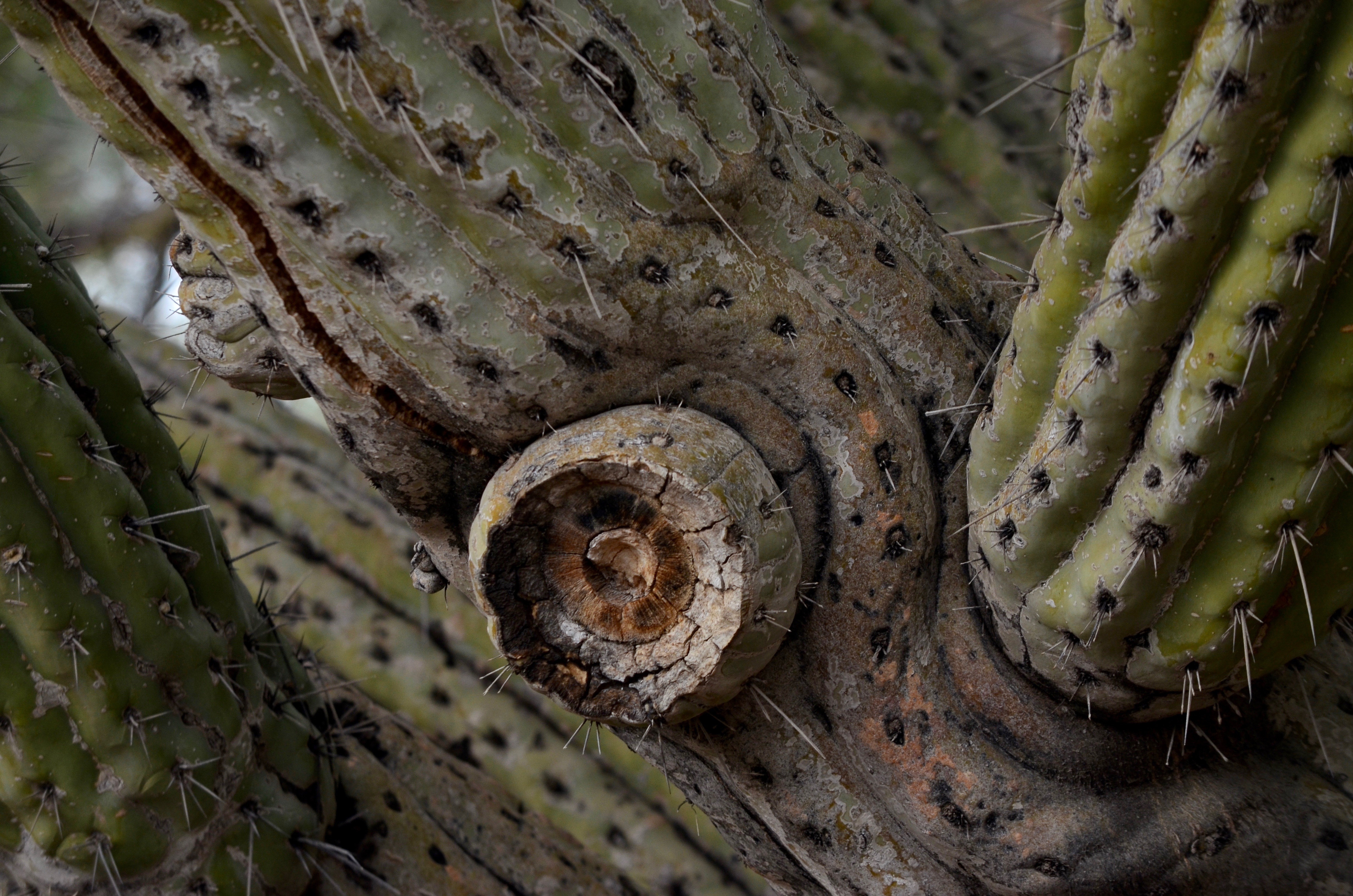
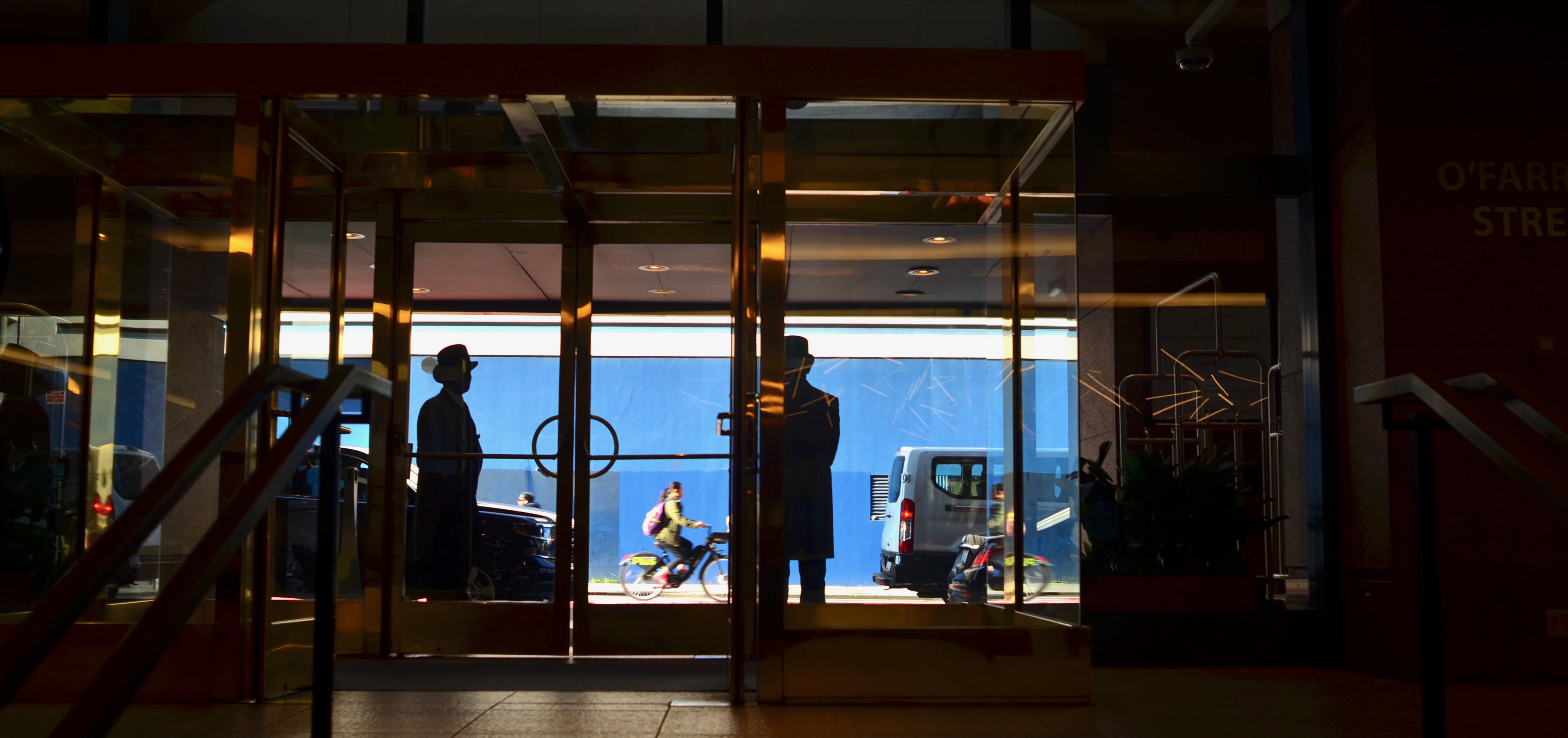

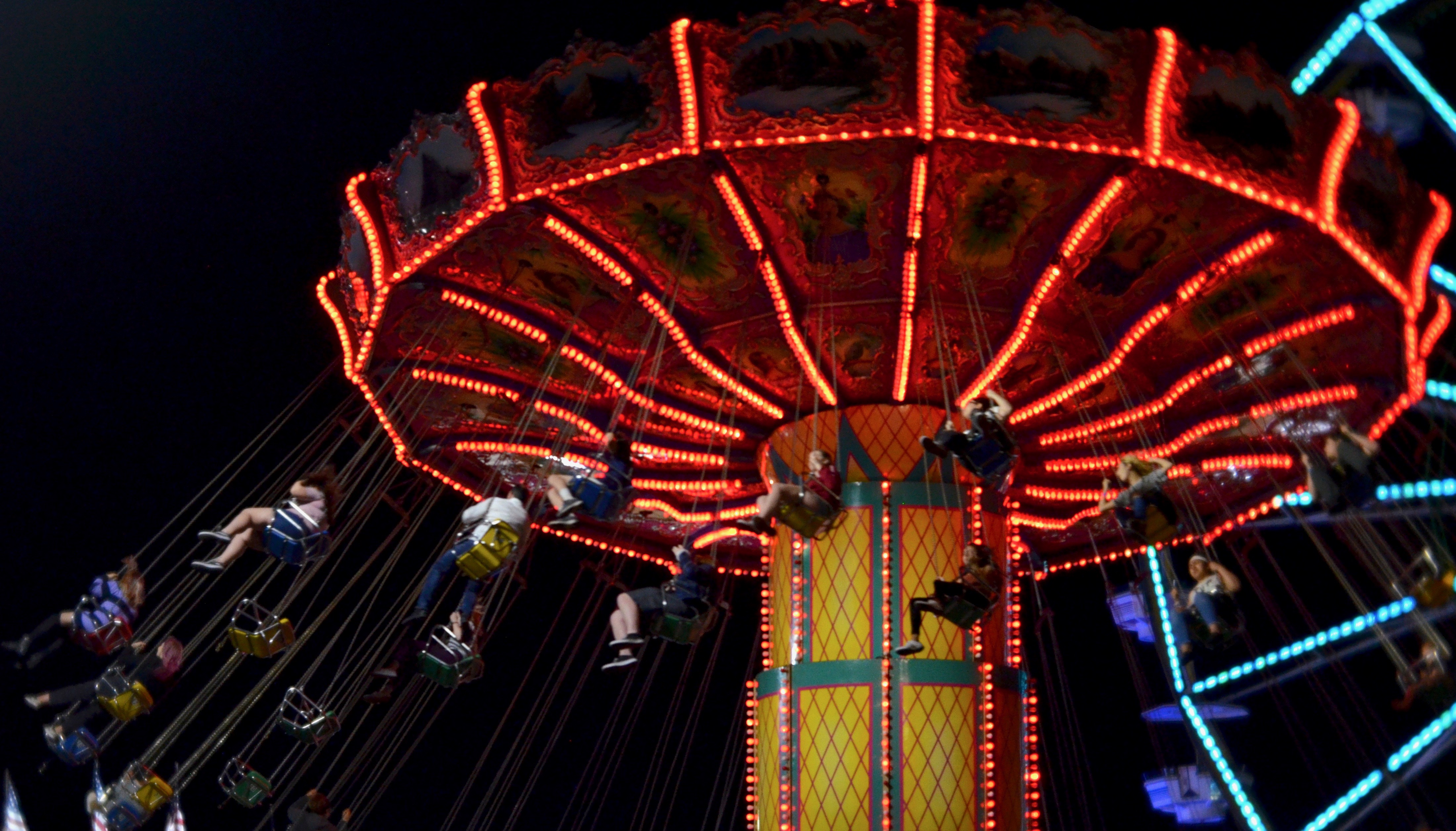

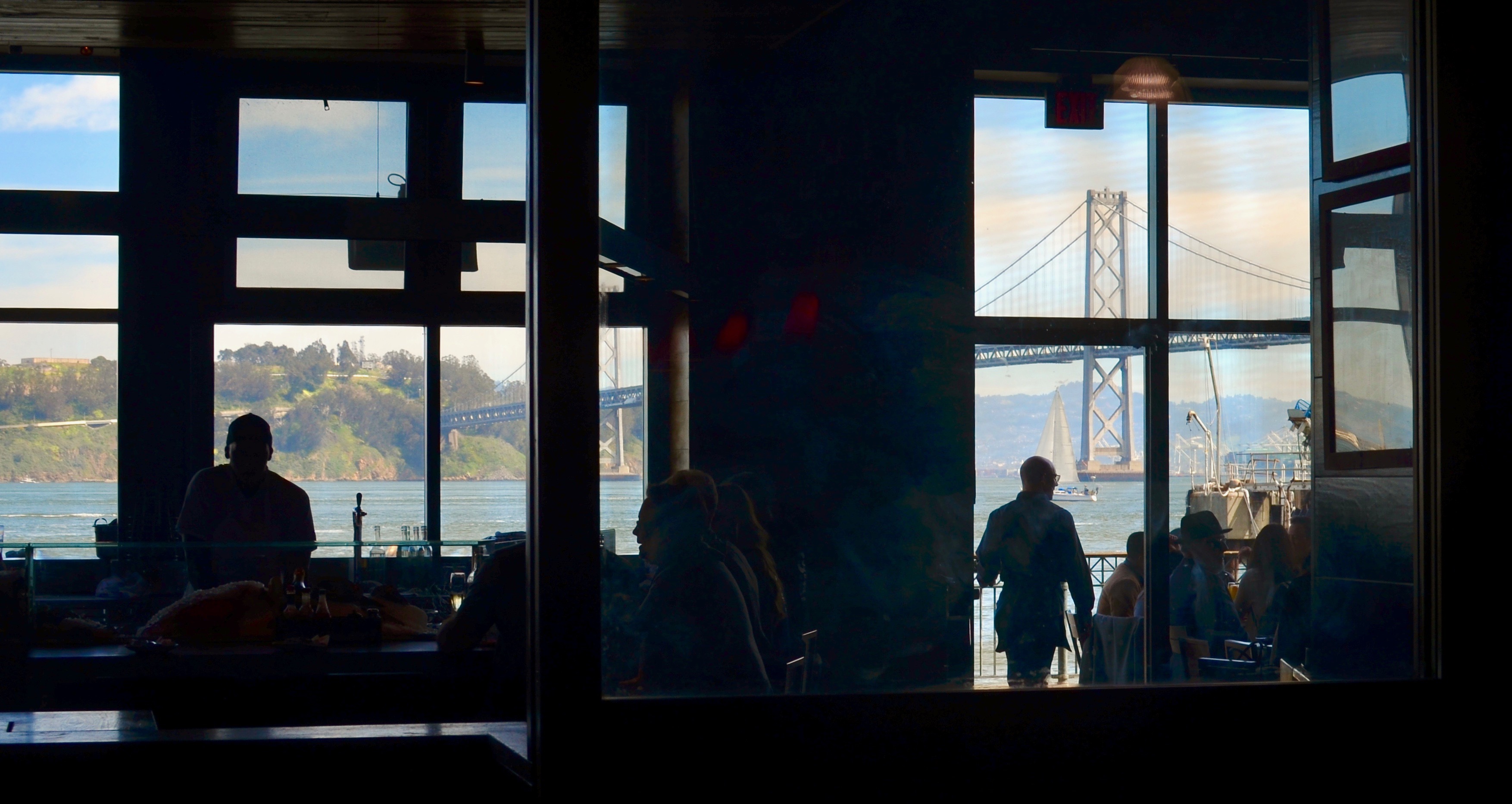


BUPKIS
By MICHAEL PERKINS
A Failed Harvest.
The Fish That Got Away.
I Had It, But I Lost It.
Mistakes Were Made.
Bupkis.
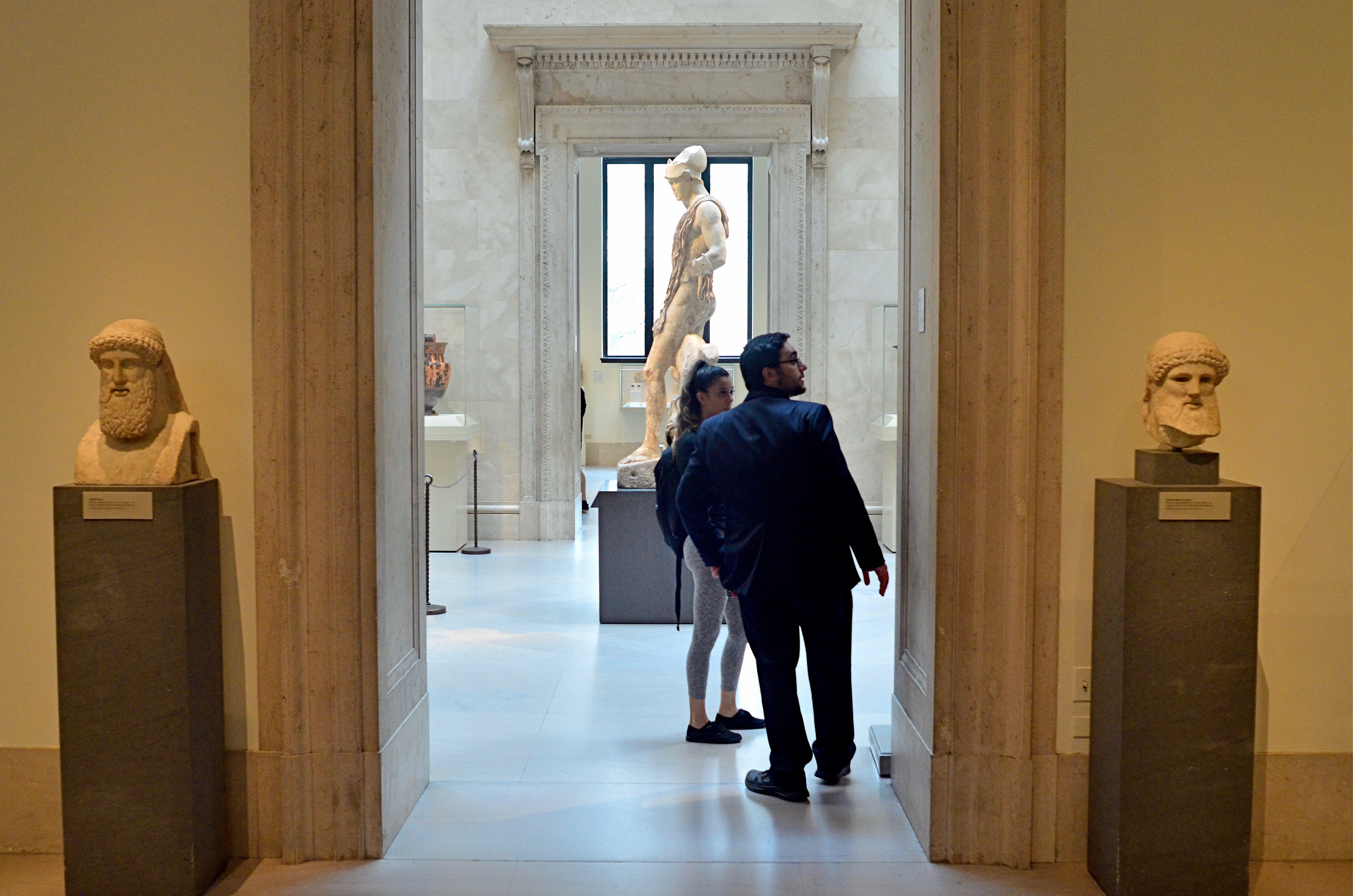
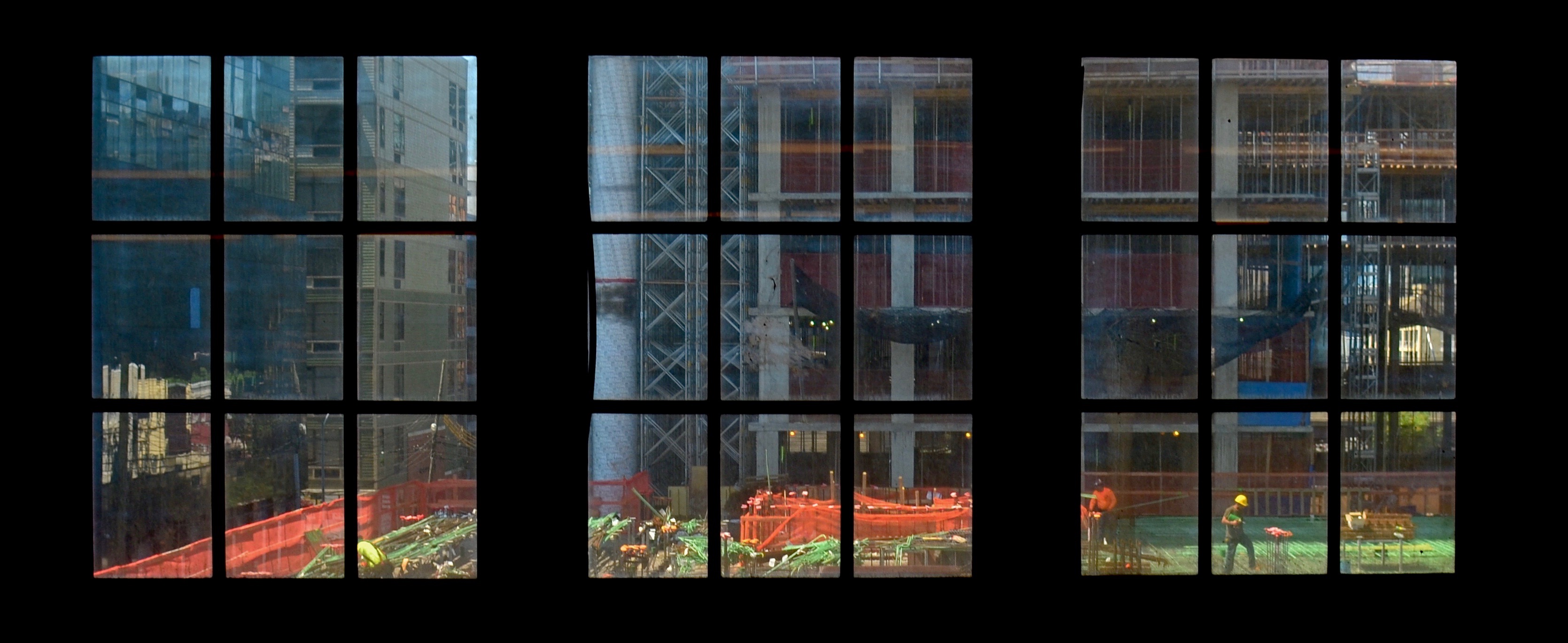
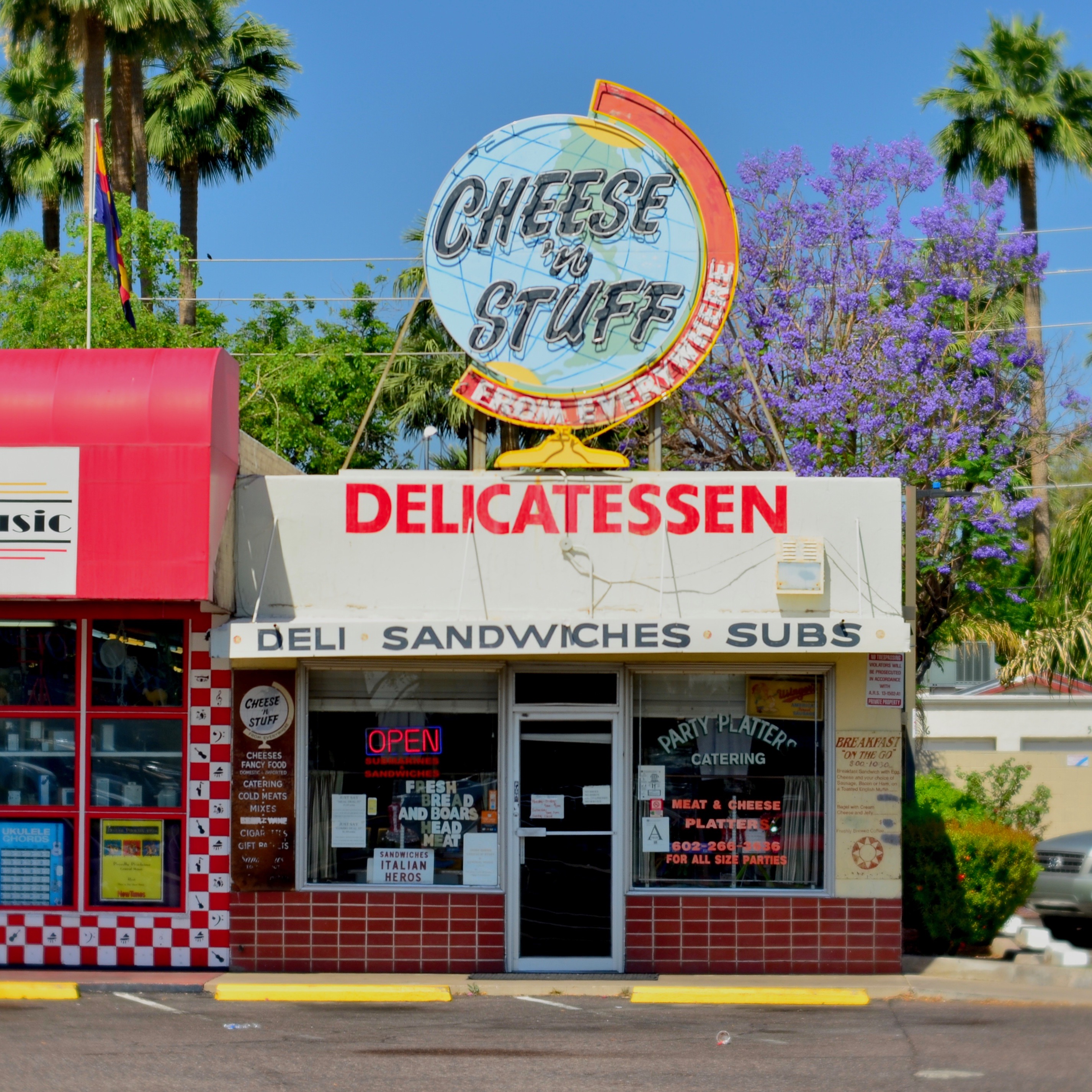
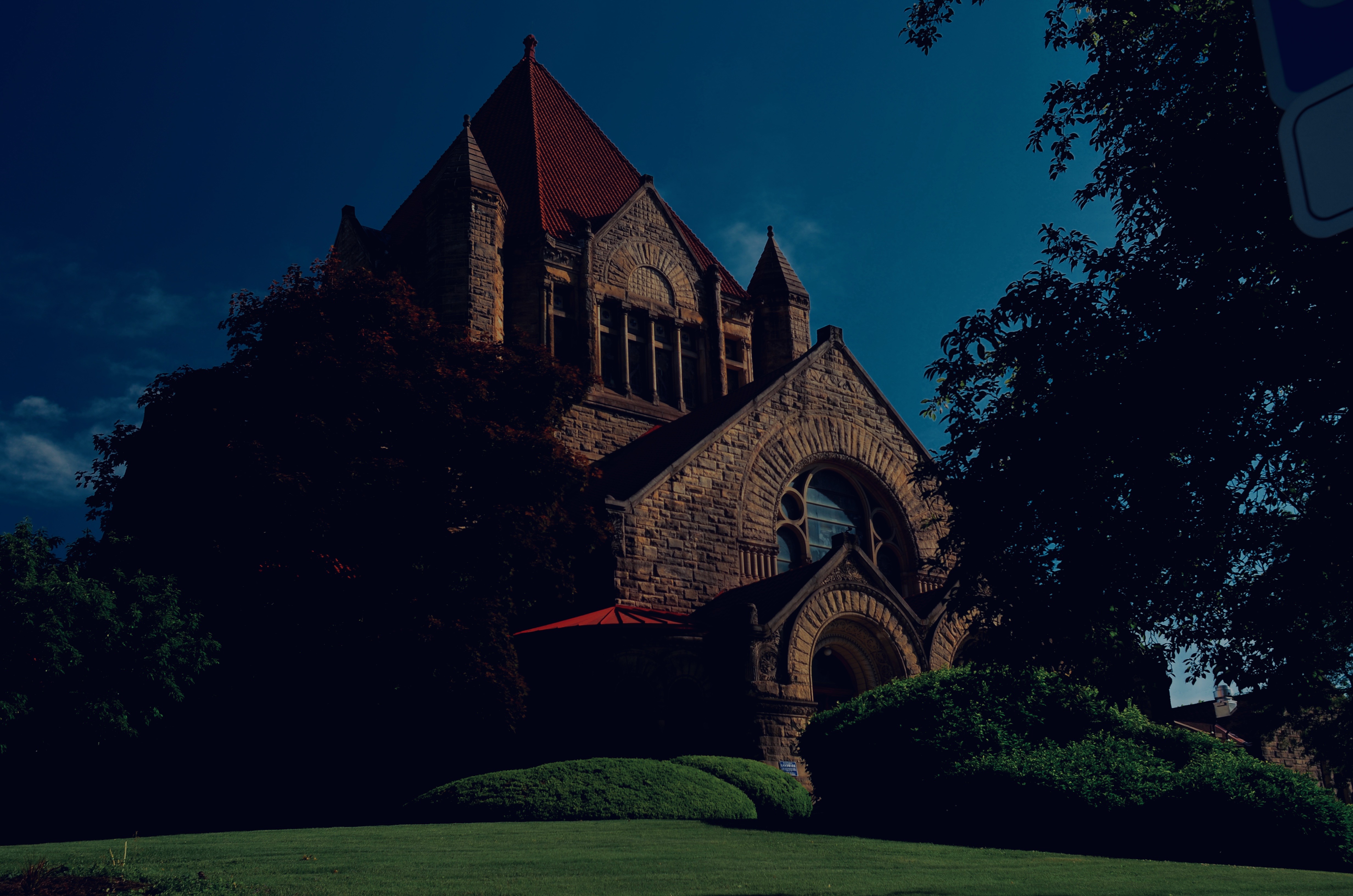
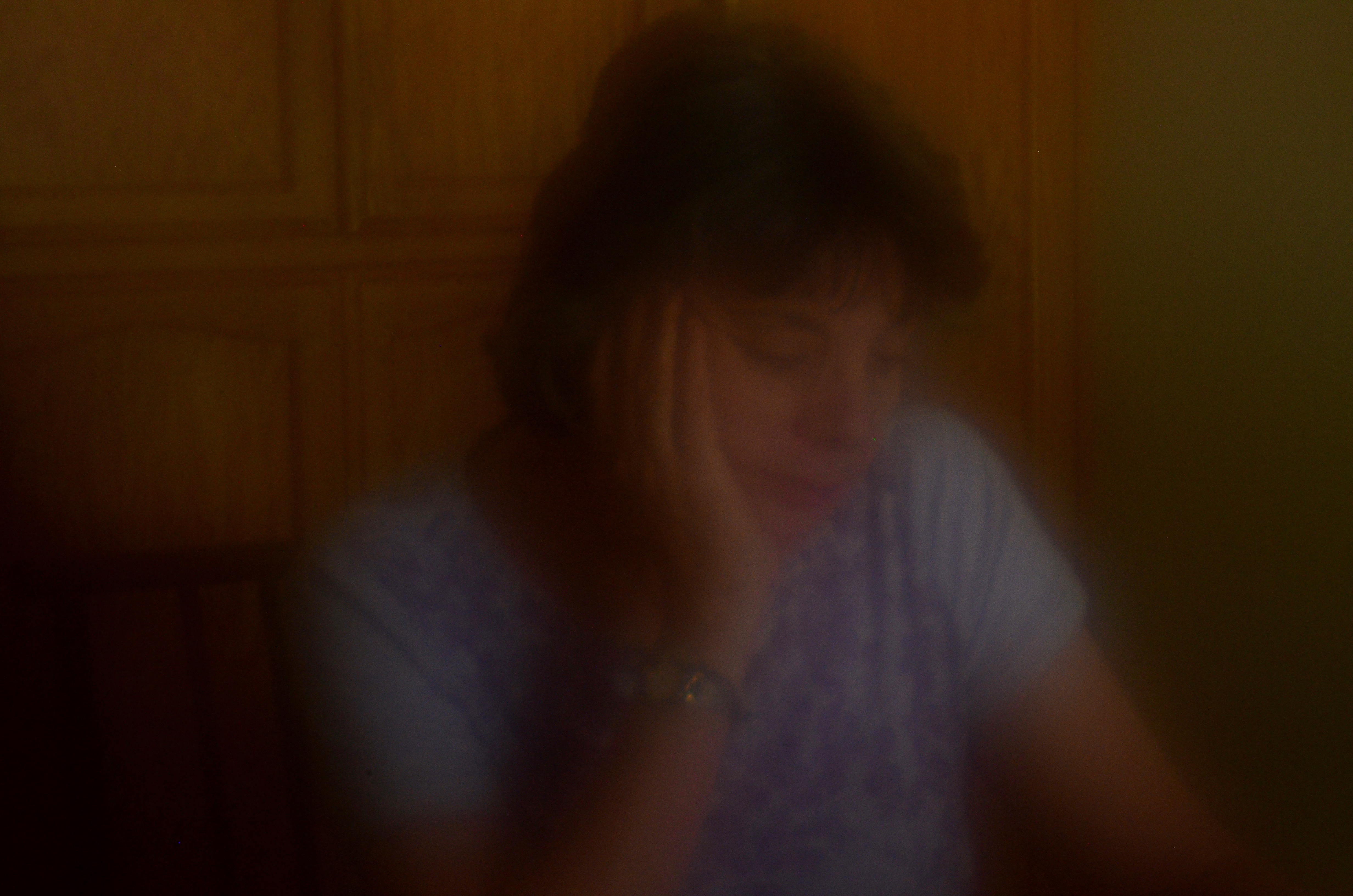
However you term episodes of photographic failure…..I mean, complete, utter freaking camera-borne defeat, two things are true.
It does happen.
And it will happen to you.
Not that many of us want to admit it, mind you. In an age in which, on any given photo day, we almost always bring back some kind of technically complete image, it’s easy to confuse any product with a successful one. Yeah, it’s a picture. But that doesn’t make it a good picture.
The product of a three-hour walk, a stunning image of…..??…you got me.
In the old days, there were was a more dramatic line between success and failure, since failure usually meant no picture at all. Underexposed, unrecognizable blobs. Masses of color that, coherence-wise, added up to nothing. Not so in our current era, in which it’s much more likely that the resulting image is, for lack of a better term, usable. Factor in increasingly facile repair tools and editing processes, and that number of “acceptables” climbs even further.
But you know when a picture has what it takes, and to what extent you’ve bent the rules of editorial judegment with one, even going so far as to talking yourself into thinking it’s better than it really is. That’s the seductive power of digital, in that it brings even our worst work close to the passable mark, making it harder to disown our “kids” than it was in the day when a lousy picture was more irretrievably bad, that is, beyond intervention. But it’s our very ability to intervene that can convince us that the shot was worth intervening over, and that’s frequently just not true.
And so there will be bupkis days. We walk out boldly. We are equipped. We are artistically hungry. We are experienced and trained. We know what we want.
And yet we bring back nothing.
Never forget that the ability to know that you missed the mark (even mightily) is the most valuable skill you will ever develop as a photographer. The strength to say “no” to yourself evolves slowly. In some of us, it never evolves at all. But we should thank Camera God for it, and, by extension, thank the same God for the demonstrably bad photos we are likely to make from time to time. Because if we can’t tell excellent from excrement in our own work, the game really is up. That’s why I am always banging on about loving your mistakes, because finally, they are your best teachers. It ain’t fun to be around them, but, then again, as you recall your most astute mentors, how many of them were a groove to hang with? Whatever. For photography’s sake, we all need to become comfortable with dumping the occasional day’s work in the garbage. Because nothing converts garbage into gorgeous other than hard, unsentimental work. There never has been any other shortcut and there never will be. Or to frame it in food terms (and eventually I always do), consider software and such as sauce. It’s tasty, but it ain’t no substitute for steak.
Share this:
Posted by Michael Perkins | May 26, 2019 | Categories: Commentary, Conception, Essay | Tags: Composition, Editing, post-processing | Leave a comment