 By MICHAEL PERKINS
PHOTOGRAPHERS ARE FREQUENTLY ASKED to define a “bad” picture, or, more specifically, the worst picture they themselves ever shot. The question is a bit of a logic trap, though, since it typically tricks us into naming something that failed because the subject was moribund, or because we mis-read the light, the aperture, the composition. The trap further reasons that, if you have checked off all those boxes, you should end up with a great picture.
But all of that is bug wash. What makes a picture bad is when you were not ready to take it….. but you took it anyway.
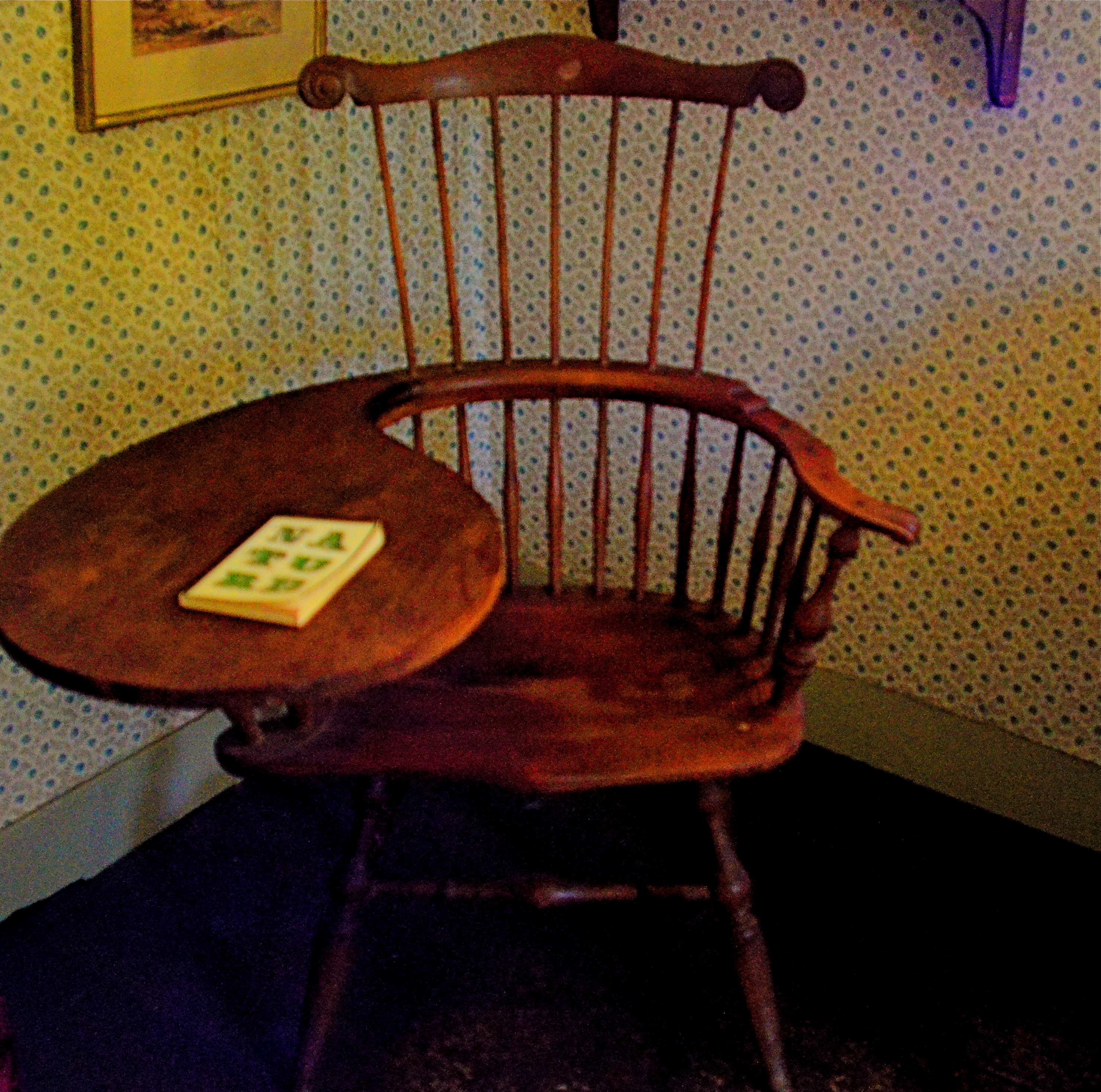
Sometimes the problem is ignorance: you simply aren’t old or wise enough to know what to do with the subject. Other times, you have substantial barriers between you and an effective story, but you try to drill past what you can’t fix. And, you can no doubt add your own list of things that, ahead of the shutter click, should scream, “not now”. Try to make the picture before either the conditions or you (usually you) are right, and you lose. Just as I lost, in great big neon letters, with the mess you at above left.
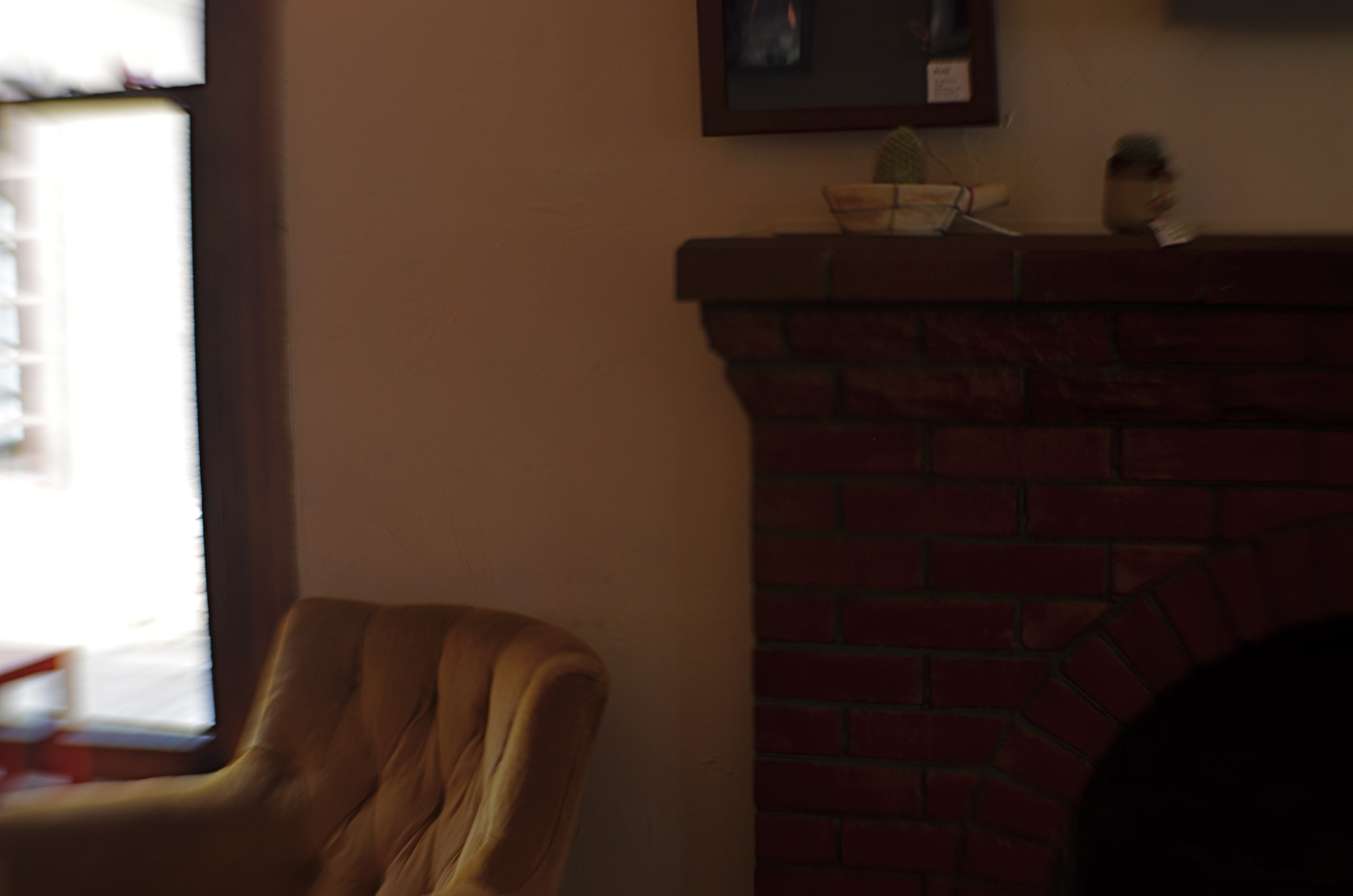
In 2016, I visited the Old Manse in Concord, Massachusetts, a venerable colonial-era home which sits right next to the small footbridge that served as the site of the first major battle of the Revolutionary War. What excited me most, however, was that it had served as a temporary home for the young Ralph Waldo Emerson, and that he had written Nature, the first of his great works, while living there. And to really put the cherry on the sundae, the house still contains the small writing desk he used to do it.
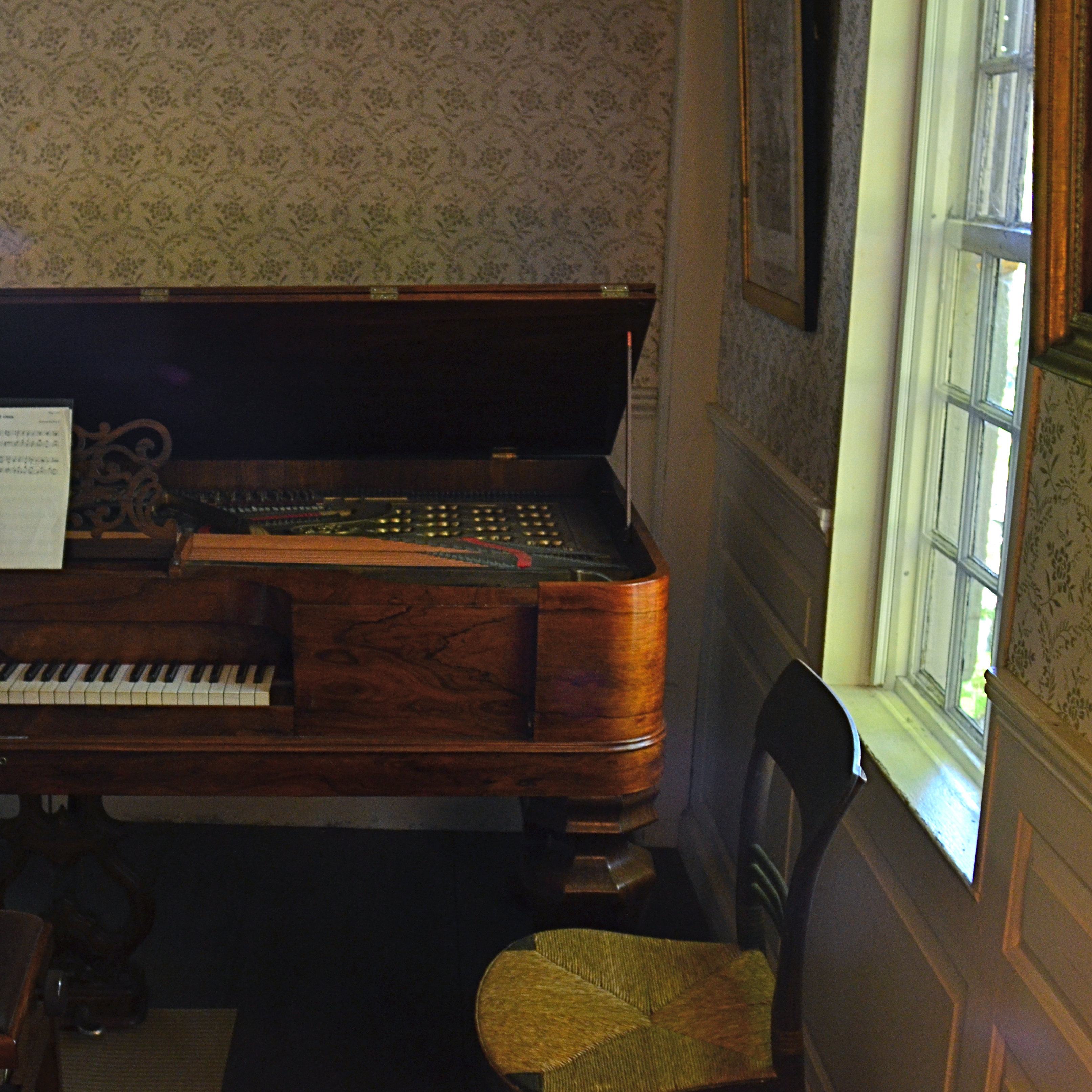 The house is lit only with indirect window light during the day, but with a fast prime lens and a decent eye, there’s more than enough soft illumination to work with to produce decent results (see left). In fact, just before my tour was to head into the room containing the desk, I had already harvested quite a few usable shots…so many, in fact, that I was getting teased by the others in the group…the usual “oh, another picture?” stuff. Uncharacteristically, I began to worry about whether I was holding everyone else up, and thus started to hurry myself, to shoot not as I intended, but in deference to what I thought others would like. By the time I got to Emerson’s chair, the light, my lens, even my own experience were all useless to me….because I wasn’t ready to shoot….but did anyway.
And so you behold the unholy mess that resulted: lousy contrast, uneven exposure, muddy texture (is the chair made out of wood or Play-Doh?), tons of noise, indifferent angle, and, oh yeah, garbage focus. Worse yet, the psyche I’d put upon myself was so severe that I didn’t slow down for a more considered re-do. No, I rejoined the group like a polite little camper, and left without what I had come for.
And that is all on me, and thus an important entry in The Normal Eye, an ongoing chronicle which is designed to emphasize personal choice and responsibility in photography, versus just hoping well-designed machines will compensate for our lack of concept or intention. This is not easy. This is ha It’s no fun realizing that what went wrong with an image was us.
But it’s a valuable thing to own. And to act upon.


HOWS AND WHYS
By MICHAEL PERKINS
AS THE NORMAL EYE BEGINS ANOTHER YEAR of scraps and scribblings, we like to both welcome those of you who’ve joined our little volunteer fire company since we last passed “go”, and thank our long-term friends and contributors for their vision and faith. As they say on the airlines, we know you have many choices for ways to fly. That you choose, from time to time, to fly with us is a great privilege.
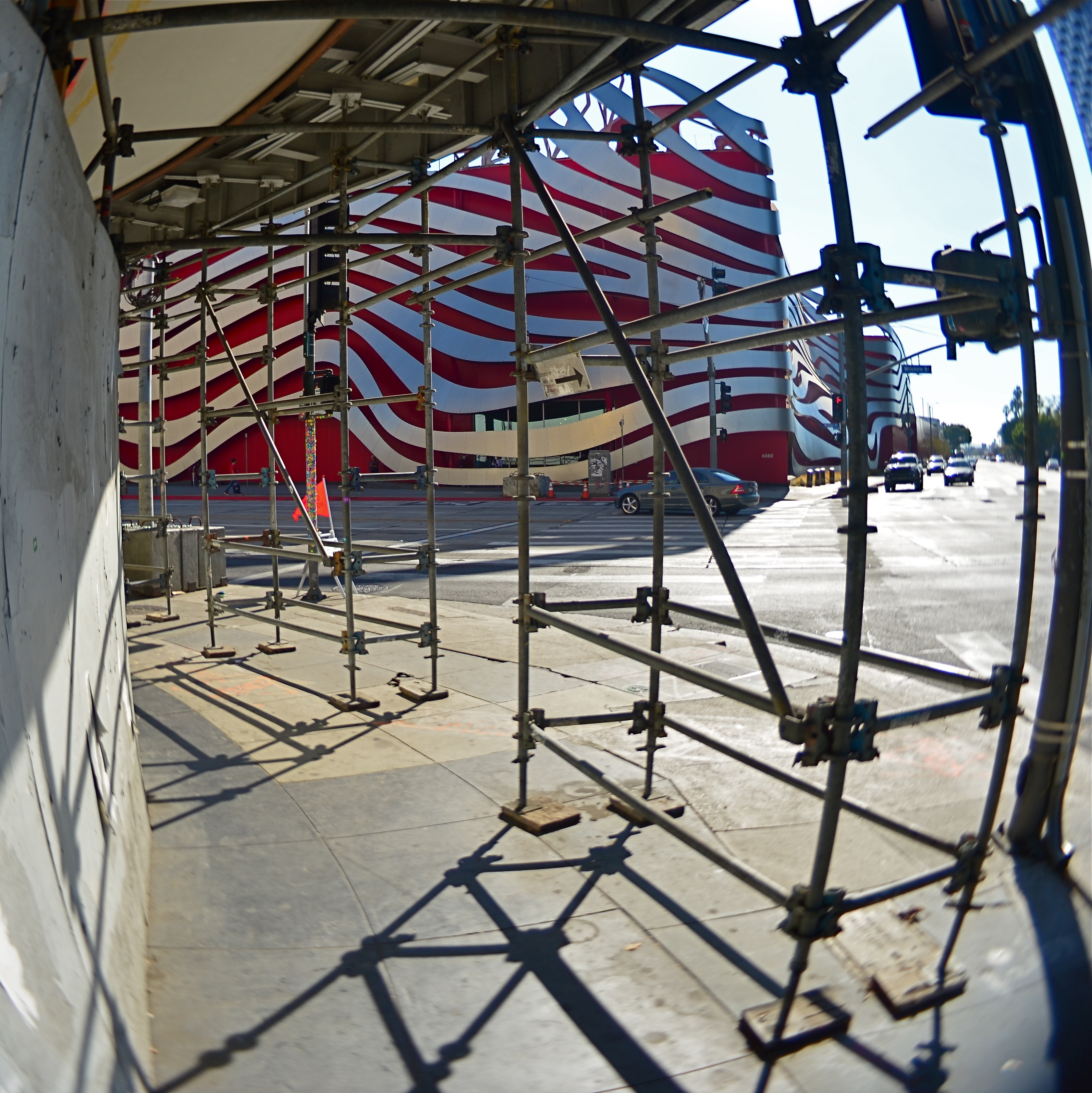
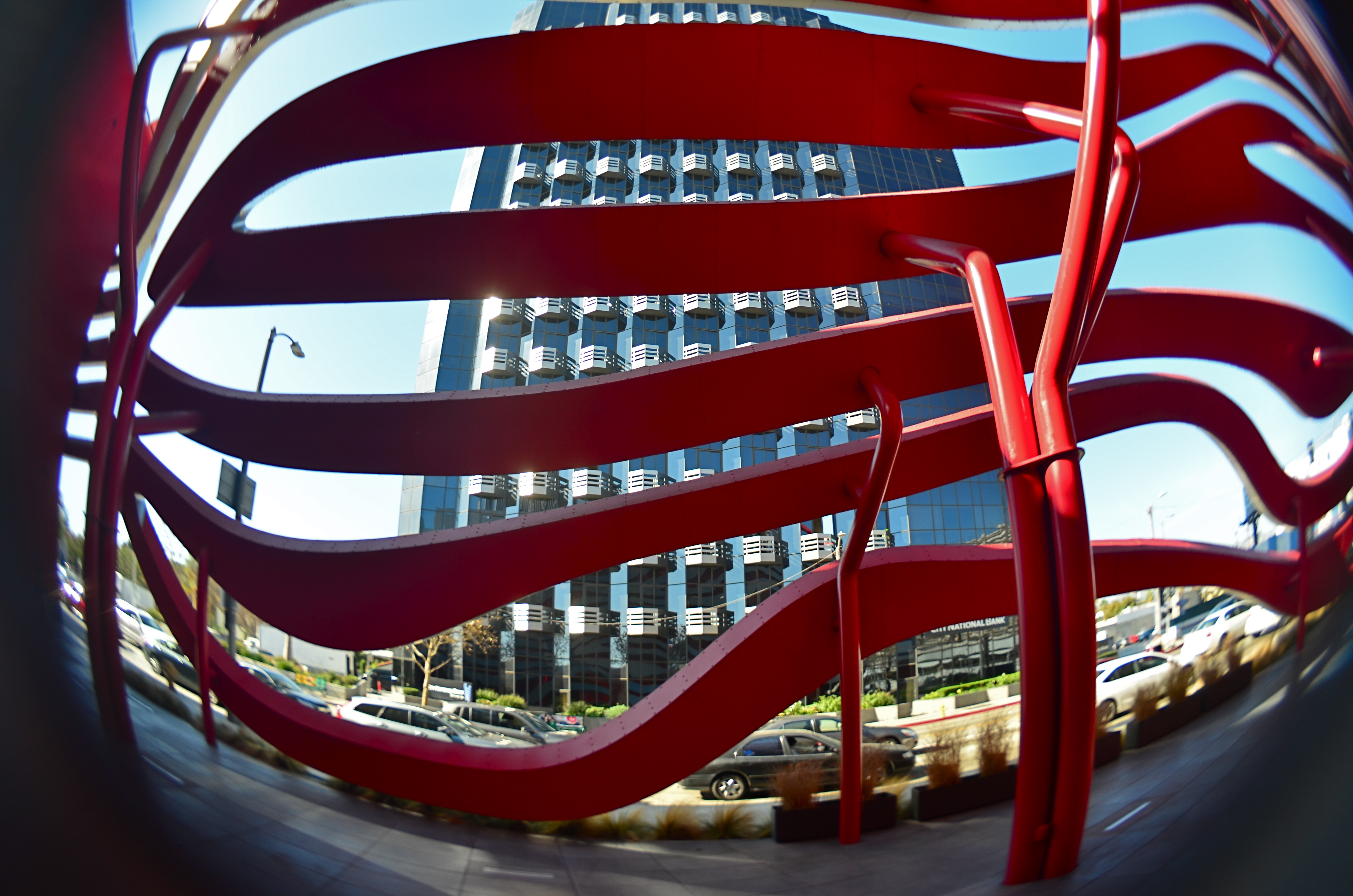
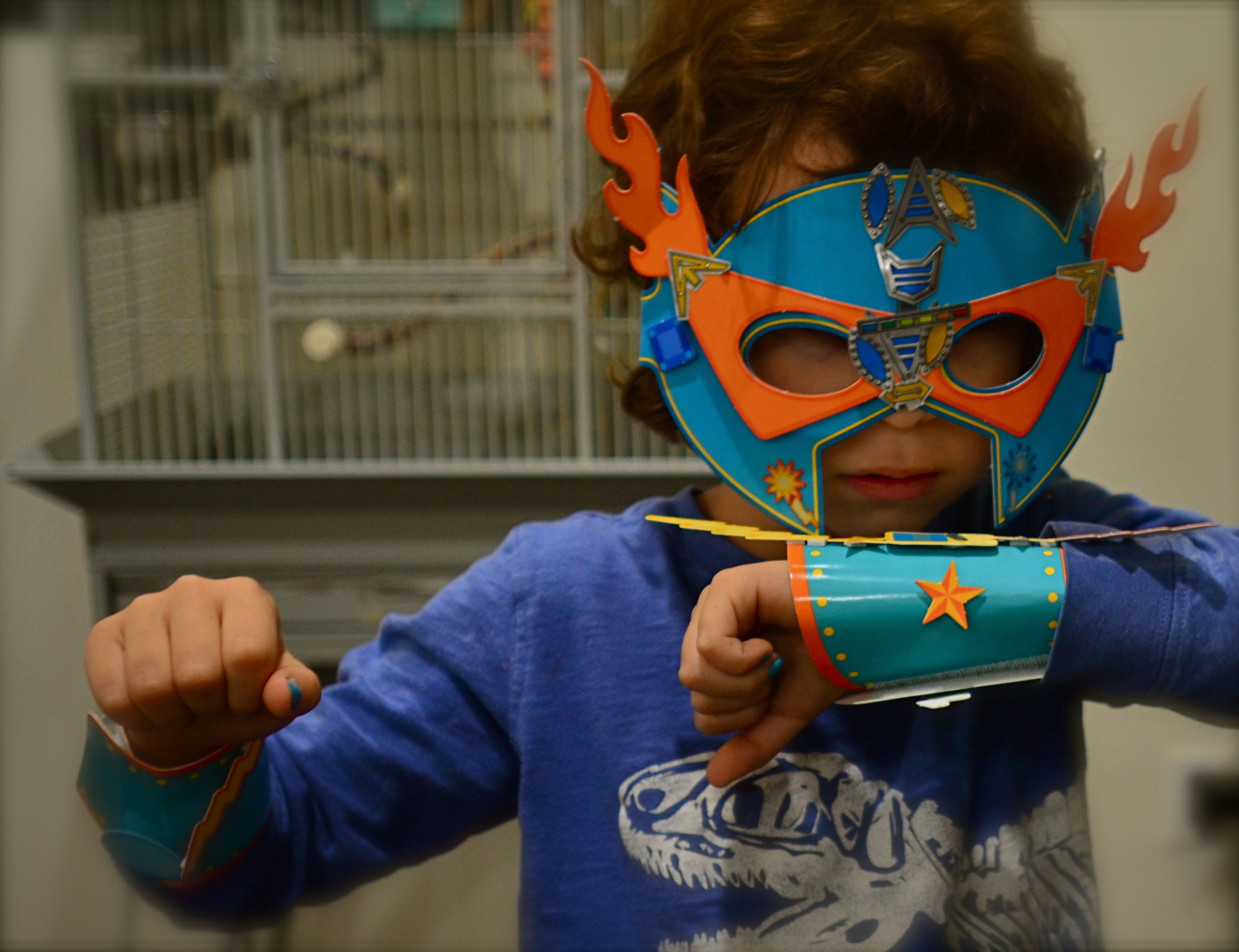
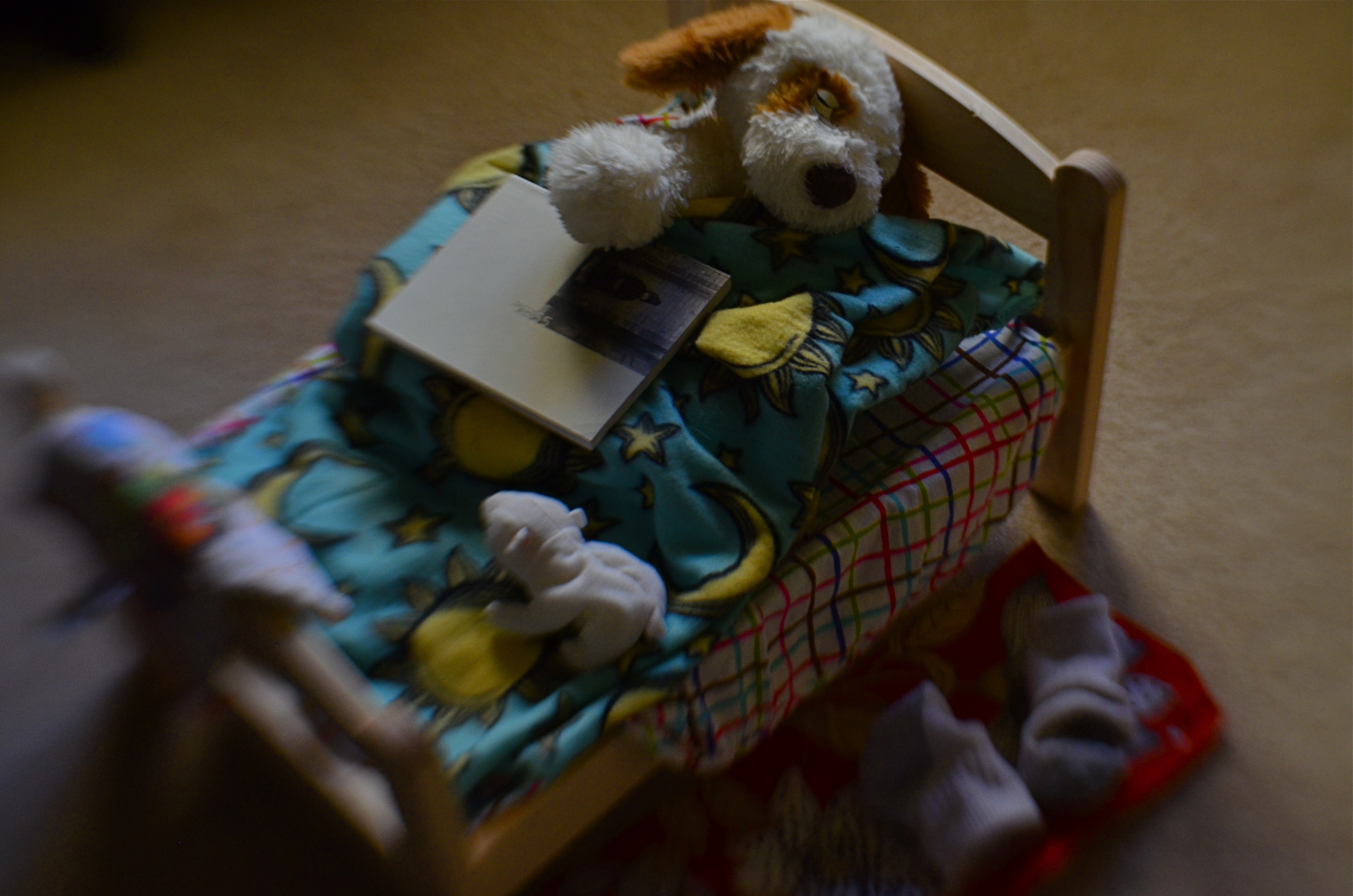
We also mark the turn of the calendar to re-affirm what this home-town newspaper is, or is not. To my mind, the most vital part of photography has never been about mere technical proficiency. Virtually anyone, I believe, can learn the rudiments of exposure and aperture in a weekend. Not master them, but learn them. The greater task, by far, for anyone hoping to attain that mastery, is to train oneself to see in ever more comprehensive ways, to develop the instinct-based curiosity that takes the creative decisions from the camera’s automodes and puts them back into the hands of the photographer.
The Author Looks Back. Or maybe just to the right.
Prior to the development of more and more fool-proofed ways of acquiring consistently satisfactory images from the technical assists offered by amazing cameras, the native, or “normal” state of the photographer’s eye was one of mindfulness, of forethought, of consciously mapping out and planning a shot. Thus, as our name implies, “the normal eye” is one that sees critically and makes choices with deliberation. That means declaring more and more independence from mere technology. It means that your camera is your servant, not your master.
In the years since The Normal Eye was launched, the world has witnessed several significant revolutions in photographic philosophy, all of them placing the highest possible emphasis on experimentation and the kind of wondrous, personal uncertainty that can only result from the photographer, and not the camera, being in charge. The rebirth of instant camera’s, the refusal of film to “die”, the Lomography movement…. all are happening, not because of any sage wisdom in these pages, but because art cannot stand still, and will always reject the notion that everything’s already been invented, or that all the great images have already been shot.
The journey from taking pictures to making pictures remains irresistible, and, as it happens, inevitable. Thank you once again for joining us on that road.
Share this:
Posted by Michael Perkins | January 10, 2018 | Categories: Commentary, Conception, Uncategorized | Tags: Essay, opinion, Philosophy | Leave a comment