CUES
By MICHAEL PERKINS
PHOTOGRAPHIC COMPOSITION is never the mere geographic assignment of elements within a frame. Certainly, mapping out what is to go up, down, left, or right in a picture is a vital part of the process, but you have to do more than rearrange the deck chairs. You also have to make real decisions about where the ship is sailing.
Aperture, focus, the use of light…..make up your own list of contributing factors… the assembly of a composition is about setting the terms of engagement between your vision and the eyes of the audience. It is never merely about the limits or contents within the frame. This means that a picture that you would shoot in a certain way today may seem completely out of synch with your thinking a year from now, because your idea of composition will (and should) be in constant flux.
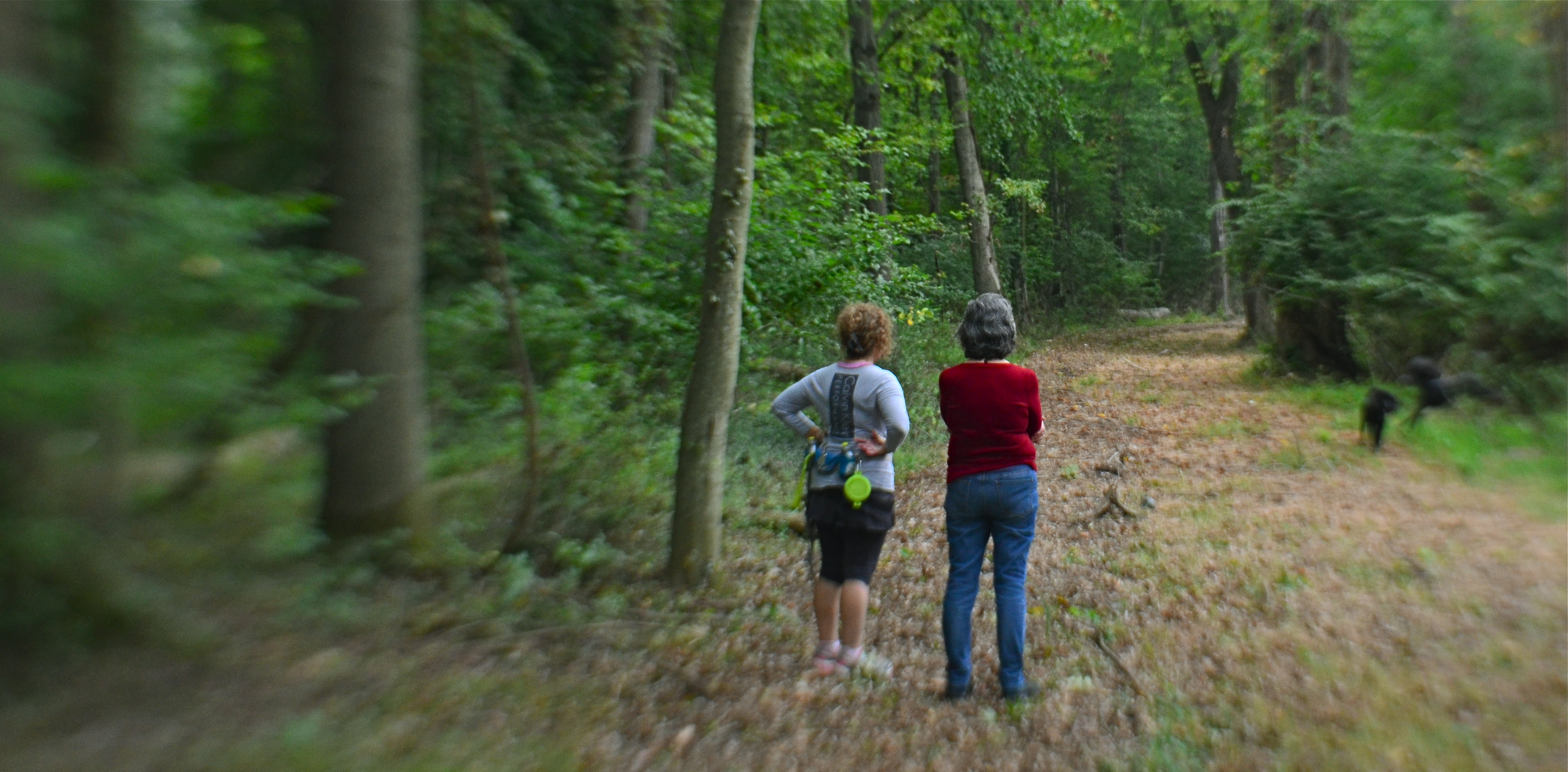
The Clearing (2016)
In my own case, I have spent a lot of the last five years re-evaluating focus, deciding in many more cases to use it selectively, where, previously, I might have applied it more evenly. This is an exploratory journey, and I am not sure where it will wind up. I don’t really feel as if I’m abandoning sharpness per se, just trying to decide how much of it I need in a given situation, making its use a lot more intentional choice than it has historically been for me.
Focus is a way of prioritizing the visual elements in a picture. It cues the audience as to what information there is and how hard to look to retrieve it. It also tells if there is no object or “mission” in a picture, as in a totally abstract arrangement. Photographer Uta Barth, describing why practically all of her work is deliberately refocused, notes that “the question, for me, is how I can make you more aware of your activity of looking. I value confusion…”
Indeed, placing incomplete information before a viewer, about focus or anything else in a photograph, is inviting him/her into an interaction…..with all parties having a conversation about what a picture means. For the viewer, it means exercising more control: for the photographer, who no longer has to spell everything out, it can be freeing.
EVERYTHING IN ITS PLACE
By MICHAEL PERKINS
EVERY PHOTOGRAPH REMOVES SOMETHING from its original context, extracting it from its proper place in the world at large. In the act of placing things in a frame, the photographer excludes whatever else once surrounded that thing, so that, in the final result, a vast valley is reduced to one tree in one part of one meadow. Our mind stipulates to the supporting reality of whatever was extracted, and we either approve or disapprove of the shooter’s arbitrary editorial choice in composing the frame.
And so pictures often annihilate an object’s “origin story”, since we can’t often search them to view what something “came from”. Objects in a photograph merely are, with little obvious evidence of what they used to be. Sometimes that means that, when we do see where something originated, a picture of it can seem exotic or strange. And, as photographers, we can train ourselves to find that one view of a thing that has been, in effect, under-explored.
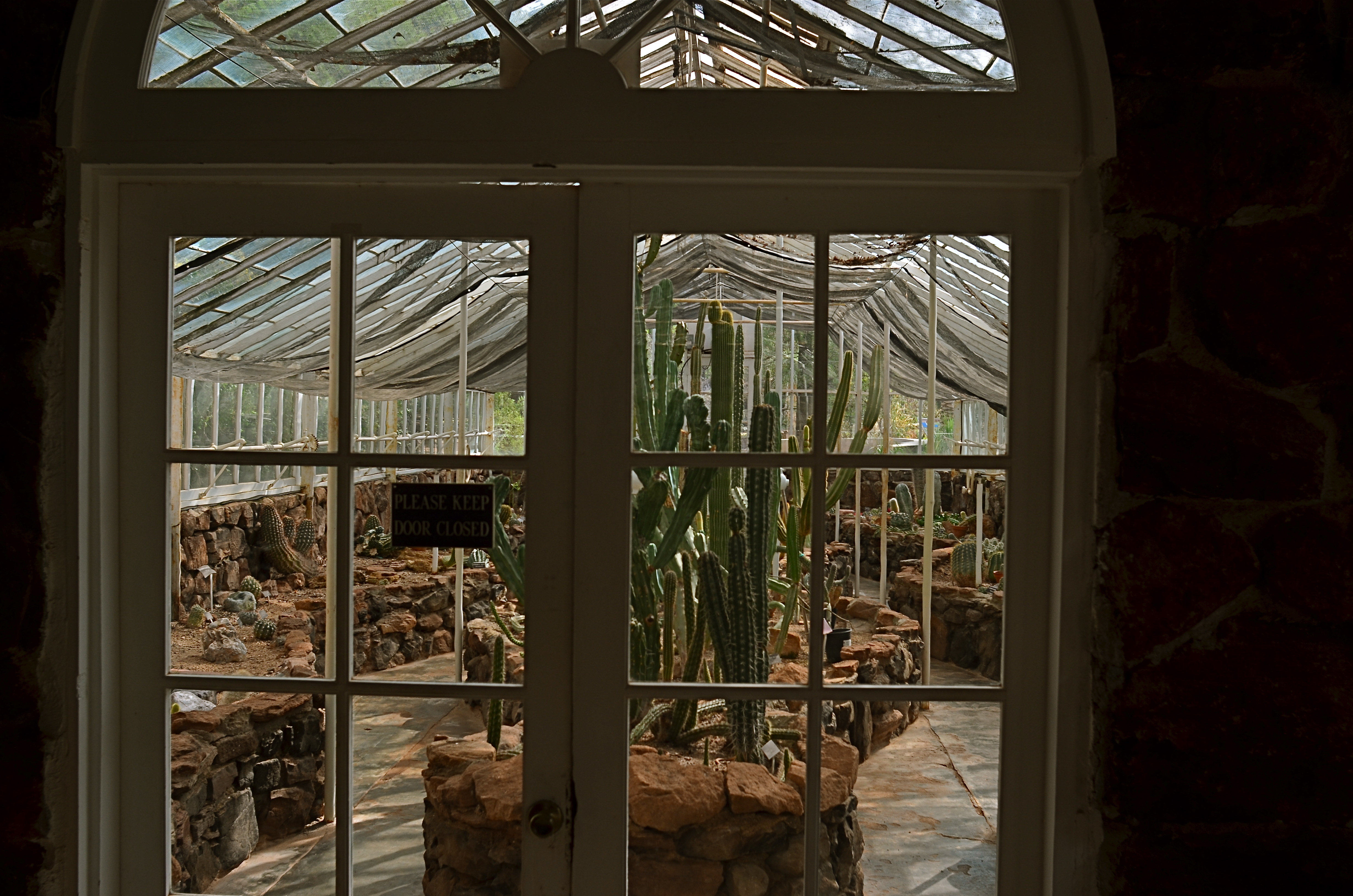
1/125 sec., f/5.6, ISO 100, 24mm.
In the above picture, something that we tend to think of as being organically “born” in a natural setting (i.e., a cactus) is shown being deliberately farmed within a controlled environment (i.e., a greenhouse). It looks a little wrong, a bit strange…..certainly not typical. And yet, an interesting picture can be made from the scene, simply because we never see a cactus’ origin story, given that most photographs don’t select that story within their frames. This picture really doesn’t display its information in an original fashion: it’s the thing, in this particular context, that makes the photograph seem novel.
As always, the choices made inside and outside the frame of a photograph set the narrative for it. It’s therefore the most important choice a photographer can make.
PHASES AND STAGES
By MICHAEL PERKINS
MORE INK HAS BEEN POURED OUT about Henri Cartier-Bresson’s notion of “the decisive moment” than perhaps any other chunk of photographic philosophy ever hashed out between honest brokers. HCB’s assertion was, essentially, that there is a single, ideal instant in which a picture of something will be, like an apple, perfect for the plucking. Miss that moment, and all is lost.
While some applaud this theory as holy scripture, others dismiss it with a vulgar reference to bovine by-products. All well and good. Everyone needs to evolve a belief system that drives their personal photographic vision. The important thing is to evolve something.
Personally, while I don’t believe there is only a single moment that will make an image immortal, I also don’t think that just any moment you choose to freeze an event is as good as every other moment. Conditions, timing and decisions matter in the making of a picture, and, when they intersect, the magic happens.
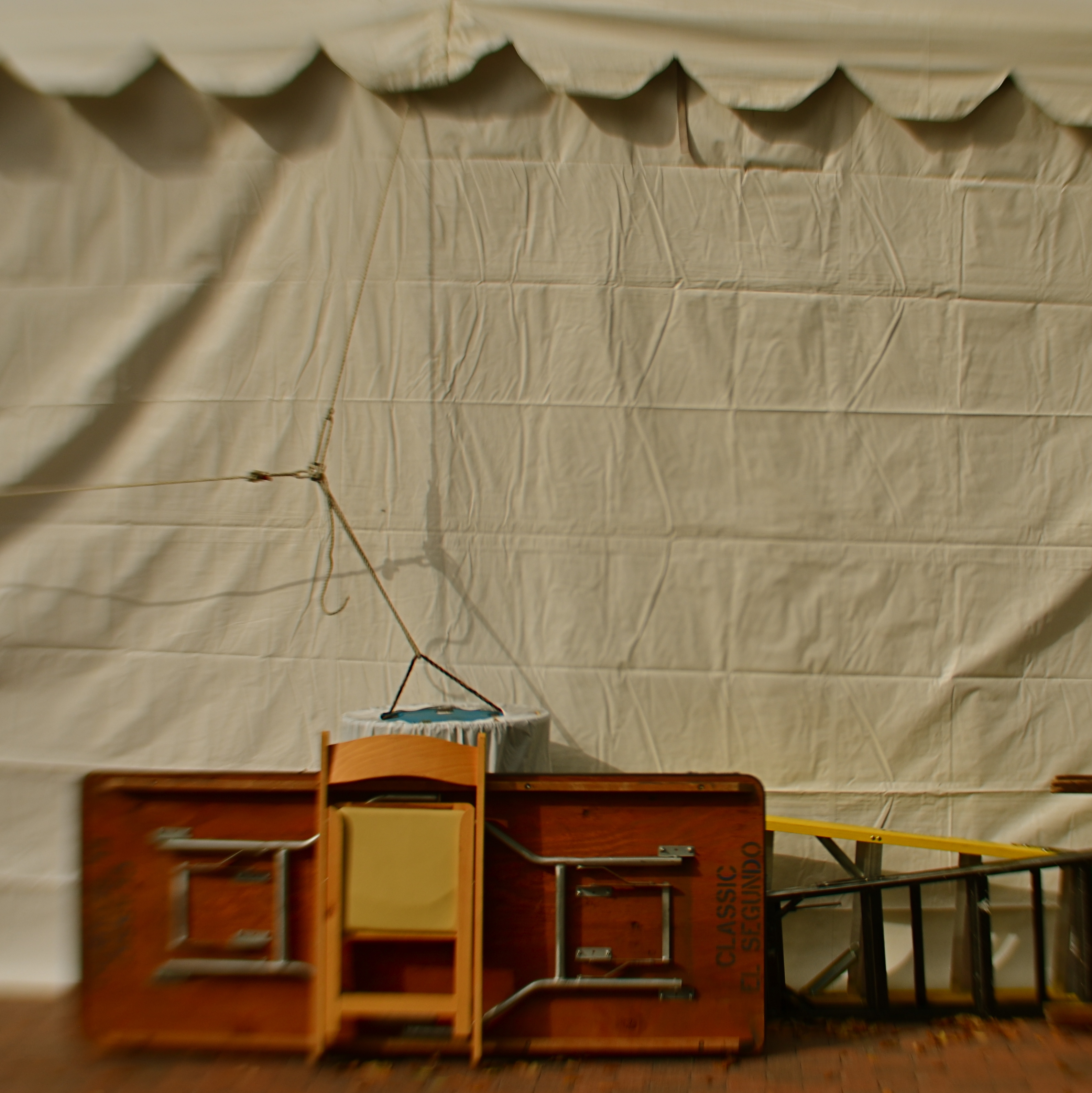
Backstage, 2018. 1/400 sec., f/5.6, ISO 100, 35mm
So the number of “decisive moments” for an event, for me, would number about three. Think of them as acts in a play, each act performing a distinct element in a dramatic story. Act One shows things that are about to happen: a nearly blooming blossom: the minutes before street lights are turned on for the evening. Act Two depicts something that is in the process of occurring: candles on a cake being blown out: a pistol shot. And Act Three shows where things have now completed. A concert crowd leaves the theatre: a dog snoozes after a long day of play.
The image seen here can potentially be an example of any of the three acts. Are the backstage props being spread out in anticipation of a show? Is the performance, unseen from this angle, being given right now? Or have the stage hands already begun to strike the tents and gather everything up before moving the players on to the next town? All three interpretations are of specific places in time. And all can be “decisive moments” when the right bond between photographer and viewer is established.
CHECK THOSE ABS
By MICHAEL PERKINS
IT SEEMS ODD to hear someone refer to part of their photographic output as “abstract”…..as if the rest of their work somehow isn’t. I guess it depends on what you believe the word ” abstract” means, as well as what is meant by other words like, say, “reality”. For me , the whole discussion seems overthought. To my mind, all photography, all art is “abstract”.
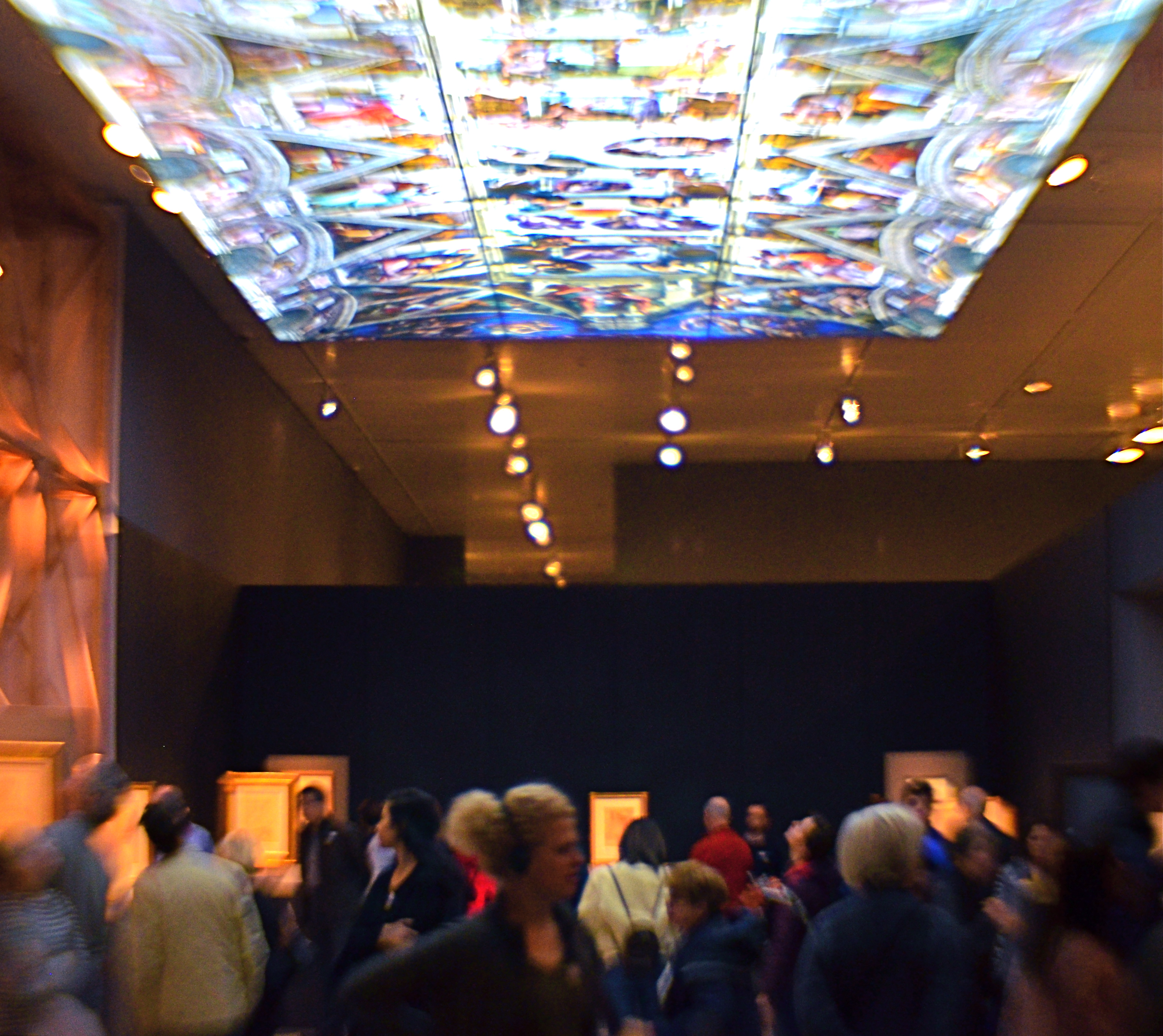 To abstract something is to extract it from its original context, to re-frame it, take it from one form and paste it into another. And there is no way not to do that with a photograph. We don’t show reality. We show shards, fragments, selectively sliced slivers of time. Even if we take great care to take a no-frills, documentary approach to the recording of an image, once we click the shutter, we have abstracted that moment from reality, making an editorial choice to pluck away this instant versus all others.
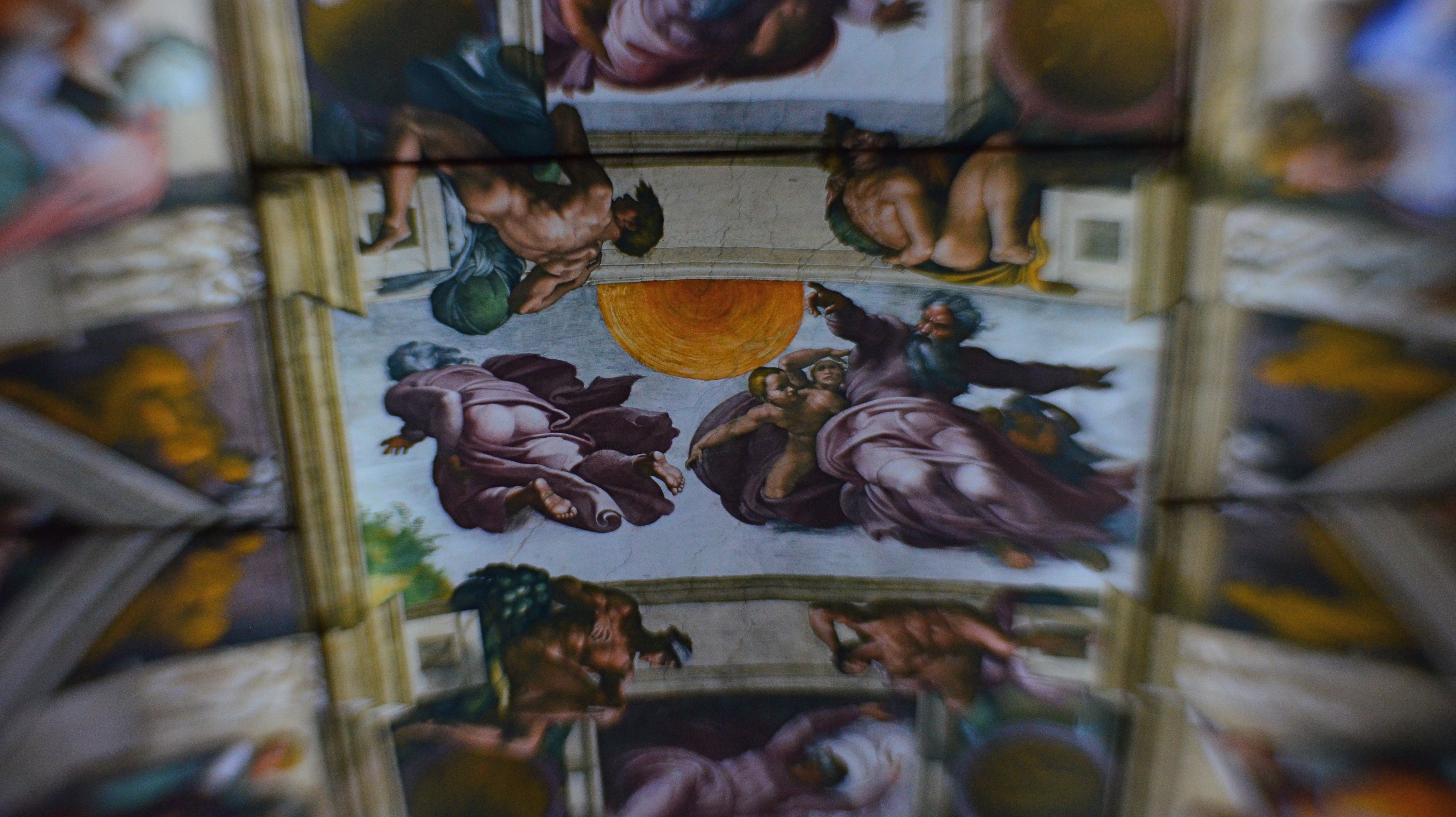
One way to illustrate this process is to consider the image at the top of the page, which represents a virtually endless chain of abstraction. Thinking backwards from this photo of a museum exhibit:
In the beginning, God creates man, an abstraction of himself. Then Michelangelo creates an abstraction of God (and a lot of other Biblical superstars) by depicting Him in the act of creation, even as he (the painter) is also abstracting representations of the Creator’s creatures. Centuries later, art historians take selective pictures of Michelangelo’s massive abstractions on the ceiling of the Sistine Chapel, abstracting them further by using selected excerpts as book illustrations. Inspired by those books, curators in Manhattan create an exhibit honoring Michelangelo’s ceiling by reproducing it as a miniature, assembling a replica composed of dozens of backlit transparencies suspended over guests at the Metropolitan museum in an artificial abstraction of the original Sistine frescoes. Finally, using a selective-focus art lens in 2017, I abstract those same guests to blobby smears of color and make editorial choices about which single panel in the faux-ceiling exhibit to shoot in sharp focus, thus hinting that it’s somehow more important than all the others.
Photographs snatch away parts of the real. To use a camera is to abstract that reality. Every snap of the shutter is a calculation of choice. Therefore choose wisely.
THE COWGIRL IN THE BLEACHERS
By MICHAEL PERKINS
I AM NEVER TRULY COMFORTABLE working with a camera that isn’t physically locked onto my eye. Shooting without a viewfinder was, for me, perhaps the hardest part of gradually embracing cel photography, and continues to be a control issue that still inclines me toward my Nikons most of the time. Part of it, I freely admit, is mere sentimental habit……maybe even, who knows, superstition?…..and yet when I’m crammed up against that little square of glass, I feel as if I’m “really” taking a picture.
That’s why it’s really a rare bird for me to “shoot from the hip” with a DSLR, to try to sneak a street candid without my camera anywhere near my face at all, holding the thing at mid-chest or waist level or even squeezing off a frame while it’s hanging from my shoulder. If the opportunity is literally too juicy to resist, and if looking like a (gasp) photographer will spook my quarry (or get a Coke thrown in my face), well, then, desperate times call for desperate measures.
I arrived at such a “desperate times” moment the other day by being caught out with the wrong lens. I had thought that I would be spending my afternoon at a horse show inside barns and stables, indicating a wide-angle to open up cramped spaces, so I packed a 24mm to go wide but keep distortion to a minimum. Once Marian and I arrived at the event, however, she got interested in an arena competition, and so in we went. Now I’m taking big shots of a cavernous hall punctuated by long lines of little tiny horses. If a rider lopes directly in front of my seat, I can almost make out his face. Otherwise I’m zoomless and story-less. Can we go home now?
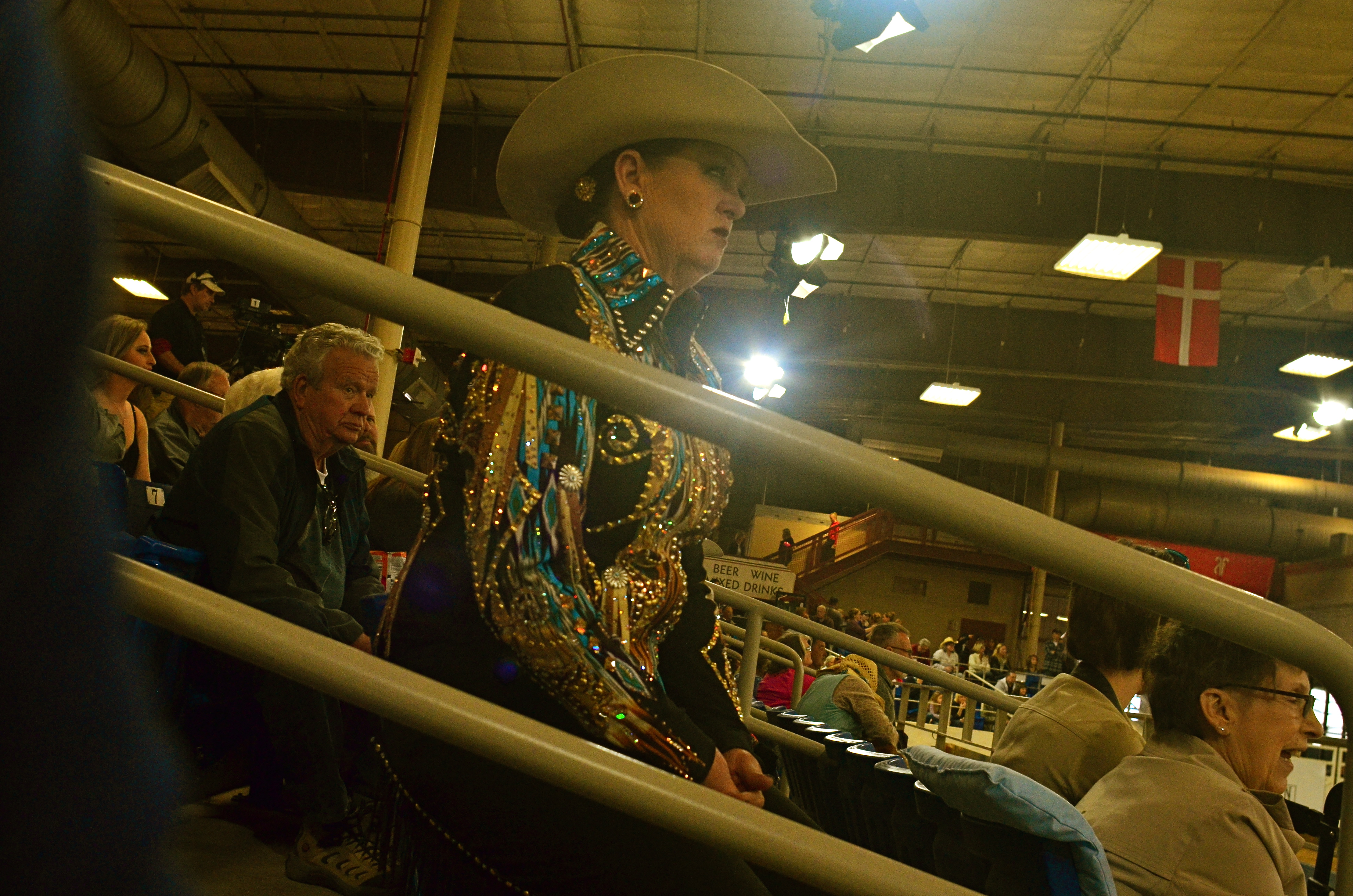
I hear a husky female drawl off to the left.
“Jus’ let her walk, Annie. She wants to walk.”
Turns out the voice belongs to a spangled matron with a Texas twang sharp enough to chop cheddar, herself apparently just off the competition track and now shouting guidelines to another woman in the field. I immediately fall in love with this woman, hypnotized by her steely stare, her no-nonsense focus, and the fact that, unlike the far-away formations of horses directly in front of me, she is a story. A story I need to capture.
But any visible sign of guy-with-a-camera will ruin it all. I will swing into the range of her peripheral vision. Her concentration will break. Worse, the change in her face will make the story all about the intrusive jerk six feet away. And so I hug the camera to the middle of my chest, the lens turned generally in her direction. Of course I have no reliable way to compose the shot, so I spend the next several minutes shooting high, low, losing her completely in the frame, checking results after every click, and finally settling on the image you see here, which, despite my “calculations” for a level horizon, looks a bit like a shot from the old Batman tv series. Holy carsickness.
Strangely, shooting at actual horses (at least with the glass I brung) was telling me nothing about horse culture. But the lady with the spangly blouse and Stetson got me there. It’s literally her beat, and I was grateful to, yes, sneak a glimpse at it.
INCIDENTALS, ACCIDENTALS AND D.L.s

By MICHAEL PERKINS
YOU CAN’T BEGIN TO WRITE THE STORY OF PHOTOGRAPHY without acknowledging the role of the fortunate accident in the output of, well, everyone. Anyone who says he’s never been handed a rose from Lady Luck from time to time is either delusional or a dead-on liar. If we admit that chance occasionally turns our best plans to piddle, why not admit that we also randomly wind up in the winner’s circle on a free pass?
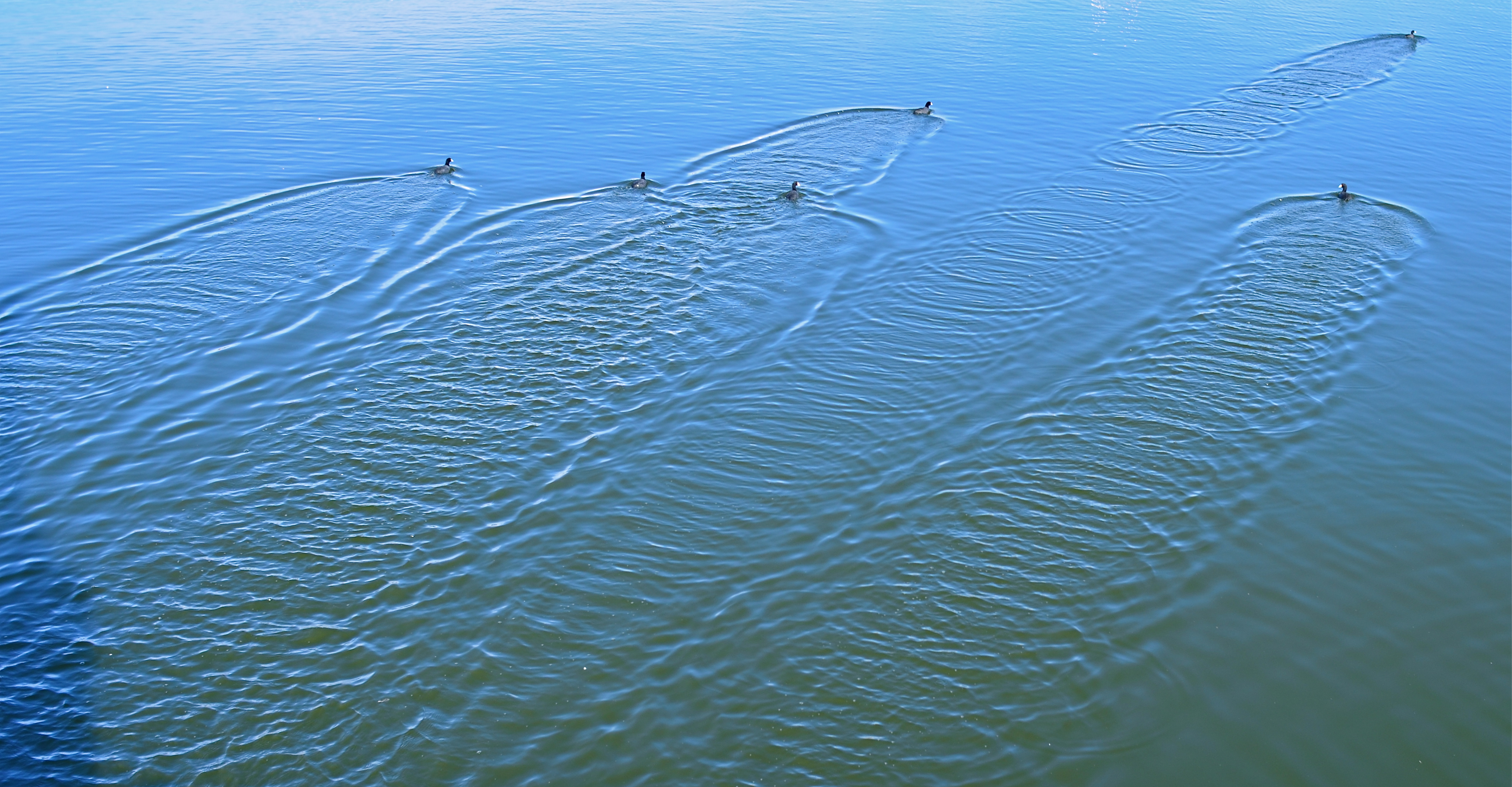
Here’s my freebie for probably the rest of this year, as I can’t see the triple crown of incidentals, accidentals and dumb luck converging as they did here anytime soon. Let’s look at the recipe in detail:
1: Accidentals. While walking along the edge of a footbridge alongside Tempe Town Lake in Arizona, I spooked a small flock of birds resting out of sight just beneath my feet. I heard them flee before I saw them head into open water.
2. Incidentals. For reasons I still can’t fathom, the birds did not take to the air, as you might expect, but escaped across the water, creating gorgeously trailing coils of ripples as they went. That slowed everything down enough that my startled synapses rebooted and started to shout, get your camera up to your eye. That led me to the one element that made the crucial difference, known to us all as:
3. Dumb Luck. After a lens change, I had walked almost a mile from my car when I realized that I had forgotten to slap on a polarizing filter, making shots across water in the sun of an Arizona midday almost guaranteed to saturated with glare. I had already improvised a crude hack my taking off my clip-on sunglasses and holding them in front of my lens. This had only intermittently worked, since I either left part of the field of view uncovered, or failed to hold the specs at the right angle, incurring wild variances in polarizing. As soon as my animal brain realized that I had one shot before my bird water ballet was out of reach, I had to frame, focus (I was already at f/8, so there was some help there), and get the sunglasses in position without deforming all that blue. Even at that, there’s quite a difference between the rendering of color in various parts of the frame.
What you see here, then, is the photo goddesses throwing me a bone. A big bone. We’re talking the rear haunch of a triceratops.
But, yeah, I’ll take it.
MIND OVER MACHINE
By MICHAEL PERKINS
I no longer believe that there is such a thing as objectivity. Everyone has a point of view. Some people call it style. But what we’re really talking about is the guts of a photograph. When you trust your point of view, that’s when you start taking pictures.
Annie Leibovitz
NONE OF MY FAVORITE PHOTOGRAPHERS are primarily technicians. Certainly I value the basic mastery required to extract the best mechanical performance out of one’s camera, but I don’t think that a lack of such knowledge necessarily dooms a picture. I do, however, believe that no lens on earth can compensate for a deficiency of mindfulness in the photographer. I cite Annie Leibovitz here because I believe she deftly walks the creative tightrope between an essential understanding of how photography works and a poetic gift for finding how it works for her. She knows her gear as much as is necessary: she knows her heart as much as is possible.
On a shoot, once I’ve established that the camera is on and the lens cap is off, I endeavor to disconnect with the gear and re-connect with the twelve-year-old who first gasped as he gazed through a viewfinder. That kid knew that everything was possible. More precisely, he didn’t know enough to realize what wasn’t possible, and so blithely proceeded to try it all. His older brother (me) wants to point out that the light is wrong, that he packed the wrong lens, and that, maybe, he just doesn’t actually know how to make the picture. Worse yet, he might know just enough to worry that his work won’t register with others. The twelve-year-old doesn’t care.
My photo gods are all people who know all the things that can go wrong with a shot and take the shot anyway. They are not waiting for their moment. They are jumping out of the plane and trusting the chute to open. More to the point, they are trusting themselves.
“I still have a very limited knowledge of the technical side of photography”, Linda McCartney wrote in 1992, looking back upon her amazing body of documentary work in the rock demimonde of the ’60’s. “I prefer to work by trial and error because some of my best pictures have come precisely because I didn’t know enough. By having the “wrong” setting, I’ve actually come up with something good….”
ALL ON ME
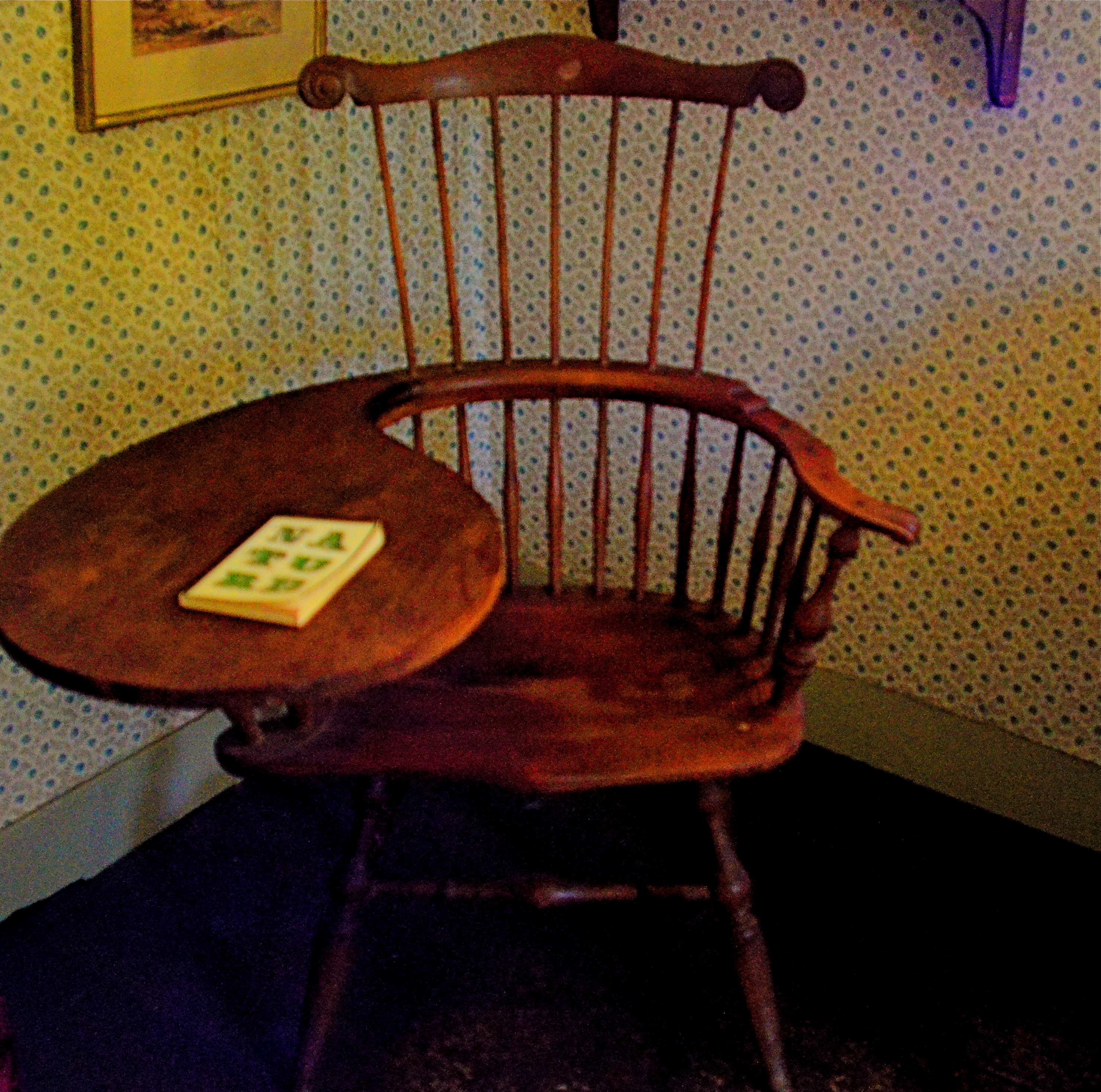 By MICHAEL PERKINS
PHOTOGRAPHERS ARE FREQUENTLY ASKED to define a “bad” picture, or, more specifically, the worst picture they themselves ever shot. The question is a bit of a logic trap, though, since it typically tricks us into naming something that failed because the subject was moribund, or because we mis-read the light, the aperture, the composition. The trap further reasons that, if you have checked off all those boxes, you should end up with a great picture.
But all of that is bug wash. What makes a picture bad is when you were not ready to take it….. but you took it anyway.
Sometimes the problem is ignorance: you simply aren’t old or wise enough to know what to do with the subject. Other times, you have substantial barriers between you and an effective story, but you try to drill past what you can’t fix. And, you can no doubt add your own list of things that, ahead of the shutter click, should scream, “not now”. Try to make the picture before either the conditions or you (usually you) are right, and you lose. Just as I lost, in great big neon letters, with the mess you at above left.
In 2016, I visited the Old Manse in Concord, Massachusetts, a venerable colonial-era home which sits right next to the small footbridge that served as the site of the first major battle of the Revolutionary War. What excited me most, however, was that it had served as a temporary home for the young Ralph Waldo Emerson, and that he had written Nature, the first of his great works, while living there. And to really put the cherry on the sundae, the house still contains the small writing desk he used to do it.
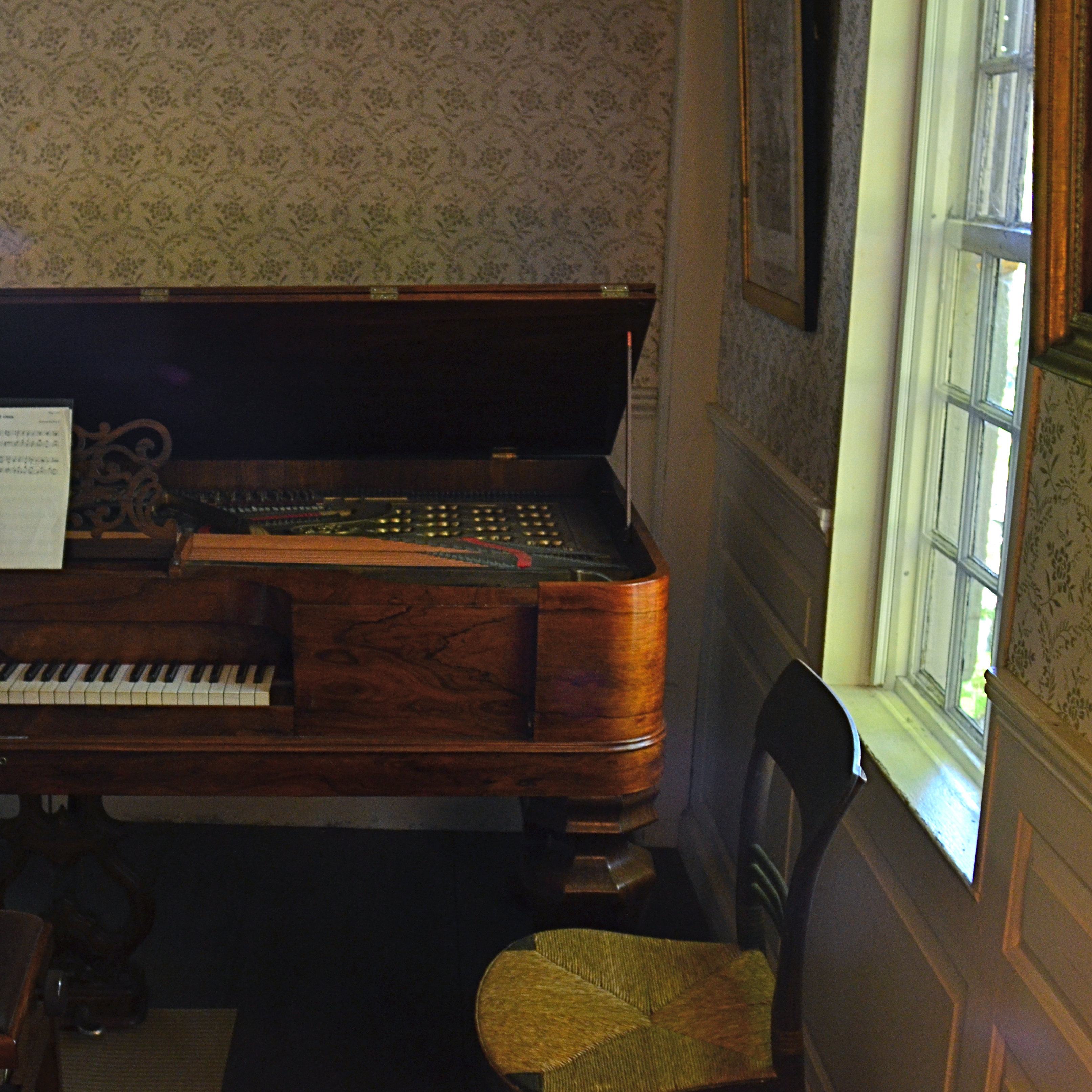 The house is lit only with indirect window light during the day, but with a fast prime lens and a decent eye, there’s more than enough soft illumination to work with to produce decent results (see left). In fact, just before my tour was to head into the room containing the desk, I had already harvested quite a few usable shots…so many, in fact, that I was getting teased by the others in the group…the usual “oh, another picture?” stuff. Uncharacteristically, I began to worry about whether I was holding everyone else up, and thus started to hurry myself, to shoot not as I intended, but in deference to what I thought others would like. By the time I got to Emerson’s chair, the light, my lens, even my own experience were all useless to me….because I wasn’t ready to shoot….but did anyway.
And so you behold the unholy mess that resulted: lousy contrast, uneven exposure, muddy texture (is the chair made out of wood or Play-Doh?), tons of noise, indifferent angle, and, oh yeah, garbage focus. Worse yet, the psyche I’d put upon myself was so severe that I didn’t slow down for a more considered re-do. No, I rejoined the group like a polite little camper, and left without what I had come for.
And that is all on me, and thus an important entry in The Normal Eye, an ongoing chronicle which is designed to emphasize personal choice and responsibility in photography, versus just hoping well-designed machines will compensate for our lack of concept or intention. This is not easy. This is ha It’s no fun realizing that what went wrong with an image was us.
But it’s a valuable thing to own. And to act upon.
FACE FRONT
By MICHAEL PERKINS
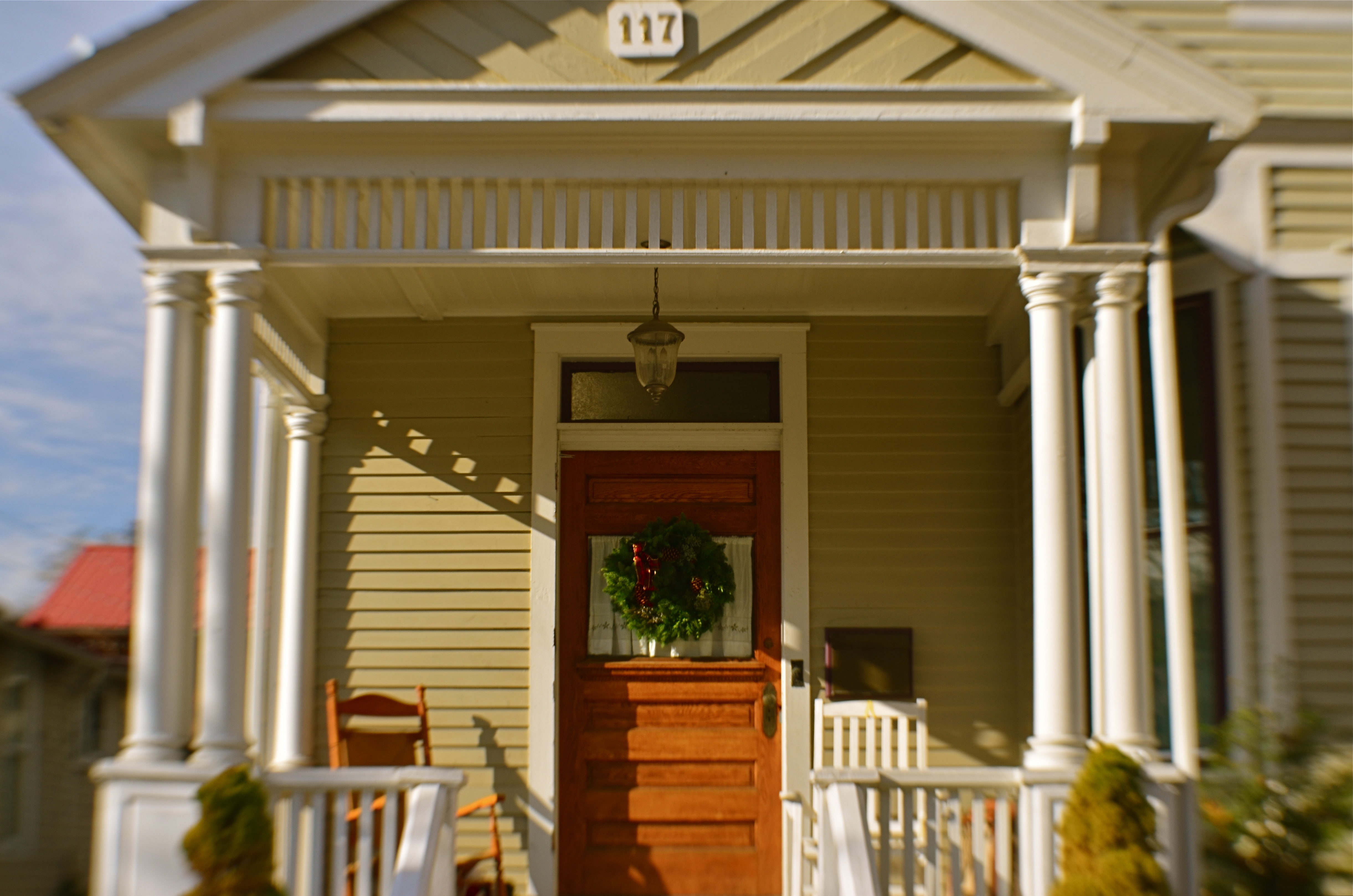
HUMANS HAVE A DEFINITE ANTHROPOMORPHIC BIAS when it comes to faces. From dancing Disney flowers to Pixar office lamps, we tend to project our features onto nearly every kind of object or entity. And, as a photographer, I fall prey to that selfsame bias, especially when it comes to making pictures of buildings.
It’s isn’t much of a stretch, really. Windows become eyes. Doors assume the role of both noses and mouths. Overhangs and pitched rooves take on the appearance of eyebrows. And so on. For a variety of reasons, I tend to position houses in the same way I might shoot the most basic human portrait. Eyes facing straight toward the camera, face centered in the shot. No arty angles, no three quarter views. As clinical as a mug shot, or, in architectural terms, the plainspoken exposition of Walker Evans’ studies of houses and businesses in days of the New Deal.
And, like the aforementioned mug shot, I tend to frame the picture as close as I dare without sacrificing either context or impact. Again, the human face is the template, with the same decisions to be made about cropping. Do you need the top of the hair, the width of both ears? Should the shot stop at the bottom of the chin? Below the shoulders? Does any surrounding information add to the selling of the picture?
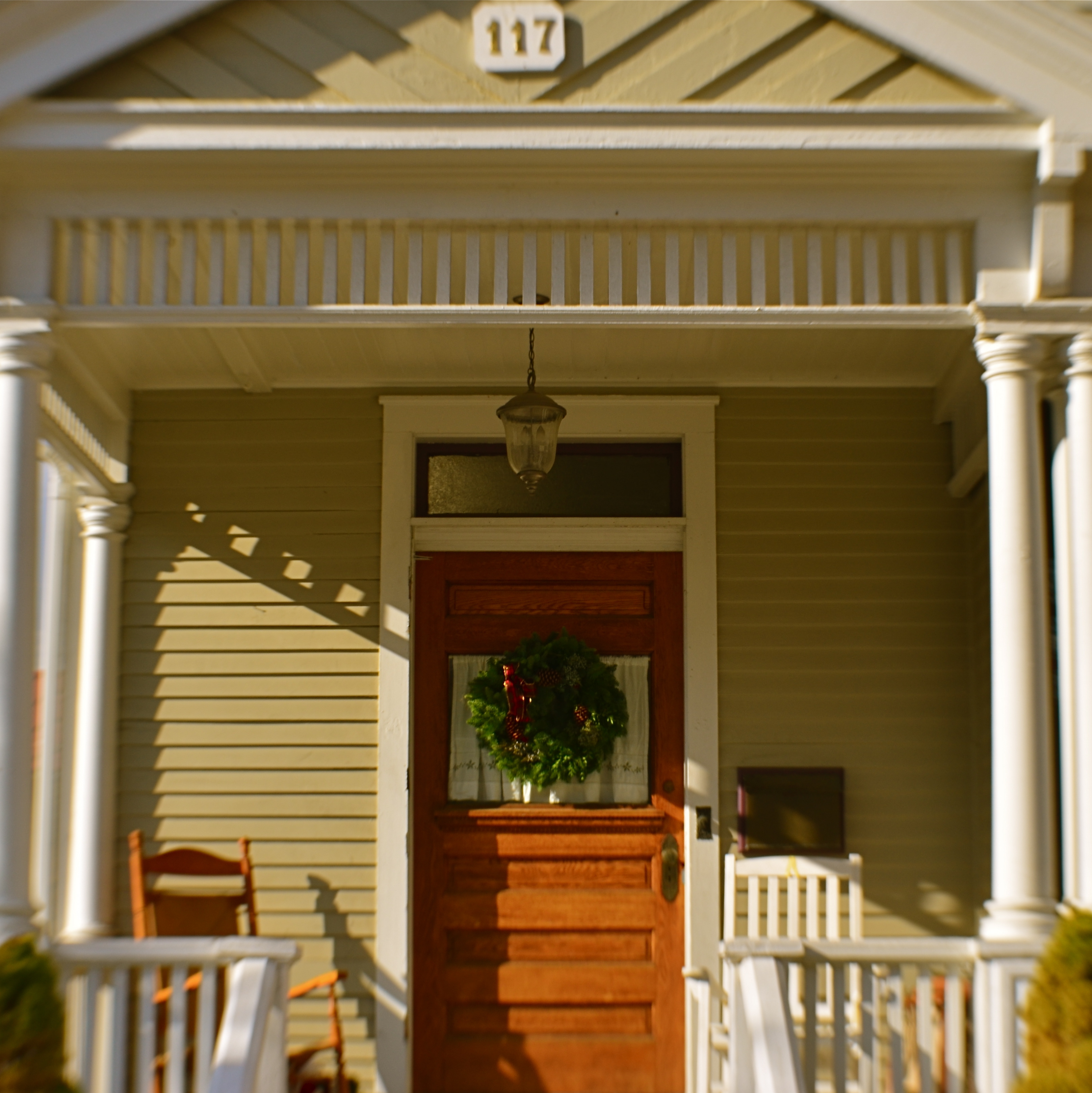
Does the traditional rectangular framing of the house in the top shot feel roomy, or merely loose? Is the square re-cropping of the same image, seen just overhead, simplified, or cramped? If the front of a building truly has the same potential impact as that of a face, it would follow that a building study might benefit from the same compositional criteria. That means that, like a face, a building has to earn every inch it occupies within the frame.
LEADING FROM THE REAR
By MICHAEL PERKINS
PHOTOGRAPHING CROWDS IS SOMEWHAT AKIN to using one’s camera to track a billowing cloud of soap suds. The shape of the mass shifts constantly, roiling this way and that, presenting the shooter with an ever-evolving range of choices. Is this the shape that delivers the story? Or does this arrangement of shapes do it?
And is just the size of the overall crowd the main visual message….with the perfect picture merely showing a giant jumble of bodies? Plenty of great images have been made that convey a narrative with just mass or scale. But throngs are also collections of individuals. Can’t a compelling tale also be told focusing on the particular?
When shooting any large gathering, be it a festival, a party or a demonstration, I am torn between the spectacle of the “cast of thousands” type shot and the tinier stories to be had at the personal level. In the shot seen below, I was following a parade, actually behind the traditional approach to such an event. What arrested my attention from this vantage point was the printed shawl of the woman directly ahead of me. The graphic on the shawl had been seen on other flags and banners in the march, but, billowing in the breeze on her back, the print became a kind of uniform for the march… a theme, a face all its own.
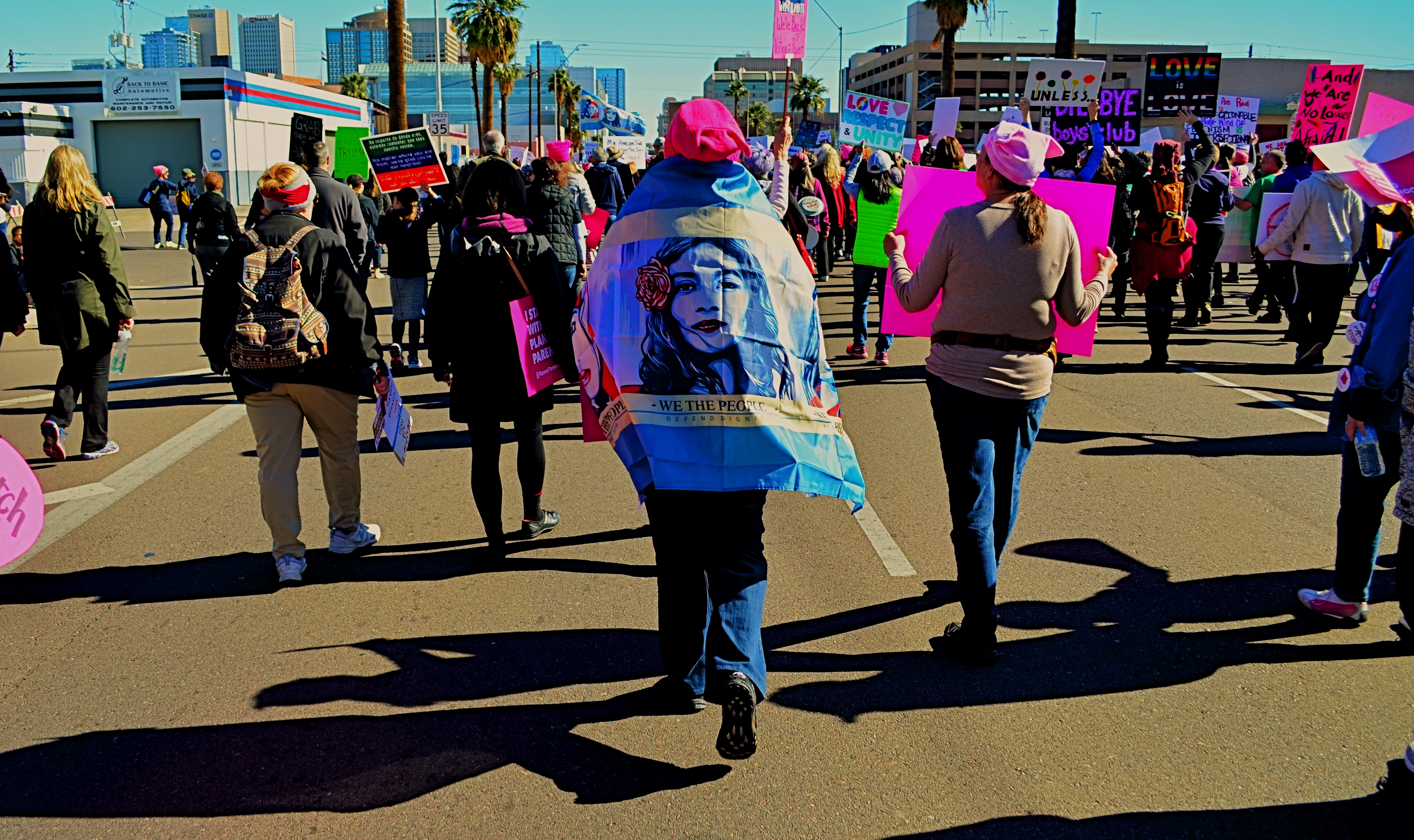
Sometimes a face in the crowd has no face.
In this context, I didn’t need to see the actual expressions of the marchers: there was enough information in their body language, especially if I composed to place the woman at the center of the shot, as if she were the leader. That was enough. The actual march boasted thousands, but I didn’t need to show them all. The essence of everyone’s intentions could be shown by the assemblage of small parts.
Some crowd photographs speak loudly by showing the sheer volume of participants on hand. Others show us the special energies of individuals. Neither approach is universally sufficient, and you’ll have to see which is better for the narrative you’re trying to relate in a particular moment.
CLUES AS TO WHOSE
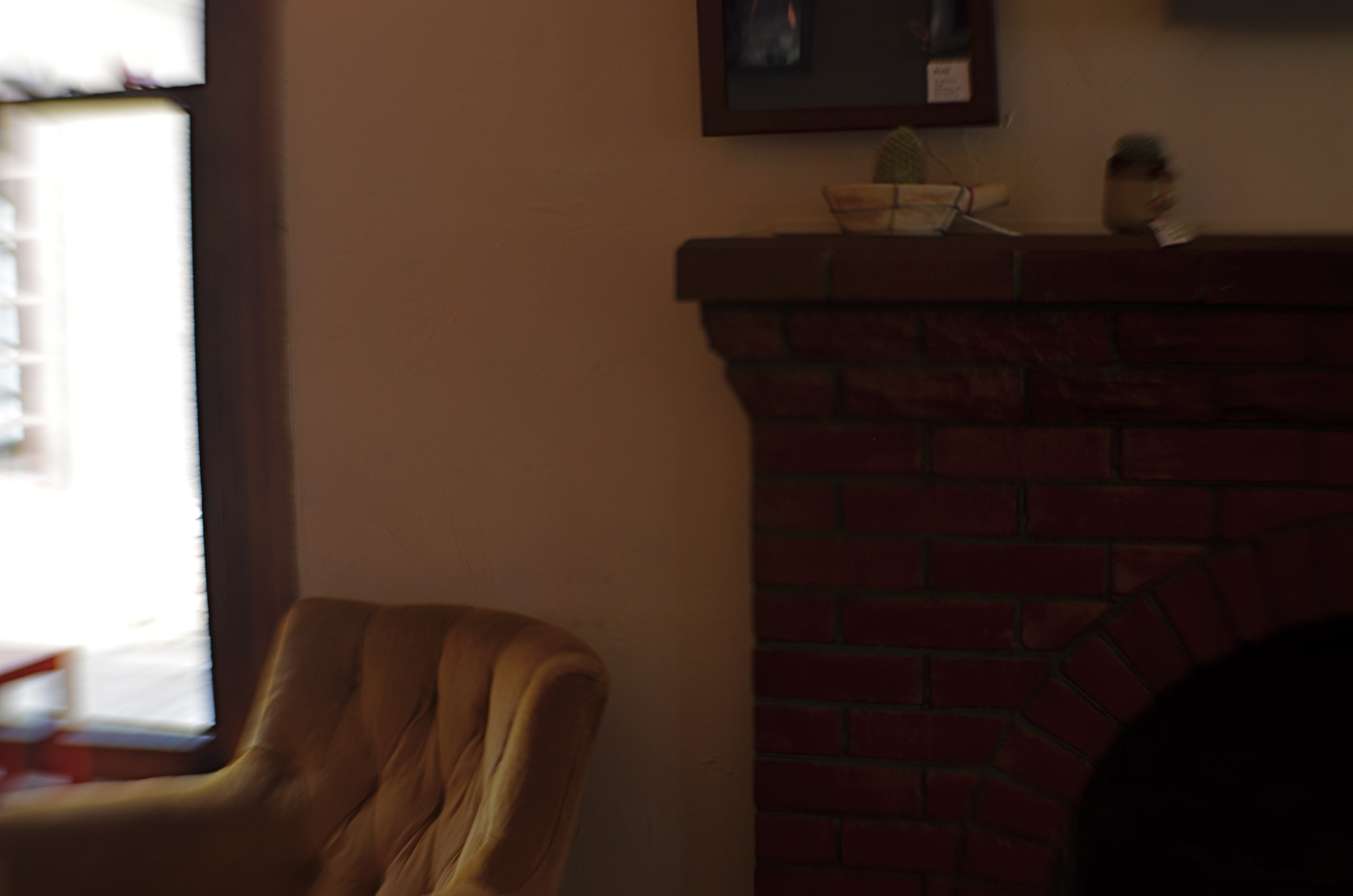
Pull Up A Chair (2018)
By MICHAEL PERKINS
THE CONCEPT OF THE STILL–LIFE is one of the most malleable in all of photography. Pore over enough image anthologies and you’ll see the term applied to every type of conglomeration of objects. Scale doesn’t matter, nor do either complexity or simplicity.
Story, however, does.
Annie Liebowitz’ massive shot of the cluttered interior of singer Pete Seeger’s workshop, jammed with tools, scraps and other glorious geegaws, forms a rich phantom portrait of the absent master. On the other end of the spectrum, the simple, classic bowl of fruit can suggest a time, a mood, and a place, all within the space of a few square inches. A still life is most eloquent when it implies existences without actually showing them. There is a life in these things. The photographer leaves behind clues as to whose.
I tend to feel the presence of people in empty rooms. I’m not saying I see apparitions of dead folks. The sensation is more like what I imagine Sherlock Holmes might experience when initially arriving upon a crime scene. To the great fictional sleuth, all rooms fairly scream out their stories: every stick of furniture, every scrap of food, every scattered book testifies in some way. Of course, photographs eventually prove that there is no such thing in nature as an “empty room”. Human activity leaves an after-image: we don’t scrub a place of evidence just because we physically leave it. Effective still-lifes recover part of that ethereal data.
It’s a great exercise in minimalism to see how little you need to show in a still life of a room and still suggest a narrative. It’s not necessary to tell the entire story. You need only pique your viewer’s curiosity as to what might have happened, or what the potential plot line of the scene could be. Photography, after all, is an interpretive art, and only a percentage of a place’s “reality” ever makes it into the frame. A still life, from Pete’s workshop to the bowl of fruit, is all about extrapolating from the seen to the unseen. If you’re lucky, someone outside yourself will see what you see.
Or……don’t see.
See?
HOWS AND WHYS
By MICHAEL PERKINS
AS THE NORMAL EYE BEGINS ANOTHER YEAR of scraps and scribblings, we like to both welcome those of you who’ve joined our little volunteer fire company since we last passed “go”, and thank our long-term friends and contributors for their vision and faith. As they say on the airlines, we know you have many choices for ways to fly. That you choose, from time to time, to fly with us is a great privilege.
We also mark the turn of the calendar to re-affirm what this home-town newspaper is, or is not. To my mind, the most vital part of photography has never been about mere technical proficiency. Virtually anyone, I believe, can learn the rudiments of exposure and aperture in a weekend. Not master them, but learn them. The greater task, by far, for anyone hoping to attain that mastery, is to train oneself to see in ever more comprehensive ways, to develop the instinct-based curiosity that takes the creative decisions from the camera’s automodes and puts them back into the hands of the photographer.
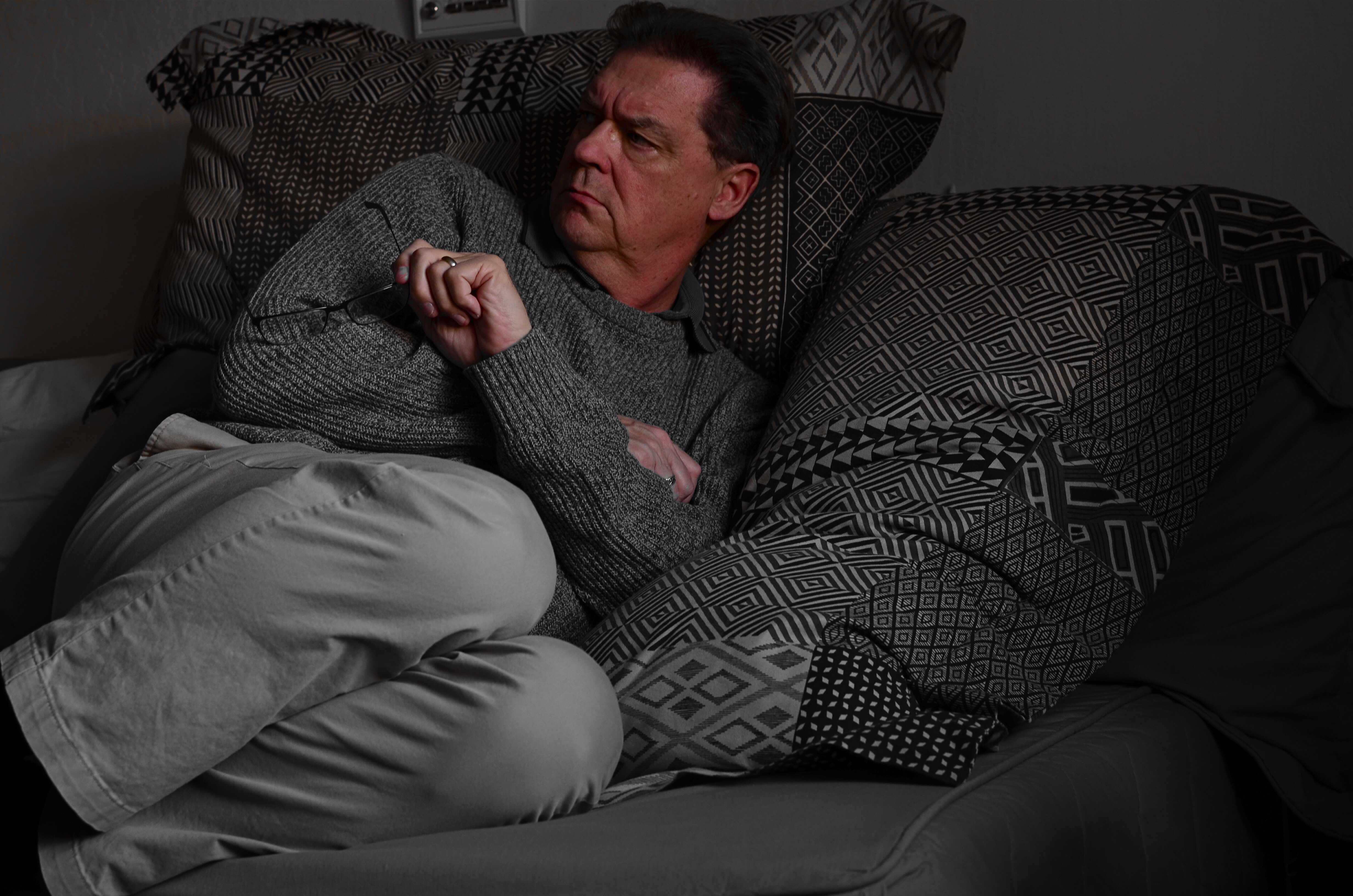
The Author Looks Back. Or maybe just to the right.
Prior to the development of more and more fool-proofed ways of acquiring consistently satisfactory images from the technical assists offered by amazing cameras, the native, or “normal” state of the photographer’s eye was one of mindfulness, of forethought, of consciously mapping out and planning a shot. Thus, as our name implies, “the normal eye” is one that sees critically and makes choices with deliberation. That means declaring more and more independence from mere technology. It means that your camera is your servant, not your master.
In the years since The Normal Eye was launched, the world has witnessed several significant revolutions in photographic philosophy, all of them placing the highest possible emphasis on experimentation and the kind of wondrous, personal uncertainty that can only result from the photographer, and not the camera, being in charge. The rebirth of instant camera’s, the refusal of film to “die”, the Lomography movement…. all are happening, not because of any sage wisdom in these pages, but because art cannot stand still, and will always reject the notion that everything’s already been invented, or that all the great images have already been shot.
The journey from taking pictures to making pictures remains irresistible, and, as it happens, inevitable. Thank you once again for joining us on that road.
LOOK ME IN THE ( ? ) AND SAY THAT
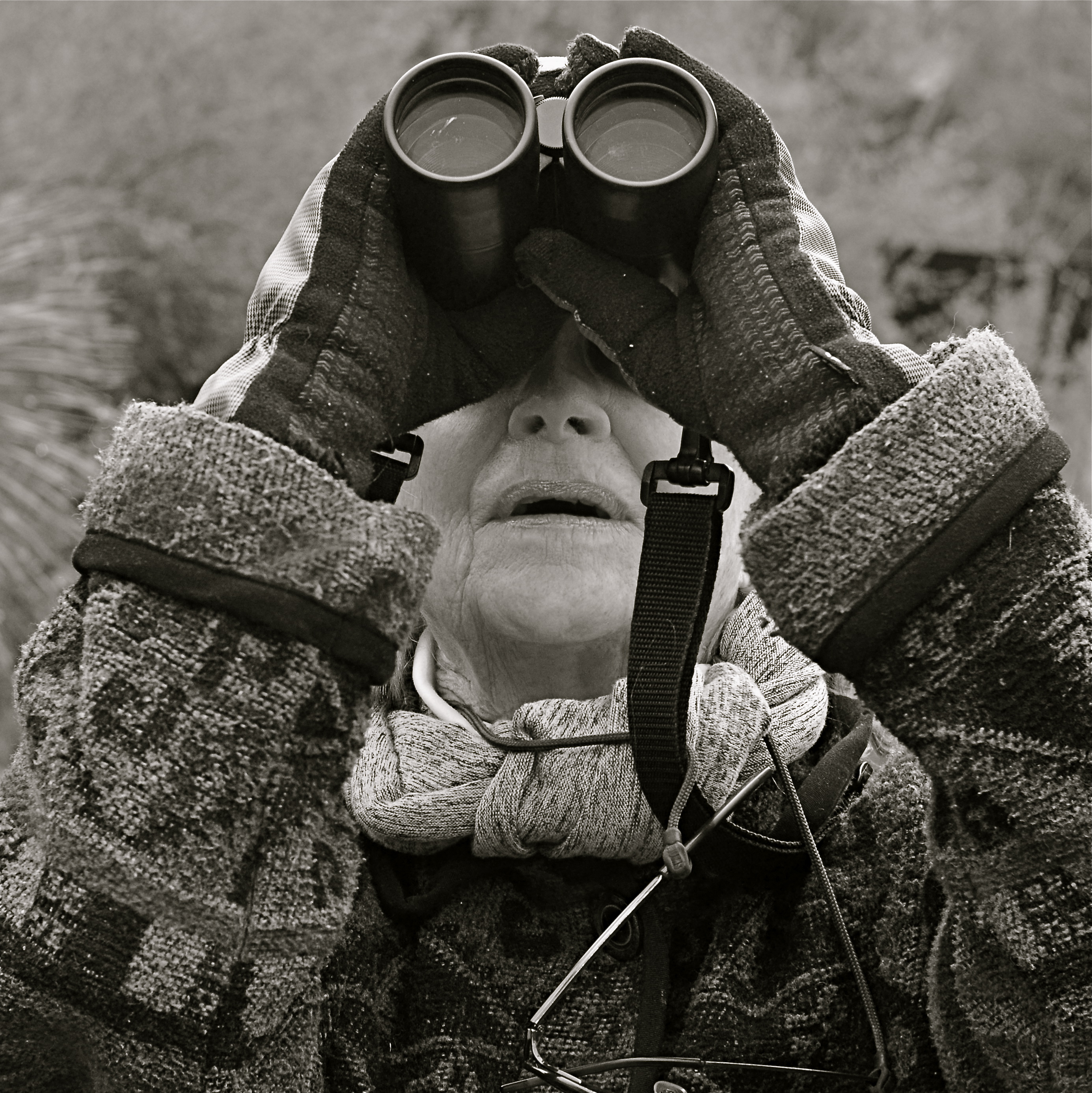
On The Wing (2017)
By MICHAEL PERKINS
PHOTOGRAPHY’S FIRST HUGE SURGE OF POPULARITY served notice on the painting world that there would, going forward, be more than one way to capture the human essence in a portrait. Initially dismissed as a mere recording device by panicky daubers the world over, the camera soon earned a place at the table by revealing just as much of the inner souls of its subjects as even the most trained brush, albeit by different roads. One of these, of course, was the eye, characterized as “the window to the soul.” To some, it seemed that painters merely drew your gaze to the eye, whereas the camera drilled straight through it.
Whether you share that view or shrink in horror from it, the fact is that generations of technical treatises have centered on the vital importance of engaging the eye in portraits: getting the right “catch light” spark reflected in it, making it the primary focus of the face, even zeroing out sharpness in the entire frame except in the orb’s immediate vicinity. It’s accepted wisdom that the eye sells the face and the face sells the picture. But what of faces that have another kind of story?
In the above image, we are, as viewers, denied access to the birdwatcher’s eyes, unless you interpret her binoculars as a kind of abstract substitute. But does that make the picture not a portrait? Using every other feature and prop available to the shooter, is there insufficient evidence to properly tell her story? Are we at all uncertain of her intent, enthusiasm, state of mind? Is her zeal any less obvious without those windows to the soul in sight? Or to think of it another way, would the picture have any greater narrative power if her eyes were visible?
Portraits are certainly anchored by their most provocative features, riveting our gaze to precise points of drama as urged by talented photographers. However, that list of elements is not absolute, any more than a blue sky is an absolute for a painter. Faces can spell out a message in upper-case neon letters or whisper it in muted shadows. But other than that, everything else is on the table. Portraits are a process, not a recipe.
THAT’S THE SPIRIT
By MICHAEL PERKINS
JACOB MARLEY, THE RUEFUL GHOST of Dickens’ A Christmas Carol, refers to the manacles and links that trail behind him as “the chain I forged in life”, and indeed, as the years wear on, one can certainly feel the accumulated weight of one’s own “ponderous” train, its clanking amplified to even greater force during the holiday season.
Certain cycles of the year speak louder to our memories than others, whether they mark anniversaries of loss, joy, sacrifice, devotion, or any other emotional life trophies. And the visual arts, including photography, tap into and amplify these feelings in everything from the pages of the calendar to snapshots of dear ones both present and absent.
Both present and absent. Living and dead. Still here and almost gone. Ghosts and survivors. Marley and Scrooge. The photographer can sometimes almost feel the collision of past and present within a single image, as if each force is grappling for control of the picture’s message.
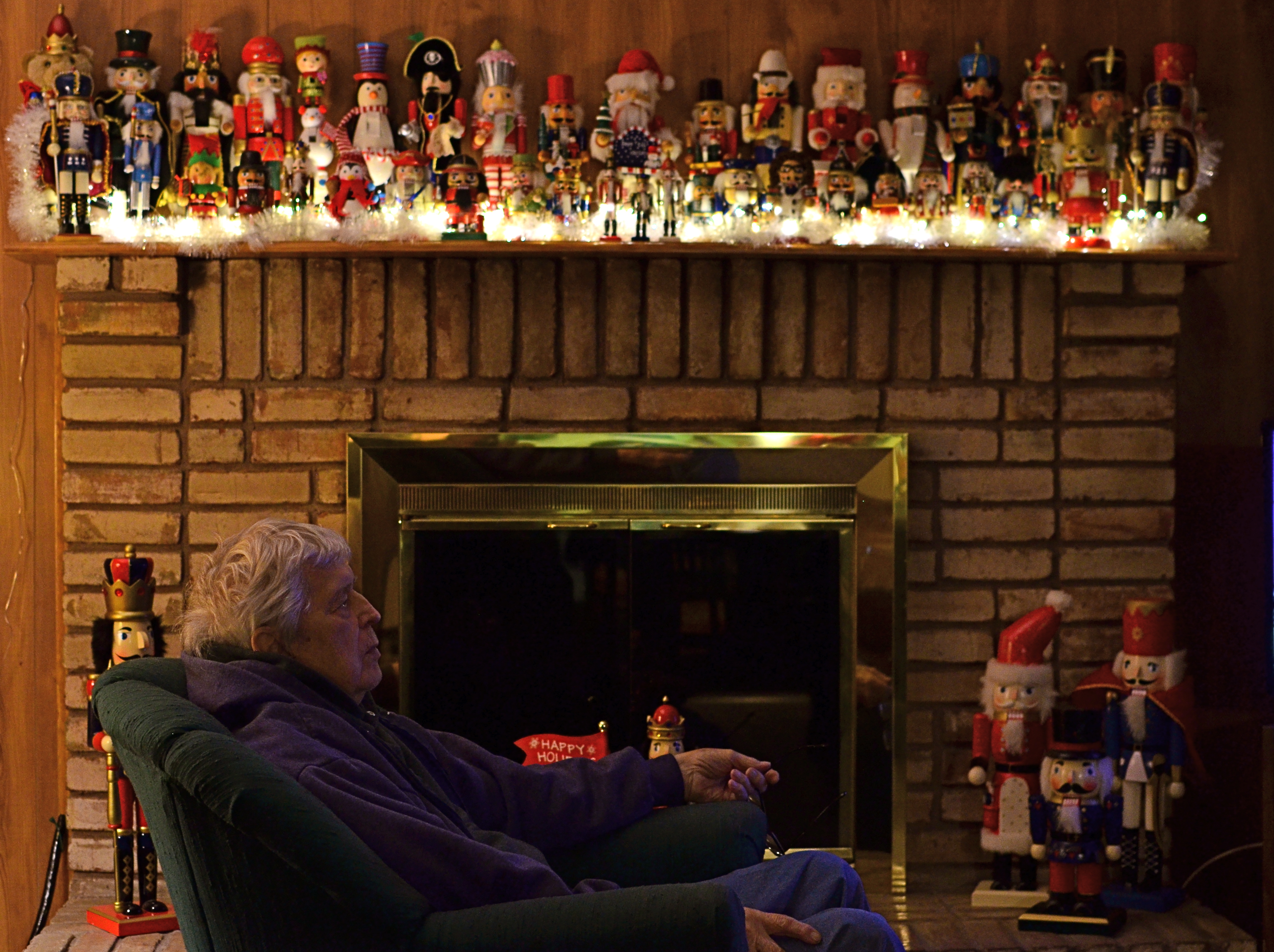
In the above photograph, I was initially looking to steal a candid of my father as he watched some television. It should have been a simple task, but, when your father is still here at 88, the faces of those no longer here echo in his every feature. To add to the density of emotion, you have the fact that he’s seated beneath a mantle fairly buckling under the weight of a third of a century’s worth of well-curated nutcrackers. Thus, even though she’s dodged having her picture taken at this particular moment (a well-honed skill), my mother is present here as well.
And so, decisions, decisions: I could have made my father look over in my direction, maybe even coaxing a smile from him, but I liked his weary look of detachment, as if the years were a kind of Marley chain dragging him earthward. I also could have cropped out the nutcrackers, simplifying the overall frame. But the “ponderous” tonnage of memory the figures symbolize would have been wasted, so they stay.
Photographs can only rarely be snapped in their most complete form, and certain times of year prove too layered with history to make for so-called “simple” pictures. Maybe it’s the different way we see on certain days. And just maybe it’s a ghostly presence, a glimpse of the chain we forged in life.
GETTING PAST IT ALL
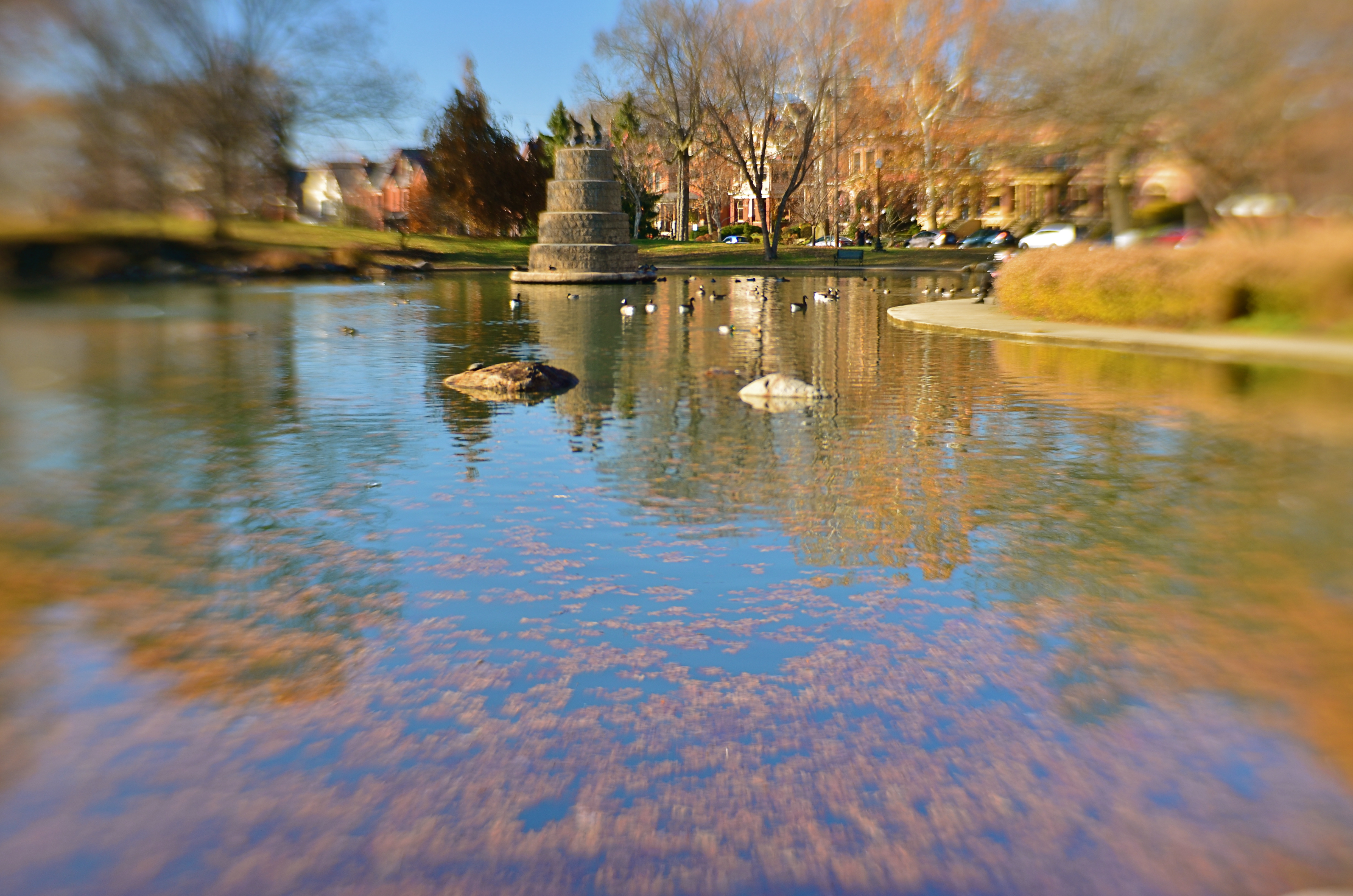
Is this image of a city park any less “real” than my childhood memory of it?
By MICHAEL PERKINS
SOME MEMORIES ARE BURIED SO DEEPLY in our mental archives that, like old snapshots, they deteriorate, browning along the edges, retrieved only in imprecise or incomplete detail. Ironically, these mainstays of our very personhood evolve over time from fact into folklore, rendering fundamental, formative events unreliable, suspect.
And if one’s personal memory of a time or place is less than “actual”, what about photographs of the places where those imperfect memories were forged? How can camera images of battlefields, home towns, even one’s childhood home record anything real beyond physical dimensions?
The park in the above picture first entered my consciousness in the late 1950’s, when my mother had medical appointments a block away and my father walked me around the perimeter of the pond to kill time while she lingered in the waiting room. I recall very specific things about tile mosaics of fish set in the concrete walkways around the water, and a few flashing impressions of a nearby cafe which no longer exists, but that’s pretty much the sum total of my memories of the place.
So, as a photographer in 2017, how do I even attempt to make a visual document of this locale? Any specifics of my own experiences here have been smeared and sandpapered until they only represent a part of a part of the real story. Shouldn’t I, in fact, sort of “free-associate” the scene, assuming that any fresh impressions are at least as trustworthy as my moth-eaten memories of it? Since I can’t reasonably capture a faded dream, isn’t the dream realm where I should draw for the missing pieces?
We only suppose that a camera, which at one level is a mere recording instrument, will act as an objective reporter on the current sites of our old adventures. But that’s the problem. It can only take measure of things as they are, not the unique mix of fact and fable that passes for experience in our imperfect minds. And so we frown at the results and mutter, “it’s not like it was…”
The reply to which should be: how would we know?
INSIDE THE OUTSIDE
By MICHAEL PERKINS
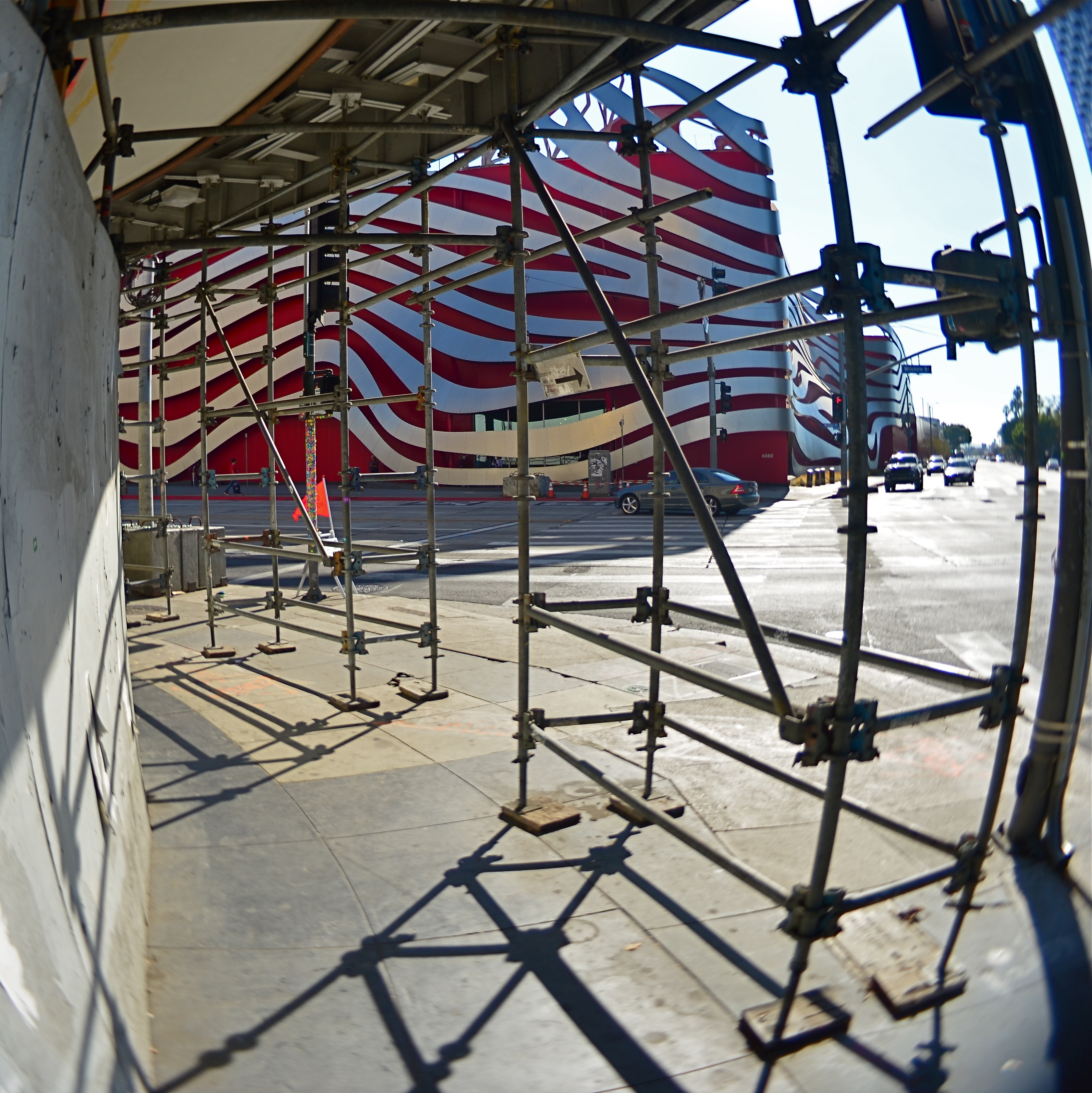
Los Angeles’ Petersen Automotive Museum, as seen from Fairfax Boulevard.
IT’S HARD TO ATTRACT ATTENTION IN HOLLYWOOD, a town that shouts in five dimensions, a million colors, and four thousand decibels about almost everything. Here, in the town that hype calls home, design always swings for the fences, and Subtle Is For Sissies. Small wonder, then, that photographers, who typically love to play top this with their peers, find that Tinseltown and greater L.A. are already at gold medal status in playing the very same game. I’ll see your weird, and raise you two weirders.
As a street shooter in Hollywood/L.A., you routinely witness the bizarre being passed off as the normal. As a consequence, the very act of visually commenting on this mad sensual overdose can make even your most prosaic shots seem like a trip through the looking glass. Words like stately, venerable, or traditional seem oddly out of place in the town that invented fourteen-story billboards and the Walk of Fame. Using a camera to say something new about it all can be a fool’s errand, or at least, a mental obstacle course.
Whenever I visit Los Angeles, I am constantly looking for some kind of reversal pattern, a way to treat the most outrageous visual artifacts on their heads. I don’t always succeed. I did, however, have fun trying, recently, to come up with a new way of seeing a very strange building, the Peterson Automotive Museum, located at the intersection of Wilshire Boulevard and Fairfax Avenue, the outside of which has undergone a very radical facelift in recent years. From afar, the building seems to be a wild, untethered series of curves and swoops, a mobius strip of red and steel spaghetti floating in space in an abstract suggestion of motion. It’s a stunning bit of sculpture that actually is a wrap-around of the original, far more conventionally-shaped museum building beneath it.
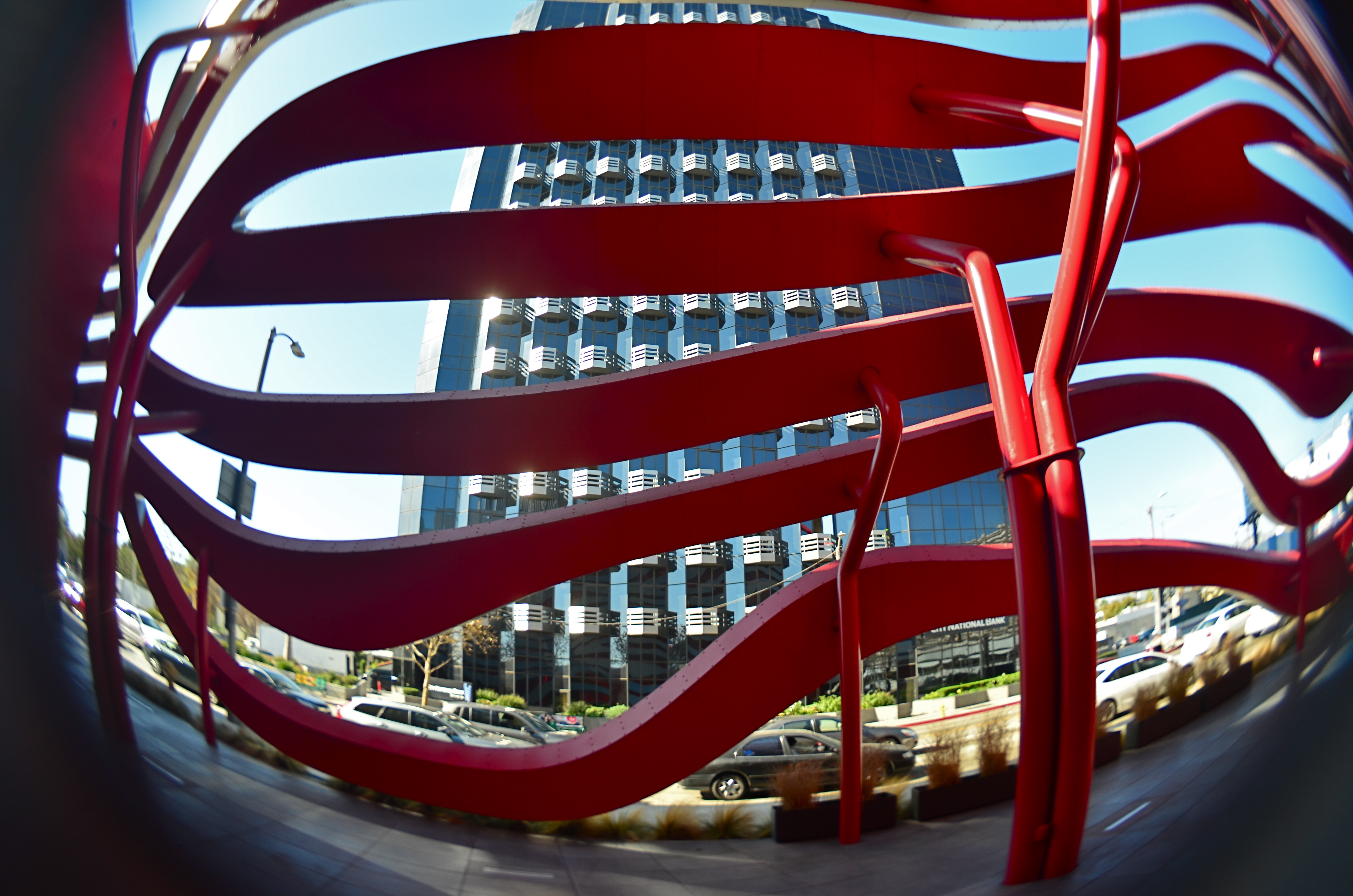
Inside the Petersen’s exterior facade, looking out.
And, as it turns out, that’s the way to reverse-engineer a photo of the museum, since it’s possible to walk behind the swirly facade and into a shadow-and-color-saturated buffer space that exists between it and the underlying structure. From inside said space you can view the outer bands as a peekaboo grid through which you can view neighboring buildings and local traffic, rather like looking between the slats of some big psychedelic set of venetian blinds. And that’s where I stood when taking the above shot with a Lensbaby Composer Pro lens with a fisheye optic, the aperture set at about f/5.6 to render the whole thing somewhat soft and dreamy. I’ll see your two weirders and raise you one bizarre.
(ALMOST) NO ADMITTANCE
By MICHAEL PERKINS
DOORS PRESENT A MOST INTRIGUING PARADOX for the photographer. They are both invitations and barriers, the threshhold of opportunity and the end of it. Entrances and exits create a two-way traffic, with people either vanishing into or emerging from mystery either behind or in front of them. In either case, there are questions to be answered. And while the camera is certainly no x-ray, it does set the terms of the discussion…an endless discussion… about secrets.
Think of those fateful doors beyond which we know something portentous or crucial occurs. Ten Downing Street. The portal to an execution chamber. A confessional. An organization open to “Members Only”. Doors are like red meat to the photographer because they mean everything and nothing at once. Like the children of Pandora, we inherit the insatiable curiosity to know what’s back of that thing. Who’s there? Who’s not there? What does the great Oz look like? What’s going on inside that doesn’t invite me, doesn’t want me?
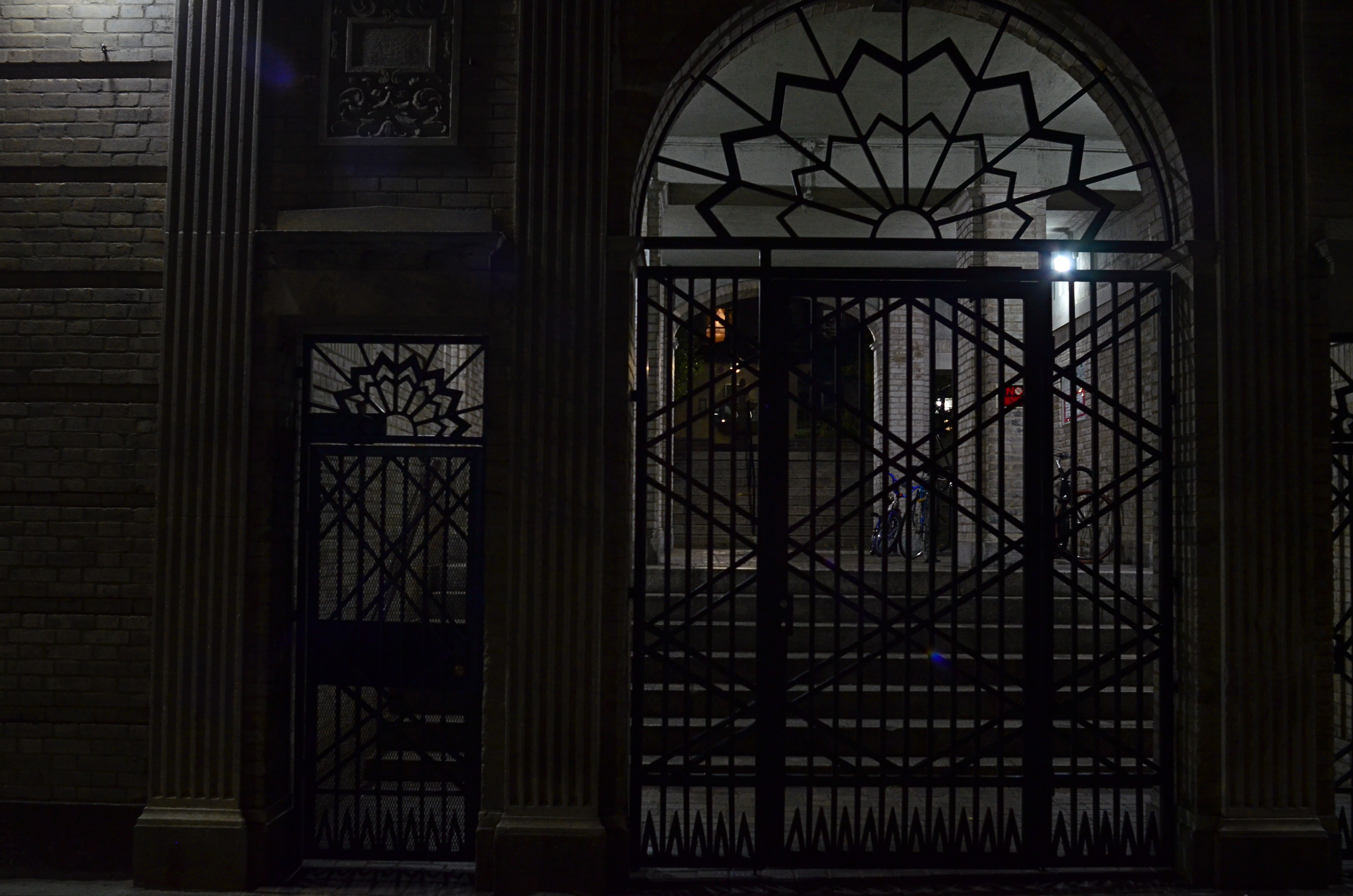
All barriers seem wrong, even cruel to us, on some level. “Something there is that doesn’t love a wall, that wants it down” writes Robert Frost in the poem Mending-Wall, and it seems like a reasonable sentiment. I can’t walk past a door, forbidding or friendly, without wanting my camera to go back and ask, knock, knock, who’s there? As an example the above image came to me unbidden, on a night in which my wife and I had walked along Queens Boulevard in New York in search of an all-night diner. Having succeeded in securing sustenance, we were walking home when a brief glimpse of a rather substantial iron gate became visible down a side street during the few scant moments it took us to skip through an intersection. I knew two things at once: I would never know what lay beyond that grand facade, and I would, still, have to make time to come back, on another night, to have my camera ask “the question.”
Photography can be about The Big Reveal, and often traffics in the solving of puzzles. But just picturing the puzzle is all right too. We don’t have to know whether the lady or the tiger is behind that door. We just have to use our magic boxes to knock on it.
MOZART’S CORONA
By MICHAEL PERKINS
SOME PRACTITIONERS OF PHOTOGRAPHY EMBRACE WHAT THEY CALL REALITY, while other factions run as far away as they can from the strictures of the “actual” world. There will always be shooters who see their main role as that of a chronicler or witness, recording “Joe Friday” pictures, i.e., just the facts, ma’am. Others see the real universe as nothing more than a point of departure. Their images could easily be labeled “based on a true story.”
Neither viewpoint can go it alone. Without reality as a reference point, flights of fancy float off into chaos. Conversely, without a sense of whimsy, the gravity of the world can make a photograph leaden and moribund. Let’s face it: dreamers and didacts need each other, and complement each other within a single picture the way fat flavors lean meat. Moreover, trying to attenuate a customized mix of these two disciplines is the real fun in photography.
I’ve been fascinated of late by the new surge of interest in manual typewriters. It’s the same longing for recently-departed technology that’s fired a revival in film and the rebirth of vinyl lps. We are moving so quickly forward in some ways that we are understandably reluctant to regard every part of our past as dispensible ballast to be jettisoned on the way to some perfect Futureworld. And so we linger a while. We prolong our goodbyes a bit.
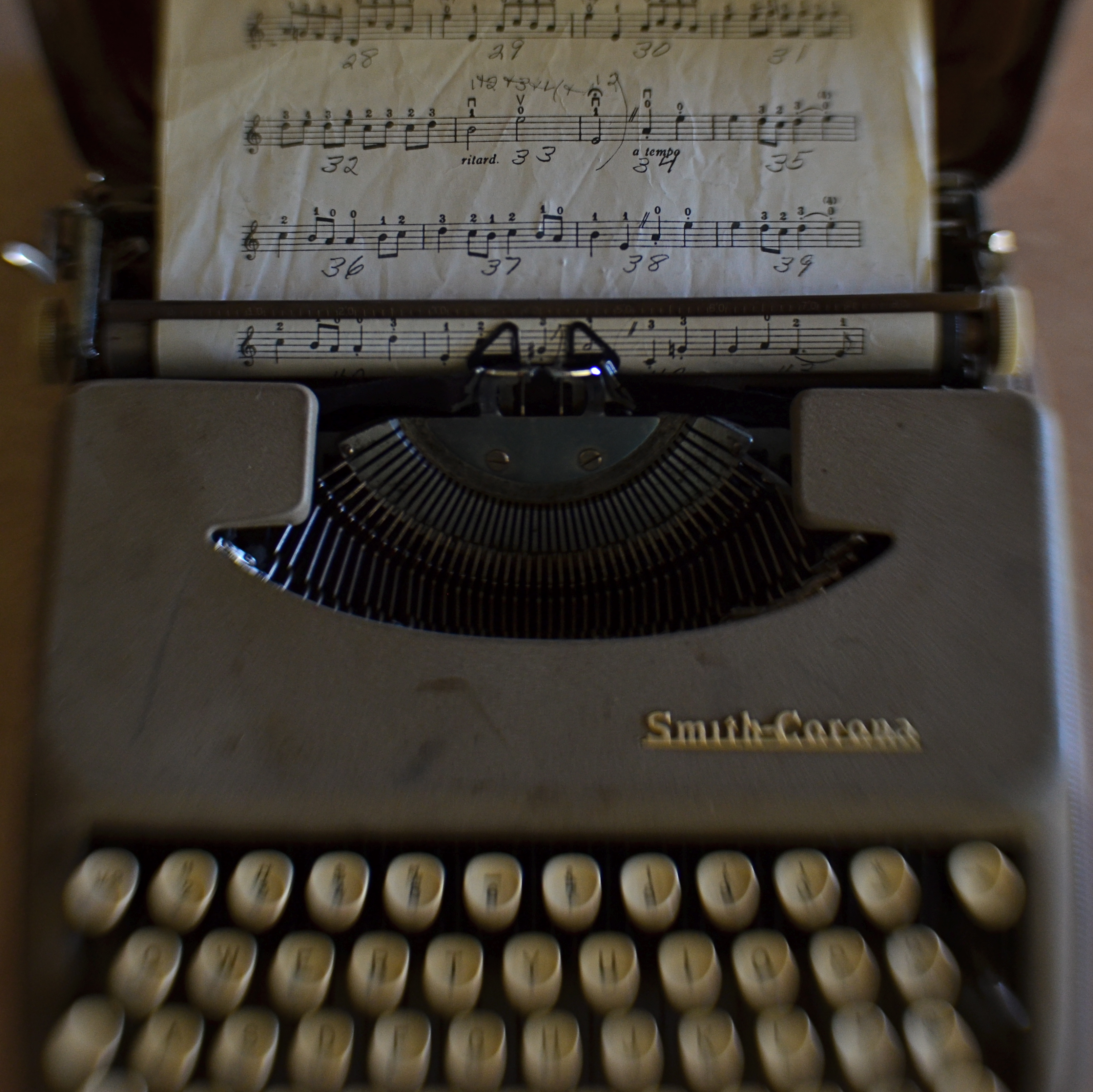
Compose Yourself (2017)
Some writers have recently renewed their love affair with the clack and clatter of the mechanical keyboard, marrying its noise, heft, and bulk to a kind of seriousness, as if a story or essay were somehow more authentic if pounded out on an old Royal or Smith-Corona. The recent documentary California Typewriter takes its title from a scrappy repair shop that survives to the present day by restoring old beaters for a new crop of trendy customers who either admire the sheer engineering wonder or the mystical oomph it confers on their scribblings. High-profile adherents like Tom Hanks, John Meyer and David McCullough rhapsodize about the contours, keyboard height, and return bell of their respective treasures. It’s great fun.
Photographically, I started to explore just how far the idea of the typewriter-as-magical-device could be stretched. Would it endow the user with the ability to solve knotty equations? Conjure ingenious recipes? What if the typewriter had unilateral power to enhance the creation of anything, even melody? What kind of typewriter might help Mozart crank out a concerto? Would his greatest works go mid-performed for centuries just because he transposed certain keys? And what would that process look like?
I decided to use a selective focus lens (the Lensbaby Composer with Sweet 35 optic) to de-emphasize the process of typing (the softly rendered keys) and call attention to the magical product (the sheet music being generated, focused more sharply) coming out of an imagined Corona wielded by an inspired Amadeus. The concept is so ridiculous that it’s compelling, producing a photograph which can’t be true but which ought to be true, rather like Dumbo using his ears to fly despite the fact that he weighs half a ton. I love these kinds of exercises because I embrace the fact that photographs can tell enchanting lies. And as Paul McCartney sings, “what’s wrong with that?”
THE VIEW FROM (OTHER) HERE(S)
By MICHAEL PERKINS
THE FIRST EMOTION I EXPERIENCE IN LOOKING AT GREAT COMMERCIAL PHOTOGRAPHERS’ WORK, is, of course, the awe that vision and talent naturally elicit. The second emotion, although I’m not proud to say it, is something akin to old-fashioned, green-eyed envy, given that so many of the world’s best images are, no surprise, taken from the world’s best vantage points. National Geographic, The Audubon Society, NASA, and hundreds of amazing journalists take our breath away not only for what they shoot, but for where they shoot it. Theirs is the stuff of Pulitzers and mass circulation. They literally make the shots seen ’round the world.
But there is, in all this camera envy, a spark of hope for the rest of us. Consider: not all of us can create great work even, by being in the right place at the right time. We also have to be the right people to make a shot eloquent, even if we’re standing at the edge of momentous events or breathtaking views. Yes, sadly, many of us won’t be sent by our editor to the sites with the greatest potential, or have enough liquidity to venture to them on our own dime. Most of us won’t be across the street for those moments when the world changes.
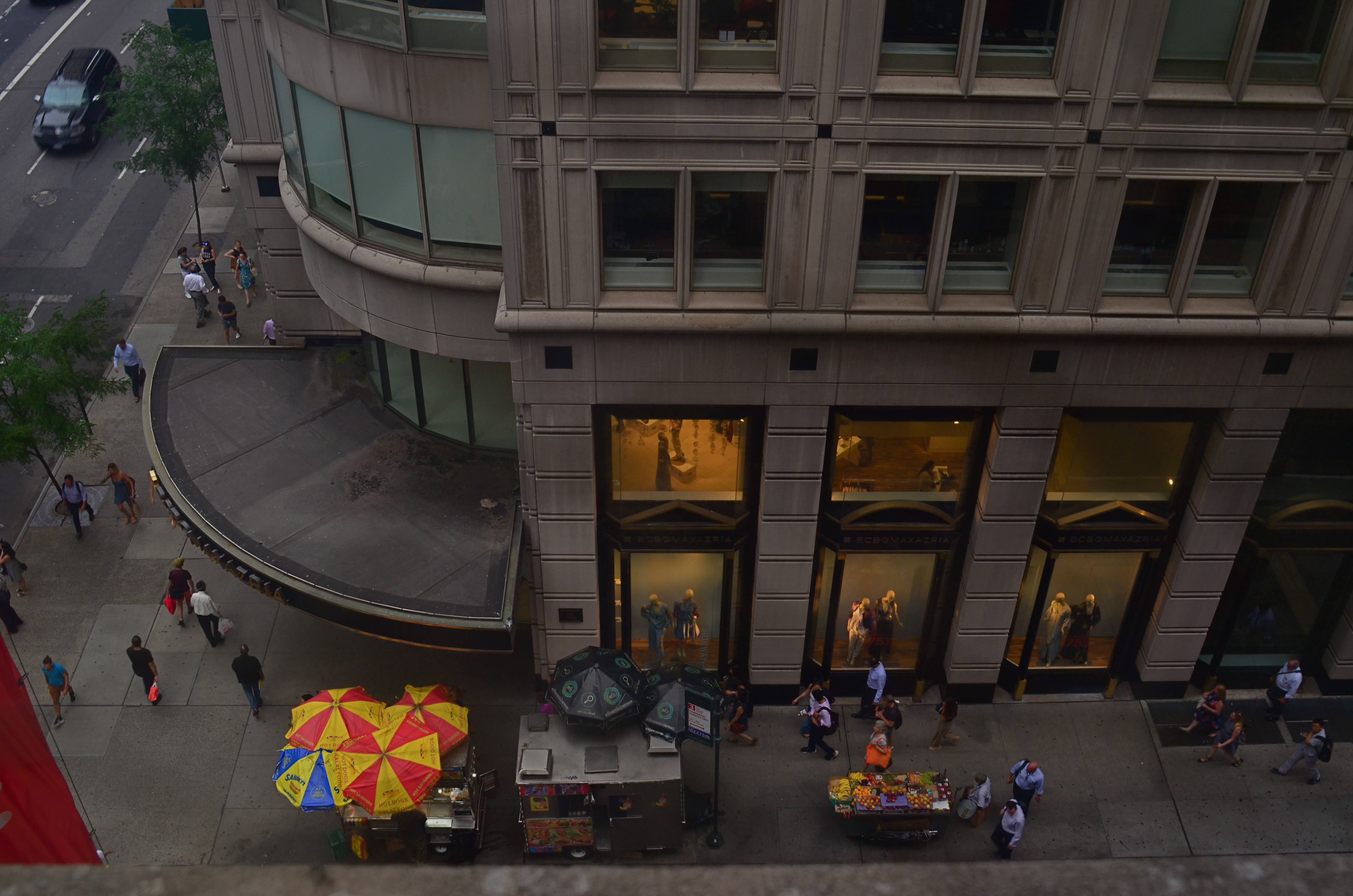
A bird’s-eye view of a “common” street scene. Does the point of view make a difference?
But here’s the deal: we do control the way we approach the places that we can get to. We can be the difference between a mundane and a miraculous image, even if the subjects we cover might escape everyone else’s glance. And we can re-imagine, through an angle, a viewpoint, a sensibility, something that’s been thought to be “photographed to death”, and harvest something fresh from it. Our cities, our daily routines, our most familiar mile markers need not have a single, “official” identity in photographs. Where we stand, what we choose to say, transforms even the most well-trod material. The street corner in the image at the top has mostly been seen or photographed at street level. Did I find something new in shooting it from an eighth-story window? And if I didn’t, could someone else?
Cameras, even the most expensive ones, don’t create beauty. Events, no matter how momentous, don’t guarantee stunning images. It’s the eye at the viewfinder, and the brain behind it, that determines whether a picture speaks.
 thenormaleye
INTIMATE STRANGERS
Colin Patrick Perkins, December, 2017
By MICHAEL PERKINS
AT THIS STAGE OF MY LIFE, I find myself playing two conflicting games of “who’s there” as regards my identity in the context of generations. On one hand, in front of the shaving mirror, I can clearly see my grandmother’s face pushing its way forward through my own. On the other, I now can see echoes of the “serious” younger man I thought I was being inscribed across the features of my adult children.
It is too late for me to explore my grandmother’s face for further clues, beyond studying the images others made of her. Sadly, as a photographic subject, she was amazingly opaque. I can’t think of a single image of her that reveals or explains an iota of what I know emotionally of her. Looking down into her soul through a photograph is as unlikely as trying to see through a lead-lined wall. As for myself and my three legatees, we seem not only to be facial re-interpretations of each other, but occasionally, a glimpse into what she was as well. Strange.
My children are all serious contenders, in that they believe that life is to be gotten on with, no dilly-dallying, if you please. They are, in that way, far better agents of change and action than I was. Time has begun to burn childhood’s last traces from their features, but the remaining faces are those of big, deep livers, of striver-survivors. Their own legends are now inscribed on them: they are, focused, intentional, resolute, courageous. I see the concern and apprehension I once wore on my own face: I read the uncertainty of their contending in this world. But I also see every laugh, every explosion of joy, every haywire vision and dream that I knew in myself: I see their first giggles, their earliest amazements.
And so, although my camera can only see a fraction of these things unaided, I am now able to provide that aid: I see now with ever-new eyes. These intimate strangers are my teachers, not my students. My grandmother, cipher of raw endurance that she was, might even have recognized herself in these new iterations of old star-stuff. She speaks to me in the mirror, as if to remind me, get it right, boy. Similarly, my children speak to me in pictures, enjoining me to do the same thing.
Share this:
April 15, 2018 | Categories: Commentary, Conception, Documentary, Uncategorized | Tags: Candids, portraits | Leave a comment